A MenoVest will allow people at an event in Hull to experience one of the symptoms of the menopause.


A MenoVest will allow people at an event in Hull to experience one of the symptoms of the menopause.
Mobility, flexibility and balance are major components of living a long, healthy lifestyle, according to various studies and experts who’ve previously spoken with HuffPost. If you’re not intentional about training, these can all decline with age. Luckily, we found a tool that so many reviewers say has helped with all three of these core pillars of longevity, and it’s beloved by everyone from people in their 70s to desk workers and Pilates lovers. It’s “GREAT for opening up tight” muscles and backs and correcting poor posture. Hit the on-page coupon and grab it for the lowest price possible.
Advertisement
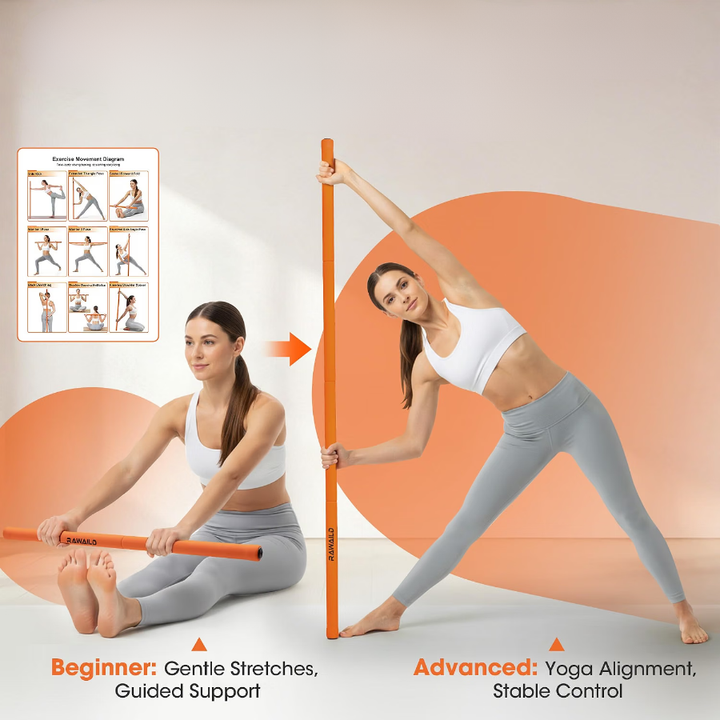
Folks are relying on this dowel to better balance their body while performing body weight exercises, like squats and beginner yoga positions. One user in particular actually says that they can’t currently perform a squat, but this tool is helping them with stability! It’s also helping older users with motion exercises, alignment drills and rehab support.
Advertisement
“I love these mobility sticks,” raves one reviewer. “I teach a group of women via a Zoom class 4 days a week, and we use these poles for lateral lunges, hip hinges, and a variety of things. They are SUPER sturdy, easy to assemble or disassemble if you need to shorten them. I have two of them, but normally we just use one for workout. But if you have someone who is older, or needs a bit more assistance from two poles, they are handy!”
“The stick has a nice amount of padding, which makes it comfortable to grip and lean into during stretches or balance work,” says another reviewer. “For me, this has been especially important because I have stage 4 osteoarthritis in my right hip. While I can’t give medical advice, I can say from experience that this stick has provided a ton of stability, making movements feel safer and more controlled.”
If you’re not sure what stretches you can pull off with this tool, the stick comes packaged with a useful guide to learn new stretches, yoga routines and mobility exercises. One shopper recommends looking up dowel drills on YouTube for more.
Advertisement
This yoga stick is highly practical, letting you adjust its length to three different sizes: 30.7 inches, 45 inches or 59.2 inches. Each length is made for different body types and stretches, with the shorter length best for gentle shoulder stretching and the longest for full-body flexibility drills and Pilates. It comes in four pieces that you can screw to build together.
Unlike similar options on the market, this stick is made from steel instead of wooden, ensuring both durability and stability. It’s padded with foam to keep the pressure against your body gentle and comfortable, plus it doubles as a sweat-absorber. The wrapping also helps with grip, so you won’t have to worry much about dropping it in use.
Advertisement
“highly portable as it comes in 4 separate pieces which will fit in a large tote bag or small carry-on bag for air travel. This is a great device for support posture drills and controlled stretching. I would recommend this product and I would purchase it again.”
“The RAWAILD Yoga Stick turned out to be surprisingly sturdy, even for a bigger guy like me. I wasn’t sure what to expect, but the build quality is genuinely solid and gives a lot of confidence during use. It’s also super easy to put together — the pieces fit cleanly, and the whole setup takes just a minute.
The stick has a nice amount of padding, which makes it comfortable to grip and lean into during stretches or balance work. For me, this has been especially important because I have stage 4 osteoarthritis in my right hip. While I can’t give medical advice, I can say from experience that this stick has provided a ton of stability, making movements feel safer and more controlled.
Because of that added support, I’m actually able to do some exercises again that I had stopped doing. It’s been a helpful tool for regaining mobility and confidence in my workouts.
Overall, the RAWAILD Yoga Stick is well‑made, supportive, and easy to use — a great choice if you need extra stability or want a simple tool to help you stay active.” — EinOTown“If you need more mobility in your life, if you feel chronic tension in your shoulders and your back is stiff from too much sitting or poor posture – this RAWAILD YOGA STICK will be helpful. Use it a few minutes everyday and feel the stiffness loosen and disappear. The stick arrives nicely packed in 3 pieces – each part screws into the next piece to make a long 5 ft pole. It’s padded and has a comfortable no slip grip. it’s very sturdy. There is a basic exercise manual that is included , but I found going on YOUTUBE and searching “stretching with a pole” will show you many videos of stretching and workouts. Choose the one that appeals to you. I use this pole outside on grass or inside on a yoga mat.The ends are plastic and would be a little slippery on tile or hardwood. But it’s great on a yoga mat. I chose the Orange color because it was the cheapest at the time. There are several colors to choose from. All in all this is a great mobility tool.” — Mandy04
“I got this yoga stretching stick not only for myself, but, I also wanted something my 75-year-old mother could safely use for gentle stretching and balance work. It’s been great for both of us. The adjustable length is really helpful because we can each set it to what feels comfortable and supportive for our different stretching needs.
The stick feels sturdy and secure when using it, which is important when you’re relying on it for balance or deeper stretches. The twist-lock connection holds firmly and doesn’t feel loose or wobbly during use. The foam grip is also very comfortable and easy to hold, even during longer stretching sessions.
We’ve mainly used it for shoulder, back and posture stretches, and it’s been especially helpful for encouraging slow, controlled movements. It’s simple to put together, lightweight enough to handle easily, and convenient to store when not in use.
Overall, this is a well-made and practical stretching tool that works well for different ages and flexibility levels. It’s been a helpful addition to our daily stretching routines and I feel reassured that mom has something to hold onto for balance..” — Linda T.
Advertisement

Amazon
We previously spoke to physical therapists about the benefits of using a balance pad: They can help train your muscles to make faster, continuous adjustments while you’re on the unstable surface, leading to overall better balance and stability. (For what it’s worth, another expert also previously told HuffPost that using a balance pad for simple exercises can help improve your bone density, too.)
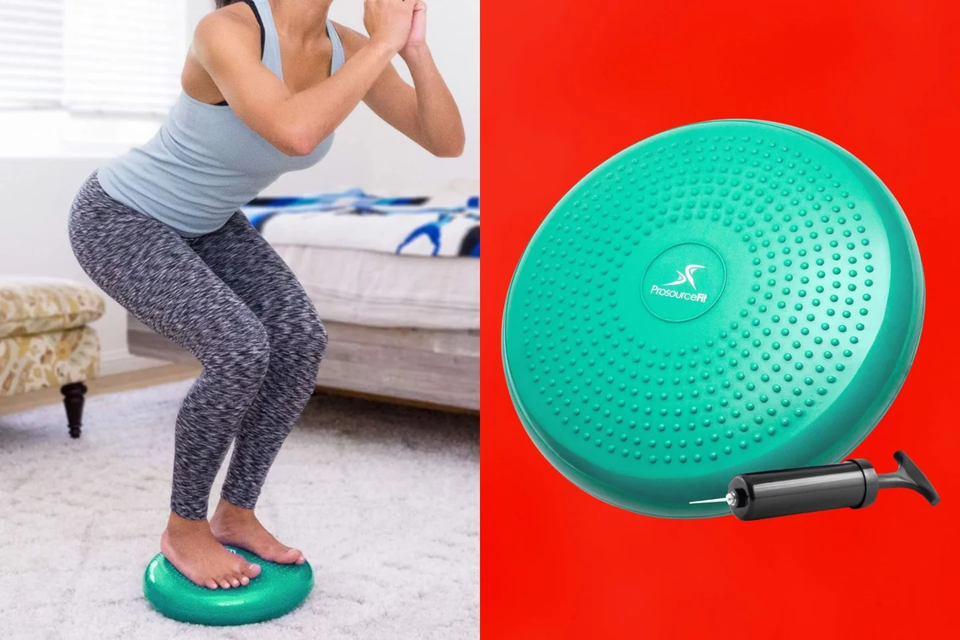
Based on this insight, we chose to highlight this ProsourceFit option which comes in two sizes and has a near-perfect 4.8-star rating with more than 14,000 reviews. The lightweight pad weighs just 12 ounces so you can carry it wherever, and use it for Sellmeyer’s recommended balance exercises as well as lunges, squats, planks and more. That’s in addition to other uses around the house, like as a knee pad for gardening, a foot pad for underneath your desk and more. Talk about versatility. The pad is available in five colors.
Promising review: “Functions exactly as advertised. great for balance and core work. this pad has the perfect amount of “give” to work those areas. also the small waves on the surface help to prevent sliding on hard wood floors.” — Mary S.
Amazon
Similar to the foam balance pad, this balancing disc is a shifting surface that can help your reaction time and overall balance, according to experts we asked about it. It also comes previously recommended by a physical therapist for its potential assistance in core-strengthening exercises. The disc is also versatile: Use it standing, sitting, or even behind your back to help with posture. The disc has a non-slip, dual-textured surface and comes in several fun colors.
Amazon
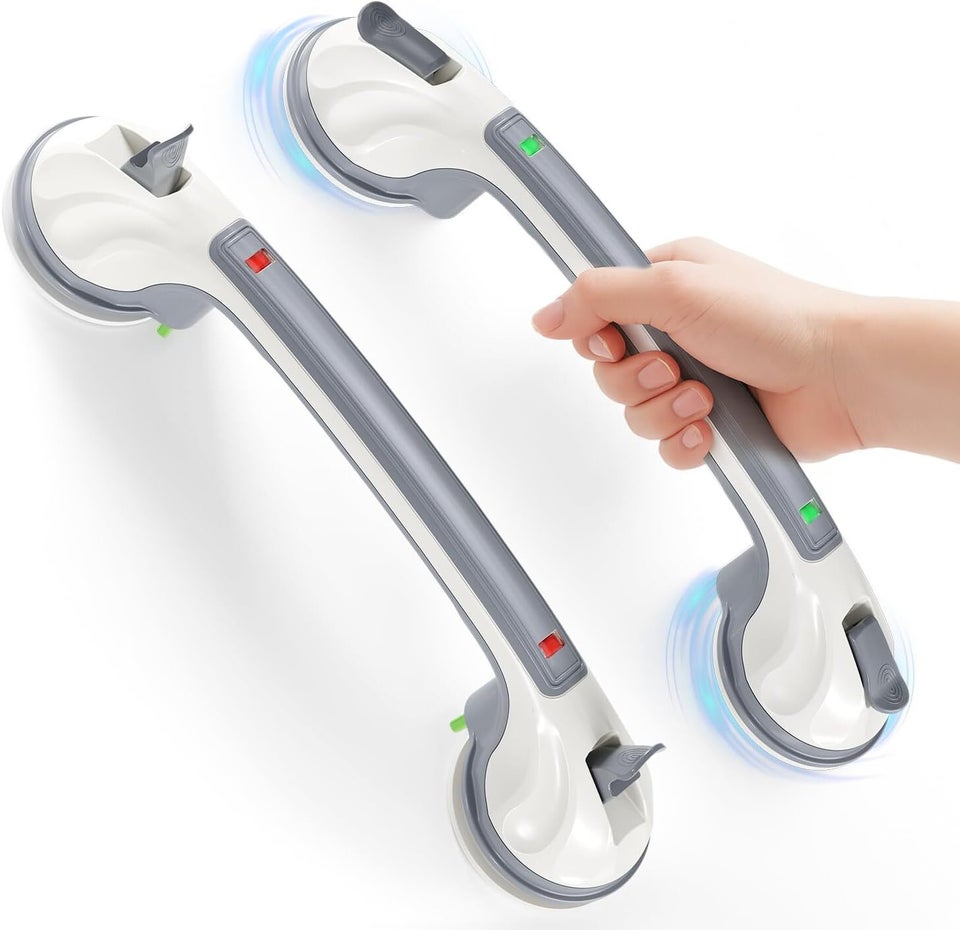
For a previous story on ways to prevent falls around the house, we referenced a list of tips by the National Institute of Aging, which included installing grab bars in the shower. That list did not name or endorse any particular brands or products, but our own research led us to this two-pack of non-slip grab bars that can suction to the wall and give you something steady to hold onto as you get in and out. The suction design allows them to be installed tool-free, but they’re still secure on smooth, non-porous and sealed walls. They even have a safety indicator that turns red if the suction is not attached correctly, so you know whether you have to adjust.
Promising review: “I’ve been using these for several months in my garden tub/shower. They hold to the wall strongly and support my weight when maneuvering in and out of the tub for balance. Bathing is so much better with these rails….just in case. They are attractive on the wall and barely noticeable as they blend in. Nice design and strong. Highly recommend this product. They do not leave any marks on your walls either. I have removed and re-situated my bars and they still work great! And create a strong seal again.” — Jean
Advertisement
The Real Deal: We use deal trackers and commerce experience to sift through “fake” hike-and-drop deals and other deceptive sales tactics. Products will usually be rated at least 4 stars with a minimum 15% discount. (And when there’s an exception, we’ll tell you why.)
Advertisement

Researchers at the Department of Energy’s Oak Ridge National Laboratory have developed a new way to transform polyethylene, one of the world’s most common plastics, into gasoline- and diesel-like fuels.
Polyethylene is widely used in products such as shopping bags and white plastic cutting boards, and large amounts of it ultimately end up as waste. The ORNL team’s method combines the plastic with molten salts containing aluminum chloride. These salts perform two jobs at once, acting as both the reaction medium and the catalyst that drives the chemical conversion.
The researchers have applied for a patent for the technology, and the findings were published in the Journal of the American Chemical Society.
How Molten Salts Break Plastic Into Fuel
To understand why the process works, the scientists closely tracked the chemical reactions that convert the polymer into fuel molecules.
Using soft X-ray spectroscopy and nuclear magnetic resonance, the team found that charged aluminum atoms bind with three other atoms, creating highly acidic catalytic sites. These sites can attack the long molecular chains that make up polyethylene and split them into smaller hydrocarbon molecules.
Additional experiments using isotopic labeling and neutron scattering showed how the structure of the starting polymer influences the resulting fuel. Simpler polymer chains tended to produce gasoline-like compounds, while more complex chains generated diesel-like fuels.
If the method can eventually be scaled beyond laboratory experiments, the researchers say it could contribute to U.S. energy security and strengthen industrial competitiveness.
“We developed an efficient and selective polyethylene-to-gasoline conversion,” said Liqi Qiu, a postdoctoral researcher at the University of Tennessee, Knoxville, who performed most of the study’s experiments in the ORNL laboratory of Sheng Dai, of ORNL and UTK. Dai, an ORNL Corporate Fellow and section head for separations and polymer chemistry, is a co-corresponding author of the paper.
The experiments achieved a gasoline yield of about 60 percent under relatively mild reaction conditions.
Plastic-to-Gasoline Conversion Below 200 Degrees Celsius
One of the most notable features of the method is how little it requires compared with more conventional plastic-to-fuel technologies.
“We converted polymer waste to value-added fuels by using commercially available inorganic salts as the reaction media to provide the catalytic sites,” said Zhenzhen Yang, an ORNL staff scientist who was also a co-corresponding author of the paper. “Unlike traditional techniques for converting polymer to fuel, the new process did not require noble-metal catalysts, organic solvents or external hydrogen. This is the first time molten salts were used as media to produce high-value-added chemicals from waste without any catalytic initiator or solvent and at a temperature below 200 degrees Celsius.”
Temperatures below 200 degrees Celsius are comparable to those found inside a conventional kitchen oven. Earlier approaches for converting polyethylene into gasoline have typically relied on pyrolysis, a process that uses intense heat to break large polymer molecules into smaller hydrocarbons. Those methods have required temperatures of roughly 450 to 500 degrees Celsius.
The lower temperature, along with the absence of costly noble-metal catalysts, external hydrogen, organic solvents, and a chemical initiator, could simplify the process.
“The ORNL system solves two fundamental issues. One, for a stable system, the process can be radically easier to scale up. Two, the previous system needed an initiator to kick off catalytic reactions.”
Decades of Molten Salt Research
ORNL has been studying molten salts for decades. During the 1960s, its Molten Salt Reactor Experiment demonstrated that mixtures of molten salts could function as both nuclear fuel and reactor coolant.
Building on that long history, Dai proposed using molten salts for an entirely different purpose: converting discarded polymers into useful fuels.
Molten salts are inorganic compounds that can remain stable even under demanding chemical reaction conditions.
“The ORNL system solves two fundamental issues,” Dai said. “One, for a stable system, the process can be radically easier to scale up. Two, the previous system needed an initiator to kick off catalytic reactions. However, the ORNL system does not need one.”
ORNL’s Tomonori Saito managed the project and contributed expertise in polymer science.
“In this case we tackled polyethylene, a widely available commodity polymer, using molten salt,” he said. “We’re trying to understand fundamental science that will lead to discoveries and new economic opportunities.”
Understanding exactly what was happening during the reaction required researchers from several scientific disciplines and the use of multiple advanced analytical techniques.
Tracking the Chemistry Atom by Atom
At ORNL, Luke Daemen used neutron scattering to help identify the hydrocarbon products created when different polymer chains reacted. Felipe Polo-Garzon analyzed the products with gas chromatography-mass spectrometry, a technique used to separate and identify individual chemical compounds.
When polyethylene interacted with an aluminum catalytic site, the reaction produced a positively charged carbon ion. Qiu, Yang and Dai tagged that carbon ion with deuterium, an isotope of hydrogen, allowing them to follow what happened to it as the reaction progressed.
The team also used neutrons at ORNL’s Spallation Neutron Source to monitor hydrogen within the system.
“The polymer contains a lot of hydrogen,” Dai said. “Neutrons are ideal at discerning light elements including hydrogen and its isotopes, such as deuterium.”
Researchers also needed to determine how the aluminum sites themselves changed during the process.
Yang traveled to the Advanced Light Source at Lawrence Berkeley National Laboratory, where she worked with Min-Jae Kim and Jinhua Guo. Using soft X-rays, the researchers examined interactions between aluminum and polyethylene at both the atomic and electronic levels. Soft X-rays are especially useful for studying relatively lightweight elements such as aluminum.
“The aluminum edge shifted to the low-electron-density edge, which means some electron-rich intermediates formed,” Yang said. “We compared the findings with other techniques and confirmed an aromatic ring intermediate can coordinate with aluminum and cause a binding-energy change.”
That shift provided evidence that the aluminum sites were actively catalyzing the chemical reaction.
Simulations and Advanced Imaging Reveal the Mechanism
Back at ORNL, Bobby Sumpter of the Center for Nanophase Materials Sciences used computer simulations to study the energy changes taking place during the reaction, including how stable carbon ions formed and were transferred into hydrocarbon products.
At UTK, Michael Koehler used in situ X-ray diffraction to follow changes in the phases of the reaction mixture as the chemistry unfolded. Carlos Alberto Steren used nuclear magnetic resonance to investigate the aluminum catalytic sites.
ORNL’s Tao Wang contributed expertise in molten salt chemistry, while ORNL’s Logan Kearney supplied high-density polymers and provided expert guidance on possible routes for converting them into higher-value products.
A Remaining Challenge: Keeping the Salts Stable
Although the aluminum-based catalytic system is inexpensive and chemically active, it has an important limitation. The material is hygroscopic, meaning it readily absorbs water. That moisture can reduce its stability.
The researchers now want to investigate ways to confine the molten salts, potentially using halogens or carbon-based materials, which could make the salts easier to separate and process while improving their stability.
The work could ultimately expand the range of methods available for producing transportation and industrial fuels from waste materials.
“Polymer source material is abundantly available from consumer waste, and our catalyst system, aluminum molten salts, is very cheap,” Qiu said. “This advance may be promising for industry.”
The DOE Office of Science (Materials Sciences and Engineering Division) primarily supported the research as well as the gas chromatography-mass spectrometry work (Chemical Sciences, Geosciences and Biosciences Division, Catalysis Science program). The research employed DOE Office of Science user facilities at ORNL (the Spallation Neutron Source for neutron scattering at the VISION beamline and the Center for Nanophase Materials Sciences for quantum chemistry calculations) and Lawrence Berkeley National Laboratory (the Advanced Light Source for soft X-ray spectra).

A new type of brain implant could give scientists a more precise way to study the brain and may eventually contribute to treatments for neurological conditions such as epilepsy.
Researchers from DTU, the University of Copenhagen, University College London, and other institutions have developed a long, needle-thin brain electrode equipped with microscopic channels. Known as the microfluidic Axialtrode (mAxialtrode), the device is designed to provide multiple functional points along the length of the implant. This allows researchers to record neural activity and deliver medication to specific locations across different parts of the brain.
The findings were published in the journal Advanced Science.
A Multifunction Tool for Brain Research
For now, the technology is primarily intended as a research tool. Scientists could use it to investigate how signals travel through different layers of the brain during processes involving epilepsy, memory, and decision-making.
Over the longer term, the researchers say the mAxialtrode could also have therapeutic applications. One possibility would be using the device to deliver drugs to precise locations while simultaneously applying electrical stimulation or light stimulation to selected areas of the brain.
Postdoc Kunyang Sui, who developed the mAxialtrode concept together with Associate Professor Christos Markos, says one of the main advantages is that several capabilities can be combined within a single implant. That could allow researchers to perform more precise experiments while reducing the need for multiple devices inserted into the brain.
“Most current brain implants are based on hard materials such as silicon, which can irritate the brain and trigger inflammatory reactions in the tissue. The new implant differs in that it is made of soft, plastic-like optical fibers and has a specially angled tip that makes it smaller and reduces the damage caused when it is placed in the brain,” says Kunyang Sui.
Sui cautions that the technology is still far from routine clinical use. Extensive testing, additional development, and regulatory approvals would be required before it could be used to treat patients.
Moving Beyond Conventional Optical Fibers
Brain researchers currently use flat-ended optical fibers in many experiments. These thin fibers, made from glass or plastic, can carry light into deep regions of the brain. They are frequently used in optogenetics, a technique in which specific nerve cells are activated using light.
Conventional fibers, however, have an important limitation. They typically interact with brain tissue only at the end of the fiber, meaning researchers can stimulate or monitor just one location at a time.
The outermost end is called the distal tip, or the “nose” of the fiber. Light is emitted and contact with brain tissue occurs only at this point. As a result, scientists may be limited to measuring or stimulating one brain layer at a time, even though many brain functions depend on communication among several layers and deeper structures.
How the New Brain Implant Works
The needle-thin mAxialtrode begins as a much larger polymer rod. Researchers heat the material and draw it into an extremely thin fiber, somewhat like producing a very fine strand of sugar, but with far greater precision.
A light-conducting core runs through the center of the fiber. Surrounding it are eight microscopic channels that can transport liquids. Those channels can also hold extremely thin metal wires used to measure electrical activity in the brain.
The finished fiber measures less than half a millimeter across. It is also highly flexible, allowing it to move along with brain tissue rather than pressing rigidly through it. This difference in stiffness could be important because harder implants can trigger inflammatory responses when they remain in the brain for long periods.
Tested in Living Mice
The researchers tested the system not only in the laboratory but also “in vivo,” meaning in living mice. The electrode was implanted in the animals’ brains and connected to light sources, recording equipment, and small pumps used to deliver fluids.
The experiments showed that the device could stimulate nerve cells using both blue and red light. At the same time, researchers were able to record electrical activity from shallow and deeper brain regions, including the cerebral cortex and hippocampus.
They were also able to inject different substances at separate depths, with delivery points spaced almost three millimeters apart. All of these measurements and forms of stimulation were carried out using a single lightweight fiber, which the mice were able to carry without any obvious signs of discomfort.
Potential Applications in Epilepsy and Neuroscience
The in vivo experiments and neurophysiological validation were performed in close collaboration with Associate Professor Rune W. Berg of the University of Copenhagen and Associate Professor Rob C. Wykes from University College London. Their contributions included expertise in analyzing neural circuits and models relevant to epilepsy.
The research team is now working to patent the technology behind the brain electrode. The scientists are also exploring what would be required to begin testing the device in patients within a clinical setting.
The BBC’s Catherine Burns spoke to some young mental health ambassadors who called for an increase in mental health support.
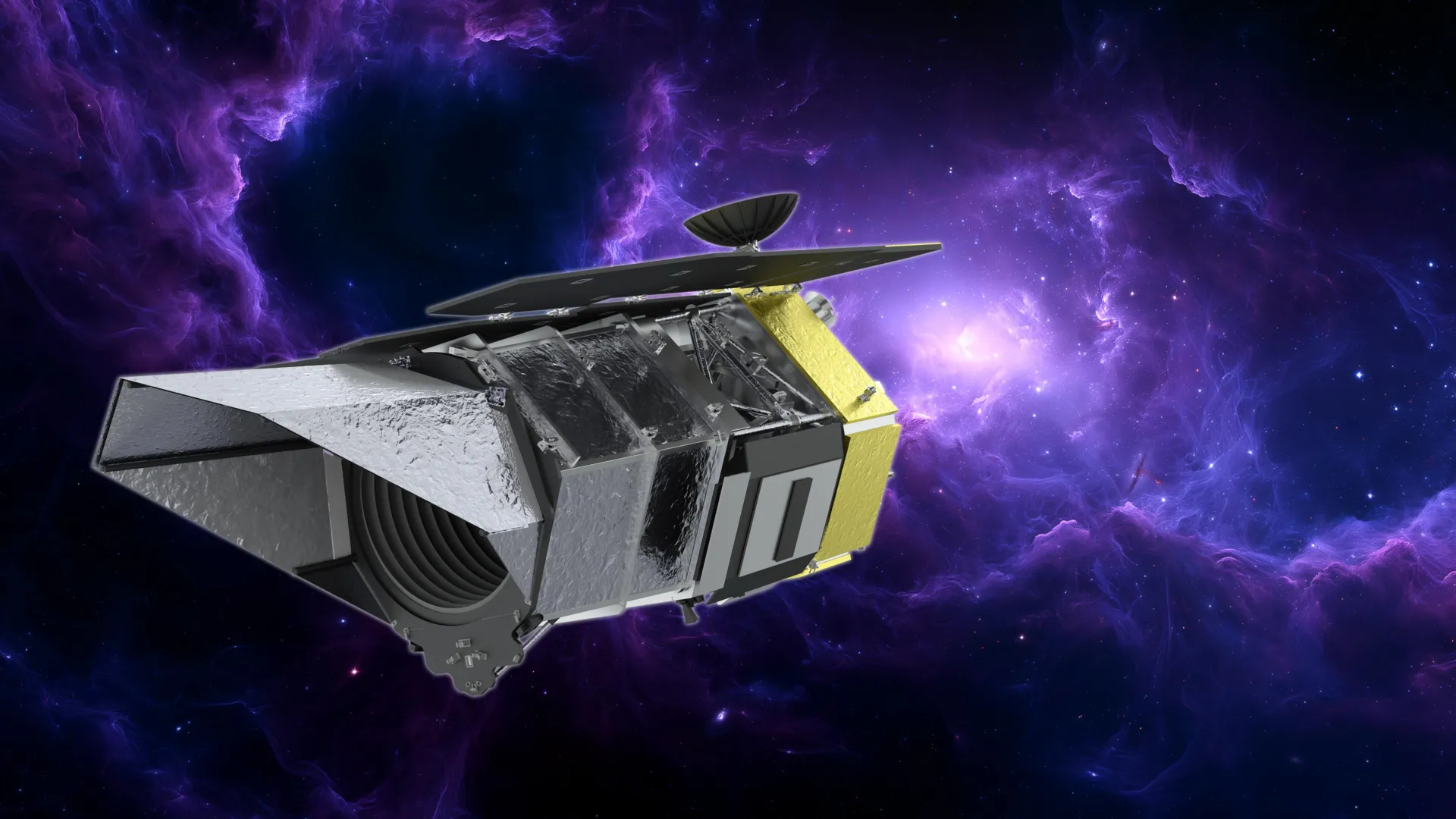
NASA’s Nancy Grace Roman Space Telescope has reached another major milestone in space. Mission teams have successfully powered up the Wide Field Instrument, a 300-megapixel infrared camera designed to survey enormous areas of the universe rapidly while still capturing extremely fine detail.
Roman’s planet-imaging system, the Coronagraph Instrument, has also completed an early checkout of its digital, electronic, and mechanical systems after waking up earlier this month.
The tests are part of a months-long commissioning process that will continue as Roman travels roughly one million miles toward its destination at the second Lagrange point, L2.
Roman’s 300-Megapixel Camera Comes Online
The Wide Field Instrument, or WFI, is designed to combine an unusually broad view of the sky with the kind of sharp detail associated with space telescopes such as NASA’s Hubble. A single WFI image will cover an area of sky larger than the apparent size of a full moon.
That combination of wide coverage and high resolution will allow Roman to carry out enormous surveys of the cosmos. Scientists plan to use those observations to learn more about planets beyond our solar system, investigate mysteries such as dark energy, and study how matter is arranged throughout the universe. Roman’s expansive and detailed observations are also expected to create a valuable dataset for many additional scientific studies.
“After years of effort to build and test the instrument on the ground, we now have confirmation that it is operational in space. This is a huge milestone for the team at Goddard, our industry teams at BAE Systems, Inc. and Teledyne, and our science centers,” said Josh Schlieder, the Wide Field Instrument scientist at NASA’s Goddard Space Flight Center in Greenbelt, Maryland. “There is much to do, but we are on our way to groundbreaking science.”
Cooling Roman’s Infrared Detectors
Before engineers could switch on the WFI, the instrument spent 10 days drying out and undergoing decontamination. During that period, its detectors were kept at a relatively warm (compared to their final operating temperature) minus 85 degrees Fahrenheit, or minus 65 Celsius.
On the morning of Sep. 11, the team shut off the instrument heater and allowed the WFI to cool to minus 225 degrees Fahrenheit (minus 143 degrees Celsius). At that temperature, engineers were able to activate Roman’s 18 infrared detectors. Together, those detectors have a light-sensitive area approximately the size of a laptop screen.
Later that evening, the team turned on the instrument’s calibration system. The following morning, engineers began sending test data through the WFI and transmitting it back to teams on Earth.
Testing Roman’s Filters and Focus
On Saturday evening, engineers turned their attention to the element wheel, which contains filters, prisms, and other optical components. The system controls which wavelengths of light reach the detectors and can separate light from cosmic objects into individual colors. This marked the first time the mechanism had been tested without gravity.
By Sunday morning, the team was testing the WFI’s focusing mechanism. That system will be critical for keeping the hundreds of thousands of images Roman is expected to capture properly focused.
Throughout these tests, the detectors continued cooling toward their final operating temperature of about minus 300 Fahrenheit (minus 183 Celsius).
The results showed that the Wide Field Instrument is functioning as expected. Roman remains on schedule to release its first science images by early 2027.
Roman’s Coronagraph Passes Early Checks
Roman’s Coronagraph Instrument is built to demonstrate some of the most advanced technology ever sent into space for directly imaging planets orbiting other stars.
The instrument combines optics, masks, self-flexing mirrors, and sensors that are designed to suppress the overwhelming glare of a star. By blocking that light, the coronagraph could allow scientists to detect the much fainter light reflected by planets orbiting nearby.
Scientists and engineers working at the Coronagraph Commanding Center at Caltech/IPAC in Pasadena, California, verified that they can communicate with every major part of the instrument. Those systems include its software, thermal controls, mechanisms, cameras, and the avionics that operate them.
In practical terms, the test confirmed that ground teams can remotely control the instrument’s various systems, including movable mechanisms that position its masks, color filters, lenses, and prisms.
Preparing the Coronagraph for Science
Engineers also verified that the coronagraph’s thermal system is functioning properly and can warm the hardware to its operating temperature, a relatively comfortable 72 degrees Fahrenheit (22 Celsius).
With the exception of its detectors, the coronagraph is intended to operate near room temperature. That design makes the system easier to test while also helping preserve the material properties required by its deformable mirrors.
“Now that this test is complete, we’ve been decontaminating: sitting idle with our detectors warm so anything that’s stuck to the surface, such as water or trace chemicals, will tend to leave it,” said Eric Cady, an optical engineer leading commissioning efforts for the Roman Coronagraph at NASA’s Jet Propulsion Laboratory in Southern California. “This will continue for 30 days, with occasional stops to do other early calibration activities.”
The BBC’s Annabel Rackham shares some dos and don’ts, following government advice in case of food supply chain disruption.
Speaking exclusively to the BBC, Prof Peter Fonagy says being young is much harder now than it was.
Jyoti and Bharat Patel are testing dementia technology including sensors in socks, their bed and around the house.
Extreme weather may be changing the way we need to shop, with the UK government urging people to stock up on canned goods.
