It is the first time the juror, who refused to side with the others and acquit Clancy, has spoken publicly about his decision.


It is the first time the juror, who refused to side with the others and acquit Clancy, has spoken publicly about his decision.

NASA’s Nancy Grace Roman Space Telescope may be able to operate for far longer than originally expected. An exceptionally precise first mid-course correction, combined with other fuel savings, could more than double the observatory’s potential lifetime in space.
“As a result of exquisite planning by our orbital dynamics team, brilliant execution by the operations team, and a precise launch from SpaceX, Roman has fuel for at least 22 years of potential science operations,” said Jamie Dunn, center director at NASA’s Goddard Space Flight Center in Greenbelt, Maryland.
Several factors are behind that dramatic extension. Roman used far less fuel than expected during its first course correction, carried additional propellant at launch, and is projected to conserve even more during its second mid-course correction and orbital insertion.
Roman Was Originally Designed for 10 Years
Roman was built around a five-year primary mission and a five-year extended mission, giving it a total fuel budget intended to support 10 years of operations. Because propellant is the spacecraft’s main consumable resource, every kilogram saved during its journey can potentially translate into additional years of scientific observations.
First Maneuver Could Add Four Years
Roman carried out its first burn on Aug. 31, adjusting its path toward the observatory’s eventual orbit. Since then, the mission team has been studying how the maneuver affected Roman’s long-term fuel outlook.
The results were better than expected. The maneuver was completed with more than 99% accuracy and consumed less than 10% of the fuel reserved for it. Roman used about 40 pounds (18 kilograms), compared with the planned allocation of 441 pounds (200 kilograms).
Those savings alone could provide roughly four additional years of potential science operations.
Extra Fuel at Launch Could Add Another Four Years
Roman also began its journey with more propellant available than planners originally expected to need.
Engineers calculated the spacecraft’s fuel requirements using a conservative maximum weight of 21,605 pounds (9,800 kilograms). Roman ultimately weighed just 17,760 pounds (8,056 kilograms) at launch.
Because the spacecraft was lighter, it required less fuel for its mid-course correction. Its lower mass also allowed the team to fill Roman’s propellant tanks to capacity rather than carrying only enough fuel for the original 10-year mission.
That additional fuel could support roughly four more years of operations.
“A spacecraft’s mass changes throughout the design and build process, so we base the propellant budget on a set maximum value so we won’t come up short,” said Alison Rao, the Roman propulsion lead at NASA Goddard. “We track the propellant needed based on actual mass throughout integration and testing as well, to make sure we have wiggle room. Since Roman’s was lower than we budgeted for, we were able to fill the propellant tanks to their capacity rather than only filling them as much as we needed to for the 10-year requirement.”
More Fuel Savings Expected Ahead
Roman’s successful first mid-course correction is also expected to make its second correction much smaller, potentially conserving still more propellant.
Because the first maneuver was so accurate, mission controllers can wait longer before making the follow-up adjustment, which is now scheduled for later this month. That burn will provide the final amount of energy Roman needs to reach its targeted position before entering its permanent orbit around L2.
Roman is expected to arrive at L2 approximately 100 days after launch, around early December.
Current estimates indicate that the second correction and orbital insertion should both require less fuel than originally budgeted. Together, those savings could provide approximately four additional years of potential mission life and leave even more propellant available for future scientific work.
Once Roman settles into its orbit around L2, maintaining its position should require only periodic station-keeping burns about once every 28 days.

Does gravity affect every type of particle in exactly the same way? Researchers at ETH Zurich and the Paul Scherrer Institute (PSI) in Villigen are preparing an experiment that could test that fundamental assumption using one of nature’s more unusual particles.
“We have taken an important step towards carrying out an exciting experiment on this topic,” says the professor of physics: “We want to measure the gravitational interaction of the muon.”
The familiar matter that makes up people, planets, and nearly everything around us consists of protons, neutrons, and electrons. Physicists classify these particles as belonging to the first generation of matter. Two additional generations also exist, made up of heavier particles. One of them is the muon, a heavier relative of the electron that belongs to the second generation.
Researchers at PSI can create muons and their antiparticles using a large particle accelerator. When a positively charged antimuon combines with a negatively charged electron, the pair forms a neutral atom known as muonium.
Why Physicists Want to Test Muons
The Standard Model of particle physics describes these different generations of particles, but it does not explain why nature has multiple generations in the first place.
“But we physicists do not yet understand why these additional generations exist at all in the first place,” says Soter. “And why are there three in total?”
That mystery raises another important question. Do the heavier particles of the second and third generations respond to gravity in exactly the same way as the lighter particles found in the first generation?
Testing Einstein’s Equivalence Principle
For ordinary matter, objects at the same location in a gravitational field fall at the same rate. Galileo Galilei and Isaac Newton recognized this universality of free fall centuries ago. It later became central to Albert Einstein’s theory of gravity through the equivalence principle, which connects gravitational mass with inertial mass.
So far, however, researchers have demonstrated this principle only with ordinary matter or first-generation antimatter. Measuring how muonium behaves under gravity would provide the first test involving a second-generation particle.
“The exotic muonium is very well suited to this because it is a neutral atom,” explains Soter: “After all, to make something fall, you need something neutral.”
Neutrality is essential because gravity is extremely weak compared with electromagnetism. If researchers tried to perform the experiment with a charged particle, stray electromagnetic fields could overwhelm the gravitational effect they are attempting to detect.
Muonium presents another major obstacle. Muons survive for only about 2.2 microseconds before decaying. Earlier methods also produced muonium atoms traveling at different speeds and in many directions, making them poorly suited for extremely precise gravity measurements.
Researchers at PSI have now found a way around that problem.
“We have managed to produce the muonium atoms in a ‘cold’ state, which is what makes the gravity experiment possible in the first place,” says Soter. “In this case, ‘cold’ means that the atoms propagate at similar speeds, almost parallel to one another.”
Superfluid Helium Creates a Controlled Muonium Beam
The team describes its new method for producing muonium in Nature Physics.
“In order to achieve this, we used superfluid helium that had been cooled close to absolute zero at minus 273 degrees Celsius,” explains Jesse Zhang, lead author of the study. “Superfluid helium is what is known as a quantum fluid, in which the individual helium atoms lose their identity, and which does not tolerate any impurities within it.”
The process begins by directing antimuons from PSI’s accelerator into a thin layer of superfluid helium. Inside the helium, the particles slow down. When an antimuon encounters a free electron, the two form a muonium atom with positive chemical potential.
That chemical potential effectively drives the newly formed atom out of the liquid. When it reaches the surface, the chemical potential is converted into kinetic energy, giving the muonium atom a boost that sends it vertically upward.
“So we’re using the chemical potential as an atomic cannon,” explains Zhang.
The muonium atoms must pass through the quantum liquid without collisions and at a predictable speed. Their lifetime is so short that any significant delay would prevent them from reaching the surface before they decay.
“For our experiments, we also rely on PSI’s particle accelerator, which generates the world’s most intense, continuous muon beams,” says Soter. “Thanks to this high-quality source, a great many muonium atoms can be produced.”
Watching Gravity Shift an Atomic Pattern
The researchers are now building an instrument known as an interferometer to measure how Earth’s gravity affects the muonium beam.
The device takes advantage of the wave properties of atoms to produce an interference pattern. Earth’s gravitational pull should cause an extremely small shift in that pattern. Measuring the displacement would allow the researchers to determine how gravity acts on the muon.
“We hope to be able to test the method for the first time with the atomic beam this year, and if all goes well, the actual gravity experiment should follow in two or three years’ time,” as Soter relates.
The new beam could also make much more precise laser spectroscopy experiments with muonium possible. Those measurements could improve scientists’ understanding of the muon’s mass and fundamental physical constants, another long-term goal of the research group.
Could the Experiment Reveal a Fifth Force?
If muonium responds to gravity differently from ordinary matter, the implications could be profound.
“That would indeed be surprising, and, in addition to other theories, it could point to the existence of a fifth force,” as Soter outlines.
Modern physics recognizes four fundamental interactions: gravity, electromagnetism, the strong interaction, and the weak interaction. Scientists have repeatedly proposed the possibility of an additional fifth force, but no such force has ever been confirmed.
Discovering one is not the main objective of Soter’s experiment. The immediate goal is more fundamental: determining whether one of Einstein’s central principles also holds for a different generation of particles.
“I am completely open-minded,” she says. “I simply want to measure, for the first time, whether the equivalence between gravitational and inertial mass also applies to the second generation of particles — this alone is quite an inspiring piece of work.”
This research is supported by the National Centre of Competence in Research Muoniverse.
While hot flashes and irregular periods may be the most common signs of menopause, one lesser-discussed symptom may be causing you just as much strife, and, according to double board-certified gynecologist and Associate Professor of Clinical Obstetrics and Gynecology at Weill Cornell Medicine, Dr. Kecia Gaither, it’s a discomfort you shouldn’t ignore.
“Vaginal dryness in menopause is typically related to decreasing amounts of estrogen in a person’s body, which makes vaginal tissue thinner, less elastic, and less able to produce lubrication,” Gaither said.
Advertisement
This ultimately leads to the burning, itching, and uncomfortable urinary symptoms you may be experiencing, as well as painful intercourse.
Other experts previously said that prolonged dryness can increase the risk of recurrent UTIs and potentially light bleeding. Additionally, they told us that, with menopause, vaginal pH rises, which disrupts the healthy lactobacilli that normally help protect the area.
Gaither said that there is no universal best choice for treating vaginal and vulvar dryness. According to her, the choice is individualized and depends on factors such as duration and purpose needed and whether it causes irritation or not. However, she said a practical non-prescription starting point may be to use a vaginal moisturizer and a lubricant for intercourse.
Advertisement
“They can additionally be used alongside a prescription regimen when symptoms are more significant,” she said. According to Gaither, prescription options can include items like low-hormone creams, insertable rings, and oral medications.
Gaither didn’t name any specific brands or over-the-counter products, however, she did provide some general guidance on what to look for and what not to. Take a look at some of the options that we chose based on her advice below.
As always, you should speak to your own medical provider before using any of the products below.
The experts consulted for this story do not necessarily endorse the products ahead unless otherwise noted.
Advertisement
Amazon
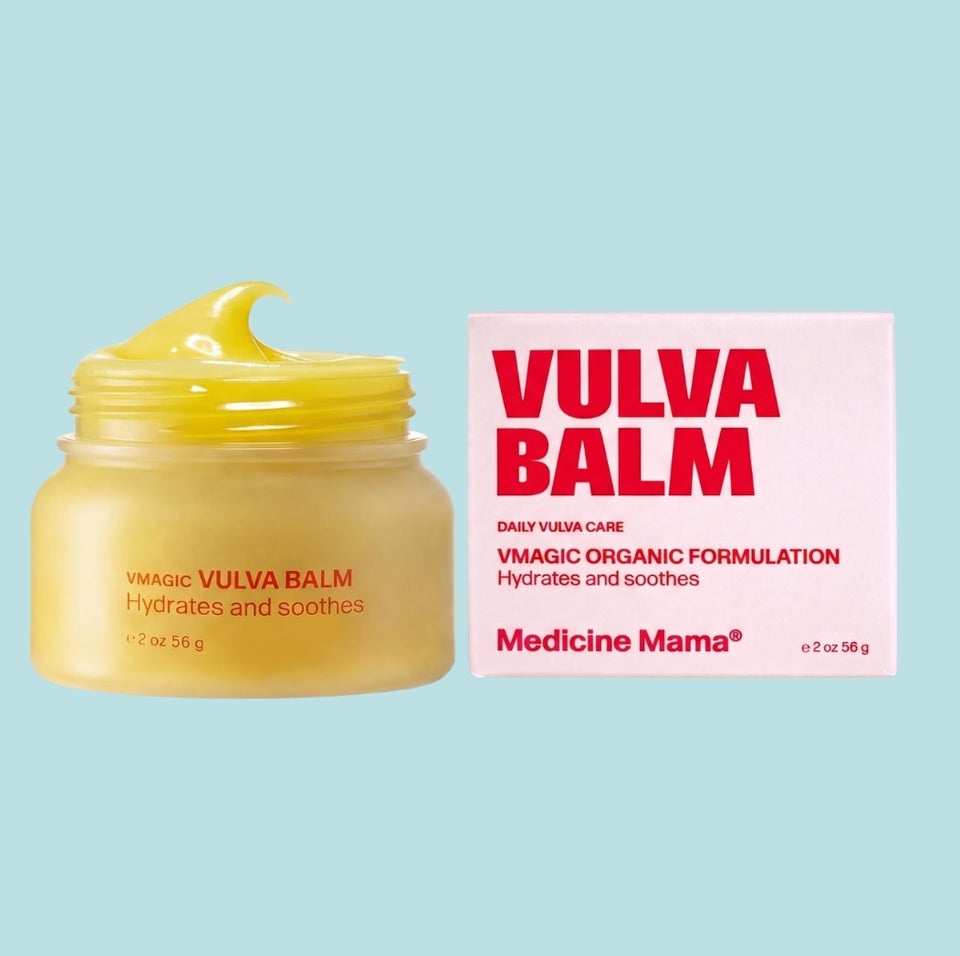
A board-certified gynecologist previously spoke to HuffPost about the beloved Medicine Mama vulva balm, a moisturizer that is pH-balanced, made with natural ingredients, has 4.4 stars across 15,600+ ratings on Amazon, and an impassioned following.
The expert said that this formula is effective for mild, external vulvar dryness, but is not a substitute for medical treatment. It is formulated with beeswax, propolis, and emollients, which help create a protective barrier and prevent water loss from the area. We also learned that thicker balms like this are better for providing daily comfort, as opposed to water-based lubricants, which might require more frequent application.
Amazon
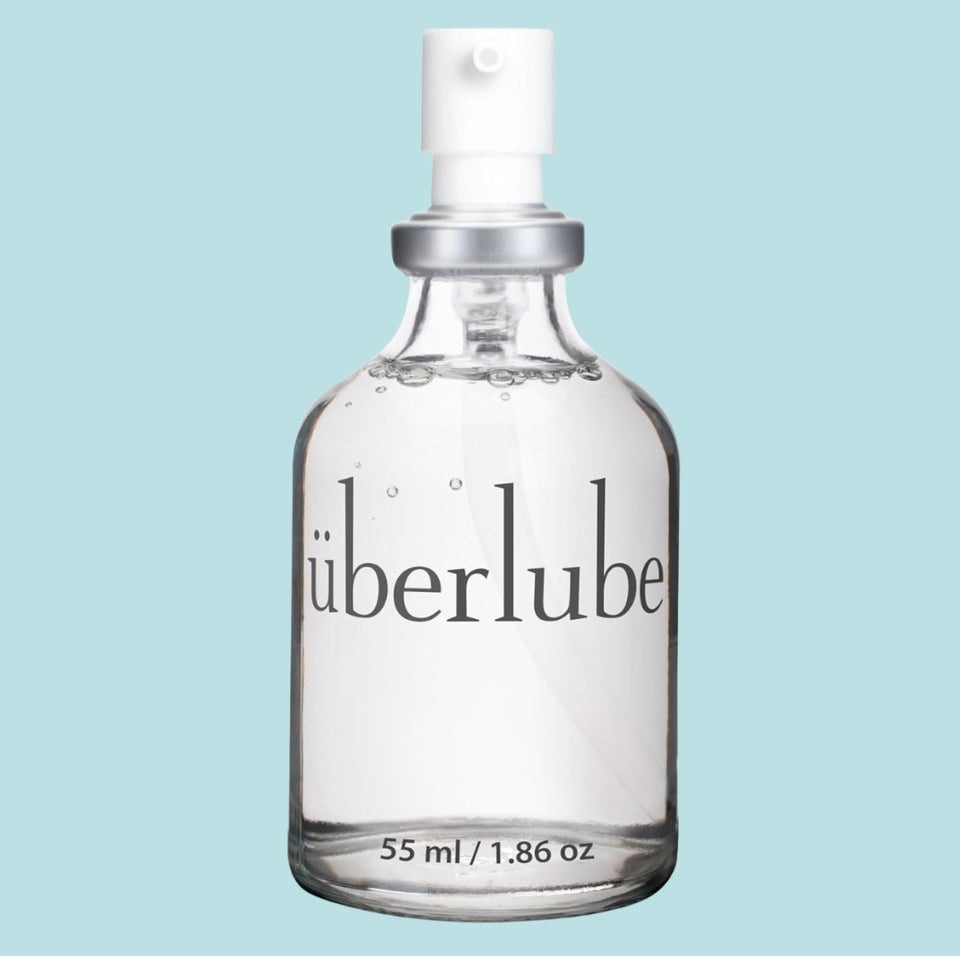
“Silicone-based lubricants can be used during sex when longer-lasting slip is needed. [They are] generally useful for marked friction-related discomfort [and] may be preferable if water-based products dry out too fast,” Gaither said.
Überlube, a lubricant that we chose, has a fragrance-, paraben-, and glycerin-free formula — all ingredients Gaither said to avoid, as they may provoke irritation or predispose yeast infections.
This never-sticky and hypoallergenic personal lubricant stays slick even when wet and can also help prevent chafing during exercise. It’s a very popular and highly rated option with 4.6 out of 5 stars on Amazon across 42,640 ratings.
Amazon
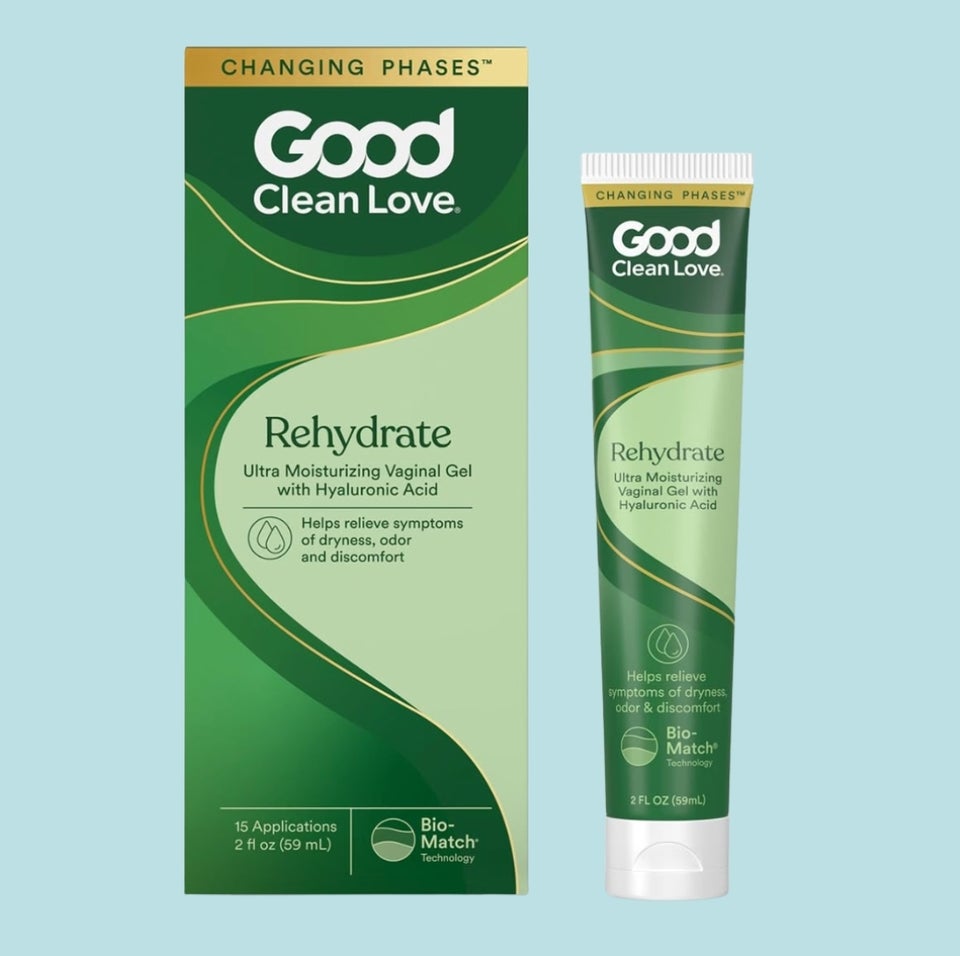
According to some medical research, hyaluronic acid-containing lubricants and moisturizers performed well in randomized controlled trials, with some studies suggesting that this popular ingredient may even offer benefits comparable to those of vaginal estrogen. Based on these findings, we chose the Good Clean Love Rehydrate gel, a fragrance-free, water-based formula containing hyaluronic acid.
“Water-based [lubricant] is often the most convenient first trial,” Gaither said. “[They are] lighter and easily removed, often dry quickly, require reapplication, and are compatible with condoms or toys.”
Advertisement
Amazon
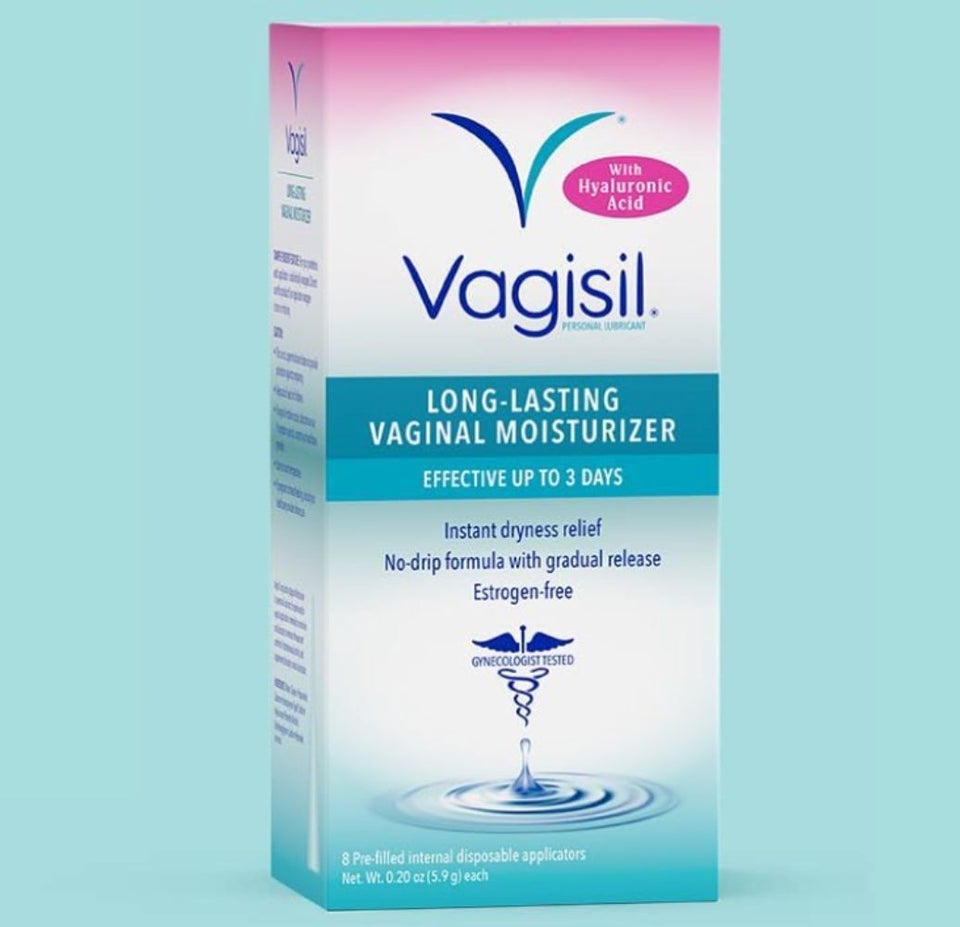
“Products specifically labeled as vaginal lubricants, moisturizers, or FDA-approved vaginal prescription therapies are intended for internal use when used as directed,” Gaither said.
One internally administered moisturizer that we chose to highlight is Vagisil’s long-lasting vaginal moisturizer that comes with an easy applicator and claims to be effective for up to three days. This no-drip, gradual-release formula is free from estrogen, fragrance, and preservatives, and contains hyaluronic acid to effectively hydrate. It has a 4.4-star rating on Amazon.
Amazon
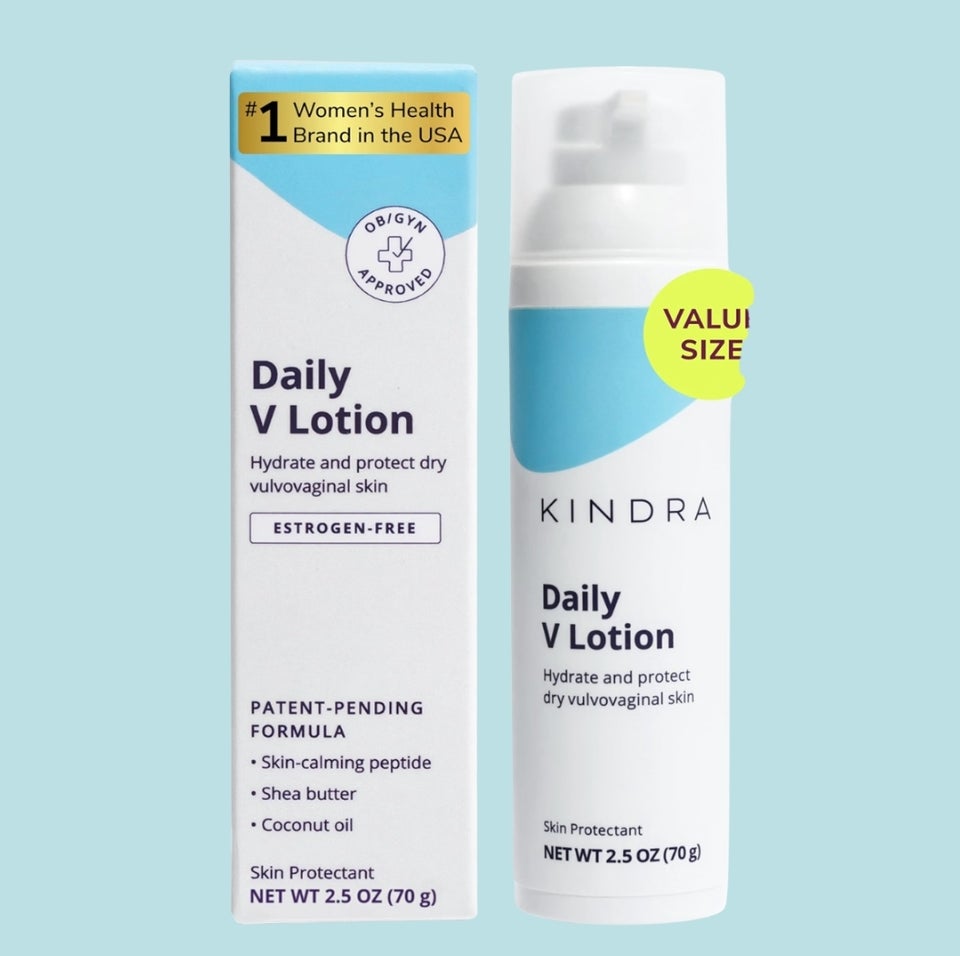
Gaither said that vulval moisturizers — formulas meant for external application — are good for regular use, often several times weekly for day-to-day moisture. We chose to include the Kindra Daily V Lotion, a lightwieght moisturizer “to relieve dryness, itching, and intimate discomfort in just one hour,” according to the brand. The pH-balanced and scent-free formula contains hyaluronic acid, a skin-calming peptide, shea butter, and coconut oil — a moisturizing ingredient that Gaither approves of for vulvar applications only.

People who have both atrial fibrillation and Alzheimer’s disease may experience slower cognitive decline when treated with newer NOAC blood thinners, according to research from Karolinska Institutet published in the European Heart Journal.
Atrial fibrillation is a common heart rhythm condition in older adults and also affects many people living with Alzheimer’s disease. Doctors often prescribe blood thinners to these patients to reduce the chance of blood clots and stroke. Earlier research has suggested that anticoagulant treatment may lower the risk of developing dementia, but far less is known about whether these drugs influence cognitive decline after Alzheimer’s disease has already been diagnosed.
“There are reasons to believe that the treatment could have a positive effect on cognition, for example by improving blood flow and reducing small-scale damage in the brain,” says Maria Eriksdotter, professor at the Department of Neurobiology, Care Sciences and Society, Karolinska Institutet, and senior consultant in geriatric medicine at Karolinska University Hospital, who led the study.
Comparing Newer and Older Blood Thinners
Researchers analyzed information from SveDem (Swedish Register for Cognitive Disorders/Dementia), a national quality registry, and included 7,308 people diagnosed with both atrial fibrillation and Alzheimer’s disease.
Participants were placed into three matched groups. One group received newer anticoagulants known as NOACs, another was treated with the older blood thinner warfarin (Waran), and the third did not receive any anticoagulant medication.
To track changes in thinking and memory over time, researchers used the standardized Mini-Mental State Examination (MMSE).
Slower Cognitive Decline With NOACs
People taking NOACs showed a significantly slower decline in cognitive function than those treated with warfarin or those who received no anticoagulant medication.
The difference amounted to slightly more than 0.2 MMSE points per year. While that change is relatively small over a single year, the researchers say it could become more meaningful if it continues over a longer period.
“The difference is modest for an individual patient from one year to the next, but over a longer period even such an effect could influence how cognitive function develops. Our findings suggest that NOAC treatment may also be significant for cognition in this patient group,” says Nanbo Zhu, researcher at the Department of Neurobiology, Care Sciences and Society, Karolinska Institutet.
Lower Risks of Stroke and Other Complications
The potential benefits were not limited to cognition. Compared with people who did not receive anticoagulants, those treated with NOACs also had lower risks of death, stroke, blood clots and fractures.
Warfarin was also associated with lower risks of death, stroke, and blood clots. However, people taking warfarin had a higher risk of major bleeding.
Why the Findings Need Caution
The researchers emphasize that the study has important limitations. Because it was observational, the results cannot prove that NOACs directly caused the slower cognitive decline or the other health benefits seen in the data.
Some factors that could affect both which treatment a patient received and how their health changed over time could not be fully evaluated. The researchers also note that some participants may have switched from one medication to another during the follow-up period.
The study was funded by, amongst others, the Swedish Research Council, the Swedish Brain Foundation, CIMED, ALF project funding and Karolinska Institutet funds. Maria Eriksdotter has participated as a consultant in one-off meetings with BioArctic AB, Roche, Eli Lilly, Biogen/Eisai and Novo Nordisk, and has given lectures at symposia sponsored by Roche and BioArctic/Eisai. No other conflicts of interest are reported.
The women were among hundreds who were harmed by their treatment at County Durham health trust.

Memory problems, thinning skin, and declining bone mass may seem like separate consequences of growing older. Yet experiments in mice suggest that changes in a protein deep inside the brain can influence all three. Restoring that protein, called Menin, improved several signs of aging, while a separate treatment with the amino acid D-serine improved cognition.
The findings came from a study published on March 16, 2023, in the open access journal PLOS Biology, led by Lige Leng of Xiamen University in Xiamen, China, and colleagues. The work identified a possible connection between brain inflammation, metabolism, and aging throughout the body. Research published since then has added to that picture, while also showing why the supplement findings require careful interpretation.
How a Brain Protein Could Influence Aging
The researchers focused on the hypothalamus, a small brain region that helps coordinate metabolism and other essential functions. It also appears to influence how the body ages. As inflammatory signaling increases in this region, it can contribute to changes both within the brain and in tissues elsewhere in the body.
Before the 2023 study, Leng and colleagues had found that Menin helps restrain inflammation in the hypothalamus. That raised an important question: Could losing some of this protection help set age-related decline in motion?
The team found that Menin levels fell with age in certain neurons within the ventromedial hypothalamus, an area involved in regulating metabolism. The same decline was not seen in astrocytes and microglia, two types of cells that support and protect the brain. This suggested that the change was specific to particular cells rather than a uniform loss across the region.
To investigate whether Menin loss could actually contribute to aging, rather than simply accompany it, the researchers created conditional knockout mice. These animals were genetically engineered so that Menin could be selectively removed. Reducing Menin in younger mice increased hypothalamic inflammation and brought on several aging-related traits, including lower bone mass, thinner skin, cognitive decline, and a modestly shorter lifespan.
The D-Serine Connection
Menin loss also disrupted a chemical pathway important for communication between brain cells. Mice with less Menin had lower levels of D-serine, an amino acid that helps activate receptors involved in learning and memory. These receptors help neurons adjust the strength of their connections, a process essential for storing information.
An enzyme involved in D-serine production (which was in turn regulated by Menin) became less active, reducing the amino acid’s supply. The findings suggested that Menin could influence cognition not only through inflammation, but also by helping maintain the chemistry that supports brain signaling.
D-serine is sometimes used as a dietary supplement, but an important distinction can get lost in discussions of food sources. Serine occurs in foods such as soybeans, eggs, fish, and nuts, while the form incorporated into dietary proteins is L-serine. The body can convert L-serine into D-serine, but the two forms are not interchangeable, and eating these foods is not equivalent to receiving the experimental D-serine treatment.
Restoring Menin in Older Mice
The researchers next tested whether raising Menin levels could improve the condition of elderly (20-month-old) mice. They delivered the gene for Menin into the hypothalamus, allowing cells in that region to produce more of the protein.
Thirty days later, the treated mice had improvements in skin thickness and bone mass, along with better performance on tests of learning, cognition, and balance. The changes were accompanied by higher D-serine levels in the hippocampus, a brain region essential for learning and memory. The study also reported that restoring Menin extended lifespan in the treated mice.
A separate experiment tested a simpler approach: giving mice D-serine in their drinking water for three weeks. This improved cognitive performance, including in older animals. However, the supplement did not reproduce the broader improvements in physical aging traits seen after Menin restoration. The distinction matters: the study did not show that taking D-serine reversed aging throughout the body.
At the time, Leng described the potential significance of the findings:
“We speculate that the decline of Menin expression in the hypothalamus with age may be one of the driving factors of aging, and Menin may be the key protein connecting the genetic, inflammatory, and metabolic factors of aging. D-serine is a potentially promising therapeutic for cognitive decline.”
Leng added, “Ventromedial hypothalamus (VMH) Menin signaling diminished in aged mice, which contributes to systemic aging phenotypes and cognitive deficits. The effects of Menin on aging are mediated by neuroinflammatory changes and metabolic pathway signaling, accompanied by serine deficiency in VMH, while restoration of Menin in VMH reversed aging-related phenotypes.”
What Later Research Has Added
Subsequent studies have explored related mechanisms, although they should not be treated as direct confirmation of the entire Menin aging pathway.
A study published in the Journal of Physiology and Biochemistry in March 2024 examined Menin in cultured mouse hippocampal cells exposed to the stress hormone corticosterone. A compound called itaconate increased Menin levels and reduced inflammation and a form of cell death. When the researchers silenced Menin, that protection disappeared. The result supported a protective role for Menin in another experimental setting, but it was a cell study, not a demonstration of slower aging in animals or people.
Other work has strengthened the case that communication between the hypothalamus and the rest of the body can influence aging. In a 2024 Cell Metabolism study, researchers at Washington University School of Medicine identified a different group of hypothalamic neurons that communicates with fat tissue. Interventions that maintained or stimulated this system increased physical activity and extended lifespan in mice. The study involved a different molecular pathway from Menin, but reinforced the broader idea that brain signals can affect aging beyond the brain.
A much larger view emerged in January 2025, when an Allen Institute team reported an analysis of roughly 1.2 million mouse brain cells in Nature. Some of the cell types most sensitive to aging were concentrated around the hypothalamus’s third ventricle, a fluid-filled cavity. Many showed reduced activity in genes associated with neuronal function alongside increased activity in genes related to immune responses. That study mapped changes associated with aging rather than testing a treatment, but it highlighted the hypothalamus as an important area for further investigation.
Why More D-Serine Is Not Necessarily Better
Later research also complicates the idea that increasing D-serine should always benefit an aging brain.
In April 2025, a study in Cellular and Molecular Life Sciences examined mice engineered to develop features of Alzheimer’s disease. In that model, an early rise in D-serine accompanied disruptions in brain signaling. Genetically removing the enzyme that produces D-serine prevented or reduced several later cognitive problems. This was a different biological setting from the Menin experiments, but it demonstrated that D-serine can have different effects depending on the underlying disease process.
Research published on September 16, 2026, in the Journal of Alzheimer’s Disease pointed in another direction. In a different Alzheimer’s mouse model, a diet enriched with L-serine increased blood levels of both L-serine and D-serine and partially restored measures of new neuron production in the hippocampus. It did not improve the buildup of amyloid, a protein associated with Alzheimer’s disease. Importantly, this experiment tested L-serine and the production of new neurons, not D-serine supplementation as a treatment for human aging.
Taken together, these findings suggest that serine metabolism is a promising research target, but not a simple case of more being better. The form of serine, the condition being studied, and the outcome being measured all matter. Neither study directly confirms or overturns the original Menin results.
What the Findings Mean for People
There is some human research on D-serine, although it does not establish an aging treatment. A small randomized study published in 2016, before the Menin work, tested a single dose in 50 healthy older adults. Participants improved on one measure of a computerized maze task, but the researchers found no significant benefit on the other cognitive tests or mood measures. The experiment did not establish lasting memory benefits, slower aging, or the safety of prolonged use in older adults.
The Menin findings leave several important questions unresolved. Researchers still need to determine what causes the protein to decline with age, how much of the resulting physical and cognitive deterioration can be prevented, and how long any benefits might last. They also need to understand whether altering Menin or supplementing D-serine could produce unintended effects.
The central possibility remains compelling: some changes associated with aging may be influenced by signals originating in a small part of the brain. Understanding those signals could reveal ways to protect function later in life. For now, however, the evidence points to an experimental pathway worth investigating, not a supplement proven to turn back human aging.
An 18‑week referral‑to‑treatment target has been backed by England’s former national cancer director.
Without being too, ahem, cheeky, your foundation is literally the base of a fully made-up face, so it’s extra important to find one that works for your skin. If you’re looking for something with superior coverage that still feels lightweight and natural-looking, it may be time to try Lancôme’s Teint Idole full-coverage foundation, especially when it’s a rare sale 25% off — dropping it to the lowest price on the internet right now as an exclusive Amazon deal. People of all skin types adore it, but reviewers with mature skin especially call it the best foundation they’ve ever tried, celebrating how light it feels while still offering a “beautiful, matte finish,” smoothing out wrinkles and other texture issues, gliding over discoloration, minimizing the look of pores and more.
Advertisement

Made with hyaluronic acid, vitamin E and Moringa oil (a government-studied anti-inflammatory ingredient), this fragrance-free foundation walks the line between makeup and skin care, giving you hydration and nourishment in addition to smooth color. It’s designed to be water-, sweat- and transfer-proof and humidity-resistant, with up to 24-hour stay power, while still feeling light on the skin and not drying you out.
Users say the impressive shade range feels “inclusive and thoughtfully formulated,” with one writing, “no weird gray or orange undertones in the deeper shades…It enhances my complexion without masking it.” Plus, the brand says it has added SPF (though it doesn’t list what number), giving you a little extra skin protection, too.
Advertisement
Whether you apply it with your fingers, a sponge or a brush, one shopper calls the formula the “perfect consistency,” noting it “applies smoothly on the skin, it’s not too runny, and not too thick.” Others love how it feels truly buildable, meaning you can apply “a thin layer for around-the-house days,” or add “a layer on layer for a night out.” Because it’s so smooth on, Jenny writes it’s an “excellent product for large pores,” adding, “I have tried many others to decrease the size of my pores. However, this is the only product I can find that helps.”
A 57-year-old shopper writes, “I apply this foundation in the early AM (I work in an elementary school) and after all that movement and chaos, it still looks great on my way home.” Another reviewer with mature skin wrote that they were initially hesitant to try the foundation, fearing it would emphasize lines. Yet after trying it and seeing how “easily and smoothly” it went on, they took to the review section to proclaim their love. “I am 70 years old and this is one of the best foundations I have ever tried,” they wrote. “…I am very happy that I no longer have to keep searching for a good quality foundation that does what it says it will do.”
Advertisement
In fact, many with mature skin call it the best foundation they’ve tried, that “provides a veil of full coverage, with the weight of a tinted moisturizer (or even lighter).” “As a woman who is no longer young with flawless skin this will forever be the foundation I use,” Jessica said. “Never settles into any crease, decreases the look of my dark spots, super lightweight to the point I don’t feel like I’m wearing anything, and even though its a bit expensive it lasts months.”
More say that this foundation leaves their skin looking so good, other people start to notice. “I have dry and mature skin, and get compliments daily when I use this,” one writes. “…I hope they never stop making it.”
Advertisement
Reviewers love this buildable foundation for giving their skin a silky, smooth finish. Read more 5-star reviews and grab some for yourself on sale.
“Like butter. This applies smoothly on the skin, it’s not too runny, and not too thick. It’s a perfect consistency. I think this shade was a little to light for me, for reference I’m a caramel tan skin complexion” — Honey Bee
“Hands down the best foundation I have ever used, and I have bought them all. It’s moisture rich and gives a natural fresh finish. I have dry and mature skin, and get compliments daily when I use this. I love that a sunscreen is part of the formula and the color match is perfect. I hope they never stop making it. A bottle last a longtime and I find one or two pumps max is needed and application with my ring finger works best. I just slowly apply with a tapping and blend motion. It’s buildable coverage and I set mine with a setting spray before adding blush or anything else. I don’t find to be sticky, never irritates my sensitive skin, and the texture is smooth and doesn’t oxidize is a bad way that many do. I have only used the same color match as my skin tone and can’t speak to what a shade darker will look like. Highly recommend!” — K. SPRINTZ
“Love this foundation. It covers minor imperfections and has a flawless finish, very smooth. A small amount is all I needed. Definitely dries quickly but is not cakey or greasy.. I’m 58 and need a foundation that doesn’t dry my face or hide in the wrinkles. This one leaves a smooth finish. Sunscreen is a bonus!” — J Case
“(57 year old female with a lighter complexion.) I say surprisingly great because it scares the heck out of me to order a foundation online without testing it to my face for an exact match prior to the big buy. My choice of 220C matched my skin perfectly. I was shocked, but the descriptions were pretty spot on. The foundation has a great, just right, consistency and is easily applied to the skin. I started with a clean face, then applied hyaluronic acid, and then a moisturizer. I let that absorb for a couple minutes then applied a primer. By the time I applied the foundation it was smooth sailing. Teint Idole Ultra Wear foundation does what it says. It is buildable – I have applied a thin layer for around-the-house days, and a layer on layer for a night out. Both look great and appear invisible on the skin. Being 57, my skin is drier, but this foundation gave it a beautiful, matte finish without sitting in my wrinkles. I apply this foundation in the early AM (I work in an elementary school) and after all that movement and chaos, it still looks great on my way home. I like that it has an SPF so I don’t have to add a step to my makeup application. It comes in an attractive bottle that dispenses the product in the exact amount you want, which I love! This product is definitely pricey (to me!) but it sure does live up to its hype.” — JaneOPks
Advertisement
Target
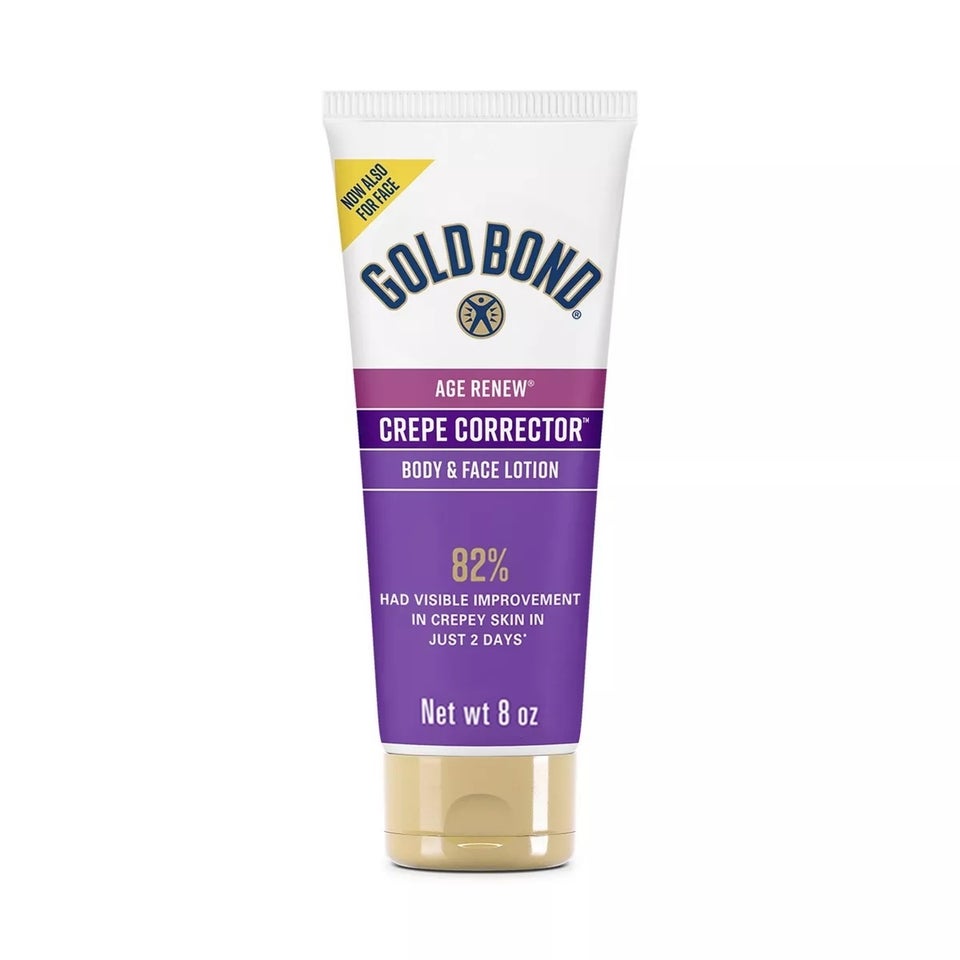
We’ve covered this affordable face and body cream from Gold Bond before, and it doesn’t seem like its popularity is going away any time soon. If you’re dealing with thin, fragile, “crepey” skin, this non-greasy, fast-absorbing product is specifically formulated to firm and hydrate the skin with seven moisturizers and three vitamins. You can use this on your face as well as your neck, arms, the backs of your hands or wherever else you notice your skin looking dry, thinner and more fragile.
Promising Amazon review: “If you are looking for a truly budget friendly, and exceptionally versatile line of facial & body care, this is it. I have used the Crepe erase on my arms and legs for 2 weeks and I see a real game changer. Are my arms and legs devoid of all crepiness? NO! Don’t let any brand tell you that they can make any natural aging bodily changes disappear. However, this cream, when used consistently will provide a temporary plumpness to those crinkled areas. Sufficient to give you confidence to wear short sleeves, or straps, along with shorts or swimsuit. I am 65, I am happy and grateful to have reached my mature age, nevertheless, I want and will give my skin all the effective products to keep them as supple as is possible.” — marihad t arrus
Amazon
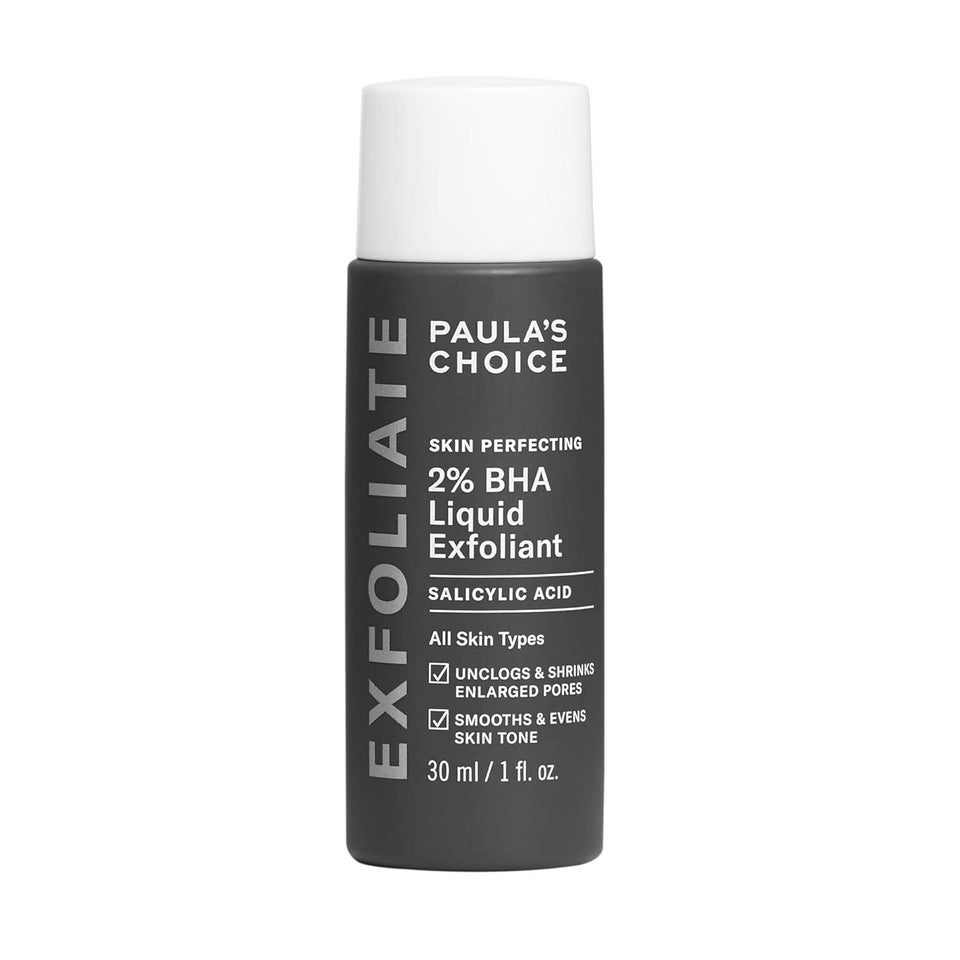
Containing beta hydroxy acid (BHA) to help clear the buildup of dead skin, this Paula’s Choice exfoliant can reduce enlarged pores, as well as blackheads and whiteheads. It can also smooth your skin’s texture while improving the skin barrier. You can grab this in a travel size or a full 4-ounce bottle.
Promising Amazon review: “I’ve been using this stuff for about 6 weeks and my skin did a lot of purging for the first couple of weeks like a lot the the “bad” reviews on here said, but it was helping get all the gunk out from under my skin including some really tough white heads and hard little bumps in my skin so I was happy to ride it out. Now after six weeks of using at night, I can see a huge difference in my skin, especially in the pore size on my cheeks and nose. I’ve always had large pores and a few acne scars here and there since I was a teenager and it’s made me self conscious my whole adult life, but for the first time EVER, I look at my skin and all I see is smooth, healthy skin! I am early 40s and the fine lines in my forehead and around my eyes are virtually gone too. I’m amazed! Looks like I have a filter on! So happy I found this product!” — MF
Amazon
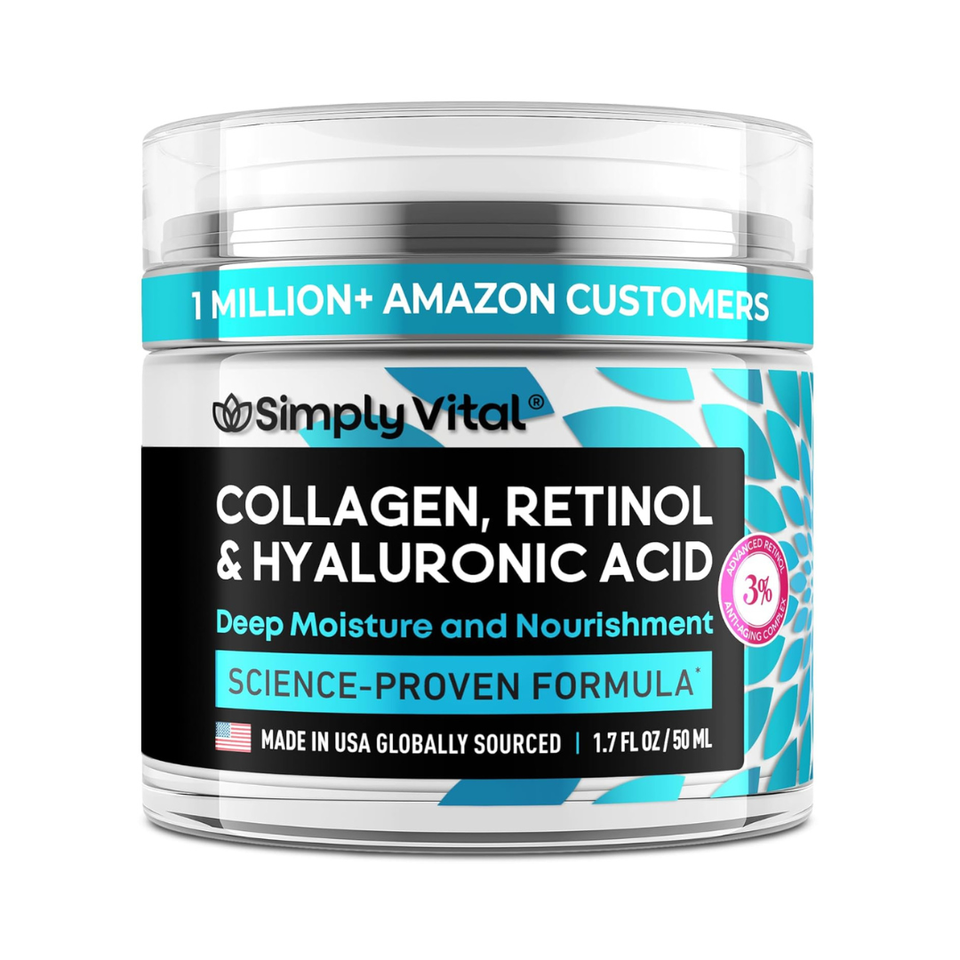
A bestseller in Amazon‘s neck and décolleté moisturizers category, this SimplyVital cream packs a punch thanks to a blend of ingredients that includes collagen, retinol and hyaluronic acid. The cream can smooth the skin’s surface, improve elasticity and deliver deep hydration. Plus, the tub — which comes in two sizes — is mess-free with its inner cover; you just press out the needed amount while the rest stays protected underneath, rather than digging your fingers into the entire supply each time.
Promising review: “I am loving this product for much! As a 42 year old mom with dry skin, I can say that this product has improved my skin in just 2 weeks. I apply it nightly and I have been waking up with refreshed smoother skin. The pump is so fun to use and it works well with my tanning drops.” — Jamie
Advertisement
The Real Deal: We use deal trackers and commerce experience to sift through “fake” hike-and-drop deals and other deceptive sales tactics. Products will usually be rated at least 4 stars with a minimum 15% discount. (And when there’s an exception, we’ll tell you why.)
Advertisement
The world’s oldest female wing-walker has delivered a cheque to the hospital where she was treated.
