“I knew, as I clutched my firstborn child, that I was losing my second,” Meghan writes in an article.


“I knew, as I clutched my firstborn child, that I was losing my second,” Meghan writes in an article.

It has been established that treatment for prostate cancer may affect a number of bodily functions, yet the effect of exercise on the immune response in such patients has not been thoroughly investigated.
Previous exercise guidelines for cancer patients were based on physiological responses in healthy patients, but it has recently been found that cancer patients have a different response to exercise.
A recent study published in Experimental Physiology set out to describe the nature of the natural killer (NK) cell response after acute exercise (a single bout of exercise) in prostate cancer survivors.
Natural killer (NK) cells are of the same family as T cells and B cells and are categorised as lymphocytes (a type of white blood cell).
NK cells are known for cell-mediated, cytotoxic innate immunity – meaning that they act as the first line of defence when it comes to detecting and controlling the first stages of cancer.
Previous studies have shown that, in animal models, exercise triggered the immune system to send NK cells to areas where infection and tumours are present and in cancer patients, NK cells would invade the tumours, potentially slowing down growth.
Researchers at the Victory University in Melbourne had 33 participants complete a cycling task in order to assess their maximal fitness. Eleven of the participants were cancer survivors, 14 were men with prostate cancer, and the other eight were healthy individuals acting as controls.
The researchers then opted to use an exercise session of moderate intensity, and standardised the exercise according to each participant’s maximal fitness. This was done to ensure that each individual’s immune system was equally stimulated.
Blood samples were collected before exercise, immediately after and two hours later in order to assess immune function. Immune function was assessed again one day (24 hours) after the exercise.
After 24 hours, it was found that NK cell levels had returned to resting levels. This means that exercise is, in fact, safe for prostate cancer survivors and patients and that it does not interfere with treatment.
The researchers stated: “Consecutive training sessions can likely be used without adverse effects on the immune system during prostate cancer treatment.”

“Inadequate” stockpiles meant the government had to boost supplies quickly, the spending watchdog says.
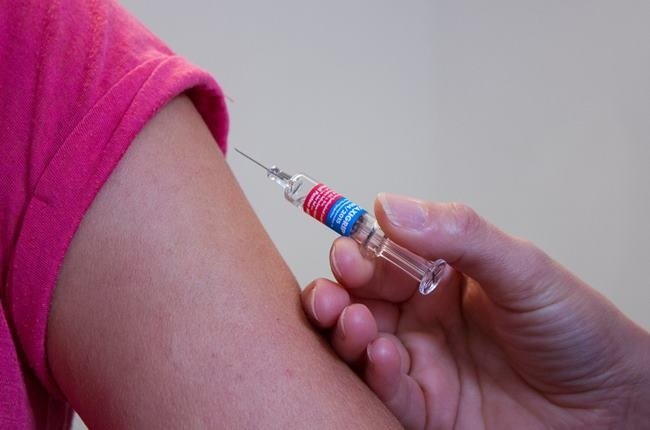
Measles, a highly contagious respiratory disease, claimed over 207 500 lives in 2019, according to the World Health Organization – a 50% increase from 2016.
While vaccination efforts may have reduced the number of deaths from 2000 to 2018, the Covid-19 pandemic is impacting efforts to control and treat other diseases, including measles.
The disease, caused by a virus in the paramyxovirus family, affects mainly unvaccinated young children and unvaccinated pregnant women. However, any non-immune person (who has not been vaccinated or was vaccinated but did not develop immunity) can become infected, notes the WHO.
A recently-published article in The Lancet has therefore called for urgent international action to prevent potentially devastating measles epidemics in the years to come.
As a result of resources and attention shifting to the pandemic, many children have missed out on measles vaccination this year, making future measles outbreaks inevitable, said lead author Professor Kim Mulholland, from the Murdoch Children’s Research Institute and Chair of the WHO’s SAGE Working Group on measles and rubella vaccines.
Economic impact of lockdown, malnutrition, and measles
The year 2020 has been a quiet year for measles, thanks to travel reductions and national Covid-19 control measures implemented globally. However, the resulting economic impact could have a direct effect on the proliferation of the disease, especially against the background of childhood malnutrition.
The severity of measles can be worsened through malnutrition, the authors wrote, leading to poorer outcomes and more deaths, especially in low- and middle-income countries. (Measles is particularly common in parts of Africa and Asia, where the majority – more than 95% – of measles deaths occur in countries with low per capita incomes and weak health infrastructures.)
“Children who die from measles are often malnourished, but acute measles pushes many surviving children into malnutrition,” Mulholland said.
“Malnutrition, along with measles-associated immune suppression, leads to delayed mortality, while co-existing vitamin A deficiency can also lead to measles-associated blindness.
“The coming months are likely to see increasing numbers of unimmunised children who are susceptible to measles. Many live in poor, remote communities where health systems are less resilient, and malnutrition and vitamin A deficiency are already increasing.”
Vaccination campaigns also halted during pandemic
Mulholland also expressed concern about the negative effect the Covid-19 pandemic has had on the control of vaccine-preventable diseases, as a result of vaccination campaigns being paused during some months in 2020, and routine immunisation services disrupted in many countries.
By the end of October 2020, the WHO estimated that delayed vaccination campaigns in 26 countries led to 94 million children missing scheduled measles vaccine doses.
“All these factors create the environment for severe measles outbreaks in 2021, accompanied by increased death rates and the serious consequences of measles that were common decades ago,” Mulholland said.
“This is despite the fact that we have a highly cost-effective way to prevent this disease through measles vaccination.”
The return of measles in 2019
Before Covid-19 swept the globe, there was already a dramatic return of measles – more than at any time in the past 20 years, the researchers stated.
According to WHO data, there were 9.8 million measles cases and 207 000 deaths in 2019, a staggering 50% more than in 2016.
Where have most cases occurred?
Africa has seen the large majority of measles-related deaths, with major outbreaks happening in Madagascar and the Democratic Republic of Congo. The disease also re-emerged in South America, especially among indigenous communities.
Mulholland explained that the inadequate vaccination that led to the 2019 measles outbreaks has still not been adequately addressed, adding that the situation has been exacerbated by service disruptions during the Covid-19 pandemic where high-risk, unimmunised children were clustered together in unreached communities.
The way forward: Proposed solutions
The authors proposed three pillars for immediate action:
“Without concerted efforts now, it is likely that the coming years will see an increase in measles and its severe, frequently fatal, complications,” Mulholland said, commenting that the proposed solutions might help end the outbreaks of the past decade.
READ | How measles complications can affect every organ
READ | Measles leaves people more vulnerable to future infections
READ | Vaccinations halted in several poor countries due to coronavirus fears
Image: Katja Fuhlert from Pixabay

South Africa has a long tradition of using plants for medicinal purposes. Some of these, such as Aloe ferox, Sutherlandia frutescens and Kiggelaria africana, have been studied as sources of useful compounds. But most still need to be scientifically validated as treatments for particular diseases.
Medicinal plants are gradually gaining prominence in scientists’ search for potential treatment agents for Covid-19. Currently there is no specific antiviral drug to treat this new respiratory disease. Most treatment strategies focus on managing symptoms and supportive therapy such as supplementary oxygen and mechanical ventilation.
My colleagues and I from the Durban University of Technology and the University of KwaZulu-Natal in South Africa are among the researchers looking for potential Covid-19 treatments from plants. We recently completed the first phase of our project, which ultimately seeks to develop a novel SARS-CoV-2 therapeutic.
Our aim in the first phase was to identify bioactive compounds in plants that are indigenous to South Africa which could be effective against SARS-CoV-2, the virus that causes Covid-19. We looked for potential Covid-19 therapeutic agents from a list of 29 bioactive compounds.
The species chosen were based on their use for the common cold, flu, other respiratory conditions, antimalarial, antiviral and antioxidant activity.
Our initial findings show that some compounds had the potential to inhibit SARS-CoV-2. We are now in the second phase of our study, which will test the compounds rigorously in the laboratory. This is a starting point in the search for a novel SARS-CoV-2 therapeutic.
In the initial stage of this project we worked with collaborators from the University of KwaZulu-Natal, Bio-computational and drug design laboratory. The team screened potential bioactive compounds isolated from commonly used South African medicinal plants using molecular docking.
Molecular docking is the study of how two or more molecular structures (for example, a drug and an enzyme or protein) fit together. Protein-binding may affect drug activity in one of two ways: either by changing the effective concentration of the drug at its site of action or by changing the rate at which the drug is eliminated, thus affecting the length of time for which effective concentrations are maintained.
We performed molecular docking of the plant compounds against SARS-CoV-2, using biocomputational analysis.
Some of the plant compounds showed potential. These were from Acacia senegal, Sutherlandia frutescens, Hypoxis hemerocallidea, Xysmalobium undulatum and Aspalathus linearis (commonly known as rooibos).
They exhibited favourable binding orientations and were identified as potential inhibitors of the SARS-CoV-2 receptor binding domain and SARS-CoV-2 RNA-dependent polymerase.
Four compounds exhibited extremely good binding to the virus, meaning that these compounds may prevent the virus from replicating.
These compounds could serve as a starting point for the discovery of a novel SARS-CoV-2 therapeutic.
For the next stage we will infect animal cells with the virus. Then we’ll administer the compounds (cytotoxicity screening) to see what effect they have. If this in vitro study shows promising results, further analysis will be conducted using an animal model. The effects of the compounds on infected rats will be monitored.
Our end goal is to finally have a successful treatment for this virus. Infections can still occur even when a safe and effective vaccine is available. This is why it’s important to ensure effective treatments are also part of the efforts to end Covid-19.
No traditional African medicine has been scientifically validated yet as a treatment for SARS-CoV-2.
We are now in the second phase of our study, which will test the compounds rigorously in the laboratory if funding can be found. This depends on a lot of different factors.
We will be working with collaborators from the University of KwaZulu-Natal’s Department of Virology, where the analysis will take place.
Depika Dwarka, Post doctoral Fellow, Durban University of Technology
This article is republished from The Conversation under a Creative Commons license. Read the original article.


The deadly impact of Covid-19 on diabetic patients has been well-established during the coronavirus pandemic, but more research is showing that high blood sugar can be fatal, even if you don’t suffer from diabetes.
Earlier research in July first revealed this sinister complication in coronavirus patients, and the latest study from Spain is the largest to date, using data from more than 11 000 patients.
Published in Annals of Medicine, the study took a closer look at the blood sugar levels of Covid-19 patients at the time of their hospital admission, regardless of their diabetic status.
READ | High blood sugar in Covid-19 patients who have never had diabetes can cause death
The researchers established that high blood sugar – also known as hyperglycaemia – upon non-critical admission is an early warning sign that a Covid-19 patient might need mechanical ventilation and have a higher risk of death.
In those without diabetes, hyperglycaemia can be triggered by infection, trauma, medications and other chronic conditions.
“Although several studies and meta-analyses have shown that patients with diabetes have a significantly higher risk of severe Covid-19 and increased mortality rates,” write the researchers, “the impact of hyperglycaemia itself, rather than the presence of [diabetes], has not been sufficiently described in non-critical patients hospitalised with Covid-19”.
One theory suggests that the virus’s infection of endocrine pancreas cells can disrupt the body’s insulin management, while another highlights that the inflammation a body endures during an infection can increase insulin resistance.
“One question that remains to be answered is whether hyperglycaemia plays any role in the physiopathology of the disease or if it is just an inflammatory bystander,” the study speculates.
Using data from 11 312 Covid-19 patients from 109 hospitals in Spain, they looked at admission hyperglycaemia in non-critical patients and its link to the length of hospital stay, ICU admission, mechanical ventilation and death.
The study, however, didn’t include patients who developed hyperglycaemia while in the hospital due to treatments and medications.
READ MORE | More evidence shows why Covid mortality rate is higher in men
High glucose levels, higher death rate
The patients were assigned to three groups based on their blood sugar levels – less than 140mg/dL, between 140 and 180 mg/dL, and more than 180mg/dL. Only about 18.9% of the group was classified as diabetic, and those with high levels tended to be older, male and mostly had some history of diabetes, hypertension and other chronic conditions.
Just more than 20% of the patients died in the hospital and, out of the mortalities, 41.1% were in the high blood glucose group, 33% from the middle range and 15.7% below 140mg/dL.
“Indeed, there was a gradual increase in all-cause mortality as admission [blood glucose] levels increased, and there were no differences in mortality rates within each category of [blood glucose] levels between patients with or without a previous history of diabetes,” explain the researchers.
Even compared to other factors like age, gender, hypertension, chronic obstructive pulmonary disease and anaemia, high blood sugar levels still stood out as a predictor for mortality from Covid-19.
Those with elevated levels also tended to stay in hospital for longer and were more likely to be admitted to ICU and go on a ventilator.
The results from the study highlight the importance of blood glucose monitoring in Covid-19 patients, even if they don’t have diabetes, especially in the early stages of infection and hospitalisation.
“Early correction of hyperglycaemia in the course of Covid-19 could result in a decrease in the release of inflammatory cytokines and a reduction in the virus’s ACE binding capacity, consequently resulting in better outcomes,” the researchers concluded.
Image credit: Unsplash


When you think of swimming, you probably imagine pushing through the water — creating backwards thrust that pushes you forward. New research at the Marine Biological Laboratory (MBL) suggests instead that many marine animals actually pull themselves through the water, a phenomenon dubbed “suction thrust.”
The study, published in Scientific Reports, found that small marine animals with multiple propulsers — including larval crabs, polychaete worms, and some types of jellyfish — don’t push themselves forward when they move their appendages, but instead create negative pressure behind them that pulls them through the water.
When the front appendage moves, it creates a pocket of low pressure behind it that may reduce the energy required by the next limb to move. “It is similar to how cyclists use draft to reduce wind drag and to help pull the group along,” says lead author Sean Colin of Roger Williams University, a Whitman Center Scientist at the MBL.
This publication builds on the team’s previous work, also conducted at the MBL, on suction thrust in lampreys and jellyfish. For the current study, they focused on small marine animals that use metachronal kinematics also known as “metachronal swimming,” a locomotion technique commonly used by animals with multiple pairs of legs in which appendages stroke in sequence, rather than synchronously.
“We came into this study looking for the benefits of metachronal swimming, but we realized the flow around the limbs looks very similar to the flow around a jellyfish or a fish fin,” said Colin. “Not only does the flow look the same, but the negative pressure is the same.”
For this study, the researchers worked with two crab species, a polychaete worm, and four species of comb jellies. All are smaller than a few millimeters in length. They found that the fluid flow created while swimming was the same as in the larger animals they had previously studied.
“Even at these really small scales, these animals rely on negative pressure to pull themselves forward through the water,” said Colin, who added that this could be a common phenomenon among animals.
“It’s not unique to the fish or the jellyfish we looked at. It’s probably much more widespread in the animal kingdom,” says Colin, who added that something like suction thrust has been observed in birds and bats moving themselves through the air. These creatures have the same degree of bend in their limbs (25-30 degrees) that the observed marine animals do.
Moving forward, Colin and colleagues want to study a larger variety of marine organisms to determine the range of animal sizes that rely on suction thrust to propel through the water.
“That’s one of our main goals — to get bigger, get smaller, and get a better survey of what animals are really relying on this suction thrust,” Colin says.
Story Source:
Materials provided by Marine Biological Laboratory. Original written by Emily Greenhalgh. Note: Content may be edited for style and length.

Anthraquinones are a class of naturally occurring compounds prized for their medicinal properties, as well as for other applications, including ecologically friendly dyes. Despite wide interest, the mechanism by which plants produce them has remained shrouded in mystery until now.
New work from an international team of scientists including Carnegie’s Sue Rhee reveals a gene responsible for anthraquinone synthesis in plants. Their findings could help scientists cultivate a plant-based mechanism for harvesting these useful compounds in bulk quantities.
“Senna tora is a legume with anthraquinone-based medicinal properties that have long been recognized in ancient Chinese and Ayurvedic traditions, including antimicrobial and antiparasitic benefits, as well as diabetes and neurodegenerative disease prevention,” Rhee explained.
Despite its extensive practical applications, genomic studies of Senna have been limited. So, led by Sang-Ho Kang of the Korean National Institute of Agricultural Sciences and Ramesh Prasad Pandey of Sun Moon University and MIT, the research team used an array of sophisticated genetic and biochemical approaches to identify the first known anthranoid-forming enzyme in plants.
“Now that we’ve established the first step of the ladder, we can move quickly to elucidate the full suite of genes involved in the synthesis of anthraquinone,” said lead author Kang.
Once the process by which plants make these important compounds is fully known, this knowledge can be used to engineer a plant to produce high concentrations of anthraquinones that can be used medicinally.
“The same techniques that we use to help improve the yields of agricultural or biofuel crops can also be applied to developing sustainable production methods for plant-based medicines,” Rhee concluded.
This work was funded by the National Institute of Agricultural
Story Source:
Materials provided by Carnegie Institution for Science. Note: Content may be edited for style and length.

A common insecticide that is a major hazard for honeybees is now effectively detected in honey thanks to a simple new method.
Researchers at the University of Waterloo developed an environmentally friendly, fully automated technique that extracts pyrethroids from the honey. Pyrethroids are one of two main groups of pesticides that contribute to colony collapse disorder in bees, a phenomenon where worker honeybees disappear, leaving the queen and other members of the hive to die. Agricultural producers worldwide rely on honeybees to pollinate hundreds of billions of dollars worth of crops.
Extracting the pyrethroids with the solid phase microextraction (SPME) method makes it easier to measure whether their levels in the honey are above those considered safe for human consumption. It can also help identify locations where farmers use the pesticide and in what amounts. The substance has traditionally been difficult to extract because of its chemical properties.
“Pyrethroids are poorly soluble in water and are actually suspended in honey,” said Janusz Pawliszyn, a professor of chemistry at Waterloo. “We add a small amount of alcohol to dissolve them prior to extraction by the automated SPME system.”
Farmers spray the pesticides on crops. They are neurotoxins, which affect the way the brain and nerves work, causing paralysis and death in insects.
“It is our hope that this very simple method will help authorities determine where these pesticides are in use at unsafe levels to ultimately help protect the honeybee population,” said Pawliszyn.
The Canadian Food Inspection Agency tests for chemical residues in food in Canada. Maximum residue limits are regulated under the Pest Control Products Act. The research team found that of the honey products they tested that contained the pesticide, all were at allowable levels.
Story Source:
Materials provided by University of Waterloo. Note: Content may be edited for style and length.
In the long dark tunnel that has been 2020, November stands out as the month that light appeared. Some might see it as a bright light, others as a faint light – but it is unmistakably a light.
On November 9, Pfizer announced the interim results of its candidate vaccine, showing it to be “more than 90% effective” in preventing symptomatic Covid-19 in late-stage human trials. The news was greeted with joy.
A couple of days later, the Russian Direct Investment Fund announced that the candidate vaccine they are funding – dubbed Sputnik V – showed 92% efficacy in late-stage trials. Not to be outdone, Moderna then announced that its candidate vaccine showed 94.5% efficacy.
The latest Covid-19 vaccine announcement comes from Oxford University. And, as with all of the above announcements, it came via press release. Its vaccine candidate, developed in partnership with AstraZeneca, showed an overall effectiveness of 70.4%.
In case that sounds disappointing, bear in mind that these are interim results and the figures might change. Also, the Oxford vaccine was given to one group of volunteers as two standard doses, which showed 62% effectiveness, and another group of volunteers as a smaller dose followed by a standard second dose. This raised effectiveness to 90%.
It’s not immediately clear why this is the case. Professor Andrew Pollard, one of the lead researchers on the project, described the results as “intriguing”. He also highlighted that the use of lower doses means that there would be more vaccine doses available.
There were no cases of severe Covid-19 in those who received the vaccine. And it seems to generate a protective immune response in older people. Although we’ll have to wait for the final breakdown of results to get clarification on that.
Despite the Oxford vaccine having lower overall effectiveness than the Pfizer or Moderna vaccines – at least at this interim stage – there are other success factors to consider. Safety is one, and the Oxford vaccine is so far reported to have a good safety record with no serious side-effects.
Another crucial factor is storage. The Oxford vaccine can be stored in a domestic fridge. The need for sustained freezing across the whole vaccine journey from factory to clinic at ultra-low temperatures – as seen with the Pfizer vaccine – may be a problem for many countries, but especially poorer countries.
The Oxford vaccine, based on a viral vector, is also cheaper (around US$4) than Pfizer and Moderna’s mRNA vaccines – around US$20 and $33, respectively. AstraZeneca has made a “no profit pledge”.
As I have previously discussed, equitable distribution of new vaccines is vital, especially for low- and middle-income countries who don’t have the profile or purchasing power of wealthier countries. GAVI – a global health partnership that aims to increase access to immunisation in poor countries – has worked for years to address this very point.
It set up the COVAX initiative in 2020, which has access to 700 million doses of Covid vaccine if clinical trials are successful.
Oxford and AstraZeneca have previously made their own commitments to provide a billion doses of their vaccine for low- and middle-income countries, with a commitment to provide 400 million doses before the end of 2020.
Certainly, AstraZeneca has committed to provide more doses to countries outside of Europe and the US than any of its nearest competitors.
These commitments will clearly not be enough for immediate global coverage, but it is an excellent start. Around 9% of the world’s population live in extreme poverty, and the health systems around them are fragile.
With promises for equitable vaccine distribution, there is hope that the poorer populations around the world will not be forgotten. The global health community must keep its focus on this area.
What does this announcement mean for the world? Potentially a huge amount. But remember that the trials are not yet complete and, at the time of writing, the regulators have yet to approve any of the new vaccine candidates.
Even when those hurdles are cleared, we still need to vaccinate the world, which requires successfully navigating the complex obstacles of distance, terrain, politics, cold-chain logistics and human behaviour.
The global pandemic is not over and won’t be for a long time yet – but the light is getting brighter.
Michael Head, Senior Research Fellow in Global Health, University of Southampton
This article is republished from The Conversation under a Creative Commons license. Read the original article.
Image credit: Pixabay

