Scientists say this simple diet change could transform your gut health

How much fiber you eat can strongly influence your overall health. Fiber supports healthy digestion and has been linked to a lower risk of certain cancers, among many other benefits. That growing awareness may help explain why the “fibermaxxing” trend is gaining attention.

Fibermaxxing refers to consuming at least the recommended daily amount of fiber for your body weight each day. The idea has gained traction across social media and traditional media this year.

Jennifer Lee is a scientist at the Jean Mayer USDA Human Nutrition Research Center on Aging at Tufts University. Her research focuses on how shifts in gut health and differences between sexes affect metabolism throughout a person’s life.

Lee says she is not surprised that fibermaxxing has become popular. In fact, she sees it as a sign that more people are recognizing an important distinction between lifespan and healthspan. Living longer does not necessarily mean living those years in good health, so many people are searching for ways to stay healthier as they age.

“There is a nine-year gap between living to a certain age in good health and then living in poor quality of health at the end of your life,” Lee added. “Behavioral or nutritional strategies that can keep someone healthy are very on trend right now.”

Research shows that consistently low fiber intake can contribute to metabolic and cardiovascular problems, including diabetes and obesity.

“If you’re not consuming a lot of fiber, you’re possibly consuming calories from other macronutrient groups, and they may be high in carbohydrates or fats, which can lead to weight gain,” Lee said. “Then, depending on a number of factors that may impact one’s cancer risk, a fiber deficiency may increase your risk for certain cancers, such as colorectal, breast, and prostate cancer.”

Overall, Lee explained that adding more fiber to your daily diet tends to produce wide ranging health benefits.

How Much Fiber Do I Need?

You can find a detailed recommendation for your personal nutritional intake via the USDA’s National Agriculture Library Dietary Reference Intakes (DRI) calculator.

Meeting Daily Fiber Intake Recommendations

According to the Dietary Guidelines for Americans, 2020-2025, published by the United States Department of Agriculture (USDA) and United States Department of Health and Human Services, adults should consume between 22 and 34 grams of fiber each day, depending on age and sex.

Lee also pointed to a simple guideline. For every 1,000 calories consumed, people should aim for about 14 grams of fiber. As people get older and typically eat fewer calories, their recommended fiber intake decreases accordingly.

“For someone between 19 and 30 years old, a female’s average recommended daily fiber intake would be 28 grams, based on a 2,000-calorie diet,” Lee said. “But for a male in that same age range, the recommended amount of fiber increases to 34 grams because they’re eating a little bit more.”

Soluble vs. Insoluble Fiber

Lee noted that dietary fiber falls into two main categories. Soluble fiber dissolves in water and slows digestion, while insoluble fiber helps move waste through the digestive tract.

“Soluble fiber attracts water into your gut and forms a gel-like substance,” Lee said. “It keeps you full, helps you feel satiated, and once it makes it into the colon, can provide or serve as a substrate for microbiota, meaning your microbiota can metabolize the food that you digest as well. So, this type of fiber serves as a beneficial food source for the microbes.”

Soluble fiber can also help regulate blood sugar by slowing digestion and reducing sudden spikes in glucose levels. It may also help lower cholesterol by preventing some cholesterol from being absorbed into the bloodstream.

Foods rich in soluble fiber include many fruits and vegetables, such as apples, avocados, bananas, cabbage, broccoli, and cauliflower. Legumes, beans, and oatmeal are also good sources. Insoluble fiber is commonly found in whole grains, nuts, and seeds.

“Insoluble fiber, on the other hand, cannot be dissolved and will not contribute to the calories you consume,” Lee said. “The body can’t take up energy from insoluble fiber, but it is critical to consume because it’s the bulk of substrate that helps you have a bowel movement. Because insoluble fiber bulks up your stool, it helps to prevent constipation.”

To maintain a healthy balance, Lee recommends consuming roughly twice as much insoluble fiber as soluble fiber each day. For example, if your daily goal is 30 grams of fiber, about 20 grams should come from insoluble fiber and 10 grams from soluble fiber.

How Can I Eat More Fiber?

The U.S. Centers for Disease Control and Prevention put together a resource on how fiber can help to manage diabetes, which includes tips for adding more fiber to your diet by eating things like fiber-friendly breakfasts.

Fiber Supplements and Potential Side Effects

For people who struggle to get enough fiber through food alone, supplements may help fill the gap. Lee noted that many adults fall short of recommended fiber intake levels, making supplementation a practical option in some cases.

“The majority of adults are not meeting their dietary fiber intake levels, so generally supplementation is a good strategy to meet recommended levels.”

Fiber supplements are available as capsules or powders that can be mixed into drinks. However, Lee cautioned that increasing fiber intake too quickly can cause digestive issues while the body adjusts.

“You could run into the extremes of eating too much, where if you’re not drinking enough water to hydrate and exceed the amount of soluble and insoluble fiber, you can get constipated,” Lee said. “The other extreme is that some people respond differently to fiber and they run the risk of getting diarrhea. You really should check in with your body, since you know how your body is responding to what you’re challenging it with daily.”


Share Button

Satellites are exposing weak bridges in America and around the world

Scientists are using satellites to reveal which bridges around the world may be at risk of failure — and how to catch problems before disaster strikes.

  • Adding satellite monitoring to bridge inspections reduces the number of structures labeled high risk by about one third.
  • Among the bridges that still rank as high risk, roughly half could benefit from ongoing observations from space.
  • The biggest gains could occur in regions such as Africa and Oceania, where bridge monitoring is currently limited or almost nonexistent.

A researcher from the University of Houston is helping identify vulnerable bridges across the planet and offering a new way to address potential failures before they become catastrophic.

In a global analysis of 744 bridges published in Nature Communications, Pietro Milillo and collaborators from several international institutions evaluated the condition of bridges around the world. Their results showed that bridges in North America are generally in the poorest condition, followed by those in Africa. The team also proposed a strategy that could transform how infrastructure is monitored worldwide by using satellites to track bridge stability and detect warning signs early.

Aging Infrastructure and a Growing Risk

Many of the bridges identified in the study are approaching the limits of their intended lifespan. Construction of bridges in North America surged during the 1960s, meaning many of these structures are now decades old and nearing or surpassing their original design life.

To address this challenge, researchers are turning to space based monitoring systems that rely on Synthetic Aperture Radar. This technology captures high resolution images frequently and covers large areas of the planet, while also providing access to extensive historical data.

“Our research shows that spaceborne radar monitoring could provide regular oversight for more than 60 percent of the world’s long-span bridges,” said Milillo, co author of the study and an associate professor of civil and environmental engineering at UH. “By integrating satellite data into risk frameworks, we can significantly lower the number of bridges classified as high-risk, especially in regions where installing traditional sensors is too costly.”

Detecting Tiny Movements From Space

The international research team included Dominika Malinowska from Delft University of Technology (TU Delft) and the University of Bath, Cormac Reale and Chris Blenkinsopp from the University of Bath, and Giorgia Giardina from TU Delft. They relied on a remote sensing method known as Multi-Temporal Interferometric Synthetic Aperture Radar (MT-InSAR).

This technique can complement traditional inspections by identifying extremely small shifts in structures. The system can measure movements as small as a few millimeters caused by slow geological processes such as landslides or ground subsidence. It can also reveal unusual patterns across wide areas that might signal emerging structural issues.

Bridges represent some of the most fragile components of transportation systems, yet the current approaches used to monitor them have clear limitations. Visual inspections carried out in person can be costly and sometimes subjective. They are also typically performed only twice a year, which means early warning signs of deterioration may go unnoticed between inspections.

Structural Health Monitoring (SHM) sensors provide a more continuous way to track structural performance. However, these systems are usually installed only on newer bridges or structures already known to have issues. According to the study, fewer than 20% of the world’s long span bridges are equipped with these sensors, leaving many structures without consistent monitoring.

A Satellite Based Monitoring Solution

“Remote sensing offers a complement to SHM sensors, can reduce maintenance costs, and can support visual inspections, particularly when direct access to a structure is challenging,” said Millilo. “For bridges specifically, MT-InSAR allows for more frequent deformation measurements across the entire infrastructure network, unlike traditional inspections, which typically occur only a few times per year and require personnel on the ground.”

Said Malinowska. “While using MT-InSAR to monitor bridges is well-established in academic circles, it has yet to be routinely adopted by the authorities and engineers responsible for them. Our work provides the global-scale evidence showing this is a viable and effective tool that can be deployed now.”

The researchers found that adding MT-InSAR data to bridge risk evaluations can improve accuracy. The technique analyzes satellite pixels known as persistent scatterers (PS), which have stable radar reflections. Using these signals reduces uncertainty and allows engineers to better prioritize which bridges require maintenance or closer inspection.

The approach proposed by the research team combines monitoring information from SHM sensors with satellite observations from systems such as the European Space Agency’s Sentinel-1 and the recently launched NASA NISAR mission. Integrating these data sources into a bridge’s structural vulnerability score allows engineers to receive more frequent updates than traditional inspection schedules provide.

With more consistent monitoring, authorities can gain a clearer picture of a bridge’s condition and make better decisions about maintenance and risk management.

Share Button

AI discovers the hidden signal of liquid-like ion flow in solid-state batteries

All-solid-state batteries (ASSB) are widely viewed as a safer and potentially more energy-dense alternative to traditional lithium-ion batteries. Their performance depends strongly on how quickly ions can travel through solid electrolytes. Identifying materials that enable this rapid ion movement has traditionally required time-consuming synthesis and experimental characterization. Researchers also rely on computer simulations, but existing computational approaches often struggle to accurately model the complex and disordered behavior of ions at high temperatures.

Another major difficulty is detecting and predicting when ions move through crystals in a liquid-like manner. Standard computational techniques that attempt to calculate the properties of such dynamically disordered systems demand extremely high computing power, making large-scale studies impractical.

Machine Learning Predicts Raman Signals of Liquid-Like Ion Motion

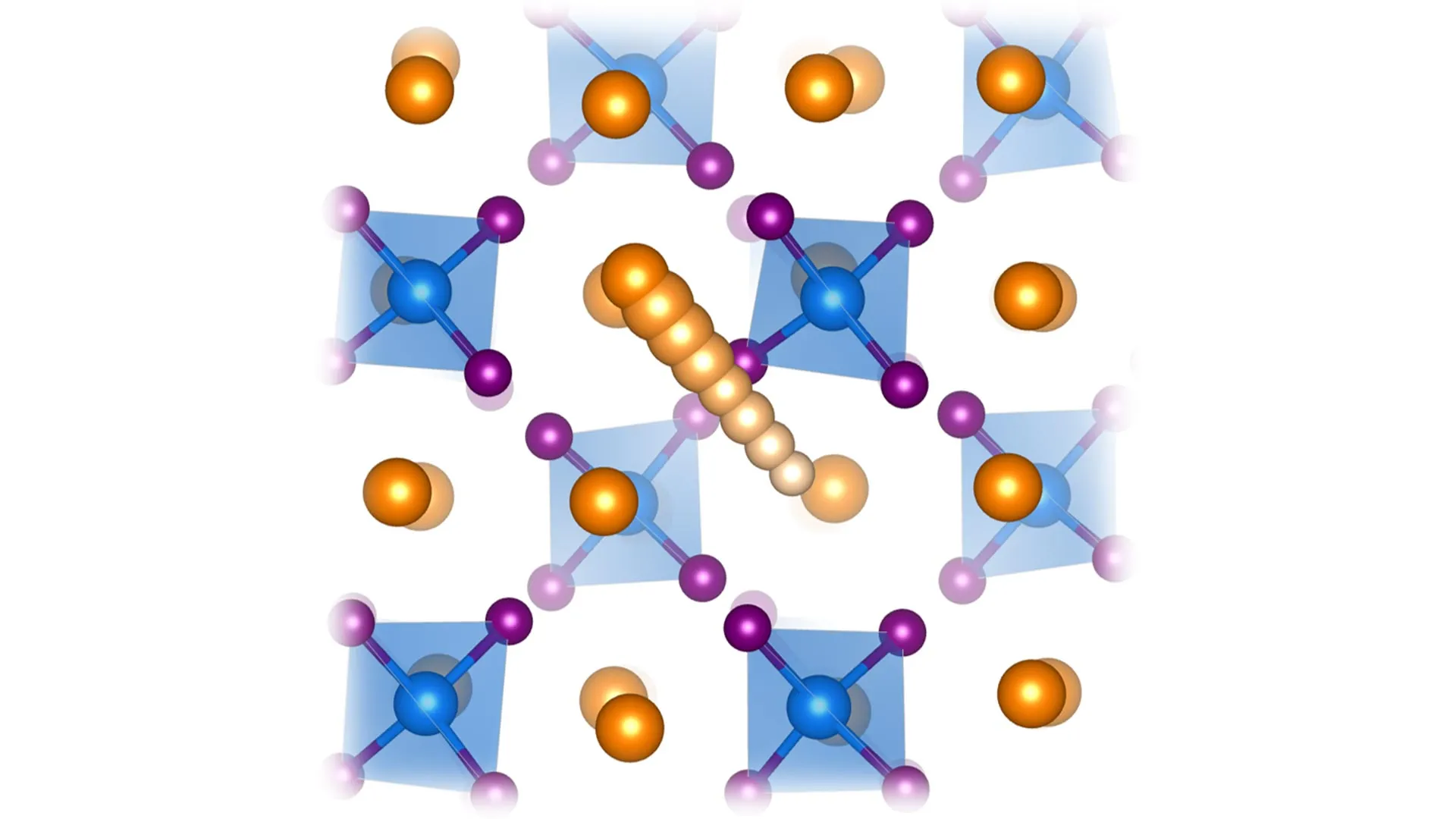
To address these challenges, researchers developed a machine learning (ML) accelerated workflow that combines ML force fields with tensorial ML models to simulate Raman spectra. Their findings show that strong low-frequency Raman intensity can act as a clear spectroscopic indicator of liquid-like ionic conduction.

When ions move through a crystal lattice in a fluid-like way, their motion temporarily disturbs the lattice symmetry. This disturbance relaxes the usual Raman selection rules and produces distinctive low-frequency Raman scattering. These spectral signals can be directly connected to high ionic mobility.

The new approach allows scientists to simulate the vibrational spectra of complex and disordered materials at realistic temperatures with near-ab initio accuracy while significantly reducing computational cost. When applied to sodium-ion conducting materials such as Na3SbS4, the method revealed pronounced low-frequency Raman features. These signals arise from symmetry breaking caused by rapid ion transport and provide a reliable indicator of fast ionic conduction. The results also help explain earlier experimental observations and open the door to high-throughput screening for new superionic materials.

Raman Features Reveal Superionic Conductors

The researchers further tested the method using sodium-ion conducting systems. The workflow successfully identified Raman signatures linked to liquid-like ion motion. Materials that displayed strong low-frequency Raman features also showed high ionic diffusivity and dynamic relaxation of the host lattice.

By contrast, materials where ion transport occurs mainly through hopping between fixed positions did not produce these Raman signatures. This distinction highlights how Raman signals can reveal the underlying transport mechanism inside a material.

Accelerating Discovery of Advanced Battery Materials

By extending the breakdown of Raman selection rules beyond traditional superionic systems, the study provides a broader framework for interpreting diffusive Raman scattering across many classes of materials. The ML-accelerated Raman pipeline connects atomistic simulations with experimental measurements, allowing scientists to evaluate candidate materials more efficiently.

This strategy introduces a powerful new route for data-driven discovery in energy storage research. By helping researchers quickly identify fast-ion conductors, the method could accelerate the development of high-performance solid-state battery technologies.

The findings were recently published in the online edition of AI for Science, an international journal focused on interdisciplinary artificial intelligence research.

Share Button

These 8 Common Habits Could Increase Your Risk Of Dementia

As folks grow older, many health fears come to mind. But one in particular tends to really worry folks.

“One of the most consuming fears of older adults [is] that they might lose their memory and become a burden to others,” said Dr. James Ellison, a geriatric psychiatrist at Jefferson Health in Philadelphia.

The specific type of memory loss that’s a top fear for many older adults is known as dementia, which is an umbrella term that refers to conditions that cause “mental loss, cognitive loss that’s severe enough to affect daily function,” said Dr. Victor Henderson, the director of the NIH Stanford Alzheimer’s Disease Research Center in California.

Dementia may make someone forget their address, not remember why they’re running a certain errand or no longer be able to pay bills they always pay. It’s a scary disease that some folks are genetically predisposed to, but there are thought to be lifestyle habits, too, that can put you at heightened risk.

“Let me begin with a caveat; there are a lot of lifestyle factors that have been associated with the risk of developing dementia. The caveat is that most of these haven’t been studied, at least adequately studied, in randomized clinical trials,” said Henderson.

Meaning, following the guidance below isn’t going to totally prevent a dementia diagnosis, but these are habits that also benefit your health as a whole. So, there’s no reason not to follow them, whether they are good for lowering your dementia risk, chance of a heart attack or bettering your mood. Here’s what to know:

Certain behavioral habits may put you at higher risk of developing dementia.

Javier Zayas Photography via Getty Images

Certain behavioral habits may put you at higher risk of developing dementia.

1. Ignoring the impact food has on your brain health.

“Many of the things that we talk about for dementia prevention or brain health optimization are the types of things that people will be familiar with hearing from cardiovascular and other health initiatives,” said Dr. Christina Prather, director of the Division of Geriatrics and Palliative Medicine at the George Washington University School of Medicine & Health Sciences.

“We always have said, what’s good for the heart is good for the brain,” Dr. Rudy Tanzi, the director of the McCance Center for Brain Health at Massachusetts General Hospital, previously told HuffPost.

Just as the Mediterranean diet ― which is high in healthy fats, lean meats, whole grains, fruits and veggies — is good for your heart health, it’s also good for your brain health, and is a diet that Prather recommends.

She also suggest following the MIND diet, which encourages whole grains, beans, berries, leafy greens, fish, olive oil and other foods that are said to have brain health benefits. A plant-based diet is also a good one to follow for brain health, Prather noted.

2. Not managing other health issues like diabetes, high blood pressure and more.

You shouldn’t shy away from managing your medical conditions, Prather said. Certain medical conditions, such as diabetes, high blood pressure and high cholesterol are dementia risk factors, she said.

“Really aggressively managing those risk factors is well established to be a way of reducing the risk of cognitive health dementia in the future,” Prather said.

“This is particularly important for vascular risk factors like atrial fibrillation or high blood pressure or hyperlipidemia,” Ellison added. Doing so protects circulation, blood supply and oxygen supply to the brain, Ellison noted.

This is important for the prevention of vascular dementia in particular, which happens when blood flow is blocked to the brain. Vascular dementia is a common kind of dementia.

3. Not getting enough restorative sleep.

“People need to sleep adequately because the brain renews itself during deep sleep and lowers its concentration of beta amyloid, which is the toxic protein that contributes to the development of Alzheimer’s disease,” said Ellison.

Prather added that you should also be sure to treat any sleep disorders that are interfering with your rest.

“There is an epidemic of undiagnosed sleep apnea in older adults,” Prather said.

And sleep apnea results in poor-quality sleep.

Sleep can also be impacted by the use of medications that induce sleep, she noted.

“Those are all signs your body is not getting the restorative sleep that it needs to consolidate memories and to have the most optimal cognitive function going forward,” said Prather.

4. Not making time for friends and family.

It’s also important to prioritize social connections, said Prather. “We know that loneliness and depression and isolation are exceptionally negative for health,” she noted.

“They have impacts on cognition as well as mortality,” said Prather.

“Loneliness is an epidemic among older adults, and has a mortality associated with it [that’s] similar to moderate smoking,” said Ellison.

Keeping your mind socially engaged is also an important way to stay cognitively engaged, Prather said, whether that’s by taking part in conversations or listening to stories from loved ones.

5. Drinking too much alcohol.

Lots of recent research has found that alcohol is not good for your health. It can lead to liver damage, increase your risk of certain cancers, and it’s also not good for your brain health.

“I tell people, if you’re having issues with your cognition or you’re worried about your memory, one of the first pieces of advice I’m going to give you is to reduce your alcohol use,” said Prather. Just like our body as a whole, the liver is aging and can’t handle alcohol the same way it could when you were 21.

“The other piece about alcohol is not only that, it’s a direct toxin (we increasingly know it increases risk for almost all cancers), but it can really disrupt sleep,” Prather said.

Next time you have a drink before bed, notice how it impacts your sleep, she suggested. And, as mentioned above, it’s important to get restorative sleep to reduce your dementia risk.

After 65, it’s recommended that folks have no more than one standard drink a day and no more than seven in a week, Prather noted.

The CDC recommends no more than two drinks each day for men and no more than one for women.

Head injuries are associated with a higher dementia risk, which makes it important to wear a helmet when getting on your bike.

Halfpoint Images via Getty Images

Head injuries are associated with a higher dementia risk, which makes it important to wear a helmet when getting on your bike.

6. Skipping out on exercise.

According to Ellison, it’s important to both live a generally active lifestyle and get in aerobic and other forms of exercise.

This could mean walking to do your errands instead of driving while also making plans to go to a workout class or go for a bike ride.

“It’s recommended that older adults exercise 30 minutes aerobically, five days a week, but only about 10% of those over 75 meet that level of activity,” said Ellison.

Exercise is good for your cardiovascular health, which, as mentioned above, is also good for your brain health.

Prather added that fitness is something you should be prioritizing no matter your age and, “well before any cognitive changes happen.”

7. Not wearing a helmet.

“One of the things I tell my patients is, if you’re bicycling, wear a helmet,” said Henderson.

“There have been a huge number of observational studies linking head injury to dementia,” Henderson added. There is a consistent association that head injuries likely do play a role in dementia risk, he said.

How large of a role does it play in someone’s dementia risk? “The answer might be that it doesn’t play a huge role at a population level, but on an individual level, it’s probably really important,” said Henderson.

8. Ignoring depressive symptoms.

“As a psychiatrist, of course I want to shine a little light on depression,” Ellison said.

While severe depression isn’t as common in older adults when compared to younger adults, both severe depression and low-grade depressive symptoms can disrupt the things that are important for cognitive health such as socialization, exercise, self-care and diet, Ellison noted.

“So, treatment of depression may be one way of improving cognitive aging,” he said.

Dementia rates are decreasing and it may be due to some of these lifestyle habits — but if someone does develop dementia, it’s not their fault.

“The number of people with dementia is increasing. I think everyone is aware of that. But it’s increasing in part because the number of people living to a very old age is increasing,” said Henderson.

Most dementia happens in older folks, Henderson added.

But, on the bright side, “if you look at the actual chance of getting dementia at a particular age, it’s actually come down slightly, not a whole lot, but slightly, and it seems to parallel advances in taking care of cardiovascular health,” Henderson said.

There are also now disease-modifying FDA-approved medications for the most common form of dementia, which is Alzheimer’s, said Ellison, who stressed that it’s important to start these medications early on in the disease course.

This makes it important to talk to your doctor if you do notice that you have cognitive challenges such as frequently misplacing items, memory changes that disturb your life or have trouble solving problems.

“It’s so hard not to be afraid of something when most people have someone in their life that has been touched by this disease, and it feels as though your future risk of it … is out of your control. But the things that we’ve talked about, all lifestyle changes that can be done better that are in our control,” said Prather.

Still, there will be people who get types of dementia because of genetics or other unmodifiable risk factors, “and we cannot set up the expectation that they failed to prevent [dementia] through their own actions or choices. That is just not fair,” Prather noted.

“But, for many of us, we can make changes to our lifestyle and know confidently that we’ve done everything that we can to prevent this,” she said.

The original version of this story was published on HuffPost at an earlier date.

Share Button

Mayo Clinic discovers rare gene mutation that causes fatty liver disease

Scientists at Mayo Clinic’s Center for Individualized Medicine have identified a rare genetic variant that can directly cause metabolic dysfunction-associated steatotic liver disease, formerly known as nonalcoholic fatty liver disease.

Researchers previously believed this condition developed mainly from a mix of genetic susceptibility and lifestyle or environmental influences. However, findings published in Hepatology show that in certain cases, a single inherited mutation can play a central role in triggering the disease.

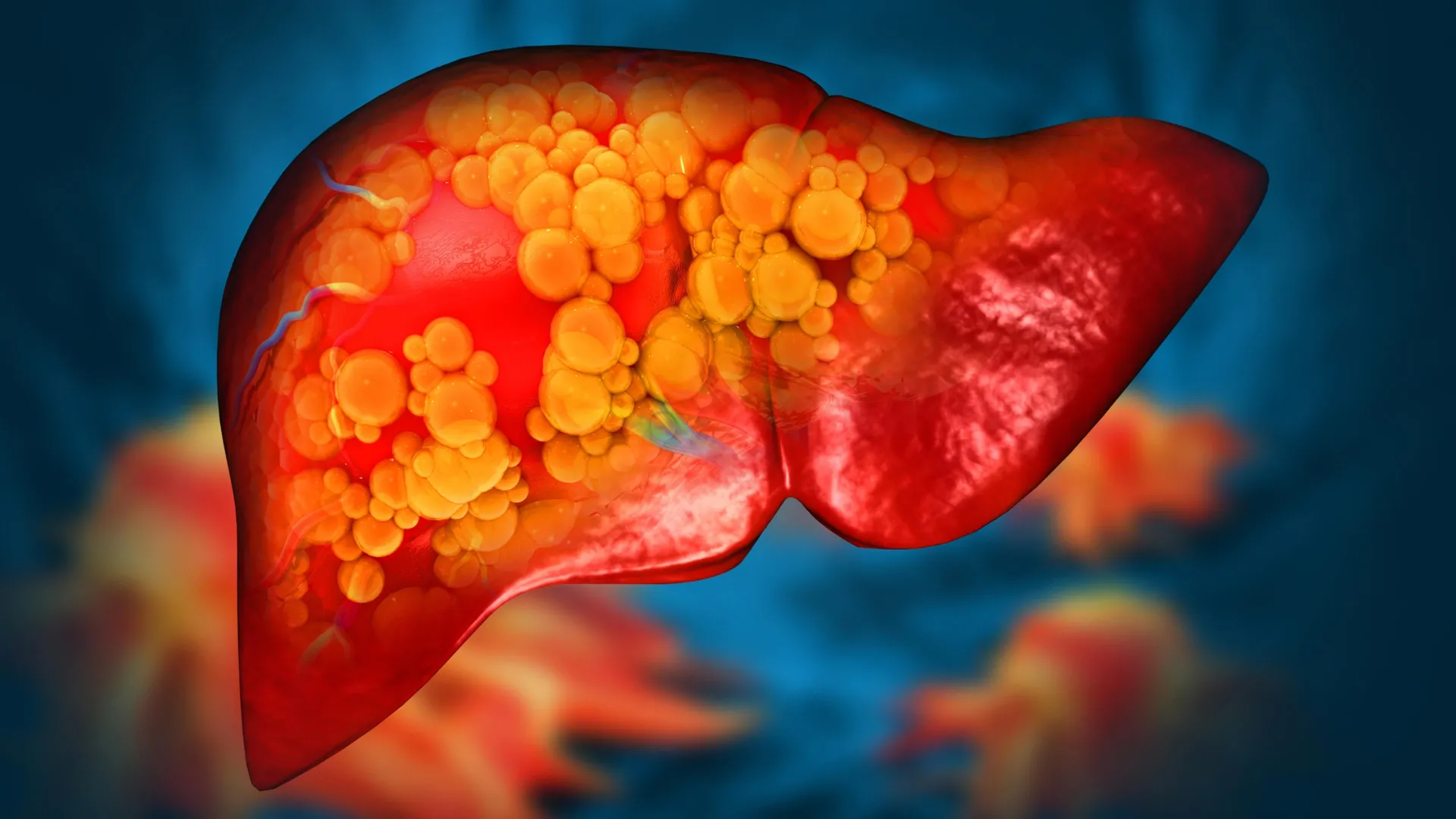
The team traced the variant to the MET gene, which plays an important role in liver repair and how the body processes fat. When this gene does not function properly, fat begins to build up inside liver cells. This buildup can lead to inflammation. Over time, inflammation can progress to fibrosis and scarring that stiffens the liver. In more advanced stages, the condition can develop into cirrhosis, which may cause permanent liver damage or even liver cancer.

Metabolic dysfunction-associated steatotic liver disease affects roughly one-third of adults worldwide. Its more severe form, metabolic dysfunction-associated steatohepatitis, is expected to become the leading cause of cirrhosis and the primary reason for liver transplants in the near future.

“This discovery opens a window into how rare inherited genetic variants can drive common diseases,” says lead author Filippo Pinto e Vairo, M.D, Ph.D., medical director of the Program for Rare and Undiagnosed Diseases at Mayo Clinic’s Center for Individualized Medicine. “It provides new insights into this disease pathogenesis and potential therapeutic targets for future research.”

Family Case Reveals the Genetic Clue

The discovery began with genomic analysis of a woman and her father who both had metabolic dysfunction-associated steatohepatitis. Interestingly, neither of them had diabetes or high cholesterol, two of the most common risk factors associated with fat accumulation in the liver.

Because the usual explanations did not apply, researchers performed an extensive genetic analysis, examining DNA across more than 20,000 genes. During this search, they identified a small but potentially meaningful alteration in the MET gene.

Working together with scientists from the Medical College of Wisconsin’s John & Linda Mellowes Center for Genomic Sciences and Precision Medicine, led by Raul Urrutia, M.D., the research team confirmed that this mutation interfered with a critical biological process.

Genes are made up of chemical letters that carry instructions for how the body functions. In this case, a single swapped letter within the DNA sequence disrupted the message, preventing the liver from properly processing fat. This rare genetic variant found in the family has not previously been documented in scientific literature or public genetic databases.

“This study demonstrates that rare diseases are not rare but often hidden in the large pool of complex disorders, underscoring the immense power of individualized medicine in identifying them, and enabling the design of advanced diagnostics and targeted therapies,” Dr. Urrutia says.

Large Genomic Study Finds Similar Variants

To understand whether this mutation might appear in other patients, researchers analyzed data from Mayo Clinic’s Tapestry study. This large exome sequencing initiative aims to identify genetic factors that influence disease.

The Tapestry project has examined germline DNA from more than 100,000 participants across the United States, creating an extensive genomic database that supports research into both established and emerging health conditions.

Among nearly 4,000 adults in the Tapestry study who had metabolic dysfunction-associated steatotic liver disease, about 1% carried rare variants in the same MET gene that may contribute to the condition. Nearly 18% of these variants occurred in the same key region identified in the original family, strengthening the evidence that this gene plays a role in liver disease.

“This finding could potentially affect hundreds of thousands, if not millions, of people worldwide with or at risk for metabolic dysfunction-associated steatotic liver disease,” says Konstantinos Lazaridis, M.D., a lead author and the Carlson and Nelson Endowed Executive Director for the Center for Individualized Medicine.

Dr. Lazaridis also emphasized the importance of the Tapestry study in revealing hidden genetic factors behind disease.

“Once a pathogenic variant is discovered, interrogating our Tapestry data repository is giving us a clearer lens into the hidden layers of disease, and this discovery is one of the first to demonstrate its scientific significance,” Dr. Lazaridis says. “This finding highlights the profound value of studying familial diseases and the merit of large-scale genomic datasets, which can reveal rare genetic variations with broader implications for population health.”

Precision Genomics Helps Solve Medical Mysteries

The findings also highlight the growing role of genomic medicine in clinical care at Mayo Clinic. Researchers and clinicians are increasingly using advanced genetic technologies to help uncover the causes of complex diseases.

Since it launched in 2019, the Program for Rare and Undiagnosed Diseases has provided more than 3,200 patients with access to comprehensive genomic testing. The program works with nearly 300 clinicians across 14 divisions at Mayo Clinic to deliver precision diagnostics for patients with difficult-to-diagnose conditions, including rare liver diseases.

Researchers say future studies will examine how this discovery involving metabolic dysfunction-associated steatotic liver disease could guide the development of targeted treatments and improve how the disease is diagnosed and managed.

Share Button

A 4,000-year-old sheep reveals the secret of an ancient plague

During the Middle Ages, a devastating plague wiped out roughly one third of Europe’s population. The disease spread through fleas that carried the bacterium Yersinia pestis. These fleas passed the infection from rats to humans, fueling the catastrophe known as the Black Death.

But the history of plague goes back even further. An earlier form of Y. pestis appeared about 5,000 years ago during the Bronze Age. This ancient strain infected people across Eurasia for nearly two millennia before disappearing. Unlike the medieval plague, however, this earlier version could not be transmitted by fleas. For years, scientists have struggled to understand how the disease managed to spread across such a vast region without that transmission pathway.

Ancient Sheep Provides a Critical Clue

Researchers have now uncovered an important piece of the puzzle. An international team that includes University of Arkansas archaeologist Taylor Hermes identified the first evidence of Bronze Age plague in a nonhuman host. The scientists detected Y. pestis DNA in the remains of a domesticated sheep that lived about 4,000 years ago.

The animal came from Arkaim, a fortified settlement in the Southern Ural Mountains of present day Russia near the border with Kazakhstan. The finding suggests that livestock may have played a role in the spread of plague during the Bronze Age, helping explain how the disease traveled so widely across Eurasia.

The research was published in Cell under the title “Bronze Age Yersinia pestis genome from sheep sheds light on hosts and evolution of a prehistoric plague lineage.” The international collaboration includes researchers from Harvard University and leading institutions in Germany, Russia and South Korea.

Searching Ancient DNA for Clues

Hermes co leads a major research project that studies ancient livestock DNA. By examining genetic material preserved in bones and teeth, his team is tracing how domesticated animals such as cattle, goats and sheep spread from the Fertile Crescent across Eurasia. These movements helped shape the rise of nomadic cultures and early empires.

“When we test livestock DNA in ancient samples, we get a complex genetic soup of contamination,” Hermes said. “This is a large barrier to getting a strong signal for the animal, but it also gives us an opportunity to look for pathogens that infected herds and their handlers.”

Working with ancient DNA is challenging and time consuming. Scientists must separate the DNA of the animal from many other sources found in the sample. Microorganisms living in the soil where bones were buried leave behind their own genetic traces. Researchers can also accidentally introduce DNA from their own skin cells or saliva.

The fragments recovered from ancient remains are extremely small. Many pieces measure only about 50 base pairs. For comparison, the full human genome contains more than 3 billion base pairs.

Animal remains also tend to be less well preserved than human remains, which are usually carefully buried. Animals were often cooked and eaten, and their bones discarded in waste piles where exposure to heat and weather gradually breaks down genetic material.

The Moment of Discovery

While studying livestock remains excavated from Arkaim in the 1980s and 1990s, Hermes and his colleagues noticed something unexpected. One sheep bone contained DNA belonging to Yersinia pestis.

“It was alarm bells for my team. This was the first time we had recovered the genome from Yersinia pestis in a non-human sample,” Hermes said. “We were extra excited because Arkaim is linked to the Sintashta culture, which is known for early horse riding, impressive bronze weaponry and substantial geneflow into Central Asia.”

How Did Bronze Age Plague Spread?

Researchers have previously found identical Bronze Age plague strains in human remains located thousands of kilometers apart. The question has been how the disease managed to travel such long distances.

“It had to be more than people moving. Our plague sheep gave us a breakthrough. We now see it as a dynamic between people, livestock and some still unidentified ‘natural reservoir’ for it, which could be rodents on the grasslands of the Eurasian steppe or migratory birds,” Hermes said.

A natural reservoir is an animal species that carries a pathogen without becoming sick. In the Middle Ages, rats served as the reservoir for Y. pestis, while fleas acted as the vector that spread the bacterium. Today, bats often fill this role for viruses such as Ebola and the Marburg virus.

Lessons From an Ancient Epidemic

Hermes recently received a five year grant from Germany’s Max Planck Society worth 100,000 Euros to continue excavations in the Southern Urals near Arkaim. His team will search for additional human and animal remains that may contain traces of Y. pestis.

The Bronze Age was a period when the Sintashta culture began managing larger livestock herds while also becoming skilled horse riders. Increased interaction with animals and expanding travel across the steppe may have exposed people to disease reservoirs in the environment.

Although these events happened thousands of years ago, Hermes believes the findings carry an important message today. Expanding economic activities into natural environments can disrupt ecosystems and increase the risk of disease spillover.

“We should appreciate the delicate inner workings of the ecosystems we might disturb and aim to preserve the balance,” Hermes said.

“It’s important to have a greater respect for the forces of nature,” he said.

Share Button

‘Women grow up with pain as a part of their lives’

A health campaigner says women’s relationship to pain is shaped by the way they grow up with it as a part of their lives.

Share Button

Relying on drugs to stop obesity would be ‘societal failure’, says Chris Whitty

England’s top doctor says the drugs should be for a minority and more effort is needed to prevent obesity in the first place.

Share Button

It took 10 years to get surgery for my endometriosis

Ami Clarke shares her experience of living with endometriosis.

Share Button

Cancer patient leaves Dubai on ‘miracle flight’

A woman arrives back in Plymouth in time to begin her chemotherapy treatment.

Share Button