Grieving parents call for better sepsis training to be introduced urgently so no family goes through what they did.


Grieving parents call for better sepsis training to be introduced urgently so no family goes through what they did.
Oxford researchers find that using AI to make medical decisions presents a risk to patients.
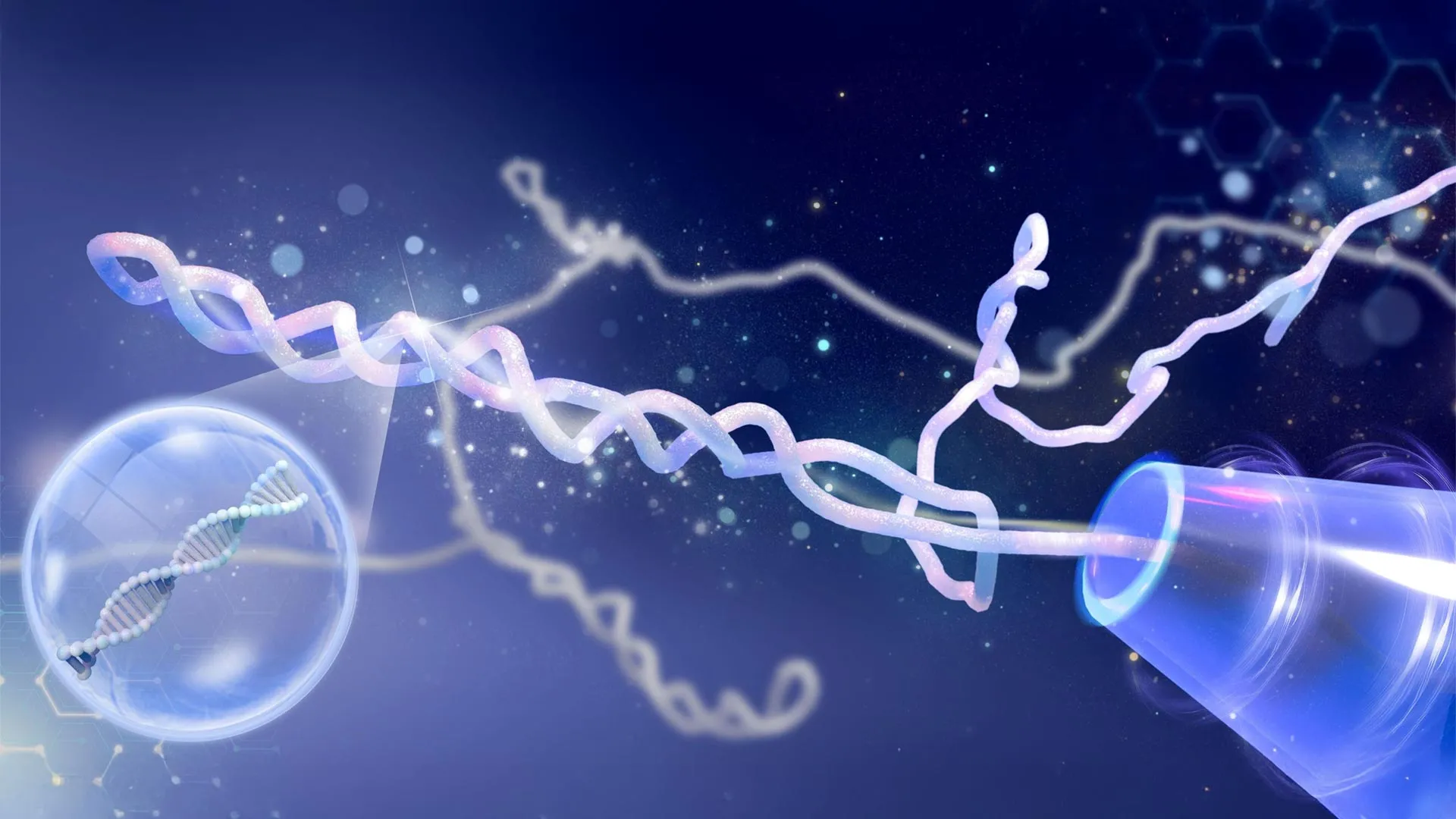
Scientists at the University of Cambridge, working with international collaborators, have identified a crucial process that shapes how DNA behaves as it moves through nanoscale pores. This process is fundamental to many biological activities and to fast-growing DNA sensing technologies. The research highlights a long-overlooked DNA structure called plectonemes, a finding that could influence future advances in genomics and biosensing.
Nanopores are extremely small openings that allow single strands of DNA to pass through while producing electrical signals. These signals help researchers analyze genetic material in detail. Until now, important features of those signals had been misunderstood.
Why Scientists Thought DNA Was Forming Knots
For many years, researchers believed that complex electrical patterns seen during nanopore experiments were caused by DNA forming knots. The idea was easy to picture. Pulling a shoelace through a narrow hole becomes uneven if the lace tangles, and scientists assumed DNA behaved in the same way. Any irregular signal was thought to mean the strand had knotted as it moved through the pore.
That explanation shaped how nanopore data was interpreted for decades.
Twists, Not Knots, Explain the Signals
The new study, published in Physical Review X, shows that this long-standing assumption was often wrong. Instead of forming true knots, DNA frequently twists around itself during nanopore translocation. These twisted structures, known as plectonemes, resemble a coiled phone cord rather than a tied knot.
This distinction matters because twists and knots affect electrical signals in very different ways.
“Our experiments showed that as DNA is pulled through the nanopore, the ionic flow inside twists the strand, accumulating torque and winding it into plectonemes, not just knots. This ‘hidden’ twisting structure has a distinctive, long-lasting fingerprint in the electrical signal, unlike the more transient signature of knots,” explained lead author Dr Fei Zheng from the Cavendish Laboratory.
Experiments Point to a Missing Mechanism
To reach this conclusion, the researchers tested DNA using both glass and silicon nitride nanopores across a wide range of voltages and conditions. They noticed that so-called “tangled” events, when more than one section of DNA occupied the pore at the same time, occurred far more often than knot theory could explain.
These events became even more frequent as voltage increased and as DNA strands grew longer. This pattern suggested that another force was at work.
How Flowing Water Twists DNA
The team found that the twisting comes from electroosmotic flow, the movement of water driven by electric fields inside the nanopore. As water flows past the DNA, it applies a spinning force to the helical molecule. This torque travels along the strand, causing sections outside the pore to coil into plectonemes.
Unlike knots, which tighten under pulling forces and typically disappear quickly, plectonemes can grow larger and remain present throughout the entire translocation process. Computer simulations that applied realistic forces and torques confirmed this behavior and showed that plectoneme formation depends on DNA’s ability to transmit twist along its length.
Blocking Twists Confirms the Discovery
To test the idea further, the researchers created “nicked” DNA, strands that were interrupted at specific points. These interruptions prevented twist from spreading along the molecule and sharply reduced the formation of plectonemes during experiments.
This result confirmed that twist propagation is essential to the process. It also hints at new ways nanopores could be used to detect DNA damage, since breaks in the strand interfere with twisting behavior.
Reading DNA Signals With New Precision
“What’s really powerful here is that we can now tell apart knots and plectonemes in the nanopore signal based on how long they last,” says Prof Ulrich F. Keyser, also from the Cavendish Laboratory and a co-author of the study.
“Knots pass through quickly, just like a quick bump, whereas plectonemes linger and create extended signals. This offers a path to richer, more nuanced readouts of DNA organization, genomic integrity, and possibly damage.”
Broader Implications for Biology and Technology
The findings extend beyond nanopore sensing. In living cells, DNA regularly twists and tangles as enzymes act on it, and both knots and plectonemes play important roles in genome organization and stability. Understanding how these structures form could improve models of cellular DNA behavior.
For diagnostics and biosensing, the ability to detect or control DNA twisting could lead to more sensitive tools capable of identifying subtle genetic changes and early signs of DNA damage linked to disease.
“From the perspective of nanotechnology, the research highlights the power of nanopores, not only as sophisticated sensors but also as tools for manipulating biopolymers in novel ways,” concluded Keyser.

Women who follow a Mediterranean-style eating pattern may face a lower risk of stroke, according to research published on February 4, 2026, in Neurology Open Access, a journal of the American Academy of Neurology. The study found a strong relationship between this diet and reduced stroke risk, though it does not show that the diet directly prevents strokes. Instead, it identifies an association between dietary habits and long-term health outcomes.
Researchers observed lower rates of stroke overall among women who most closely followed the Mediterranean diet. This included both ischemic strokes and hemorrhagic strokes. Ischemic strokes occur when blood flow to part of the brain is blocked and are the most common form of stroke. Hemorrhagic strokes happen when a blood vessel ruptures and causes bleeding in the brain.
What Defines the Mediterranean Diet
The Mediterranean diet centers on eating plenty of vegetables, fruits, legumes, and fish, along with healthy fats such as olive oil. It limits foods like dairy products, meat, and items high in saturated fatty acids.
“Our findings support the mounting evidence that a healthy diet is critical to stroke prevention,” said study author Sophia S. Wang, PhD, of City of Hope Comprehensive Cancer Center in Duarte, California. “We were especially interested to see that this finding applies to hemorrhagic stroke, as few large studies have looked at this type of stroke.”
How the Study Followed More Than 100,000 Women
The study included 105,614 women who had no history of stroke at the beginning of the research and an average age of 53. Each participant completed a detailed diet questionnaire at the start of the study. Researchers then assigned a score ranging from zero to nine based on how closely each person’s diet matched Mediterranean diet guidelines.
Participants earned one point for consuming more than the population average of whole grain cereals, fruits, vegetables, legumes, olive oil, and fish, as well as for drinking a moderate amount of alcohol. They also earned a point for eating less red meat and dairy than average. About 30% of participants scored between six and nine — the highest group. Another 13% scored between zero and two, placing them in the lowest group.
Stroke Outcomes Over 21 Years
Participants were monitored for an average of 21 years. During that period, researchers recorded 4,083 strokes, including 3,358 ischemic strokes and 725 hemorrhagic strokes. Among women in the highest diet score group, 1,058 ischemic strokes occurred, compared with 395 cases in the lowest group. For hemorrhagic stroke, 211 cases were reported in the highest group and 91 in the lowest group.
After accounting for other stroke risk factors such as smoking, physical activity, and high blood pressure, the differences remained significant. Women with the highest Mediterranean diet scores were 18% less likely to experience any stroke than those with the lowest scores. Their risk of ischemic stroke was 16% lower, and their risk of hemorrhagic stroke was 25% lower.
Why the Findings Matter and Study Limitations
“Stroke is a leading cause of death and disability, so it’s exciting to think that improving our diets could lessen our risk for this devastating disease,” said Wang. “Further studies are needed to confirm these findings and to help us understand the mechanisms behind them so we could identify new ways to prevent stroke.”
One limitation of the study is that dietary information was self reported, which means some participants may not have recalled their eating habits accurately.
The research was funded by the National Institute of Neurological Diseases and Stroke.

Ovarian cancer is the deadliest gynecological cancer, largely because it is usually discovered too late. In most cases, doctors diagnose the disease only after it has already spread widely throughout the abdomen. Although researchers have long known that ovarian cancer progresses rapidly, the biological reason behind this speed has remained unclear.
A new study led by Nagoya University now sheds light on this long-standing mystery. The research, published in Science Advances, shows that ovarian cancer cells do not act alone. Instead, they enlist help from mesothelial cells, which normally serve as a protective lining inside the abdominal cavity. These mesothelial cells move ahead of the cancer cells, creating pathways that cancer cells then follow. Together, they form hybrid cell clusters that are more resistant to chemotherapy than cancer cells by themselves.
Cancer Cells Form Hybrid Clusters in Abdominal Fluid
To understand how this happens, researchers analyzed abdominal fluid from patients with ovarian cancer. What they found challenged previous assumptions. Cancer cells were rarely drifting freely on their own. Instead, they frequently attached themselves to mesothelial cells, forming compact, mixed cell spheres.
The researchers estimated that roughly 60% of these cancer spheres included recruited mesothelial cells. The cancer cells release a signaling molecule known as TGF-β1, which alters the mesothelial cells. In response, the mesothelial cells develop sharp, spike-like protrusions capable of cutting through surrounding tissue.
How Ovarian Cancer Moves Through the Abdomen
As ovarian cancer grows, some cells detach from the main tumor and enter the fluid-filled space within the abdomen. This fluid is constantly in motion due to normal breathing and body movement. As a result, cancer cells are carried to many different areas of the abdominal cavity.
This method of spread differs sharply from that of many other cancers. In diseases such as breast or lung cancer, tumor cells enter blood vessels and travel through the bloodstream to distant organs. Because blood flows through defined pathways, doctors can sometimes monitor these cancers using blood tests.
Ovarian cancer cells largely bypass blood vessels. Instead, they drift through abdominal fluid that lacks a predictable route. This floating phase occurs before the cells attach to new organs. Until now, scientists did not fully understand what occurred during this stage or how cancer cells coordinated their spread so efficiently.
Invadopodia Drive Tissue Invasion
The research team found that during this floating stage, ovarian cancer cells actively recruit mesothelial cells that have naturally shed from the abdominal lining. Once joined together, the two cell types form hybrid spheres. The mesothelial cells then produce invadopodia, which are spike-like structures that drill into nearby tissue.
These hybrid spheres pose a particular threat. When they reach an organ, they invade tissue more rapidly and withstand chemotherapy drugs more effectively than cancer cells alone.
Watching Cancer Spread in Real Time
Using advanced microscopy, the scientists were able to observe this process directly in abdominal fluid samples from patients. They validated their observations with experiments in mouse models and by analyzing gene activity at the single-cell level.
Lead author Dr. Kaname Uno, a former PhD student and current Visiting Researcher at Nagoya University’s Graduate School of Medicine, explained that the cancer cells themselves remain relatively unchanged. “They manipulate mesothelial cells to do the tissue invasion work. They undergo minimal genetic and molecular changes and just migrate through the openings that mesothelial cells create.”
Before entering research, Dr. Uno spent eight years working as a gynecologist. One patient profoundly shaped his decision to pursue this line of study. She had received normal screening results just three months before doctors diagnosed her with advanced ovarian cancer. Existing diagnostic tools failed to detect the disease early enough to save her life. That experience motivated Dr. Uno to investigate why ovarian cancer spreads so quickly and escapes early detection.
New Opportunities for Treatment and Monitoring
The findings point to potential new approaches for treating ovarian cancer. Current chemotherapy drugs focus on destroying cancer cells but do not target the mesothelial cells that assist in invasion. Future therapies could aim to block the TGF-β1 signal or prevent the formation of these harmful cell partnerships.
The study also suggests a possible new way to track the disease. Monitoring these hybrid cell clusters in abdominal fluid could help doctors better predict how ovarian cancer will progress and how patients respond to treatment.
Ovarian cancer kills more women than any other gynecological cancer. Most patients receive their diagnosis only after the disease spreads throughout the abdomen. Until now, scientists have never fully understood why this cancer advances so fast.
A new study led by Nagoya University explains why. Published in Science Advances, the study shows that cancer cells recruit help from protective mesothelial cells that normally line the abdominal cavity. Mesothelial cells lead the invasion and cancer cells follow the pathways they create. These hybrid cell clusters resist chemotherapy better than cancer alone.
Researchers examined abdominal fluid from ovarian cancer patients and found something unexpected. Cancer cells do not float alone in the abdominal cavity. Instead, they often grab onto mesothelial cells and form hybrid spheres. About 60% of all cancer spheres contain these recruited mesothelial cells. The cancer cells release a protein called TGF-β1 that transforms the mesothelial cells and causes them to develop spike-like structures that cut through tissue.
Invadopodia, spike structures that do the digging for cancer
When ovarian cancer develops, cancer cells break off from the tumor. These cells enter the abdominal fluid and float freely. The fluid moves around as you breathe and move your body. This movement carries the cancer cells to different spots in the abdomen.
Most other cancers spread differently. Breast cancer or lung cancer cells enter blood vessels. They travel through the bloodstream to reach distant organs. Doctors can sometimes track these cancers through blood tests because blood moves in predictable paths through vessels.
Ovarian cancer cells avoid blood vessels entirely. They float in fluid that has no fixed path. This floating stage happens before the cancer cells attach to new organs. Scientists did not fully understand what happened during the floating period or how cells worked together to spread cancer so quickly.
The research team discovered that cancer cells recruit protective mesothelial cells that have shed from the abdominal cavity lining during this floating stage. The two cell types stick together and form hybrid spheres. The mesothelial cells then grow invadopodia, spike-like structures that drill into surrounding tissue. The hybrid spheres resist chemotherapy drugs more effectively and invade tissues faster when they land on organs.
Outsourcing the hard work of cell invasion
The researchers examined abdominal fluid from ovarian cancer patients using advanced microscopy to watch this process in real time. They confirmed their findings with mouse models and single-cell genetic analysis.
Lead author Dr. Kaname Uno, a former PhD student and current Visiting Researcher at Nagoya University’s Graduate School of Medicine, explained that the cancer cells do not need to become more invasive themselves. “They manipulate mesothelial cells to do the tissue invasion work. They undergo minimal genetic and molecular changes and just migrate through the openings that mesothelial cells create.”
Dr. Uno worked as a gynecologist for eight years before he pursued research. One of his patients changed his career path. She had clear screening results just three months before doctors found advanced ovarian cancer. Current medical tools failed to detect the cancer early enough to save her life. This motivated Dr. Uno to investigate why ovarian cancer spreads so rapidly.
This discovery opens new treatment possibilities. Current chemotherapy targets cancer cells but ignores the mesothelial accomplices. Future drugs could block the TGF-β1 signal or prevent the formation of these dangerous partnerships. The research also suggests that doctors could monitor these cell clusters in abdominal fluid to predict disease progression and treatment response.
The number waiting for an organ is at a record high as loved ones increasingly block donations.
Rebecca Combellack says she found out she had breast cancer after losing weight and finding a lump.

A research team led by scientists from several Japanese institutions has identified a compound called Mic-628 that directly influences the body’s internal timing system. The group included Emeritus Professor Tei H. (Kanazawa University), Associate Professor Takahata Y. (Osaka University), Professor Numano R. (Toyohashi University of Technology), and Associate Professor Uriu K. (Institute of Science Tokyo). Their experiments showed that Mic-628 specifically activates Per1, a core gene that helps regulate daily biological rhythms in mammals.
The researchers found that Mic-628 works by attaching to CRY1, a protein that normally suppresses clock gene activity. This interaction encourages the formation of a larger molecular complex known as CLOCK-BMAL1-CRY1-Mic-628. Once formed, this complex switches on Per1 by acting at a specific DNA site called a “dual E-box.” Through this mechanism, Mic-628 shifts the timing of both the brain’s master clock located in the suprachiasmatic nucleus (SCN) and clocks in other organs, including the lungs. Notably, these clock shifts occurred together and did not depend on when the compound was given.
Faster Recovery From Jet Lag in Animal Tests
To test real-world relevance, the team used a mouse model designed to mimic jet lag by advancing the light-dark cycle by six hours (6-hour light-dark phase advance). Mice that received a single oral dose of Mic-628 adjusted to the new schedule much faster, taking four days instead of seven. Further mathematical analysis showed that this steady, one-direction shift forward is driven by a built-in feedback loop involving the PER1 protein, which helps stabilize the clock change.
Why Advancing the Clock Is So Difficult
Adjusting to earlier schedules, such as traveling east across time zones or working night shifts, requires the body clock to move forward. This type of adjustment is typically slower and more stressful for the body than delaying the clock. Common approaches like light exposure or melatonin depend heavily on precise timing and often produce uneven results. Because Mic-628 consistently advances the clock regardless of dosing time, it offers a fundamentally different drug-based approach to circadian reset.
What Comes Next for Mic-628
The researchers plan to continue studying Mic-628 to better understand its safety and effectiveness in additional animal studies and in humans. Since the compound reliably moves the body clock forward through a clearly defined biological pathway, it could become a model “smart drug” for addressing jet lag, sleep problems linked to shift work, and other disorders caused by circadian misalignment.
The findings were published in the Proceedings of the National Academy of Sciences of the United States of America (PNAS).
It’s likely that you might have taken your health for granted in early adulthood. Maybe you could run a quick mile or stand on your feet all day long at a theme park.
However, as you age, you may notice that your body doesn’t usually work as well as it used to. For example, after the age of 50, bone breakdown happens quicker than formation, which results in bone loss.
Advertisement
That said, there are daily habits and practices that older adults can engage in to help ease some of the aches and pains that come with aging. We spoke with a number of doctors across different specialties about things they wish older adults would do daily ― and many are easier than you think.
This is important regardless of your age, but even more so as you get older because it helps keep you mobile and reduces the risk of osteoporosis.
″This can be as simple as walking after your largest meal of the day combined with simple exercises like a squat, lunge, press, etc.,” said Dr. Carl Paige, chief medical officer and co-founder of the Medical Transformation Center in Louisville, Kentucky.
Advertisement
Dr. Eric Tam, a physician at Mighty Health, added that one of the best ways to move the body is with resistance training.
“In my practice, I tell many of my patients that I don’t want them to become bodybuilders, but I do want them to lift weights that they find strenuous,” Tam said. “The motivation here is that, through resistance training, we can begin to build muscles to counteract the loss of it with age.”
But if that’s not your thing, find exercises you enjoy ― biking, swimming, yoga, pilates. The key is to stay active consistently, which means engaging in activities that you find pleasurable.
Advertisement
According to the Alzheimer’s Association, an estimated 6.9 million Americans age 65 and older are living with Alzheimer’s in 2024. While you can’t completely prevent the onset of Alzheimer’s, there are some habits you can practice to decrease your risk and prolong onset.
“You need to exercise your mind every day to keep sharp and that can mean a crossword puzzle, reading a book or newspaper, or trying to remember anything,” said Dr. Steve Fallek, a physician and medical adviser for Maskad and Revivv. “Think about an old album you used to own. Can you remember the track listing? The lyrics? All their albums? Whatever challenges your brain and your memory is a good thing.”
You can also try new hobbies ― like learning a new language or instrument ― and making new friends. Novelty is key, according to experts.
Advertisement
In 2023, the U.S. surgeon general expressed concerns over a loneliness epidemic happening across the country. Humans are social beings, and having regular, healthy social interactions is important when it comes to maintaining mental health ― especially for older adults.
“Often, as we get older, we tend to socialize less, in part due to physical limitations,” said Dr. Faisal Tai, a board-certified psychiatrist and founder of PsychPlus. “Seniors should undertake at least one positive social interaction every day. Whether it’s a visit from a kind neighbor, a chat with the cashier at your grocery store, or enjoying a phone or video call with a grandchild or friend.”

andreswd via Getty Images
Advertisement
Stress is a fact of life; according to the National Council on Aging, some stress can actually be helpful. However, chronic stress can lead to negative health outcomes that worsen with age.
“Stress can take a toll on your heart as you get older so it’s important to look for ways to relieve stress on a daily basis,” said Dr. Laura Purdy, a board-certified family medicine physician. “Take time to rest, reset, find things that bring you peace and do things daily that you love that do not cause you consistent stress.”
According to Dr. Sulagna Misra, an internist in California and founder of Misra Wellness, aging is a natural privilege. The key is staying attuned to your body and making sure you go to all of your necessary appointments.
Advertisement
“While prevention is key, early detection is also important for any disease, which means keeping up with recommended medical screenings,” Misra said. “Eye exams, mammograms, prostate exams, colonoscopies, age-appropriate vaccinations, regular follow-ups, skin exams and other screenings like cholesterol and cardiovascular health are all important.”
It is optimal to have sun exposure for five to 30 minutes a day, most days a week, without sunscreen, in order to get vitamin D, according to an article from the American Journal of Lifestyle Medicine. (Keep in mind that most dermatologists and experts recommend that you make sunscreen a daily practice so you don’t increase your risk of skin cancer. Be mindful of how much time you spend outdoors unprotected.) Vitamin D is known to boost your overall physical and mental health.
Older adults may have a hard time getting outside, but it’s just as important as we age. “Get sun exposure in the late morning, depending on where you are in the U.S,” said Dr. Huong Nghiem-Eilbeck, a staff physician at Pandia Health. “Avoid sunburns but get enough sun to get Vitamin D as this helps the body absorb calcium in the ways that are best for your bones.”
Advertisement
As you get older, you’ll particularly want to try to avoid heavily consuming processed foods. While these are OK in moderation, you should try to focus on incorporating more nutritious foods onto your plate.
“Making these changes can be as simple as choosing healthy meals and snacks that can help prevent heart disease, including fresh fruits and vegetables, foods high in fiber and low in unhealthy fats, and also limiting your intake of salt and sugar,” said Dr. Nadim Geloo, senior director of medical affairs at Abbott’s structural heart business. “It may be difficult to change overnight, so I recommend changing one aspect of your diet at a time with a medium-term goal to eliminate harmful foods.”
The original version of this story was published on HuffPost at an earlier date.
Advertisement
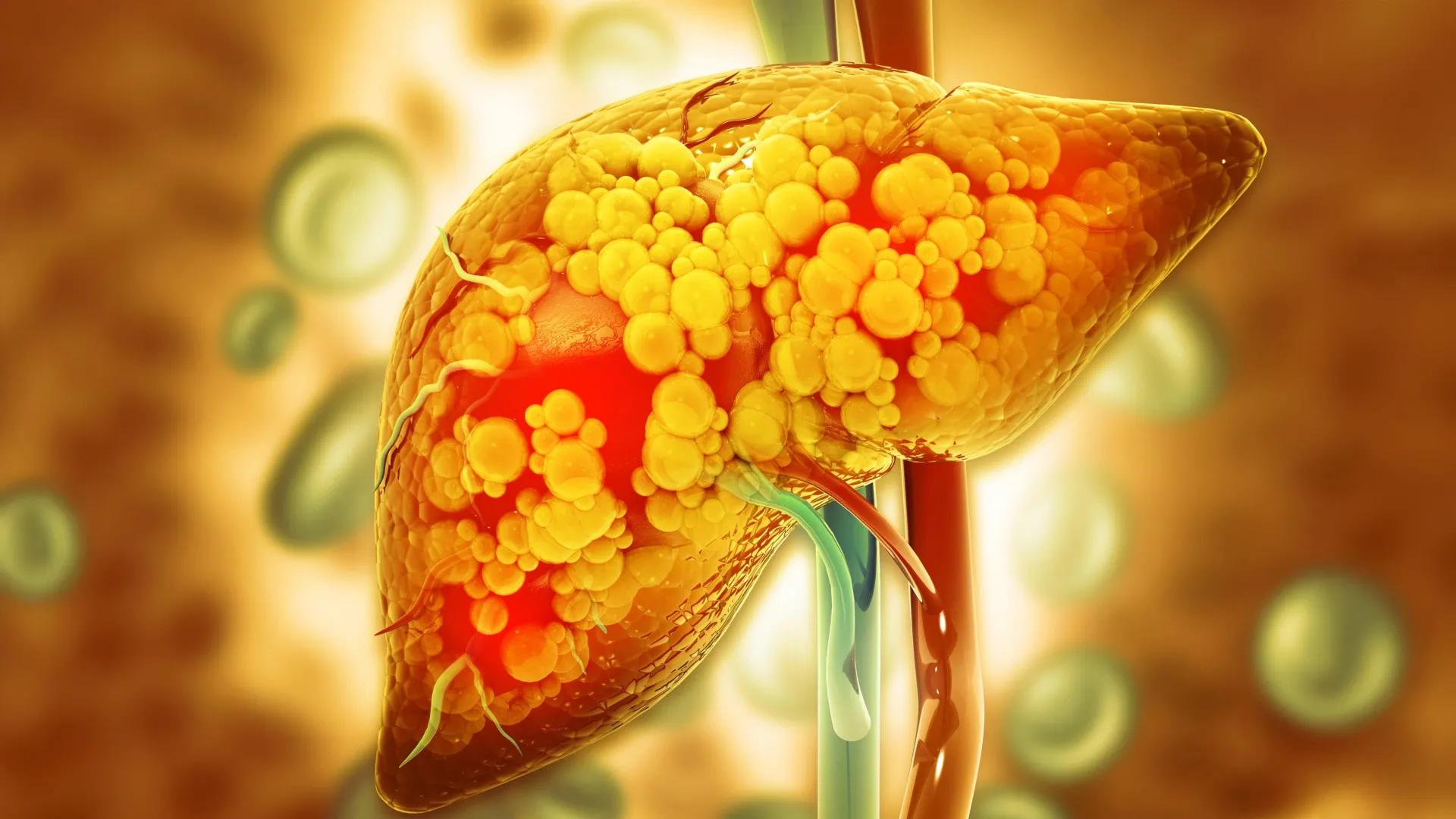
Children whose mothers eat a diet high in fat and sugar during pregnancy and breastfeeding face a greater chance of developing fatty liver disease later in life. New findings from the University of Oklahoma suggest that this risk may be lowered. In the study, pregnant and nursing mice given a naturally occurring compound made by healthy gut bacteria had offspring with much lower rates of fatty liver disease as they grew older.
The compound studied is called indole. It is produced by beneficial gut bacteria when they break down tryptophan, an amino acid found in foods like turkey and nuts. The results add to growing research focused on preventing metabolic dysfunction-associated steatotic liver disease (MASLD). This form of fatty liver disease affects both adults and children, but it often advances more quickly in children and is closely linked to diabetes.
“The prevalence of MASLD in children is about 30% in those with obesity and about 10% in children without obesity,” said Jed Friedman, Ph.D., director of the OU Health Harold Hamm Diabetes Center and professor of biochemistry and physiology in the OU College of Medicine. “Unfortunately, the risk is higher if a mother is obese or consumes a poor diet. The disease in children is silent and typically isn’t discovered until a parent seeks help for their child for liver-related symptoms.”
Testing the Role of the Microbiome
Friedman led the study alongside Karen Jonscher, Ph.D., associate professor of biochemistry and physiology in the OU College of Medicine. Their work was published in the journal eBioMedicine. The team set out to explore whether gut bacteria, known together as the microbiome, influence how fatty liver disease develops.
To investigate this, female mice were fed a high-fat, high-sugar (Western-style) diet throughout pregnancy and lactation. Some of the mice also received indole. After they were weaned, the offspring were placed on a standard diet and later switched to a Western-style diet to encourage the development of fatty liver disease.
“Because offspring inherit their microbiome from their mother, a poor maternal diet can shape the infant’s microbiome in harmful ways,” Friedman said.
Healthier Livers and Lasting Benefits
Offspring born to mothers that received indole showed multiple health advantages. They had healthier livers, gained less weight, maintained lower blood sugar levels, and developed smaller fat cells, even after being exposed to an unhealthy diet later in life. The researchers also observed activation of a protective gut pathway involving the acyl hydrocarbon receptor (AHR).
The study found no increase in harmful liver fats known as long-chain ceramides, while levels of beneficial very long-chain ceramides rose. In a key experiment, gut bacteria from the protected offspring were transferred to other mice that had not received indole. Those mice also experienced less liver damage, reinforcing the idea that the microbiome itself plays a central protective role.
Implications for Preventing Childhood MASLD
Although the research was conducted in animals and cannot yet be applied directly to humans, the findings point to new strategies for reducing the growing impact of MASLD through early prevention.
At present, weight loss is the only effective treatment option for pediatric MASLD once the disease is established, and there are no approved medications. “Anything we can do to improve the mother’s microbiome may help prevent the development of MASLD in the offspring,” Jonscher said. “That would be far better than trying to reverse the disease once it has already progressed.”
