Four Britons have died after contracting gut infections on the archapeligo since last year.


Four Britons have died after contracting gut infections on the archapeligo since last year.
It comes after some batches made by Nestle and Danone were recalled after being contaminated with a toxin.

Reaching the deepest parts of Earth is far more difficult than traveling through space. Humans have journeyed roughly 25 billion km beyond our planet, yet drilling beneath Earth’s surface has only reached a depth of just over 12 km. This extreme limitation means scientists still know relatively little about what lies far below the crust.
That knowledge gap is especially important near the boundary between the mantle and the core. This region represents the most critical internal boundary within Earth and is now the focus of new research revealing unexpected magnetic behavior.
Giant Hot Rock Structures Beneath Africa and the Pacific
In a study published in Nature Geoscience, a research team led by the University of Liverpool found magnetic evidence that two massive, intensely hot rock formations at the base of Earth’s mantle influence the liquid outer core beneath them. These structures sit about 2,900 kilometers below Africa and the Pacific Ocean.
The findings suggest that these enormous bodies of solid, superheated rock — surrounded by a pole-to-pole ring of cooler material — have played a role in shaping Earth’s magnetic field for millions of years.
Combining Ancient Magnetism With Supercomputer Models
Reconstructing ancient magnetic fields and modeling the processes that generate them is extremely challenging. To investigate these deep-Earth features, the scientists combined palaeomagnetic data with advanced computer simulations of the geodynamo — the movement of liquid iron in the outer core that produces Earth’s magnetic field in a way similar to how a wind-turbine generates electricity.
These numerical models allowed the team to recreate key features of Earth’s magnetic behavior over the past 265 million years. Even with access to a supercomputer, running simulations across such vast timescales requires immense computational effort.
Uneven Heat at the Core Mantle Boundary
The results showed that the upper boundary of the outer core does not have a uniform temperature. Instead, it contains sharp thermal contrasts, with localized hot zones sitting beneath the continent sized rock structures.
The analysis also revealed that some components of Earth’s magnetic field have remained relatively stable for hundreds of millions of years, while other aspects have changed dramatically over time.
Andy Biggin, Professor of Geomagnetism at the University of Liverpool, said: “These findings suggest that there are strong temperature contrasts in the rocky mantle just above the core and that, beneath the hotter regions, the liquid iron in the core may stagnate rather than participate in the vigorous flow seen beneath the cooler regions.
“Gaining such insights into the deep Earth on very long timescales strengthens the case for using records of the ancient magnetic field to understand both the dynamic evolution of the deep Earth and its more stable properties.
“These findings also have important implications for questions surrounding ancient continental configurations — such as the formation and breakup of Pangaea — and may help resolve long-standing uncertainties in ancient climate, palaeobiology, and the formation of natural resources. These areas have assumed that Earth’s magnetic field, when averaged over long periods, behaved as a perfect bar magnet aligned with the planet’s rotational axis. Our findings are that this may not quite be true.”
Research Team and Publication Details
The study was carried out by scientists from the DEEP (Determining Earth Evolution using Palaeomagnetism) research group within the University of Liverpool’s School of Environmental Sciences, working alongside researchers from the University of Leeds.
Professor Biggin and his team focus on studying magnetic signals preserved in rocks collected from around the world to reconstruct the history of Earth’s magnetic field and the planet’s internal dynamics.
DEEP was established in 2017 with funding from the Leverhulme Trust and the Natural Environment Research Council (NERC).

People with life-threatening injuries may be more likely to survive when advanced medical care reaches them by helicopter. Survival data from a regional air ambulance service in South East England shows that outcomes were better than expected for major trauma patients. The analysis suggests that about five additional people survived for every 100 severely injured patients treated. The findings were published online in Emergency Medicine Journal.
Researchers say it has been difficult to draw firm conclusions from international studies on Helicopter Emergency Medical Services (HEMS) and trauma survival. Differences in study methods, small patient numbers, and the lack of shared outcome definitions have limited comparisons. Another unresolved question has been identifying which types of patients benefit the most from helicopter-based emergency care.
Nearly a Decade of Trauma Data Analyzed
To explore these issues, researchers reviewed outcomes for 3225 trauma patients who received pre-hospital care from a single HEMS team. The service operates across Kent, Surrey, and Sussex, and the data covered the years from 2013 to 2022.
The team used a statistical method to estimate each patient’s chance of survival (Ws analysis). This approach adjusted for differences in injury severity and patient characteristics, and it also examined factors linked to death within 30 days.
Unexpected Survival and Cardiac Arrest Outcomes
The researchers also examined cases where patients survived against expectations, along with outcomes in traumatic cardiac arrest, when the heart stops beating after severe injury such as major bleeding or chest trauma. A key focus was whether circulation returned before reaching the hospital, known as return of spontaneous circulation.
Out of all patients studied, 2125 survived for at least 30 days after their injury. This represented an actual survival rate of 85% compared with an expected rate of 81%. The difference amounts to five extra survivors per 100 patients and could equal as many as 115 additional lives saved each year based on the service’s typical caseload.
Which Patients Benefited the Most
Patients with severe injuries and a moderate (25-45%) predicted chance of survival showed some of the largest gains. In this group, 35% survived for 30 days even though survival was not expected.
Survival was also higher than predicted among patients with a low probability of survival (less than 50%). Despite the seriousness of their injuries, 39% of these patients survived for at least 30 days.
Factors Associated With Better Survival
Younger age and a higher initial Glasgow Coma Scale score were strong predictors of unexpected survival. The Glasgow Coma Scale is a 3 to 15 point measure used to assess consciousness after a brain injury.
Another important factor was pre-hospital emergency anesthesia. This intervention places patients into an induced coma and can only be delivered by advanced medical teams such as HEMS. It was independently linked to improved survival in severely injured patients.
Outcomes in Traumatic Cardiac Arrest
Among 1316 patients who experienced traumatic cardiac arrest, 356 (27%) regained circulation while being transported to the hospital. The remaining 960 patients were declared dead at the scene.
For the 356 patients who initially survived, 30-day outcome data were available for 185 (52%). Of those, 46 (25%) were still alive after 30 days, while 139 died after arriving at the hospital. The analysis showed that the likelihood of circulation returning increased by 6% each year between 2013 and 2022.
Study Limitations and Cautious Conclusions
The researchers emphasize that their results reflect survival rates that were higher than statistical predictions, not direct proof that HEMS caused the improved outcomes. Their estimates also assume that patient characteristics and service performance remained consistent over time, which may not always be the case.
Even so, the team says the findings highlight “the potential magnitude of clinical benefit, consistent with previous economic and social benefits demonstrated in previous studies.”
They conclude: “These findings provide supportive evidence for continued investment in HEMS, particularly for severely injured patients, though comparative studies with alternative care pathways are needed to establish causal effectiveness.”
Isla Sneddon died in March 2025 aged 17, just six months after she was diagnosed with cancer.
Looking for signs of the cancer in a more convenient way could help women access the test and prevent the disease occurring, researchers say.
If your hair texture has changed with aging or your strands have been damaged from coloring and hot tools, you may wonder what you can do to upgrade your haircare routine for repairs. And if you’ve tried “almost everything on the market” and spent “thousands” looking for the right products, you’re in good company. Not only that — you’re in the right place.
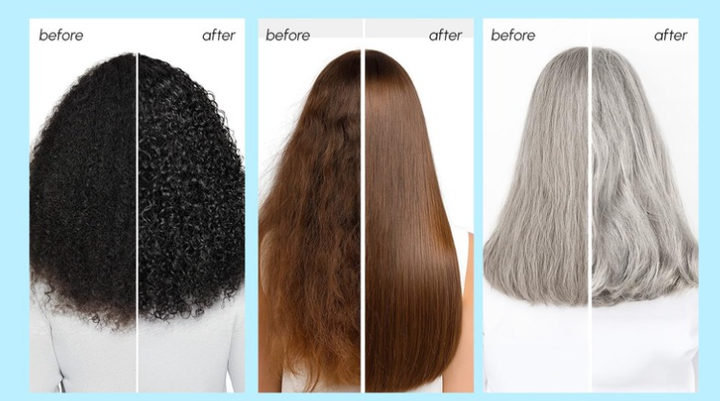
Deemed the “best product I’ve tried by a long shot” that brings “soft, shiny, smooth hair, like I just stepped out of the salon,” reviewers say this deep conditioning keratin hair mask from Marée will probably be the last one you’ll buy. And to sweeten the deal even more, it’s currently 20% off, the lowest price since December.
Advertisement
Advertisement
According to the Cleveland Clinic, the hormone estrogen promotes hair growth and density. So, as estrogen levels decline during menopause, it’s common for hair to lose density. Your body naturally produces the protein keratin — largely via thyroid hormones — to form your hair and nails. Because menopause symptoms often overlap with thyroid issues, it’s common for menopause (or general hormonal changes) to affect your hair texture, often making your strands feel less hydrated and strong.
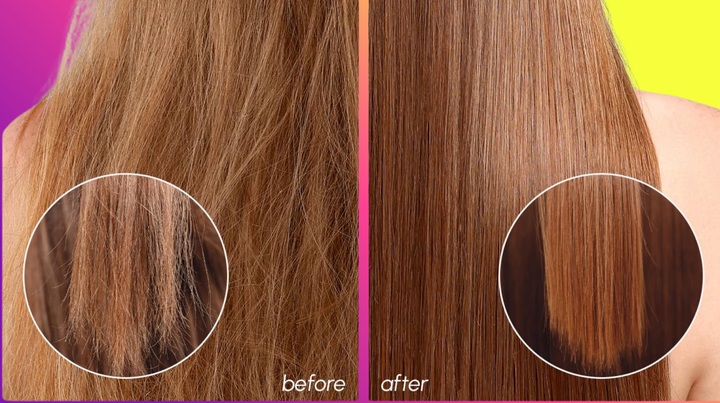
Made with keratin, biotin and coconut oil, this “miracle mask” is a super-hydrating, nourishing product that users say is comparable to “Keratin treatment you’d pay at the salon, without the huge cost.” Giving your hair strength, encouraging growth and softening the texture of your tresses. Yet, unlike an expensive (and often noxious-smelling) professional keratin treatment, this dreamy jar lets you have multiple deep keratin conditions from the comfort of your home, for a fraction of the cost of a single professional one and with a gentle, coconut smell. Reviewers with “fine, gray hair” call it the “very best product they ever used.” Others say it’s the only thing that could bring their “coarse, dry, damaged , menopausal hair” “back to life.”
While the brand recommends a quick mask, many keep the mask on for longer (some say they even use it overnight) and are “shocked” with how soft their hair becomes after washing. (Note: the brand recommends keeping the product on your hair itself, and using their hair growth serum if you’re looking for a scalp-specific treatment.)
Advertisement
Users report seeing instant results and their hair health and texture, leaving their strands feeling silky and soft after a single use. Further, reviewers report that the treatment keeps their mane looking and feeling good for days, if not weeks, between uses.
“My mature hair had changed texture with age and had started getting horrible tangles, after one treatment it hasn’t tangled since,” one wrote. “One treatment and it’s still working 2 weeks later.”
Advertisement
In addition to a mask, you can use it as a classic, post-shampoo conditioner to add a little TLC to your routine wash. Or, if you want to target dry ends and add moisture for the day, you can use it as a leave-in conditioner. Whether you’re trying to strengthen and thicken your hair, smooth it out, add shine, manage frizz, hydrate or repair, this treatment can do it all.

Check out the thousands of positive reviews (lots with pictures!) and you’ll see love notes and testimonials from reviewers going through menopause, users with “dry, brittle, over-processed hair,” “thick, coarse hair that frizzes immediately,” colored hair, “senior white hair,” hair with “super tight coils,” extensions and more.
Advertisement
“I have thin straight hair, and my daughter has thick curly hair. The mask worked like magic on both of us,” one review wrote. “Made our hair very soft and silky.”
Users who are newer to dying their hair or who are starting to color their hair to cover grays also say the product is “well worth the money,” for keeping their hair from becoming “damaged and flyaway, frizzy and dull.”
Advertisement
“This is by far the best conditioner/treatment I have ever used. Soft shiny, smooth hair like I just stepped out of salon. It lasts between shampoos, so I think its truely a treatment for my aging dry hair! Smell is great. I use the disposable shower caps and leave on 10-15 mins. Really works!” — GailC
“Outstanding product! I have spent thousands on hair products due to severe breakage, coarse, dry, damaged , menopausal hair! This stuff has brought it back to life! Best product I’ve tried by a long shot! Nothing compares” — patty saveriano
“So incredibly pleased with this hair mask. I have used way too many hair masks in my life. My hair, along with my daughter’s hair requires heavy moisturization. When I saw this formula, I was intrigued and recognized that the list of the ingredients was of quality and decided to order this. Once I got this home, my middle daughter tried this out and she has super tight coils. The after was so impressive, comparable to a Keratin treatment you’d pay at the salon without the huge cost. The mask also smells VERY GOOD. I detest products that smell bad. With that, I tried this now 3x and my hair has looks and feels amazing. Lastly, they give you an abundant amount of this hair mask, that even with long hair should last on a weekly basis about a month. At this juncture and based on a fantastic experience with this hair mask, I would have no qualms recommending this to other consumers. Thanks!” — Exquisite reviews by Ally
Advertisement
Amazon
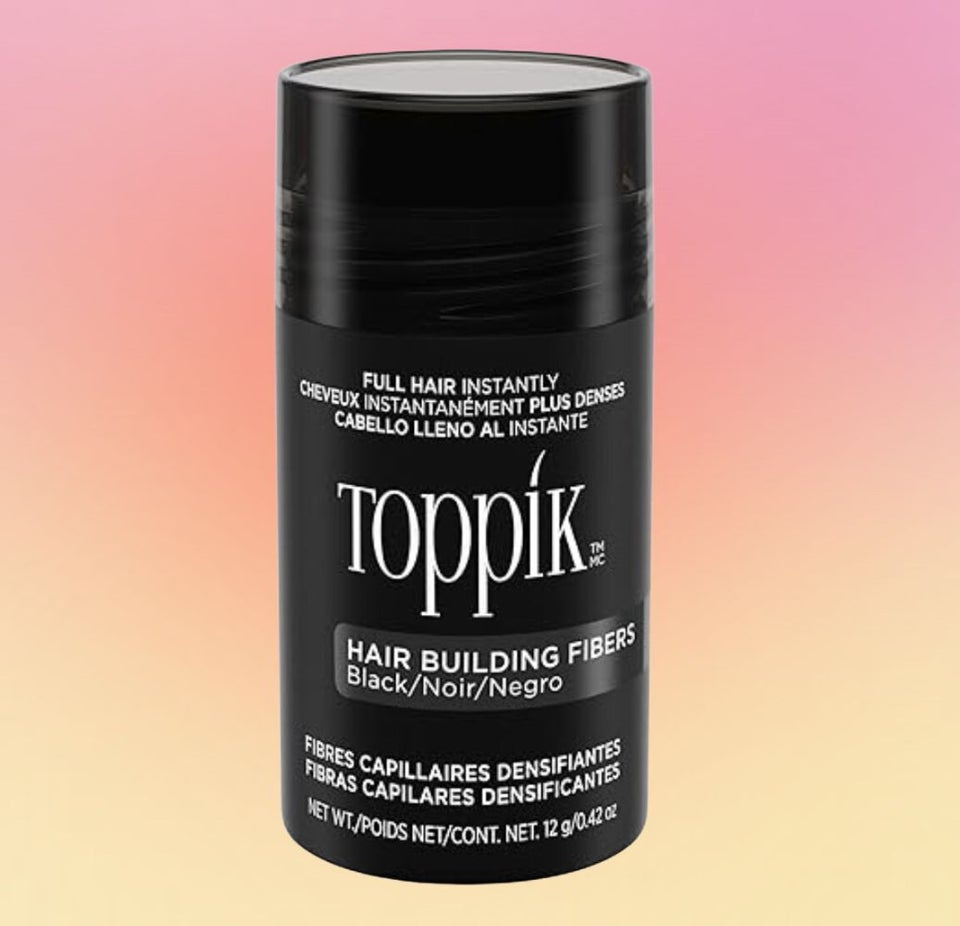
Reviewers call this bottle of hair-building fibers “a best kept secret” for making hair appear instantly thicker while also concealing bald spots and grays. The fibers, which are made of a keratin protein, work by clinging to existing hair strands for a seamless look and a performance that’s resistant to rain, wind or sweat. It’s available in nine hair colors.
Promising Amazon reviews: “Amazing best kept secret! Most folks have never heard of these hair fibers but they really work! When I pull my hair back into a pony tail, the baby hair along the front of my face is thin and a few gray hairs popping in. All you see is my scalp and looks bad so I ordered these hair fibers and with a little sprinkle, you can not see the obvious part that looks like a bald spot!
My husband uses the gray fiber because he has some thinning on the top of his scalp. The hair fibers makes his hair look so much fuller and can’t see through to his scalp! We both do not use it on a daily basis. Just when we know we will be taking pictures and/or social events. No gimmicks here…works like a charm! A little sprinkle goes a long way! Highly recommend!” — Penny T.
“My hair has thinned around my temples and this product was recommended to me by my hair stylist. I love it! It allows me to wear my hair up it a pony tail without looking thin around the hairline. It’s also great for when my gray roots start coming in and I have a couple days until my next hair appointment. Life saver!” — Jackie Gringle

Sephora
Promising Sephora review: “”Definitely stuck on this one now! This makes my hair look and feel thicker and it makes it feel soft too. There’s no gross smell or feel when you use it and I think it’s worth the price.” — kilianm

Amazon
This popular hair spray is marketed as a solution to temporarily cover grays in between dye jobs, but reviewers also claim that it can help make hair appear thicker by concealing areas where hair is thinner and the scalp is more noticeable. The lightweight formula claims to be water- and smudge-resistant, residue-free and quick-drying. It comes in up to 11 shades that wash out easily on your next shampoo.
Promising Amazon review: “I’m a senior with thinning hair and this spray works great. Just be sure to hold it only 4″ approx from your scalp and spray for2-3 seconds and move to a new spot on your head where your scalp is showing thru or your roots are showing. Don’t hold too far away from your scalp and don’t hold it in one spot. It will feel cold, but that stops almost as soon as you are done spraying that spot. It dries in min. It also thickens your hair so your hair will look fuller. Your fingers may get a little spray on them, but it washes right off with a bit of soap. Also this does wash out if you don’t like it. It washes out easily.” — Jan S-dell
Advertisement
Amazon
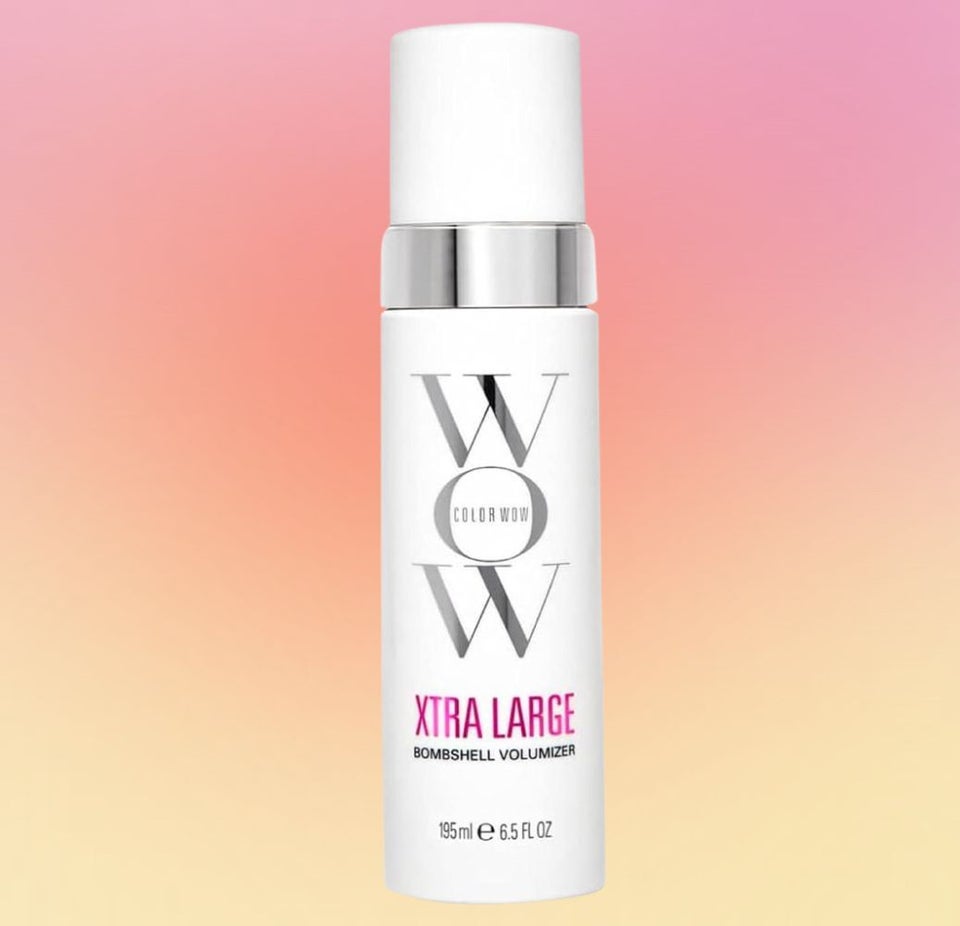
Promising Amazon reviews: “I have tried many products for thin hair but this is the first one that actually worked. My hair looks so much better and thicker and it even looks almost cute when I wake up in the morning because it’s going everywhere and looking thick. That is a first I am now a regular customer” — Theresa Bailey

Amazon
Promising Nordstrom review: “I was skeptical and had to think about it a couple of weeks before I ordered. As I age my hair is really thinning to the point you can see my scalp. I have used the Aveda Thickening Tonic daily for a week and I can notice a difference when I use a blow dryer and lightly dry it then shake the bottle well and apply it. I tried applying it to damp, towel dried hair but didn’t get as good results as when I lightly dried it. I will purchase again, so that is a great recommendation from me!” — MeMe4AnJ
The Real Deal: We use deal trackers and commerce experience to sift through “fake” hike-and-drop deals and other deceptive sales tactics. Products will usually be rated at least 4 stars with a minimum 15% discount. (And when there’s an exception, we’ll tell you why.)
Advertisement

Experts from UCL and the University of Cambridge warn that many people prescribed newer weight loss medications may not be receiving enough nutrition guidance to support safe, long-term weight loss. As a result, some users could face preventable risks such as vitamin and mineral deficiencies and loss of muscle mass.
The concerns come from new research published recently in Obesity Reviews. Led by Dr. Marie Spreckley of the University of Cambridge, the study found limited high-quality evidence on how nutritional advice affects calorie intake, body composition, protein intake, and patient experiences while using these medications.
How GLP-1 Weight Loss Drugs Work
Drugs such as semaglutide and tirzepatide, sold under brand names including Ozempic, Wegovy and Mounjaro, work by copying the effects of glucagon like peptide-1 (GLP-1), a hormone released after eating. These medications reduce appetite, increase feelings of fullness, and help curb food cravings.
Because of these effects, calorie intake can drop by 16-39%, making the drugs highly effective for people living with obesity and overweight. However, researchers note that there has been very little study of how these medications affect overall diet quality, protein intake, or micronutrient intake (vitamins and minerals). Existing evidence suggests that lean body mass, including muscle, can make up as much as 40% of the total weight lost during treatment.
Experts Warn of Risks Without Nutrition Support
Dr. Adrian Brown, an NIHR Advanced Fellow at UCL’s Centre of Obesity Research and the study’s corresponding author, explained how the medications change eating patterns.
“Obesity management medications work by suppressing appetite, increasing feelings of fullness, and altering eating behaviors, which often leads people to eat significantly less. This can be highly beneficial for individuals living with obesity, as it supports substantial weight loss and improves health outcomes.
“However, without appropriate nutritional guidance and support from healthcare professionals, there is a real risk that reduced food intake could compromise dietary quality, meaning people may not get enough protein, fiber, vitamins, and minerals essential for maintaining overall health.”
Public Guidelines Versus Private Use
Guidance from the National Institute for Health and Care Excellence (NICE) recommends semaglutide for weight management only for people who meet specific criteria, such as a body mass index (BMI) of at least 35.0 kg/m2 and comorbidity (that is, they also have other conditions such as type 2 diabetes, cardiovascular disease, etc). When prescribed through the NHS, the drug is intended to be part of a broader program that includes a reduced-calorie diet and increased physical activity.
In practice, most users access these medications outside the NHS. Around 1.5 million people in the UK are currently using GLP-1 drugs, and an estimated 95% obtain them privately. In these settings, additional nutrition advice and follow-up support are not always provided.
Rising Use Outpaces Nutrition Guidance
Dr. Spreckley, who works at the Medical Research Council (MRC) Epidemiology Unit at the University of Cambridge, said nutritional care has not kept up with the rapid rise in use.
“Use of GLP-1 receptor agonist therapies has increased rapidly in a very short period of time, but the nutritional support available to people using these medications has not kept pace. Many people receive little or no structured guidance on diet quality, protein intake, or micronutrient adequacy while experiencing marked appetite suppression.
“If nutritional care is not integrated alongside treatment, there’s a risk of replacing one set of health problems with another, through preventable nutritional deficiencies and largely avoidable loss of muscle mass. This represents a missed opportunity to support long-term health alongside weight loss.”
Low intake of key vitamins and minerals can increase the risk of fatigue, weakened immune function, hair loss, and osteoporosis. Loss of lean mass, most often muscle, also raises the likelihood of weakness, injuries, and falls.
Limited Research Leaves Major Questions Unanswered
The researchers identified only 12 studies that examined diet and nutrition alongside treatment with semaglutide or tirzepatide. These studies varied widely in how they delivered dietary advice and measured nutrition outcomes, and they often lacked standardized methods and reporting. As a result, the team found it difficult to draw firm conclusions about the best way to support people using weight loss drugs.
Because use of these medications continues to grow and practical guidance is urgently needed, the researchers suggest drawing lessons from nutrition care used after weight loss surgery. Procedures such as gastric bands lead to similar reductions in appetite and food intake.
Lessons From Bariatric Nutrition Care
Dr. Cara Ruggiero, a co-author from the MRC Epidemiology Unit at the University of Cambridge, said established post-surgery approaches could help fill current gaps.
“While GLP-1 receptor agonists are increasingly used, there remains a clear gap in structured nutritional guidance. In the interim, we can draw on well-established post-bariatric nutrition principles. Our previous work highlights the importance of prioritizing nutrient-dense foods including high-quality protein intake, ideally distributed evenly across meals, to help preserve lean mass during periods of reduced appetite and rapid weight loss.”
The available evidence did not support recommending strict low-fat diets alongside these medications. However, some observational studies found that people taking the drugs often consumed high levels of total and saturated fat. This points to a possible need for personalized guidance on fat intake that aligns with national dietary recommendations.
Meal timing was also rarely tested in clinical trials. Still, the researchers suggest that eating smaller meals more frequently may help ease side effects such as nausea and make the drugs easier to tolerate, especially early in treatment.
Studying Real-World Experiences
The research team emphasizes that future studies should include the perspectives of people using these medications. Understanding what information and support patients find most useful could help improve real-world care.
To address this, the researchers launched AMPLIFY (Amplifying Meaningful Perspectives and Lived experiences of Incretin therapy use From diverse communitY voices). The project aims to explore how people experience next-generation weight loss drugs in daily life.
“These medications are transforming obesity care, but we know very little about how they shape people’s daily lives, including changes in appetite, eating patterns, well-being, and quality of life,” Dr. Spreckley said. “That’s what we’ll explore, working in particular with people from communities historically under-represented in obesity research, to help shape the future of obesity treatment.”
The research was funded by the National Institute for Health and Care Research (NIHR), with additional support from the Medical Research Council and the NIHR UCLH Biomedical Research Centre.

Consciousness has long been described as one of science’s toughest puzzles. Researchers still do not fully understand how physical brain tissue gives rise to thoughts, emotions, and subjective experience. A relatively new technology, known as transcranial focused ultrasound, may offer a powerful way to investigate this mystery more directly.
Although the technology has been around for several years, it has not yet become a standard tool in neuroscience research. Now, two researchers at MIT are preparing new experiments using the technique and have published a paper that serves as a detailed guide, or “roadmap,” for applying it to the study of consciousness.
“Transcranial focused ultrasound will let you stimulate different parts of the brain in healthy subjects, in ways you just couldn’t before,” says Daniel Freeman, an MIT researcher and co-author of the paper. “This is a tool that’s not just useful for medicine or even basic science, but could also help address the hard problem of consciousness. It can probe where in the brain are the neural circuits that generate a sense of pain, a sense of vision, or even something as complex as human thought.”
Unlike other brain stimulation methods, transcranial focused ultrasound does not require surgery. It can reach deeper areas of the brain with greater precision than techniques such as transcranial magnetic or electrical stimulation.
“There are very few reliable ways of manipulating brain activity that are safe but also work,” says Matthias Michel, an MIT philosopher who studies consciousness and co-authored the paper.
The study, titled “Transcranial focused ultrasound for identifying the neural substrate of conscious perception,” appears in Neuroscience and Biobehavioral Reviews. In addition to Freeman and Michel, the authors include Brian Odegaard, an assistant professor of psychology at the University of Florida, and Seung-Schik Yoo, an associate professor of radiology at Brigham and Women’s Hospital and Harvard Medical School.
Why Studying the Brain Is So Challenging
Understanding the human brain is particularly difficult because researchers typically cannot experiment on healthy people in invasive ways. Outside of neurosurgery, scientists have limited options for exploring deep brain structures. Imaging tools such as MRIs and various forms of ultrasound can show anatomy, while the electroencephalogram (EEG) records electrical signals across the brain. However, these methods mainly observe activity rather than directly influencing it.
Transcranial focused ultrasound works differently. It sends acoustic waves through the skull and concentrates them on a precise target, sometimes only a few millimeters wide. This allows researchers to stimulate specific brain regions and observe the effects, making it a promising tool for carefully controlled experiments.
“It truly is the first time in history that one can modulate activity deep in the brain, centimeters from the scalp, examining subcortical structures with high spatial resolution,” Freeman says. “There’s a lot of interesting emotional circuits that are deep in the brain, but until now you couldn’t manipulate them outside of the operating room.”
Testing Cause and Effect in Consciousness
One of the most important advantages of this technology is its ability to help identify cause-and-effect relationships in the brain. Many current studies of consciousness rely on observing brain activity while people process visual stumuli or perform tasks linked to awareness. While these studies reveal correlations, they do not always show whether a brain signal creates a conscious experience or simply follows it.
By actively changing brain activity, transcranial focused ultrasound may help researchers determine which neural processes are essential for consciousness and which are secondary effects.
“Transcranial focused ultrasound gives us a solution to that problem,” Michel says.
Competing Ideas About How Consciousness Works
In their paper, the researchers outline how the technology could be used to test two broad theories of consciousness. One view, known as the cognitivist approach, argues that conscious experience depends on higher-level mental processes such as reasoning, reflection, and the integration of information across the brain. This perspective often emphasizes the role of the frontal cortex.
The alternative view, sometimes called the non-cognitivist approach, suggests that consciousness does not require complex cognitive machinery. Instead, specific patterns of brain activity may directly produce particular experiences. From this perspective, consciousness might arise in more localized brain regions, including areas toward the back of the cortex or deeper subcortical structures.
The researchers propose using focused ultrasound to explore questions such as the role of the prefrontal cortex in perception, whether awareness depends on local brain activity or large-scale networks, how separate brain regions combine information into a single experience, and what part subcortical structures play in conscious awareness.
What Pain and Vision Can Reveal
Experiments using visual stimuli could help identify which brain regions are required for conscious perception. Similar approaches could also be applied to pain, another fundamental component of conscious experience. For example, people often pull their hand away from a hot surface before they consciously feel pain. This raises questions about where and how the sensation of pain is actually generated.
“It’s a basic science question, how is pain generated in the brain,” Freeman says. “And it’s surprising there is such uncertainty … Pain could stem from cortical areas, or it could be deeper brain structures. I’m interested in therapies, but I’m also curious if subcortical structures may play a bigger role than appreciated. It could be the physical manifestation of pain is subcortical. That’s a hypothesis. But now we have a tool to examine it.”
Experiments and Growing Interest at MIT
Freeman and Michel are not only outlining ideas for future research. They are actively planning experiments that will begin with stimulation of the visual cortex and later move to higher-level regions in the frontal cortex. While tools like EEG can show when neurons respond to visual input, these new studies aim to establish a clearer link between brain activity and what a person actually experiences.
“It’s one thing to say if these neurons reponded electrically. It’s another thing to say if a person saw light,” Freeman says.
Michel is also helping build a broader research community around consciousness at MIT. Along with Earl Miller, the Picower Professor of Neuroscience in MIT’s Department of Brain and Cognitive Sciences, he co-founded the MIT Consciousness Club. The group brings together scholars from multiple disciplines and hosts monthly events focused on advances in consciousness research.
The MIT Consciousness Club receives partial support from MITHIC, the MIT Human Insight Collaborative, an initiative backed by the School of Humanities, Arts, and Social Sciences.
For Michel, transcranial focused ultrasound represents a promising direction for the field.
“It’s a new tool, so we don’t really know to what extent it’s going to work,” he says. “But I feel there’s low risk and high reward. Why wouldn’t you take this path?”
The research described in the paper was supported by the U.S. Department of the Air Force.
There are plans for earlier diagnosis and faster treatment in England but experts worry about lack of staff.
