Health editor Hugh Pym revamped his diet after a test suggested his gut health appeared to look five years older than he was


Health editor Hugh Pym revamped his diet after a test suggested his gut health appeared to look five years older than he was
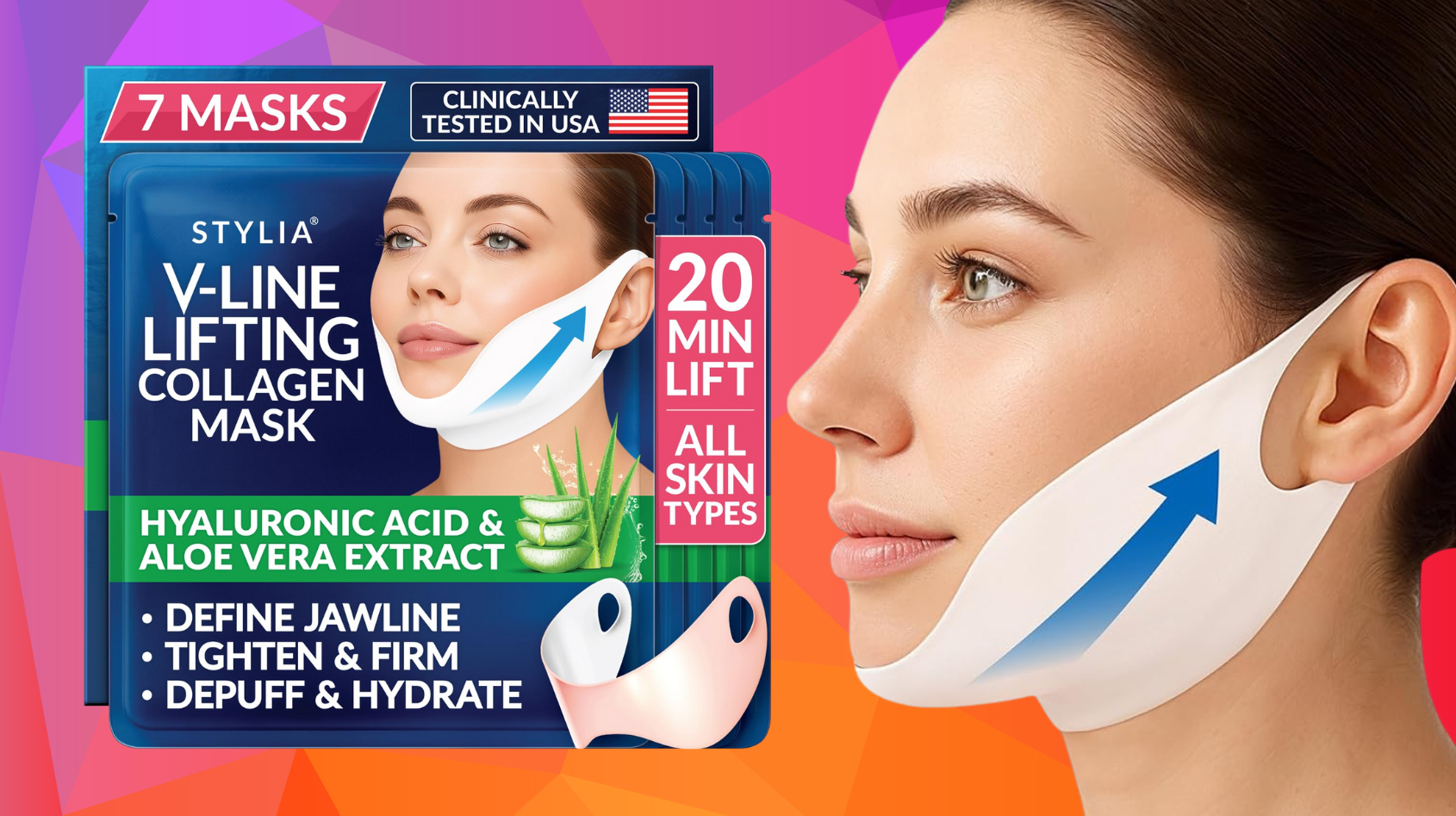
Your skin care routine deserves way more TLC than a mere wash-and-moisturize combo, especially as you age or as you face different health challenges. That said, an area that too many people tend to forget is the chin and jawline. Thankfully, we’ve discovered a V-line lifting collagen face mask that Amazon reviewers love not only for how it defines and moisturizes the chin area, but also for how comfortable it feels to sleep in. Not only is this bad boy just under $25, but shoppers also admire the mask’s softness, non-odor, cooling abilities and, of course, the way it provides a “magical facelift” with just a few uses.
Advertisement
“Color me surprised,” one reviewer shares. “I can’t believe this worked. I have lost 100lbs after having gastric sleeve and my neck has noticeably been sagging and looking rough. I have only done two treatments so far, but even after one, the changes were super noticeable! I’m definitely going to add these masks to my nighttime skin routine.”
Designed with Japanese and power-packed hydrogel, this mask is a true treasure for folks determined to sculpt their jawlines to perfection. Unlike other V-line face masks, these masks provide a precise lift and a stretchable fit, designed to accommodate all face shapes.
Advertisement
This beloved jaw-tightening mask also features a mix of natural ingredients — collagen, aloe vera, and hyaluronic acid — that work to deeply moisturize and refresh skin, while also boosting skin radiance. Granted, while skincare goals vary, everyone appreciates a product that can provide the basics while snatching your jawline to perfection.
“These masks really work! I can tell a huge difference in my jawline and neck,” says Cashlady. “These are much more comfortable on my ears because they stretch without breaking like some of the other brands. My face feels moisturized, soft, and smooth after each use, and I can see my jawline and neck tightening up after each use! I have tried several brands, and this is by far the best.”
Available in various packs, these masks work like a charm to depuff, contour, and revitalize your jawline, while also featuring ultra-soft ear loops that ensure a non-slip construction for seamless wear.
Advertisement
If you’re ready to stop spending money on firming creams, painful masks, or trying to define your jawline with targeted exercises, these Stylia masks may be the missing piece to your nighttime routine.
“I came across an ad for these. I figured it was just another scam and I was going to waste my money. I am pleasantly surprised by these. I feel like these are very high-quality and fit nicely. They stretich nicely, the silicone on the inside sticks very well and the outer side is a soft, felt like material. I’ve been wearing these with an additional chin strap at night for a few hours while watching TV and doing things around the house. After I remove this, I do my normal skin care routine and I have been wearing a chin strap at bedtime. I really didn’t think I would see any results. This morning I woke up and I honestly couldn’t believe my neck skin is tighter. I also started a few facial exercises. So I believe these along with the strap at bedtime and some facial exercises are making an impact on my skin. I absolutely recommend these. I think the key is to treat before it becomes a big problem. I wish they had these 30 years ago. I would’ve started treatment when I was 20 as a preventative.” — Dobie Girl
“I love this product. I had some facial injections in my chin, lip, and jaw area, and had significant bruising. I put this on right when I go to bed, and I leave it on all night. I also store it in the refrigerator. It really helped with the bruising, the overall texture of my skin, and especially improved the hydration of my skin. I also think it helps improve the jawline. I wake up, looking so refreshed. I have worn one every night for the past week and will probably go to once or twice a week, or when I need a pick-me-up. I will continue to re-purchase.” — DRA
“I was skeptical at first. However, using it according to the directions, it actually lifted and tightened my chin. I started noticing the difference after two weeks, so please be patient. People have noticed without me saying anything. I’m about to be 58 years old, and it looks like I took about 10 years off my face. It’s very comfortable; sometimes I forget I’ve put it on. It is definitely not sticky and fits your chin perfectly. It does say to stretch it before you put it on, but I recommend stretching it as you’re going along this way; you don’t overstretch it, so it fits perfectly around the ear without missing any part behind the jaw. They have no odor. I highly recommend these because it actually works. I am very pleased with the results.” — peppercorn
“This product is really good for lifting and smoothing out wrinkles on the neck. It doesn’t just work on the double chin; it also helps with the wrinkles on the neck while lifting up the chin. I really like these chin and neck lifts.” — Josephine Harris
Advertisement
The Real Deal: We use deal trackers and commerce experience to sift through “fake” hike-and-drop deals and other deceptive sales tactics. Products will usually be rated at least 4 stars with a minimum 15% discount. (And when there’s an exception, we’ll tell you why.)

Using a specially designed analysis tool, scientists at Brown University have identified a brain-based biomarker that may help predict whether mild cognitive impairment will progress into Alzheimer’s disease. The approach focuses on measuring electrical activity produced by neurons, offering a new way to spot early signs of the disease directly in the brain.
“We’ve detected a pattern in electrical signals of brain activity that predicts which patients are most likely to develop the disease within two and a half years,” said Stephanie Jones, a professor of neuroscience affiliated with Brown’s Carney Institute for Brain Science who co-led the research. “Being able to noninvasively observe a new early marker of Alzheimer’s disease progression in the brain for the first time is a very exciting step.”
The results were published in the journal Imaging Neuroscience.
Tracking Brain Activity in People With Mild Cognitive Impairment
In collaboration with researchers at the Complutense University of Madrid in Spain, the team studied brain activity recordings from 85 people diagnosed with mild cognitive impairment. The researchers followed these participants for several years to see how their conditions changed over time.
Brain activity was recorded using magnetoencephalography, or MEG — a noninvasive method that captures electrical signals from the brain. During the recordings, participants were resting quietly with their eyes closed.
A New Way to See Neuronal Signals
Traditional approaches to analyzing MEG data often rely on averaging signals, which can blur important details about how individual neurons behave. To overcome this limitation, Jones and her colleagues at Brown developed a computational method known as the Spectral Events Toolbox.
This tool breaks brain activity down into distinct events, revealing when signals occur, how frequently they appear, how long they last, and how strong they are. The Spectral Events Toolbox has gained wide adoption and has been cited in more than 300 academic studies.
Memory-Related Brain Signals Reveal Key Differences
Using this tool, the researchers focused on brain activity in the beta frequency band, which has been linked to memory processes and is especially relevant in Alzheimer’s research, according to Jones. They compared beta activity patterns in people with mild cognitive impairment who later developed Alzheimer’s disease with those who did not.
Clear differences emerged. Participants who went on to develop Alzheimer’s within two and a half years showed noticeable changes in their beta activity compared with those whose condition remained stable.
“Two and a half years prior to their Alzheimer’s disease diagnosis, patients were producing beta events at a lower rate, shorter in duration and at a weaker power,” said Danylyna Shpakivska, the Madrid-based first author of the study. “To our knowledge, this is the first time scientists have looked at beta events in relation to Alzheimer’s disease.”
Why Brain-Based Biomarkers Matter
Current biomarkers found in spinal fluid or blood can detect beta amyloid plaques and tau tangles, proteins that accumulate in the brain and are believed to drive Alzheimer’s symptoms. However, these markers do not directly show how brain cells respond to this damage.
A biomarker based on brain activity itself offers a more direct look at how neurons are functioning under this stress, said David Zhou, a postdoctoral researcher in Jones’ lab at Brown who will lead the next stage of the research.
Toward Earlier Diagnosis and Better Treatments
Jones believes the Spectral Events Toolbox could eventually help clinicians identify Alzheimer’s disease earlier, before significant cognitive decline occurs.
“The signal we’ve discovered can aid early detection,” Jones said. “Once our finding is replicated, clinicians could use our toolkit for early diagnosis and also to check whether their interventions are working.”
The team is now moving into a new phase of the project, supported by a Zimmerman Innovation Award in Brain Science from the Carney Institute.
“Now that we’ve uncovered beta event features that predict Alzheimer’s disease progression, our next step is to study the mechanisms of generation using computational neural modeling tools,” Jones said. “If we can recreate what’s going wrong in the brain to generate that signal, then we can work with our collaborators to test therapeutics that might be able to correct the problem.”
The research was funded by the National Institutes of Health, including the Brain Research through Advancing Innovative Neurotechnologies (BRAIN) Initiative, along with support from funding agencies in Spain.

Scientists at Florida State University have developed a new type of crystalline material that displays rare and intricate magnetic behavior. The discovery could open new paths toward advanced data storage technologies and future quantum devices.
The findings, published in the Journal of the American Chemical Society, show that blending two materials with nearly identical chemical makeup but very different crystal structures can produce an entirely new structure. This unexpected hybrid crystal exhibits magnetic properties that do not appear in either of the original materials.
How Atomic Spins Create Magnetism
Magnetism begins at the atomic scale. In magnetic materials, each atom behaves like a tiny bar magnet because of a property called atomic spin. Spin can be pictured as a small arrow showing the direction of an atom’s magnetic field.
When many atomic spins line up, either pointing the same way or in opposite directions, they generate the familiar magnetic forces used in everyday technologies like computers and smartphones. This type of orderly alignment is typical of conventional magnets.
The FSU team demonstrated that their new material behaves very differently. Instead of lining up neatly, the atomic spins organize into complex, repeating swirl patterns. These arrangements, known as spin textures, strongly influence how a material responds to magnetic fields.
Creating Magnetic Swirls Through Structural Frustration
To produce these unusual effects, the researchers intentionally combined two compounds that are chemically similar but structurally mismatched. Each compound has a different crystal symmetry, meaning the atoms are arranged in incompatible ways.
When these structures meet, neither arrangement can fully dominate. This instability at the boundary creates what scientists call structural “frustration,” where the system cannot settle into a simple, stable pattern.
“We thought that maybe this structural frustration would translate into magnetic frustration,'” said co-author Michael Shatruk, a professor in the FSU Department of Chemistry and Biochemistry. “If the structures are in competition, maybe that will cause the spins to twist. Let’s find some structures that are chemically very close but have different symmetries.”
The team tested this idea by combining a compound made of manganese, cobalt, and germanium with another made of manganese, cobalt, and arsenic. Germanium and arsenic sit next to each other on the periodic table, making the compounds chemically similar but structurally distinct.
Once the mixture cooled and crystallized, the researchers examined the result and confirmed the presence of the swirling magnetic patterns they were aiming for. These cycloidal spin arrangements are known as skyrmion-like spin textures, which are a major focus of current research in physics and chemistry.
To map the magnetic structure in detail, the team used single-crystal neutron diffraction measurements collected on the TOPAZ instrument at the Spallation Neutron Source. This U.S. Department of Energy Office of Science user facility is located at Oak Ridge National Laboratory.
Why These Magnetic Patterns Matter
Materials that host skyrmion-like spin textures have several promising technological advantages. One potential use is in next-generation hard drives that store far more information in the same physical space.
Skyrmions can also be moved using very little energy, which could significantly reduce power demands in electronic devices. In large-scale computing systems with thousands of processors, even modest efficiency gains can translate into major savings on electricity and cooling.
The research may also help guide the development of fault-tolerant quantum computing systems. These systems are designed to protect delicate quantum information and continue operating reliably despite errors and noise — the holy grail of quantum information processing.
“With single-crystal neutron diffraction data from TOPAZ and new data-reduction and machine-learning tools from our LDRD project, we can now solve very complex magnetic structures with much greater confidence,” said Xiaoping Wang, a distinguished neutron scattering scientist at Oak Ridge National Laboratory. “That capability lets us move from simply finding unusual spin textures to intentionally designing and optimizing them for future information and quantum technologies.”
Designing Materials Instead of Searching for Them
Much of the earlier work on skyrmions involved searching through known materials and testing them one by one to see whether the desired magnetic patterns appeared.
This study took a more deliberate approach. Rather than hunting for existing examples, the researchers designed a new material from the ground up, using structural frustration as a guiding principle to create specific magnetic behavior.
“It’s chemical thinking, because we’re thinking about how the balance between these structures affects them and the relation between them, and then how it might translate to the relation between atomic spins,” Shatruk said.
By understanding the underlying rules that govern these patterns, scientists may eventually be able to predict where complex spin textures will form before making the material.
“The idea is to be able to predict where these complex spin textures will appear,” said co-author Ian Campbell, a graduate student in Shatruk’s lab. “Traditionally, physicists will hunt for known materials that already exhibit the symmetry they’re seeking and measure their properties. But that limits the range of possibilities. We’re trying to develop a predictive ability to say, ‘If we add these two things together, we’ll form a completely new material with these desired properties.'”
This strategy could also make future technologies more practical by expanding the range of usable ingredients. That flexibility may allow researchers to grow crystals more easily, lower costs, and strengthen supply chains for advanced magnetic materials.
Research Experience at Oak Ridge National Laboratory
Campbell completed part of the research at Oak Ridge National Laboratory while supported by an FSU fellowship.
“That experience was instrumental for this research,” he said. “Being at Oak Ridge allowed me to build connections with the scientists there and use their expertise to help with some of the problems we had to solve to complete this study.”
Florida State University has been a sponsoring member of Oak Ridge Associated Universities since 1951 and is also a core university partner of the national laboratory. Through this partnership, FSU faculty members, postdoctoral researchers, and graduate students can access ORNL facilities and collaborate with laboratory scientists.
Collaboration and Funding
Additional co-authors on the study include YiXu Wang, Zachary P. Tener, Judith K. Clark, and Jacnel Graterol from the FSU Department of Chemistry and Biochemistry; Andrei Rogalev and Fabrice Wilhelm from the European Synchrotron Radiation Facility; Hu Zhang and Yi Long from the University of Science and Technology Beijing; Richard Dronskowski from RWTH Aachen University; and Xiaoping Wang from Oak Ridge National Laboratory.
The research was supported by the National Science Foundation and carried out using facilities at Florida State University and Oak Ridge National Laboratory.

Light from stars and the dust it illuminates may not be enough to drive the powerful winds that carry life’s essential elements across the galaxy. That is the conclusion of a new study from Chalmers University of Technology in Sweden, based on close observations of the red giant star R Doradus. The findings challenge a long-standing explanation for how atoms crucial to life are spread through space.
“We thought we had a good idea of how the process worked. It turns out we were wrong. For us as scientists, that’s the most exciting result,” says Theo Khouri, an astronomer at Chalmers and a joint leader of the research.
Why Stellar Winds Matter for Life
Understanding how life began on Earth requires knowing how stars distribute the elements that make planets and biology possible. For many years, astronomers have believed that stellar winds from red giant stars are powered when starlight pushes against newly formed dust grains. These winds are thought to spread carbon, oxygen, nitrogen, and other life essential elements throughout the galaxy. New observations of R Doradus suggest this explanation does not fully work.
Red giant stars are aging, cooler stars related to our Sun. As they approach the final stages of their lives, they shed large amounts of material through strong stellar winds. This process enriches the space between stars with the raw materials needed to form future stars, planets, and eventually life. Even so, the exact force behind these winds has remained uncertain.
Dust Grains Too Small to Escape
By studying R Doradus, which is relatively close to Earth, astronomers discovered that the surrounding dust grains are extremely small. The grains are not large enough for starlight to push them outward with sufficient force to escape into interstellar space.
The research team, based at Chalmers University of Technology, published their results in the journal Astronomy & Astrophysics.
“Using the world’s best telescopes, we can now make detailed observations of the closest giant stars. R Doradus is a favourite target of ours — it’s bright, nearby, and typical of the most common type of red giant,” says Theo Khouri.
High Resolution Observations and Simulations
The team observed R Doradus using the Sphere instrument on ESO’s Very Large Telescope. They measured light reflected by dust grains within a region about the size of our Solar System. By studying polarized light at different wavelengths, the researchers were able to determine the grains’ size and composition. The dust matched familiar types of stardust, including silicates and alumina.
These detailed observations were combined with advanced computer simulations designed to model how starlight interacts with dust particles.
“For the first time, we were able to carry out stringent tests of whether these dust grains can feel a strong enough push from the star’s light,” says Thiébaut Schirmer.
The results were unexpected. The dust grains around R Doradus are typically only about one ten-thousandth of a millimetre across. That size is far too small for starlight alone to push the material outward and drive the star’s wind into space.
“Dust is definitely present, and it is illuminated by the star,” says Thiébaut Schirmer. “But it simply doesn’t provide enough force to explain what we see.”
Alternative Forces at Work
Because dust driven by starlight cannot fully explain the winds of R Doradus, the researchers believe other processes must play a major role. Earlier observations using the ALMA telescope revealed massive bubbles rising and falling across the star’s surface.
“Even though the simplest explanation doesn’t work, there are exciting alternatives to explore,” says Wouter Vlemmings, a professor at Chalmers and a co-author of the study. “Giant convective bubbles, stellar pulsations, or dramatic episodes of dust formation could all help explain how these winds are launched.”
More About the Research
The study, “An empirical view of the extended atmosphere and inner envelope of the asymptotic giant branch star R Doradus II. Constraining the dust properties with radiative transfer modelling,” is published in Astronomy & Astrophysics.
The work is part of the cross-disciplinary project “The origin and fate of dust in our Universe,” funded by the Knut and Alice Wallenberg Foundation. The project is a collaboration between Chalmers University of Technology and the University of Gothenburg.
The research team includes Thiébaut Schirmer, Theo Khouri, Wouter Vlemmings, Gunnar Nyman, Matthias Maercker, Ramlal Unnikrishnan, Behzad Bojnordi Arbab, Kirsten K. Knudsen, and Susanne Aalto. All co-authors are based at Chalmers University of Technology in Sweden, except Gunnar Nyman, who is at the University of Gothenburg.
The team used the Sphere (Spectro-Polarimetric High-contrast Exoplanet REsearch) instrument on the Very Large Telescope (VLT) at the Paranal Observatory in Chile. The VLT is operated by ESO, the European Southern Observatory. Sweden is one of ESO’s 16 member states.
More About the Star R Doradus
R Doradus is a red giant star located about 180 light years from Earth in the southern constellation Dorado, also known as the Swordfish. It began its life with a mass similar to the Sun but is now nearing the end of its stellar evolution. The star is classified as an AGB star (AGB = asymptotic giant branch).
Stars at this stage lose their outer layers through dense winds made of gas and dust. R Doradus sheds roughly a third of Earth’s mass every decade, while some similar stars lose mass at rates hundreds or even thousands of times higher. Several billion years from now, the Sun is expected to enter a similar phase and resemble R Doradus.
The delayed discharge challenge throws up deeper questions about the care system, co-ordination – and whether some patients are over-treated
Nicki’s eye had collapsed in on itself, but a new gel injection method has saved her vision.

Three newly identified compounds were found to strongly inhibit α-glucosidase, an enzyme that plays a central role in breaking down carbohydrates during digestion. Because this enzyme directly affects how quickly sugars enter the bloodstream, the discovery points to possible new functional food ingredients aimed at managing type 2 diabetes.
Functional foods offer more than basic nutrition. Many contain naturally occurring molecules that may support health, including compounds with antioxidant, neuroprotective, or glucose-lowering effects. Finding these helpful substances is difficult because foods are chemically complex. Older discovery methods can be slow and inefficient, which has pushed researchers to adopt more advanced tools such as nuclear magnetic resonance (NMR) and liquid chromatography-mass spectrometry (LC-MS/MS). These techniques are especially valuable for studying roasted coffee, which contains a wide range of overlapping chemical components.
Study Reveals Anti Diabetic Potential in Coffee
Researchers led by Minghua Qiu at the Kunming Institute of Botany, Chinese Academy of Sciences, reported their findings in Beverage Plant Research. Their work highlights previously unknown anti-diabetic activity in coffee and adds new insight into its role as a functional food.
The team designed a three-step, activity-focused process to uncover bioactive diterpene esters in roasted Coffea arabica beans. Their approach aimed to detect both common and extremely low-level compounds that could inhibit α-glucosidase, while also reducing solvent use and speeding up analysis.
First, the crude diterpene extract was separated into 19 fractions using silica gel chromatography. Each fraction was then analyzed with ^1H NMR and tested for α-glucosidase inhibition. By applying cluster heatmap analysis to the ^1H NMR data, the researchers identified Fr.9-Fr.13 as the most biologically active fractions based on distinctive proton signal patterns.
Further analysis of a representative sample, Fr.9, using ^13C-DEPT NMR revealed the presence of an aldehyde group, confirming earlier findings. After purification with semi-preparative HPLC, the scientists isolated three previously unknown diterpene esters, named caffaldehydes A, B, and C. Their chemical structures were verified through 1D and 2D NMR along with high-resolution mass spectrometry (HRESIMS).
Stronger Effects Than a Common Diabetes Drug
Although the three caffaldehydes differed in their fatty acid components (palmitic, stearic, and arachidic acids), all showed notable α-glucosidase inhibition. Their IC₅₀ values were 45.07, 24.40, and 17.50 μM respectively, indicating stronger activity than the comparison drug acarbose.
To uncover additional trace compounds that were difficult to detect using NMR or HPLC alone, the team applied LC-MS/MS to combined fraction groups. They then built a molecular network using GNPS and Cytoscape. This analysis revealed three more previously unknown diterpene esters (compounds 4-6) that were closely related to caffaldehydes A-C. While they shared similar fragment patterns, these molecules contained different fatty acids (magaric, octadecenoic, and nonadecanoic acids). Searches of existing compound databases confirmed that these substances had not been reported before.
Together, the results show that this integrated dereplication strategy is highly effective for identifying structurally diverse and biologically meaningful compounds in complex foods such as roasted coffee.
What This Means for Functional Foods and Future Research
The findings suggest new opportunities to develop coffee-based functional foods or nutraceuticals that support glucose control and may help manage diabetes. Beyond coffee, the same low-solvent, high-precision screening approach could be applied to other complex food sources to rapidly uncover health-related compounds. Future studies will focus on testing the biological effects of the newly discovered trace diterpenes and evaluating their safety and effectiveness in vivo.
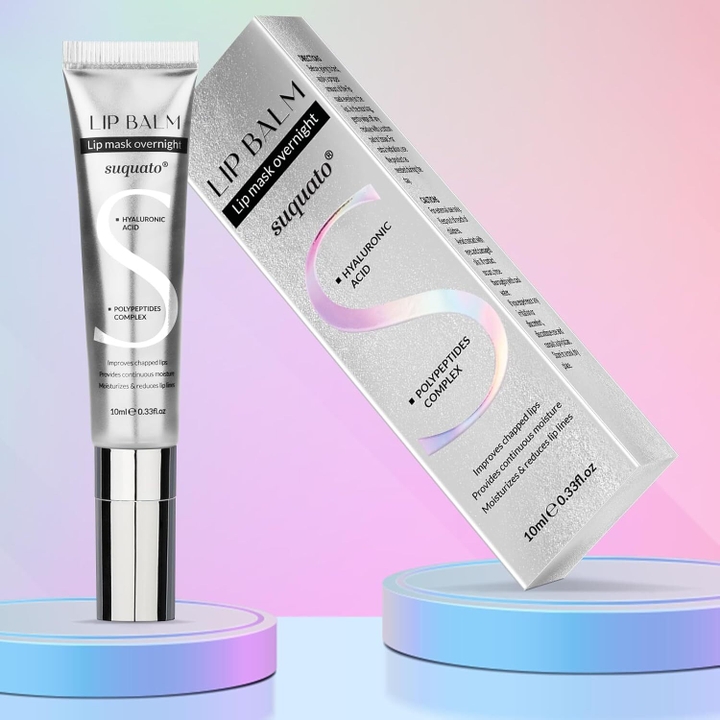
Believe it or not (you probably do), a good lip treatment is a crucial part of a skin care routine, especially as you age. Lips are often one of the first things people notice about you and when they feel uncomfortable, you notice them even more, too. This is especially so if you deal with dry, cracked lips or have noticed that yours are a little more textured than you’re used to due to natural aging. If you’ve been searching for a good lip product or are simply today-years old finding out you should be more thoughtful about your pick, then big news: We just spotted a unicorn of a hyaluronic acid plumping gloss that reviewers swear addresses signs of aging lips and delivers “spa-like” results with a drugstore price.
Even better? Amazon’s labeled this with a 5% discount, but according to our price trackers, it usually goes for $15 and is currently only $9.95 if you clip the on-page coupon for the extra discount — totally a 33% markdown! That’s a steal of a price to pay for a product that reviewers dub “a spa treatment for my lips” and even a Botox replacer.
Advertisement
Advertisement
It boasts a 3-in-1 formula that can be used as an overnight mask, a single-layer plumping gloss or a lip gloss topper for lipstick — and per the reviews, this baby is highly effective.
“This stuff took 10 years off my lips in one night,” another reviewer raved.
“[I] put it on one night and in the morning I was shocked to see my lips were actually plump and juicy!”
“After one night my wrinkles were noticeably diminished,” reviewer L Quinn gushed about the plumping gloss.
Advertisement
“After a few nights, my upper lip was smooth. No more Botox needed in my lips!!”
Talk about product efficacy?!
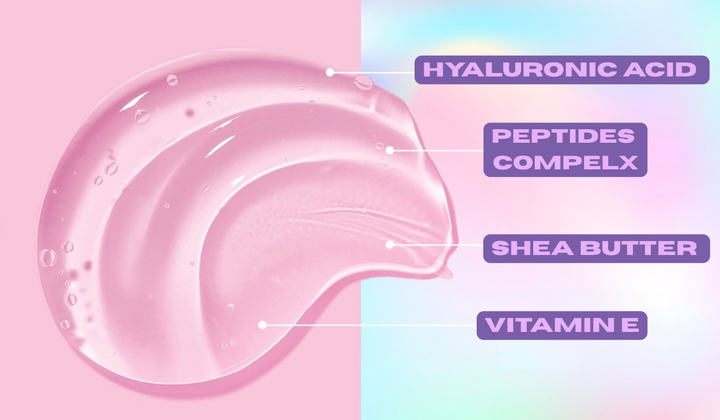
Made with hyaluronic acid and a strong peptide complex, the versatile lip treatment hydrates and boosts collagen to lock in moisture and reduce fine lines. The added shea butter and vitamin E keep your mouth nourished and protect it from the elements.
Advertisement
“The texture is extremely smooth and velvety, feels so luxurious to apply and wear,” one review shared. “It creates a mild, pleasant kind of tingling sensation, which is nice for a little mental confirmation that it’s working but without being overbearing or uncomfortable at all.”
Some say it’s scentless, while others compliment the subtle smell, yet everyone seems to agree the formula is long-lasting and feels great. ” It’s sort of sticky without actually being sticky and it stays on for a long time instead of disappearing after 20 minutes like regular lip balm often does,” one wrote.
“Sticky enough that it lasts but not sticky enough to get my hair caught in it,” another said.
Last but not least, the other ingenious part about this lip plumping treatment is the design of the applicator tip.
Advertisement
Considering the 4.5-star rated Suquato peptide lip treatment but need to know a little more? Check more reviews below from people loving the formula.
“This balm leaves my lips really well-hydrated. They were very dry before, and they’re improved so much.” — Alina Riano Cruz
“This product has been such a game changer for my lips! I apply every night before bed and on really dry days I apply occasionally during the day. My lips are plump and soft and I’ve noticed visibly less wrinkles in my lips.Best part is the plumping effect without the burning sensation the lip plumper a usually have!! One of the best lip products I’ve used!” — StexRN18
“I put this lip treatment on every night. It glides on smoothly and stays on for a long time. My lips are incredibly soft and are not chapped any more when I wake up. I do recommend this product for those who have dry and chapped lips. You will see the difference after a few tries.” — Dancer
“I have chronically dry lips. Always have.. doesn’t matter how much water I drink.. I’m an avid chapstick user.. it will help temporarily but not long. I’ve tried SO MANY products for dry lips and this is the first product that I’ve ever been blow away by! I used a little during day and noticed a few hours later that my lips were incredibly soft.. used the thick layer overnight.. ITS INCREDIBLE!!!” — Jen Elizabeth
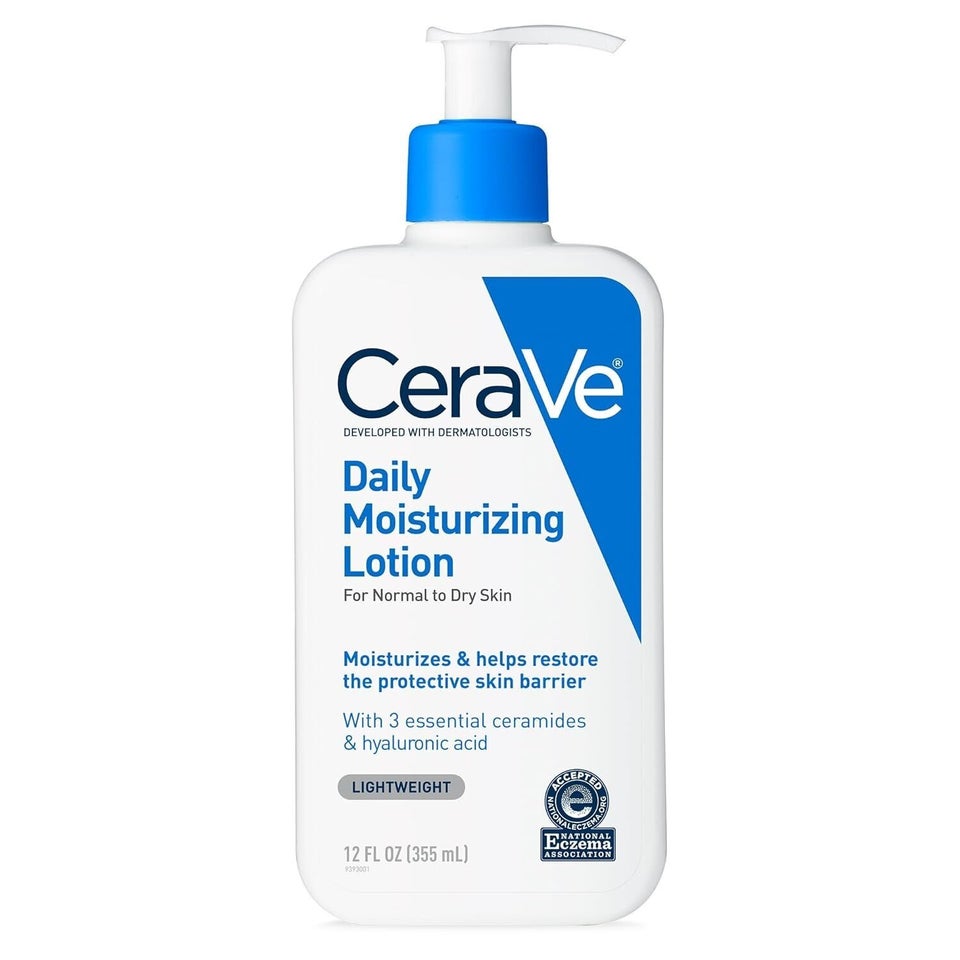
CeraVe
Dermatologist Dr. Geeta Yadav said that although the Cerave Daily Moisturizing Lotion is lightweight, it’s nourishing thanks to a blend of ceramides and hyaluronic acid, which help add hydration into the skin and reinforce the skin barrier, preventing irritation and transepidermal water loss (TEWL). “Though it’s best for those with normal to dry skin, those with oily skin can use it when their skin gets drier (in winter, for example),” she said. Not to mention, it can be used on both the face and body, making it great for those who value a low-maintenance skin care routine with minimal products.
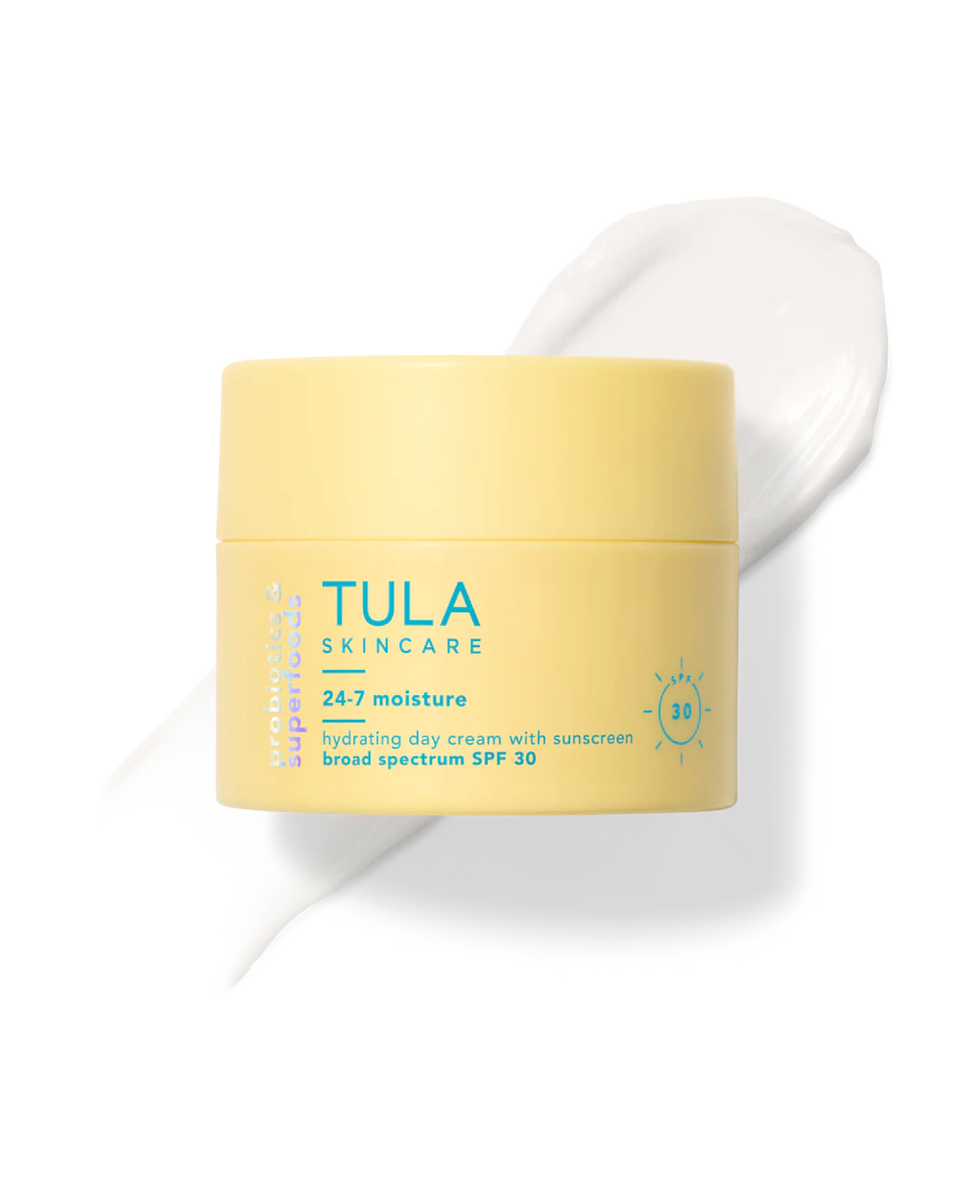
Tula
The Tula 24-7 Moisture Hydrating Day Cream is a multi-tasking powerhouse. Not only does it act as a moisturizer and sunscreen with its SPF 30, but board-certified dermatologist Dr. Alexis Stephens also said it has a silky texture that absorbs quickly, making it ideal for use under makeup as a primer. Plus, it contains “probiotics and ceramides to support the skin barrier without clogging pores,” she said.
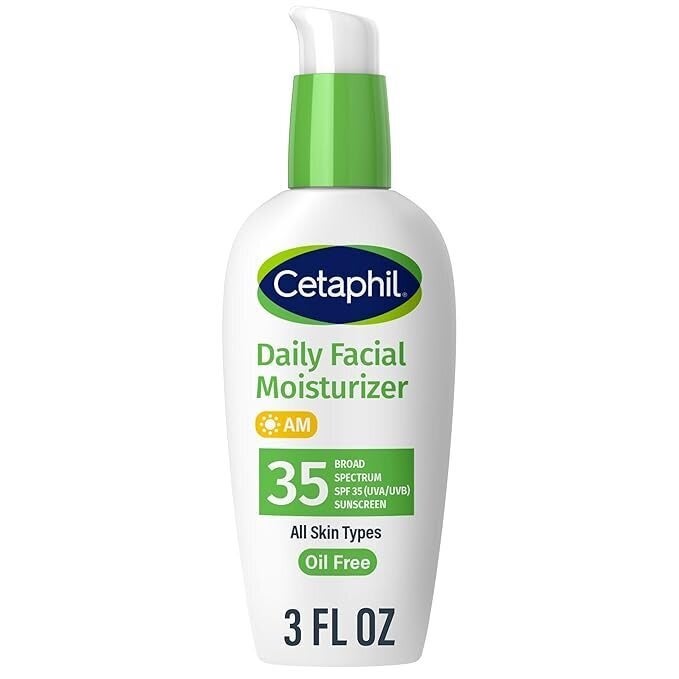
Cetaphil
Yadav is a fan of the Cetaphil Face Moisturizer because it’s made with SPF 35 as well as “hydrating glycerin, conditioning panthenol and antioxidants like vitamin E and niacinamide, which also helps calm the skin,” she said. Oily skin types will appreciate its matte finish. Because it provides long-lasting hydration for up to 24 hours, it’s also suitable for those with dry or combination skin types.
Advertisement
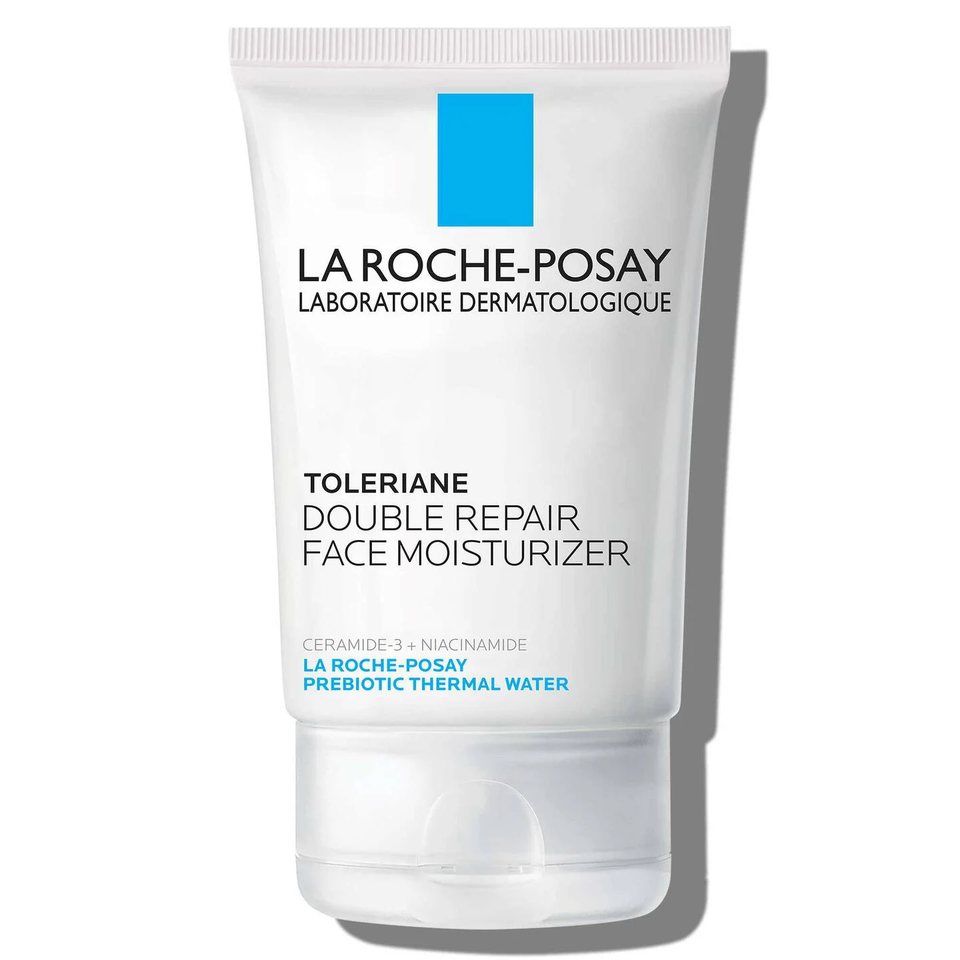
La Roche-Posay
Looking for long-lasting moisture? You’ve found it in La Roche-Posay Toleriane Double Repair Face Moisturizer, which comes recommended by Stephens. “This is a go-to for sensitive or acne-prone skin because i’s oil-free and contains ceramide-3, niacinamide and prebiotic thermal water to calm and hydrate the skin without triggering breakouts,” she said. “It also helps restore the skin’s moisture barrier, which is often compromised in acne-prone individuals.”
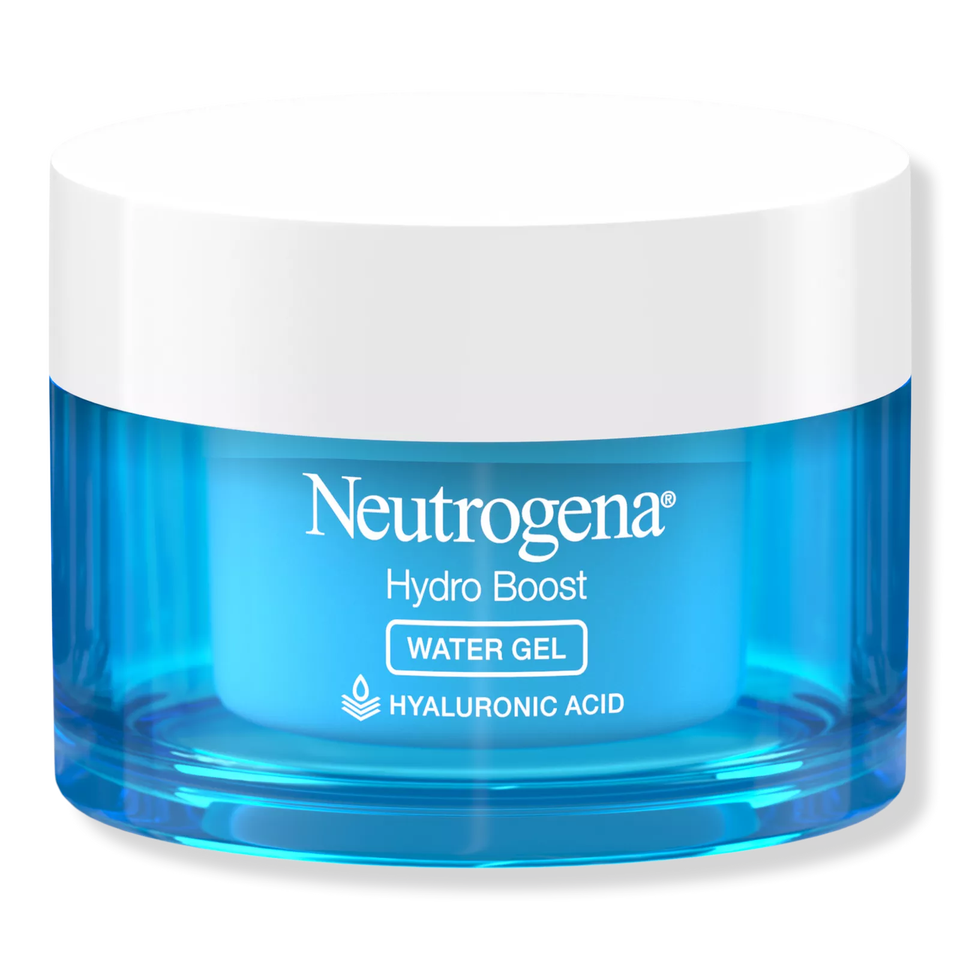
Neutrogena
Neutrogena’s Hydro Boost Hyaluronic Acid Water Gel Moisturizer is a gel-based moisturizer that “works beautifully for oily and acne-prone skin types,” said Stephens. “It’s non-comedogenic and features hyaluronic acid to deeply hydrate without feeling greasy or heavy on the skin.” Plus, it layers well under sunscreen and makeup.
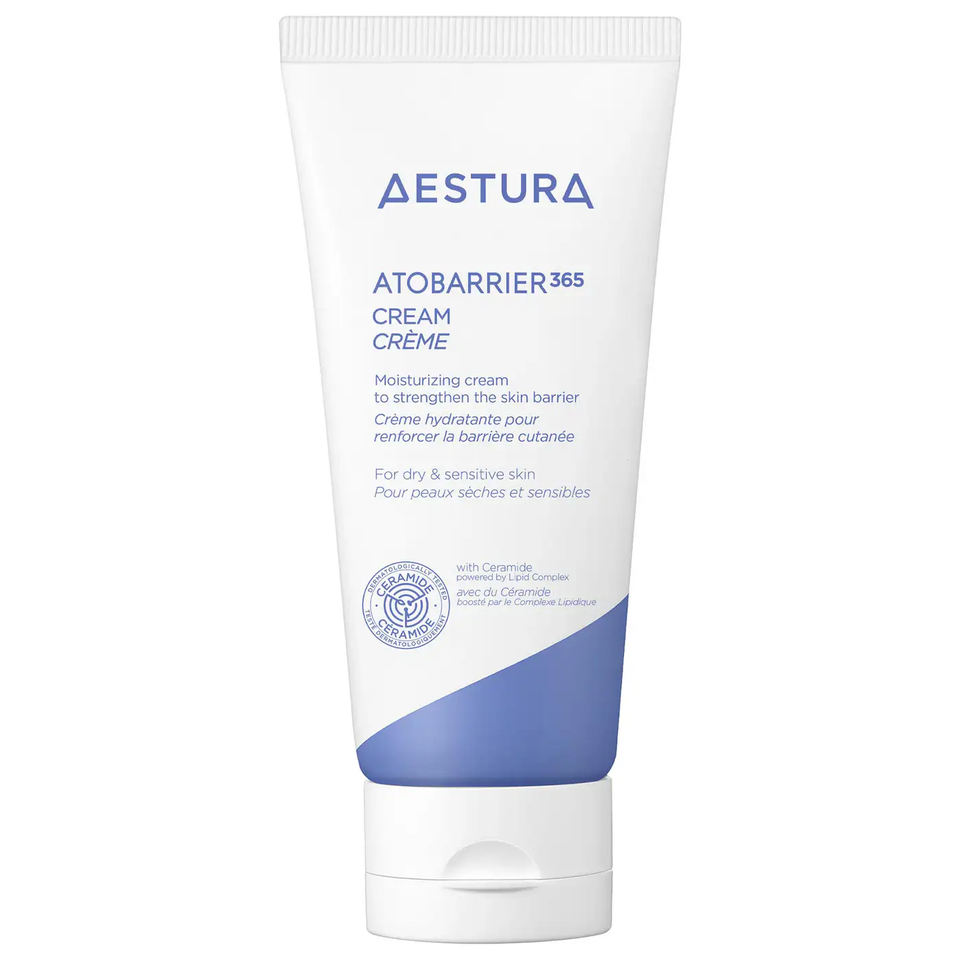
Aestura
For a rich yet non-greasy moisturizer, the Aestura Atobarrier365 Cream Moisturizer is the best of both worlds. Dr. Y. Claire Chang, a board-certified cosmetic dermatologist, said it’s ideal for those with sensitive skin thanks to a patented blend of barrier-boosting ceramide capsules that allow the ingredient to stay within the skin barrier longer. “This leaves my skin looking glowy for hours — when applied, it feels luxuriously smooth and absorbs quickly into the skin, leaving the skin hydrated and protected without any heavy residue,” she said.
Advertisement
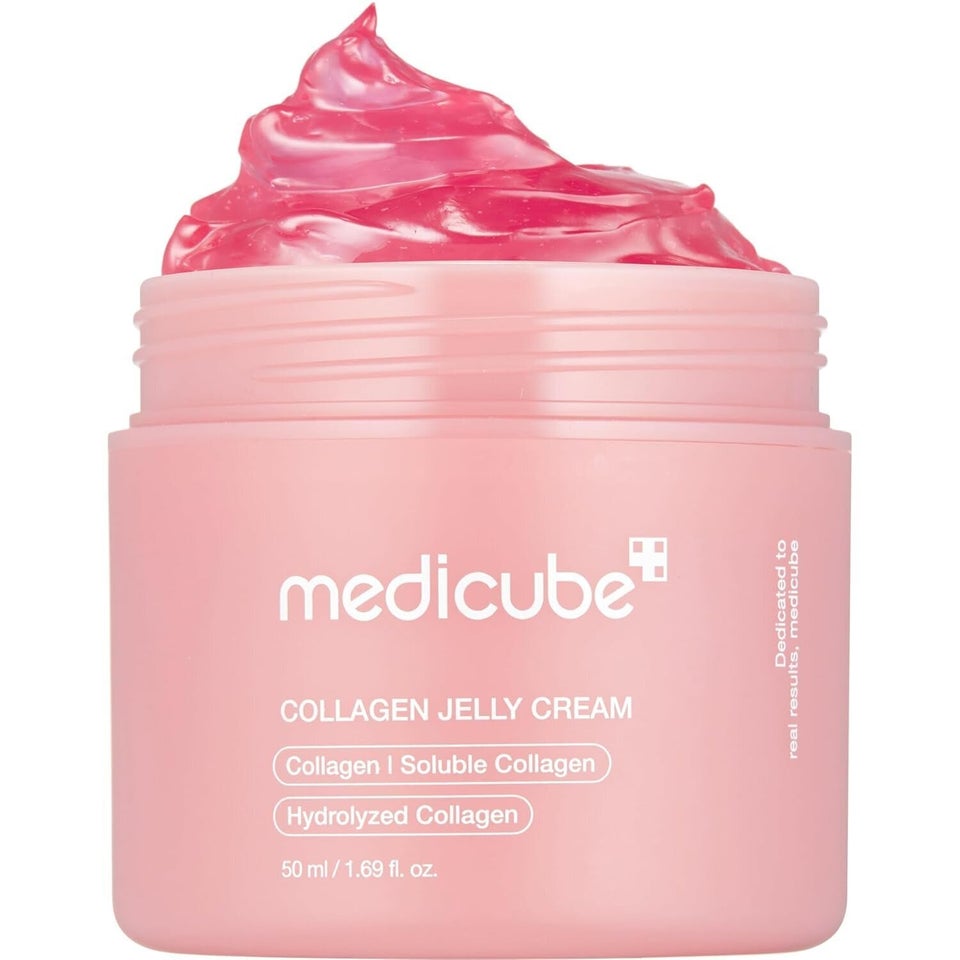
Medicube
If glass skin is the goal, this editors’ pick is the road to getting there. From the K-beauty brand that you’ve undoubtedly seen on your For You Page more than a handful of times comes the Medicube Collagen Jelly Cream, a bouncy gel moisturizer that targets uneven skin tone as it hydrates. Instead of thick, pore-clogging oils, it uses hydrolyzed collagen and niacinamide to work its magic.
Promising review: “I was skeptical at 1st but one single I fell in love. A very little goes along way. You can use in a thin layer under makeup or thick for a overnight mask. I like to keep it refrigerated for that extra chill and it feel amazing. It hasn’t broken me out and just left me with beautiful glowing hydrating skin. For reference I am 40 with textured acne prone skin. I will definitely recommend and repurchase! Beautiful product.” — JustAmble

Environ
Reszko said that the Environ Focus Care Moisture+ Super Moisturiser is perfect for normal to dry skin types that are also sensitive as it’s a super hydrating formula that’s made without pore-clogging oils. Instead, it’s formulated with ingredients like vitamin C and antioxidants to boost skin radiance and improve skin barrier function. Reszko said to use it twice a day — morning and evening — after washing your face.
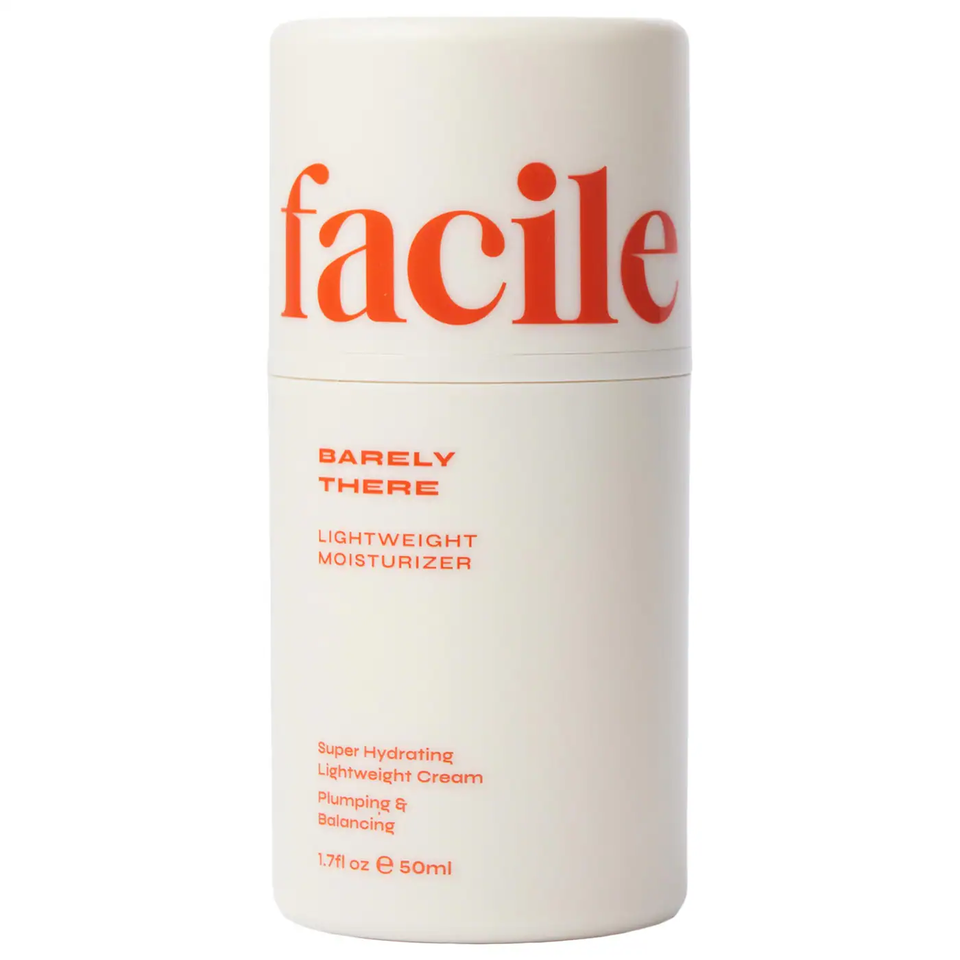
Facile
The only thing better than a feather-light moisturizer is one that plumps the skin at the same time. Cue the Facile Barely There Hyaluronic Acid Lightweight Moisturizer, one of our editors’ picks which was formulated by a dermatologist and uses skin-boosting panthenol and squalane to leave skin looking and feeling baby-soft.
Promising review: “I love Facile’s moisturizer! I’ve been using Facile for over a year and love the lightweight feel of this and it’s perfect for day and night. My go to!” — stephnina
Advertisement

BeautyStat
Hailing from cosmetic chemist Ron Robinson comes the BeautyStat Cosmetics Probiotic 24HR Moisture Boost Cream Moisturizer. Another editors’ pick, the gel-cream texture of this moisturizer instantly absorbs into the skin without feeling greasy (oily skin, rejoice), plus it’s formulated with hyaluronic acid and a proprietary moisture complex to keep the skin barrier happy (and the pores clear).
The Real Deal: We use deal trackers and commerce experience to sift through “fake” hike-and-drop deals and other deceptive sales tactics. Products will usually be rated at least 4 stars with a minimum 15% discount. (And when there’s an exception, we’ll tell you why.)
Annette Bevan and friends set up the Maa Maas club for mums who want to play rugby.
