A weak body clock may be an early warning for dementia

  • A large new study suggests the body’s internal clock, known as circadian rhythm, may play an important role in dementia risk.
  • More than 2,000 older adults wore small monitors for about 12 days, allowing researchers to closely track daily patterns of rest and activity.
  • People whose body clocks were weaker or more irregular were significantly more likely to develop dementia over the following years.
  • Those whose activity levels peaked later in the day, rather than earlier, showed a 45% higher risk of dementia.
  • Researchers say future studies exploring circadian rhythm approaches such as light exposure or lifestyle changes could reveal new ways to reduce dementia risk.

Weaker Body Clocks Linked to Dementia Risk

A new study suggests that disruptions in the body’s internal clock may be tied to a higher risk of dementia. Research published on December 29, 2025, in Neurology, the medical journal of the American Academy of Neurology, found that people with weaker and more irregular circadian rhythms were more likely to develop dementia. The study also showed that individuals whose daily activity levels peaked later in the day faced a higher risk than those who peaked earlier. While these findings reveal a strong link, they do not show that circadian rhythm changes directly cause dementia.

What Circadian Rhythms Do in the Body

Circadian rhythm refers to the body’s natural timing system. It controls the 24-hour sleep-wake cycle and helps regulate key functions such as hormone release, digestion, and body temperature. This internal clock is directed by the brain and responds to environmental signals, especially light.

When circadian rhythms are strong, the body stays closely aligned with the daily cycle of light and dark. This leads to consistent patterns of sleep and activity, even when schedules or seasons change. In contrast, weaker rhythms make the body clock more sensitive to disruptions. People with less stable rhythms are more likely to shift their sleep and activity times due to changes in routine or daylight.

Aging, Circadian Changes, and Dementia

“Changes in circadian rhythms happen with aging, and evidence suggests that circadian rhythm disturbances may be a risk factor for neurodegenerative diseases like dementia,” said study author Wendy Wang, MPH, PhD, of the Peter O’Donnell Jr. School of Public Health at UT Southwestern Medical Center in Dallas, Texas. “Our study measured these rest-activity rhythms and found people with weaker and more fragmented rhythms, and people with activity levels that peaked later in the day, had an elevated risk of dementia.”

Who Took Part in the Study

The research followed 2,183 adults with an average age of 79 who did not have dementia when the study began. Among the participants, 24% were Black people and 76% were white people.

Each participant wore a small heart monitor attached to the chest for an average of 12 days. These devices tracked periods of rest and activity, allowing researchers to analyze circadian rhythm patterns. Participants were then monitored for about three years. During that time, 176 people were diagnosed with dementia.

How Researchers Measured Rhythm Strength

Scientists examined the heart monitor data using several indicators of circadian rhythm strength. One key measure was relative amplitude, which reflects the difference between a person’s most active and least active times of day. Higher relative amplitude indicated a stronger and more clearly defined daily rhythm.

Participants were divided into three groups based on rhythm strength. When comparing the strongest and weakest groups, 31 of the 728 people in the high rhythm group developed dementia, while 106 of the 727 people in the low rhythm group did. After accounting for factors such as age, blood pressure, and heart disease, researchers found that those in the weakest rhythm group had nearly two and a half times the risk of dementia. Each standard deviation drop in relative amplitude was linked to a 54% increase in dementia risk.

Later Activity Peaks and Higher Risk

The timing of daily activity also appeared to matter. People whose activity peaked later in the afternoon, at 2:15 p.m. or later, had a higher risk of dementia than those whose activity peaked earlier, between 1:11 p.m.-2:14 p.m. About 7% of participants in the earlier peak group developed dementia, compared with 10% in the later peak group, representing a 45% higher risk.

A later activity peak may reflect a mismatch between the body’s internal clock and environmental signals such as daylight and darkness.

Why Disrupted Rhythms Might Matter

“Disruptions in circadian rhythms may alter body processes like inflammation, and may interfere with sleep, possibly increasing amyloid plaques linked to dementia, or reducing amyloid clearance from the brain,” said Wang. “Future studies should examine the potential role of circadian rhythm interventions, such as light therapy or lifestyle changes, to determine if they may help lower a person’s risk of dementia.”

Study Limitations

One limitation of the research is that it did not include data on sleep disorders, such as sleep apnea, which could have influenced the results.

Share Button

Fossilized bones are revealing secrets from a lost world

For the first time, researchers have successfully examined metabolism-related molecules preserved inside fossilized bones from animals that lived between 1.3 and 3 million years ago. These chemical traces offer rare insight into the animals themselves and the environments they once inhabited.

By analyzing metabolic signals tied to health and diet, the scientists were able to reconstruct details about ancient climates and landscapes, including temperature, soil conditions, rainfall, and vegetation. The results, published in Nature, point to environments that were significantly warmer and wetter than those found in the same regions today.

Studying metabolites — the molecules produced and used in digestion and other chemical processes in the body — can reveal information about disease, nutrition, and environmental exposure. While metabolomics has become a powerful tool in modern medical research, it has rarely been applied to fossils. Instead, most studies of ancient remains rely on DNA, which mainly helps establish genetic relationships rather than day-to-day biology.

“I’ve always had an interest in metabolism, including the metabolic rate of bone, and wanted to know if it would be possible to apply metabolomics to fossils to study early life. It turns out that bone, including fossilized bone, is filled with metabolites,” said Timothy Bromage, professor of molecular pathobiology at NYU College of Dentistry and affiliated professor in NYU’s Department of Anthropology, who led the international research team.

Why Fossil Bones Can Preserve Chemistry

In recent years, scientists discovered that collagen — the protein that provides structure to bones, skin, and connective tissues — can survive in ancient bones, including dinosaur fossils.

“I thought, if collagen is preserved in a fossil bone, then maybe other biomolecules are protected in the bone microenvironment as well,” said Bromage, who directs the Hard Tissue Research Unit at NYU College of Dentistry.

Bone surfaces are porous and filled with tiny blood vessel networks that exchange oxygen and nutrients with the bloodstream. Bromage proposed that during bone growth, metabolites circulating in blood could become trapped inside microscopic spaces within the bone, where they might remain protected for millions of years.

To test this idea, the team used mass spectrometry, a technique that converts molecules into charged particles for identification. Tests on modern mouse bones revealed nearly 2,200 metabolites. The same approach also allowed researchers to detect collagen proteins in some samples.

Testing Fossils From Early Human Landscapes

The researchers then applied this method to fossilized animal bones dating from 1.3 million to 3 million years ago. These samples came from earlier excavations in Tanzania, Malawi, and South Africa, regions known for early human activity.

The fossils belonged to animals with modern relatives still living near those sites today. The team analyzed bones from rodents (mouse, ground squirrel, gerbil) as well as larger animals, including an antelope, a pig, and an elephant. Thousands of metabolites were identified, many of which closely matched those found in living species.

Health Diet and Disease Written in Bone

Many of the detected metabolites reflected normal biological processes, such as the breakdown of amino acids, carbohydrates, vitamins, and minerals. Some chemical markers were linked to estrogen-related genes, indicating that certain fossilized animals were female.

Other molecules revealed signs of illness. In one striking case, a ground squirrel bone from Olduvai Gorge in Tanzania, dated to about 1.8 million years ago, showed evidence of infection by the parasite that causes sleeping sickness in humans. The disease is caused by Trypanosoma brucei and spread by tsetse flies.

“What we discovered in the bone of the squirrel is a metabolite that is unique to the biology of that parasite, which releases the metabolite into the bloodstream of its host. We also saw the squirrel’s metabolomic anti-inflammatory response, presumably due to the parasite,” said Bromage.

Tracing Ancient Diets and Environments

The chemical evidence also revealed what plants the animals consumed. Although plant metabolite databases are far less complete than those for animals, the researchers identified compounds linked to regional plants such as aloe and asparagus.

“What that means is that, in the case of the squirrel, it nibbled on aloe and took those metabolites into its own bloodstream,” explained Bromage. “Because the environmental conditions of aloe are very specific, we now know more about the temperature, rainfall, soil conditions, and tree canopy, essentially reconstructing the squirrel’s environment. We can build a story around each of the animals.”

These reconstructed habitats align with previous geological and ecological research. For example, Olduvai Gorge Bed in Tanzania has been described as freshwater woodland and grassland, while the Upper Bed reflects drier woodlands and marshy areas. Across all studied locations, the fossil evidence consistently points to climates that were wetter and warmer than today.

“Using metabolic analyses to study fossils may enable us to reconstruct the environment of the prehistoric world with a new level of detail, as though we were field ecologists in a natural environment today,” said Bromage.

Research Team and Support

Additional study authors include Bin Hu, Sher Poudel, Sasan Rabieh, and Shoshana Yakar of NYU College of Dentistry; Thomas Neubert, Christopher Lawrence de Jesus, and Hediye Erdjument-Bromage of NYU Grossman School of Medicine; along with collaborators from institutions in France, Germany, Canada, and the United States. The research was supported by The Leakey Foundation, with additional support for the scanning electron microscope provided by the National Institutes of Health (S10 OD023659 and S10 RR027990).

Share Button

Scientists tested intermittent fasting without eating less and found no metabolic benefit

A new study from the German Institute of Human Nutrition Potsdam-Rehbruecke (DIfE) and Charité — Universitätsmedizin Berlin challenges a widely held belief about intermittent fasting. The research shows that time-restricted eating does not lead to measurable improvements in metabolic or cardiovascular health when calorie intake remains unchanged. However, the timing of meals did affect the body’s internal clocks. These findings come from the ChronoFast study led by Prof. Olga Ramich and were published in Science Translational Medicine.

Time-restricted eating (TRE) is a form of intermittent fasting that limits daily food intake to a window of no more than ten hours, followed by a fasting period of at least 14 hours. The approach has become popular as a simple strategy to support weight management and metabolic health. Animal studies show that TRE can protect rodents from diet-related obesity and metabolic problems. In humans, earlier studies have reported benefits such as improved insulin sensitivity, healthier blood sugar and cholesterol levels, and modest reductions in body weight and body fat. As a result, TRE has been widely viewed as a promising tool for preventing insulin resistance and diabetes.

Conflicting Evidence From Earlier Studies

Despite its popularity, past research on TRE has produced mixed results. Many studies have not been able to determine whether observed health improvements came from shorter eating windows, unintentional calorie reduction, or a combination of both. In addition, most earlier trials did not carefully track calorie intake or control for other factors that could influence metabolic outcomes.

To address these gaps, Prof. Olga Ramich, Head of the Department of Molecular Metabolism and Precision Nutrition at the DIfE and Professor at the Charité — Universitätsmedizin Berlin, designed the ChronoFast trial. The goal was to test whether an eight-hour eating window could improve insulin sensitivity and other metabolic markers when calorie intake was kept constant.

How the ChronoFast Study Was Conducted

The study used a randomized crossover design and included 31 women with overweight or obesity. Each participant followed two different eating schedules for two weeks at a time. One schedule involved early time-restricted eating between 8 a.m. and 4 p.m.(eTRE). The other followed a later schedule from 1 p.m. to 9 p.m. (lTRE). Throughout both phases, participants ate nearly identical meals with the same calorie and nutrient content (isocaloric).

Researchers collected blood samples during four clinic visits and performed oral glucose tolerance tests to assess glucose and fat metabolism. Continuous glucose monitoring tracked blood sugar levels over 24 hours while food intake was recorded in detail. Physical activity was monitored using a motion sensor. In collaboration with Prof. Achim Kramer from the Charité — Universitätsmedizin Berlin, the team also examined changes in the body’s internal clock using isolated blood cells.

Measuring the Body’s Internal Clock

Human biology follows internally generated rhythms that roughly align with the length of a day, which is why they are known as circadian clocks (Latin: circa and dia). These rhythms help regulate nearly every physiological process, including sleep and metabolism. Almost all cells in the body contain their own internal clock, which can be influenced by light, physical activity, and food timing.

To measure individual circadian phases, Prof. Dr. Achim Kramer developed the BodyTime assay. This test requires only a single blood sample and provides an objective snapshot of a person’s internal timing. The ChronoFast study used this method and confirmed that eating schedules can shift internal clocks in humans.

No Metabolic Improvements Found

Despite expectations based on earlier research, the ChronoFast study found no clinically meaningful changes in insulin sensitivity, blood sugar, blood fats, or inflammatory markers after the two-week interventions. “Our results suggest that the health benefits observed in earlier studies were likely due to unintended calorie reduction, rather than the shortened eating period itself,” explains Ramich.

While metabolic measures remained largely unchanged, the timing of meals did affect circadian rhythms. Analysis of blood cells showed that the internal clock shifted by an average of 40 minutes during the late eating schedule compared to the early schedule. Participants following the later eating window also went to bed and woke up later. “The timing of food intake acts as a cue for our biological rhythms — similar to light,” says first author Beeke Peters.

Calories and Individual Timing May Matter Most

The findings highlight the importance of calorie balance in achieving health benefits from intermittent fasting. “Those who want to lose weight or improve their metabolism should pay attention not only to the clock, but also to their energy balance,” Ramich concludes.

Future research will need to explore whether combining time-restricted eating with reduced calorie intake produces stronger benefits. Scientists also aim to better understand how individual factors, including chronotype and genetics, may influence how people respond to different eating schedules.

Share Button

A hidden brain problem may be an early warning for Alzheimer’s

Scientists from Nanyang Technological University, Singapore (NTU Singapore) have found that the brain’s waste removal system often becomes blocked in people who show early signs of Alzheimer’s disease. These blockages interfere with the brain’s ability to clear harmful substances and may appear well before clear dementia symptoms develop.

The clogged pathways are known as “enlarged perivascular spaces,” and the findings suggest they could serve as an early warning signal for Alzheimer’s, the most common form of dementia.

“Since these brain anomalies can be visually identified on routine magnetic resonance imaging (MRI) scans performed to evaluate cognitive decline, identifying them could complement existing methods to detect Alzheimer’s earlier, without having to do and pay for additional tests,” said Associate Professor Nagaendran Kandiah from NTU’s Lee Kong Chian School of Medicine (LKCMedicine), who led the study.

Justin Ong, a fifth-year LKCMedicine student and the study’s first author, emphasized the importance of early detection. He noted that identifying Alzheimer’s sooner gives doctors more time to intervene and potentially slow the progression of symptoms such as memory loss, reduced thinking speed, and mood changes. The research was conducted as part of LKCMedicine’s Scholarly Project module in the School’s Bachelor of Medicine and Bachelor of Surgery programme.

Why Studying Asian Populations Matters

The study stands out because it focuses on Asian populations, an area that has been underrepresented in Alzheimer’s research. Most existing studies have concentrated on Caucasian participants, which may limit how broadly their findings apply.

The NTU team examined nearly 1,000 people in Singapore from different ethnic backgrounds that reflect the country’s population. Participants included individuals with normal cognitive function as well as those experiencing mild thinking difficulties.

Research has shown that dementia does not affect all ethnic groups in the same way, making region specific studies essential.

“For example, among Caucasians with dementia, past studies show that the prevalence of a major risk gene, apolipoprotein E4, linked to Alzheimer’s is around 50 to 60 percent. But among Singapore dementia patients, it is less than 20 percent,” said Assoc Prof Kandiah, who is also Director of the Dementia Research Centre (Singapore) in LKCMedicine. Because of these differences, findings in one population may not directly apply to another.

How the Brain Clears Toxic Waste

Inside the brain, blood vessels are surrounded by small channels called perivascular spaces. These spaces help drain toxic waste products, including beta amyloid and tau proteins, which are found in high levels in people with Alzheimer’s disease.

When the brain’s waste removal system becomes less efficient, these spaces can enlarge and become visible on MRI scans. Until now, it was unclear whether this change was directly linked to dementia, particularly Alzheimer’s disease.

To answer this question, the NTU researchers compared enlarged perivascular spaces with multiple established indicators of Alzheimer’s. They also examined how these clogged drainage pathways relate to well known disease markers such as beta amyloid buildup and damage to the brain’s white matter, the network of nerve fibers that connects different brain regions.

Comparing Healthy Brains and Early Cognitive Decline

The study included nearly 350 participants with normal thinking abilities, including memory, reasoning, decision making, and focus. The remaining participants showed signs of early cognitive decline, including mild cognitive impairment, a condition that often precedes dementia.

Previous research has shown that people with mild cognitive impairment face a higher risk of developing Alzheimer’s disease or vascular dementia, which is caused by reduced blood flow to the brain.

After analyzing MRI scans, the researchers found that participants with mild cognitive impairment were more likely to have enlarged perivascular spaces than those with no cognitive problems.

Blood Markers Strengthen the Link

In addition to brain scans, the scientists measured seven Alzheimer’s related biochemicals in participants’ blood, including beta amyloid and tau proteins. Elevated levels of these substances are considered warning signs of Alzheimer’s disease.

Enlarged perivascular spaces were linked to four of the seven biochemical measurements. This suggests that people with clogged brain drains are more likely to have increased amyloid plaques, tau tangles, and damage to brain cells, placing them at greater risk of developing Alzheimer’s.

The researchers also looked at white matter damage, a widely used indicator of Alzheimer’s, and found it was associated with six of the seven blood markers. However, further analysis revealed something unexpected.

Among participants with mild cognitive impairment, the connection between Alzheimer’s related biochemicals and enlarged perivascular spaces was stronger than the connection with white matter damage. This finding points to clogged brain drainage as a particularly early signal of Alzheimer’s disease.

Implications for Diagnosis and Treatment

These insights may help doctors make more informed decisions about early treatment strategies, potentially slowing disease progression before lasting brain damage occurs.

“The findings carry substantial clinical implications,” said Assoc Prof Kandiah. “Although white matter damage is more widely used in clinical practice to evaluate for dementia, as it is easily recognised on MRI scans, our results suggest that enlarged perivascular spaces may hold unique value in detecting early signs of Alzheimer’s disease.”

Dr. Rachel Cheong Chin Yee, a Senior Consultant and Deputy Head at Khoo Teck Puat Hospital’s Department of Geriatric Medicine, said the study highlights the role of small blood vessel changes in Alzheimer’s development.

“These findings are significant because they suggest that brain scans showing enlarged perivascular spaces could potentially help identify people at higher risk of Alzheimer’s disease, even before symptoms appear,” said Dr. Cheong, who was not involved in the research.

Rethinking Brain Vessel Disease and Alzheimer’s

Dr. Chong Yao Feng, a Consultant at the National University Hospital’s Division of Neurology who was also not involved in the study, noted that cerebrovascular diseases and Alzheimer’s disease have traditionally been viewed as separate conditions.

“The study’s findings are intriguing as they demonstrate that both diseases do interact in a synergistic manner,” said Dr. Chong, who is also a Clinical Assistant Professor at the National University of Singapore’s Yong Loo Lin School of Medicine.

As a result, doctors reviewing MRI scans should be cautious about assuming cognitive symptoms are caused only by blood vessel problems when markers such as enlarged perivascular spaces are present. These features may also signal a higher risk of Alzheimer’s disease.

“Doctors will then have to use their clinical judgement of the patient’s scan and symptoms, as well as discuss with the patient, to determine if more checks are needed to confirm whether a patient has Alzheimer’s disease or not,” said Dr. Chong.

What Comes Next

The NTU research team plans to track participants over time to determine how many eventually develop Alzheimer’s dementia. This follow up will help confirm whether enlarged perivascular spaces can reliably predict progression to dementia.

If future studies in other populations reach similar conclusions, identifying clogged brain drains on MRI scans could become a routine tool for detecting Alzheimer’s risk much earlier than is currently possible.

Share Button

Wellbeing 2026: Recovery, JOMO and brain boosting supplements

Wellness is a multi-trillion pound industry which continues to grow, what will be its focus in 2026?

Share Button

Dr Alex shares five ways that running helps your brain

From protecting against ageing to helping you sleep, Dr Alex George lists the benefits of running.

Share Button

The debate about whether the NHS should use magic mushrooms to treat depression

Many clinical trials to test the use of psychedelic medicines for conditions such as depression have been underway since 2022 – with surprising results

Share Button

I Never Expected My Mom To Move Into A Retirement Community. I Now Realize She May Have Been Hiding A Devastating Secret.

Lately, I find myself weeping in my bed when the night sky is at its blackest and my husband, Geoff, is dead asleep on his side, his silhouette a distant mountain range. I press my face into my damp pillow to mute the occasional, plaintive chirp.

I’ve never been much of a crier, so these late-night keening sessions make no sense. I’m a 59-year-old, happily married woman, and my children are healthy and grown, yet when the lights go out and the world lies down, a single phrase repeats itself in my mind: I want my mom.

If you believe in deeply personal journalism — the kind that connects us in our hardest, most honest moments — please consider becoming a HuffPost member today.

My mother isn’t missing or gone. She lives a short 20-minute drive away in an assisted living facility. When I visit, she looks like herself, shorter than me, hair dyed brown and styled in pert curls, with a smile people say looks like mine. When she speaks, her word choices, her intonations and the way she moves her hands are all her, but if you sit with her for more than a few minutes, you learn she’s less like herself and more like a carnival hologram — repeating a limited, looping set of thoughts and comments:

“I have nine windows in my apartment.”

“My cat is the best roommate I’ve ever had.”

“Did I tell you your husband reminds me of my dad?”

For decades, my mother had been single and independent, living on her own, volunteering and singing in a local chorale. At 78, she was in excellent health and had great energy, so I was taken by surprise when she announced she’d be moving into a retirement community near my home.

“An old folks’ home?” I said. “But you’re in great shape.”

“It’s not a ‘home,’ it’s a retirement village. Just like apartment living, but I don’t have to cook anymore.”

“No loss for the world there,” I snorted, and she elbowed me.

Together, we visited the facility, more like a resort with scheduled activities and concerts than the 1970s nursing home my paternal grandmother had lived and died in. But still. Weaving through walkers and motorized scooters to get to the facility’s restaurant, I said, “These people, they’re nice, but they seem… elderly.”

She squared off with me. At 5’1”, she projects an air of sweet amiability, but she’s actually stubborn as an old root.

“My mother was sick my entire childhood,” she said. It was true. Her poor mother suffered for nine years, Bible in hand and disapproval on her face, until she finally died, releasing my 17-year-old mother. “I’m not doing that to you.”

“It’s not remotely the same! I’m older, and you’re not sick, or nasty.” I looked at her sideways. “At least most of the time.”

On our way out, we passed a locked industrial door, behind which was the “Assisted Living Wing” and “Memory Ward.” Pastel-colored cutouts of flowers and butterflies, the sort you’d see taped to a nursery school wall, decorated the door.

“What’s in there?” I asked, and made scary ghost sounds.

“You, if you keep it up.”

It never occurred to me there might be something she wasn’t telling me.

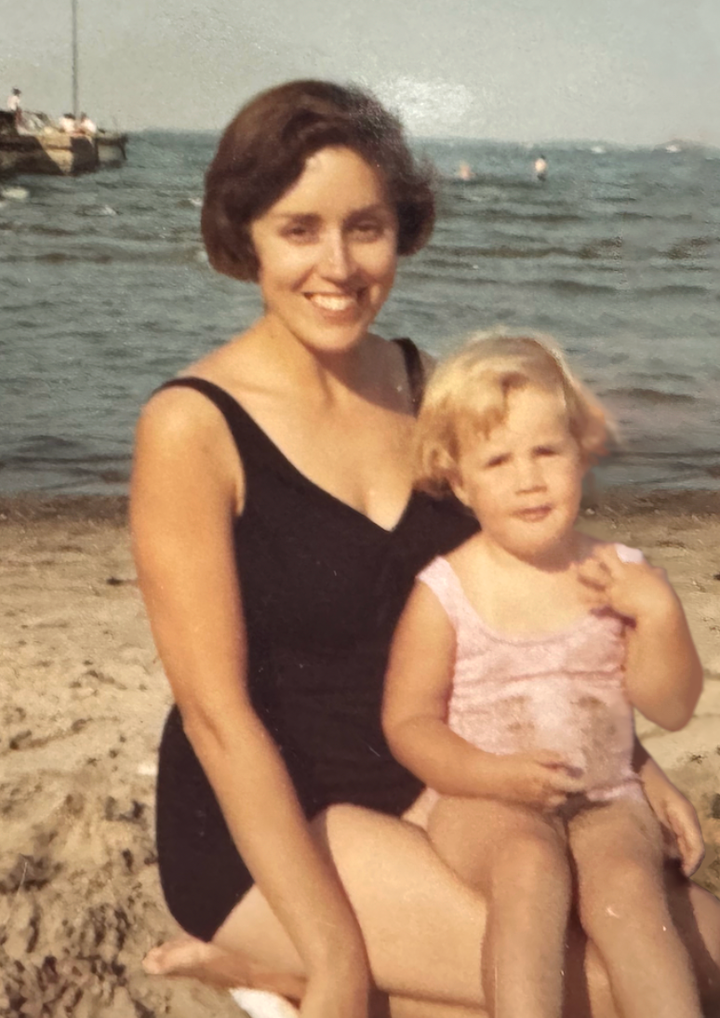
The author, age 2, with her mother

Courtesy of Kathryn Smith

On March 12, 2020, the day after Tom Hanks and Rita Wilson announced they had COVID-19, my mother’s Toyota Camry pulled into my driveway, and out she stepped with two suitcases, the food from her refrigerator, her recycling and her cat, named Jello, howling and spitting in its carrier.

“Just until we flatten the curve,” she said, reluctant to leave her apartment. “And not a minute more.” She lived with me for a year.

My mother and I are different people. She’s fussy. I’m casual — sloppy, even. She’s soft-spoken. I’m loud. She’s ladylike. I intentionally storm through a room. And while I know I’m not the refined young lady she hoped for as a daughter, she’s been my champion.

When I was young, I hated wearing dresses, so she sewed me pants. And when a male teacher told her, “Your daughter must wear dresses to school — pants are inappropriate,” she fired back, “You’re either going to let her wear pants, or you’re going to see her underwear, because she’s always upside-down on the monkey bars!” I got to wear pants.

At the beginning, we managed to find joy and beauty in our togetherness during the lockdown. We visited the local arboretum, haunted our old town, even had a picnic on the porch of our old house.

“Nobody lives here! Who’s going to care?”

We peeked in the windows and tried to see if any doors were unlocked. She stood watch for me while I crawled under the porch to see if old treasures I had hidden were still there.

“Nothing but spiders and dirt.”

I visited her room daily with chocolate chip cookies. “Wellness check,” I’d say, and she’d invite me into her too-warm space. I’d nudge Jello, ever a grumpy thing, off the armchair and sit down for a quick chat over the blaring television. It was during one of those visits that I first noticed something was off.

“Mom, you shouldn’t watch the news 24 hours a day. It’s grim.”

“I leave it on for the company — the voices.”

“You live with me. That’s enough voices for anyone. If you have to watch TV, can you at least watch Netflix?” I handed her the remote.

“That thing’s too complicated. I like the news,” she said and took a dainty bite of her cookie.

“For goodness’ sake! You just push this button here that says Netflix.” She waved me away.

The next day, she poured laundry detergent into our dryer.

“I don’t know what I was thinking,” she said. “I’ll pay for it.”

“It’s no big deal,” I said.

I’d once put the cereal box in the fridge and the milk in the cupboard. Our family can be spacey like that, so I wrote it off.

But as her memory glitched more frequently, I found myself becoming impatient. It was easier to be annoyed with her, easier to look away from what might be happening to her, from what might one day happen to me. It was easier to imagine she was being lazy-minded or stubborn.

“You just met with your surgeon two weeks ago, don’t you remember? Your pain is coming from your spine, not your hip, so you have to do physical therapy,” I told her one afternoon.

“Pardon?”

“DO YOUR PHYSICAL THERAPY! And can you wear your hearing aids? It’s very annoying to repeat myself all the time.”

“I don’t like physical therapy,” she said. “And anyway, you’re the only one I can’t hear.”

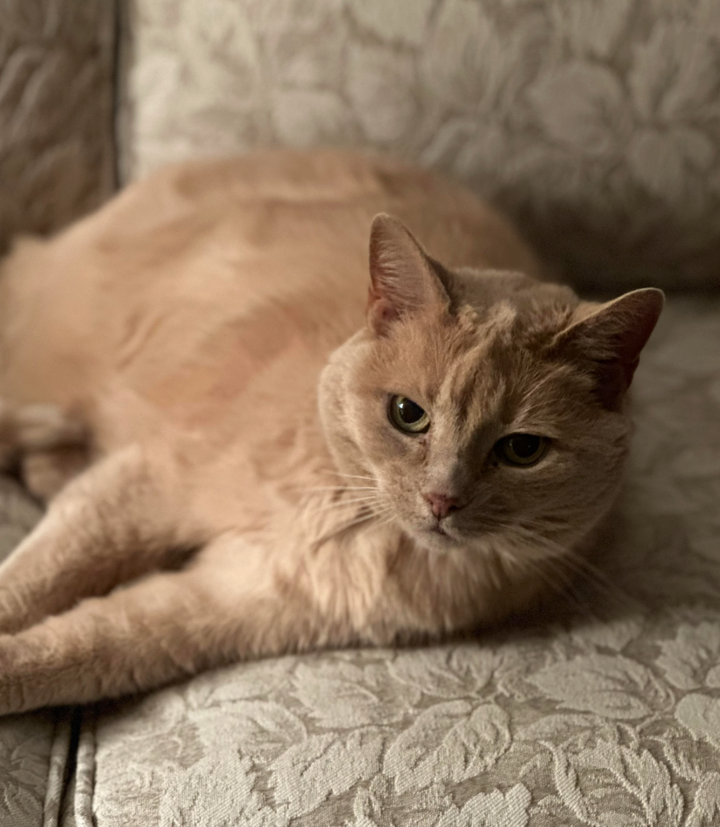
"This is Jello, and he's daring me to even think about coming any closer," the author writes.
“This is Jello, and he’s daring me to even think about coming any closer,” the author writes.

Courtesy of Kathryn Smith

Our arguments regressed. We were silly, a little petty, almost joking, but not quite. I found myself using the same words she’d spoken to me when I was young, pantomiming a role reversal we didn’t realize was well underway.

“Do as you’re told!” I’d demand, only half joking when she ate mostly chocolate.

“You’re not the boss of me!” she’d say, and cross her arms.

And then she drove into oncoming traffic with my daughter in the car. It was a close call — the other car swerved. My daughter told me she’d never let Grandma drive her again.

I wish I could say I took her keys that day, but I didn’t. It’s difficult — removing your parents’ means of transportation. They’re not the Uber generation. You take their keys, you take their independence.

A few weeks later, I called my mother while waiting in the social distancing line that snaked around Trader Joe’s.

“Thank goodness you called! My phone isn’t working!” she said, breathless.

“You’re on your phone now, Mom,” I said.

“I couldn’t call anyone. I couldn’t find anyone’s numbers. I was all alone!”

It wasn’t upsetting that she couldn’t work her phone for a moment — many older people struggle with technology. It was upsetting that she was panicked, desperate and at a loss for what to do, when really, all she had to do was step out of her bedroom and ask any of her grandchildren for assistance. It was upsetting because she felt helpless and afraid.

“What’s going on, Mom?” I asked when I got home. It never occurred to me she could be any other than the way I had always known her: capable, pragmatic and independent. I didn’t know that these days — the early days — were the good days when she remembered where she was, who she was, who I was.

The day I took her keys was the day she mistook my daughter for me.

“It was easier to be annoyed with her, easier to look away from what might be happening to her, from what might one day happen to me.”

As intelligent, sentient beings, we sure can be shockingly unaware of our own emotions and why we’re feeling them. Recently, I was hiking in a forest near my home. I came upon an elderly woman in hiking boots sitting on a fallen tree near a brook, leaning on her walking stick. I couldn’t imagine how she had gotten there.

“Are you OK?” I asked.

She smiled. “I’m just taking a breather. I live a mile up there.”

She pointed her stick up the steep, wooded hill. She’d come from Sweden decades earlier to marry an American who’d recently moved them into a retirement home. Like my mother, she was born on the cusp of World War II. Unlike my mother, she spoke about politics, current events, a book she was reading. Then she got up and stretched. I didn’t want her to go.

“Can I visit you, maybe help with your errands?” I asked. She looked at me, puzzled, and I felt instant embarrassment. This was not a woman who needed help with her errands. She had just walked a mile into the woods. Why would she need me to visit her?

One of my husband’s pandemic projects was to hang birdhouses all around our yard. A storm knocked one down, and four bluish babies with giant open mouths tumbled out onto the grass. Blind, chirping and barely able to move, they reminded me of the P.D. Eastman book “Are You My Mother?” about a baby bird who searches for his mother. He asks everything he comes across: a dog, a hen, a steam shovel, “Are you my mother?”

As I slid a spoon under the wobbly birds’ bodies and poured them back into their home, I was struck by a thought: I’m the baby bird in P.D. Eastman’s book. I’m looking for my mother, who is slipping away from me. And the lovely Swedish woman in the woods? She is not my mother.

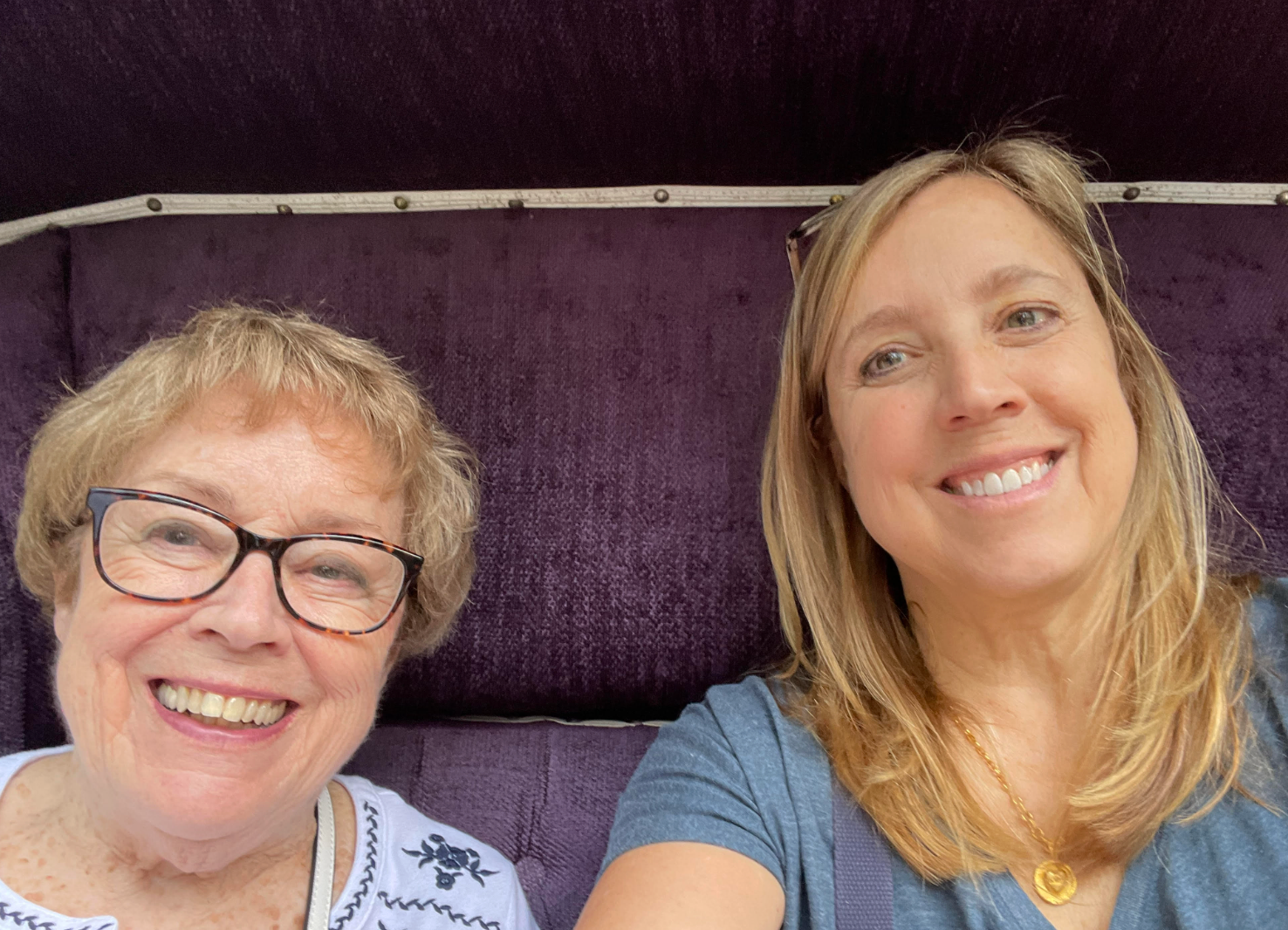
The author with her mother. "We were off on some pandemic adventure," she writes.
The author with her mother. “We were off on some pandemic adventure,” she writes.

Courtesy of Kathryn Smith

Six months after my mom packed up Jello and moved back to her apartment, I got a call from the onsite nurse explaining she had accidentally consumed five weeks’ medication in two weeks. It was time for her to move into assisted living.

I remembered the door with the flowers and butterflies.

I believe she saw this coming. I believe she knew her mind was slipping, so she moved herself into a place where, at some point, she could get professional care, and where, like she said, she wouldn’t become a “burden.”

One of the things she says in her moments of clarity is, “My parents died young. I didn’t have anyone to model getting old for me.”

Thanks to her, I do. And thanks to her, as the child of a person who is getting old, I’m learning to be more patient, more understanding.

I call her daily. I visit her often. And every now and then, the mother I know returns for a cameo, then disappears just as quickly.

In her darker moments, she tells me, “I’ve had a good life, but if I could push a button and end it now, I would.” I’d like to tell her to hang on — that things will get better — but we both know that’s not true. So I just remind her she is beloved. And we list all the people who’ve loved her in her life, including the boyfriend she dumped in college.

I’m learning to love her differently, perhaps more deeply and from a place of gratitude, not of need and expectation. I’m trying to be the grown-up now — to champion her, the way she did me. It’s not easy. And in the wee hours of the night, when the loss of my mother as I knew her overtakes me, I allow myself to have a cry in my pillow.

Kathryn Smith has published fiction and creative nonfiction in Philadelphia Stories, poetry in Apiary, and twice won an honorable mention from Glimmer Train. She graduated with a B.S. in economics from the University of Pennsylvania and an MBA from the University of California at Berkeley. She is currently working on a memoir, “Stories of an Uncouth Girl.” You can reach her on Instagram @KathrynSmithStories.

Do you have a compelling personal story you’d like to see published on HuffPost? Find out what we’re looking for here and send us a pitch at pitch@huffpost.com.

Share Button

Hospital flu cases drop as NHS on cold weather alert

NHS bosses say the fall is welcome, but expect freezing temperatures to increase pressure on the health service.

Share Button

How to keep babies warm in cold weather and other winter tips

As temperatures fall across much of the UK, the best ways to keep people and pets warm and dry.

Share Button