Health24.com | High-fibre diet may help gut ‘microbiome’ battle melanoma

A healthy diet may trigger a better response to a certain kind of melanoma treatment.

How?

New research suggests that a diet that’s full of fibre appears to lead to more diverse intestinal bacteria (microbiome). In turn, a thriving gut microbiome is linked to a stronger response to an immune therapy for the aggressive skin cancer.

Causes most skin cancer deaths

“We found that patients eating a high-fibre diet at the start of therapy were about five times more likely to respond to the anti-PD-1 immunotherapy,” said study author Christine Spencer. She’s a research scientist with the Parker Institute for Cancer Immunotherapy in San Francisco.

Anti-PD-1 immunotherapy helps the immune system recognise cancer cells as dangerous cells that need to be destroyed, according to the American Cancer Society (ACS). The cancer drugs Keytruda and Opdivo are examples of this type of immunotherapy.

Melanoma is a type of skin cancer. It only accounts for about 1% of all skin cancers, but is responsible for most skin cancer deaths, the ACS says.

Several recent studies have suggested that a healthy and diverse gut microbiome might improve the response to melanoma immunotherapy treatments, the researchers said. What wasn’t known was how certain diets might improve the microbiome and boost the response to melanoma treatment.

To see what difference diet might make, the researchers collected faecal samples from more than 100 people being treated for melanoma at the MD Anderson Cancer Center, in Houston. With these samples, the researchers could learn what types of bacteria people had in their gut microbiome, as well as how diverse the bacteria in the microbiome were.

Effect of high-fibre diet

The investigators then compared these findings to a previously completed diet/supplement survey to see what type of diet was linked to a more robust gut microbiome.

The findings showed that a high-fibre diet – one full of vegetables, fruits and whole grains – was associated with the types of bacteria that had already been linked to a better response to anti-PD-1 therapy.

The researchers also noted that about 40% of the people in the study were taking a probiotic supplement. Probiotics contain live bacteria believed to be helpful to maintaining the balance of the microbiome. However, the researchers found that probiotic use was actually linked to lower diversity of the gut microbiome.

And, a lower diversity of the microbiome has been linked to a poorer response to melanoma immunotherapy, the researchers noted.

The study team also looked at a group of almost 50 patients who had complete information on diet and gut microbiome, and found that those on a high-fibre diet were about five times more likely to respond to anti-PD-1 treatment than people eating a low-fibre diet.

Dr Marcel van den Brink, head of the division of hematologic malignancies at Memorial Sloan Kettering Cancer Center in New York City, said, “This study found a high-fiber diet would lead to better diversity in the gut flora, and greater diversity gave you better outcomes,” at least for anti-PD-1 immunotherapy.

“In clinical medicine, we do a great job of monitoring a lot of parameters. But when it comes to monitoring what people eat and effects of diet, we’re doing a lousy job,” he added.

‘Research is early’

“Patients and family members ask about diet, and we say, ‘Just eat healthy’, and we don’t have much more specific guidelines,” van den Brink explained.

“So, these types of studies are intriguing. Diet may work in a collaborative way with immune therapy. But, we’re not there yet. This was a small study. The research is early,” he noted.

Still, van den Brink said that he suspected – from this study and others, including his own research on the microbiome in blood cancers – that the gut microbiome likely influences the immune system throughout the body, and he thinks the microbiome “will be relevant for most, if not all, immune therapies in cancer”.

Spencer said hers was the first study on diet and melanoma immunotherapy. She agreed more research is needed before doctors can make specific recommendations on diet.

The findings were scheduled for presentation at the American Association for Cancer Research annual meeting, in Atlanta, 29 March to 3 April. Research presented at meetings should be viewed as preliminary until published in a peer-reviewed journal.

Image credit: iStock

Share Button

Novel study links fetal exposure to nicotine and sudden infant death syndrome

Fetal exposure to tobacco smoke in utero is associated with sudden infant death syndrome (SIDS) and cardiac arrhythmias in newborns. In a novel study in rabbits, investigators provide the first evidence linking fetal exposure to nicotine to long-term alterations of the cardiac sodium current. These changes may impair adaptation of the cardiac sodium current to sympathetic tone and prevent awakening from sleep apnea, leading to arrhythmias that could potentially be involved in SIDS. They report their findings in HeartRhythm, the official journal of the Heart Rhythm Society and the Cardiac Electrophysiology Society, published by Elsevier.

SIDS, or crib death, is the leading cause of death in the first year of life. In utero exposure to tobacco smoke remains the highest risk factor in 85 percent of cases. It therefore seems logical to prescribe nicotine replacement therapies (NRTs) to pregnant women who wish to quit smoking. Tobacco smoke contains over 3,000 toxic compounds identified so far, but out of all the toxic compounds found in smoke, only nicotine is associated with cardiac arrhythmias in newborns.

“Clinicians often prescribe NRTs to pregnant women who wish to quit smoking in order to reduce the number of crib deaths,” explained lead investigator Robert Dumaine, PhD, Department of Pharmacology and Physiology, Faculty of Medicine and Health Sciences, University of Sherbrooke, Sherbrooke, QC, Canada. “However, our data show that nicotine alone is sufficient to alter electrical currents within the heart and generate arrhythmias leading to crib death.”

In the womb, the fetus cannot breathe on its own and its heart reacts to a reduction in oxygen by slowing the beating rate and its metabolism to preserve energy. This fetal adaptation is known as “diver reflex.” On the other hand, when an infant suffocates during sleep, the brain senses the reduction of oxygen in the blood and will trigger secretion of adrenalin (epinephrine) to accelerate heart rhythm. Once cardiac rhythm accelerates, in part due to increased excitability (sodium current) in the heart, the baby wakes up. This “resuscitation reflex” seems to be absent in babies with SIDS. Instead, those infants display a slowing of heart rate when lacking oxygen, as if their postnatal cardiac development had been delayed and still in a fetal state.

“The importance of this study is that, for the first time, we provide direct evidence that in utero exposure to nicotine has postnatal effects on the development of the heart and its response to adrenalin and may provide a basis to explain why some babies do not wake up during sleep apnea,” commented Dr. Dumaine. “Therefore, it might be worthwhile to revisit the clinical practice of prescribing the nicotine patch and other NRTs to pregnant women.”

Investigators measured the effect of nicotine on the response of cardiac sodium current (INa) to adrenergic stimulation in isolated cardiomyocytes in rabbits. They mated New Zealand female rabbits and after 14 days of gestation, implanted them subcutaneously with two osmotic pumps, each containing 2 ml of nicotine solution. The control group was exposed to saline solution instead of nicotine. Serum concentration of cotinine (nicotine metabolite) was measured every two days.

Results showed that isoproterenol, an analog of epinephrine (adrenaline) and a potent beta-adrenergic agonist, increased INa by 50 percent in newborn rabbits in the control group but had no effect in newborn rabbits that were exposed to nicotine in utero. Exposure of rabbit fetuses to nicotine while still in the womb reduced the response of their heart to adrenalin after birth. More specifically, they observed that the cardiac electrical current carried by sodium and responsible for excitability within the heart did not respond to adrenalin. Therefore, nicotine will impair acceleration of heart rate when adrenalin is released at the onset of sleep apnea, which is a potential mechanism leading to SIDS.

Story Source:

Materials provided by Elsevier. Note: Content may be edited for style and length.

Share Button

Jump in antidepressant prescriptions in England

The number of prescriptions were dispensed last year exceeded 70 million for the first time.

Share Button

Dogs can smell epileptic seizures

Researchers hope to be able to predict a seizure before it happens.

Share Button

Health24.com | Man donates part of his liver to girlfriend’s grandmother in lifesaving operation

An American man has given his girlfriend’s grandmother a new lease of life.

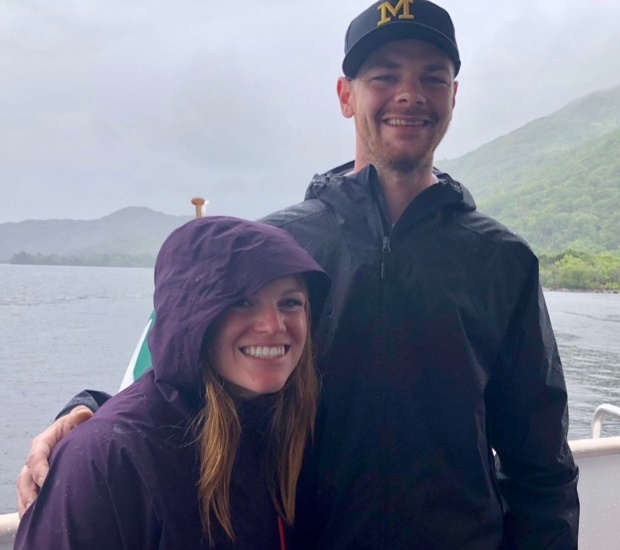
Last month, Cody Corwin (26) from Michigan in the US decided to donate part of his liver to Bernice Ramsey who was diagnosed with a form of liver disease five years ago, People reports.

“I’m speechless! For him to step up and do something for someone I love so much . . . I just love him so much more for it,” Cody’s girlfriend and Bernice’s granddaughter, Shelby Platt (26), said in a recent interview.

“When she got sick I selfishly kept thinking about her missing my wedding. Cody saved her life and I’m forever thankful.”

The grandmother of four has steatohepatitis – a nonalcoholic fatty liver disease, according to the MSD Manual.

Bernice needed a liver transplant but none of her family members was a match.

On discovering that the 71-year-old needed the urgent transplant, Cody, who’s been dating Shelby for three years, didn’t think twice about getting himself tested to see if he’s a match, Good Morning America reports.

“She got really sick and she’s always been one of the sweetest ladies I’ve ever met,” Cody told the morning talk show.

Bernice Ramsey

“When I found out no [family member] was a match I called the Cleveland Clinic and found out I was. I felt like it’s something I had to do for her.”

The surgery took place on 25 February at the Cleveland Clinic in Ohio and Bernice’s liver is now fully functioning. Cody, who hopes to go back to work soon, is recovering well, ABC News reports.

“How do you thank somebody?” Shelby’s mom, Heather, asked.

Shelby Platt and Cody Corwin

“For Cody, he had so much to lose. There’s a lot that can go wrong. There’re no guarantees and for him to be so selfless and say, ‘I’ll do this for you’, it just means the world to us.”

Sources: People, Good Morning America, ABC News

Images: GoFundMe page

Share Button

Health24.com | 19-year-old contracts TB from biological dad she hadn’t seen in 18 years

When Jade October from Kuils River, Cape Town, met her biological dad again after 18 years, she didn’t realise her life would change drastically.

The 19-year-old was diagnosed with tuberculosis (TB) in September 2018 after she visited her biological dad, Elroy October, when he was in hospital. Elroy suffered from TB and died from the disease in April of that year.

After experiencing a persistent fever and chronic cough, doctors at Melomed Bellville Private Hospital diagnosed the second-year criminology student with the infectious disease.

On Sunday, 24 March, also world TB day, the ESL (English as a Second Language) teacher completed her last round of medication and is feeling positive about her recovery.

Despite the stigma around the disease, Jade, who recently joined the organisation TBproof, has decided to share her journey with TB to bring awareness to the debilitating disease.

Here’s her story:

“I’m a 19-year-old female, a daughter, sister and partner. I’m also a teacher and student who contracted pulmonary TB.

In April 2018 I lost my biological father, whom I never had contact with for 18 years of my life, to my TB.

In the final stages of his life, I went to visit him at the hospital and this is how I contracted the disease. Because I wasn’t educated about what TB and its symptoms were, I lived with a disease which I had no clue about for months.

Many days I felt weak but I kept pushing. I completed my first semester of studies, I worked two jobs as per usual but deep down I knew something wasn’t right.

My energy levels were low and I had terrible symptoms which only became worse.

In September 2018 due to chronic coughing and three misdiagnoses I was sent by my GP to have an X-ray performed.

The results were handed to me and because of my curiosity I opened it and the closing statement ended in “features highly suspicious for P TB”.

I remember crying for that entire day because of my fear that my life would be taken from me.

I was too ashamed to share my story, not even with those closest to me because I feared the stigma that would be placed on me.

I started my treatment later that month and in the beginning, I took six tablets daily for two months.

It was an unforgettable experience. Many mornings I sobbed because of the struggle I faced to digest the medication, I struggled to eat, I was so weak I slept for hours and hours on end.

Many days I found myself bent over the toilet seat unable to stomach a meal. I just had one thing in mind: to never allow others to see my struggle.

My family was my greatest support system, my partner pushed me to believe that I could conquer my TB.

After two months my medication was reduced to three pills a day. Good and bad days came, there were times my partner would beg me to take just one more bite of my food, so I could gain energy.

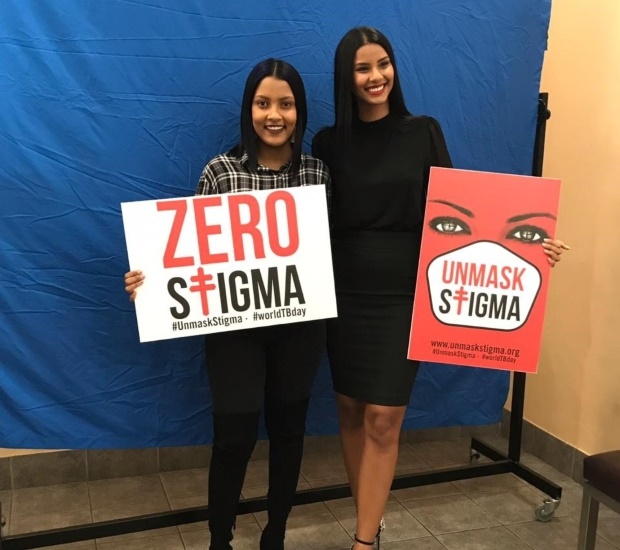
Jade October and Tamaryn Green

This journey left me with two decisions: either you become a victim of your circumstance or you soldier through your battle.

I decided that even if my story just changed the mindset of one person, educated just one person it would be worth sharing.

There’s hope, it’s curable and you can maintain a healthy and balanced lifestyle.

In the words of TB advocate, Dr Zolelwa Sifumba ‘TB makes us all a demographic, as it lives in the air and anyone can breathe it in, so speak your truth as you never know who you could be helping.’

My name is Jade October and I’m a TB survivor.”

Image credit: Supplied

Share Button

Bangladesh woman with two wombs has twins one month after first birth

Doctors in Bangladesh performed a Caesarean on her after discovering she had twins in a second uterus.

Share Button

Lip fillers: ‘Perfect storm’ due to lack of regulation

The number of complaints about dermal fillers has almost quadrupled in Wales since 2015, a group says.

Share Button

How many cigarettes in a bottle of wine?

A study suggests it is 10 for women and five for men, in a bid to communicate the health risks of drinking.

Share Button

The woman who doesn’t feel pain

Jo Cameron is one of two people on Earth known to have a mutation that means she feels almost no pain.

Share Button