Health24.com | Going deaf – a story of gradual hearing loss

According to 2012 World Health Organization (WHO) global estimates on the prevalence of hearing loss, approximately 15% of the world’s adult population has some degree of hearing impairment.

The prevalence increases with age – from 1.7% in children to almost 33% in adults older than 65 years.

In South Africa, approximately 10% of the population has significant hearing loss, but only about 2% seek treatment. It takes an average of seven years to seek help.

‘Everybody is mumbling’

There are many causes of hearing loss, which can be temporary or permanent. Temporary causes include noise-induced hearing loss, a blocked ear canal and ototoxic medication.

Permanent hearing loss can be inherited (congenital) or caused by loud noise, an ear infection, ageing or injury to the head or ears.

Hearing loss caused by age and exposure to noise are the two most common reasons for gradual loss of hearing. People might complain that everybody is mumbling and get frustrated because they are missing parts of conversations.  

According to the National Institute on Deafness and Other Communication disorders (NIDCD), you may be suffering from gradual hearing loss if:

  • You sometimes feel embarrassed when you meet new people because you struggle to hear.
  • You feel frustrated when talking to family members because you find it difficult to hear them.
  • You have difficulty hearing or understanding co-workers, clients or customers.
  • You have difficulty hearing when visiting friends, relatives or neighbours.
  • You have trouble hearing in the movies or in the theatre.
  • Hearing problems cause you to argue with family members.
  • You have trouble hearing the TV or radio at levels that are loud enough for others.
  • You feel that any difficulty with your hearing limits your personal or social life.
  • You have trouble hearing family or friends when you are together in a restaurant.

Noise exposure

The NIH explains that loud sounds can be harmful to the ears, both when the exposure is brief and in cases where it is long-lasting. Loud sounds can damage sensitive structures in the inner ear and cause noise induced hearing loss (NIHL). The louder the sound, the more quickly NIHL is likely to happen.

NIHL can have an immediate effect or it can take a while to be noticeable. It can also be temporary or permanent and affect one or both ears. We can safely be exposed to sounds ranging from 0 to 85dB. Anything louder than that can damage our hearing. An ambulance siren measures about 125dB, while normal human speech is around 65dB.

Target shooting and hunting can put you at risk for NIHL, and young adults and teens who listen to their iPods or MP3s through headphones for hours every day are reportedly being diagnosed with hearing at the level of 50-year-olds. Others who frequent nightclubs or play in bands can also experience long-term effects on their hearing. 

Effects of ageing

Age-related hearing loss (presbycusis) is one of the most common conditions affecting older adults and gradually happens in most of us as we grow older. It also mostly occurs in both ears and because it happens gradually, many people don’t realise that they’ve lost some of their hearing ability.

According to Action On Hearing Loss, the main cause of age-related hearing loss is wear and tear to the tiny sensory cells known as hair cells in the cochlea. (The cochlea is the spiral-shaped cavity of the inner ear that contains nerve endings essential for hearing.) Genetic factors can, however, also play a part.

Implications of hearing loss

Many people, after being diagnosed with hearing loss, are not keen to admit it, and a US study by the National Council on Aging (NCOA) found that three out of five older subjects who suffer from hearing loss did not use hearing aids.

Studies have found that hearing loss may lead to:

  • Irritability and anger
  • Tension, stress and depression
  • Avoidance of social situations
  • Feelings of rejection and loneliness
  • Reduced alertness
  • Reduced ability to learn new tasks
  • Compromised job performance
  • Compromised psychological and overall health

How to remedy the situation

Hearing loss that originates in the inner ear and/or auditory nerve, caused by damage to the hair cells is called sensorineural hearing loss.

Sensorineural hearing loss is a permanent condition, and because it’s not possible to restore the lost hearing, the best remedy, in cases where hearing loss is not complete, is using a hearing aid.

Image credit: iStock

Share Button

Why to be wary of eating ‘pink’ lamb

The Food Standards Agency says hundreds of people have become ill after eating the undercooked meat.

Share Button

Health24.com | Should you be using feminine hygiene products?

Regularly checking your vagina should be an important part of your self-care routine. Anything out of the ordinary can end up being uncomfortable, painful or downright embarrassing, making it vital to talk to your doctor or gynaecologist if you suspect something is wrong.

You might want to ensure things are clean down there, especially during the warmer months. It is, however, important to bear in mind that the vagina is self-cleaning.

A specific pH balance

Why is there then such a huge market for feminine hygiene products such as feminine washes, wipes and gels when it is a misconception that any secretion or discharge from the vagina is “dirty”? It may be because advertisers and marketers of these feminine products have been subtly pushing the need always to be “fresh” for decades.

While it’s normal for the vagina to sometimes have a slight odour, using any scented products as part of your hygiene regiment is a bad idea. The vagina has a specific pH balance, and anything that throws this off can make it prone to infections.

Washing with water and plain soap with a balanced pH level should be all it takes to keep the vagina clean and healthy.

According to Dr Hailey MacNear, an obstetrician and gynaecologist at Folsom OBGYN in the USA, less is most certainly more when it comes to vaginal hygiene. “The vagina is a delicate ecosystem and problems can arise if there is a shift in the balance. The vagina is meant to be a self-cleaning system and many organisms already live in the vagina and are kept at healthy levels by coexisting with other organisms.”

Bacterial vaginosis

A study published in the International Journal of Innovative Research and Development states that anything that upsets the balance of the vaginal environment can cause overgrowth of otherwise normal microbes, such as Candida albicans, to cause vaginal infections.

When the environment of the vagina is disturbed, it can also lead to the growth of potentially pathogenic microbes, which will overshadow the good bacteria.

According to a paper presented at the University of Kent, many studies have pointed out that there is a significant correlation between the use of feminine washes and vaginal infections.

This paper highlights a specific study that showed that the use of scented and antiseptic products was more common in women with bacterial vaginosis. This infection was three times more common in women who regularly used products on their vulvar and vaginal regions.

Choose wisely

Not all feminine hygiene products are the same, and many of them are now made without surfactants like ammonium lauryl sulphate and sodium lauryl sulphate.

Brands with milder ingredients and better formulation have been shown to reduce the number of harmful pathogens, decreasing the risk of infection without affecting the surrounding beneficial bacteria.

Some safe practices

Here are some tips for practising safe vaginal hygiene:

  • Wash with cool to lukewarm water.
  • Don’t use any harsh or fragranced soaps, lotions or bath products.
  • Wear cotton underwear.
  • If you want to incorporate a feminine wash in your routine, do your research carefully and look at the ingredients first.
  • Only use soft, white toilet paper.
  • Avoid wearing damp clothing, such swimwear or workout gear, for too long after you’ve finished swimming or exercising.

Image credit: iStock

Share Button

Health24.com | 4 breast cancer myths which often affect prevention, treatment

There are four common myths about breast cancer that can affect prevention and treatment of the most common type of cancer in women, an oncologist says.

The first is believing you’re not at risk because no one in your family has cancer.

“Less than 10% of breast cancers are linked to genetics or linked to genes that you get from your family,” said Dr. Parvin Peddi, an oncologist at the University of California, Los Angeles.

“So just because no one in your family has breast cancer does not mean you cannot get it,” Peddi said in an UCLA news release. “In fact, more than 90% of breast cancers are not linked to any family history whatsoever.”

Another myth is that sugar causes breast cancer.

“While simple carbohydrates are not good for anyone, sugar does not cause breast cancer or any other cancer in particular,” Peddi said. “Therefore, there’s no reason to completely eliminate sugar from your diet.”

However, to reduce cancer risk, women should eat mostly vegetables, fruits and whole grains and reduce consumption of red meats, processed meats and sweets, the American Cancer Society recommends.

A third myth is that there’s nothing women can do to reduce their risk of breast cancer.

“Actually, exercise, maintaining good body weight and limiting the intake of alcohol all have been linked to decreased risk of breast cancer,” Peddi said.

Finally, some people mistakenly believe early detection of breast cancer won’t change a patient’s diagnosis.

“When patients come to my clinic with early breast cancer, I can actually help cure them of the disease. When the cancer is discovered at a later stage, the chances of a cure are much less achievable,” Peddi said.

“So it does make a difference to get your mammograms on time as recommended, to help catch the disease at an early stage,” she said.

The US Preventive Services Task Force suggests women begin having mammograms at age 50, while the American Cancer Society recommends starting at age 45.

Image credit: iStock

Share Button

Philip Morris accused of hypocrisy over anti-smoking ad

Philip Morris says its campaign is “an important next step” in its aim to stop selling cigarettes.

Share Button

‘Treatment may extend advanced breast cancer survival’

Combining a drug with hormone therapy may extend the lives of some women with advanced breast cancer.

Share Button

Infected blood victims’ support payments ‘must increase’

Victims of the NHS scandal have written to the health secretary asking for an immediate increase in support.

Share Button

Health24.com | Don’t worry, your sex life will still be on fire even when you’re way, way older

Turns out the old saying “it ain’t over till it’s over” is true – at least when it comes to your sex life.

The National Poll On Healthy Aging, conducted by the University of Michigan, asked 1 002 adults between the ages of 65 and 80 about their sex lives. According to the results, 40% said they were currently sexually active. And among the three-quarters who have a romantic partner, 54% are getting busy.

And they’re not just going through the motions, either: When asked if they are satisfied with their current sex life, 73% of seniors polled answered with a thumbs up.

Read more: “I married a man 26 years older – and my sex life is amazing”

“This survey just confirms that the need for and interest in sexual intimacy doesn’t stop at a certain age,” Dr Alison Bryant, senior vice president of research for AARP said in a press release. (Which honestly, Blanche from Golden Girls has been telling us since 1985…)

The survey also revealed that healthy seniors were more sexually active compared to those with “fair” or “poor” health (45 versus 22%). Let that inspire you to continue eating your veggies and waking up for your morning run!

Read more: This is exactly how your weight affects your sex life

Both sexes mostly agreed that sex is an important part of a relationship – 84% of men and 69% of women.

That said, there seems to be a bit of a gender gap when it comes to senior sex, and it doesn’t favour the ladies. In the survey, half of men aged 65 to 80 were extremely or very interested in sex compared with just 12% of women in the same age range. Also, women were less likely than men to be sexually active – 31% compared with 51% of men.

But there’s a silver lining: When it came to sexual satisfaction, women were more likely to be extremely or very satisfied. Long live your steamy sex life!

This article was originally published on www.womenshealthmag.com

Image credit: iStock 

NEXT ON HEALTH24X

Share Button

Health24.com | This is exactly how to escape a botched bench press

Want to avoid a botched bench press? If you insist on going solo at the bench, remove the collars from the bar. The risk of having to re-rack the bar if the weights slip is eclipsed by the potential benefit of saving your rib cage when your muscles give out.

Read more: 5 epic bench press fails

If you do find yourself failing, use your remaining strength to carefully lower the bar to your chest – but don’t let it rest there, or else you may injure your ribs.

Keep as much upward pressure going as you can so you aren’t crushed.

Inch your dominant hand toward the end of the barbell so that the weight gradually slides off the opposite end.

Read more: You need to do this exercise if you bench press a lot

As the one side of the bar dumps the weight, the unevenly weighted bar will quickly make the weights on the other side dump off as well.

Keep a firm grasp on the bar so it doesn’t rocket skyward.

Push the empty bar to the rack and breathe a sigh of relief.

Read more: You can use a bench to build bolder shoulders. Here’s how to do it

Next time you approach the bench, ask for a spotter! You don’t want to end up like this guy:

<sup><br _moz_dirty=”” /></sup>

This article was originally published onwww.mh.co.za

Image credit: iStock

Share Button

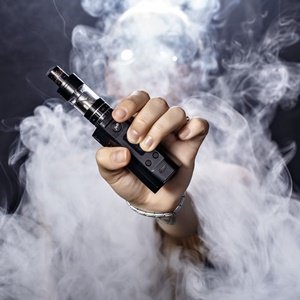
Health24.com | Smoking e-cigarettes could significantly slow healing of wounds

Smoking electronic cigarettes could slow the healing of skin wounds as much as regular cigarettes, according to a new study on rats.

“Based on our findings, e-cigarettes are not a safe alternative to traditional cigarettes as it relates to timely wound healing,” said study corresponding author Dr Jeffrey Spiegel. He’s chief of facial plastic surgery at Boston Medical Center.

It’s long been known that smoking regular cigarettes impairs wound healing, and surgery patients are advised to avoid smoking for several months before an elective operation.

Some smokers believe e-cigarettes are safer than regular smokes. But there has been little research into whether that’s really the case, particularly following an operation.

In this study, laboratory tests on rats showed that both e-cigarettes and regular cigarettes resulted in increased tissue death, which delays wound healing.

“Providers, and patients, need to understand the risks of both types of smoking so that they can make the best decision to keep the patient as safe as possible before and after surgery,” Spiegel said in a medical center news release.

The results were published October 18 in the journal JAMA Facial Plastic Surgery.

The researchers admit that there is a paucity of clinical evidence in humans, and that further studies are warranted

Research involving animals may not provide the same results in humans.

Image credit: iStock

Share Button