This tiny pill could change how we diagnose gut health

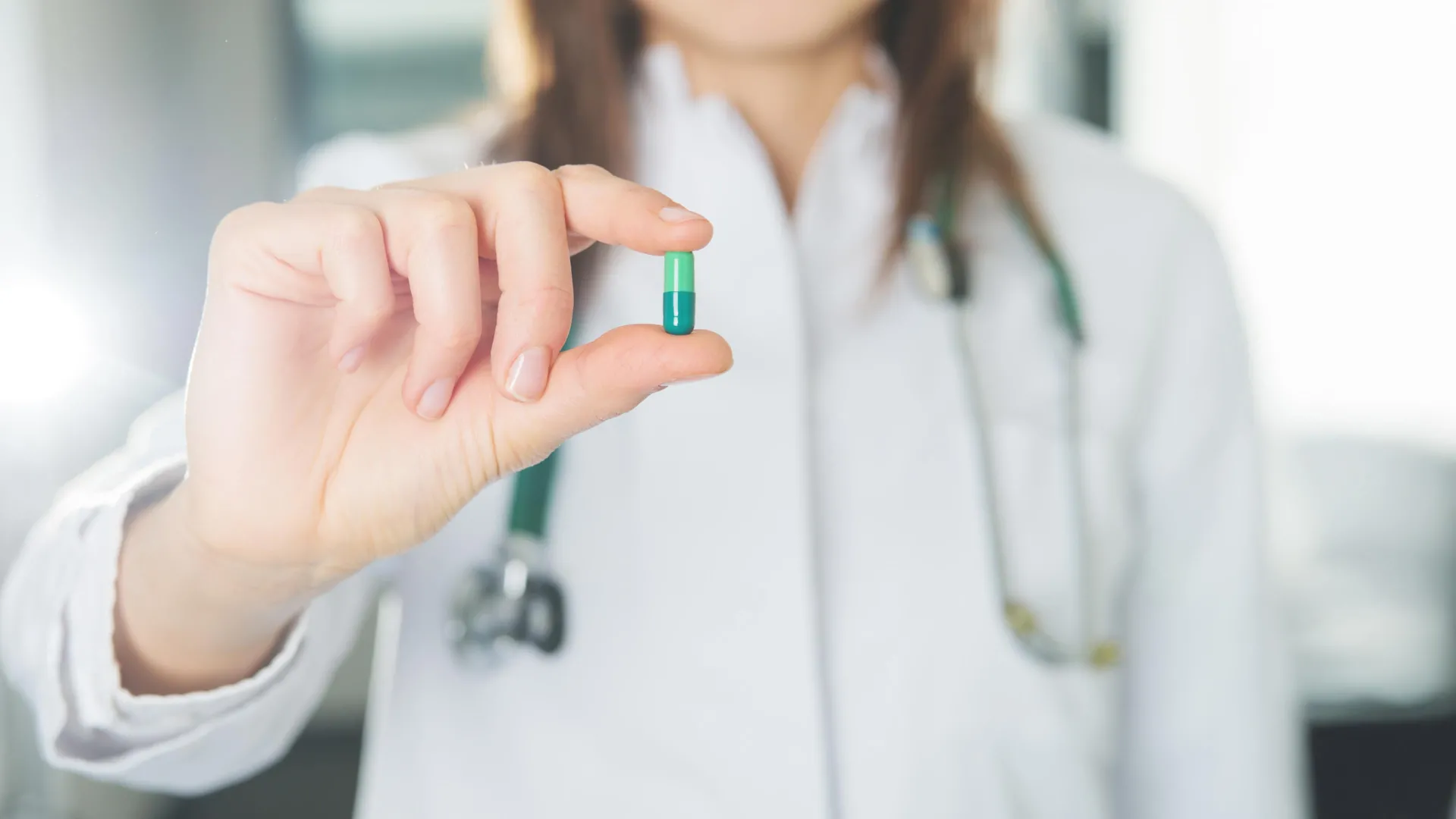
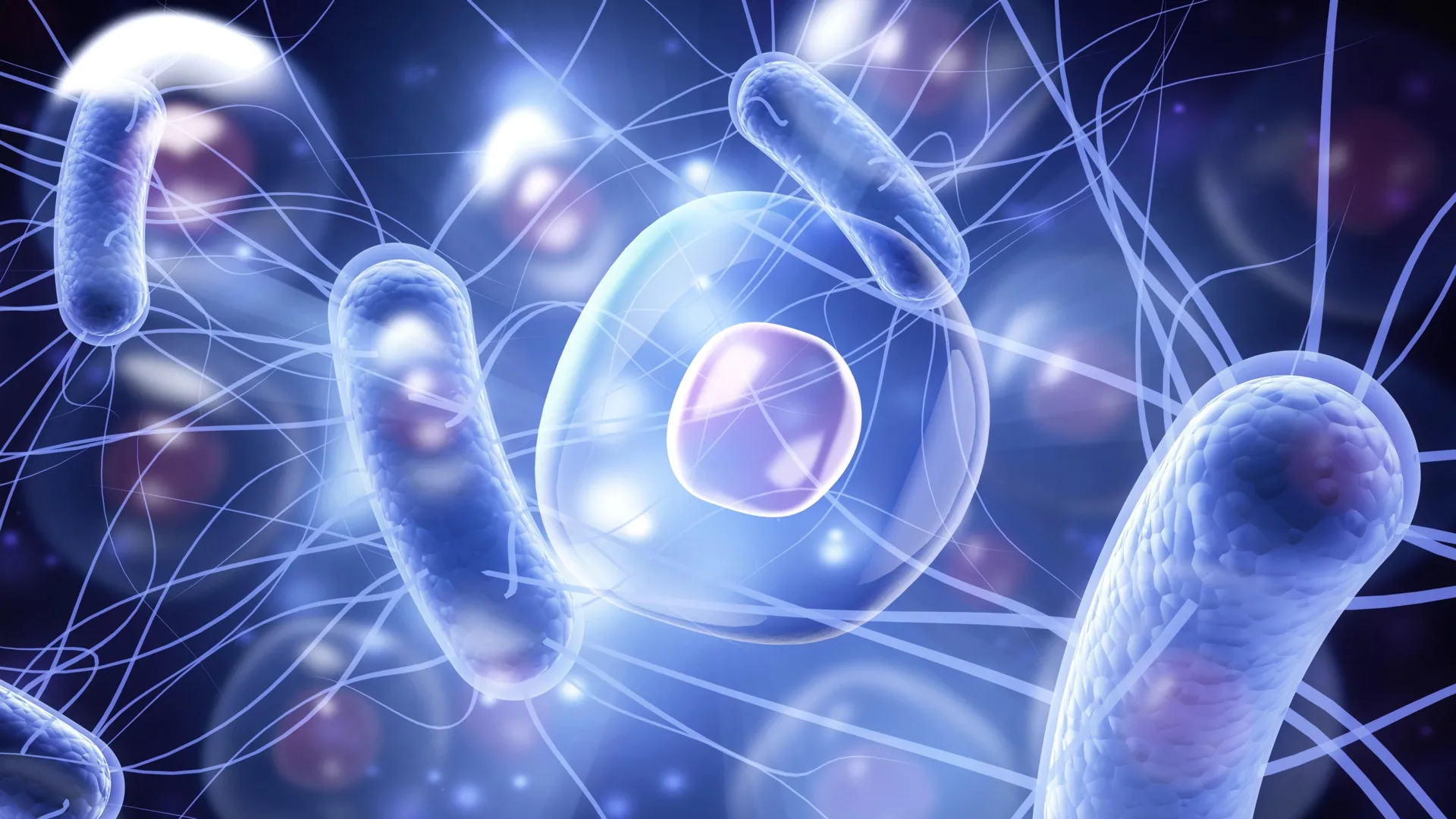
Move over, colonoscopies — researchers writing in ACS Sensors report that they have created tiny microspheres filled with bacteria that can sense the presence of blood, a key sign of gastrointestinal disease. These microspheres function like miniature “pills” that are swallowed and include magnetic particles so they can be easily collected from stool. After passing through mouse models with colitis, the sensors detected gastrointestinal bleeding within minutes. The team notes that the same bacterial system could eventually be engineered to identify other gut-related conditions.

“This technology provides a new paradigm for rapid and non-invasive detection of gastrointestinal diseases,” says Ying Zhou, a co-author of the study.

Why Easier, Noninvasive Gut Diagnostics Are Needed

In the U.S., millions of people live with colorectal cancer or inflammatory bowel disease, including colitis, which can lead to intestinal bleeding, diarrhea and abdominal pain. Colonoscopy remains the gold-standard diagnostic tool. It relies on an endoscope, a camera-tipped flexible device that is carefully guided through the large intestine. Although it provides valuable medical insight, many individuals hesitate to undergo the procedure because it requires extensive preparation and can feel invasive. To develop an alternative, Zhou, Bang-Ce Ye, Zhen-Ping Zou and colleagues are exploring the use of bacteria that detect biomarkers such as heme, a component of red blood cells that signals bleeding inside the gut.

Building Bacterial Sensors That Survive Digestion

The team previously designed bacteria that emit light when they encounter heme, but the early versions broke down during digestion and were difficult to retrieve afterward. In the new study, the researchers protected the bacteria by enclosing them, along with magnetic particles, inside small droplets of sodium alginate, a thickening ingredient commonly found in foods. This produced sturdy hydrogel microspheres that travel through the digestive tract and can be removed from stool with a magnet. Initial laboratory tests confirmed that the hydrogel shield allowed the bacteria to survive simulated digestive conditions while still letting heme reach the sensor and trigger a glow.

Testing the Microspheres in Mouse Models of Colitis

The researchers then gave the microspheres orally to mice with varying levels of colitis, ranging from no disease activity to severe inflammation. After the spheres moved through the gastrointestinal tract, the team retrieved them using a magnet and reported three key findings:

  • Microsphere cleanup and signal analysis required about 25 minutes.
  • The sensors produced stronger light signals as disease severity increased, indicating higher levels of heme in animals with more advanced colitis.
  • Tests in healthy mice showed that the microspheres were biocompatible and safe.

Future Potential for Human Testing and Disease Monitoring

Although the technology has not yet been evaluated in humans, the researchers suggest that encapsulated bacterial sensors could one day help diagnose gastrointestinal diseases, monitor treatment responses and track changes in disease over time.

The authors acknowledge funding from the National Natural Science Foundation of China, the National Key Research and Development Program of China, and the China Postdoctoral Science Foundation.

Share Button

Delayed action before 2020 Christmas lockdown ‘inexcusable’

Baroness Hallet says ministers failed to take “decisive action” against an “entirely foreseeable” variant.

Share Button

Biggest prostate cancer screening trial in decades begins in UK

The study aims to find the best way to detect prostate cancer – the most common cancer in men in the UK.

Share Button

What’s in the Covid inquiry report… in 68 seconds

The report looks at whether lockdowns were timely and reasonable, and what impact rule-breaking at the heart of government had on public confidence.

Share Button

‘Toxic’ No 10 culture harmed Covid response, inquiry finds

Boris Johnson, Dominic Cummings and Matt Hanock are all criticised for contributing to poor Covid decision-making.

Share Button

UK did ‘too little, too late’, leading to thousands more Covid deaths – inquiry

Report on government decision-making says delays cost 23,000 lives in the first wave in England.

Share Button

Lockdown could have been avoided – key findings from Covid inquiry

The long-awaited report is published into how well or badly the government handled the Covid pandemic.

Share Button

Trans people could be barred from services based on appearance

The new code of practice on access to single-sex services cannot gain legal force until it gets sign-off from ministers.

Share Button

Why saving microbes may be the most important conservation effort ever

A newly released study describes how researchers collaborated to design the first comprehensive roadmap for protecting microbial life. The effort was led by Professor Jack Gilbert, President of Applied Microbiology International.

The work appears in the article titled ‘Safeguarding Microbial Biodiversity: Microbial Conservation Specialist Group (MCSG) within the Species Survival Commission of the International Union for Conservation of Nature (IUCN)’, published in Sustainable Microbiology, an AMI journal.

Launching a New Global Effort Through the IUCN

In July 2025, the IUCN formally created the MCSG within its Species Survival Commission. The group is co-chaired by Professor Gilbert and Raquel Peixoto (KAUST / ISME). Its formation followed a May workshop led by Professor Gilbert that brought together conservation specialists and microbiologists to explore how traditional conservation goals apply in a world driven by microbial processes.

“This is the first global coalition dedicated to safeguarding microbial biodiversity, which is the ‘invisible 99% of life’, to ensure that microbes are recognized as essential to the planet’s ecological, climate, and health systems,” Professor Gilbert said.

He added: “I think this reframes conservation from saving individual species to preserving the networks of invisible life that make visible life possible — a paradigm shift toward planetary health. It also gives us a really good look into the microbial tools that can support conservation action — so that we may use microbiology to solve the world’s biggest problems.”

Why Microbial Biodiversity Matters for the Planet

Microbes are central to soil fertility, carbon cycling, marine productivity, and the health of plants and animals. Despite this, they rarely appear in conservation policy. Professor Gilbert noted that overlooking microbial diversity weakens climate resilience, food security, and ecosystem restoration efforts. He explained: “The MCSG fills this gap by embedding microbiology directly into IUCN’s conservation machinery, i.e. using Red List criteria, ecosystem assessments, and restoration programs, to make microbes visible in policy, not just in science.”

Building a Global Network to Guide Microbial Conservation

Over the past two years, the founding members have assembled an international community of microbiologists, ecologists, legal experts, and Indigenous knowledge holders from more than 30 countries. Together, they created the first microbial conservation roadmap, outlining five core components of the IUCN Species Conservation Cycle:

  • Assessment — develop Red List-compatible metrics for microbial communities and biobanks.
  • Planning — create ethical and economic frameworks for microbial interventions.
  • Action — pilot restoration projects using microbial solutions (coral probiotics, soil carbon microbiomes, pathogen-resistant wildlife).
  • Networking — connect scientists, culture collections, and Indigenous custodians worldwide.
  • Communication & Policy — launch public and policy campaigns, including “Invisible but Indispensable.”

Early work is supported by funding from the Gordon & Betty Moore Foundation, along with in kind support from AMI and ISME. This first phase focuses on mapping microbial hotspots, building conservation indices, and linking existing microbial biobanks into a coordinated global archive.

Overcoming Scientific and Ethical Challenges

Professor Gilbert explained that creating a conservation framework for microscopic life comes with complex scientific and conceptual barriers. These challenges include:

  • Determining what qualifies as a “microbial species” within Red List criteria.
  • Integrating genomic and ecological information into systems originally developed for plants and animals.
  • Addressing the belief that microbes are too resilient or too complicated to require protection.

“Microbial conservation must contend with enormous unseen diversity and highly dynamic community structures that defy classical species concepts. Taxonomic instability, lack of long-term baselines, and the ethical handling of microbial samples (including Indigenous or human-associated microbiota) all require new definitions of ‘loss’, ‘restoration’, and ‘rights of microbes’,” he said.

He added, “But a major landmark came when the IUCN approved the MCSG as a formal Specialist Group — officially extending global conservation to microbes for the first time.”

Plans for the Next Phase of Conservation Work

The group’s upcoming goals include:

  • Developing the first Microbial Red List framework by 2027.
  • Creating global maps of microbial hotspots across soil, marine, and host-associated systems.
  • Testing conservation strategies such as microbial bioremediation, coral probiotics, and soil carbon restoration.
  • Ensuring microbial indicators are incorporated alongside plants and animals in IUCN and UN biodiversity targets by 2030.

What Is Needed for Long-Term Progress

Sustained investment will be essential to expand global microbial monitoring networks. Future progress also depends on integrating microbes into national biodiversity and climate strategies, including “30 by 30” and One Health policies. Another key priority is building “public microbial literacy — recognizing microbes as the foundation of ecosystem and human health.” The roadmap also highlights the importance of digital-twin and AI tools to anticipate how microbial communities will respond to environmental change.

The paper was published today (November 20) in Sustainable Microbiology.

Share Button

Could Stress Be Responsible For Your Bloating, Bad Skin And Hair Loss? Doctors Weigh In

If you’ve scrolled social media at all over the past few years, you’ve probably come across content warning of the dangers of high cortisol levels in your body. Countless influencers claim that the hormone causes poor sleep, depression and even a range of beauty issues, from wrinkles to puffy faces and thinning hair.

While it would be useful to have a single culprit for all of our beauty woes, is cortisol really to blame? We asked some leading dermatologists and hair restoration experts to explain what cortisol is and why it has such a bad reputation when it comes to beauty woes.

What is cortisol?

According to Dr. Tanya Kormeili, a board-certified dermatologist with the Derm and Rejuvenation Institute in Santa Monica, California, “Cortisol is a hugely necessary steroid hormone without which we would all be dead.” Although too much cortisol can be harmful in rare cases, for most people, cortisol is not the enemy it’s made out to be, she explained.

How much of our looks can we control if so many elements are affected by stress?

Klaus Vedfelt via Getty Images

How much of our looks can we control if so many elements are affected by stress?

Cortisol is a steroid hormone produced by the adrenal glands, explained Dr. Michelle Draznin, a board-certified dermatologist with Kaiser Permanente. It’s commonly known as “the stress hormone” because our bodies produce extra cortisol to trigger the body’s fight-or-flight response when we are under acute stress, explained Dr. Corrie Alford, a board-certified dermatologist with MetroDerm in Atlanta, Georgia. When that happens, “cortisol increases blood pressure, heart rate and muscle tension,” Alford said.

However, cortisol does a lot more than help us escape a pride of lions. It’s critical for maintaining appropriate organ function and regulating blood pressure, glucose levels, immune response and the sleep-wake cycle, according to Alford.

There’s a difference between short-term spikes and chronically excessive cortisol levels.

Because cortisol naturally rises and falls in sync with the rhythm of our days, for most people, periodic high cortisol levels are not harmful to their health or appearance. “It is highest early in the morning in order to get people up and going, and lowest late in the evening in order to facilitate sleep,” Draznin explained.

Additionally, “during short periods of high stress or trauma, cortisol levels increase rapidly,” Alford said. For example, cortisol increases when we are under mental stress, such as trying to meet a deadline at work, after a fight with a friend, or reading about geopolitical events. Cortisol also increases when we are under physical stress, such as strenuous exercise or exposure to extreme temperatures, she explained.

Chronically high cortisol levels are another story. “Very high constant stress” can cause excess cortisol over a prolonged period of time, although that is rare, Draznin explained. Other conditions that can cause long-term excess cortisol production include adrenal gland tumors, pituitary gland tumors and long-term steroid use for autoimmune diseases or cancer, she added. Chronically high cortisol can suppress your immune system function, increase inflammation and cause hypertension, elevated glucose and fatigue.

High cortisol levels can change our skin.

Excess cortisol reduces the production of the skin’s building blocks, collagen and elastin, Alford explained. “As their production slows, the skin becomes thinner and more prone to premature wrinkles and stretch marks,” she said.

Too much cortisol can also lead to altered oil production, resulting in acne, dry skin or both, Alford explained. “Because cortisol causes androgen production, sebum levels rise and acne is inevitable. Additionally, cortisol slows down epidermal cell turnover so skin can look dull and flaky,” Kormeili said.

High cortisol levels can also cause melasma, or dark patches on the skin, she added. Chronically elevated cortisol can also slow wound healing, leading to scarring, she said.

Too much cortisol long-term can change how our faces and bodies look.

High cortisol can also lead to facial adiposity, a build-up of fat that can change the shape of your face, Draznin explained. This is sometimes called “moon face,” because it makes the front of the face so round that it can be difficult to see a person’s ears from the front. Excess cortisol can also cause fat accumulation behind the neck, known as buffalo hump, according to Kormeili.

Moreover, excess cortisol can increase sodium retention, leading to fluid buildup in tissues. Fluid buildup can cause a bloated-looking face and puffy eyes, Draznin explained. Additionally, at high levels, cortisol can alter digestion. This can cause abdominal bloating and distention, she said.

Chronically high cortisol can cause “wear and tear” on our bodies.

If you’re under a lot of stress, your cortisol levels might remain high throughout the day. “By nighttime, you are crashing into fatigue rather than the natural decline of cortisol levels to help in gentle sleep regulation,” Kormeili said. This can prevent you from getting a good night’s sleep, leaving you looking tired and haggard when you wake up.

In more general terms, “chronic stress and high cortisol levels are increasing the wear and tear on our body, which we call allostatic load,” Kormeili said. This can lead to premature aging, including how we look.

Hair loss related to high cortisol levels “generally occurs roughly three months after an immense stressor and reverts to normal three months after the stressor has subsided,” explained Dr. Michelle Draznin.

PixelsEffect via Getty Images

Hair loss related to high cortisol levels “generally occurs roughly three months after an immense stressor and reverts to normal three months after the stressor has subsided,” explained Dr. Michelle Draznin.

High cortisol over a long period of time can cause hair loss.

Chronically high levels of cortisol can also be a factor in hair loss, explained Dr. Yücel İskender, chief medical officer and board member at NOVE Group, a hair transplant center in Turkey. Excess levels of cortisol can disrupt the hair’s natural growth cycle by prematurely forcing hair follicles into the telogen, or resting, phase of hair growth, he explained. “This leads to the widespread shedding we call telogen effluvium,” İskender said.

High cortisol can also reduce the amount of oxygen that reaches the scalp and cause an imbalance in hormones that play a role in how our hair looks and how much we have, he said. “Over time, this combination of stress, inflammation and hormonal disruption can make hair more fragile and prone to shedding,” İskender explained.

Hair loss related to high cortisol levels “generally occurs roughly three months after an immense stressor and reverts to normal three months after the stressor has subsided,” Draznin explained. If hair does not return to its normal appearance on its own, lifestyle changes to reduce stress or medical or pharmacologic options such as topical minoxidil may help, İskender said. Hair transplants are usually only recommended for permanent hair loss and generally would not be appropriate for temporary thinning related to high cortisol levels related to stress, he explained.

Is there anything we can do to control high cortisol?

Although social media is full of reels promising fail-proof ways to control cortisol to help you look your best, they probably won’t work. “We cannot really control cortisol secretion,” Draznin said. Moreover, absent a serious medical issue that causes chronically high cortisol levels, it’s unlikely that reducing cortisol will solve your beauty problems anyway.

If you’re concerned that you have chronically high cortisol, you should consult with a doctor, Draznin recommended. However, she stresses that just having one symptom of chronically high cortisol, such as dry skin or bloating, isn’t usually cause for alarm.

For those still committed to trying to lower their cortisol levels in hopes of gaining radiant skin, a full head of hair and a flat stomach, Kormeili has some suggestions. “You can stay on top of your cortisol levels by getting adequate sleep, creating relaxation through moderate exercise, laughter and connection to others while eating a balanced diet with proteins and staying away from excess sugars, alcohol and caffeine,” she advised. İskender noted that although moderate exercise may help lower cortisol, excessive exercise can increase cortisol because it puts the body under stress.

Nevertheless, unless your cortisol levels are abnormally high, trying to lower cortisol too much or eliminate it entirely isn’t wise. “Low cortisol is not consistent with survival,” Draznin said.

Share Button