Health24.com | 4 ways to stop feeling so stressed – in 30 seconds or less

We all have days when we aren’t exactly feeling our best. Whether it’s work, relationship trouble or just life in general, our emotions can get the better of us. So where do you turn? A glass (or a bottle) of wine, ice cream, the arms of a loved one maybe. But how many times do we actually turn to ourselves? Personally speaking, very seldom.

But did you know that we can find comfort in ourselves through our own bodies? Here’s how to instantly make yourself feel better through simple but effective physical gestures – in 30 seconds or less.

Read more: These 4 yoga poses improve mood by adjusting your brain chemicals

Stressed? Let’s get physical

Psychotherapist Noa Belling explains, “Our bodies have an innate ability to shift how we feel because our brain receives more information from our body senses than it does from our thoughts about what’s going on.”

She gives posture as an example. “When you feel down, your posture tends to slump, and when you feel up, your posture tends to be more uplifted. Try feeling down with your posture upright or feeling uplifted with your posture slumped. You might find that difficult, or even impossible.”

Okay, now we’re listening…

Why this works

The reason we find the above exercise difficult is because our body lets our brain know how we’re feeling. We’re actually wired to gather information about ourselves from our physical responses and to pick up information about others quickly and non-verbally through their gestures.

“But what might not be as obvious is that your posture can also perpetuate, or cause you to feel, a certain way and that proactively changing your posture can change your mood and mind,” says Belling.

Read more: You definitely need to work out at least two times a week if you want the heart benefits

Science backs it up

Belling shares the science in her new book The Mindful Body. According to psychology professor Richard Petty “the brain has areas that reflect feelings such as confidence, and when the specific area is triggered it’s difficult to tell the difference between natural confidence and temporary confidence as a result of standing up straight. The brain responds in the same way to both. So your confidence can make you stand upright and standing upright can create confidence.”

Here are four ways to feel instantly better. The best part: You don’t even have to leave your chair.

1. Smile!

Yes you might feel a bit silly forcing a smile, but it can make you feel better. Smiling, whether it’s fake or not, can instantly boost feel-good hormones to counteract stress. “It can even help you think more clearly because stress hormones can create a short circuit in your brain that limits or cuts off access to your most mature thinking, instead prioritising more primitive brain regions and the fight, flight, freeze or faint response,” says Belling.

Read more: This is why ‘comfort eating’ is a bad idea for your mental health

2. Hand over heart

No, we aren’t about to sing the national anthem. Placing your hand over your heart – and holding it there for a few seconds – can make you feel better. This is because touch instantly raises oxytocin, the cuddle hormone, making us feel comforted. This position can also help us feel more self-compassionate and compassionate towards others. “So when you feel stressed, or like you’re about to lose your temper, try out a hand to your heart, perhaps allowing a deep breath to follow, and then notice how you respond to what’s in front of you,” says Belling.

3. Balance your posture

If you’re standing, place both your feet evenly on the ground; if sitting, adjust yourself to sit evenly over both hips. “Centering and balancing your posture in this way can not only help your body feel more balanced and comfortable, it can bring about a more balanced outlook and help you to think more clearly when you feel emotional or under pressure,” explains Belling. You don’t have to stay in the position forever – 30 seconds can be than enough for an instant perspective shift.

Read more: 10 signs that someone you know is emotionally unstable

4. Be present

Feeling emotionally stuck or facing a stressful situation? Loosen up. Stretching out areas of tension is a great way to “counteract the tendency to overthink that can sometimes lead you round in spirals of negativity,” says Belling. Also, open your senses in the moment – notice the sights, sounds and smells around you. “When you pay more attention to your environment, a new clarity can emerge.”

This article was originally published on www.womenshealthsa.co.za

Image credit: iStock

Share Button

NHS planning ‘extensively’ for no-deal Brexit

The boss of NHS England says ensuring medical supplies continue is “right at the top of the list”.

Share Button

Health24.com | 8 side effects of hormonal birth control every woman should know

It was the best of times, it was the worst of times: Oh, did that just describe your experiences on hormonal birth control?

While birth control side effects are mostly awesome (less cramps, no unwanted pregnancies!), they can admittedly also be sucky (ahem, blood clots).

Hormonal birth control comes in two forms: Combination (certain types of pills, the vaginal ring and the transdermal patch), which includes both oestrogen and progestin, and progestin-only (IUDs, shots, implants and the mini-pill).

But both types of hormonal birth control come with pretty similar side effects – good, bad and ugly.

These are the most common birth control side effects you should know about:

1. Your acne magically clears up

“Some people have hormonal acne, so a regular cycle and a steadier dose of hormones can help,” says Dr Christine Masterson, chief of the women and children’s service line at Summit Medical Group in New Jersey. But she also warns that breakouts can get worse before they get better, so it’s best to wait up to six months before judging whether or not your hormonal birth control has improved your acne.

Read more: 12 contraceptives you should think about trying – other than the pill

2. You’re gaining weight

Some women experience a temporary amount of weight gain, says Dr Masterson, but this side effect is typically correlated with the amount of oestrogen in the particular pill you are taking (though it can happen on progestin-only options too).

“As the pill has evolved, we’ve been able to lower the amount of oestrogen in the pill and still have it be effective,” she explains. “Less oestrogen can mean less weight gain, so lower-dose pills are helpful for patients experiencing weight gain.”

Woman standing on scale

3. You’re having some pretty serious mood swings

Any time you introduce hormones into your body via birth control, it can cause mood changes. “Having crying spells, not seeing the joy in life and having difficulty getting out of bed are all signs of depression,” says Dr Masterson.

“If you’re experiencing any of those symptoms, or having harming thoughts, experiencing difficulty functioning at work, or your relationships are starting to become affected, you should have a conversation with your doctor,” Dr Masterson adds, especially if you’ve been feeling that way for longer than four to six weeks.

Read more: “My birth control gave me a blood clot” – here’s what you need to know

4. Your periods have gotten less painful

Dysmenorrhea (a.k.a. period pain) can be a bitch, to say the least – but hormonal birth control can help with that. “Hormonal birth control is linked to shorter, lighter and less painful periods, so for women who are really suffering from dysmenorrhea, it can make a tremendous difference,” Dr Masterson says.

If a regular birth control pill doesn’t decrease your symptoms, she recommends talking to your doctor about skipping periods so you at least experience symptoms less often.

Woman with period pain

5. You’re getting fewer and fewer ovarian cysts

If you suffer from regular ovarian cysts (which can cause abdominal pain), taking birth control can reduce the hormonal fluctuations that often contribute to their development, says Dr Masterson.

She notes there may be another benefit for your ovaries, too: A reduced risk of cancer. “We know that women with fewer ovulations in their lives – those with many pregnancies, who used the pill, and who have breastfed – have a decreased chance of ovarian cancer than those who ovulate more in their lifetime,” she says, explaining that abnormal cells can form during the normal pattern of ovulation and cell repair after the egg is released.

Because combination birth control reduces ovulation more than progestin-only kinds, they do provide more protection (though some women taking progestin-only kinds won’t ovulate, so it may protect them, too).

Read more: The new contraceptive that won’t mess with your hormones

6. You’re not getting menstrual migraines as much anymore

“If you have a predictable migraine associated with onset of period, taking hormonal birth control can allow you not to get the migraine in the first place,” says Dr Masterson. A drop in oestrogen is to blame for these intense menstrual headaches (often accompanied by nausea, light sensitivity and dizziness), so a consistent level of oestrogen can help you avoid them.

But the news isn’t all good: Dr Masterson warns that migraine with aura is associated with a higher risk of stroke, and is incompatible with hormonal birth control. “We would take a careful history of a patient with migraines to make sure they are candidates,” she says.

Woman suffering from headache

7. Your boobs are so sore

An increase in oestrogen and progesterone levels after starting hormonal birth control can cause breast changes. Your breasts may become fuller (you may even have to go up a bra size) and/or feel tender, says Dr Masterson.

However, she also adds that the longer you are on it, the more likely it is those side effects will subside.

8. Your risk of blood clots goes way up

The oestrogen in hormonal birth control puts women at an increased risk for a number of medical issues, says Dr Masterson. (So, your risk of these issues decreases if you’re on progestin-only methods.)

“There’s a one in 1 000 risk of deep vein thrombosis (DVT, or when a blood clot forms in a deep vein in the body), so if you experience calf pain, swelling of the legs or shortness of breath, those are serious side effects that need to be addressed by calling the medical emergency hotline or your doctor,” says Dr Masterson.

Also, keep an eye out for signs of a heart attack, like pain in your chest, back, shoulder arm or neck; and signs of a stroke, such as numbness or weakness of the face, arm or leg, a sudden, severe headache or confusion.

Some women are more at risk for these conditions than others, like smokers or those with a family history. So, Dr Masterson says it’s smart for women to have their blood pressure checked regularly, particularly after starting a new birth control, and to pay close attention to any alarming signs.

Woman with birth control pills

This article was originally published on www.womenshealthmag.com

Image credit: iStock 

Share Button

Health24.com | The workout you can do with your kids – and how to raise a fitter family

Keeping up with your kids can be tough. Just ask Christian Bizzotto. He’s the proud father of Milla Star Bizzotto, the youngest competitor in the 24-hour BattleFrog Extreme, a gruelling obstacle race designed by US Navy SEALs.

Bizzotto, 38, is right there next to his mud-covered daughter as they cross the finish line together. And this isn’t the kiddie race: 10-year-old Milla runs with the adults – and beats most of them, too.

Read more: Does your dad need a health intervention?

Just eight years ago, Bizzotto wouldn’t have dreamed of taking on such a challenge. When Milla was a baby, a motorcycle accident left him with a broken back, a herniated disc, a broken foot and hand, and – once he could move again – a broken heart. His wife left him as soon as he recovered.

“I was broken in every sense of the word,” says Bizzotto. He knew he had to make a change. “I had this little kid who looked up at me every day like I was a superhero. But to myself I was a super nothing,” he says. “I wasn’t any of the things she probably saw when she looked up at her dad.”

So Bizzotto started by ditching his diet staples of fast food, cooldrinks, sweets, chips and sugary cereals. Now he guzzles water when he’s thirsty, and eats mostly organic eggs, avocados, nuts, kale, spinach and chard.

Read more: How to lose the dad bod in 4 weeks!

His fitness journey began simply: By running between two dustbins at the beach. First they were 15m apart, then 30m, then 150m, then 1 500m. Eventually he was doing 20km trail runs “for fun”. Now 45kg lighter, Bizzotto co-owns Focused Movement Academy, a training facility in Miami. Milla’s ambitions keep him going.

Hitting the gym with a friend can double the duration of your workout, according to research from Michigan State University. For the Bizzotto family, it’s more like quadruple.

“Practising what you preach is everything,” says Sean Garner, a trainer and father of two. You can’t tell your kids to eat healthily and then let them see you choke down pizza and beer every weekend.

Read more: These 8 fit dads on Instagram will motivate you to step up your game

“They’re watching you, whether you realise it or not,” he says.

The anti-dad-bod plan:

Who needs free weights when a kid’s in the house? Garner has a few ideas.

Bear crawl

Do it: Get on all fours, and tell your child to hop onto your back. Lift your knees slightly; crawl forward and back.

Zercher squat:

Do it: Hold your kid parallel to the floor with your hands under his or her hips and shoulders. Squat.

Read more: How to perfect the pistol squat

Twisting lunge:

Do it: Still holding the child, stand and lunge backward with one foot, twisting your torso. Switch feet.

Weighted push-up:

Do It: Assume a push-up position and get the child to lie flat on your back, arms hanging, during your reps.

Read more: Take this 3 minute push-up test to find out how fit you really are

Weighted V-up:

Do it: Lie face-up on the floor with your child’s torso on your shins. Bring your legs and torso together.

This article was originally published onwww.mh.co.za

Image credit: iStock
NEXT ON HEALTH24X

Share Button

Could psychedelics transform mental health?

Could a drug made from magic mushrooms have the potential to transform how the condition is treated?

Share Button

Air pollution contributes significantly to diabetes globally

New research links outdoor air pollution — even at levels deemed safe — to an increased risk of diabetes globally, according to a study from Washington University School of Medicine in St. Louis and the Veterans Affairs (VA) St. Louis Health Care System.

The findings raise the possibility that reducing pollution may lead to a drop in diabetes cases in heavily polluted countries such as India and less polluted ones such as the United States.

Diabetes is one of the fastest growing diseases, affecting more than 420 million people worldwide and 30 million Americans. The main drivers of diabetes include eating an unhealthy diet, having a sedentary lifestyle, and obesity, but the new research indicates the extent to which outdoor air pollution plays a role.

“Our research shows a significant link between air pollution and diabetes globally,” said Ziyad Al-Aly, MD, the study’s senior author and an assistant professor of medicine at Washington University. “We found an increased risk, even at low levels of air pollution currently considered safe by the U.S. Environmental Protection Agency (EPA) and the World Health Organization (WHO). This is important because many industry lobbying groups argue that current levels are too stringent and should be relaxed. Evidence shows that current levels are still not sufficiently safe and need to be tightened.”

The findings are published June 29 in The Lancet Planetary Health.

While growing evidence has suggested a link between air pollution and diabetes, researchers have not attempted to quantify that burden until now. “Over the past two decades, there have been bits of research about diabetes and pollution,” Al-Aly said. “We wanted to thread together the pieces for a broader, more solid understanding.”

To evaluate outdoor air pollution, the researchers looked at particulate matter, airborne microscopic pieces of dust, dirt, smoke, soot and liquid droplets. Previous studies have found that such particles can enter the lungs and invade the bloodstream, contributing to major health conditions such as heart disease, stroke, cancer and kidney disease. In diabetes, pollution is thought to reduce insulin production and trigger inflammation, preventing the body from converting blood glucose into energy that the body needs to maintain health.

Overall, the researchers estimated that pollution contributed to 3.2 million new diabetes cases globally in 2016, which represents about 14 percent of all new diabetes cases globally that year. They also estimated that 8.2 million years of healthy life were lost in 2016 due to pollution-linked diabetes, representing about 14 percent of all years of healthy life lost due to diabetes from any cause. (The measure of how many years of healthy life are lost is often referred to as “disability-adjusted life years.”)

In the United States, the study attributed 150,000 new cases of diabetes per year to air pollution and 350,000 years of healthy life lost annually.

The Washington University team, in collaboration with scientists at the Veterans Affairs’ Clinical Epidemiology Center, examined the relationship between particulate matter and the risk of diabetes by first analyzing data from 1.7 million U.S. veterans who were followed for a median of 8.5 years. The veterans did not have histories of diabetes. The researchers linked that patient data with the EPA’s land-based air monitoring systems as well as space-borne satellites operated by the National Aeronautics and Space Administration (NASA). They used several statistical models and tested the validity against controls such as ambient air sodium concentrations, which have no link to diabetes, and lower limb fractures, which have no link to outdoor air pollution, as well as the risk of developing diabetes, which exhibited a strong link to air pollution. This exercise helped the researchers weed out spurious associations.

Then, they sifted through all research related to diabetes and outdoor air pollution and devised a model to evaluate diabetes risk across various pollution levels.

Finally, they analyzed data from the Global Burden of Disease study, which is conducted annually with contributions from researchers worldwide. The data helped to estimate annual cases of diabetes and healthy years of life lost due to pollution.

The researchers also found that the overall risk of pollution-related diabetes is tilted more toward lower-income countries such as India that lack the resources for environmental mitigation systems and clean-air policies. For instance, poverty-stricken countries facing a higher diabetes-pollution risk include Afghanistan, Papua New Guinea and Guyana, while richer countries such as France, Finland and Iceland experience a lower risk. The U.S. experiences a moderate risk of pollution-related diabetes.

In the U.S., the EPA’s pollution threshold is 12 micrograms per cubic meter of air, the highest level of air pollution considered safe for the public, as set by the Clean Air Act of 1990 and updated in 2012. However, using mathematical models, Al-Aly’s team established an increased diabetes risk at 2.4 micrograms per cubic meter of air. Based on VA data, among a sample of veterans exposed to pollution at a level of between 5 to 10 micrograms per cubic meter of air, about 21 percent developed diabetes. When that exposure increases to 11.9 to 13.6 micrograms per cubic meter of air, about 24 percent of the group developed diabetes. A 3 percent difference appears small, but it represents an increase of 5,000 to 6,000 new diabetes cases per 100,000 people in a given year.

In October 2017, The Lancet Commission on pollution and health published a report outlining knowledge gaps on pollution’s harmful health effects. One of its recommendations was to define and quantify the relationship between pollution and diabetes.

“The team in St. Louis is doing important research to firm up links between pollution and health conditions such as diabetes,” said commission member Philip J. Landrigan, MD, a pediatrician and epidemiologist who is the dean for global health at Mount Sinai School of Medicine in New York and chair of its Department of Preventive Medicine. “I believe their research will have a significant global impact.”

Share Button

NHS England to stop ‘ineffective’ treatments

Tonsils removal and breast reductions are among 17 procedures that will be offered to fewer patients.

Share Button

Health24.com | How to avoid under-fuelling before your workout

If you’re frequently skipping meals or doubling up on workouts without significantly changing your meal plan, beware: Your body is going to start begging you to eat more. Not eating or drinking enough before your workout doesn’t just mess up your gains, it also puts your health at risk, increasing your chances of serious injury.

Read more: The best way to work out the biggest muscles in your body

But how do you know how much to eat – and for that matter, what should you be eating?

“In reality, most guys shouldn’t pay attention to every little kilojoule in and out, unless they start to notice a significant drop or gain in weight. But you can get a good idea about whether or not you need to increase or decrease your kilojoules and macronutrients based on your activity level and type of activity,” says NYC-based Sports Dietician, Dr Natalie Rizzo.

Luckily, a lot of this is pretty intuitive: If you’re doing more cardio/endurance-focused work, you should eat more carbs to keep you fuelled, while if you’re doing a ton of strength training, you should eat more protein to keep your muscles from wearing down, Dr Rizzo says. Because everyone’s metabolism and activity level is different, a lot of it involves just listening to your body and figuring out what works best for you.

Read more: 7 eating mistakes you make after you work out

But if you want to know exactly how to avoid getting that exhausted, totally depleted feeling midway through your workout, check out these general guidelines on how to avoid under-fuelling before your workout.

1. Eat according to your fitness goals

At the very least, you should have a snack within an hour before your workout. But in terms of larger meals, that largely depends on what kind of workout you’ll be doing.

For long bouts of endurance activity, opt for a carb-heavy meal two to three hours before a workout to give you the fuel to maintain your energy, says Dr Rizzo. “A carb-heavy diet would include tons of fresh fruit, veggies and whole grains,” such as a pasta dish with cauliflower and chicken.

For someone who wants to build muscle mass but doesn’t engage in much endurance activity, a more protein-heavy diet, featuring “lean meats, like turkey, chicken, fish and other lean sources of protein, like eggs and legumes” is best.

Read more: Big whey protein biscuits for big muscle

If you really want to get specific, there are several apps that can estimate daily kilojoule and macro intake, taking your age, gender, height, weight, goal and activity level into account.

“MyFitnessPal is a great mobile app that can estimate your macronutrients and kilojoules. Once you make a profile, it will calculate everything based on your goals,” says personal trainer Christian Cinalli.

2. Drink enough fluids

OK, so maybe eating a giant meal before your workout makes you feel sluggish. But that’s still no excuse to avoid eating or drinking altogether.

“Many men don’t want to eat before exercise because they think the food will sit in their stomach and cause cramps and belly aches. But fuelling can be as simple as drinking a 230ml glass of 100% juice,” Dr Rizzo says.

Her recommendation? One hundred percent grape juice. “It delivers fruit nutrients (like polyphenols), as well as natural sugars to energise your workout. Plus, preliminary research says 100% grape juice may help enhance exercise performance.”

3. Pay attention to your pee

Hydration is a crucial part of fuelling before your workout. If you’re even slightly dehydrated, your performance will decrease and you may be putting yourself at risk of injury.

Read more: The right amount of water to drink while you exercise

Luckily, this rule of thumb holds true, “You can assess your hydration status by the colour of your urine. Light yellow is hydrated, and dark yellow is dehydrated,” Dr Rizzo says. If your urine is darker than normal, replenish with a sports drink or a bottled water.

4. Eat a banana

We’ve said it before and we’ll say it again: A banana is one of the most solid pre-workout foods out there. “A banana is chock full of potassium and natural sugars. It provides simple fuel that is easily digestible for endurance activity,” says Dr Rizzo. Since potassium is one of the electrolytes that you sweat out during intense activity, it’s pretty important to build your potassium levels up.

Read more: Feed your muscles and your sweet tooth with this banana pumpkin protein shake

Still, Dr Rizzo says, a banana alone isn’t going do it. “You must drink fluids and take in some sodium too, if the workout lasts longer than an hour.”

Originally published on www.menshealth.com

Image credit: iStock 

NEXT ON HEALTH24X

Share Button

Health24.com | What are winter allergies?

If you’re affected by allergies during the warmer seasons, chances are the colder weather will not bring much relief.

The amount of pollen in the air in winter is significantly lower than during spring and summer. However, because people tend to spend a lot of time indoors during winter, with the doors and windows closed, they become more susceptible to indoor allergens.

Winter allergy symptoms are similar to those you experience in spring or summer. These may include:

  • Itchy nose and eyes
  • Sore throat
  • Coughing
  • Sneezing
  • Runny nose

You can treat allergies by taking antihistamines, but if the problem persists, you may want to consult an allergist. An allergist would be able to tell you exactly what you’re allergic to and how to solve the problem.

Allergens:

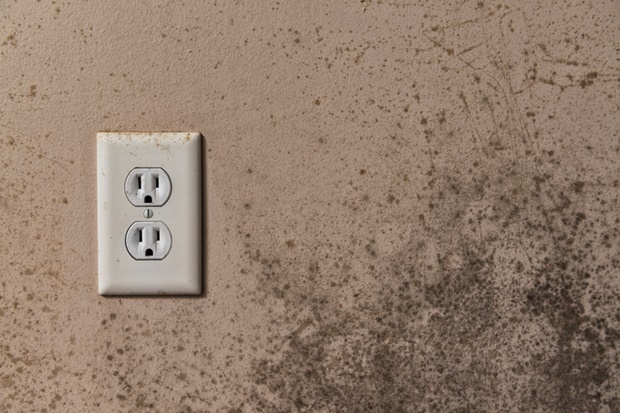
Mould

What is it? Mould is a fungus that tends to grow in warm, damp areas. Mould grows when its spores reproduce and spread.

The allergy: Mould spores can become airborne and come into contact with your body. This contact will then trigger allergy symptoms.

How to treat it? Regularly clean areas that tend to be damp and moist. Don’t allow objects that are likely to attract mould to stand around. Throw away old food before it turns mouldy.

Pet dander

What is it? Pets with feathers or fur are more likely to shed dander. Dander is tiny skin particles that your pet regularly sheds.

The allergy: Due to the cold weather, you would most likely spend more time indoors with your pets. This may lead to an accumulation of pet dander in your house, which may cause the onset of winter allergies.

How to treat it? Open windows so that dander can be carried out. Vacuum carpets regularly.

Dust mites

What is it? Dust mites are microscopic bugs that can be found in beds and couches.

The allergy: Dust mites may leave remains or droppings behind, which can cause winter allergies.

How to treat it? Regularly wash bedding and shake out couch cushions. Vacuuming regularly is also effective.

Fireplaces and heaters

What is it? Fireplaces and heaters are a great way to keep warm during winter but they bring on nasty allergies as well.

The allergy: Without proper ventilation, the smoke caused by fireplaces may aggravate your allergies. Heaters tend to heat up a room and remove moisture. This lack of moisture in the air dries up the nasal passages and aggravates already inflamed nasal passages.

How to treat it? Make sure that the room and fireplace are well ventilated before lighting a fire or switching on the heater.

 Image credit: iStock

Share Button

Health24.com | Man born without a penis gets bionic manhood – and will have erection for 10 days

A British man who was born without a penis is looking forward to having sex for the first time after having a bionic penis implant.

Andrew Wardle (44) was born with bladder exstrophy, a rare birth defect that means the bladder is formed on the outside of his body.

Although he has testicles, the one-in-20-million condition meant Wardle was born without a penis, reports the Metro: “I’ve spent 44 years without a penis and I’ve coped with not having sex for all that time. It will take me a while to get in the swing of things,” he told the UK publication. 

“I’m very aware that I am half-human half-robot at the moment. I’m like the bionic man. I will even be able to perform if I am drunk.”

A long journey 

The psychological scarring of living without a penis led Wardle to attemp suicide twice. In 2012 his general practitioner decided something needs to be done about the situation and referred him to Dr Dan Wood, a urologist at University College Hospital in London. 

In February 2015, Wardle had his first operation to remove his his urostomy bag – his urine had been diverted into a specially-converted stoma. A catheter now enables him to go to the bathroom. 

Then, in November 2015, Wardle had surgery to build a penis from the skin, muscles and nerves in his left arm and the vein in his right leg.

According to the Deccan Chronicle he has now successfully undergone the final stage of a £50 000 (more than R900 000) implant operation.

A pump has been fitted, which will give him an erection at the push of a button, but since the completion of the operation on 26 June 2018, he will have an erection for 10 days before it is deflated. 

The future

Wardle is adjusting well and is optimistic about the future.”I’m feeling good because they’ve given me painkillers but I’m sure I will feel a bit sore later on,” he told the Daily Mail. 

“I do feel different. I’m very aware there’s some robotics inside me but it feels a part of me now.”

Image credit: iStock

NEXT ON HEALTH24X

Share Button