Health24.com | 7 surprising causes of constipation

How often you poop per day varies from person to person. Some people might go up to three times a day, while others only have a bowel movement a few times a week.

Dr Danie Pauw previously told Health24, “It should not be less than three times per week.”

Constipation happens when your colon absorbs too much water or the muscles contract too slowly or poorly, which means stool moves through your digestive system too slowly. When the stool loses too much water, it hardens. If the faeces sit in your colon for three days or longer, the mass becomes even harder and more difficult to pass. 

Now you know what constipation is, it’s important to understand that there are a number of different causes besides lack of fibre.

1. Hypothyroidism

An underactive thyroid, or hypothyroidism, can cause your metabolic processes to slow down. According to Dr Catherine Ngo, a board-certified gastroenterologist at Saddleback Memorial Medical Center in California, “The slower the system, the longer the digestive contents have to be reabsorbed by the colon, resulting not only in decreased frequency of stools, but harder stools.”

Although constipation is not always related to thyroid problems, Dr Carla H Ginsburg, assistant professor of medicine at Harvard Medical School in Boston, says, “When I see a young person who’s constipated more than normal and really complaining, I do tend to get a thyroid level.” 
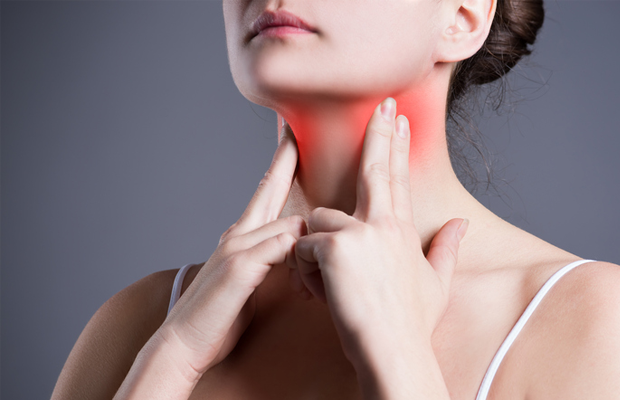
Woman with painful neck

2. Medications

Medications come with side effects and many list constipation. Common offenders include antidepressants (especially SSRIs like Prozac), anti-anxiety drugs, heartburn drugs and blood pressure medication.

“There is always an alternative medication you can try,” Dr Atif Iqbal, a gastroenterologist and medical director of the Digestive Care Center at Orange Coast Memorial Medical Center, told Readers Digest. “You just need to be clear with your doctor about what problems you’re experiencing.” If your heartburn medication contains calcium, for example, you can try one that contains magnesium.

Painkillers – prescription or over the counter – can also cause constipation. “These medications bind to the same receptors in the stomach, blunting the whole digestive system as well as your pain,” explains Dr Iqbal. Don’t use painkillers continuously for longer than 30 days. Dr Iqbal says you should address the underlying injury or find alternative ways to treat your pain. 

Man taking medication

3. Bad bathroom habits

If the need to go strikes while you’re at the office or mall, do you hold it in? Experts say you shouldn’t, and doing it too often can lead to constipation. “You eventually confuse the muscles in the rectum and anal sphincter and develop constipation,” said Dr Gina Sam, assistant professor of gastroenterology at Mount Sinai Hospital in New York City.

In addition, the longer stool remains in your colon, the more water it absorbs which will make it even more difficult to pass when you eventually get home to your toilet. 

“Some research suggests that people who use the bathroom at timed intervals and don’t fight the urge to have a bowel movement tend to have more regular bowel movements,” Dr David Poppers, a clinical associate professor of medicine in the Division of Gastroenterology at NYU School of Medicine and NYU Langone Health, told Women’s Health. 

Public bathroom

4. Diabetes

According to a 2014 study, about one in three diabetics suffer from constipation. When you have diabetes, nerve damage  affects your entire your entire body over time.

When this damage affects your gut, you may experience “slow transit time in your intestines, as well as problems with rectal sensation”, Dr Ron Schey, an associate professor of medicine in the gastroenterology department at Temple School of Medicine, told Men’s Health. And that results in constipation.

Man testing glucose levels

5. Overusing laxatives

When you are constipated, it’s natural to reach for laxatives. But don’t rely on them for long-term use – over long periods of time nerve cells that release chemicals that tell your colon it’s time to move a stool become depleted. Eventually you’ll need to use more laxatives for them to work, until they no longer work.

“More of a problem is that when they stop working, the other simple measures that we might try have less chance of working as well because those stimulatory neurons are now dead,” Dr Pradeep Kumar, a gastroenterologist, told Fox News. 

Man using toilet

6. Vitamins

Generally, vitamins shouldn’t cause constipation but sometimes calcium or iron can cause your system to become backed up.

“I would tell a patient to stop taking the iron [or calcium] unless they really need it and, if they do need it, I would put them on a stool softener to counteract that,” said Dr Ginsburg, who is a spokesperson for the American Gastroenterological Association.

Woman taking vitamins

7. A lack of exercise (or too much)

Not exercising often enough can cause digestive problems that may lead to constipation. Exercise helps stimulate intestinal activity, which keeps food waste moving through your digestive system. In fact, exercises that focus on toning your abdominal muscles can even help with bowel movements. 

On the other hand, however, too much exercise can also cause constipation. Exercising causes your body to sweat, which helps regulate body temperature. As a result, your body may need more water, which your intestines may try to recover from stool moving through your digestive system. Constipation can occur when the poop becomes hard and compact, and unable to pass easily through your rectum.

Make sure you are properly hydrated before, during and after exercise.

Woman doing yoga

Image credit: iStock

Share Button

Novel drug therapy partially restores hearing in mice

A small-molecule drug is the first to preserve hearing in a mouse model of an inherited form of progressive human deafness, report investigators at the University of Iowa, Iowa City, and the National Institutes of Health’s National Institute on Deafness and Other Communication Disorders (NIDCD). The study, which appears online in Cell, sheds light on the molecular mechanism that underlies a form of deafness (DFNA27), and suggests a new treatment strategy.

“We were able to partially restore hearing, especially at lower frequencies, and save some sensory hair cells,” said Thomas B. Friedman, Ph.D., chief of the Laboratory of Human Molecular Genetics at the NIDCD, and a coauthor of the study. “If additional studies show that small-molecule-based drugs are effective in treating DFNA27 deafness in people, it’s possible that using similar approaches might work for other inherited forms of progressive hearing loss.”

The seed for the advance was planted a decade ago, when NIDCD researchers led by Friedman and Robert J. Morell, Ph.D., another coauthor of the current study, analyzed the genomes of members of an extended family, dubbed LMG2. Deafness is genetically dominant in the LMG2 family, meaning that a child needs to inherit only one copy of the defective gene from a parent to have progressive hearing loss.

The investigators localized the deafness-causing mutation to a region on chromosome four called DFNA27, which includes a dozen or so genes. The precise location of the mutation eluded the NIDCD team, however.

A crucial clue to explain the DFNA27 form of progressive deafness arose from later studies of the mouse RE1 Silencing Transcription Factor, or Rest, gene conducted by researchers at the University of Iowa. Botond Banfi, M.D., Ph.D. and Yoko Nakano, Ph.D., lead authors of the current study, discovered that mouse Rest is regulated through an unusual mechanism in the sensory cells of the inner ear, and this regulation is critical for hearing in mice. Because the human counterpart of the mouse Rest gene is located in the DFNA27 region, the Iowa and NIDCD researchers teamed up to reexamine the mystery of DFNA27 progressive deafness.

The coding sequence of a protein is generated from a gene by stitching together segments called exons while editing out the intervening segments. The resulting molecule serves as the template for a specific protein. Most previous studies had missed exon 4 in the Rest gene because this small exon is not edited into the Rest mRNA in most cells. The normal function of the REST protein is to shut off genes that need to be active only in a very few cell types.

When Banfi’s team deleted exon 4 of Rest in mice, inner ear hair cells died, and mice became deaf. Many genes that should have been active were shut off in hair cells prior to their death. Working together, Friedman’s and Banfi’s groups pinpointed the deafness mutation in the LMG2 family. They discovered that the mutation lies near exon 4, altering the boundaries of exon 4, and interferes with the inactivation of REST in hair cells.

“We found that incorporating exon 4 into the REST mRNA acts like a switch in sensory hair cells. It turns off REST and allows many genes to be turned on,” said Banfi. “Some of these turned-on genes are important for hair cell survival and hearing.”

The investigators used Banfi’s exon 4-deficient mice as a model for DFNA27 deafness. Since REST suppresses gene expression through a process called histone deacetylation, they wanted to see if blocking this process could reduce hearing loss. Using small-molecule drugs that inhibit this process, the investigators were able to turn off REST and partially restore hearing.

“These results demonstrate the value of studying the molecular mechanisms that underlie inherited forms of deafness,” said Andrew J. Griffith, scientific director of the NIDCD. “By following these genetic leads, we find novel and unexpected pathways that can, in cases such as this one, uncover unexpected potential treatment strategies in humans.”

This project was supported by NIDCD extramural grants (R01-DC010152 and R01-DC014953) and NIDCD Intramural Research Program funds (DC000048, DC000086 and DC000059).

Share Button

Fingerprints of molecules in space

In 2014, astrophysicists discovered a spectral line in observational data from the Herschel Space Telescope and tentatively assigned it to the amide ion. It would have been the first proof of the existence of this molecule in space. Physicists within the group of Roland Wester from the Institute of Ion Physics and Applied Physics at the University of Innsbruck have now shown this assumption to be incorrect.

Characteristic frequencies

In addition to stars, galaxies are populated by regions that contain gigantic dust and gas clouds. Such regions, making up the interstellar medium (ISM), act as the birthplace for new stars which form when the clouds collapse under their own gravity and reach sufficient densities for fusion reactions to occur. In order to better understand these processes, it is important to know exactly the chemical composition of the ISM which is most often determined via the frequencies (spectral lines) measured by radio telescopes.

In the case of the amide ion, the team led by Roland Wester has measured two previously unknown frequencies in the laboratory for the first time. The adopted method, known as terahertz spectroscopy, has allowed the lines to be determined a hundred times more accurately than was previously possible. “In this technique, wavelengths between microwaves and infrared light are used,” explains the physicist. “This allows the rotation of very small molecules to be studied. For larger molecules, vibrations of whole molecular groups can be determined.”

In a project funded by the European Research Council ERC, the group of Roland Wester has developed a method by which molecules confined in ion traps are excited with terahertz radiation. “The amide ion consists of a nitrogen atom and two hydrogen atoms, looks just like water and behaves very similar in terms of quantum mechanics,” says Olga Lakhmanskaya from Roland Wester’s team. “For the first time, we directly measured the elementary excitation of the rotation of this molecule.” The proof also came about thanks to a close collaboration with the theoretician Viatcheslav Kokoouline of the University of Central Florida, who was a visiting professor at the University of Innsbruck for a semester.

Tentative assignment disproved

The physicists from Innsbruck have now been able to show that the previously measured spectral line cannot be produced by amide ions by comparison with the data obtained from the Herschel Space Telescope. “We were able to show, with our measurements, that this tentative assignment is not correct,” stresses Roland Wester. In the Universe one can find various nitrogen molecules such as ammonia but, according to the Innsbruck experiments, it remains to be shown that the amide ion is also present. The second spectral line determined by the physicists however could assist in searching for this species in space. “We hope that in the future, with new telescopes, this line can be observed leading to its detection in space.” Wester’s team now wants to apply the new method to molecules with four or five atoms, where vibrations and rotations are much more complex than with the triatomic amide.

Story Source:

Materials provided by University of Innsbruck. Note: Content may be edited for style and length.

Share Button

Meteorite ‘Black Beauty’ expands window for when life might have existed on Mars

The early surface of Mars consisting of a liquid magma ocean crystallized extremely rapidly, just 20 million year after the formation of the solar system. Thereafter, a solid crust emerged on the red planet potentially housing oceans with water and life. This was about 130 million years before a corresponding solid crust appeared on Earth. New evidence for this rapid crystallization and crust formation on Mars has just been published in a study from the Centre for Star and Planet Formation at the Natural History Museum of Denmark, University of Copenhagen. The study, based on the analysis of the rare Mars meteorite Black Beauty, significantly expands the window for when life might have existed on Mars.

Crust formation is an important step in the development of terrestrial planets, and what makes Black Beauty special and expensive is that it contains small pieces of the crust from Mars. More precisely, Black Beauty contains the rare mineral zircon, in which researchers have found a high concentration of hafnium.

“Zircon is a very robust mineral that is ideally suited to provide absolute ages. In this context, the zircons can be used to establish a temporal framework to understand the formation history of the Martian crust,” says Professor Martin Bizzarro. “Zircon also acts as a small time capsule as it preserves information about the environment where and when it was created. In this case, a time capsule with hafnium that originates from the earliest crust of Mars, which was present approximately 100 million years before the oldest zircon of Black Beauty was created. Thus, Mars got an early start compared to Earth, whose solid crust wasn’t formed until much later.”

However, it required a certain amount of courage to reach this result.

We crushed the meteorite

The original 319.8 grams heavy meteorite Black Beauty was found in the Sahara Desert in 2011. It soon became apparent that the meteorite was something special and it currently has a sales price of approximately $10,000 per gram. A year ago, Professor Martin Bizzarro managed to acquire 44 grams of Black Beauty with help from various funding agencies and exchange of meteorites from the museum’s collection.

“One of the big challenges has been that the zircons in Black Beauty are extremely small. This called for a courageous strategy: We crushed our precious meteorite. Or to be precise: We crushed 5 grams,” says Martin Bizzarro. “Today, I’m glad we chose that strategy. It released seven zircons, one of which is the oldest known zircon from Mars. And from the zircons and their content of hafnium, we can now conclude that the crystallization of the surface of Mars went extremely fast: already 20 million years after the formation of the solar system, Mars had a solid crust that could potentially could house oceans and perhaps also life.”

Story Source:

Materials provided by University of Copenhagen. Note: Content may be edited for style and length.

Share Button

Health24.com | 10 smoking myths people still believe

Quitting smoking is no easy feat.

Glamorous advertising campaigns by the big cigarette brands may be something of the past, but there are still millions of people all over the world who are hooked.

Countless quit smoking programmes and even the most graphic, to-the-point warnings on packages struggle to get devoted smokers to kick the habit.  

And then there are those smokers who won’t even consider quitting and use the following myths as an excuse: 

1. ‘Smoking keeps me skinny – I will gain weight as soon as I quit’

Nicotine may affect your sense of taste and while some people do gain weight when they quit, smoking cannot be linked to a healthy, trim body.

It is true that nicotine is an appetite suppressant and that quitting might make you more susceptible to weight gain, but it doesn’t have to happen. Nicotine also doesn’t add anything to your overall fitness as it cuts down the amount of oxygen available to your body and forces your heart to work harder.

Focus on eating healthy, balanced meals, up your regular exercise regime and look at using nicotine replacements, such as patches, to help control a raging appetite during the initial stages of quitting.

woman on scale

2. ‘Smoking is only a danger to my lungs – and there are plenty of non-smokers who also suffer from lung disease’

While the risk of lung disease is a prominent disadvantage of smoking, it’s not the only illness that should scare you. Smoking also causes significant damage to your blood vessels, which can lead to hypertension and cardiovascular disease.

In fact, according to a previous Health24 article, smoking is one of the biggest risk factors of heart disease. A smoker’s risk of damage to the arteries is directly linked to the number of daily cigarettes. 

Smoking also increases your risk for several other chronic diseases such as type 2 diabetes.

lung x-ray

3. ‘My smoking harms no one else’

Several studies have shown that second-hand smoking (when others inhale the smoke of a primary smoker) can also have dire effects on one’s health.

Non-smokers who are exposed to passive smoking in their home environment or at work have a 30% increased risk of cardiovascular disease and lung cancer than their peers who are not exposed to cigarette smoke.

young people smoking in bar

4. ‘I smoke light menthol cigarettes – they are not as bad for you’

Unfortunately this is far from true. Low tar cigarettes are shown to be just as dangerous as those with a high tar content, as users take much deeper drags. And smoking is still smoking, no matter what the tar content of the cigarette is. If your usual “safe” brand is not available, it’s likely that you’ll settle for something stronger. There are no known benefits to lighter brands.

The menthol flavouring in some cigarettes provides a cooling sensation, encouraging you to inhale more frequently and deeply. This potentially makes it even more damaging than non-menthol variations as you are able to inhale more and hold the smoke far longer.  

5. ‘The filter gets rid of all the toxins’

Those brown stains on a cigarette butt do not mean that all the toxins are removed from the cigarette. Most of those toxins still get inhaled and remain in your lungs, and what you see in the filter is only the tip of the iceberg.

Watch this video and see for yourself how ineffective filters are in removing toxins from your cigarette. And, according to the 2010 Surgeon’s General Report on Smoking, filters only break down smoke particles, making nicotine easier to absorb, which means that filters don’t actually protect you. 

6. ‘I only smoke hubbly bubbly or e-cigarettes’

The truth is, inhaling smoke from anything is extremely dangerous as it contains high concentrations of toxins and cancer-causing chemicals.

The dangers of e-cigarettes have been researched over the years and hubbly bubbly (hookah or shisha) is not a safe alternative to traditional cigarettes either. According to a study featured on Health24, “The cooled and sweetened flavour of hookah makes it more enticing to kids and they falsely believe it’s less harmful.”

And it’s not true that the water in a hubbly filters out the toxins.

teenager smoking hookah

7. I’m only a social smoker – the risks aren’t nearly as bad

Lighting up with your friends over a weekend or whenever you are a bit tipsy? Research has shown that the occasional cigarette every once in a while is enough to increase your risk for health problems, including most cancers.

There is some good news, however. If you are a social smoker, chances are that you will have a better chance of quitting, as you only smoke in certain situations or because of certain triggers.

8. ‘A healthy diet and exercise regime will counteract my smoking habit’

Do you follow a healthy lifestyle, except for smoking? Hate to break it to you, but unfortunately there is little that a healthy diet and exercise regime can do to reverse the effects of smoking. 

The protection you get from a healthy lifestyle doesn’t count for much compared to the dangerous effects of smoking.

9. ‘My lungs will regenerate themselves – smoking can’t harm them permanently’

While it’s possible for your lung function to improve when you stop smoking during your early 30s, the lungs of older people do not improve quite as much, according to a study published in the BMJ. Quitting when you are older than 30 will, however, slow down deterioration, so don’t be deterred. No matter how long you’ve been smoking, you can still cut your risk of heart attack and cancer when you quit. 

10. ‘Quit-smoking programmes do not work’

Are you hesitant to rely on the aid of a quit smoking programme because you believe that it’s ultimately going to be a waste of money? Think again. While many people are doubtful about investing in a quit smoking programme that involves nicotine replacements, the National Health Service of the UK reports that nicotine replacement therapy programmes can triple your chances of successfully quitting. Those who rely on willpower alone have the lowest chance of successful quitting. 

Enter our smoking survey to win R5 000. 

Image credit: iStock

Share Button

Health24.com | Different skin allergies – causes and treatments

Skin allergies affect the lives of millions of people around the world. While most are not fatal or painful, these allergies do impact the quality of life of patients.

Skin allergies occur when the immune system responds to an allergen. Sometimes the immune system incorrectly identifies substances or even parts of the body as a threat, causing an allergic skin reaction to occur.

Here is a breakdown of a number of skin allergies:

Eczema

What is it?

Eczema occurs when the skin doesn’t retain enough moisture and becomes dry, itchy and inflamed. The skin is also scaly and cracked. Eczema is commonly found in the creases of the arms and legs. This chronic skin allergy goes through periods of flare-ups and remissions. Many people are born with the skin condition as a result of genetics, or develop it during early childhood. This may be due to exposure to harmful chemicals or allergens. While most children outgrow their eczema, some retain it throughout adulthood.

arm with eczema

Treatment

Eczema can be treated by supplying the skin with sufficient moisture. Making sure the skin is clean and not scratching the infected area assists with the treatment of the allergy. Topical creams, steroid creams, cortisone creams and emollients help to heal the affected skin.

According to Robert Sidbury, chief of dermatology at the Seattle Children’s Hospital, research shows that eczema has several coexisting ailments such as hay fever and asthma. It has also been found that children with eczema are more likely to develop ADHD.

Dermatographia

What is it?

Dermatographia is a rare skin allergy that occurs in about 5% of people. Dermatographia or “skin writing”, according to Dr Adrian Morris, principal allergist at the Cape Town and Johannesburg Allergy Clinics, occurs when the mast cells in the skin produce too much histamine. The histamine is released with any form of stimulation or pressure applied to the skin. What results is inflammation and itchiness of the skin. The reaction can be identified as white or red inflamed lines on the skin. Dermatologist Dr Amanda Oakley states that the cause of dermatographia is unknown but in some cases may be an allergic reaction to a foreign substance.

woman scratching her back


Treatment

In some cases dermatographia lasts only a year or two, while in others it carries on indefinitely. It is not harmful or fatal and rarely involves any pain. The allergy may be treated with antihistamine medication or applying a cold compress to the area to reduce swelling. 

Hives

What is it?

Similar to dermatographia, hives or urticaria is a skin allergy that produces raised wheals in the skin. These wheals may vary in size; they are accompanied by itchiness and commonly occur on the arms and legs. The body produces these hives when the mast cells of the skin produce too much histamine. However, when large amounts of chemicals are released by these cells to combat the allergen, fluid leaks into the blood stream, which may cause anaphylaxis.

hives skin allergy


Treatment

As in the case of dermatographia, hives may be treated with antihistamine medication as well as steroid medication. Some relief may be provided by not scratching the affected area. A cold compress works too. Avoiding alcohol and junk food may also assist with the reduction of breakouts. A recent study shows that medication, normally used for asthma, may be used to treat this skin allergy.

Heat rash

What is it?

Heat rash occurs when the skin is exposed to warm temperatures but the sweat ducts are blocked and unable to release sweat. Also known as prickly heat, the blocking of sweat ducts causes inflammation of the skin and the formation of red, itchy bumps. A study shows that the blocking of sweat ducts is due to a biofilm, produced by the Staphylococcus bacteria that are found on the skin. Heat rash may occur in both summer and winter. It is also common in babies as a result of being overdressed or underdeveloped pores. Heat rash is not contagious.

woman scratching her neck


Treatment

Heat rash usually goes away by itself. Keeping the body cool and avoiding any friction or tight fitting clothing will help with this skin allergy. Staying out of the sun also helps reduce inflammation. Try to avoid scented body lotions and scrubs as these may irritate the skin.  

Image credit: iStock
Share Button

Patients criticised for rating GPs’ looks on social media

Images are being shared without doctors’ consent, the British Medical Association’s annual meeting hears.

Share Button

Revamped drug could save lives of many new mothers – WHO

The World Health Organization says the medicine could reduce cases of fatal post-birth bleeding.

Share Button

Babylon claims its chatbot beats GPs at medical exam

The Royal College of General Practitioners disputes the abilities of Babylon’s software.

Share Button

Health24.com | 7 unpleasant side effects of constipation

Suffering from constipation? Don’t worry – it’s a common ailment. In fact, about 80% of people will experience constipation in their lifetime.

While constipation usually clears up by itself or through simple over-the-counter treatments, such as laxatives, or dietary measures, such as a higher intake of fibre, it can become serious if not treated effectively.

Persistent constipation can have nasty side effects and some of them can be downright dangerous:

1. Haemorrhoids

Haemorrhoids are a common, yet unpleasant side effect of constipation. With the extra pressure on and straining of the rectal area, the veins in the area start to swell abnormally. Blood pools under the skin and forms painful lumps. According to Health24, haemorrhoids can either develop internally (inside the lower rectum) or externally (near the opening of the anus).

Treatment: Treatment is prescribed according to the extent of the haemorrhoids. Your doctor may prescribe a topical ointment and possibly a stool softener to help treat the constipation.

man with piles

2. Torn skin (anal fissures)

The straining and pressure of constipation can cause the skin surrounding the rectal area to develop tiny fissures. This can cause rectal bleeding and pain during bowel movements. Blood passed through these fissures will usually be bright red. You may also experience itching. While any rectal bleeding is cause for concern, anal fissures will heal within one to two weeks if constipation and strain can be resolved.

Treatment: If anal fissures don’t clear up on their own, your doctor may prescribe an ointment to relieve pain and itching.

3. Faecal impaction 

Prolonged constipation carries the risk of causing faecal impaction – the dangerous event where the faeces get hard and build up inside the colon or rectum. When left untreated, faecal impaction can lead to other health problems pertaining to the digestive system. Faecal impaction can cause symptoms such as severe abdominal pain and bloating, vomiting and nausea.

Treatment: If the impaction is severe, it may require physical removal of the faeces by a doctor. According to an article published in Clinics in Colon and Rectal Surgery, a doctor can also prescribe medication to soften the stool and attempt to evacuate the stool with enemas and suppositories. 

4. Rectal prolapse

This is a less common, but serious side effect of chronic constipation. Rectal prolapse occurs when the rectum turns itself inside out and protrudes through the anus. 

Symptoms of rectal prolapse include pain in the lower abdomen, possible bleeding and the physical protrusion of the rectum through the anus.

Treatment: According to Cleveland Clinic, the treatment of rectal prolapse depends on the severity. When rectal prolapse is still in the early stages, surgery is not necessary and the rectum will retract on its own, but in severe cases, surgery will be considered. 

5. Faecal incontinence

Faecal incontinence is the involuntary release of faeces and the loss of control over bowel movements. This can be a side effect of serious constipation due to the fact that constant straining causes weakness of the rectal muscles and even nerve damage. A physical blockage caused by dry, hard stool (faecal impaction) causes the muscles to stretch and watery stool deeper in the digestive tract will seep around the hardened stool mass.

Treatment: Your doctor will prescribe laxatives or will possibly treat you for the faecal impaction that’s causing the incontinence. For weakened muscles, bowel training and pelvic strengthening exercises may be recommended.

6. Fatigue

Fatigue often goes hand in hand with constipation. This can signal that your constipation might be the underlying cause of another medical problem. Your constipation can also cause fatigue because of malnutrition. When your colon is holding on to toxic waste, your body has a harder time absorbing nutrients from food. 

Treatment: Regular exercise and a healthy, fibre-rich diet may help. Your doctor may also prescribe treatment for the constipation.

7. Encopresis

Encopresis is a condition that occurs mostly in toddlers past the stage of toilet training. This entails the uncontrolled emptying of bowels somewhere other than the toilet. A child may also fear sitting on the toilet. This condition can be brought on by constipation as a child, associating constipation with pain. According to Kids Health, children may deliberately hold on to a bowel movement in fear of experiencing the pain felt during constipation – leading to accidents outside the bathroom.

Treatment: A doctor will treat the child for constipation by prescribing a suitable laxative and adding more fibre to the diet, but behavioural therapy, such as scheduling toilet time can also be an option.

toddler sitting on plastic potty

Image credit: iStock

Share Button