Beluga whales have sensitive hearing, little age-related loss

Scientists published the first hearing tests on a wild population of healthy marine mammals. The tests on beluga whales in Bristol Bay, Alaska, revealed that the whales have sensitive hearing abilities and the number of animals that experienced extensive hearing losses was far less than what scientists had anticipated.

The latter findings contrasted with expectations from previous studies of humans and bottlenose dolphins, which showed more hearing loss as they aged, says Aran Mooney, a biologist at Woods Hole Oceanographic Institution (WHOI) and lead author of two new studies on beluga whales. “But unlike the wild beluga population, the dolphins that were studied lived in a very noisy environment, as most humans do.”

At a time when noise in the ocean is increasing from human activities, such as oil and gas exploration and ship traffic, understanding the natural hearing abilities of whales and other endangered marine mammals is crucial to assessing potential noise impacts on animals and to management efforts to mitigate sound-induced hearing loss.

In the two related studies, WHOI researchers and their colleagues measured the hearing sensitivity of 26 wild belugas and then compared the audiograms to acoustic measurements made within their summer habitat in Bristol Bay to study how natural soundscapes-all sounds within their environment-may influence hearing sensitivity. The soundscape also reveals sound clues that the belugas may use to navigate. The first study was published May 8, 2018, in the Journal of Experimental Biology. Results from the soundscape study were published June 20, 2018, in the Journal of Ecoacoustics. “In the first paper, we characterized the beluga population’s hearing ability, which had not been done before in a healthy, wild population,” says Mooney. “And in the second paper, we put that into context to see how they might use acoustic differences in their habitat and how their hearing is influenced by the natural ambient noise in their environment.”

How do you test a beluga whale’s hearing? Researchers applied the same screening method that doctors use to test the hearing of newborn babies who can’t yet vocally respond to whether or not they hear sounds: automated auditory brainstem response.

A suction cup sensor is gently placed on the whales’ head, just behind the blowhole, and another is placed on the back for reference. A series of quiet tones are played, and the sensors help measure the brain’s response to the sounds from the surface of the skin.

“It’s fairly straightforward,” Mooney says. “We just had to make a portable system that we could bring out into an extreme environment in order to perform the hearing tests.”

The test itself goes quickly, taking only about five minutes to measure each frequency. The most challenging part, says Mooney, is catching the participants.

For that, the researchers relied on the expertise of Alaskan Natives who hunt belugas. From small aluminum boats, the team would approach an individual adult whale-no calves were included in the study-in shallow waters of the bay. Taking care not to stress or injure the whale, they would catch it in a soft net. Marine mammal handlers, including teams from Georgia Aquarium, Shedd Aquarium, and Mystic Aquarium, would then get in the water to help secure the animal’s tail with a rope before moving it to a belly band (like a small stretcher) in the water next to a soft inflatable boat where the hearing tests took place.

“The belugas stayed relatively relaxed during the tests, seemingly employing a resting behavior that they may use to avoid killer whales,” Mooney explains. “When a killer whale is hunting them, belugas will often move to very shallow water and quietly stay there until they can safely return to deeper waters.”

In addition to the auditory testing, the researchers also performed a physical exam to assess the overall health, sex, and estimated age of each animal and obtained skin, breath, and blood samples to collect information on the whales’ hormone levels, microbiome bacteria, and other health-related data. The assessments were part of a beluga population health assessment program coordinated by the NOAA Fisheries Alaska Fisheries Science Center, the Alaska Department of Fish and Game, and Alaska SeaLife Center. Satellite transmitters were attached to some of the whales before release to study the whales’ movements.

The hearing tests revealed little hearing loss in the seemingly older members of the population, which could be because the estuary where the belugas reside is fairly quiet compared to more urban areas.

“Because there haven’t been any other studies of the hearing of wild marine mammals, we compared the results to previous studies of captive dolphins in San Diego and in Russia,” Mooney says. “The dolphins showed clear hearing loss as they aged, but the San Diego group lives in a very noisy environment, as most humans do.”

Mooney and colleagues also compared the wild belugas tests to those of belugas living in human care facilities. Both groups heard similarly well, and the authors suggest that it is likely due to the quiet environments in which they live.

“Sensitive hearing within a quiet soundscape could allow belugas to detect predators, navigate, and communicate with their young via low-amplitude signals,” Mooney explains. “This hearing sensitivity could be compromised in a noisier environment. It also suggests management concerns for animals that inhabit noisy areas, where they may already be showing greater proportions of hearing loss.”

The two studies are important to efforts to evaluate the effects of underwater noise on endangered Cook Inlet beluga whales, whose numbers have dwindled to an estimated 328. The species lives in habitats close to Anchorage, AK, and is exposed to noise from shipping, pile driving, construction, and explosive noise from nearby military bases.

Share Button

Swedes have been brewing beer since the Iron Age, new evidence confirms

Archaeologists at Lund University in Sweden have found carbonised germinated grains showing that malt was produced for beer brewing as early as the Iron Age in the Nordic region. The findings made in Uppåkra in southern Sweden indicate a large-scale production of beer, possibly for feasting and trade.

“We found carbonised malt in an area with low-temperature ovens located in a separate part of the settlement. The findings are from the 400-600s, making them one of the earliest evidence of beer brewing in Sweden,” says Mikael Larsson, who specialises in archaeobotany, the archaeology of human-plant interactions.

Archaeologists have long known that beer was an important product in ancient societies in many parts of the world. Through legal documents and images, it has been found, for example, that beer was produced in Mesopotamia as early as 4 000 BCE. However, as written sources in the Nordic region are absent prior to the Middle Ages (before ca 1200 CE), knowledge of earlier beer production is dependent on botanical evidence.

“We often find cereal grains on archaeological sites, but very rarely from contexts that testify as to how they were processed. These germinated grains found around a low-temperature oven indicate that they were used to become malt for brewing beer,” says Mikael Larsson.

Beer is made in two stages. The first is the malting process, followed by the actual brewing. The process of malting starts by wetting the grain with water, allowing the grain to germinate. During germination, enzymatic activities starts to convert both proteins and starches of the grain into fermentable sugars. Once enough sugar has been formed, the germinated grain is dried in an oven with hot air, arresting the germination process. This is what happened in the oven in Uppåkra.

“Because the investigated oven and carbonised grain was situated in an area on the site with several similar ovens, but absent of remains to indicate a living quarter, it is likely that large-scale production of malt was allocated to a specific area on the settlement, intended for feasting and/or trading,” explains Mikael Larsson.

Early traces of malt in connection with beer brewing have only been discovered in two other places in the Nordic region. One is in Denmark from 100 CE and one is in Eketorp on Öland from around 500 CE.

“From other archaeological sites in the Nordic region, traces of the bog-myrtle plant have been found, which indicates beer brewing. Back then, bog-myrtle was used to preserve and flavour beer. It wasn’t until later during the Middle Ages that hops took over as beer flavouring,” Mikael Larsson concludes.

Facts: Method

Two-litre soil samples are taken from various archaeological contexts — in houses, in pits, around hearths and ovens. The plant material found is usually preserved in a carbonised state. The soil is mixed with water and the carbon rises to the surface and is sieved through a fine mesh. The particles extracted are dried and studied under a microscope.

Facts: Uppåkra

Uppåkra is currently the largest Iron Age settlements in southern Scandinavia and served as a densely populated political and religious centre of power for more than 1 000 years, from 100s BCE to the 1 000s CE. The many findings made of imported luxury items such as jewellery and glass bowls, and from a developed production of crafts, indicate that the location was both rich and a significant trading centre.

Story Source:

Materials provided by Lund University. Note: Content may be edited for style and length.

Share Button

Controlling robots with brainwaves and hand gestures

Getting robots to do things isn’t easy: usually scientists have to either explicitly program them or get them to understand how humans communicate via language.

But what if we could control robots more intuitively, using just hand gestures and brainwaves?

A new system spearheaded by researchers from MIT’s Computer Science and Artificial Intelligence Laboratory (CSAIL) aims to do exactly that, allowing users to instantly correct robot mistakes with nothing more than brain signals and the flick of a finger.

Building off the team’s past work focused on simple binary-choice activities, the new work expands the scope to multiple-choice tasks, opening up new possibilities for how human workers could manage teams of robots.

By monitoring brain activity, the system can detect in real time if a person notices an error as a robot does a task. Using an interface that measures muscle activity, the person can then make hand gestures to scroll through and select the correct option for the robot to execute.

The team demonstrated the system on a task in which a robot moves a power drill to one of three possible targets on the body of a mock plane. Importantly, they showed that the system works on people it’s never seen before, meaning that organizations could deploy it in real-world settings without needing to train it on users.

“This work combining EEG and EMG feedback enables natural human-robot interactions for a broader set of applications than we’ve been able to do before using only EEG feedback,” says CSAIL director Daniela Rus, who supervised the work. “By including muscle feedback, we can use gestures to command the robot spatially, with much more nuance and specificity.”

PhD candidate Joseph DelPreto was lead author on a paper about the project alongside Rus, former CSAIL postdoctoral associate Andres F. Salazar-Gomez, former CSAIL research scientist Stephanie Gil, research scholar Ramin M. Hasani, and Boston University professor Frank H. Guenther. The paper will be presented at the Robotics: Science and Systems (RSS) conference taking place in Pittsburgh next week.

Intuitive human-robot interaction

In most previous work, systems could generally only recognize brain signals when people trained themselves to “think” in very specific but arbitrary ways and when the system was trained on such signals. For instance, a human operator might have to look at different light displays that correspond to different robot tasks during a training session.

Not surprisingly, such approaches are difficult for people to handle reliably, especially if they work in fields like construction or navigation that already require intense concentration.

Meanwhile, Rus’ team harnessed the power of brain signals called “error-related potentials” (ErrPs), which researchers have found to naturally occur when people notice mistakes. If there’s an ErrP, the system stops so the user can correct it; if not, it carries on.

“What’s great about this approach is that there’s no need to train users to think in a prescribed way,” says DelPreto. “The machine adapts to you, and not the other way around.”

For the project the team used “Baxter,” a humanoid robot from Rethink Robotics. With human supervision, the robot went from choosing the correct target 70 percent of the time to more than 97 percent of the time.

To create the system the team harnessed the power of electroencephalography (EEG) for brain activity and electromyography (EMG) for muscle activity, putting a series of electrodes on the users’ scalp and forearm.

Both metrics have some individual shortcomings: EEG signals are not always reliably detectable, while EMG signals can sometimes be difficult to map to motions that are any more specific than “move left or right.” Merging the two, however, allows for more robust bio-sensing and makes it possible for the system to work on new users without training.

“By looking at both muscle and brain signals, we can start to pick up on a person’s natural gestures along with their snap decisions about whether something is going wrong,” says DelPreto. “This helps make communicating with a robot more like communicating with another person.”

The team says that they could imagine the system one day being useful for the elderly, or workers with language disorders or limited mobility.

“We’d like to move away from a world where people have to adapt to the constraints of machines,” says Rus. “Approaches like this show that it’s very much possible to develop robotic systems that are a more natural and intuitive extension of us.”

Video: https://www.youtube.com/watch?v=_Or8Lt3YtEA&feature=youtu.be

The project was funded, in part, by the Boeing Company.

Share Button

Health24.com | When is constipation a medical emergency?

Constipation is mostly a short-term problem that can be resolved at home, but it’s important to know when it requires emergency care.

Faeces can become hardened and lodged in the rectum. This is the most severe outcome of constipation and can be linked to complications such as bleeding and bowel obstruction.

Bowel obstruction occurs when your small or large intestine becomes partially or fully blocked. The stretching of the intestines can cause pain, a rupture and bleeding, requiring urgent medical attention.

According to a study published in the American Journal of Gastroenterology, the number of visits to emergency units in America hospitals has increased over the past decade and there is an increasing trend towards hospital visits with constipation-related complications. 

When you experience the following symptoms, you should seek immediate medical assistance: 

1. When you have unbearable abdominal pain

When your constipation is coupled with crippling abdominal pain, this might be the symptom of a larger issue such as appendicitis or a bowel obstruction, which definitely requires a trip to the ER, according to Robynne Chutkan, a gastroenterologist in Maryland, USA, as reported by Women’s Health.

woman with severe abdominal pain

2. When you are vomiting

Vomiting when you are constipated could possibly be a sign of faecal impaction, where the stool in the blocked colon can’t be moved, according to Harvard Medical School. The backed up waste can cause vomiting. This is extremely dangerous and requires urgent medical attention.  

woman vomiting in toilet

3. When your stomach is severely bloated

Painful bloating of the stomach can also be a sign of a serious bowel obstruction. Bloating caused by constipation can often be treated at home and might clear up in time. However, if your bloating doesn’t clear up, it could be bowel obstruction or blockage.

runner holding stomach

4. When there is blood in your stool

The presence of blood in your stool is not always reason to panic. According to the American Society for Gastrointestinal Endoscopy, there are several minor causes of rectal bleeding, such as fissures, haemorrhoids, rectal ulcers or rectal inflammation.

But if you are constipated and discover that the stools you do pass are tarry and maroon in colour, it requires urgent medical care, states the Cleveland Clinic.

man holding toilet paper

5. When your constipation has lasted for longer than two weeks

According to the Cleveland Clinic, any case of constipation lasting for longer than two weeks without relief from home remedies or changes in diet should be checked out by a doctor. If your stools become lodged in the rectum, it can lead to faecal incontinence, which will occur when mucus or fluids leak around the stools.

Chronic constipation can also cause your health in general to take a knock. When you suffer from chronic constipation, you are unable to get rid of excess waste that builds up in your colon. This can end up making you sick as your intestines will become overloaded, not allowing your body to absorb crucial nutrients.

Image credit: iStock

Share Button

Cough syrup recall over mould risk from ingredients

Eight products are affected and the advice is to return bottles to where they were bought.

Share Button

Health24.com | How often should you eat fish to ward off heart disease?

There is more reason than ever for people to make fish a bigger part of their diets, according to the American Heart Association.

The heart group has long recommended that people eat fish, preferably fatty varieties, once or twice a week. Now it is reaffirming that advice based on additional evidence that fish helps ward off heart disease. 

According to the Heart and Stroke Foundation, foods that are high in omega 3 fats are incredibly good for your heart and can even help to improve cholesterol levels, especially naturally oily fish such as sardines, pilchards, mackerel and salmon, which should be eaten at least twice a week.

Specifically, adults should strive for two 3.5-ounce (100g) servings of fish each week, the American Heart Association (AHA) said. 

Preparation important

Whatever you choose, just don’t fry it, the group warned. That’s because studies have found that fried-fish lovers have increased rates of heart failure.

The main omega-3 fatty acids in fish are EPA and DHA, said Sonya Angelone, a registered dietitian and spokesperson for the Academy of Nutrition and Dietetics. EPA has anti-inflammatory effects that might help counter the hardening and narrowing of arteries that can lead to a heart attack, Angelone said.

Beyond that, she said, omega-3 fats may also make the blood less prone to clotting, while high doses can help lower triglycerides, a type of blood fat. Oily fish is not the only source of omega-3, said Angelone, who was not involved in the AHA recommendations. “Chia seeds, flaxseeds and walnuts are good sources of alpha linolenic acid (ALA), which is a precursor to EPA, which is then converted to DHA,” Angelone said.

Fish at least once a week

In contrast, the heart association noted, 4 ounces (113g) of salmon each week would provide adults with the recommended daily intake of omega-3, which is around 250 milligrams. The latest heart association advice does not differ from its previous recommendations, issued in 2002. But there is now much more evidence to back it up.

Eric Rimm, a professor at the Harvard School of Public Health, is the lead author of the AHA report, published in Circulation. “Scientific studies have further established the beneficial effects of eating seafood rich in omega-3 fatty acids, especially when it replaces less healthy foods, such as meats that are high in artery-clogging saturated fat,” Rimm said in an AHA news release.

A number of large studies have found that people who eat fish at least once a week have moderately lower risks of heart attack, stroke, heart failure and sudden cardiac death, according to the new report. 

salmon and red meat

So it seems key to replace red or processed meat, or other less-than-healthy fare, with fish, the heart association advised.

Fish may even benefit people who’ve already suffered heart trouble, the heart association said. A study of heart attack survivors found that those who were told to eat fish twice a week were 27% less likely to die over the next two years, versus those given standard care only.

Seafood does contain mercury, the AHA pointed out. And pregnant women and young children should avoid certain large fish that are high in mercury, such as shark, swordfish and king mackerel. But for most adults, the benefits of eating fish outweigh any potential harms associated with mercury, Rimm’s team said.

Image credit: iStock

Share Button

Health24.com | 7 ways to keep your liver healthy

Your liver plays an important role in keeping your body functioning – in fact, it performs more than 500 functions that involve processing everything you eat and drink. It’s also the largest organ in your body and weighs around 1.4kg.

You need to keep your liver healthy and functioning because without it, you cannot live. Here are seven ways to look after your liver.

1. Practice safe sex

There are five main types of the hepatitis virus – A, B, C, D and E. Types A, B and C are the most serious forms as they can cause long-term liver damage. Hepatitis B and C can be transmitted through unprotected sex or having sex with multiple partners.

Hepatitis B is also transmitted through sharing needles or syringes, direct contact with the blood of an infected person, or a mother can pass the virus onto her baby during birth. 

Man and woman holding condom

2. Manage your medication

Most drugs are broken down in the liver after being metabolised by your digestive system. That means you can damage your liver if you use medication incorrectly – for example, when you take more than the prescribed dose, you use the wrong kind or you mix different types. 

If you are unsure about whether the medication you are taking may cause liver damage, speak to your doctor or chemist. Always follow the instructions – from how to take it to when to take it, and how much to take at a time.

Chemist helping woman

3. Follow a balanced diet

It’s also important to watch what you eat. “While nearly every cell in the body is able to metabolise glucose, only the liver cells can handle fructose,” says Dr Sherwood of the Functional Medicine Institute in Tulsa, Oklahoma. “If we consume too much fructose over time, the liver can become overwhelmed and suffer irreparable damage.” Limit foods that are high in refined sugars and high-fructose corn syrup, such as soft drinks, baked goods and sweets. Stick to natural sources of sugar (fruit for example) instead.

The Liver Foundation suggests avoiding high-kilojoule meals, saturated fat and refined carbs (white bread, white rice and regular pasta, for example). Make sure you get enough fibre, too, from fresh fruits, vegetables, whole-grain breads, rice and cereals. 

Fresh fruit and vegetables

4. Maintain a healthy weight

Alcohol is not the only thing that can cause fatty liver disease – obesity (or even just being overweight) puts you at risk of developing non-alcoholic fatty liver disease (NAFLD).

People who have NAFLD are at an increased risk of suffering from cardiovascular problems; they also typically have diabetes and high cholesterol. During the early stages of NAFLD, the condition can be managed by losing weight, drastically reducing fat intake and exercising regularly.  

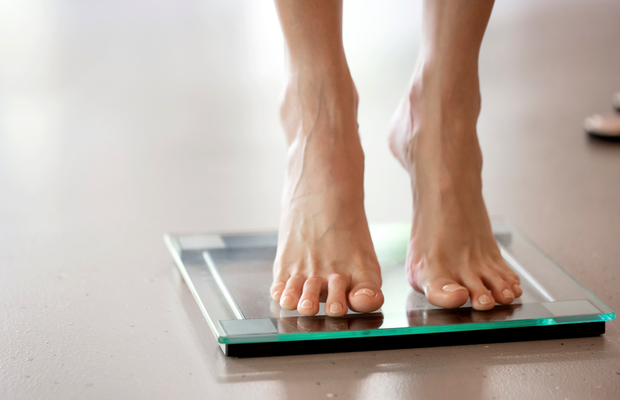
Woman standing on scale

5. Exercise regularly

Regular exercising helps your body burn triglycerides for fuel, which can help reduce liver fat. According to Dr Melissa Palmer, author and practicing hepatologist, following an exercise programme that includes both aerobic exercises (walking, cycling or swimming) and weight training can improve your liver function.

Aerobic exercise helps strengthen your heart muscle, which means it can pump blood more efficiently throughout your body. When this happens, your pulse slows and blood flow improves – it’s easier for your heart to move blood to your liver, and then for your liver to send the filtered blood back into your system.

Building lean muscle mass delays severe muscle wasting, which occurs during the advanced stages of liver disease. Weight training also prevents a build-up of excess body fat, which can cause fatty liver and result in a non-alcoholic steatohepatitis (NASH). The National Institute of Diabetes and Digestive and Kidney Diseases says that although NASH initially presents with only a few symptoms, it can cause your liver to become non-functional. 

Men and women exercising in gym

6. Stay hydrated

Your body needs to remain hydrated. Toxins that affect your kidneys, liver and bowel function will build up when you become dehydrated.

According to Dr Neil-Sherwood, “Dehydration can have a direct effect on our liver’s ability to properly detoxify our body. So as the liver loses hydration, it also loses its organ reserve, or what it uses to take care of the rest of the body.” 

Water also helps maintain the fluid content of your blood. When you become dehydrated, your blood becomes thicker – your liver is responsible for filtering blood and the thickness can impact its ability to detoxify.

Thirsty man drinking water

7. Limit your alcohol consumption

Consuming excessive amounts of alcohol can cause damage to your liver cells. Over time, liver damage can cause a build-up of fat in your liver, inflammation or swelling and/or scarring (cirrhosis). If you already have liver disease, even a small amount of alcohol can worsen your condition. 

How much is a moderate amount of alcohol? According to a previous Health24 article, women should limit their consumption to one drink per day, while men should only have two. One drink is equal to 148ml of wine, a 355ml beer or one shot (44ml) of an 80-proof liquor. 

Friends drinking wine

Image credit: iStock

Share Button

Medicinal cannabis use to be reviewed by government

But Home Secretary Sajid Javid stresses rules on recreational use of the drug won’t change.

Share Button

Hague’s call to legalise cannabis rejected by government

But the home secretary tells MPs there will be a review of cannabis-based medicines in the UK.

Share Button

Health24.com | SA first country to break all barriers to revolutionary TB drug

South Africa made history on Monday when the health department announced that all drug-resistant tuberculosis (DR-TB) patients will be eligible to receive the new medicine, bedaquiline.

“The Department of Health’s [DoH] commitment is momentous globally and marks a new era of DR-TB management where we are really prioritising the patient,” Doctors Without Borders’ Dr Anja Reuters told Health-e News.

Little chance of being cured

Up until recently treating patients with DR-TB has been “difficult, with old medicines used, which had many negative side effects and over long periods – often up to 24 months”, noted the DoH in a press statement.

Even if patients take their full course of toxic medicines they have little chance of being cured and risk long-term disability, including permanent deafness.

In 2012, before bedaquiline, fewer than one in five (19%) South African patients with extensively drug-resistant TB (XDR-TB) were cured, according to the DoH’s Dr Norbert Ndjeka.

He said new government data showed that, by 2015, after all XDR-TB patients became eligible for the drug, the portion of patients who completed treatment successfully shot up to 51%.

According to this data, cure rates for XDR-TB patients taking bedaquiline are as high as 80% in some areas.

No more hearing loss

The World Health Organisation (WHO) recommends the drug, manufactured by Johnson & Johnson, for all XDR-TB patients, but it does not yet do the same for people with multi-drug resistant TB (MDR-TB).

MDR-TB is resistant to two of the most common anti-TB drugs and XDR-TB is resistant to four – leaving very few effective drugs available.

For the first time, no patient will have to receive the injectable drugs that cause hearing loss in up to 60% of users, as they will be completely replaced by bedaquiline.

“It will have a huge impact in terms of decreasing disability,” said Reuters. “Deafness for a child, for example, can prevent the development of speech and lead to social isolation and bullying.”

All-access policy

In an open letter to health minister Dr Aaron Motsoaledi local organisation TB Proof wrote, “We are ecstatic that no South African with this terrible disease will have to ‘choose’ between their hearing or their life again.”

And, according to Reuters, the country’s “bold” move may influence the WHO to shift its current “conservative” stance and revise their guidelines in line with our own.

In addition to announcing an all-access policy towards bedaquiline the DoH said that it would be cutting the DR-TB treatment duration to just nine months – in line with new and ongoing research.

“This is an evidence-based decision. This is a person-centred decision. It is visionary and courageous and marks a fundamental shift in how leaders and policy makers engage with people who have TB,” wrote TB Proof. – Health-e News.

Image credit: iStock

Share Button