You might not have heard of it, but can training your vagus nerve give you a moment or two of peace?


You might not have heard of it, but can training your vagus nerve give you a moment or two of peace?
In her first UK interview Megan Garcia speaks to Laura Kuenssberg about the death of her teenage son.
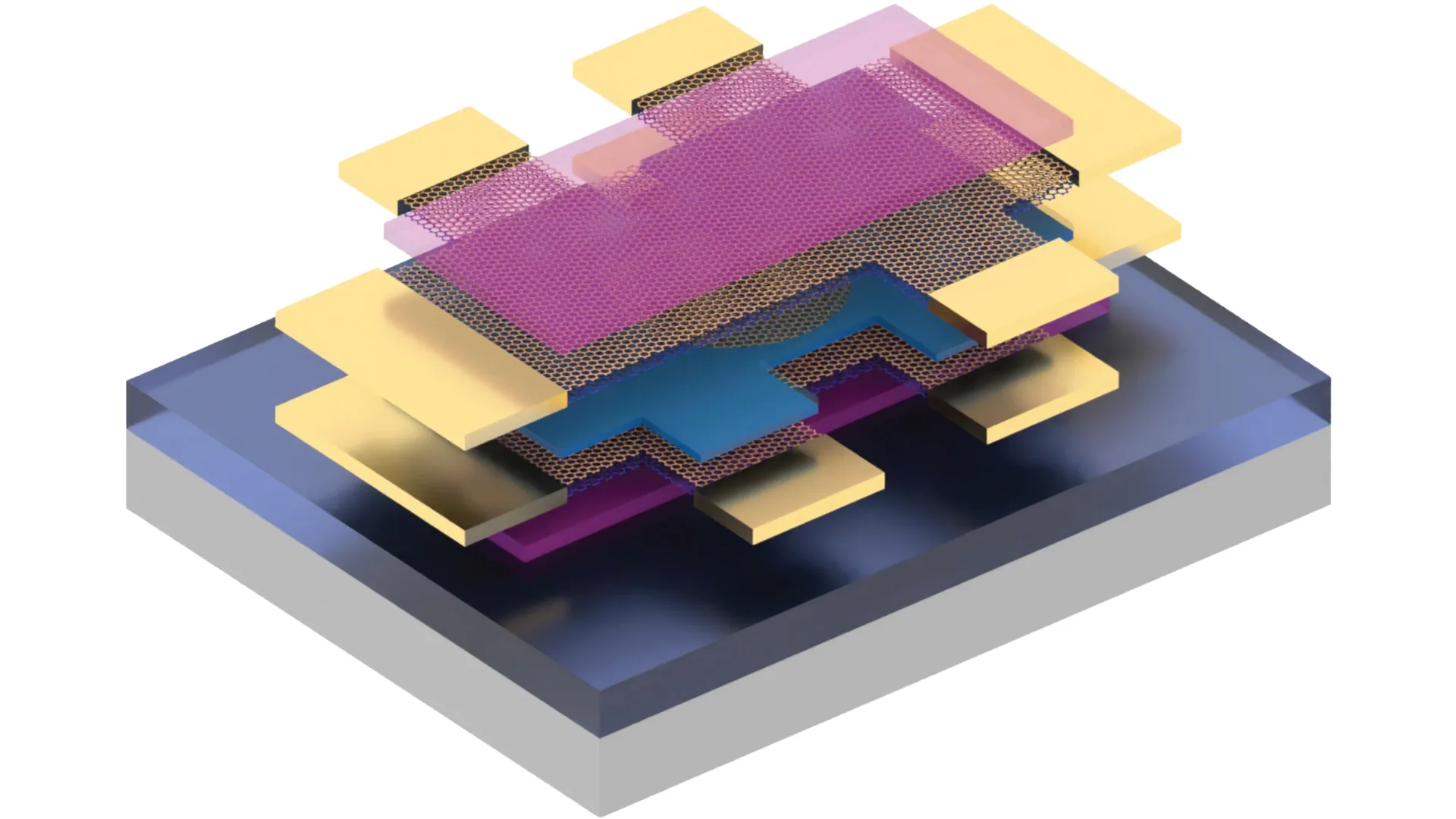
Superconductors work like express trains for electricity. Once electric current enters one, it can travel through without resistance or energy loss. Because of this remarkable efficiency, superconductors are already key to technologies such as MRI scanners and particle accelerators.
However, these “conventional” superconductors only operate at extremely cold temperatures. They must be kept in specialized cooling systems to remain in their superconducting state. If materials could superconduct at warmer, more practical temperatures, they could transform modern technology — from creating energy grids that waste no power to enabling more functional quantum computers. To reach that goal, researchers at MIT and other institutions are exploring “unconventional” superconductors, materials that defy the rules of traditional ones and may lead to the next big breakthrough.
MIT’s Magic-Angle Graphene Discovery
In a major step forward, MIT physicists have observed clear evidence of unconventional superconductivity in “magic-angle” twisted tri-layer graphene (MATTG). This unique material is created by stacking three atom-thin sheets of graphene at a very specific angle. That tiny twist dramatically alters the material’s properties, giving rise to strange and promising quantum effects.
While earlier studies hinted that MATTG might host unconventional superconductivity, the new findings, published in Science, offer the most direct confirmation to date.
A New Look at the Superconducting Gap
The MIT team successfully measured MATTG’s superconducting gap, which indicates how strong a material’s superconducting state is at different temperatures. They found that the gap in MATTG looked completely different from what is seen in conventional superconductors. This difference suggests that the way MATTG becomes superconducting relies on a distinct, unconventional mechanism.
“There are many different mechanisms that can lead to superconductivity in materials,” explains co-lead author Shuwen Sun, a graduate student in MIT’s Department of Physics. “The superconducting gap gives us a clue to what kind of mechanism can lead to things like room-temperature superconductors that will eventually benefit human society.”
The team made this discovery with a new experimental system that lets them directly observe how the superconducting gap forms in two-dimensional materials. They plan to use the technique to study MATTG and other 2D materials in more detail, hoping to identify new candidates for advanced technologies.
“Understanding one unconventional superconductor very well may trigger our understanding of the rest,” says Pablo Jarillo-Herrero, the Cecil and Ida Green Professor of Physics at MIT and senior author of the study. “This understanding may guide the design of superconductors that work at room temperature, for example, which is sort of the Holy Grail of the entire field.”
The Origins of Twistronics
Graphene is made of a single layer of carbon atoms arranged in a hexagonal pattern that looks like chicken wire. Scientists can peel off a sheet of graphene from graphite (the same material in pencil lead) to study its properties. In the 2010s, researchers predicted that stacking two layers of graphene at a very precise angle could create new electronic behaviors.
In 2018, Jarillo-Herrero’s group became the first to experimentally produce this so-called “magic-angle” graphene and reveal its extraordinary properties. That work launched a new field of research known as “twistronics,” which studies the surprising effects that emerge when ultra-thin materials are stacked and twisted at exact orientations. Since then, the team and others have explored a variety of graphene structures with multiple layers, revealing further signs of unconventional superconductivity.
How Electrons Cooperate
Superconductivity occurs when electrons form pairs rather than scattering apart as they move through a material. These paired electrons, known as “Cooper pairs,” can travel without resistance, creating a perfect flow of current.
“In conventional superconductors, the electrons in these pairs are very far away from each other, and weakly bound,” says co-lead author Jeong Min Park PhD ’24. “But in magic-angle graphene, we could already see signatures that these pairs are very tightly bound, almost like a molecule. There were hints that there is something very different about this material.”
Probing the Quantum World Through Tunneling
To prove that MATTG truly exhibits unconventional superconductivity, the MIT researchers needed to measure its superconducting gap directly. As Park explains, “When a material becomes superconducting, electrons move together as pairs rather than individually, and there’s an energy ‘gap’ that reflects how they’re bound. The shape and symmetry of that gap tells us the underlying nature of the superconductivity.”
To do this, scientists used a quantum-scale technique known as tunneling spectroscopy. At this level, electrons act both as particles and as waves, which allows them to “tunnel” through barriers that would normally stop them. By studying how easily electrons can tunnel through a material, researchers can learn how strongly they are bound inside it. However, tunneling results alone don’t always prove that a material is superconducting, making direct measurements both crucial and challenging.
A Closer Look at the Superconducting Gap
Park’s team developed a new platform that combines tunneling spectroscopy with electrical transport measurements, which involve tracking how current moves through the material while monitoring its resistance (zero resistance means it’s superconducting).
Using this method on MATTG, the researchers could clearly pinpoint the superconducting tunneling gap — it appeared only when the material reached zero resistance, the defining mark of superconductivity. As they changed the temperature and magnetic field, the gap displayed a sharp V-shaped curve, very different from the smooth, flat pattern typical of conventional superconductors.
This unusual V shape points to a new mechanism behind MATTG’s superconductivity. Although the exact process is still unknown, it’s now clear that this material behaves unlike any conventional superconductor discovered before.
A Different Kind of Electron Pairing
In most superconductors, electrons pair up due to vibrations in the surrounding atomic lattice, which gently push them together. Park believes MATTG operates differently.
“In this magic-angle graphene system, there are theories explaining that the pairing likely arises from strong electronic interactions rather than lattice vibrations,” she says. “That means electrons themselves help each other pair up, forming a superconducting state with special symmetry.”
The Path Ahead: Next-Generation Quantum Materials
The MIT team plans to apply their new experimental setup to study other twisted and layered materials.
“This allows us to both identify and study the underlying electronic structures of superconductivity and other quantum phases as they happen, within the same sample,” Park explains. “This direct view can reveal how electrons pair and compete with other states, paving the way to design and control new superconductors and quantum materials that could one day power more efficient technologies or quantum computers.”
This research received support from the U.S. Army Research Office, the U.S. Air Force Office of Scientific Research, the MIT/MTL Samsung Semiconductor Research Fund, the Sagol WIS-MIT Bridge Program, the National Science Foundation, the Gordon and Betty Moore Foundation, and the Ramon Areces Foundation.

Black holes are often described as cosmic gluttons, consuming everything that drifts too close — including light itself. This is what makes the images of the supermassive black holes at the centers of the galaxy M87 and our own Milky Way so remarkable. Captured by the Event Horizon Telescope (EHT) collaboration a few years ago, these observations marked a major milestone in astronomy.
“What you see on these images is not the black hole itself, but rather the hot matter in its immediate vicinity,” explains Prof. Luciano Rezzolla of Goethe University Frankfurt, whose team played a crucial role in the discovery. “As long as the matter is still rotating outside the event horizon — before being inevitably pulled in — it can emit final signals of light that we can, in principle, detect.”
Einstein’s Theory and the Mystery of Black Holes
These striking images reveal what scientists call the “shadow” of a black hole, offering a new way to probe the physics behind these mysterious cosmic giants. For over a century, Einstein’s general theory of relativity has been the foundation of our understanding of space and time. It predicts the existence of black holes and the event horizon, a boundary beyond which nothing — not even light — can escape.
“There are, however, also other, still hypothetical theories that likewise predict the existence of black holes,” Rezzolla notes. “Some of these approaches require the presence of matter with very specific properties or even the violation of the physical laws we currently know.”
Testing Einstein’s Ideas With Black Hole Shadows
In collaboration with colleagues from the Tsung-Dao Lee Institute in Shanghai (China), Rezzolla and his team proposed a new way to test these alternative theories. Their work, published in Nature Astronomy, outlines how future black hole observations could help confirm or challenge Einstein’s model of gravity. Until now, there has not been enough data to verify or reject competing ideas, but that may soon change through detailed analysis of black hole shadow images.
“This requires two things,” Rezzolla explains. “On the one hand, high-resolution shadow images of black holes to determine their radius as accurately as possible, and on the other hand, a theoretical description of how strongly the various approaches deviate from Einstein’s theory of relativity.”
Simulations Reveal How Theories Diverge
To tackle this, the team produced a thorough framework describing how different theoretical types of black holes would vary from Einstein’s predictions and how those differences would appear in images. They used advanced three-dimensional computer simulations to reproduce the motion of matter and magnetic fields in the warped spacetime surrounding black holes. From these simulations, they created synthetic images of the glowing plasma that circles these immense objects.
“The central question was: How significantly do images of black holes differ across various theories?” says lead author Akhil Uniyal of the Tsung-Dao Lee Institute. The researchers identified clear patterns that, with sharper images in the future, could help scientists determine which theory best matches reality. Although today’s EHT resolution cannot yet detect these fine distinctions, improvements in technology will gradually make such comparisons possible. To prepare for this, the physicists developed a universal description of black holes that can encompass many different theoretical frameworks.
Einstein’s Theory Still Holding Strong — for Now
“One of the EHT collaboration’s most important contributions to astrophysics is turning black holes into testable objects,” Rezzolla emphasizes. “Our expectation is that relativity theory will continue to prove itself, just as it has time and again up to now.” So far, the findings remain consistent with Einstein’s theory, although uncertainties in measurement mean that only a few exotic ideas have been ruled out. For example, the black holes in M87 and the Milky Way are almost certainly not “naked singularities” (without an event horizon) or wormholes. Still, Rezzolla notes, “Even the established theory must be continuously tested, especially with extreme objects like black holes.” If Einstein’s model were ever shown to fail, it would mark a revolutionary moment in physics.
A New Era of Cosmic Observation
The EHT provides an unprecedented opportunity for these investigations. By combining data from multiple large radio telescopes across the world, it effectively creates a telescope as large as Earth, capable of capturing fine details around black holes. Plans are already underway to add more observatories to the network and, eventually, to include a radio telescope in space, which would greatly boost its resolution.
Such advancements could make it possible to perform truly definitive tests of competing black hole theories. According to the new study, this would require achieving an angular resolution of less than one millionth of an arcsecond — roughly equivalent to spotting a coin on the surface of the Moon from Earth. While that level of precision is not yet possible, scientists expect it to be within reach in the coming years, potentially unlocking a new chapter in our understanding of gravity and the universe itself.

A team of scientists has found that the Southern Ocean emits far more carbon dioxide (CO2) during the lightless Antarctic winter than researchers once believed. According to their new study, this wintertime release of CO2 has been underestimated by as much as 40%.
The research was led by scientists from the Second Institute of Oceanography, Ministry of Natural Resources (SIO-MNR), and the Nanjing Institute of Geography and Limnology (NIGLAS) of the Chinese Academy of Sciences. Their results were published in Science Advances on Nov. 5.
The Ocean’s Role in Earth’s Carbon Balance
The Southern Ocean is a major regulator of the global carbon cycle, absorbing a large share of the carbon released by human activity. Yet despite its importance, it remains the “largest source of uncertainty” in global CO2 flux calculations.
That uncertainty comes from a lack of winter observations. For months each year, the Southern Ocean lies in complete darkness and is lashed by extreme weather, making direct measurement nearly impossible. During this time, the region becomes an “observational black box.” Traditional satellites, which depend on reflected sunlight (passive sensors) to detect ocean properties, cannot collect data under these conditions, leaving scientists reliant on incomplete or estimated models.
Using Lasers to See in the Dark
To overcome this limitation, the researchers used an advanced approach that combined 14 years of data from a laser-based satellite instrument called LIDAR (on the CALIPSO mission) with machine learning analysis.
LIDAR, unlike passive sensors, sends out its own light signals, working similarly to radar but with lasers instead of radio waves. This technology allowed the team to observe the ocean even during the polar night and create the first continuous, observation-based record of winter CO2 exchange in the Southern Ocean.
The results revealed that earlier estimates had missed nearly 40% of the Southern Ocean’s wintertime CO2 output. “Our findings suggest that the Southern Ocean’s role in the global carbon cycle is more complex and dynamic than previously known,” said Prof. Kun Shi of NIGLAS.
Rethinking the Ocean’s Carbon Dynamics
Beyond updating the numbers, the study redefines how scientists understand carbon movement in the Southern Ocean. The team introduced a new “three-loop framework” to explain how CO2 exchange varies across different regions.
In the Antarctic Loop (south of 60°S), physical factors such as sea ice and salinity are the main drivers of CO2 exchange. In the Polar Front Loop (45°S-60°S), the interaction between atmospheric CO2 and biological activity (chlorophyll) becomes more influential. Meanwhile, in the Subpolar Loop (north of 45°S), sea surface temperature plays the dominant role.
Global Climate Implications
Filling this long-standing data gap could lead to more accurate global carbon budgets, which form the foundation of climate projections used by organizations such as the Intergovernmental Panel on Climate Change (IPCC).
This research highlights the power of combining active satellite sensing with machine learning to study the planet’s most remote and dynamic regions, opening new possibilities for understanding the Earth’s climate system year-round.
A month since GPs in England started offering online appointment bookings, patients recount their experiences.
The Nobel Prize winner felt ostracised by the scientific community over his comments on race and intelligence.
Thousands of offshore workers are too heavy for the limitations of helicopter winch systems.
Despite being a lifelong skin care obsessive, I am notorious for indulging in facial products while utterly neglecting the rest of my body. But given that the skin on our entire bodies is also aging, being exposed to the elements and working hard to protect us, it deserves a bit of care as well. And while active skin care ingredients may be more commonly used in facial products, there are a fair amount of body products that also incorporate skin-loiving ingredients to help with all kinds of issues.
Hand cream, in particular, is a great way to dabble in skin care-forward body care. And given that few things give away our age quite like our hands, it’s not a bad idea to invest in products that are made to help keep our hands looking and feeling soft, supple and youthful. Harnessing the power of ingredients like retinol and applying it to other parts of the body just might be the secret weapon we’ve all been looking for.
Advertisement
In previous reporting, Dr. Y. Claire Chang, a board-certified cosmetic dermatologist at Union Square Laser Dermatology, explained that retinol creams can “help increase epidermal thickening, promote collagen synthesis and decrease collagen breakdown in photo-aged skin.” By adding retinol to a hand cream (which is typically thicker than body moisturizers, due to having a higher oil content), you can enjoy the same benefits as you would with a face cream like the ability to possibly help prevent and soften wrinkles, smooth uneven texture and improve the overall complexion of your paws.
Below, we’ve curated a list of highly-rated, reviewer beloved hand creams with retinol. They’re available at a varying range of price points from retailers like Amazon, Nordstrom, Sephora, Target and more. It’s an easy way to add some extra oomph to your everyday hand cream and enjoy the added benefits with minimal effort.

Lock in that anti-aging and hydrating goodness with this ultra-moisturizing overnight cream from Gold Bond. The retinol-peptide complex can help to lift, tighten and moisturize skin without leaving you feeling greasy or with the irritation that can commonly accompany retinol usage. Pop it on your hands (and beyond) and start to see and feel the difference. While not explicitly a hand cream, reviewers noted that it is just the right texture for hands and leaves their hands looking and feeling as good as new.
Promising review: “It’s light and smooth, very comfortable and nonirritating. I use it mostly on my hands and neck. It feels light and very comfortable and it has no scent which is great for those who are sensitive to that. For the price and the amount you get for a body lotion that have great ingredients including retinol and vitamins i say its worth the try and see how much improvement it gives to the look of your hands and/or neck. I havent used it on my other parts of my body since im using a diff product with retinol on my face. They also ship it with tape on the opening so it wouldnt spill out which is great.” — Emie

For a fairly high concentration of retinol, consider this hand serum from Nécessaire. it has 0.25% of retinol alongside peptides, AHAs, amino acids, vitamins and glycerin to hydrate deeply. It’s a great option for anyone looking to treat or prevent crepey skin, dark spots, scars and even ragged cuticles. You’ll feel like you just stepped out of a nail salon every morning.
Promising review: “Absolute wonder! I bought this based on a dermatologist’s recommendation, and it really delivers! After a very short time my hands look and feel so much better! I was starting to notice my hands were looking older, and this has really helped.” — ROinCo

NatureWell uses advanced micro-encapsulated retinol to help improve skin tone, smoothing texture and boosting firmness and elasticity. The pump dispenser delivers the right amount so you don’t worry about wasting product, and helps to lengthen the cream’s product life. It’s incredibly popular on Amazon, boasting 4.5 out of 5 stars and over 12,100 ratings. It’s also the most affordable option on this list and the most versatile, as it can be used on hands, face and body. It’s just rich enough to use all over without feeling too greasy, though reviewers find it’s great for hands and arms.
Promising review: “Nice smell works well on lighting the spot on my hands and a couple of spots on my face.” — Kathleen K. Goodman
“Reduces crepey skin. For 1 week I only put it on my left arm and after a week you can see the difference. The left arm looks so much better and is so much softer than the right.” — Debi V.
Advertisement
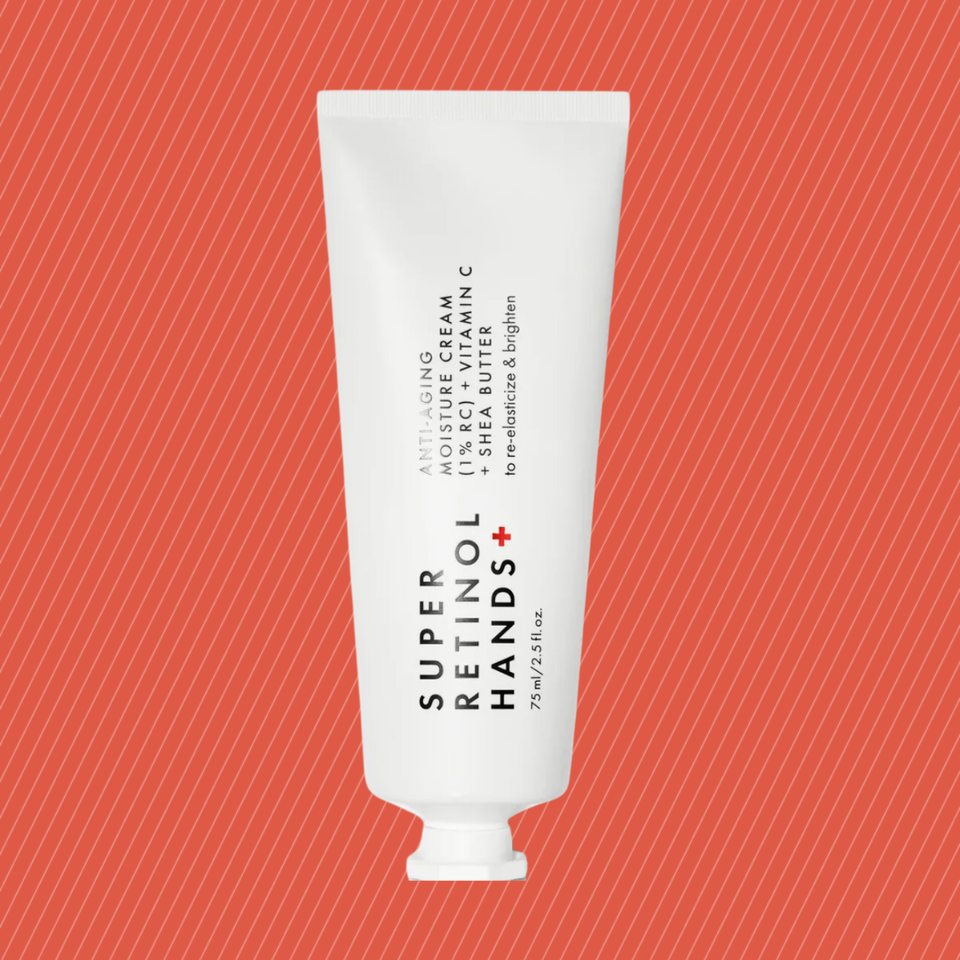
Get all the benefits of a deeply moisturizing, rich hand cream with the added power of encapsulated retinol with this Beauty Pie cream. It can help with common signs of hand aging, targeting dark spots, smoothing and elasticity. Throw it on before bed and wake up to baby-soft hands.
Promising review: “A must for older hands. Wonderful night time hand treatment for aged hands. Helps with age spots and crepey skin. Also very moisturising without being sticky.” — Mary
Advertisement
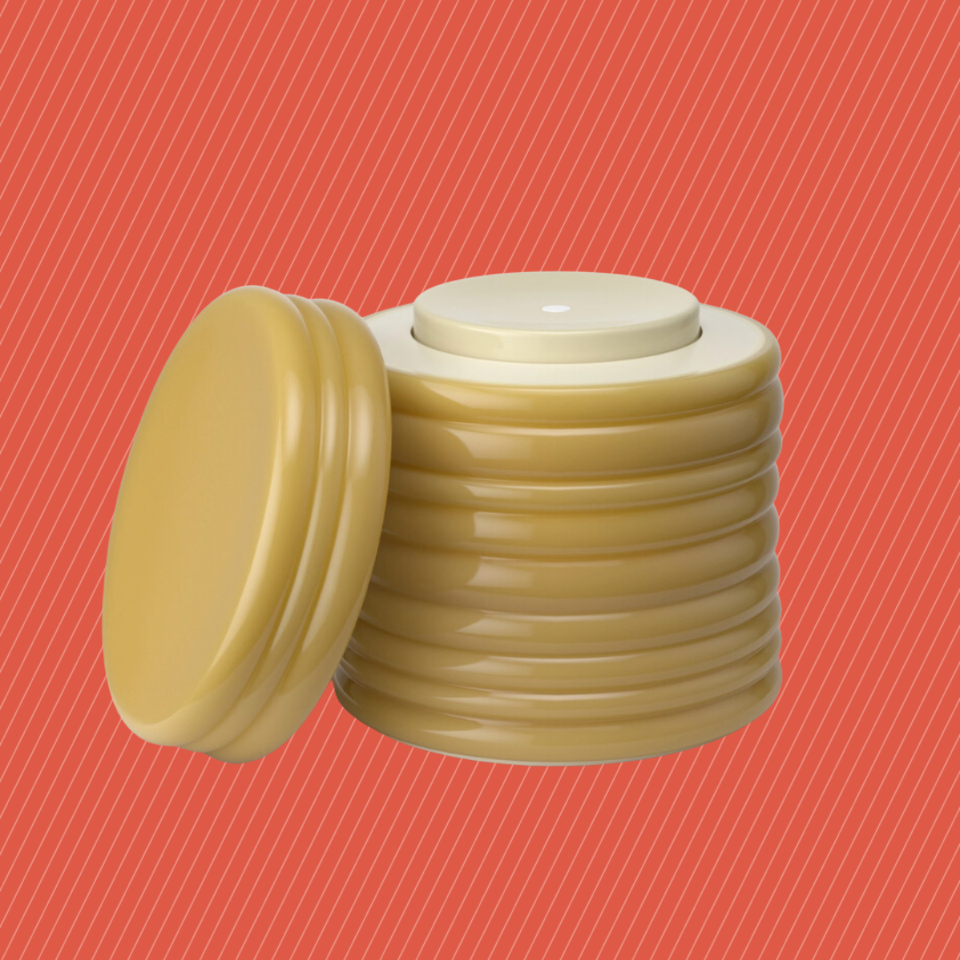
This is the one everyone’s talking about. Not only is this night cream for hands formulated with top-notch anti-aging ingredients, but it comes in the cutest reusable vessel I’ve ever seen. It’s a great option for anyone who is serious about repairing and renewing their hands. The cream has a medium-weight density that is soft and slightly waxy, so those who are prone to touching their face or don’t like the feeling of freshly lotioned skin might not love it. But if you don’t mind it, then your hands will thank you in the long run. It’s infused with retinol, colloidal oatmeal and panthenol so you can wake up with youthful, beautiful hands daily.
Promising review: “In love with this product! I’ve only been using this product for a few weeks and see a difference already. I’m 60 years old and produce food videos so I’m very conscious of the appearance of my ‘mature’ hands. Theraplush has absolutely enhanced the overall smoothness and texture; so impressed with this lovely cream! I would recommend this product to: Anyone who is aware of the importance of taking extra care of their hands!” — Sheri
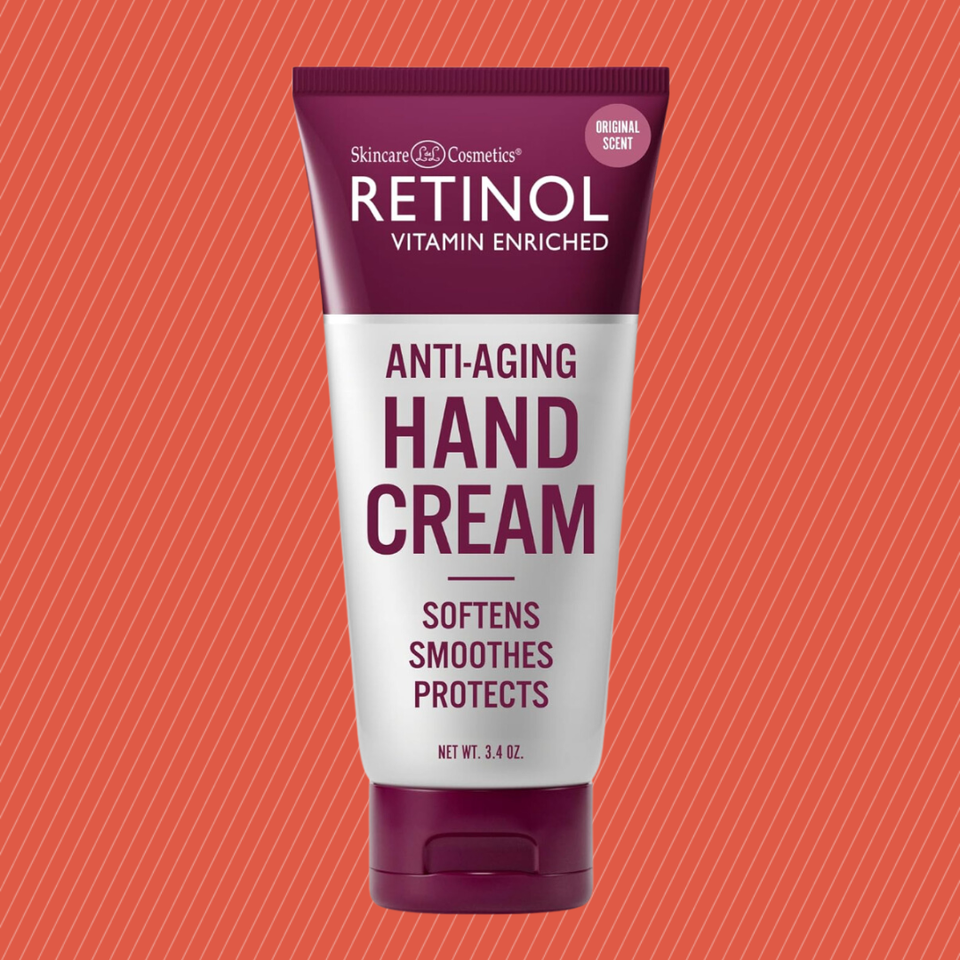
The glowing reviews speak for themselves when it comes to this anti-aging hand cream. It deeply conditions not just hands, but nails and cuticles as well, drenching the entire area with vitamins and retinol. It boasts a rich and creamy formula that feels luxurious but won’t break the bank, so you can show off youthful-looking skin with minimal effort. Just be aware that it has a nostalgic scent that might not be for everyone!
Promising review: “I like the moisture and lively texture of my hands. Before they looked dry and older because of all the hand sanitizer I have used over the last 3 years. Now they look healthy and feels so soft, and I don’t mind shaking hands if needed.” — Nene Love it
“I really like this hand lotion. I am 36 and a hairdresser so my hands get a beating daily. I’ve noticed them aging so I wanted something to help slow that. This lotion feels very soft when you put it on. My kids did comment that it smells like a Grandma. And I think it kind of does smell like it too. Not a bad smell just does have a distinctive smell. I do like it!” — Karen
Advertisement
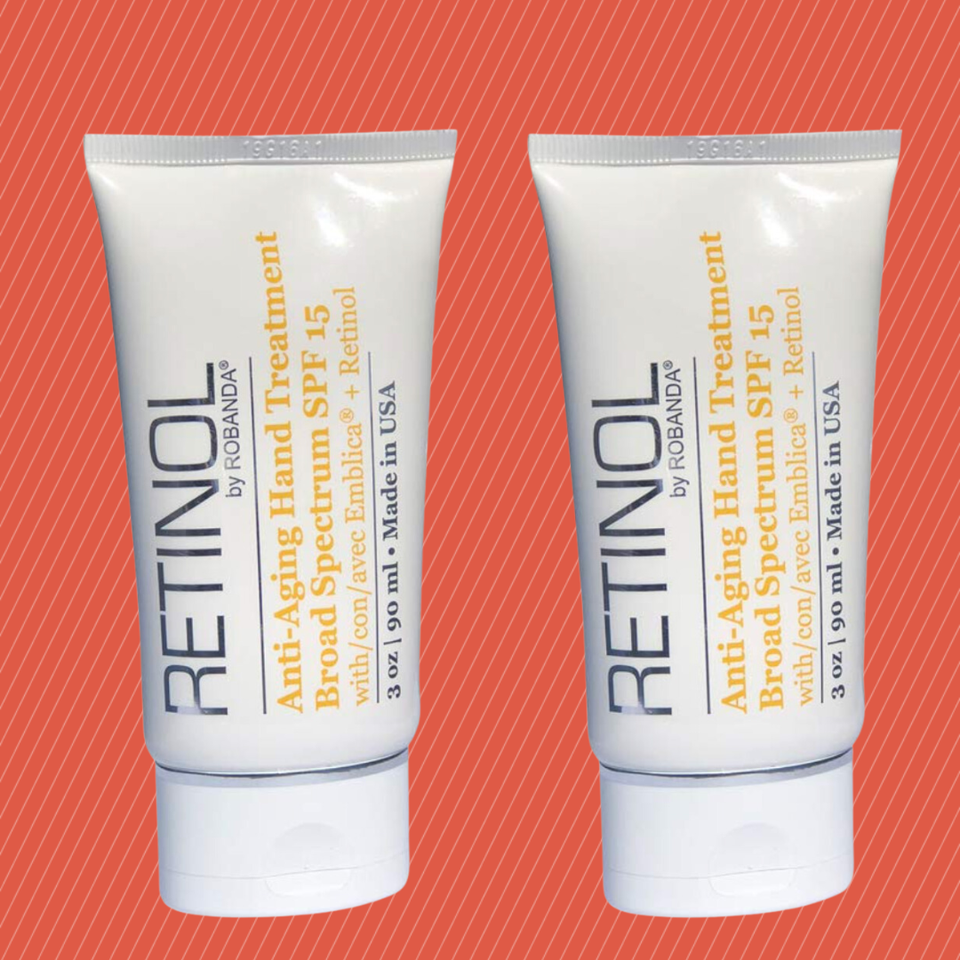
I came upon this Robanda retinol hand cream during my research and was intrigued by the fact that it contains SPF alongside retinol. Along with antioxidants, it helps to infuse the skin with anti-aging ingredients and can improve the look of wrinkles and sun damage while leaving skin healthy, smooth and safe from the sun’s harmful UV rays.
Promising reviews: “Love the creme. Daughter asked to try it and as she was going back home to CT, called for the exact name and a picture. She loved it also. Works good on old hands. Of course mine are a lot older than hers.” — Aging
“I have a stress eczema on my hands. This cream healed my hands in 3(!) days! Now I recommend it to everyone! And use the crème on daily basis.” — Oyuka
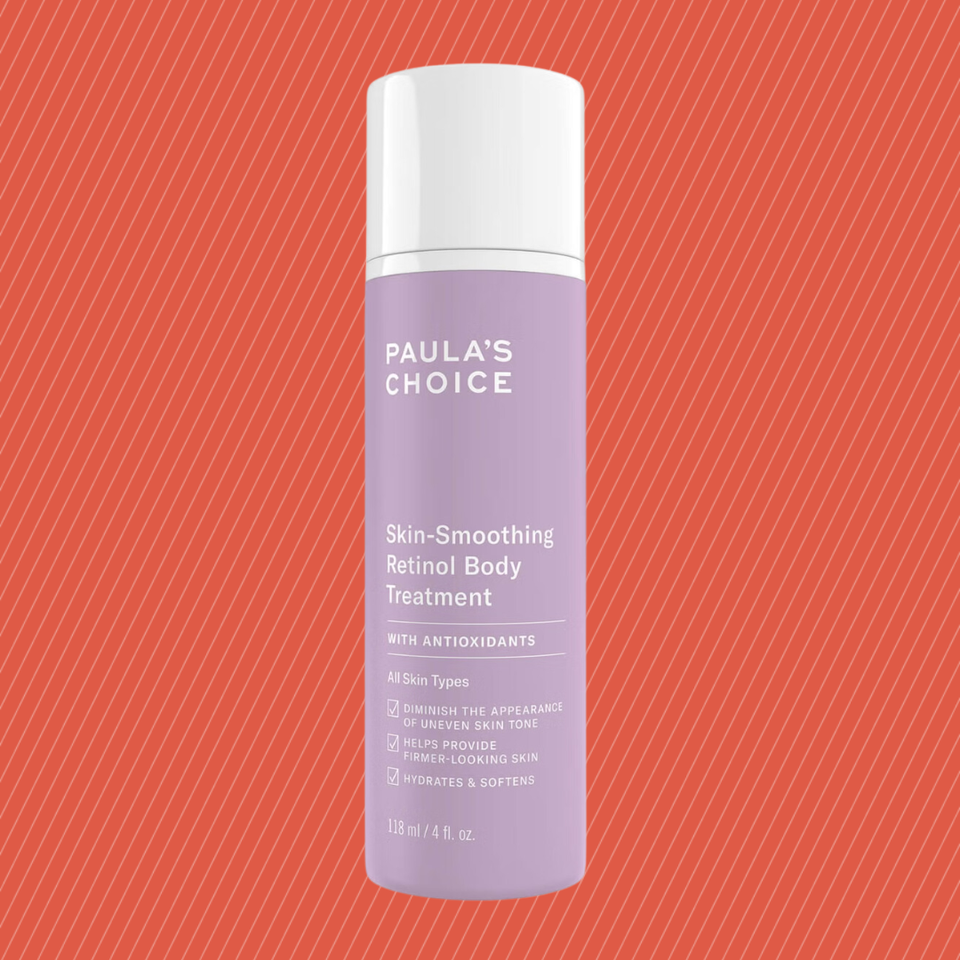
Made with retinol, antioxidants and shea butter, this skin-smoothing treatment lotion gives you all the benefits of a retinol cream like encouraging cell renewal, reducing the look of uneven skin and boosting hydration. Just note that it’s on the richer side, so make sure that’s the texture and finish you prefer.
Heads up: It’s available at Dermstore but you’ll get the best deal on it by nabbing it from the official Paula’s Choice website while it’s 20% off.
Promising review: “I have only been using it for a week so haven’t seen a change in my skin tone but it has already made the texture better. Also, it goes on so smooth, absorbs well and doesn’t leave a greasy residue. And it hasn’t made my skin get the red and dry early retinol use look. If it does as well with my skin tone, I will definitely purchase it again.” — Leah
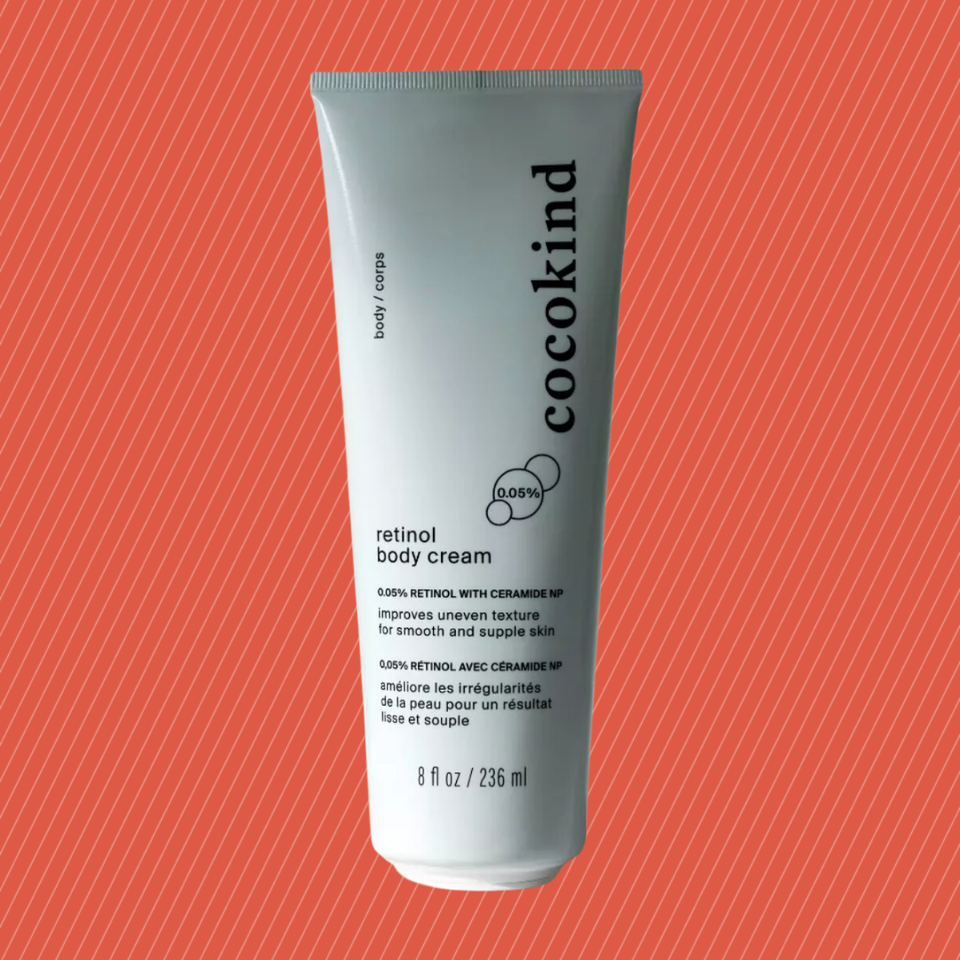
If you don’t like a greasy feel, check out this lightweight moisturizer that’s infused with 0.05% retinol. It works alongside ceramides, shea butter and squalane to drench your hands in nourishing, hydrating ingredients that can help to give hands a more youthful, supple, firm and even appearance. That’s a whole lot of skin care benefits for a product under $25!
Note: It’s on sale at Target for about 18% off for Target Circle members (it’s free to join, btw)! Grab it there if you can.
Promising review: “Great lotion! As I am getting older I am looking for more products that can help me in the long run. This [cocokind] retinol cream is really making a difference. I use this every other evening after my shower. I have really noticed a difference in the way my skin feels. It is so soft and supple. I am a fan for life!” — Anghess
Advertisement

Just as the universe began with a colossal explosion, bowel cancer also experiences a “Big Bang” moment that determines how it will grow and spread, according to new research supported by Cancer Research UK and the Wellcome Trust.
Scientists from The Institute of Cancer Research in London, the Fondazione Human Technopole in Milan, and Chalmers University of Technology in Sweden discovered that this pivotal event occurs when cancer cells first manage to hide from the immune system. This process, called immune escape, allows the cells to evade detection and continue developing unchecked.
During immune escape, bowel cancer cells disrupt the genes that normally allow the body’s immune defenses to recognize them as a threat. Once this happens, the researchers found that the cancer’s ability to disguise itself remains largely unchanged as it grows.
The findings could help doctors identify patients more likely to respond to immunotherapy, including experimental bowel cancer vaccines that train the immune system to target and destroy cancer cells.
How Bowel Cancer Outsmarts the Immune System
Professor Trevor Graham, Professor of Genomics and Evolution and Director of the Centre for Evolution and Cancer at The Institute of Cancer Research, explained the significance of the discovery:
“Some bowel cancers are ‘born to be bad.’ How they interact with the immune system is set early on.
“Immunotherapy and bowel cancer vaccines hold enormous promise for treating the disease. Our research suggests that a bowel cancer’s relationship with the immune system doesn’t change very much as it grows. If we can target that relationship early on, treatment should have a stronger chance of success.
“As bowel cancer treatment becomes increasingly personalized, understanding how tumors evolve and change matters even more than it did before. Like the explosion which set the course of the universe, bowel cancer’s Big Bang gives us the biggest clues of what its future holds and how we might change that future.”
A Common and Challenging Cancer
Bowel cancer is the fourth most common cancer in the UK, with about 44,100 new cases each year — around 120 every day. Approximately 15% of these cases respond well to immunotherapy, while the majority remain resistant to this treatment approach.
Currently, several types of bowel cancer vaccines are being tested in clinical trials. These are designed to help the immune system recognize and destroy returning or newly forming cancer cells after surgery or other treatments.
Study lead author Eszter Lakatos, a mathematical biologist at Chalmers University of Technology and the University of Gothenburg, Sweden, said:
“Our research group has investigated and found answers to how cancer cells render themselves invisible to the immune system. Our hope is that these insights will eventually lead to more targeted, effective and early treatments, in addition to surgery.”
To uncover these mechanisms, the research team analyzed tumor and immune cells from 29 people with bowel cancer. They sequenced the DNA and RNA from each sample and examined how tightly the DNA was wound around proteins in the chromosomes (a process known as epigenetics).
The scientists found that epigenetic changes in cancer cells alter how DNA is “read” to produce RNA, which carries the instructions for making proteins. These changes can reduce the number of neoantigens — “red flag” proteins that alert immune cells to danger — on the surface of cancer cells. With fewer neoantigens, the immune system struggles to recognize and destroy the tumor.
Toward More Effective Immunotherapy
The researchers believe that combining immunotherapy with drugs that modify the epigenome could improve treatment outcomes. Such a combination might increase the number of neoantigens displayed by cancer cells, making them easier for the immune system to target. Further testing will be needed before this approach can move into clinical trials.
Dr. Catherine Elliott, Director of Research at Cancer Research UK, said:
“To beat bowel cancer for everyone, we need to understand what happens at the very earliest stages of the disease. No matter how different bowel cancer tumors can look, one defining moment at the start makes a big difference to how the cancer grows.
“Bowel cancer has an insidious ability to resist treatment. Immunotherapy is starting to work well for patients, but it doesn’t work for everyone. This research helps us understand why, as well as giving us new insights to make immunotherapy work better for bowel cancer.”
Understanding the Disease’s Earliest Moments
Tom Collins, Research Lead for Discovery Research at the Wellcome Trust, added:
“Through tracing the earliest stages of bowel cancer, the research team has shed valuable new light on a mechanism that could lead to more targeted, effective and early treatments.
“This is a powerful example of discovery science. Research at this molecular level has provided a deeper understanding of how bowel cancer develops, which could lead to the improved health outcomes for patients in the long-term.”
The study, titled “Epigenetically driven and early immune evasion in colorectal cancer evolution,” was published on November 5 in Nature Genetics.
