Health24.com | 7 mistakes that can impact your blood pressure reading

Next time you have your blood pressure checked, you might want to take a number of factors into account.

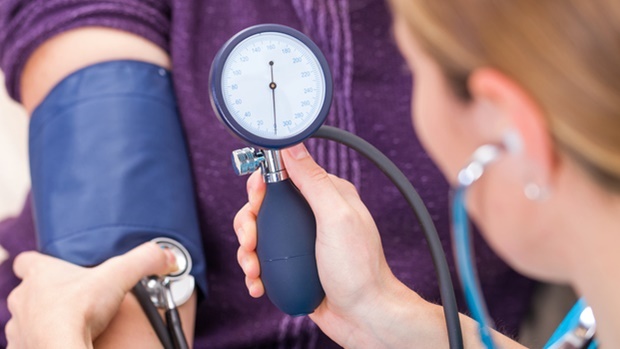
Talking while the cuff is on can boost your blood pressure reading. So can a full bladder or crossing your legs, the American Heart Association (AHA) says.

“These simple things can make a difference in whether or not a person is classified as having high blood pressure that requires treatment,” said Dr Michael Hochman, a member of the heart association’s blood pressure task force. He’s also an associate professor of clinical medicine at the University of Southern California.

“Knowing how to measure blood pressure accurately at home, and recognizing mistakes in the physician’s office, can help you manage your pressure and avoid unnecessary medication changes,” Dr Hochman said in an AHA news release.

Here, the heart association outlines seven common culprits that can alter your blood pressure reading:

1. A full bladder 

Having a full bladder can add 10 to 15 points to a blood pressure reading. Always try to use the bathroom before getting a reading.

2. No support for your feet

Poor support for your feet or back while seated can raise your blood pressure reading by six to 10 points. You should sit in a chair with your back supported and feet flat on the floor or a footstool.

3. Leg movement 

Crossing your legs can add two to eight points to your reading.

4. Hanging arm 

If your arm hangs by your side or you must hold it up while getting a reading, your blood pressure numbers may be 10 points higher than the actual figure. Your arm should be on a chair or counter so that the blood pressure cuff is level with your heart.

5. Misplaced cuff 

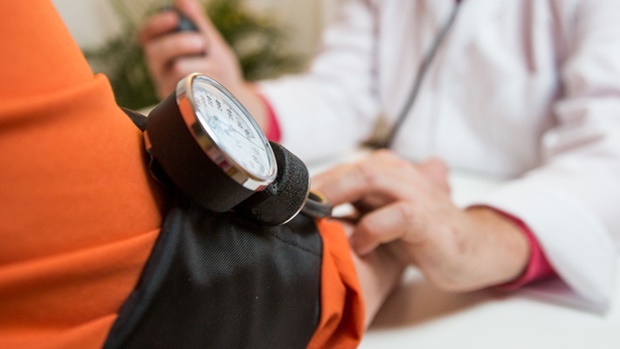
Having the cuff placed over clothing can add five to 50 points to your reading. The cuff should be on a bare arm.

6. Wrong sized cuff 

A too-small cuff can add two to 10 points to a reading. Make sure that the cuff feels comfortable and not too tight and communicate with your doctor if it is. 

7. Talking during the reading 

Talking can add 10 points to your reading. Remain still and silent while your blood pressure is taken.

Image credit: iStock

Share Button

Patients lose hip replacement court case

Judge finds disputed metal-on-metal hip replacement ‘not defective’ in group action at High Court.

Share Button

Health24.com | ‘I tried haemorrhoid cream on my puffy eyes – here’s what happened’

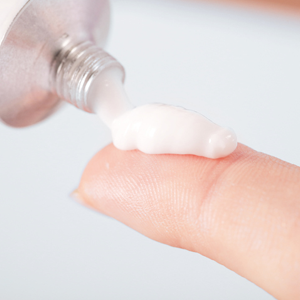
Puffy-eyed. That’s me. Even after 8pm-to-bed-with-herbal-tea (okay, okay, never with herbal tea – but you get the gist). So when a colleague reminded me of how all the models swore by Prep H haemorrhoid cream to get those ridiculously fresh-looking wide innocent eyes, I had to try it.

The low-down on Prep H, aka bum cream

Haemorrhoids, also known as piles, are swollen veins in the lower part of the anus and rectum. Cute. And Preparation H has long been the name we’ve all come to know and love in the treatment of said awkward protrusions. It works by temporarily narrowing the blood vessels in the area, so decreasing swelling and discomfort (burning, pain, itching and all those delights).

Read more: 5 things that are sabotaging your skin without you even knowing it

On the surface of it, the bum-to-face maths makes sense: Narrowing blood vessels, decreasing swelling. I mean, I’ve tried the cold teaspoon trick and it just left me feeling a little chilly. Surely this, being an actual “medicinal cream”, would work better?

Testing, testing…

I was beyond excited on Testing Day and slapped on potentially dangerous (more on that later) levels of Prep H. The tightening feeling was encouragingly instant – but it remained more of a feeling than a result, I thought. My colleagues all seemed to notice a change, though – so, once more inspired, I repeated the performance the next day, and smeared a giant finger-full across my forehead for good measure. Because… Frown lines. [FYI: That was a very bad idea. Forehead lines and eye bags are not the same thing, dummy.]

Read more: 3 women share what finally worked to clear up their eczema

I was not the only one willing my eye area into submission. Here’s what my fellow testers had to say:

“My under-eye area feels puffy when I haven’t had enough quality sleep – which was the case the day I tested the cream. I wasn’t expecting any difference, but surprisingly, after just a few minutes, my eyes felt more… open. There was no visible difference, but I definitely felt less puffy. It felt horribly sticky, though, and the smell was horrendous. It smells like something medicinal that’s meant for your bum. I haven’t used it since and I wouldn’t use it again. Not worth it.” – Wanita.

Read more: These 7 night-time products do astounding things while you sleep

“I had always heard the urban legend that Prep H was supposed to plump up lines around the eyes, or reduce bags – or something. But I’ve never actually tried it until now… I thought my skin under my eyes felt moisturised, but couldn’t feel any tightening or ‘plumping’. I also couldn’t see a visible difference in my own skin. I did notice a sort of ‘softening’ on the skin of a colleague though. [Yup, that’ll be me.]” – Leigh.

I mailed a doctor – but not until after I’d tried it

“[It] might work temporarily for reducing puffy eyes,” explains dermatologist Dr Nomphelo Gantsho. “It restricts the blood vessels, which could get rid of the redness for a while, and contains 1% hydrocortisone, an anti-inflammatory that might temporarily reduce puffiness – in theory…”

I’m sensing a but…

“There is no conclusive scientific evidence on Preparation H Haemorrhoid Cream being more effective than other methods of reducing eye puffiness.”

So, is it cool for an insta-fix, albeit fleeting?

Um… No. “If you accidentally get some in your eye, the ingredients can cause serious damage, and then puffiness will be the least of your concerns. The labels state that you should not use the product in, or near, your eyes,” says Dr Gantsho.

Read more: 7 unbelievably cool things you can do with lip balm – besides nursing chapped lips

And that’s not all. “Prolonged use of topical steroids like hydrocortisone has been shown to cause skin thinning, increased skin fragility, enlarged blood vessels, and can even result in problems with your adrenal gland. In short, your eyes will end up looking worse, not better.”

I should probably have read the label then.

The verdict

“Don’t use Preparation H Haemorrhoid Cream to treat your eye puffiness. It can do more harm than good. Since eye puffiness can be a sign of a health issue, like lack of sleep, allergies or dehydration, it’s important to address the root issue and not just the symptoms,” says Dr Gantsho.

Her safe eye-puff fix: Apply a cool compress, then conceal with make-up. Back to the spoon. Boom.

This article was originally published on www.womenshealthsa.co.za

Image credit: iStock

Share Button

Exercising regularly ‘can keep heart and arteries young’

Four to five sessions a week are needed to stop the main arteries to the heart from furring up.

Share Button

Artificial intelligence can be weapon in cancer fight, PM to say

Smart technologies can sift through data to help the NHS spot diseases quicker, the PM is to say.

Share Button

Annotation tool provides step toward understanding links between disease, mutant RNA

Researchers at Oregon State University have developed a computer program that represents a key step toward better understanding the connections between mutant genetic material and disease.

Known as bpRNA, the software is a big-data annotation tool for secondary structures in ribonucleic acids.

“It’s capable of parsing RNA structures, including complex pseudoknot-containing RNAs, so you end up with an objective, precise, easily-interpretable description of all loops, stems and pseudoknots,” said corresponding author David Hendrix. “You also get the positions, sequence and flanking base pairs of each structural feature, which enables us to study RNA structure en masse at a large scale.”

RNA works with DNA, the other nucleic acid — so named because they were first discovered in the cell nuclei of living things — to produce the proteins needed throughout the body. DNA contains a person’s hereditary information, and RNA delivers the information’s coded instructions to the protein-manufacturing sites within the cells. Many RNA molecules do not encode a protein, and these are known as noncoding RNAs.

“There are plenty of examples of disease-associated mutations in noncoding RNAs that probably affect their structure, and in order to statistically analyze why those mutations are linked to disease we have to automate the analysis of RNA structure,” said Hendrix, assistant professor of biochemistry and biophysics in the College of Science. “RNA is one of the fundamental, essential molecules for life, and we need to understand RNAs’ structure to understand how they function.”

Secondary structures are the base-pairing interactions within a single nucleic acid polymer or between two polymers. DNA has mainly fully base-paired double helices, but RNA is single stranded and can form complicated interactions.

Hendrix says bpRNA, presented this month in a paper in Nucleic Acids Research, features the largest and most detailed database to date of secondary RNA structures.

“To be fair it’s a meta-database, but our special sauce is the tool to annotate everything,” said Hendrix, who is also an assistant professor in the OSU College of Engineering. “Before there was no way of saying where all the structural features were in an automated way. We provide a color-coded map of where everything is. These annotations will enable us to identify statistical trends that may shed light on RNA structure formation and may open the door for machine learning algorithms to predict secondary RNA structure in ways that haven’t been possible.”

Researchers have successfully tested the tool on more than 100,000 structures, “many of which are very complex, with lots of complex pseudoknots.”

“Every day new RNAs are discovered and researchers are making huge progress in understanding their function,” Hendrix said. “We’re starting to appreciate that the genome is full of noncoding RNAs in addition to messenger RNAs, and they’re important biological molecules with big effects on human health and disease.”

Story Source:

Materials provided by Oregon State University. Note: Content may be edited for style and length.

Share Button

Are we eating at the wrong time for our body clocks?

Is when we eat clashing with our circadian rhythms and could changing our mealtime habits boost our health?

Share Button

Health24.com | How to burn more kilojoules at the gym — without doing any extra exercise

You’re doing your 60 minutes of moderate-intensity exercise most days, but the scale hasn’t budged in weeks. The solution? Don’t do more exercise – just change how you do it.

Read more: 5 ways to switch up your workout routine to lose more weight

The amount of fat you burn during exercise is determined by your weight, age, gender and the amount of muscle mass you have, says Catherine Viljoen, a biokineticist at Virgin Active SA. So there’s no one-size-fits-all approach that’s guaranteed to work, but a few adjustments will go a long way.

Hit the HIIT

High-intensity interval training (HIIT) is a great way to jolt your metabolism into action. “By alternating between high- and low-intensity training, you burn more kilojoules,” explains Viljoen. “An example of a cardio interval would be one minute of step-ups or star jumps interspersed with two minutes of brisk walking. Ensure you build up a good sweat and increase your breathing and heart rate.”

Read more: “I tried HIIT training for 3 months – here’s what I learned”

Flex that muscle

Another way to up your burn: Introduce strength training. A kilo of muscle burns more energy than a kilo of fat, meaning muscular people typically have a higher resting metabolic rate. So if you’ve lost muscle mass as you dropped kilos, it’s time to start rebuilding.

Read more: Exactly how to build lean muscle – without the bulk

Should you eat before training?

According to Gina Fourie, who has a BSc in dietetics, postgraduate in dietetics and BSc medical honours in exercise science, you should only eat before a high-energy workout, not a medium one. If your workout’s going to be intense, you’ll need the extra energy to sustain you, but if you’re not pushing yourself to the edge of endurance, you don’t need the extra kilojoules – especially if you want to metabolise fat.

Read more: The best way to lose weight when you just love food too much

What about a post-workout snack?

Recovering muscles need fuel and protein. Prepare a healthy meal or snack, such as a banana with a little peanut butter, to have straight after the workout – this will also prevent you from grabbing a takeaway on your way home.

This article was originally published on www.womenshealthsa.co.za

Image credit: iStock

NEXT ON HEALTH24X

Share Button

Health24.com | PSA: You can now track your periods using your Fitbit

If you’re anything like us, then it’s a safe to assume you’re tracking your health online, whether it’s your running routine, kilojoules you’re eating, counting steps, or keeping an eye on your sleep and menstrual cycle. And we bet you’re using a bunch of different apps to do it.

But good news… Fitbit announced in March that it was introducing a new feature that will help you keep track of your fitness and fertility at once. And we’re happy to announce that the female health feature is officially live!

You can log your monthly cycle, record the symptoms (hello, cramps), and see that data alongside your fitness stats on your Fitbit. And FYI – it also gives you reminders about your fertility and reproductive health, so you’ll be able to track your health trends over time (like how long your cycle usually is and when you usually ovulate).

You’ll now be able to keep track of this new data using the Fitbit app, or on one of the newer Fitbit smartwatches like the Ionic which was launched last year.

Read more: We spent 72 hours with the new Fitbit Ionic – here’s what you need to know

According to a recent Fitbit survey, 80% of women did not know how many phases are in a menstrual cycle and more than 70% were unable to correctly identify the average length of a cycle, demonstrating a lack of awareness about women’s health. 

It turns out menstrual cycle tracking was one of the most requested features from Fitbit community. The company says many users already used separate apps to track their periods, but wanted to put all their information in one convenient place.

The wearable tech company also announced two new product launches.

First up is the Versa and it looks so pretty. This particular tracker is more like a smartwatch than your typical Fitbit, but get this… it has four days of battery life! The Versa is now available for R3 199.

Read more: 6 women share the craziest things they’ve done to hit 10 000 steps

Then get this… Fitbit are launching a tracker that’s geared towards kids. Parents will now be able to control what they track and keep tabs on their information. The Fitbit Ace, is set to hit stores later in the year and will cost R1 499.

Oh and by the way, the Fitbit Ionic got a little relaunch, too – they’ve teamed up with adidas so you can expect to find some killer workouts with adidas athletes on this version of the fitness tracker.

Don’t know about you, but we can’t wait to put these to the test.

This article was originally published on www.womenshealthsa.co.za

Image credit: iStock

Share Button

Researchers discover how body temperature wrecks potential dengue, Zika vaccine

A major route toward creating effective vaccines against dengue virus and Zika involves the E protein that covers the surface of each viral particle. If we could develop strong antibodies against this E protein, then that would be the crux of a formidable vaccine — based on the important fact that the 180 E proteins come in pairs. But creating such a vaccine has proven difficult for a number of reasons. Now UNC School of Medicine researchers have delineated the details of one major barrier to a promising vaccine. It’s something we all have — a natural body temperature of about 98.6 degrees. Previous studies in Aravinda de Silva’s lab have shown that humans create strong antibodies to the E protein on the virus surface, suggesting that a soluble version of the E protein (called sRecE) could make a good vaccine.

Unfortunately, so far this has not panned out, and vaccines based on sRecE have failed. UNC researchers led by Brian Kuhlman, PhD, professor of biochemistry and biophysics, and Aravinda de Silva, PhD, professor of microbiology and immunology, have shown that body temperature reduces the pairing propensity of sRecE and its ability to be recognized by these strong antibodies.

These findings, Published in the Journal of Biological Chemistry, suggest that stabilizing the pairing propensity of sRecE may be critical to creating an effective vaccine. “We’ve shown how our natural body temperature subverts sRecE potency and how future sRecE-based vaccine development needs to take temperature into account from the beginning,” said UNC graduate student Stephan Kudlacek, the first author on the JBC paper.

After decades of intense research, dengue and Zika virus vaccine development has had limited success. These mosquito-borne flaviviruses are a major public health concern. More than 50 percent of the world’s population is at risk of infection, hundreds of millions of people are infected, and a large percentage of them face serious, debilitating symptoms. Dengue infection can lead to life-threatening hemorrhagic disease. Meanwhile, the recent Zika outbreak has linked Zika infection to serious neurological disorders, such as microcephaly in infants and Guillain-Barré Syndrome in adults. For these reasons, vaccine development has been ramped up to protect against both dengue and Zika.

Vaccine development is challenging because there are four different serotypes or “flavors” of dengue, and a vaccine needs to provide equal protection against each of them. Also, a vaccine has to be created such that it doesn’t promote the immune system to make antibodies that recognize but can’t neutralize the virus. If that happens, dengue and Zika can use these antibodies to infect immune system cells and make the infection more severe — this is called antibody dependent enhancement.

This inherent problem is why Dengvaxia — the only licensed vaccine for dengue — is now only recommended for use in people with partial immunity to dengue obtained from a previous dengue infection because the vaccine appears to increase the risk of severe disease when used in people who have never been exposed to the virus, and the vaccine provides partial protection between the different dengue serotypes.

The surface of dengue and Zika viral particles are structurally similar. Both viruses are coated with a single protein — called the envelope (E) protein. Each virus contains 180 copies of the E protein on the surface, in pairs of two, known as homodimers. A soluble version of the E protein, called sRecE, can form the same homodimer structure observed by E proteins on the surface of the virus. Dengue- and Zika-infected patients develop neutralizing and protective antibodies that target specific regions on the E protein called epitopes. This knowledge has led researchers to test whether the E protein or sRecE can serve as effective vaccines. Unfortunately, sRecE-based vaccines have performed poorly.

Other researchers have discovered that many of the most potent neutralizing antibodies isolated from human patients bind to epitopes that are present on the E protein homodimer on the surface of the virus, while the weakly neutralizing antibodies that promote disease enhancement bind to a site on the E protein monomer — a single copy of the E protein, known as the fusion loop. A particular class of the potent antibodies called the E Dimer Epitope (EDE) antibodies strikingly recognizes a region of the E protein in both dengue and Zika. These antibodies are capable of neutralizing all four dengue serotypes and Zika. These discoveries suggest that to create effective vaccines, it will be important to engineer antigens that present these newly discovered dimer epitopes.

Dimer-specific epitopes could be the most straightforward kind to create, if using recombinant proteins like sRecE. And it has been proposed that sRecE homodimers may function as effective vaccines.

But studies have suggested that our natural body temperature of 98.6 degrees changes the E protein’s ability to pair and form homodimers on the virus surface. As sRecE is a promising antigen for vaccine development, and since the stability of the sRecE homodimer is important for presenting dimer antibody epitopes such as the EDE for vaccination, Kuhlman and de Silva’s labs sought to understand how temperature affects the stability of the sRecE protein and its ability to form homodimers.

“We used a number of biophysical techniques to answer these questions.” Kudlacek said. “As typically observed, we found that colder temperatures help to keep proteins in their native or active structure. Because of this, we then tested to see how sRecE from three dengue serotypes and in Zika can form homodimers, as seen on the surface of the virus, in buffer at room temperature.”

The UNC researchers discovered that dengue and Zika sRecE do form homodimers at room temperature. “But when we did the experiment at physiological temperature [98?F], all sRecE’s — including dengue serotype 2 (DENV2) and Zika sRecE homodimers — fell apart and became monomers. This result showed that the physiological temperature-induced E protein changes observed on the virus surface also occur in the sRecE.” Further analysis showed that the ability for DENV2 sRecE to form homodimers at body temperature is reduced 150 fold when compared to the ability to form homodimers at room temperature.

The researchers then wondered: since sRecE dimerization is reduced at physiological temperature, are antibodies that specifically recognize the E dimer able to bind to dengue and Zika sRecE at physiological temperature? They tested this and found that the dengue and Zika sRecE homodimers fell apart at 98.6F, thus eliminating the dimer epitopes present in the sRecE homodimer and reducing antibody binding.

“Our results show that, at body temperature, the presence of dengue and Zika sRecE homodimers is greatly reduced, and the presence of sRecE monomer is increased,” Kudlacek said. “This provides an explanation for why previous sRecE-based vaccine strategies have performed poorly, since body temperature favors monomer sRecE, thus focusing the immune system on generating more weakly neutralizing antibodies, which can result in disease enhancement, rather than producing potently neutralizing dimer-specific antibodies.”

For future sRecE-based vaccine development, this work suggests that the sRecE homodimer needs to be re-engineered to be stable at body temperature so the immune system can generate E dimer-specific antibodies strong enough to protect against disease instead of enhancing it.

The National Institutes of Health and the Centers for Disease Control and Prevention funded this research.

Share Button