Scientists just shattered a major exercise myth

Forget the old idea that physical activity drains your supply of heartbeats. New research from Australia shows that people who are physically fit actually use fewer heartbeats each day, which may help them live longer.

According to the study, athletes had an average heart rate of 68 beats per minute (bpm), while non-athletes averaged 76 bpm. Over a 24-hour period, this equals roughly 97,920 beats for athletes compared to 109,440 for non-athletes — about 10 percent fewer.

“That’s an incredible saving of about 11,500 beats a day,” says Professor La Gerche, head of the HEART Laboratory supported by the St Vincent’s Institute of Medical Research (SVI) and the Victor Chang Cardiac Research Institute (VCCRI).

He adds, “Even though athletes’ hearts work harder during exercise, their lower resting rates more than make up for it.”

Exercise Efficiency and Heart Health

The study, published in JACC: Advances, found that the most physically fit individuals had resting heart rates as low as 40 bpm, compared to the typical 70-80 bpm range. This means that, despite higher peaks during training, athletes still end up with fewer total beats across the day than those who are inactive.

These results challenge a long-held belief, once repeated by US President Donald Trump, that the human body is like a battery with a limited energy supply and that exercise only depletes it.

“The fitter you are, the more metabolically efficient your body becomes,” Professor La Gerche explains. “Even if you’re training hard for an hour a day, your heart beats more slowly for the other 23 hours. The net effect is fewer beats used overall.”

A slower resting heart rate is not only a sign of good physical condition but also a strong indicator of long-term health. Increasing physical activity, when done safely, can enhance heart performance and reduce the risk of cardiovascular disease.

“Exercise is strongly linked with improved mental health, longer lifespan and lower rates of heart disease,” Professor La Gerche says.

Moderate Exercise Delivers the Biggest Benefits

Although extreme endurance events such as the Tour de France can cause temporary increases in daily heartbeats, Professor La Gerche notes that the health benefits of consistent, moderate exercise far outweigh any risks.

“The biggest bang for your health buck is going from unfit to moderately fit. Just a few hours of purposeful exercise each week can transform your heart’s efficiency and help make every beat count. It may even extend your life by years,” he says.

About the HEART Lab

Professor La Gerche leads the Heart, Exercise & Research Trials (HEART) Lab, which investigates how exercise influences heart health, in partnership with SVI and VCCRI. By studying elite athletes, the team uncovers findings that reach well beyond sports performance, offering valuable insights for people living with serious heart conditions.

Share Button

Too much screen time may be hurting kids’ hearts

  • More time using electronic devices or watching TV among children and young adults was linked with higher cardiometabolic disease risk, including high blood pressure, high cholesterol and insulin resistance, based on data from more than 1,000 participants in Denmark.
  • The association between screen time and cardiometabolic risks was strongest in youth who slept fewer hours, suggesting that screen use may harm health by “stealing” time from sleep, researchers said.
  • Researchers said the findings underscore the importance of addressing screen habits among young people as a potential way to protect long-term heart and metabolic health.

Screen time tied to early heart and metabolic risks

Children and teens who spend many hours on TVs, phones, tablets, computers or gaming systems appear to face higher chances of cardiometabolic problems, such as elevated blood pressure, unfavorable cholesterol levels and insulin resistance. The findings are reported in the Journal of the American Heart Association, an open-access, peer-reviewed journal of the American Heart Association.

A 2023 scientific statement from the American Heart Association reported that “cardiometabolic risk is accruing at younger and younger ages,” and that only 29% of U.S. youth ages 2 to 19 had favorable cardiometabolic health in 2013-2018 National Health and Nutrition Examination Survey data.

Danish cohorts show a consistent pattern

An evaluation of more than 1,000 participants from two Danish studies found a clear connection: more recreational screen time was significantly associated with greater cardiovascular and overall cardiometabolic risk among children and adolescents.

“Limiting discretionary screen time in childhood and adolescence may protect long-term heart and metabolic health,” said study lead author David Horner, M.D., PhD., a researcher at the Copenhagen Prospective Studies on Asthma in Childhood (COPSAC) at the University of Copenhagen in Denmark. “Our study provides evidence that this connection starts early and highlights the importance of having balanced daily routines.”

What researchers measured

The team analyzed two COPSAC groups: one of 10-year-olds followed in 2010 and one of 18-year-olds followed in 2000. They examined how leisure screen use related to cardiometabolic risk factors. Screen time included watching TV and movies, gaming and time on phones, tablets or computers for fun.

To capture overall risk, researchers created a composite cardiometabolic score based on multiple components of metabolic syndrome, including waist size, blood pressure, high-density lipoprotein or HDL “good” cholesterol, triglycerides and blood sugar levels. They adjusted for sex and age. The score reflects each participant’s risk relative to the study average (in standard deviations): 0 indicates average risk, and 1 indicates one standard deviation above average.

Each hour adds up

The analysis showed that every additional hour of recreational screen time was linked with an increase of about 0.08 standard deviations in the cardiometabolic score for the 10-year-olds and 0.13 standard deviations for the 18-year-olds. “This means a child with three extra hours of screen time a day would have roughly a quarter to half a standard-deviation higher risk than their peers,” Horner said.

“It’s a small change per hour, but when screen time accumulates to three, five or even six hours a day, as we saw in many adolescents, that adds up,” he said. “Multiply that across a whole population of children, and you’re looking at a meaningful shift in early cardiometabolic risk that could carry into adulthood.”

Sleep appears to intensify the risk

Short sleep and later bedtimes strengthened the relationship between screen time and cardiometabolic risk. Youth who slept less showed notably higher risk linked to the same amount of screen exposure.

“In childhood, sleep duration not only moderated this relationship but also partially explained it: about 12% of the association between screen time and cardiometabolic risk was mediated through shorter sleep duration,” Horner said. “These findings suggest that insufficient sleep may not only magnify the impact of screen time but could be a key pathway linking screen habits to early metabolic changes.”

Metabolic “fingerprint” linked to screen use

In a machine learning analysis, investigators identified a distinctive pattern of blood metabolites that appeared to correlate with screen time.

“We were able to detect a set of blood-metabolite changes, a ‘screen-time fingerprint,’ validating the potential biological impact of the screen time behavior,” he said. “Using the same metabolomics data, we also assessed whether screen time was linked to predicted cardiovascular risk in adulthood, finding a positive trend in childhood and a significant association in adolescence. This suggests that screen-related metabolic changes may carry early signals of long-term heart health risk.

“Recognizing and discussing screen habits during pediatric appointments could become part of broader lifestyle counseling, much like diet or physical activity,” he said. “These results also open the door to using metabolomic signatures as early objective markers of lifestyle risk.”

Practical guidance from experts

Amanda Marma Perak, M.D., M.S.CI., FAHA, chair of the American Heart Association’s Young Hearts Cardiovascular Disease Prevention Committee, who was not involved in this research, said focusing on sleep is a great starting point to change screen time patterns.

“If cutting back on screen time feels difficult, start by moving screentime earlier and focusing on getting into bed earlier and for longer,” said Perak, an assistant professor of pediatrics and preventive medicine at Northwestern University Feinberg School of Medicine in Chicago.

Adults can also set an example, she said. “All of us use screens, so it’s important to guide kids, teens and young adults to healthy screen use in a way that grows with them. As a parent, you can model healthy screen use — when to put it away, how to use it, how to avoid multitasking. And as kids get a little older, be more explicit, narrating why you put away your devices during dinner or other times together.

“Make sure they know how to entertain and soothe themselves without a screen and can handle being bored! Boredom breeds brilliance and creativity, so don’t be bothered when your kids complain they’re bored. Loneliness and discomfort will happen throughout life, so those are opportunities to support and mentor your kids in healthy ways to respond that don’t involve scrolling.”

Important caveats and next questions

Because this work is observational, it reveals associations rather than direct cause and effect. In addition, screen use for the 10-year-olds and 18-year-olds was reported by parents through questionnaires, which may not perfectly reflect actual time spent on screens.

Horner noted that future studies could test whether reducing screen exposure in the hours before bedtime, when screen light may disrupt circadian rhythms and delay sleep onset, helps lower cardiometabolic risk.

Study details, background and design

  • The two prospective research groups at COPSAC in Denmark consisted of mother-child pairs, with analysis of data collected at planned clinical visits and study assessments from the birth of the children through age 10 in the 2010 study group and age 18 in the 2000 study group.
  • Through questionnaires, parents of children in the 10-year-old group and 18-year-olds detailed the number of hours the young participants spent watching TV or movies, gaming on a console/TV and using phones, tablets or computers for leisure.
  • For the 2010 group, the number of hours of screen time was available for 657 children at age 6 and 630 children at age 10. Average screen time was two hours per day at age 6, and 3.2 hours per day at age 10, representing a significant increase over time.
  • For the 2000 group of 18-year-olds, screen time was available for 364 individuals. Screen time at 18 years was significantly higher at an average of 6.1 hours per day.
  • Sleep was measured by sensors over a 14-day period.
Share Button

2 million-year-old teeth reveal secrets from the dawn of humanity

For nearly 100 years, scientists have been intrigued by the fossils of Paranthropus robustus, a sturdy, distant cousin of early humans. This upright-walking hominin was built for chewing tough foods, equipped with powerful jaws and large teeth coated in thick enamel. Researchers believe it lived in southern Africa between 2.25 million and 1.7 million years ago.

South Africa’s fossil record preserves an extraordinary range of early human relatives. These include Australopithecus prometheus, A. africanus (best known for the Taung child), A. sediba, and P. robustus. Later species such as Homo habilis, Homo erectus/ergaster, Homo naledi, and ultimately Homo sapiens (modern humans) also appear in the record.

These fossils reveal key milestones in our evolutionary journey — from walking on two legs to crafting tools and developing larger brains. Over time, this lineage led to the emergence of Homo sapiens in South Africa roughly 153,000 years ago.

Decades of Questions

When P. robustus fossils were first unearthed in 1938, they raised questions that persisted for generations. How much variation existed within this species? Were size differences linked to biological sex or evidence of multiple species? What genetic traits set P. robustus apart from other early hominins and the first members of the Homo genus?

Researchers have long sought genetic clues to answer these questions, but ancient DNA does not survive well in Africa’s warm climate. To overcome this limitation, a team of African and European scientists turned to a different method: paleoproteomics, the study of ancient proteins.

They successfully extracted proteins from the enamel of four P. robustus teeth found at Swartkrans Cave, part of South Africa’s Cradle of Humankind. Unlike DNA, proteins can survive for millions of years because they bond tightly to bone and enamel, making them more resistant to heat and decay.

One of these ancient proteins revealed the sex of the fossils, showing that two of the individuals were male and two were female.

The Oldest Genetic Clues from Africa

This work marks a major step in human origins research. It provides some of the oldest molecular data ever recovered from Africa, allowing scientists to reexamine how early human relatives varied and how they might have been related to one another — or even represented multiple species.

The protein sequences also revealed intriguing genetic differences. One gene, responsible for producing enamelin (a key enamel-forming protein), varied among the specimens. Two fossils shared an amino acid sequence found in humans, chimpanzees, and gorillas, while the others had a version so far unique to Paranthropus.

Even more remarkably, one fossil carried both variants of the amino acid. This provided the first-ever evidence of heterozygosity — two versions of a gene — preserved in proteins that are 2 million years old.

A More Complex Family Tree

Mutations in protein sequences can signal evolutionary divergence. What appeared at first to be a mutation exclusive to P. robustus turned out to vary among individuals of the same group. This suggests that P. robustus may not have been a single uniform species, but a mix of populations with different ancestries.

By combining molecular data with physical anatomy (morphology), scientists can now create a more detailed picture of early human relationships. Future work will involve analyzing enamel proteins from additional P. robustus fossils found at other South African sites to test these findings.

Protecting Africa’s Fossil Legacy

The research team took great care to preserve these irreplaceable fossils, following strict South African regulations and minimizing the amount of material sampled. Local laboratories and African researchers played central roles throughout the project, ensuring that both the science and the benefits remained closely tied to the continent’s heritage.

Conducting advanced molecular research in Africa on African fossils represents an important move toward transforming and decolonizing the field of paleontology. It strengthens local expertise, fosters equitable collaboration, and ensures discoveries continue to enrich the regions where they originate.

A New Blueprint for Human Origins Research

By merging molecular and morphological data, this study offers a new model for exploring ancient diversity among early hominins. The findings suggest our ancient family tree was more complex than previously thought — and potentially far richer.

As techniques in paleoproteomics continue to advance, researchers expect more revelations about the distant ancestors who shaped the human story. For now, the Paranthropus robustus mystery has grown deeper, more intricate, and infinitely more fascinating.

(Jesper V. Olsen, Rebecca R. Ackermann and Enrico Cappellini were also the principal investigators on this project.)

Written by Palesa P. Madupe, Claire Koenig, and Ioannis Patramanis from the University of Copenhagen.

Share Button

At 21, I was crushed by a stranger’s joke about going bald. Then the way I looked at myself changed

There are multiple ways for men to combat hair loss now, but should they have to?

Share Button

This Viral Jumping Trend Supposedly Reveals Your Biological Age. Can You Do It?

The internet is rife with one-off challenges that are said to mean big things about your health, whether it’s a blanket statement that “all women should be able to do 11 push-ups” or a challenge known as the “old man test” that claims to measure whether your body is “old.”

The latest trend is a recent social media challenge that has people measuring their biological age based on their ability to jump off the ground.

The challenge looks like this: You start by kneeling on the ground and then use your strength to jump from a kneeling position to your feet.

Even Derek Jeter got in on the challenge (and the former New York Yankees star completed it successfully, of course). On social media, videos of this fitness challenge are generally accompanied by text that reads “they say if you can jump from your knees to your feet your biological age is 30.”

But experts told HuffPost this isn’t actually a measure of biological age.

“If you go to the true definition of biological age, that’s going to be more dependent on things like genetics, DNA, your biological markers [and] what makes up your cells and your body,” said Dr. Larry Balle, a sports medicine physician at Houston Methodist Hospital.

Lifestyle choices also play a role in biological age, he added, including smoking, food choices and exercise habits. For example, if you don’t exercise, it can increase your biological age, but if you are a dedicated gym-goer, it could decrease that age.

There are also things beyond your control that impact biological age such as diseases and comorbidities, Balle said.

But one thing that won’t actually tell you much about your biological age?

“This viral jump test is not a valid measure of an individual’s fitness nor biological age,” said Ben Yamuder, an exercise physiologist at the Hospital for Special Surgery in New York.

Balle added that this challenge doesn’t necessarily fit in with any markers of biological age. Here’s what to know:

Derek Jeter posted a video on social media where he attempted this jump "biological age" challenge.

Derek Jeter/Instagram

Derek Jeter posted a video on social media where he attempted this jump “biological age” challenge.

Being able (or unable) to jump to your feet from a kneeling position doesn’t say much about your biological age, but could speak to fitness ability in some cases.

James McMillian, the president of Tone House, a strength and conditioning gym in New York, agreed that this challenge isn’t a measure of biological age. Instead, it’s a peek into your fitness capability.

“The jump test is more of a cool look at your coordination, balance, mobility and explosive strength, all qualities that can decline with age, but are also heavily influenced by training history, body composition and injury status,” McMillian said.

Balle noted: “I think what it does show is you have to have a significant amount of flexibility for one to be able to be put in that position, and then core and hip strength.”

It may be easier for a teenager or 20-something to complete this challenge, even if they’re not conditioned, Balle said. But McMillian noted that someone in their 40s, 50s or 60s who regularly trains could “easily outperform an untrained 25-year-old.”

Izzi Lynn, an instructor at Barry’s in New York City, said if someone can do this kneeling challenge, ”I can safely assume you have a high level of fitness and body control.”

However, that doesn’t mean that all in-shape people will be able to do this. “It’s totally possible you’re strong and fit and are unable to do it, too,” Lynn added. So don’t feel bad if you work out regularly but can’t jump from your knees to your feet.

There are other ways to measure your fitness.

While you certainly can try this challenge, it may not be a good idea for everyone.

“I would also not recommend anyone attempt this jump if they have not participated in intense and consistent resistance training for several years,” said Yamuder.

Balle stressed that people often end up with injuries when they try out these social media fitness tests.

There are other, safer fitness challenges you can try out instead. Running a mile in 12 to 15 minutes is a good measure of health, as is working toward doing functional movements such as pull-ups, push-ups or air squats.

“That’s some simple movement compared to a more compound, riskier movement in that kneeled position to a squat,” Balle noted.

Things like balance tests, grip strength, resting heart rate and recovery metrics like heart rate variability also offer a more useful peek into health, McMillian said.

“These show cardiovascular capacity, muscular endurance and nervous system efficiency — things that collectively tell you more about how your body is aging,” McMillian added.

Don’t feel discouraged if you can’t do this. It doesn’t mean your biological age is over 30.

When asked if everyone should be able to do this, McMillian said no. “The ability to do it depends on hip mobility, ankle stiffness, coordination and lower body power,” he added.

“People with knee, hip or back injuries, or those who haven’t trained in plyometrics, shouldn’t expect to land it,” McMillian said.

For someone who lacks coordination, this movement is going to be challenging, and even dangerous, Lynn added and “may not actually reflect your level of physical fitness.”

“This test is hard and I would not use it to define someone being fit. That said, it’s a great party trick to whip out,” Lynn noted.

Instead of focusing on one-off fitness tests, experts say you should take a more holistic look at your health and fitness.

“It’s healthy to approach any fad like this test with a bit of skepticism,” said Lynn. “For the average person, a good measure of general fitness is eating a well-balanced diet full of whole grains, fruits and vegetables, limiting alcohol and tobacco use, and getting movement in daily.”

“I’m much more concerned with my clients moving hourly than being able to go from kneeling to standing in one jump,” Lynn noted.

“What matters more is whether your body can move efficiently and pain free, not whether you can mimic a social media challenge,” McMillian said.

Share Button

‘My child won’t walk again after failed surgery’

Cambridge University Hospitals says it “should not have happened” and changes are being made.

Share Button

Those Halloween fireballs might be more dangerous than you think

Each fall, the Taurid meteor shower brightens the night sky from late October through early November. Known as the “Halloween fireballs,” the meteors are named for the constellation Taurus (the bull), where they appear to originate. The best views come from dark-sky areas far from city lights. In New Mexico, where wide open landscapes and minimal light pollution create some of the clearest skies in the United States, stargazers enjoy a prime view of this annual celestial display.

Meteors appear as glowing streaks when tiny bits of dust, pebbles, or rock burn up while entering Earth’s atmosphere. The Taurid meteors come from debris left behind by Comet Encke, which circles the sun and sheds a stream of material along its path. Twice each year, Earth moves through this debris field — once near Halloween, when the Taurids light up the night, and again in June, when the Beta Taurids occur during daylight hours. Those June meteors are rarely visible unless they produce exceptionally bright fireballs.

A Question of Risk: What If Larger Taurids Came Close?

Scientists have long studied the Taurid stream, but a recent study led by Research Professor Mark Boslough takes a closer look at its potential hazards. The paper, published in Acta Astronautica as part of the Planetary Defense Conference proceedings in Cape Town, South Africa, is titled “2032 and 2036 risk enhancement from NEOs in the Taurid stream: Is there a significant coherent component to impact risk?” The research examines whether the Taurid stream could increase the likelihood of impacts from near-Earth objects (NEOs) in coming decades.

“Planetary defense is the multidisciplinary and internationally coordinated effort to protect the Earth and its inhabitants from impacts by near-Earth objects (NEOs),” said Boslough. “It requires surveys to discover and track NEOs, campaigns to characterize those that are hazardous, modeling efforts to understand and predict impact effects and associated consequences, and mitigation through impact avoidance and/or civil defense.”

NEOs include asteroids, comets, and fragments whose orbits bring them close to Earth’s path around the sun. While small particles like those in the Taurid meteor shower enter the atmosphere all the time, larger bodies capable of producing events like the 2013 Chelyabinsk explosion or the 1908 Tunguska blast are much rarer.

Studying the Taurid Stream and Airburst Hazards

Boslough’s research incorporated new data from Taurid observation campaigns. The results suggest that small near-Earth objects capable of producing atmospheric explosions, known as airbursts, may pose a higher-than-expected risk. The study also examined the potential existence of a “Taurid resonant swarm” (TRS), a cluster of debris objects influenced by Jupiter’s gravity.

“The resonant swarm is theoretical, but there is some evidence that a sparse swarm of small objects exists because bright fireballs and seismic signatures of impacts on the moon have been observed at times that the theory has predicted,” Boslough explained.

Objects in the Taurid stream orbit the sun seven times for every two orbits of Jupiter. This pattern, called resonance, means the stream aligns with Jupiter at consistent intervals. The planet’s powerful gravity can pull fragments together, creating dense groupings — much like swirling gold particles collecting in a prospector’s pan.

Future Close Approaches: 2032 and 2036

If the Taurid swarm exists, it is expected to pass close to Earth in 2032 and 2036, possibly increasing the risk of impacts during those years.

“Our findings are that we have the technology to test the Taurid resonant swarm by using existing telescopes for targeted sky surveys in 2032 and 2036 when the hypothetical swarm will make very close approaches,” said Boslough.

These objects, if present, would likely be visible to telescopes as they move away after missing Earth. Concentrations of larger bodies — similar in size to the Chelyabinsk or Tunguska impactors — could potentially be observed during those windows.

During his time at Sandia National Laboratories (SNL), Boslough modeled the Chelyabinsk explosion, estimating the object to be roughly 60 feet wide with an explosive force of about half a megaton of TNT. The Tunguska blast was likely 10 times more powerful, releasing an estimated 3 to 5 megatons.

“If we discover the objects with enough warning time, then we can take measures to reduce or eliminate the risk. If the new infrared telescope (NEO Surveyor) is in operation, then we can potentially have much more warning time,” he said.

The research was supported by NASA at the University of New Mexico and by the National Nuclear Security Administration (NNSA) at Los Alamos National Laboratory as part of its planetary defense efforts.

Preparedness and Public Awareness

Boslough encourages the public to stay informed about natural hazards of all kinds — including weather, fire, earthquakes, and volcanoes — and to maintain perspective.

“Asteroid impacts represent a small but significant risk, and New Mexico’s national labs have some of the best minds working on the problem,” he said.

One takeaway from the Chelyabinsk event is that most injuries were caused by shattered glass when people ran to windows to watch the bright flash. Boslough notes that the same pattern would likely occur if a similar airburst happened over New Mexico. Experts recommend staying away from windows and not looking directly at the blast.

What to Expect From the Next Taurid Swarm

The 2032 approach of the hypothetical swarm will come from the nighttime side of Earth, making any potential objects easier to observe. Boslough says that if a significant concentration exists, the probability of an airburst or impact could be higher than normal, though the overall chance remains very low.

Daytime fireballs also occur, but they must be extremely bright to be visible against sunlight. “The average probability is extremely low, so even an enhanced risk means that the probability would still be low. The swarm will come from the direction of the sun in 2036, so fireballs will not be seen in our blue skies unless they are extremely bright,” Boslough said.

Fighting Misinformation About Impacts

The Magdalena Ridge Observatory near Socorro participates in planetary defense observations, and both Sandia and Los Alamos have active programs. Boslough cautions people to be skeptical of misinformation.

“A lot of false information and mythology about this subject has been promulgated on social media, online sources, and sensational TV shows. This media gives the public the wrong impression about NEOs, impacts, and airbursts, and what we can do to reduce the risk,” he said.

He has also worked to correct false claims in the scientific record. His published research helped prompt a journal to retract a paper that incorrectly suggested an ancient city in Jordan was destroyed by a Tunguska-scale airburst. He also coauthored a detailed refutation of the theory that the Taurid swarm caused a global climate disaster 12,900 years ago.

When and How to Watch the Taurids

For those hoping to catch the Taurid meteor shower this year, Boslough recommends looking up after 2 a.m. on Halloween night when the moon is below the horizon. A few days after the next full moon on November 5, the Taurids should again be visible in the evening sky before moonrise.


Share Button

Are room-temperature superconductors finally within reach?

When electricity moves through wires, some of its energy is lost along the way. That loss, however, might not be inevitable. Researchers at Penn State have developed a new way to identify materials known as superconductors — substances that can carry electric current with zero resistance, meaning no energy is wasted during transmission.

The Challenge of Cold Superconductors

Despite their promise, most superconducting materials cannot yet be used in everyday technology. Their extraordinary ability to conduct electricity only appears at extremely low temperatures, far below what is practical for energy systems or advanced electronics. Supported by the “Theory of Condensed Matter” program within the Department of Energy’s (DOE) Basic Energy Sciences, the Penn State team created a new computational approach to predict which materials might display superconductivity, potentially paving the way to finding ones that work at much higher, even near-room, temperatures.

A New Look at a Longstanding Mystery

Predicting superconductivity — especially in materials that could operate at higher temperatures — has remained an unsolved challenge. Existing theories have long been considered accurate only for low-temperature superconductors, explained Zi-Kui Liu, a professor of materials science and engineering at Penn State.

“The goal has always been to raise the temperature at which superconductivity persists,” said Liu, the lead author of a new study published in Superconductor Science and Technology. “But first, we need to understand exactly how superconductivity happens, and that is where our work comes in.”

How the Classic Theory Explains Superconductors

For decades, scientists have relied on the Bardeen-Cooper-Schrieffer (BCS) theory to describe how conventional superconductors function at extremely low temperatures. According to this theory, electrons move without resistance because of interactions with vibrations in the atomic lattice, called phonons. These interactions allow electrons to pair up into what are known as Cooper pairs, which move in sync through the material, avoiding atomic collisions and preventing energy loss as heat.

“Imagine a superhighway just for electrons,” Liu explained. “If there are too many routes, electrons bump into things and lose energy. But if you create a straight tunnel for them, like the Autobahn in Germany, they can travel fast and freely without resistance.”

The Quest for Power Without Resistance

This ability to transmit energy without resistance is what makes superconductors so promising, Liu said. If scientists can develop materials that stay superconducting at higher temperatures, electricity could travel farther, faster, and more efficiently, transforming global power systems. To understand this phenomenon, the DOE-backed project uses computational tools known as density functional theory (DFT). DFT helps model how electrons behave in ordinary conductors compared to superconductors. The team hypothesizes that even though DFT does not directly model Cooper pairs, the electron density it predicts should resemble that of paired electrons, allowing researchers to study potential superconducting behavior.

Until recently, BCS theory and DFT — one describing electron pairing, the other rooted in quantum mechanics — were treated separately. Liu’s team found a way to connect these frameworks, creating a new path to predict superconductivity.

Introducing Zentropy Theory

The breakthrough centers on a concept called zentropy theory. This approach merges principles from statistical mechanics, which studies the collective behavior of many particles, with quantum physics and modern computational modeling. Zentropy theory links a material’s electronic structure to how its properties change with temperature, revealing when it transitions from a superconducting to a non-superconducting state. To apply the theory, scientists must understand how a material behaves at absolute zero (zero Kelvin), the coldest temperature possible, where all atomic motion ceases. Liu’s team demonstrated that even DFT — though not originally intended to study superconductors — can provide key insights into when and how superconductivity occurs.

Predicting the Next Generation of Superconductors

According to Liu, the new method allows scientists to predict whether a material could become superconducting. Zentropy theory can then estimate the critical temperature at which the material loses that property. The classic BCS theory successfully explains superconductors that operate only at very low temperatures, but fails for high-temperature varieties, where Cooper pairs break apart more easily. Through DFT modeling, Liu’s group discovered that in high-temperature superconductors, the electron “superhighway” remains stable because of a unique atomic structure — similar to a pontoon bridge that flexes with waves, allowing electrons to move smoothly even when thermal vibrations increase.

Using this combined approach, the team successfully predicted superconducting behavior in both conventional and high-temperature materials, including one that traditional theory could not explain. They also forecasted potential superconductivity in copper, silver, and gold — metals not typically considered superconductors — likely because they would require extremely low temperatures for the effect to appear. These findings could accelerate the discovery of new materials that operate as superconductors at higher, more practical temperatures.

Next Steps in the Search for Practical Superconductors

The Penn State researchers now plan to expand their work in two ways. First, they will use the zentropy theory to predict how pressure affects the temperature at which superconductors lose their resistance. Second, they will search a massive database of five million materials to identify new candidates that could exhibit superconductivity. The goal is to find the most promising materials and collaborate with experimental researchers to test them.

“We are not just explaining what is already known,” Liu said. “We are building a framework to discover something entirely new. If successful, the approach could lead to the discovery of high-temperature superconductors that work in practical settings, potentially even at room temperature if they exist. That kind of breakthrough could have an enormous impact on modern technology and energy systems.”

Shun-Li Shang, research professor of materials science and engineering at Penn State, is a co-investigator on this study.

The U.S. Department of Energy supported this research.

Share Button

Scientists shocked by reversed electric field around Earth

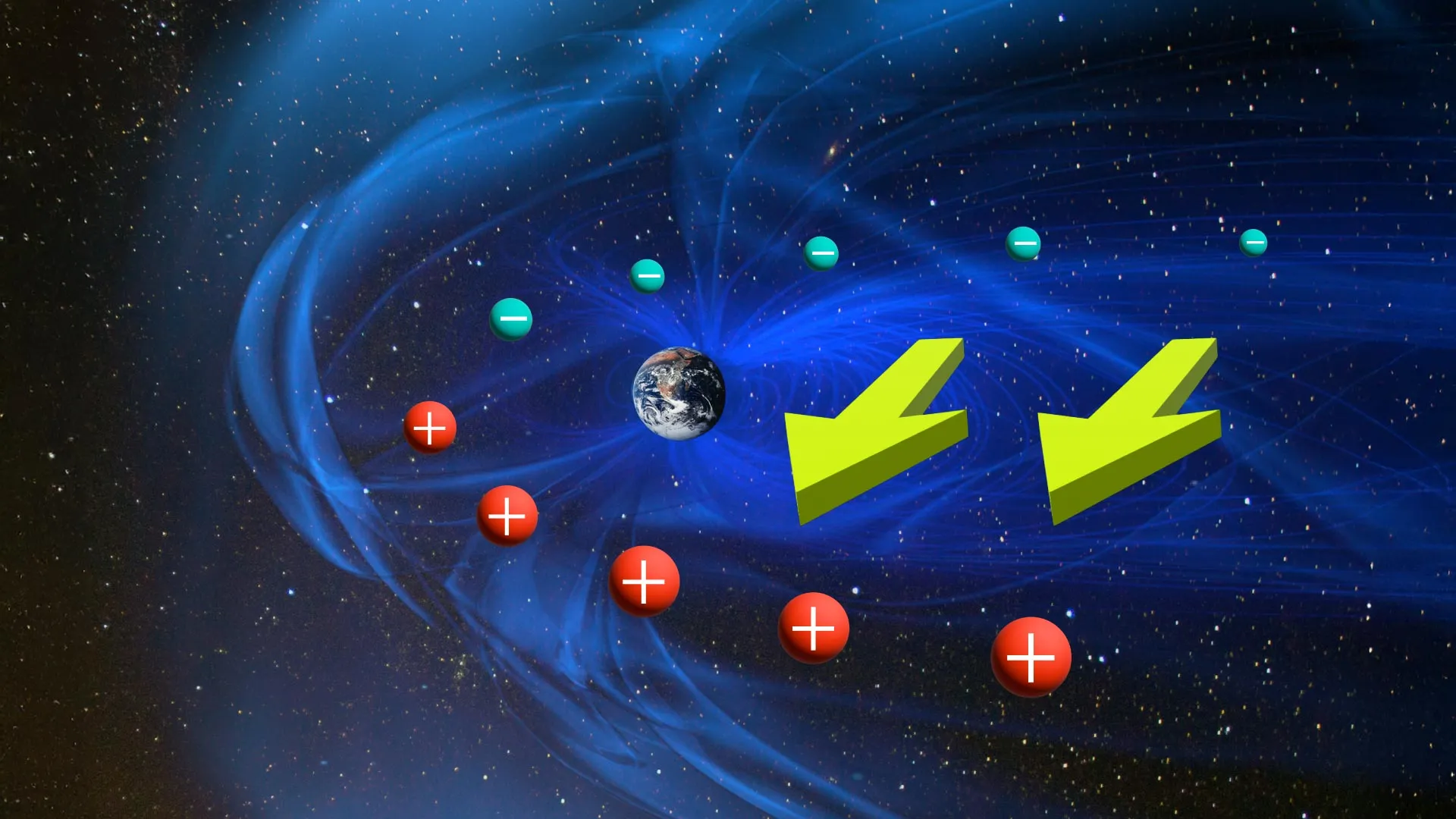
The area of space controlled by Earth’s magnetic field is called the magnetosphere. Within this vast magnetic bubble, scientists have observed an electric field that stretches from the morning side of Earth to the evening side. This large-scale electric force is a major influence on geomagnetic disturbances, including the storms that can disrupt satellites and communications.

Because electric forces move from positive to negative charges, scientists once assumed the magnetosphere was positively charged on the morning side and negatively charged on the evening side. However, recent satellite measurements have overturned that long-standing idea, revealing that the actual charge distribution is the reverse of what was expected.

This surprising finding led researchers from Kyoto University, Nagoya University, and Kyushu University to revisit how the magnetosphere’s electric characteristics are formed and sustained.

To test their hypotheses, the team used large-scale magnetohydrodynamic (MHD) simulations to recreate conditions in near-Earth space. Their model included a steady stream of high-speed solar wind, the constant flow of charged particles emitted by the sun. The results supported the recent satellite observations, showing that the morning side of the magnetosphere carries a negative charge while the opposite side is positive — but this pattern does not apply everywhere.

In the polar regions, the charge polarity matches the traditional theory. Near the equator, though, the pattern flips across a wide area, creating a striking difference between the two zones.

Plasma Motion Explains the Mystery

“In conventional theory, the charge polarity in the equatorial plane and above the polar regions should be the same. Why, then, do we see opposite polarities between these regions? This can actually be explained by the motion of plasma,” explains corresponding author Yusuke Ebihara of Kyoto University.

When magnetic energy from the sun enters Earth’s magnetic field, it moves clockwise on the dusk side of the planet and channels toward the poles. Meanwhile, Earth’s magnetic field lines run from the Southern Hemisphere to the Northern Hemisphere — upward near the equator and downward near the poles. This opposing orientation between the magnetic field and plasma flow leads to the reversal in charge distribution between the regions.

“The electric force and charge distribution are both results, not causes, of plasma motion,” says Ebihara. This insight reframes how scientists interpret electrical activity in Earth’s near-space environment.

Broader Implications for Planetary Science

Plasma convection — the large-scale flow of charged particles within the magnetosphere — drives many dynamic space phenomena. Recent studies also suggest that this movement influences Earth’s radiation belts, which are regions filled with fast-moving, high-energy particles.

By clarifying how plasma motion shapes electric fields, this research deepens understanding of large-scale space plasma behavior. It also sheds light on similar processes occurring around other magnetized worlds, including Jupiter and Saturn, expanding our grasp of how planetary environments evolve across the solar system.

Share Button

Long A&E waits causing heartbreaking suffering, charity says

Patients are dying in corridors and others left for hours in soiled clothes, says Age UK.

Share Button