NHS emergency departments are seeing more cases of self-harm, eating disorders and emotional distress in young people.


NHS emergency departments are seeing more cases of self-harm, eating disorders and emotional distress in young people.
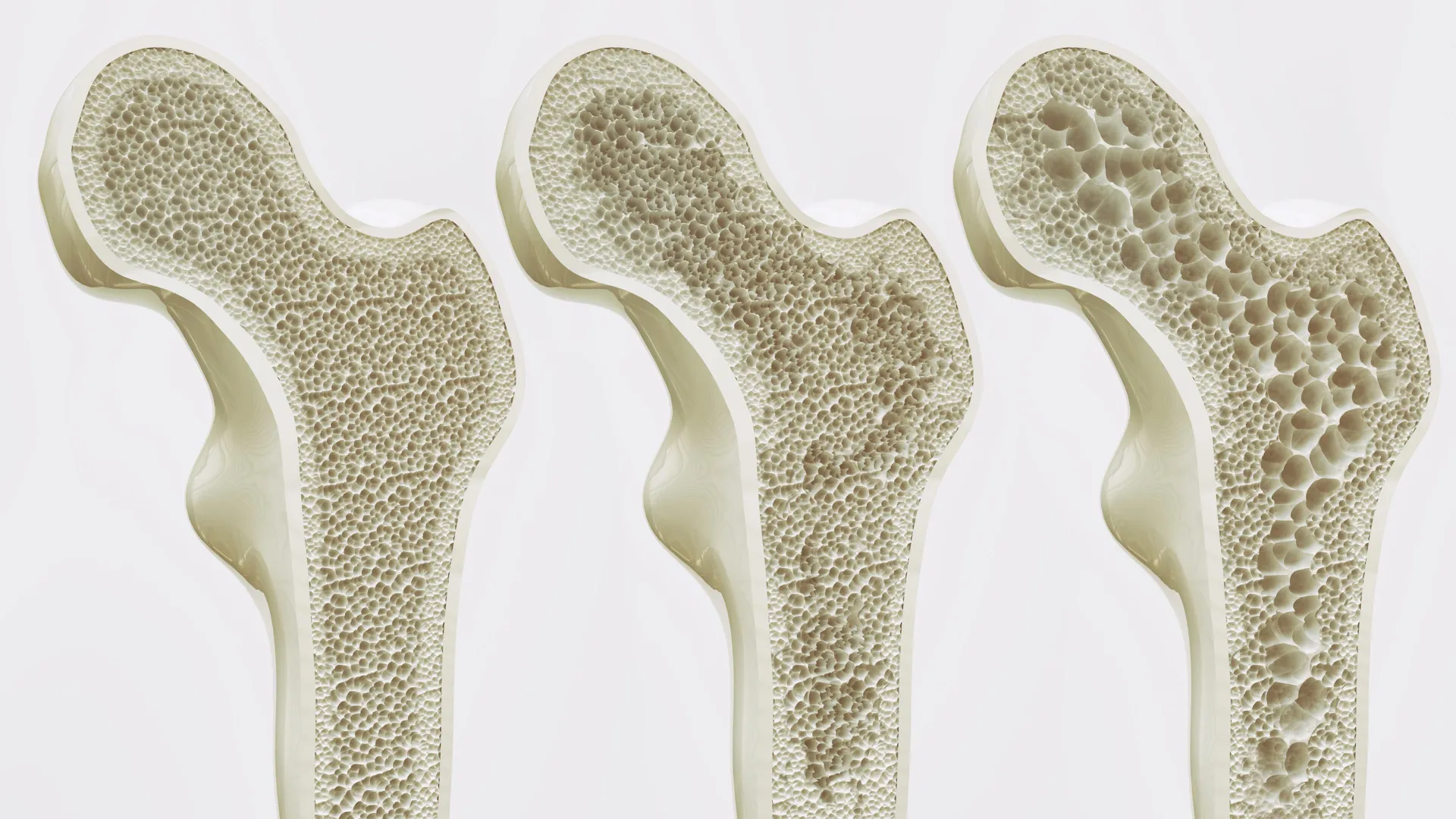
Researchers at Flinders University have found new evidence that coffee and tea may have different relationships with bone health in older women.
Published in Nutrients, the study tracked nearly 10,000 women aged 65 and older for 10 years. The researchers examined whether regular coffee and tea consumption was associated with changes in bone mineral density (BMD), an important measure used to assess osteoporosis risk.
Osteoporosis is a major health problem worldwide. It affects roughly one in three women over age 50 and is responsible for millions of fractures each year. Because billions of people drink coffee or tea every day, even small effects on bone health could have broad implications. Previous research on the subject has produced mixed findings, and relatively few studies have followed participants for such a long period.
Tracking Coffee, Tea, and Bone Density
The Flinders University researchers used data from the Study of Osteoporotic Fractures. They repeatedly assessed participants’ beverage habits and measured BMD at both the hip and femoral neck, two areas closely linked to fracture risk.
During the 10-year study period, the women regularly reported how much coffee and tea they drank. Researchers also used advanced imaging methods to monitor changes in their bone density.
The results showed that women who drank tea had slightly higher total hip BMD than those who did not drink tea. The difference was small, but it was statistically significant and could still matter when considered across large populations.
“Even small improvements in bone density can translate into fewer fractures across large groups,” says Adjunct Associate Professor Enwu Liu from the College of Medicine and Public Health.
Heavy Coffee Intake Linked to Lower Bone Density
Coffee showed a more complicated pattern. Drinking moderate amounts, about two to three cups per day, was not associated with harm to bone health. However, women who drank more than five cups a day had lower BMD, suggesting that very high coffee consumption could have negative effects.
The relationship also appeared to differ depending on other health and lifestyle factors. Women with higher lifetime alcohol consumption experienced stronger negative effects associated with coffee, while the apparent benefits of tea were more pronounced among women with obesity.
Ryan Liu, co-author on the paper, says that compounds called catechins, abundant in tea, may promote bone formation and slow bone breakdown.
“Coffee’s caffeine content, by contrast, has been shown in laboratory studies to interfere with calcium absorption and bone metabolism, though these effects are small and can be offset by adding milk,” says Ryan Liu from Flinders University.
A Possible Benefit From Daily Tea
Adjunct Associate Professor Enwu Liu adds that the findings suggest that regularly drinking tea could offer a simple way to support bone health later in life.
“While moderate coffee drinking appears safe, very high consumption may not be ideal, especially for women who drink alcohol,” he says.
The researchers emphasize that the differences they observed were modest. Although the findings were statistically significant, they were not large enough to justify major changes in an individual’s daily habits.
“Our results don’t mean you need to give up coffee or start drinking tea by the gallon,” says Associate Professor Liu.
“But they do suggest that moderate tea consumption could be one simple way to support bone health, and that very high coffee intake might not be ideal, especially for women who drink alcohol.
“While calcium and vitamin D remain cornerstones of bone health, what’s in your cup could play a role too. For older women, enjoying a daily cup of tea may be more than a comforting ritual, it could be a small step toward stronger bones,” he concludes.
The paper, ‘Longitudinal Association of Coffee and Tea Consumption with Bone Mineral Density in Older Women: A 10-Year Repeated-Measures Analysis in the Study of Osteoporotic Fractures’, by Ryan Yan Liu and Enwu Liu was published in Nutrients.
Acknowledgments: The funding for the SOF study comes from the National Institute on Aging (NIA) and the National Institute of Arthritis and Musculoskeletal and Skin Diseases (NIAMS), supported by grants (AG05407, AR35582, AG05394, AR35584, and AR35583).
Lucy Shepherd is one of 90 women to take part in a trial helping cancer survivors come off medication.
One menopause specialist says she has seen women with up to 12 times the safe level of the hormone.

The Sun does far more than provide Earth with light and heat. Two recent NASA-funded studies suggest that events from the Sun’s distant past may have influenced Earth’s climate in unexpected ways, from helping drive ancient temperature shifts to keeping the young planet warm enough for liquid water and possibly life.
One study from NASA’s SHIELD (Solar Wind with Hydrogen Ion charge Exchange and Large-Scale Dynamics) center, one of NASA’s DRIVE (Diversify, Realize, Integrate, Venture, Educate) Science Centers, examines how the heliosphere moved through the Milky Way over time. The heliosphere is the vast protective bubble produced by the Sun that surrounds the solar system. Researchers found that changes in the galactic environment around this bubble may have affected conditions on Earth.
A separate study led by a NASA scientist explores another ancient puzzle: how a much dimmer young Sun could have kept Earth warm. The findings suggest that powerful solar eruptions may have helped generate strong greenhouse gases in Earth’s early atmosphere.
The Sun’s Journey Through the Milky Way
Earth’s climate has changed dramatically over tens of millions of years. At various points, major ice ages temporarily lowered global average temperatures by several degrees, while other periods brought repeated swings between warmer and colder conditions.
Scientists have traditionally investigated changes in Earth’s orbit, greenhouse gas levels, ice coverage, and other planetary factors to understand these shifts. New research now suggests that changes in the space environment surrounding the Sun may also have played an important role.
The solar system is enclosed within a protective region created by the Sun, somewhat like the way Earth is surrounded by an atmosphere. This region, called the heliosphere, forms as charged particles in the solar wind continuously stream outward from the Sun in every direction.
Reconstructing the Sun’s Galactic Path
The entire heliosphere travels around the center of the Milky Way. During the Sun’s 4.6-billion-year lifetime, the solar system has moved through many different galactic environments.
In a study published on Aug. 21 in Annual Review of Astronomy and Astrophysics, researchers with NASA’s SHIELD center used computer simulations to reconstruct the heliosphere’s past trajectory through the galaxy. Their results suggest that some of the regions the solar system encountered may have produced measurable changes on Earth.
Merav Opher, SHIELD’s principal investigator at Boston University, and her colleagues simulated encounters between the solar system and extremely cold regions filled with gas and dust. Their work indicates that the Sun passed through such environments at least three times during the past several million years.
During these encounters, enormous interstellar “cold clouds” may have pressed against the heliosphere with enough force to dramatically compress it. According to the simulations, the heliosphere may at times have shrunk to a size smaller than Earth’s orbit, temporarily leaving our planet outside the Sun’s protective bubble.
When Earth May Have Lost Its Solar Shield
The modeled encounters occurred approximately 2 to 3 million years ago, 6 to 7 million years ago, and 13 to 14 million years ago. If the heliosphere contracted as the simulations suggest, Earth’s atmosphere would have been directly exposed to a very different interstellar environment during those periods.
The timing also lines up with geological evidence. Elements commonly associated with interstellar dust have been found in deep-sea sediment cores, Antarctic snow, and samples from the Moon that correspond to these time periods.
These episodes of heliosphere collapse may also help explain some ancient climate patterns.
In the simulations, exposing Earth’s atmosphere to a dense, cold cloud of galactic hydrogen increased atmospheric water vapor and changed conditions in the upper atmosphere. Those effects eventually influenced conditions closer to Earth’s surface.
The results raise the possibility that the solar system’s passages through colder parts of the Milky Way contributed to some long-term climate changes on Earth, potentially including ice ages.
Building a Digital Twin of the Heliosphere
NASA funds SHIELD as one of several centers designed to advance the study of heliophysics. As a DRIVE Science Center, SHIELD brings together researchers with different areas of expertise, methods, and scientific perspectives.
One of the center’s goals is to build a detailed model, or “digital twin,” of the heliosphere. This model could help scientists better understand how the Sun’s protective bubble responds when it encounters features such as dense interstellar clouds.
Studying the history and structure of our habitable solar system could also provide clues about how life evolved on Earth. In the future, that knowledge may help researchers identify other star systems capable of supporting habitable worlds.
The Mystery of the Faint Young Sun
A second study focuses on a different problem involving the Sun’s early history.
Vladimir Airapetian, a scientist at NASA’s Goddard Space Flight Center in Greenbelt, Maryland, and his collaborators investigated how early Earth managed to remain warm enough for liquid water when the young Sun produced much less energy than it does today.
About three billion years ago, the Sun was only 70% as bright as it is now. Based on that reduced output, Earth should theoretically have been frozen solid.
Geological evidence tells a different story. Stable liquid water existed on Earth long before then. The contradiction between a relatively warm early Earth and a cooler, dimmer Sun is known as the Faint Young Sun paradox.
A Violent Young Sun May Hold the Answer
Scientists may find clues by examining young stars elsewhere in the Milky Way that resemble the early Sun.
These “toddler” stars are far more active than mature stars. Observations from NASA’s retired Kepler space telescope show that young Sun-like stars can produce enormous superflares on a daily basis, sending high-energy particles racing outward through space.
If the young Sun behaved in a similar way, Airapetian proposes that these energetic particles could have triggered chemical reactions in Earth’s atmosphere that helped warm the planet.
To test that idea, Airapetian’s team recreated conditions thought to resemble the atmosphere of early Earth inside a sealed chamber. The researchers combined molecular nitrogen, ammonia, carbon dioxide, and carbon monoxide.
They then bombarded the gas mixture with protons to imitate the stream of energetic particles generated by solar superflares.
Superflares Could Have Created a Powerful Greenhouse Gas
The simulated particle bombardment produced several chemical changes, including the formation of nitrous oxide. Nitrous oxide is a greenhouse gas roughly 300 times more potent than carbon dioxide. The study was published in Astrophysical Journal Letters.
That nitrous oxide could have helped early Earth retain heat.
Not all of the gas would have remained in the atmosphere, however. Intense ultraviolet radiation from the young Sun would have broken down some nitrous oxide molecules, separating them back into nitrogen and oxygen.
Even so, the researchers found that relatively little nitrous oxide may have been needed.
Computer simulations showed that if just 10% of the nitrous oxide produced in the laboratory experiment survived, it could have raised temperatures near Earth’s equator to around 41 degrees Fahrenheit (5 degrees Celsius). That would have kept temperatures above the freezing point of water.
Conditions That May Have Favored Early Life
A cooler but unfrozen Earth may have offered another advantage.
The smaller surviving amount of nitrous oxide could have supported prebiotic chemical reactions. Research has found that temperatures only slightly above freezing can be more effective than warmer conditions for assembling complex chains of amino acids.
That means the young Sun’s violent activity may have done more than prevent Earth from freezing. It may also have helped create environmental conditions favorable to the chemistry that preceded life.
How the Sun Helped Shape Earth
Together, the two studies highlight how deeply Earth’s history is connected to the Sun.
The solar system’s movement through the Milky Way may have exposed Earth to changing interstellar environments capable of influencing its climate. Billions of years earlier, intense activity from the young Sun may have helped warm the planet when sunlight alone should not have been sufficient.
Earth is unusual in many ways, but it has never existed in isolation. It formed within a larger star-planet system and has remained closely connected to the changing behavior and environment of the Sun throughout its history.
Understanding that relationship could reveal new clues about Earth’s climate, the evolution of life, and the conditions that might make other planetary systems habitable.
Hundreds of families say they have had to wait months or even years for a dementia diagnosis for a loved one.
The NHS has been trialling the test and says the results so far are truly promising.
A good eye cream doesn’t have to cost an arm and a leg. At least, it doesn’t when Clinique’s All About Eyes is 50% off ahead of Labor Day. Lightweight and scentless, this daily cream is loved for keeping peepers bright, smooth and “looking young,” without being heavy, oily or greasy. Reviewers say since adding this to their lineup, they’ve bid adieu to “tired dry eyes,” dark circles, puffiness, dry spots and even fine lines and wrinkles. If you need more convincing, this is the lowest price this cream has been in nearly a year, so we doubt the sale will last much longer.
Advertisement
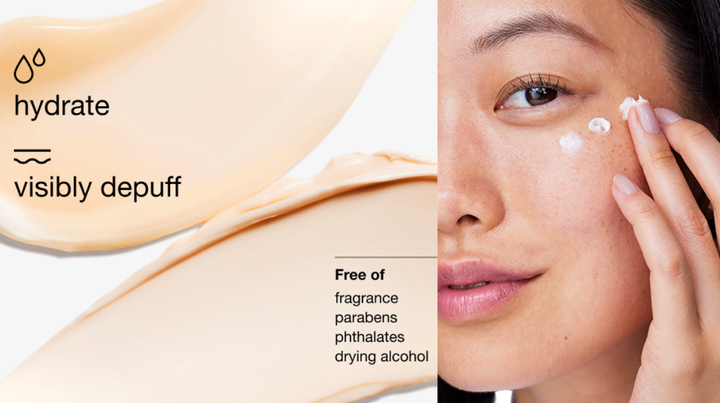
The added shea butter brings nourishment and soothing, with green tea and wheat germ for extra brightening. (Note: if you have celiac disease or a severe gluten sensitivity, this may be a skip.) In the world of skin care, reviewers say this one takes the cake, swearing by it for brightening, refreshing and smoothing.
Advertisement
A 51-year-old reviewer says the cream’s superior hydration means “no more dry under-eye,” noting, “I am very sensitive, and this doesn’t bother my eyes!”
A 52-year-old reviewer who’s “tried every eye cream on the market” writes, “this is the only one that takes the bags and dark circles away in a flash!” “I’ve even used it to freshen up my eyes if I’ve had my makeup on all day and I am going out,” they said. “It works great!”
Others note how well the cream works for making eyes look more radiant and well-rested. “It is so refreshing to place under my eyes in the morning and gets rid of the dark circles and puffiness,” one wrote. “It also adds a brightness under my eyes. This is an everyday staple for me and a definite must-have!”
Advertisement
Another writes they use the cream every morning and “would not feel like I was dressed without it.”
In addition to keeping skin brighter and less puffy, fans say Clinique All About Eyes helps “my eyes to look younger and less wrinkled.”
“I use it every morning,” an 82-year-old reviewer said. “…It has helped a lot with my skin.” “I look 10 years younger,” another reviewer says, reporting that they use the cream to “avoid wrinkles.”
Advertisement
Shopper Allysen writes the cream “softens the lines under my eyes and hydrates and smooths out my skin under my eyes.” The brand says it’s gentle enough to use twice daily, applied with a gentle finger tap and pat, rather than rubbing. As it’s fragrance-free and quick-drying, the brand says it layers well with makeup, though they recommend waiting two minutes for it to full absorb into your skin. “Easy to apply,” Allysen said. “It’s a nice rich cream that is not oily or greasy and my skin soaks it up since my skin is so dry. Very hydrating.”
“I am 52 years old and have tried every eye cream on the market! This is the only one that takes the bags and dark circles away in a flash! I’ve even used it to freshen up my eyes if I’ve had my makeup on all day and I am going out. It works great!” — Karrie
“This eye cream is amazing! It softens the lines under my eyes and hydrates and smooths out my skin under my eyes. Easy to apply, it’s a nice rich cream that is not oily or greasy and my skin soaks it up since my skin is so dry. Very hydrating.” — Allysen Flood
“Beautiful eye cream. Im 51 and not many lines or wrinkles and want to keep it that way as long as I can! I have been looking for one that really has hydrating texture. This is it. Definitely sticking with this one. I already purchased bigger jar!! I am very sensitive and this doesn’t bother my eyes! Get it you won’t be disappointed!” — Angie K
“Entering my late twenties prompted me to invest in higher quality skin care products ― this was a wise purchase! I wasn’t expecting a miracle from this cream, but was hopeful it would help smooth the beginnings of some wrinkles forming around my eyes. Not only has it made the wrinkles that were creeping up on me disappear, but the overall appearance of my under eye area is better. Dark circles are slightly less noticeable and since this rich cream is so hydrating my skin is much healthier looking ― I go without undereye makeup much more often. I even use it on the random dry patches that can pop up on my face in the winter elsewhere on my face and it works great! Don’t let the price scare you at all, this tub will last you ages (and keep you ageless).” — t_h_e
“I’m on my second jar of this pricey but excellent product. I place a dab on the sensitive skin under my eyes every morning, and would not feel like I was dressed without it. I can’ speak to any miracle results like most women’s facial products promise, and I still have dark circles under my eyes like I have had since I can remember, but I am 64 years old and don’t have wrinkles or bags under my eyes, so I’m happy. I used an Este Lauder eye care product for years, but switched to this brand after I started using a jar of it my mother left behind. This one is not as greasy as the Este Lauder product. I don’t like perfumed facial products, and this one has no smell. I plan to stick with it.” — YvonneNC
Advertisement

Amazon
If you’re an eye cream skeptic, then this affordable gel might change your mind. It’s made with caffeine, peptides and hyaluronic acid to help reduce the look of tired, puffy eyes and dark circles. The formula is surprisingly effective and can help perk up your peepers for just $6 a tube.
Promising review: “I really love this stuff. It is extremely moisturizing and feels great under your eyes. I am in my late 50’s and have had multiple coworkers ask me what I was doing differently the first week I started using it. It does seem to offer some lasting smoothing, hydrating and brightening effects, for me at least. I will definitely continue to use. For the price, it’s great and better than other more expensive brands I have tried. It also takes a very small amount to apply.” — LD16
Amazon
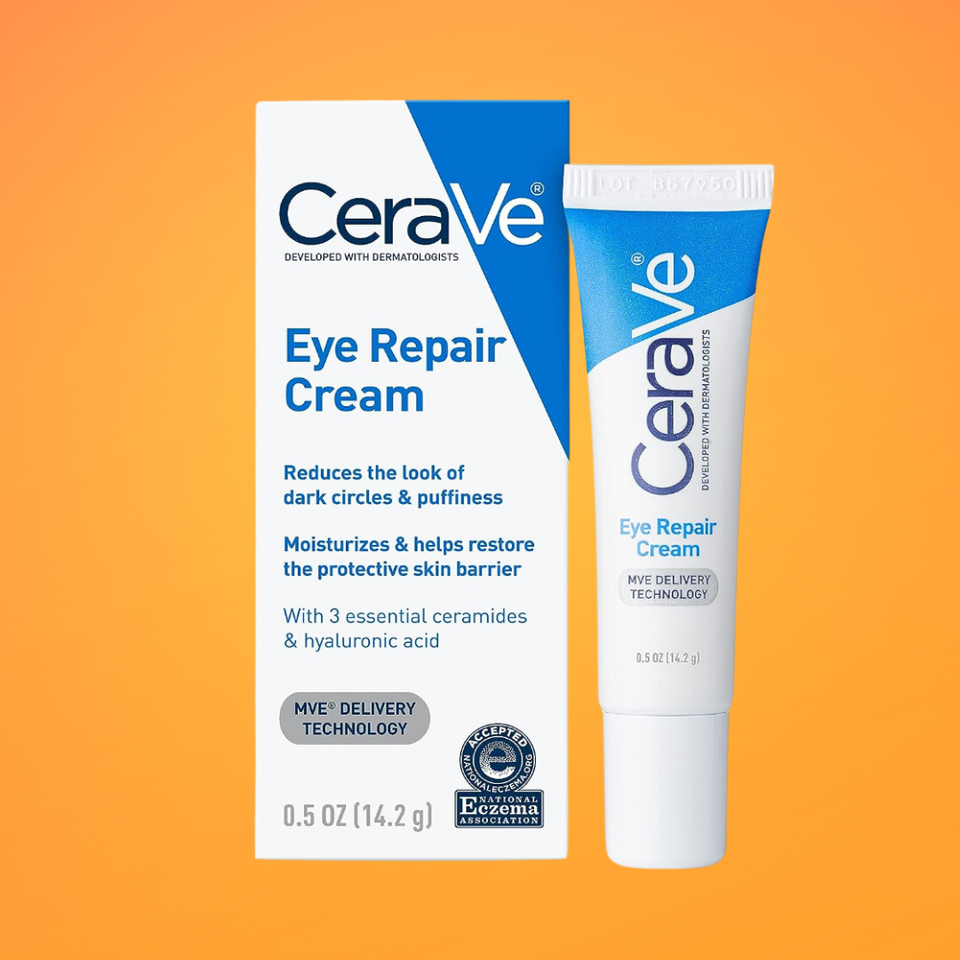
This dermatologist-recommended eye cream is a HuffPost reader favorite. Yummy, nourishing and potent anti-aging ingredients like hyaluronic acid, niacinamide and ceramides can help to increase hydration while smoothing and brightening the under-eye area. It’s a great affordable option for someone who wants to add a bit of oomph to their routine without breaking the bank. This cream is also fragrance-free so it’s ideal for people with extra sensitivities.

Amazon
This cult-fave and HuffPost reader-pick eye cream is wildly popular at Amazon, boasting over 19,000 5-star ratings from happy customers.Reviewers note that the cream works wonders on dark circles, in particular. It can help address common eye concerns like puffiness, dark circles and wrinkles thanks to its hydrating formula that’s been infused with dermatologist Dr. Bradley Glodny-approved ingredients like retinol and antioxidants.
Promising Amazon review: “I have probably tried a hundred different eye creams, and this is the only one that has given me noticeable results. My under-eyes were visibly firmer with the first use, and the dark circles are fading after only a few days. Definitely recommend!” — stefany9579
Advertisement
The Real Deal: We use deal trackers and commerce experience to sift through “fake” hike-and-drop deals and other deceptive sales tactics. Products will usually be rated at least 4 stars with a minimum 15% discount. (And when there’s an exception, we’ll tell you why.)
Advertisement

Simple practices such as mindfulness, gratitude journaling, and optimism training may improve several markers of cardiovascular health within a matter of weeks. A recent study found that these positive psychology interventions were consistently associated with improvements in blood pressure, inflammation, and other heart disease risk factors. Because some of the benefits appeared to be connected with healthier behaviors, including better eating habits and increased physical activity, the researchers said continued reinforcement may be necessary to maintain progress over time.
Rosalba (Rose) Hernandez, a professor of social work at the University of Illinois Urbana-Champaign, led the research team. The group reviewed results from 18 randomized controlled trials that tested positive psychology and mindfulness interventions designed to improve mental or physical health.
How the Heart Health Programs Worked
The programs varied widely in how they were delivered. Some relied on structured phone sessions, journaling paired with brief check-ins, or digital tools such as apps and text messages. Others involved interactive in-person group meetings or hybrid approaches that combined face-to-face activities with online tools and virtual sessions.
Most programs included weekly sessions along with activities participants completed at home to reinforce what they had learned. The majority lasted between six and 12 weeks.
The studies generally enrolled groups of 50-200 adults who already had elevated cardiovascular risk, including uncontrolled hypertension, heart failure, or other health conditions. Participants were usually in their late 50s to mid-60s. Among studies that reported gender, women made up 35-55% of the participants.
“In hypertension and postacute coronary syndrome cohorts, mindfulness-based programs delivered over an eight-week period reduced systolic blood pressure and lowered inflammatory markers such as high-sensitivity C-reactive protein and fibrinogen,” said Hernandez, who is a Fellow of the American Heart Association. “A 12-week spirituality-based digital intervention achieved one of the largest reductions — reducing systolic blood pressure measured with a standard cuff by 7.6 points, and central systolic pressure — which is measured in the aorta as it leaves the heart — by 4.1 points.”
Finding the Right “Dose” of Positivity
Previous research on positive psychology often did not clearly establish how frequently people needed to practice these techniques, or for how long, to gain health benefits, Hernandez said. Her team wanted to determine what level of participation was most consistently associated with improvements in cardiovascular health.
The review showed that programs with more frequent participant contact tended to produce the most reliable physiological benefits. Hernandez said this finding highlights the potential value of incorporating positive psychology strategies into long-term cardiovascular treatment and prevention.
The strongest behavioral changes came from an eight-week WhatsApp-based program that paired weekly sessions with daily microtasks. Participants were encouraged to become more physically active, improve their diets, and take their medications as prescribed.
Another program that incorporated motivational interviewing increased cardiac patients’ activity by 1,800 steps per day while also improving medication adherence. By comparison, the mindfulness programs improved physical activity and diet, but did not produce the same medication adherence benefit, according to the study.
“The therapeutic dose that was most consistently linked with improvements in blood pressure, inflammation and endothelial function was daily practice reinforced by weekly sessions over eight to 12-week periods,” Hernandez said. “Therapeutic dosing typically involved high-frequency dosing over this time period to obtain short-term physiologic benefits, while ongoing less-intensive contact may be needed to sustain behavioral change.”
Mental Health as Part of Heart Care
The study was published in the journal Cardiology Clinics. Co-authors included University of South Florida social work professor Soonhyung Kwon; Alyssa M. Vela, a professor of surgery and of psychiatry and behavioral sciences at Northwestern University Feinberg School of Medicine; and Katharine S. Edwards, a professor of cardiovascular medicine and of psychiatry and behavioral medicine at Stanford Medicine.
“The findings of this study further point to the importance of attending to mental and behavioral health for cardiovascular disease prevention and cardiovascular health optimization,” Vela said. “This speaks to the need for routine screening and integration of cardiac behavioral medicine to allow for access to important interventions.”
The findings contribute to a growing body of evidence connecting psychological well-being with cardiovascular protection. Traits and experiences such as optimism, positive affect, and gratitude have increasingly been associated with healthier hearts.
Earlier Research Linked Optimism to Healthier Hearts
The new work builds on a prior study led by Hernandez, which found that people with the highest levels of optimism tended to have healthier hearts. That research was published in the journal Health Behavior and Policy Review.
That earlier study was funded by the National Institutes of Health and the National Center for Research Resources. It was co-written with preventive medicine professors Kiarri N. Kershaw, Juned Siddique and Hongyan Ning, all of Northwestern University Feinberg School of Medicine; preventive medicine and epidemiology professor Donald M. Lloyd-Jones of Boston University Chobanian and Avedisian School of Medicine; psychology professor Julia K. Boehm of Chapman University; social and behavioral sciences professor Laura D. Kubzansky of Harvard University School of Public Health; and Distinguished Professor of Epidemiology Dr. Ana Diez Roux of Drexel University.
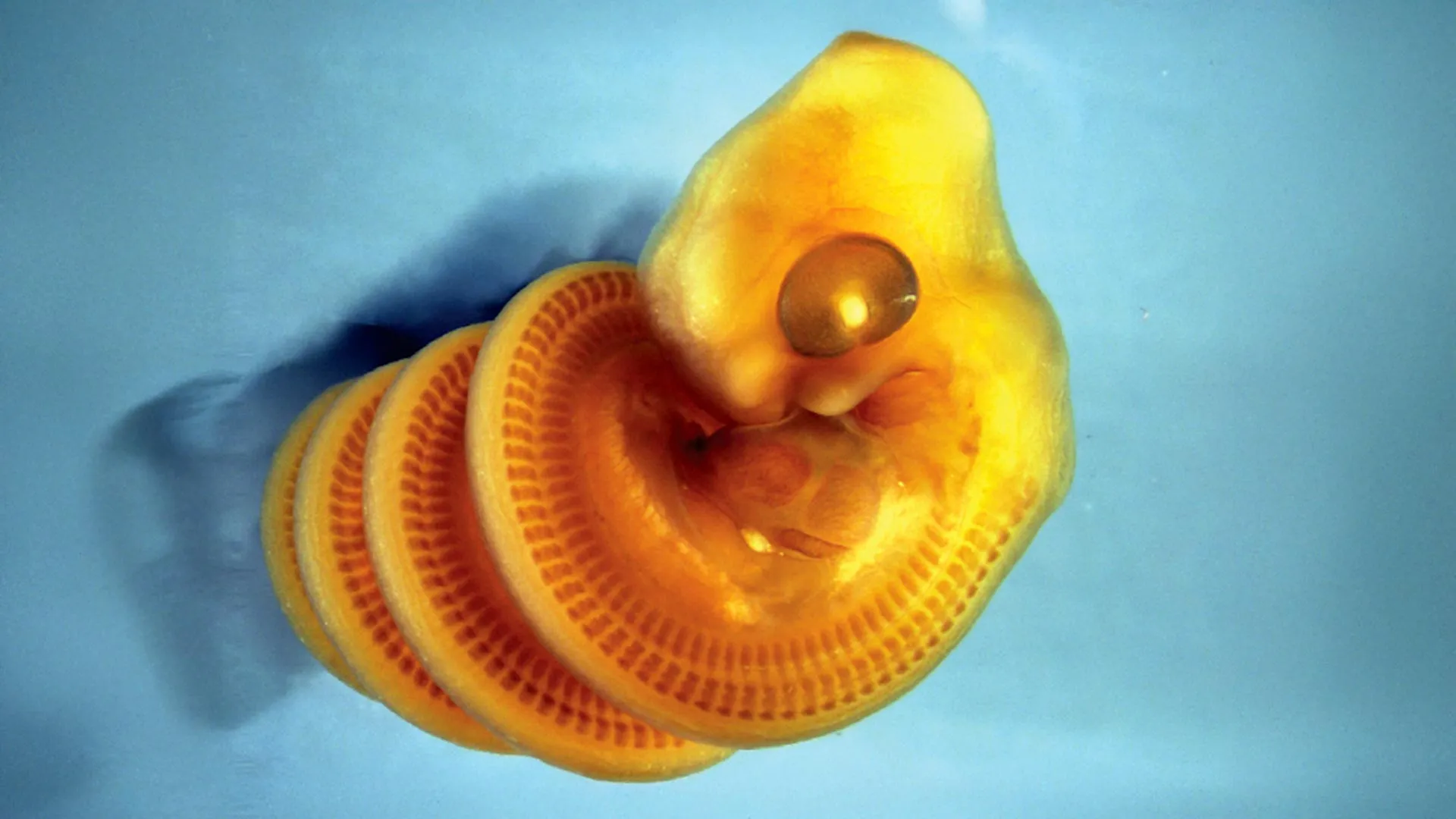
An international research team led by scientists in Canada has uncovered a likely explanation for one of the more unusual features of snake development: why embryos curl into tight spirals before hatching. This coiling behavior appears to help snakes accommodate the exceptionally long bodies that distinguish them from every other vertebrate.
The findings, published in Current Biology, suggest that the spiral forms as the embryo’s body rapidly lengthens while its gut acts as a tether. That physical constraint causes the growing body to buckle and twist into a right-handed coil.
“It’s like when you adjust the length of a strap and the longer, buckling side of the loop twists,” explains senior author and team leader Dr. Tetsuto Miyashita, evolutionary biologist at the Canadian Museum of Nature.
Why Spirals Form in Nature
The discovery adds snake embryos to a long list of naturally occurring spiral structures that scientists are still working to understand.
“There is a touch of mystery to spirals, and we are only beginning to understand how these shapes are produced in animals, such as our looping intestine, snail shells, and now these beautifully coiled snake embryos,” says lead author Alexandra Weber, now a graduate student in zoology at the University of British Columbia.
Adds Miyashita: “These puzzles beckon our curiosity. After all, spiral forms in nature have inspired human creations ranging from rotini pasta, to a barber’s pole or even portrayals of the biblical ‘Tower of Babel’.”
The project itself grew out of an unusual circumstance. During the COVID lockdown in 2020, Miyashita was working from home and looking for a research question his students could investigate without access to laboratories or museum collections.
“Then the lightbulb turned on. I had inherited from my PhD advisor this fascination with asymmetries in animal forms. So every time I saw images of snake embryos in papers, I wondered whether they are right- or left-handed in their coiling.”
That question became the foundation of the study.
More Than 900 Snake Embryos Examined
Miyashita asked Weber, who was then at Carleton University, along with two undergraduate students at the University of Ottawa, to search published research and museum databases for photographs of developing snakes.
“We obtained pictures for more than 900 embryos from 39 snake and other limbless squamate species. That’s a statistically robust sample.”
A clear pattern emerged. During the first several weeks after the eggs were laid, the embryos appeared to coil only dextrally, meaning to the right, as viewed from head to tail.
“At these stages, the embryos don’t have muscles to move with, so different forces are making them coil right-handed,” Weber explains. “But we didn’t know what’s making them do that.”
Because the embryos were not yet capable of actively moving their bodies into position, the researchers suspected that some physical feature of their development was creating the twist.
CT Scans Reveal a Hidden Gut Structure
A crucial clue came from Dr. Raul Diaz, a collaborator at California State University Los Angeles. Diaz used CT imaging to examine snake embryos in greater anatomical detail.
The scans revealed an unexpected arrangement inside the developing animal.
“Raul’s CT scan of a snake embryo revealed a structure we had never seen before ¾ it was a pillar of gut stretching through the spiral of the coiling body,” Miyashita says. “There’s an intestine detached from the rest of the body, surrounded by tendrils of blood vessels from the yolk.”
That observation gave the team the mechanism they had been searching for.
Snake embryos must lengthen rapidly to produce their unusually elongated bodies, but the gut does not grow at the same rate. The mismatch in growth creates a mechanical constraint that helps force the body into a spiral.
“So they detach the slow-growing gut, which is now tethering the lengthening body. The body buckles and twists into coiling,” Miyashita explains. “This coiling force is directed so the embryos grow to the opposite side of the yolk. And the yolk is always to the left side of the embryo, hence the embryo will always start coiling right-handed.”
Why the Coiling Direction Later Changes
The embryos do not remain locked into this right-handed arrangement throughout development. As they grow, the yolk becomes smaller, and the embryos gain more room to shift position. Their muscles also mature, allowing them to begin moving on their own.
“Some remain in right-handed coils, but some recoil to the left side,” Weber says. “So half of these near-hatching embryos are right-handed and the other half left-handed.”
The results suggest that the earliest direction of coiling is imposed by developmental anatomy and physical forces rather than by deliberate muscular movement.
For Miyashita, the discovery also illustrates how a simple observational question can lead to a broader biological insight.
“Scientists have long been fascinated with how and why snakes evolved their strange body form. To answer that question, they tended to take a deep dive into sophisticated genetic research, looking at Hox genes, enhancers, and so on,” he says. “These are key discoveries. But here, out of the COVID lockdown, we uncovered a snake’s secret with a startlingly simple approach — just scroll through an album of snake embryos and record which way they are coiled, and take a good look at their anatomy.”
A New Model for Spirals in Biology
The researchers believe the same general model could eventually help scientists investigate other spiral-shaped structures found in living organisms.
“We are now opening the possibility to develop this model further to explain other spiral forms in nature,” he adds.
Weber agrees: “This all started out with a curiosity to see if snakes are ‘handed’. It was exciting to follow it to deep insights about their evolution.”
The study team consists of scientists, students, and professors from the Canadian Museum of Nature, the University of British Columbia, Carleton University, the University of Ottawa, California State University Los Angeles, and the University of Helsinki.
