Scientists analyzed 100,000 exams and found the best time to take one

To succeed at university, Italian students need to pass interview-style oral exams. Now scientists have found that the time of the exam could be a critical factor influencing their success… or failure. Even when other factors were excluded, the chances of passing were highest around lunchtime, and lowest at the beginning or end of the day.

“We show that academic assessment outcomes vary systematically across the day, with a clear peak in passing rates around midday,” said Prof Carmelo Mario Vicario, director of the Social-Cognitive Neuroscience Lab at the University of Messina and lead author of the article in Frontiers in Psychology. “Students were more likely to pass in late morning compared to early morning or late afternoon.”

“We believe this pattern could extend to job interviews or any evaluative process scheduled throughout the day,” added Vicario. “We would be very interested in investigating whether hiring decisions, too, fluctuate in fairness or outcome depending on time of day.”

Timing is everything

The researchers were inspired by work which showed that judges were most likely to rule in favor of a defendant after meal breaks or at the beginning of a session. However, this could have been influenced by different types of case being presented at different times. So the researchers looked at oral exams, which are more subjective than legal decisions. If the time of day influences people’s judgement, large-scale data on exam outcomes should show evidence of it.

“Oral exams in Italian universities are scheduled at set times, typically lasting 10 to 30 minutes per student,” explained Vicario. “There’s no standardized format: professors ask questions based on the course content, and grades are assigned on the spot. These exams can be highly stressful due to their unpredictable nature and the strong weight they carry in academic progression.”

A database from the University of Messina allowed researchers to access the results of exams conducted between October 2018 and February 2020. The researchers collected the time, date, and outcome of 104,552 assessments delivered by 680 examiners for 1,243 courses. They also used the number of credits granted towards a degree per exam to measure the difficulty of individual exams. This allowed them to exclude the difficulty of the exam as a factor and carry out statistical analysis evaluating the likelihood of passing based on the time when the exam began.

Beating the curve

The researchers found that only 57% of the exams were passed. The passing rate followed a bell curve with a peak at noon: there was no significant difference in your chance of passing if you sat your exam at 11:00 or 13:00, but your chances of passing were lower if you took the exam at 08:00 or 09:00, or at 15:00 or 16:00. The chance of passing was equivalent in the early morning and in the late afternoon.

“These findings have wide-ranging implications,” commented Prof Alessio Avenanti of the University of Bologna, co-author of the study. “They highlight how biological rhythms — often overlooked in decision-making contexts — can subtly but significantly shape the outcome of high-stakes evaluations.”

Although the study can’t identify the mechanisms behind this pattern, the peak in passes at midday is consistent with evidence that cognitive performance improves over the course of the morning before declining during the afternoon. Students’ falling energy levels could lead to diminishing focus, compromising their performance. Professors might also be experiencing decision fatigue, leading them to mark more harshly.

Meanwhile, poorer results earlier in the day could be down to competing chronotypes. People in their early 20s are usually night owls, while people in their 40s or older tend to be morning larks. The students might be least cognitively sharp at the time when the professors are most alert.

“To counteract time-of-day effects, students might benefit from strategies like ensuring quality sleep, avoiding scheduling important exams during personal ‘low’ periods, and taking mental breaks before performance tasks,” suggested Vicario. “For institutions, delaying morning sessions or clustering key assessments in the late morning may improve outcomes.”

But more research is needed to fully understand the factors which contribute to the time of day’s influence on students’ performance, and develop ways of improving the fairness of assessments.

“While we controlled for exam difficulty, we can’t entirely exclude other unmeasured factors,” said Prof Massimo Mucciardi of the University of Messina, senior author. “We couldn’t access detailed student- or examiner-level data such as sleep habits, stress, or chronotype. This is why we encourage follow-up studies using physiological or behavioral measures to uncover the underlying mechanisms.”

Share Button

Doctor strike will harm patients, NHS boss warns

A senior official says the planned walkout will impact both emergency and non-urgent care.

Share Button

Penile cancer medical trial ‘gave me two more years’

Eddie Baker, 83, was given immunotherapy alongside the usual chemotherapy.

Share Button

Students feel ‘let down’ by mental health support – but should it really be up to universities?

The number of students reporting mental health concerns is rising. But to what extent should the onus be on universities?

Share Button

Health DIY tests often inaccurate, study says

Shop-bought health kits for a wide range of conditions are readily available across the UK.

Share Button

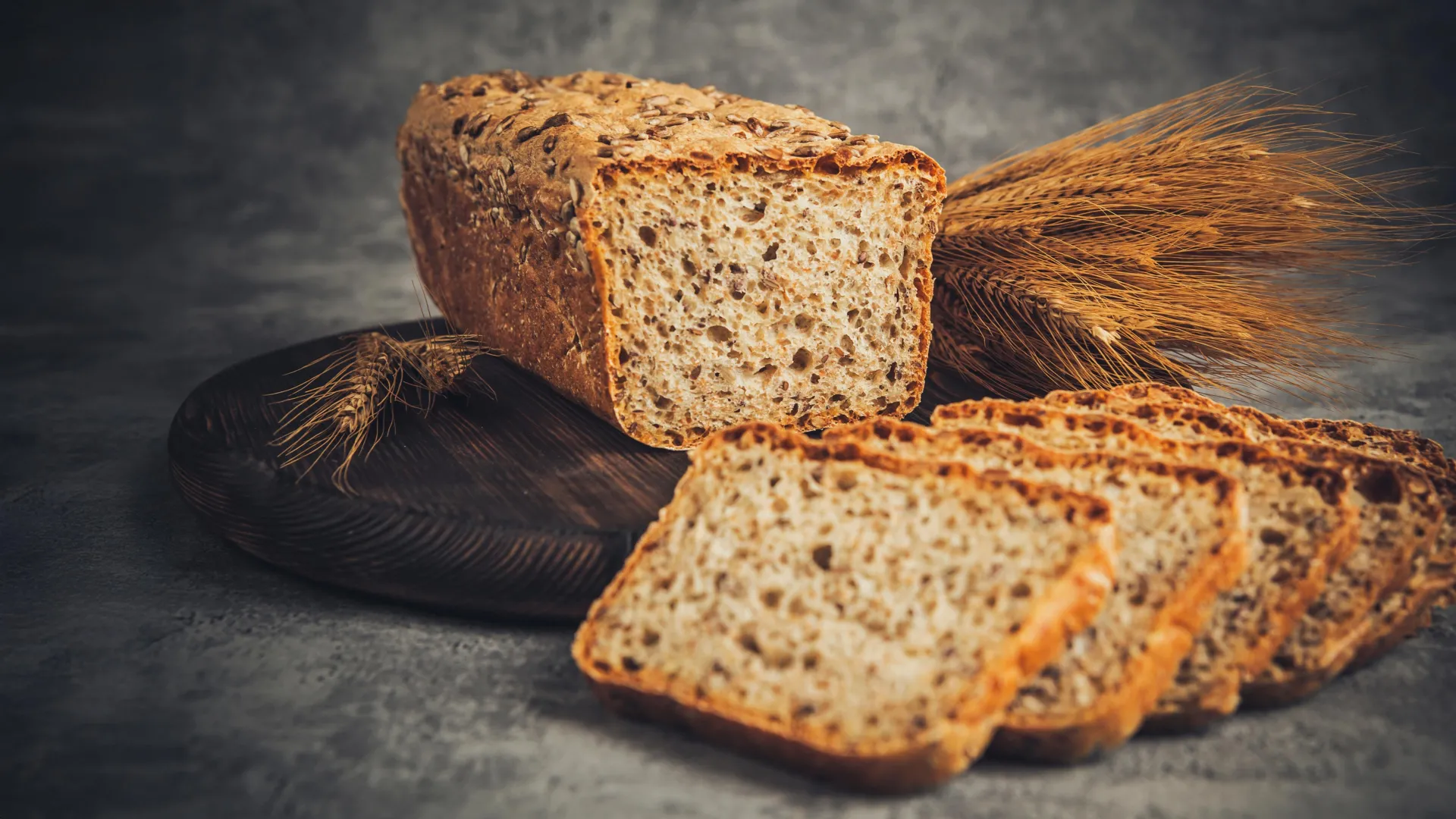
The fungus that makes bread better for you

New research in Plants, People, Planet indicates that bread wheat’s micronutrient content can be increased by cultivating it with a specific type of fungus.

When investigators grew different types of wheat with and without the arbuscular mycorrhizal fungus Rhizophagus irregularis, they observed that crops grown with fungi developed larger grains with greater amounts of phosphorus and zinc. The higher amount of phosphorus in the grain did not result in an increase in phytate (a compound that can hinder digestion of zinc and iron). As a result, bread wheat grown with fungi had higher bioavailability of zinc and iron overall compared with bread wheat grown in the absence of fungi.

“Beneficial soil fungi could be used as a sustainable option to exploit soil-derived plant nutrients. In this case, we found potential to biofortify wheat with important human micronutrients by inoculating the plants with mycorrhizal fungi,” said corresponding author Stephanie J. Watts-Williams, PhD, of the University of Adelaide, in Australia.

Rhizophagus irregularis is a species of arbuscular mycorrhizal fungus that forms beneficial relationships with the roots of many types of plants. It helps plants take in more nutrients—especially phosphorus and micronutrients—by extending its thin, root-like structures deep into the soil.

This fungus is one of the most widely studied and used in agriculture and ecology because of its broad compatibility with crops and its ability to improve plant growth, health, and soil quality. By boosting nutrient uptake naturally, R. irregularis supports more resilient plants and reduces the need for chemical fertilizers, making it a valuable tool in sustainable farming and reforestation efforts.

Share Button

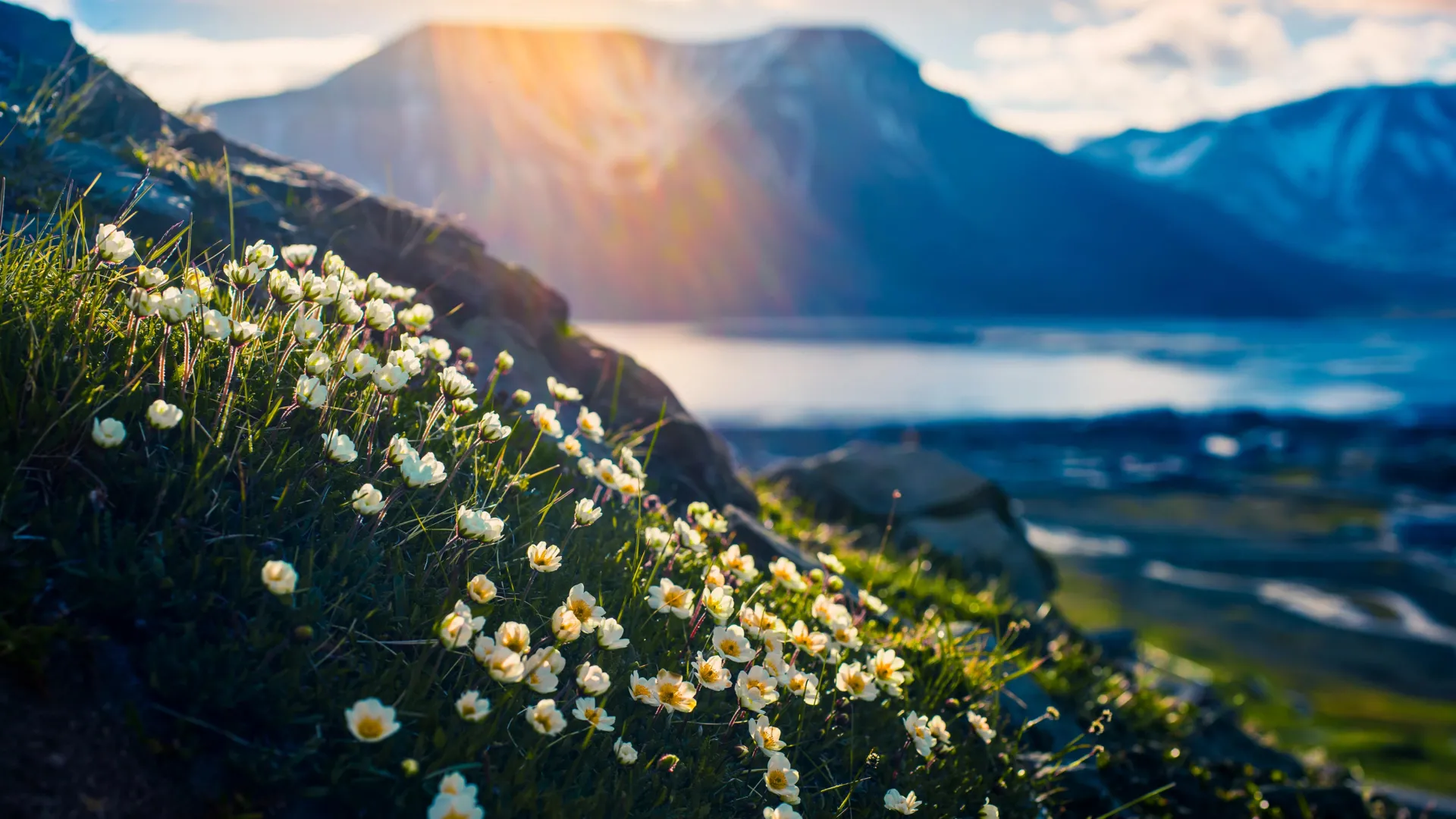
Snowless winter? Arctic field team finds flowers and meltwater instead

A new commentary published in Nature Communications by Dr James Bradley, Reader in Environmental Science at Queen Mary University of London, and his team reveals a dramatic and concerning shift in the Arctic winter. During a fieldwork campaign in Svalbard in February 2025, researchers encountered exceptionally high temperatures, widespread snowmelt, and blooming vegetation.

Svalbard, warming at six to seven times the global average rate, is at the forefront of the climate crisis, with winter temperatures rising at nearly double the annual average. The commentary highlights that winter warming in the Arctic is no longer an exception but a recurring feature of a profoundly altered climate system, challenging the long-held assumption of a reliably frozen Arctic winter.

“Standing in pools of water at the snout of the glacier, or on bare, green tundra, was shocking and surreal,” Dr Bradley describes his experience. “The thick snowpack covering the landscape vanished within days. The gear I packed felt like a relic from another climate.”

The team, accustomed to preparing for extreme cold with thermal layers, thick gloves, and insulated down, found themselves working bare-handed in the rain on the glacier.

Laura Molares Moncayo, a PhD student at Queen Mary and the Natural History Museum and a co-author on the study, added: “The goal of our fieldwork campaign was to study freshly fallen snow. But over a two-week period, we were only able to collect fresh snow once, as most of the precipitation fell as rain. This lack of snowfall in the middle of winter undermines our ability to establish a representative baseline for frozen-season processes. The unexpected melt not only disrupted our sampling plan, but also made us question how safe or feasible winter fieldwork really is under such rapidly changing conditions.”

This firsthand experience corroborates long-standing projections about Arctic amplification, but it also underscores the alarming speed at which these changes are taking hold. The crossing of the 0°C melting threshold has a transformative impact on the physical environment, the dynamics of local ecosystems, and the very methodology of conducting scientific research in the Arctic during winter.

The implications of these rapid winter changes for the Arctic ecosystem are far-reaching. Winter warming events can disrupt everything from microbial carbon cycling to the survival of Arctic wildlife. These events may also create a feedback loop, accelerating permafrost thaw, microbial carbon degradation, and the release of greenhouse gases across the Arctic. The observed meltwater pooling above frozen ground, forming vast temporary lakes and reducing snow cover to zero in large areas, further exposes the bare ground surface and leads to widespread blooms of biological activity.

The commentary calls for urgent action and highlights critical policy implications. “Climate policy must catch up to the reality that the Arctic is changing much faster than expected, and winter is at the heart of that shift,” states Dr Bradley.

The commentary urgently calls for increased investment in wintertime Arctic monitoring, highlighting a significant lack of data and understanding regarding Arctic systems during this fastest-changing season. More observations and experimentation are crucial, not only to establish baselines but also to project future impacts. Furthermore, the authors stress that policymaking must shift from reactive to anticipatory strategies, recognising winter as a critical season of risk. The challenges already faced by well-equipped scientific bases due to mid-winter warming underscore the immense pressure this might place on remote Indigenous Arctic communities, their infrastructure, transport, and emergency responses.

The unexpected conditions during fieldwork, including the thin and slushy snow that hindered snowmobile access to field sites, forced researchers to reconsider how and even whether they can continue winter science as usual. This also presents new safety concerns, including rescue efforts and the ability for the researchers to retreat quickly to the safety of the research station if they encounter polar bears while working in the field.

The commentary, “Svalbard winter warming is reaching melting point,” serves as a stark reminder of the accelerating pace of climate change in the Arctic, emphasising that these anomalies are, in fact, the new Arctic reality.

The article involves authors from Queen Mary University of London, the Mediterranean Institute of Oceanography in Marseille, France, The Natural History Museum in London, University of Naples Federico II in Italy, the CNR Institute of Polar Science in Italy.

“We are still unaware of the consequences that these recurring events are bringing to Arctic ecosystems, especially during the winter period, where conditions are more complex and data is scarce,” said Donato Giovannelli, an geomicrobiologist at the University of Naples Federico II in Italy and one of the senior authors on the paper. “We might have been too cautious with our messages. Irreversible changes to the Arctic climate are happening in front of our own eyes.”

Share Button

Watch the Earth split in real time: Stunning footage reveals a 2. 5-meter fault slip in seconds

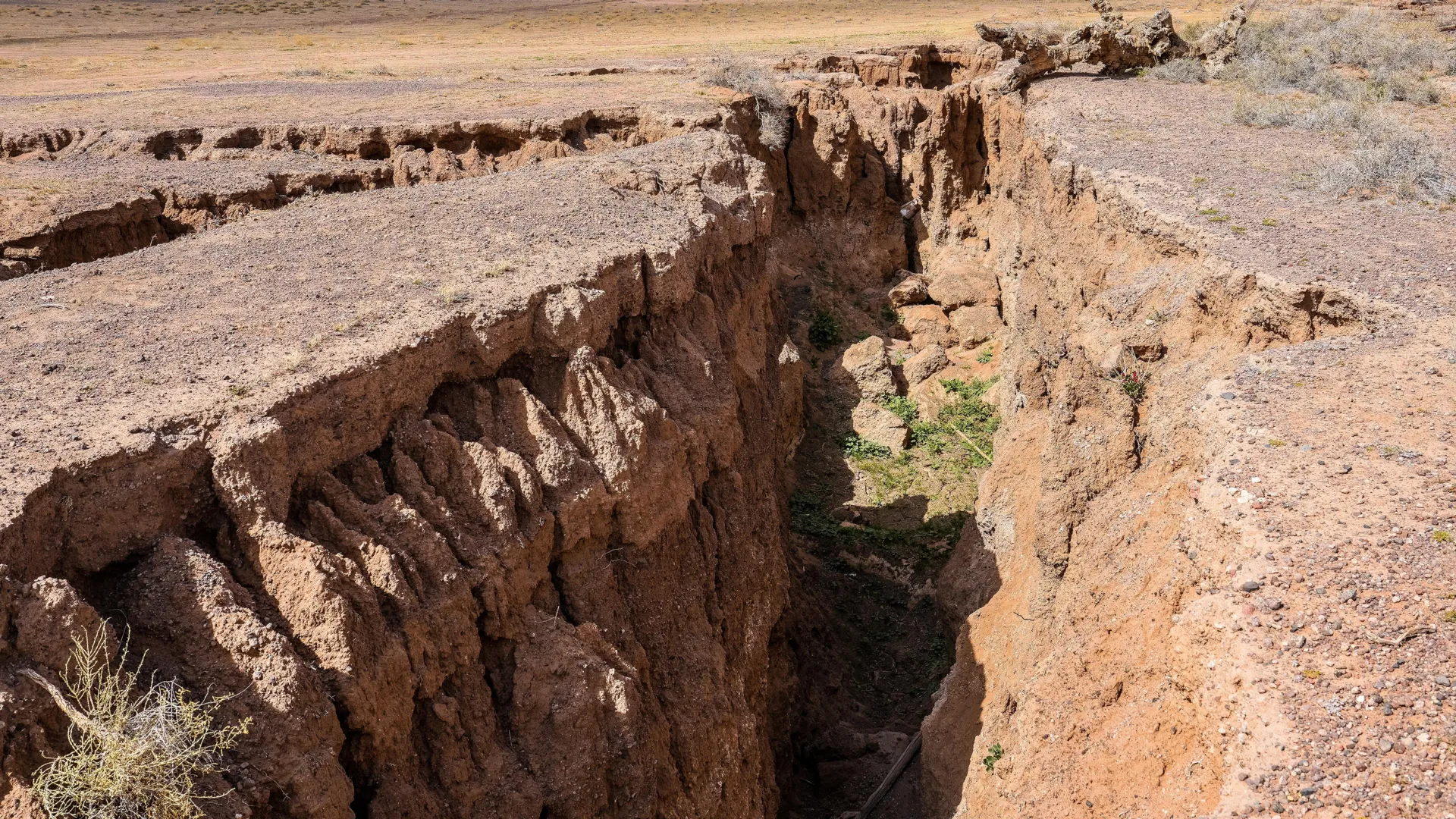
During the midday Friday prayer hours on March 28, 2025, a magnitude 7.7 earthquake struck central Myanmar along the Sagaing Fault. With an epicenter close to Mandalay, the country’s second-largest city, it was the most powerful earthquake to strike Myanmar in more than a century and the second deadliest in its modern history.

The cause was a strike-slip fault, in which two masses of earth “slip” past each other horizontally along a vertical fault plane. To an observer, it would look like the ground were split in two along a defined line, with both sides being wrenched past each other in opposite directions.

Previous seismological studies have inferred pulse-like rupture behavior and curved slip paths from the analysis of seismic data. However, because the recording instruments were at a considerable distance from the fault itself, these findings were indirect.

This time, however, a CCTV camera caught this slip in action, presenting a unique opportunity for a team researchers at Kyoto University to study the fault motion in real time. (See video link at bottom of article.)

The team applied a technique known as pixel cross-correlation to the CCTV footage to analyze the fault’s movement frame-by-frame. Their analysis reveals that the fault slipped sideways 2.5 meters in just 1.3 seconds, with a maximum speed of 3.2 meters per second. The total sideways movement recorded during this earthquake is typical of strike-slip ruptures, but the short duration of the fault slip is a major discovery.

“The brief duration of motion confirms a pulse-like rupture, characterized by a concentrated burst of slip propagating along the fault, much like a ripple traveling down a rug when flicked from one end,” says corresponding author Jesse Kearse.

The team’s analysis also proves that the slip path was subtly curved, a finding which aligns with previous geological observations from faults around the world. This may suggest that such slips are typically curved, as opposed to being completely linear.

The study demonstrates that video-based monitoring of faults is a powerful tool for seismology, enabling unprecedented insights into earthquake behavior. Capturing this level of detail is fundamental to improving our understanding of earthquake processes and enhancing our ability to anticipate the ground shaking expected in future large events.

“We did not anticipate that this video record would provide such a rich variety of detailed observations. Such kinematic data is critical for advancing our understanding of earthquake source physics,” says Kearse.

The next phase of their research will utilize physics-based models to investigate the factors that control fault behavior as revealed by this analysis.

Share Button

UK-first scheme aims to cut cardiac arrest deaths

East of England Ambulance NHS Trust is offering the video coaching to callers.

Share Button

‘My three children needed transplants, now I’m giving back’

Willie Hutchinson volunteers to transport patients to and from hospital appointments after his children relied on the service.

Share Button