Union rejects plea by health secretary to call off strikes in England and continue talks.


Union rejects plea by health secretary to call off strikes in England and continue talks.
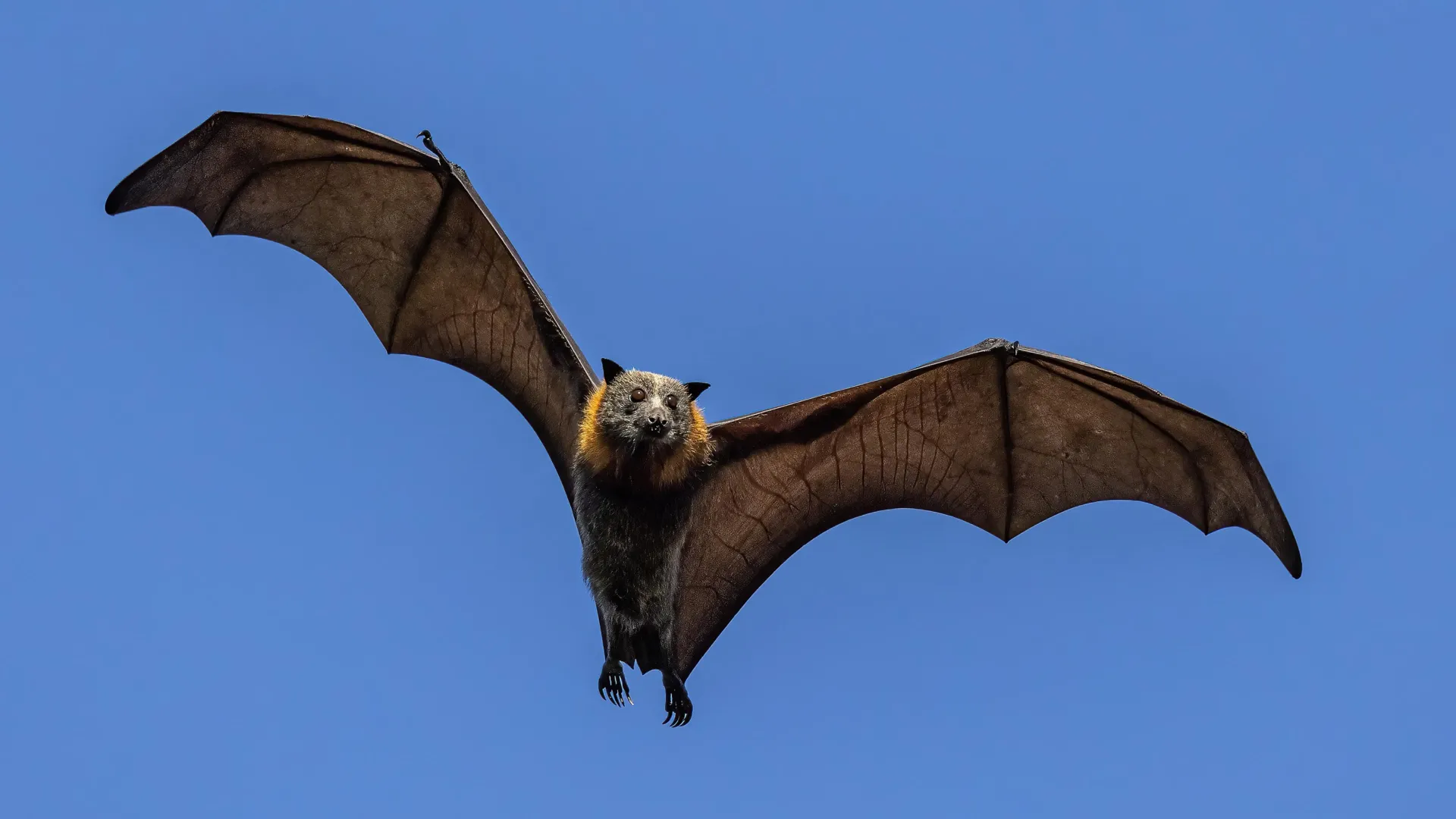
New research by the University of Sydney offers important insights into how and when new coronavirus variants arise in bats.
Bats are beneficial to our ecosystems and economy but, as habitat destruction and environmental stressors put them in closer proximity to humans, disease risks can emerge. The research, published in Nature Communications on July 17, offers an approach to anticipating the emergence of coronaviruses. It found young bats are infected more frequently and could be a key source of viral spillover into other species. The study also reveals the dynamics of coronaviruses circulating in Australian bats, which pose no known risk to humans.
Endemic in bat populations, most coronaviruses never infect humans. When they do, as with the SARS, COVID-19 and MERS outbreaks, they typically spill over from bats via a bridging animal host.
“Coronaviruses tend not to be of major concern to bats,” said Dr Alison Peel from the University’s School of Veterinary Science, who led the study. “But they can behave differently if they spill over to new species.”
In one of the most comprehensive single studies of its type, the researchers collected more than 2,500 faecal samples, via which bats shed coronaviruses, over three years. Samples were taken from black flying foxes and grey-headed flying foxes at five roost sites across Australia’s eastern seaboard.
Viral testing of the samples showed coronaviruses were most prevalent in young bats between March and July, when they were weaning and approaching maturity. This was consistent across the three-year study. Particularly notable was the high proportion of bats infected with multiple coronaviruses at once.
“We were surprised by that high rate of co-infection among juveniles and subadults,” Dr Peel said. “Co-infection presents the opportunity for a single cell to become infected with multiple viruses, an important natural precursor to the generation of new strains.”
The six coronaviruses detected in the study were nobecoviruses, a subclass which does not jump to humans. Three of these were new. They were useful to analyse because they pose minimal risk to people but are the evolutionary cousins of sarbecoviruses, so-called SARS-like viruses which are more prone to spill across to other species. Understanding the evolution of nobecoviruses offers parallel insights into the evolution of more dangerous coronaviruses.
“We safely tracked how and when coronaviruses circulated naturally in bat populations. Using genomics to track infections to individual animals,” Dr John-Sebastian Eden, a study co-author from the Westmead Insitute for Medical Research and the University’s Faculty of Medicine and Health.
“The results offer a model for scientists looking to understand coronavirus emergence and future risks in bat populations around the world. By focusing on co-infections in young bats during certain periods, researchers might better predict the natural evolution and emergence of riskier coronaviruses before they pose a risk to human health.”
Dr Peel said more research is needed to understand why young bats are more susceptible to infection and co-infection.
“It could be the result of newly weaned animals whose immune systems are still developing or the stress faced by teenage bats looking for a mate for the first time,” she said.
The changing environment could also be a factor.
“We know from previous research on other viruses that habitat loss caused by encroaching human populations and food shortages can create stress in bats that weakens immunity and makes them susceptible to infections. It will be important to find out if that’s also the case for coronaviruses.”
Dr Peel and Dr Eden’s research began in 2020, as the COVID-19 pandemic took hold. It built on earlier research into the spread of Hendra virus, which also originates in bats.
“It’s rare to see this scale and depth of data in virological research, even among human viruses,” said Dr Peel. “The gathering of samples from both individual bats and beneath roosts, and the tracking of individual strains across multiple sites and years, provides a strong foundation for ongoing research into the role of environmental stress on coronavirus emergence.”
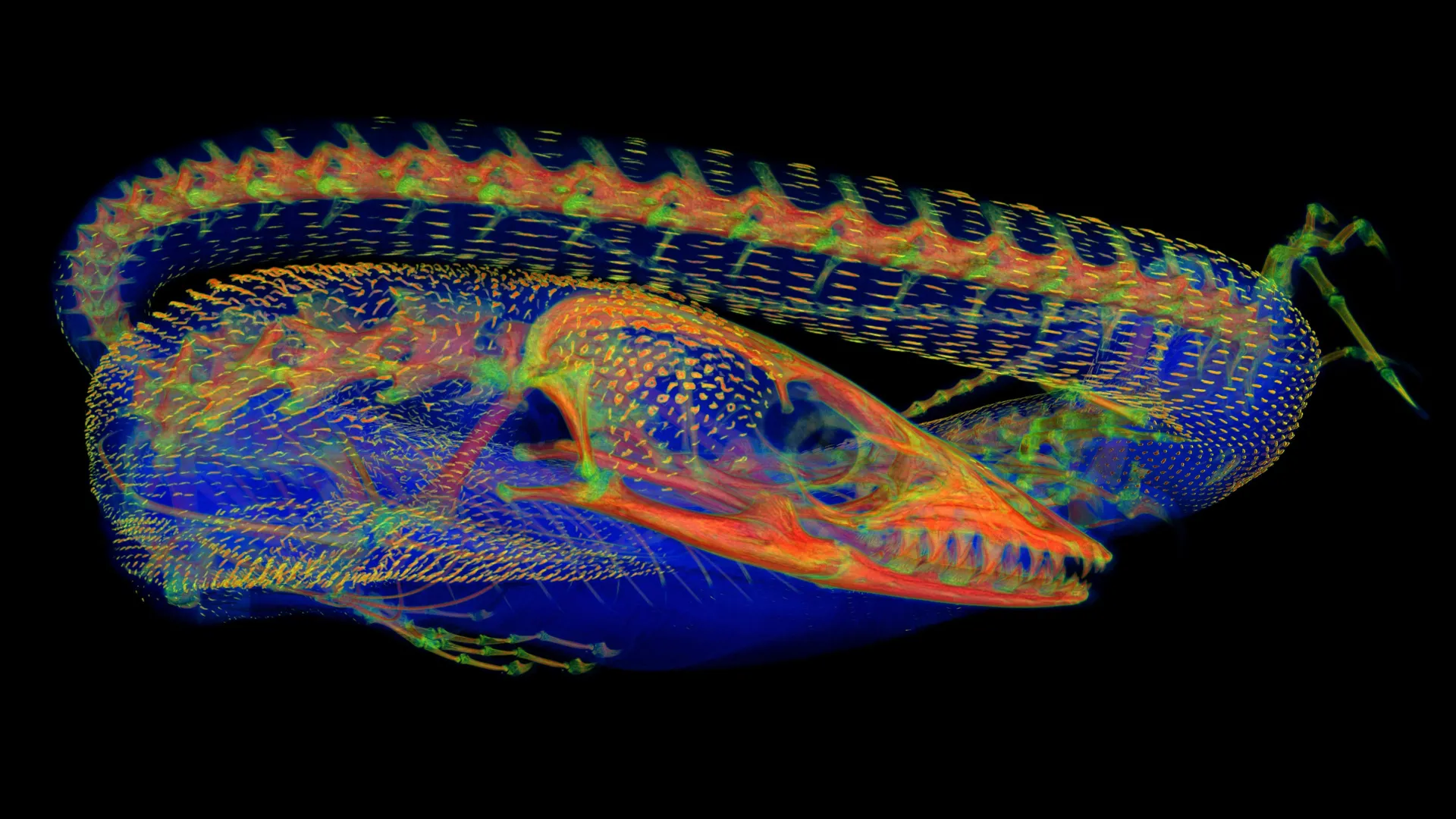
Beneath the scales of Australia’s iconic monitor lizards (commonly known as goannas), scientists have discovered an unexpected secret: a hidden layer of bony skin structures known as osteoderms. These structures, which have been long overlooked, may hold the key to understanding how these ancient reptiles not only survived but thrived in one of the world’s harshest environments.
The findings, published on July 21 in the prestigious Zoological Journal of the Linnean Society, mark the first large-scale global study of osteoderms in lizards and snakes. The international collaboration brought together researchers from Australia, Europe and the United States, who used cutting-edge micro-CT scanning to examine nearly 2,000 reptile specimens from major museum collections including those held at Museums Victoria’s Research Institute.
‘We were astonished to find osteoderms in 29 Australo-Papuan monitor lizard species that had never been documented before,’ said Roy Ebel, lead author and researcher at Museums Victoria Research Institute and the Australian National University. ‘It’s a fivefold increase in known cases among goannas.’
Osteoderms are most commonly known from crocodiles, armadillos, and even some dinosaurs like Stegosaurus. But their function has remained something of an evolutionary mystery. While they may provide protection, scientists now suspect they may also support heat regulation, mobility and calcium storage during reproduction.
This new research reveals that osteoderms are far more widespread in lizards than previously thought, occurring in nearly half of all lizard species worldwide – an 85% increase on earlier estimates.
At the heart of this discovery lies the power of museum collections. Scientific institutions like Museums Victoria Research Institute play a critical role in preserving biodiversity through time, enabling researchers to study species long after they were collected. Many of the specimens used in this study were decades, and in some cases over 120 years old, but advances in imaging technology enabled scientists to uncover new insights without harming the original material. These collections are not just archives, they’re active tools for scientific discovery.
‘What’s so exciting about this finding is that it reshapes what we thought we knew about reptile evolution,’ said Dr Jane Melville, Museums Victoria Research Institute Senior Curator of Terrestrial Vertebrates. ‘It suggests that these skin bones may have evolved in response to environmental pressures as lizards adapted to Australia’s challenging landscapes.’
Until now, the presence of osteoderms in monitor lizards was considered rare and mostly confined to the famed Komodo dragon. But the discovery of their widespread presence across Australo-Papuan goannas opens up new questions about how these lizards adapted, survived and diversified across the continent.
This landmark study not only tells a new chapter in the story of Australia’s goannas, it provides a powerful new dataset for exploring how skin, structure, and survival have intertwined across millions of years of evolution.

New University of South Australia research is providing evidence of biological triggers of oil production in oats, a discovery that will help processing and potentially drive further demand for Australian-grown oats.
While Australia is the world’s second-largest exporter of oats, high oil content in oat grains creates challenges during milling, reducing processing efficiency and limiting product innovation – particularly in high-demand sectors like oat flour and plant-based proteins.
Researchers from the University of South Australia, the South Australian Research and Development Institute (SARDI), and the University of Adelaide are collaborating on research designed to better understand the biological processes responsible for oil synthesis in oat grains.
In this study, two contemporary varieties of oats were examined using spatial imaging techniques to track oil build-up during grain development. Researchers then applied ‘omics’ technologies – lipidomics and proteomics – to analyse lipid and protein expression, which provided key insights into the biological mechanisms involved in the actual formation of the grain, including those relating to oil synthesis.
The UniSA findings have provided further evidence of the mechanisms that underlie the amount of oil in an oat grain. These findings will help to guide future breeding efforts for naturally lower-oil oat varieties, improving milling yields and creating new value-added opportunities across the oat supply chain.
UniSA PhD candidate, Darren Lau, says that current oil removal methods are inefficient and that low-oil breeding programs will aid industry growth.
“While oil can be removed from partially milled oat flakes – using supercritical carbon dioxide prior to further milling – this approach is laborious and expensive,” he says.
“Breeding low-oil oat varieties is a cost-effective approach but requires further understanding of oil production in oats. This is where our research is critical.
“Our analysis has identified several key enzymes that are involved in oil synthesis which could be genetically manipulated to lower oil content of oat grains.
“Reducing oil content could also unlock new opportunities in sectors like oat flour and alternative proteins, which could significantly strengthen Australia’s position in the market.”
The economic potential of these opportunities is reflected in the quantity of oats exported globally. For example, in 2022 twenty-six million metric tonnes of oats were produced worldwide, ranking them seventh among cereals in production quantity.
Lowering oil content in oat grains will enhance processing and product versatility, positioning them alongside traditional cereal staples like barley, maize, wheat, and rice, and further driving industry growth.
The UniSA findings are being used by the Grains Research and Development Corporation (GRDC) oat grain quality consortium to improve suitability for milling and food/beverage ingredient development. Additional research is continuing within the consortium that will build on the study’s findings to further inform breeding efforts aimed at reducing oil content in oats.
“The consortia are currently working on a larger and more diverse oat cohort to further investigate molecular markers and nutrient partitioning of oil in oats,” Lau says.
“The consortia are also investigating one of the key enzymes validated in this study to determine whether manipulating or removing it can lower oil content, and how that affects the growth of the plant.”
SARDI Project Lead Dr Janine Croser, says the study’s findings provide further evidence of key pathways involved in oat oil biosynthesis.
“This research provides important insights into the biological mechanisms underlying varietal differences of oil production in developing oat grains,” Dr Croser says.
“We expect that the development of low-oil lines will improve efficiencies in the flour milling process and potentially lead to novel uses for oats.
“With demand for plant-based foods on the rise, we anticipate the oat grain quality consortium research will help put Australia at the forefront of oat innovation – supporting growers, processors, and exporters alike.”
The full paper, Proteomic and lipidomic analyses reveal novel molecular insights into oat (Avena sativa L.) lipid regulation and crosstalk with starch synthesis during grain development, is available online.
The announcement comes two weeks after a heavily critical report into payments to thousands of victims.
Union unhappy as NHS England aims to keep non-urgent services running during five-day walkout.
Emily Jones ignored medical advice to work as she said patients wouldn’t have been seen otherwise
Five tips on buying sports bras from a biomechanics professor.
Free tickets will be given to patients in Gloucestershire to help alleviate symptoms of depression.
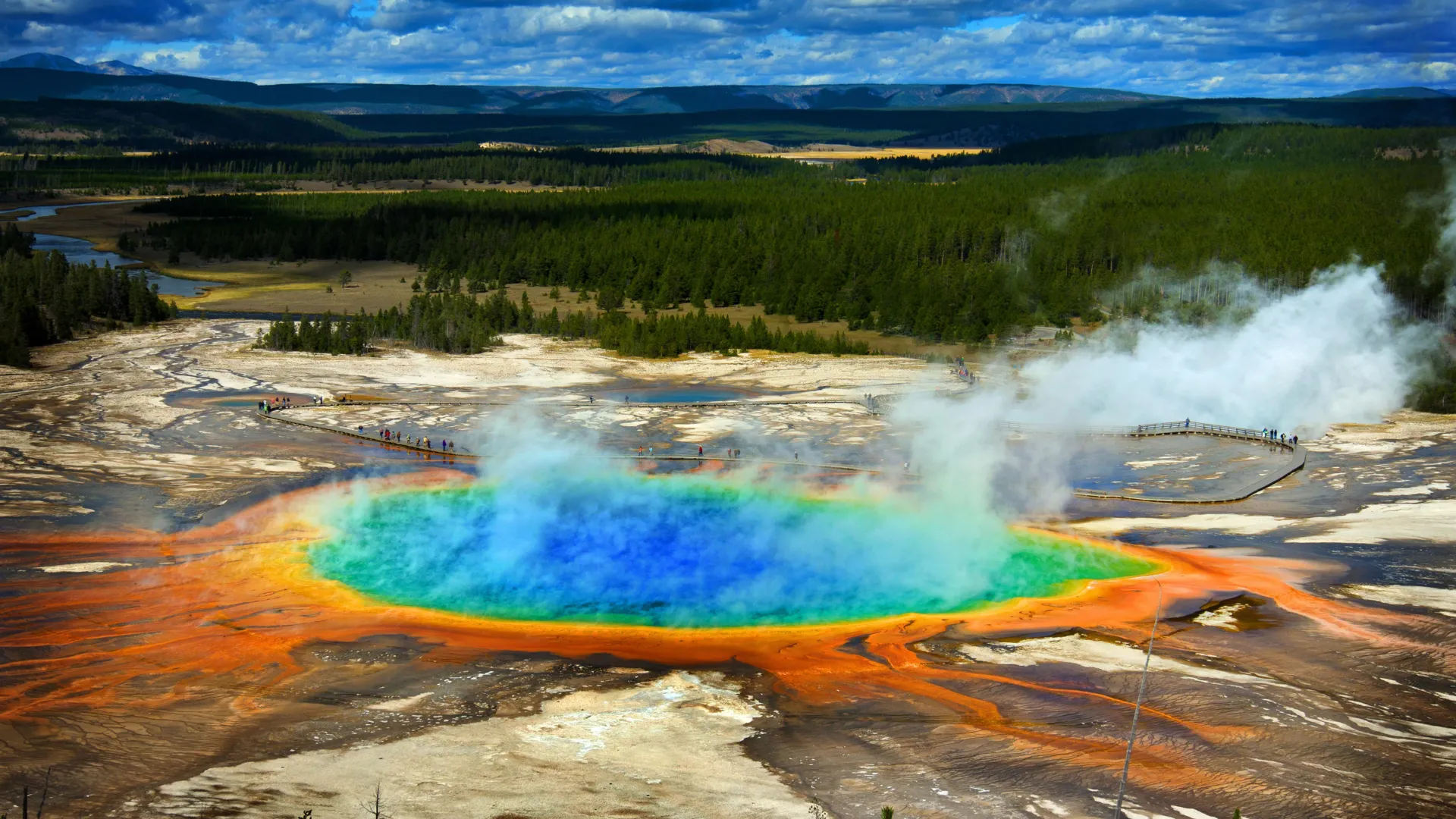
Yellowstone, a popular tourist destination and namesake of an equally popular TV show, was the first-ever national park in the United States. And bubbling beneath it – to this day – is one of Earth’s most seismically active networks of volcanic activity.
In a new study, published July 18 in the high impact journal Science Advances, Western engineering professor Bing Li and his collaborators at Universidad Industrial de Santander (Industrial University of Santander) in Colombia and the United States Geological Survey used machine learning to re-examine historical earthquake data from the Yellowstone caldera over a 15-year period. The team was able to retroactively detect and assign magnitudes to approximately 10 times more seismic events, or earthquakes, than previously recorded.
A caldera – like the one at Yellowstone Park spanning parts of Wyoming, Idaho and Montana – is a large depression or hollow formed when a volcano erupts and the magma chamber beneath it empties, leading to the collapse of the land above. This is different than a volcanic crater, which is formed by outward blasting.
The historical catalogue for the Yellowstone caldera now contains 86,276 earthquakes spanning the years 2008 to 2022, significantly improving previous understanding of volcanic and seismic systems through better data collection and systematic analyses.
A key finding in the study is that more than half of the earthquakes recorded in Yellowstone were part of earthquake swarms – groups of small, interconnected earthquakes that spread and shift within a relatively small area over a relatively short period of time. This is unlike an aftershock, which is a smaller earthquake that follows a larger mainshock in the same general area.
“While Yellowstone and other volcanoes each have unique features, the hope is that these insights can be applied elsewhere,” said Li, an expert in fluid-induced earthquakes and rock mechanics. “By understanding patterns of seismicity, like earthquake swarms, we can improve safety measures, better inform the public about potential risks, and even guide geothermal energy development away from danger in areas with promising heat flow.”
Molten-detecting machines
Prior to the application of machine learning, earthquakes were generally detected through manual inspection by trained experts. This process takes time, is cost-intensive and often detects fewer events than possible now with machine learning. Machine learning has sparked a data-mining gold rush in recent years as seismologists revisit the wealth of historical waveform data stored in datacenters across the world and learn more about current and previously unknown seismic regions around the world.
“If we had to do it old school with someone manually clicking through all this data looking for earthquakes, you couldn’t do it. It’s not scalable,” said Li.
The study also shows that earthquake swarms beneath the Yellowstone caldera have occurred along relatively immature, rougher fault structures, compared to more typical mature fault structures seen in regions such as southern California and even immediately outside the caldera.
The roughness was measured by characterizing earthquakes as fractals, which are geometric shapes that exhibit self-similarity, meaning they appear similar at different scales. First visualized by Benoit Mandelbrot in 1980, fractal patterns are seen in coastlines, snowflakes, broccoli, and even the branching of blood vessels. The fractal-based models, targeting roughness versus regularity, were able to characterize these earthquake swarms, which the researchers believe were caused by the mix of slowly moving underground water and sudden bursts of fluid.
“To a large extent, there is no systematic understanding of how one earthquake triggers another in a swarm. We can only indirectly measure space and time between events,” said Li. “But now, we have a far more robust catalogue of seismic activity under the Yellowstone caldera, and we can apply statistical methods that help us quantify and find new swarms that we haven’t seen before, study them, and see what we can learn from them.”
