Seventeen children have been treated at the Liverpool hospital for the virus since June.


Seventeen children have been treated at the Liverpool hospital for the virus since June.

A new kind of cosmic object could help solve one of the universe’s greatest mysteries: dark matter.
Particle Astrophysicists have proposed the existence of a strange new type of star-like object, called a ‘dark dwarf’, which may be quietly glowing in the center of our galaxy.
Far from being dark in appearance, these unusual objects are powered by dark matter (the invisible substance thought to make up about a quarter of the universe).
The discovery comes from a UK-US research team and the full research findings has been published in the Journal of Cosmology and Astroparticle Physics (JCAP).
Using theoretical models, the scientists suggest that dark matter can get trapped inside young stars, producing enough energy to stop them from cooling and turning them into stable, long-lasting objects they call dark dwarfs.
Dark dwarfs are thought to form from brown dwarfs, which are often described as failed stars.
Brown dwarfs are too small to sustain the nuclear fusion that powers most stars, so they cool and fade over time. But if they sit in a dense pocket of dark matter, like near the Milky Way’s center, they could capture dark matter particles.
If those particles then collide and destroy each other, they release energy keeping the dark dwarf glowing indefinitely.
The existence of these objects depends on dark matter being made of specific kinds of particles, known as WIMPs (Weakly Interacting Massive Particles).
These are heavy particles that barely interact with ordinary matter, but could annihilate with one another inside stars, providing the energy needed to keep a dark dwarf alive.
To tell dark dwarfs apart from other faint objects like brown dwarfs, the scientists point to a unique clue: lithium.
The researchers believe dark dwarfs would still contain a rare form of lithium called lithium-7.
In normal stars, lithium-7 gets burned up quickly. So, if they find an object that looks like a brown dwarf but still has lithium-7 that’s a strong hint it’s something different.
Study co-author Dr Djuna Croon of Durham University, said: “The discovery of dark dwarfs in the galactic center would give us a unique insight into the particle nature of dark matter.”
The team believes that telescopes like the James Webb Space Telescope could already be capable of spotting dark dwarfs, especially when focusing on the center of the galaxy.
Another approach might be to look at many similar objects and statistically determine whether some of them could be dark dwarfs.
Finding just one of these dark dwarfs, the researchers say, would be a major step towards uncovering the true nature of dark matter.
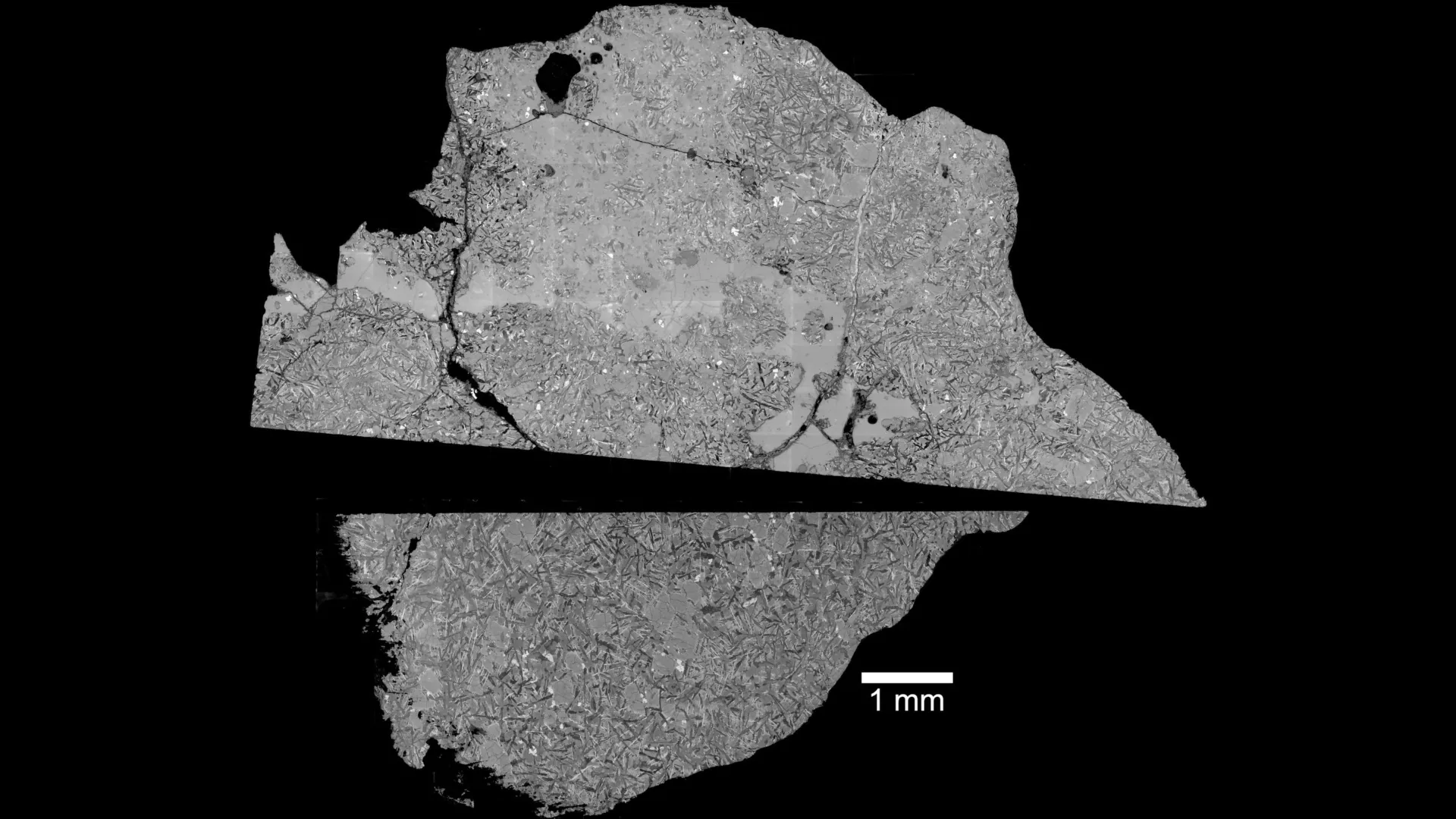
A 2.35-billion-year-old meteorite with a unique chemical signature, found in Africa in 2023, plugs a major gap in our understanding of the Moon’s volcanic history.
Findings from analyses of the Northwest Africa 16286 meteorite, presented at the Goldschmidt Conference in Prague, offer fresh insights into how the Moon’s interior evolved, highlighting the long-lived nature of its volcanic activity.
Analyses by researchers from the University of Manchester, UK, lend weight to a theory that the Moon retained internal heat-generating processes that powered lunar volcanic activity in several distinct phases.
Lead isotope analysis dates the rock’s formation to around 2.35 billion years ago, during a period from which few lunar samples exist, making it the youngest basaltic lunar meteorite discovered on Earth. Its rare geochemical profile sets it apart from those returned by previous Moon missions, with chemical evidence indicating it likely formed from a lava flow that solidified after emerging from deep within the Moon.
Dr Joshua Snape, a Research Fellow at the University of Manchester, UK, is presenting the research at the Goldschmidt Conference. He said: “Lunar rocks from sample return missions are fantastic in the insights they provide us, but they are limited to the immediate areas surrounding those mission landing sites. By contrast, lunar meteorites can potentially be ejected by impact cratering occurring anywhere on the Moon’s surface. As such, there’s some serendipity surrounding this sample; it just happened to fall to Earth and reveals secrets about lunar geology without the massive expense of a space mission.”
Containing relatively large crystals of mineral olivine, the rock is a type of lunar volcanic basalt called olivine-phyric basalt. It contains moderate levels of titanium, high levels of potassium. In addition to the unusual age of the sample, this study found that the Pb isotope composition of the rock – a geochemical fingerprint retained from when the rock formed – points to it originating from a source in the Moon’s interior with an unusually high uranium-to-lead ratio. These chemical clues may help identify the mechanisms that have enabled periods of ongoing internal heat generation on the Moon.
“The age of the sample is especially interesting because it fills an almost billion-year gap in lunar volcanic history,” said Dr Snape. “It’s younger than the basalts collected by the Apollo, Luna and Chang’e 6 missions, but older than the much younger rocks brought back by China’s Chang’e 5 mission. Its age and composition show that volcanic activity continued on the Moon throughout this timespan, and our analysis suggests an ongoing heat generation process within the Moon, potentially from radiogenic elements decaying and producing heat over a long period.
“Moon rocks are rare, so it’s always interesting when we get something that stands out and looks different to everything else. This particular rock provides new constraints about when and how volcanic activity occurred on the Moon. There is much more yet to learn about the Moon’s geological past, and with further analysis to pinpoint its origin on the surface, this rock will guide where to land future sample return missions.”
The 311-gram meteorite is only one of 31 lunar basalts officially identified on Earth. Its distinct composition, with melted glassy pockets and veins, suggests it was likely shocked by an asteroid or meteorite impact on the Moon’s surface before being ejected and eventually falling to Earth. This shock event makes it more challenging to interpret the date obtained for the rock, but the researchers estimate its age with a margin of plus or minus 80 million years.
The research was funded by the Royal Society, and the researchers plan to publish their findings in full in a peer-reviewed journal later this year.
The meeting with Wes Streeting will take place next week, the doctors’ union confirms.
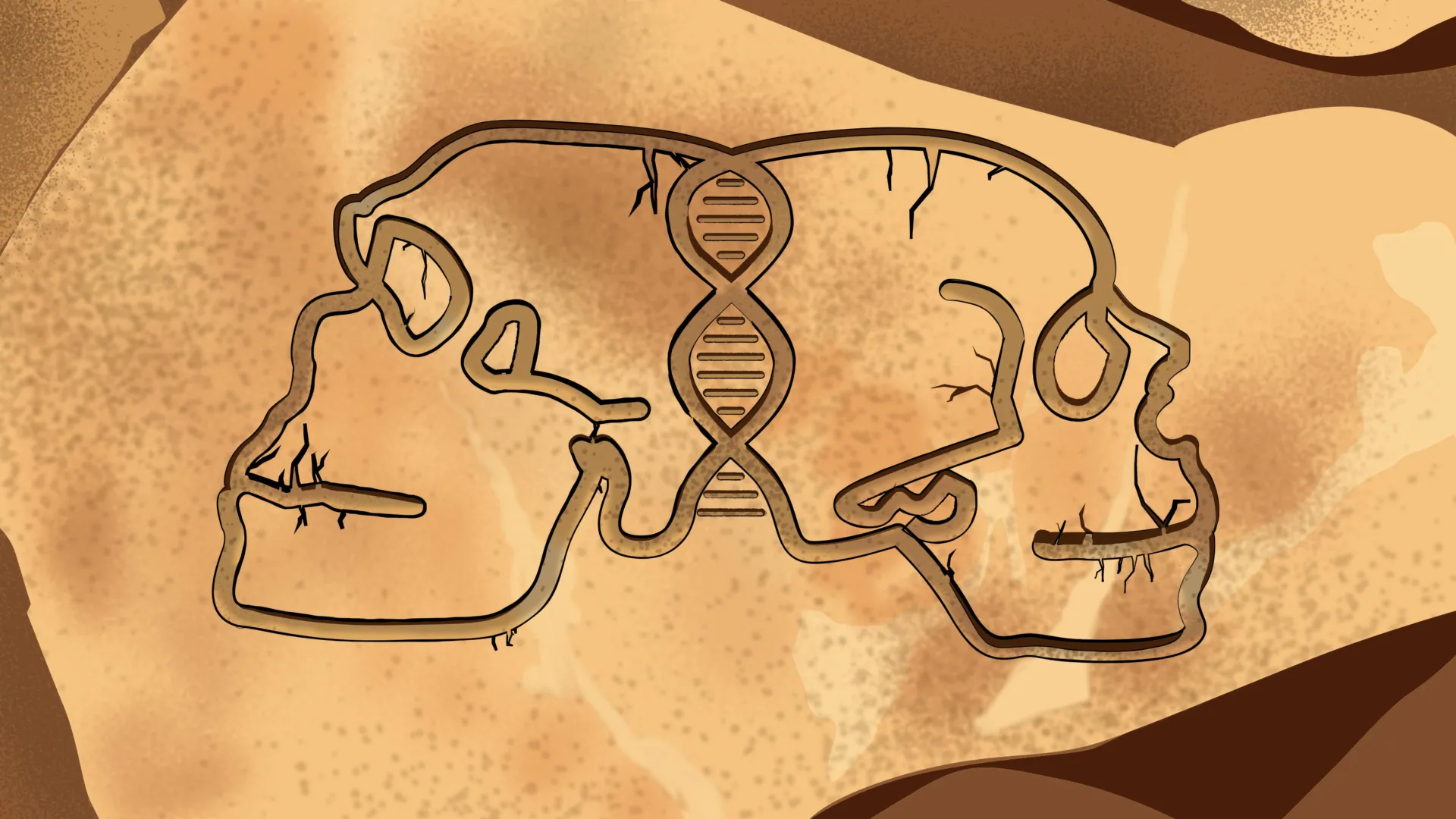
When the first Neanderthal bones were uncovered in 1856, they sparked a flood of questions about these mysterious ancient humans. Were they similar to us or fundamentally different? Did our ancestors cooperate with them, clash with them, or even form relationships? The discovery of the Denisovans, a group closely related to Neanderthals that once lived across parts of Asia and South Asia, added even more intrigue to the story.
Now, a group of researchers made up of geneticists and artificial intelligence specialists is uncovering new layers of that shared history. Led by Joshua Akey, a professor at Princeton’s Lewis-Sigler Institute for Integrative Genomics, the team has found strong evidence of genetic exchange between early human groups, pointing to a much deeper and more complex relationship than previously understood.
“This is the first time that geneticists have identified multiple waves of modern human-Neanderthal admixture,” said Liming Li, a professor in the Department of Medical Genetics and Developmental Biology at Southeast University in Nanjing, China, who performed this work as an associate research scholar in Akey’s lab.
“We now know that for the vast majority of human history, we’ve had a history of contact between modern humans and Neanderthals,” said Akey. The hominins who are our most direct ancestors split from the Neanderthal family tree about 600,000 years ago, then evolved our modern physical characteristics about 250,000 years ago.
“From then until the Neanderthals disappeared — that is, for about 200,000 years — modern humans have been interacting with Neanderthal populations,” he said.
The results of their work were published the journal Science.
Rethinking the Ice Age Stereotype
Neanderthals, once stereotyped as slow-moving and dim-witted, are now seen as skilled hunters and tool makers who treated each other’s injuries with sophisticated techniques and were well adapted to thrive in the cold European weather.
(Note: All of these hominin groups are humans, but to avoid saying “Neanderthal humans,” “Denisovan humans,” and “ancient-versions-of-our-own-kind-of-humans,” most archaeologists and anthropologists use the shorthand Neanderthals, Denisovans, and modern humans.)
Using genomes from 2,000 living humans as well as three Neanderthals and one Denisovan, Akey and his team mapped the gene flow between the hominin groups over the past quarter-million years.
The researchers used a genetic tool they designed a few years ago called IBDmix, which uses machine learning techniques to decode the genome. Previous researchers depended on comparing human genomes against a “reference population” of modern humans believed to have little or no Neanderthal or Denisovan DNA.
Akey’s team has established that even those referenced groups, who live thousands of miles south of the Neanderthal caves, have trace amounts of Neanderthal DNA, probably carried south by voyagers (or their descendants).
With IBDmix, Akey’s team identified a first wave of contact about 200-250,000 years ago, another wave 100-120,000 years ago, and the largest one about 50-60,000 years ago.
Challenging the Out-of-Africa Model
That contrasts sharply with previous genetic data. “To date, most genetic data suggests that modern humans evolved in Africa 250,000 years ago, stayed put for the next 200,000 years, and then decided to disperse out of Africa 50,000 years ago and go on to people the rest of the world,” said Akey.
“Our models show that there wasn’t a long period of stasis, but that shortly after modern humans arose, we’ve been migrating out of Africa and coming back to Africa, too,” he said. “To me, this story is about dispersal, that modern humans have been moving around and encountering Neanderthals and Denisovans much more than we previously recognized.”
That vision of humanity on the move coincides with the archaeological and paleoanthropological research suggesting cultural and tool exchange between the hominin groups.
Li and Akey’s key insight was to look for modern-human DNA in the genomes of the Neanderthals, instead of the other way around. “The vast majority of genetic work over the last decade has really focused on how mating with Neanderthals impacted modern human phenotypes and our evolutionary history — but these questions are relevant and interesting in the reverse case, too,” said Akey.
They realized that the offspring of those first waves of Neanderthal-modern matings must have stayed with the Neanderthals, therefore leaving no record in living humans. “Because we can now incorporate the Neanderthal component into our genetic studies, we are seeing these earlier dispersals in ways that we weren’t able to before,” Akey said.
Shrinking Populations and Genetic Illusions
The final piece of the puzzle was discovering that Neanderthals had a smaller population than researchers previously thought.
Scientists often estimate population size by looking at genetic diversity. In general, more variation in the genome suggests a larger group. But when Akey’s team applied their tool, IBDmix, they found that much of the apparent diversity in Neanderthal DNA actually came from genes inherited from modern humans, who had far larger populations.
With this new insight, scientists lowered their estimate of the Neanderthal breeding population from about 3,400 individuals to roughly 2,400.
Taken together, these findings help explain how Neanderthals disappeared from the fossil and genetic record around 30,000 years ago.
“I don’t like to say ‘extinction,’ because I think Neanderthals were largely absorbed,” said Akey. His idea is that Neanderthal populations slowly shrank until the last survivors were folded into modern human communities.
This “assimilation model” was first articulated by Fred Smith, an anthropology professor at Illinois State University, in 1989. “Our results provide strong genetic data consistent with Fred’s hypothesis, and I think that’s really interesting,” said Akey.
“Neanderthals were teetering on the edge of extinction, probably for a very long time,” he said. “If you reduce their numbers by 10 or 20%, which our estimates do, that’s a substantial reduction to an already at-risk population.
“Modern humans were essentially like waves crashing on a beach, slowly but steadily eroding the beach away. Eventually we just demographically overwhelmed Neanderthals and incorporated them into modern human populations.”
This research was supported by the National Institutes of Health (grant R01GM110068 to JMA).
Cosmetic ingredients should be listed in English to protect people with allergies, campaigners say.
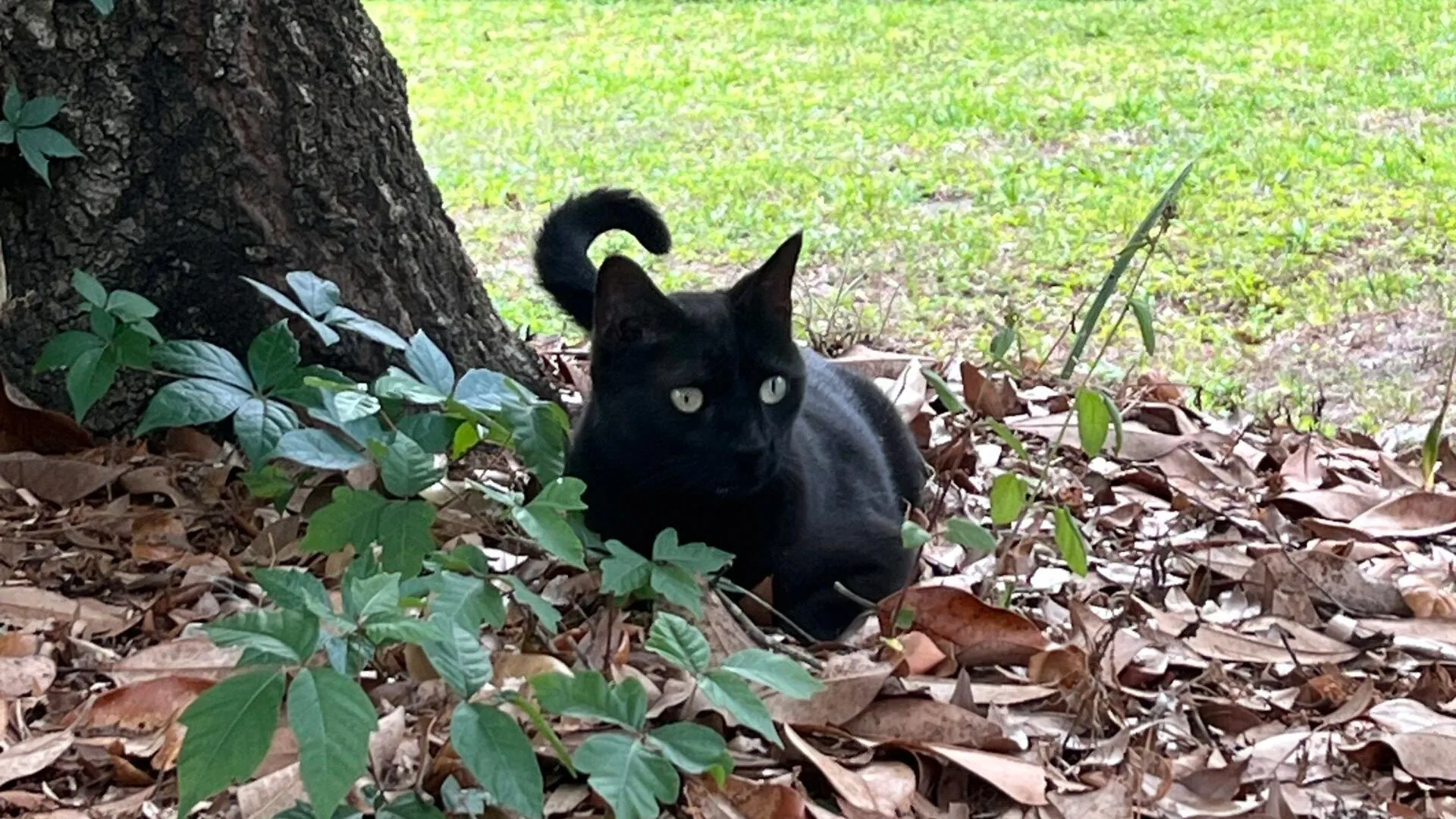
Pepper, the pet cat who made headlines last year for his role in the discovery of the first jeilongvirus found in the U.S., is at it again. This time, his hunting prowess contributed to the identification of a new strain of orthoreovirus.
John Lednicky, Ph.D., Pepper’s owner and a University of Florida College of Public Health and Health Professions virologist, took Pepper’s catch — a dead Everglades short-tailed shrew — into the lab for testing as part of his ongoing work to understand transmission of the mule deerpox virus.
Testing revealed the shrew had a previously unidentified strain of orthoreovirus. Viruses in this genus are known to infect humans, white-tailed deer, bats and other mammals. While orthoreoviruses’ effects on humans are not yet well understood, there have been rare reports of the virus being associated with cases of encephalitis, meningitis and gastroenteritis in children.
“The bottom line is we need to pay attention to orthoreoviruses, and know how to rapidly detect them,” said Lednicky, a research professor in the PHHP Department of Environmental and Global Health and a member of UF’s Emerging Pathogens Institute.
The UF team published the complete genomic coding sequences for the virus they named “Gainesville shrew mammalian orthoreovirus type 3 strain UF-1” in the journal Microbiology Resource Announcements.
“There are many different mammalian orthoreoviruses and not enough is known about this recently identified virus to be concerned,” said the paper’s lead author Emily DeRuyter, a UF Ph.D. candidate in One Health. “Mammalian orthoreoviruses were originally considered to be ‘orphan’ viruses, present in mammals including humans, but not associated with diseases. More recently, they have been implicated in respiratory, central nervous system and gastrointestinal diseases.”
The Lednicky lab’s jeilongvirus and orthoreovirus discoveries come on the heels of the team publishing their discovery of two other novel viruses found in farmed white-tailed deer. Given the propensity of viruses to constantly evolve, paired with the team’s sophisticated lab techniques, finding new viruses isn’t entirely surprising, Lednicky said.
“I’m not the first one to say this, but essentially, if you look, you’ll find, and that’s why we keep finding all these new viruses,” Lednicky said.
Like influenza virus, two different types of orthoreovirus can infect a host cell, causing the viruses’ genes to mix and match, in essence, creating a brand new virus, Lednicky said.
In 2019, Lednicky and colleagues isolated the first orthoreovirus found in a deer. That strain’s genes were nearly identical to an orthoreovirus found in farmed mink in China and a deathly ill lion in Japan. How in the world, the scientific community wondered, could the same hybrid virus appear in a farmed deer in Florida and two species of carnivores across the globe? Some experts speculated that components of the animals’ feed could have come from the same manufacturer.
With so many unanswered questions about orthoreoviruses and their modes of transmission, prevalence in human and animal hosts and just how sick they could make us, more research is needed, DeRuyter and Lednicky said.
Next steps would include serology and immunology studies to understand the threat Gainesville shrew mammalian orthoreovirus type 3 strain UF-1 may hold for humans, wildlife and pets.
For readers concerned about Pepper’s health, rest assured. He has shown no signs of illness from his outdoor adventures and will likely continue to contribute to scientific discovery through specimen collection.
“This was an opportunistic study,” Lednicky said. “If you come across a dead animal, why not test it instead of just burying it? There is a lot of information that can be gained.”
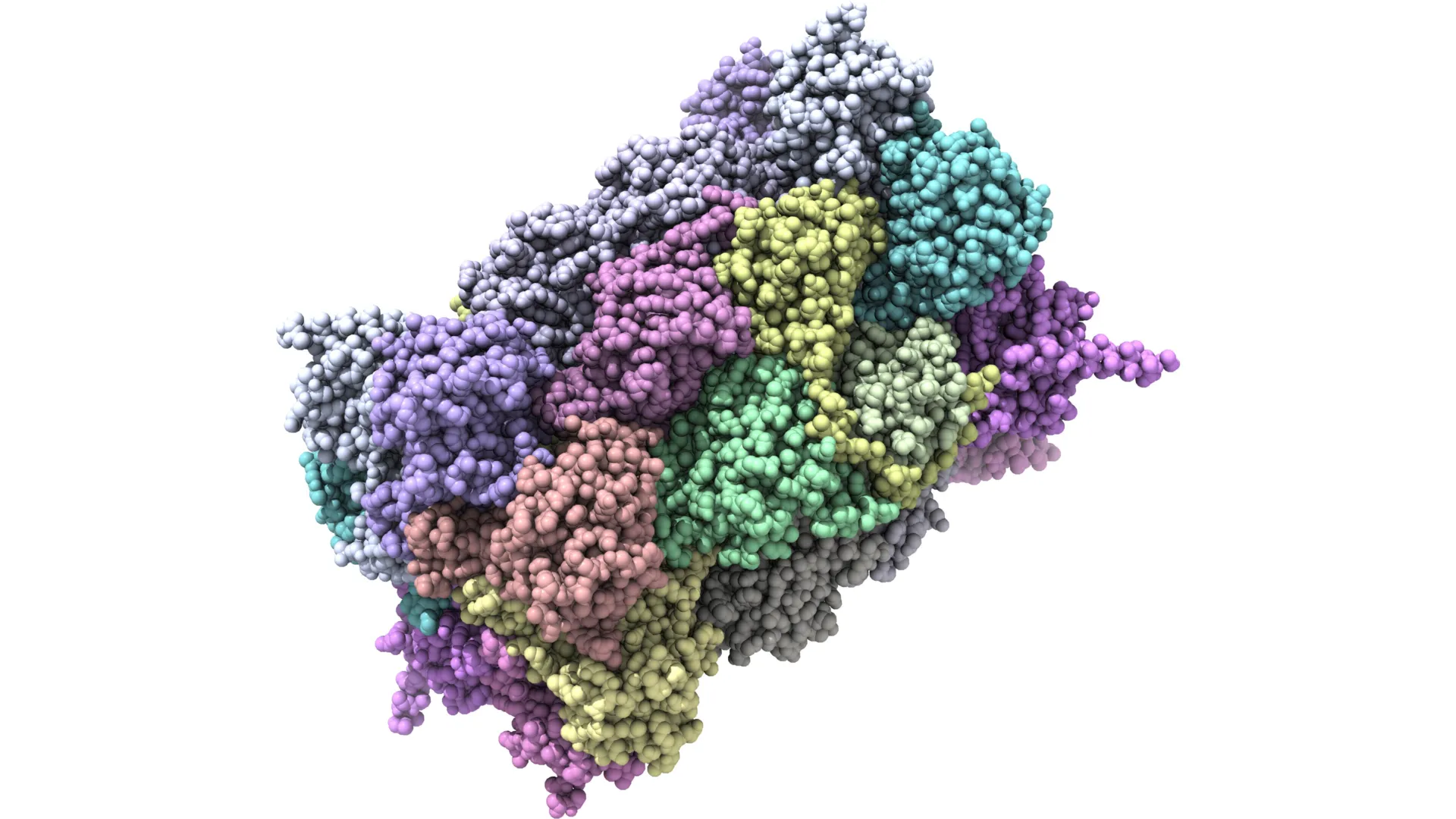
For decades, the story of Alzheimer’s research has been dominated by a battle between A-beta and tau amyloids, both of which can kill neurons and impact the brain’s ability to function. A new study suggests, however, that these sticky brain plaques may not be operating alone.
Johns Hopkins University researchers have identified more than 200 types of misfolded proteins in rats that could be associated with age-related cognitive decline.
The findings could lead the way to finding new therapeutic targets and treatments in humans that could provide relief for the millions of people over 65 who suffer from Alzheimer’s, dementia, or other diseases that rob them of their memories and independence as they age.
“Amyloids are the buildup of misshapen proteins. They’re big and ugly and easy to see under the microscope, so it makes sense that they catch our attention. But we’re seeing hundreds of proteins misfolding in ways that don’t clump together in an amyloid and yet still seem to impact how the brain functions,” said Stephen Fried, an assistant professor of chemistry and protein scientist who studies how molecules in the brain change during aging. “Our research is showing that amyloids are just the tip of the iceberg.”
The results were published on July 11 in Science Advances.
To understand the molecular differences between older brains that are mentally sharp and those that are experiencing decline, Fried and his team studied 17 2-year-old rats that grew up in the same colony. Seven rats performed poorly on memory and problem-solving tests and were considered cognitively impaired, while 10 performed as well as 6-month-old rats.
The researchers then measured more than 2,500 types of protein in the hippocampus, the part of the brain associated with spatial learning and memory. For the first time, scientists were able to determine for a large number of proteins whether individual proteins were misshapen or folded incorrectly, allowing the researchers to work out which proteins misfold for all the rats and are associated with aging in general versus which proteins specifically misfold in cognitively impaired rats.
More than 200 proteins were misfolded in the cognitively impaired rats yet maintained their shapes in the cognitively healthy rats. The findings suggest that some of those proteins are contributing to cognitive decline, the researchers said.
Misfolded proteins are unable to carry out tasks necessary for a cell to function properly, so cells have a natural surveillance system that identifies and destroys these misbehaving proteins. Previously, researchers thought misfolded proteins — specifically A-beta and tau proteins — were only disruptive when they clumped into amyloids.
“We think there are a lot of proteins that can be misfolded, not form amyloids, and still be problematic,” Fried said. “And that suggests these misfolded proteins have ways of escaping this surveillance system in the cell.”
But exactly how those misfolded proteins slip past a cell’s security system remains a mystery.
Next, the team plans to look at misfolded proteins under high-resolution microscopes to get a more detailed picture of what their deformities look like at the molecular level.
“A lot of us have experienced a loved one or a relative who has become less capable of doing those everyday tasks that require cognitive abilities,” Fried said. “Understanding what’s physically going on in the brain could lead to better treatments and preventive measures.”
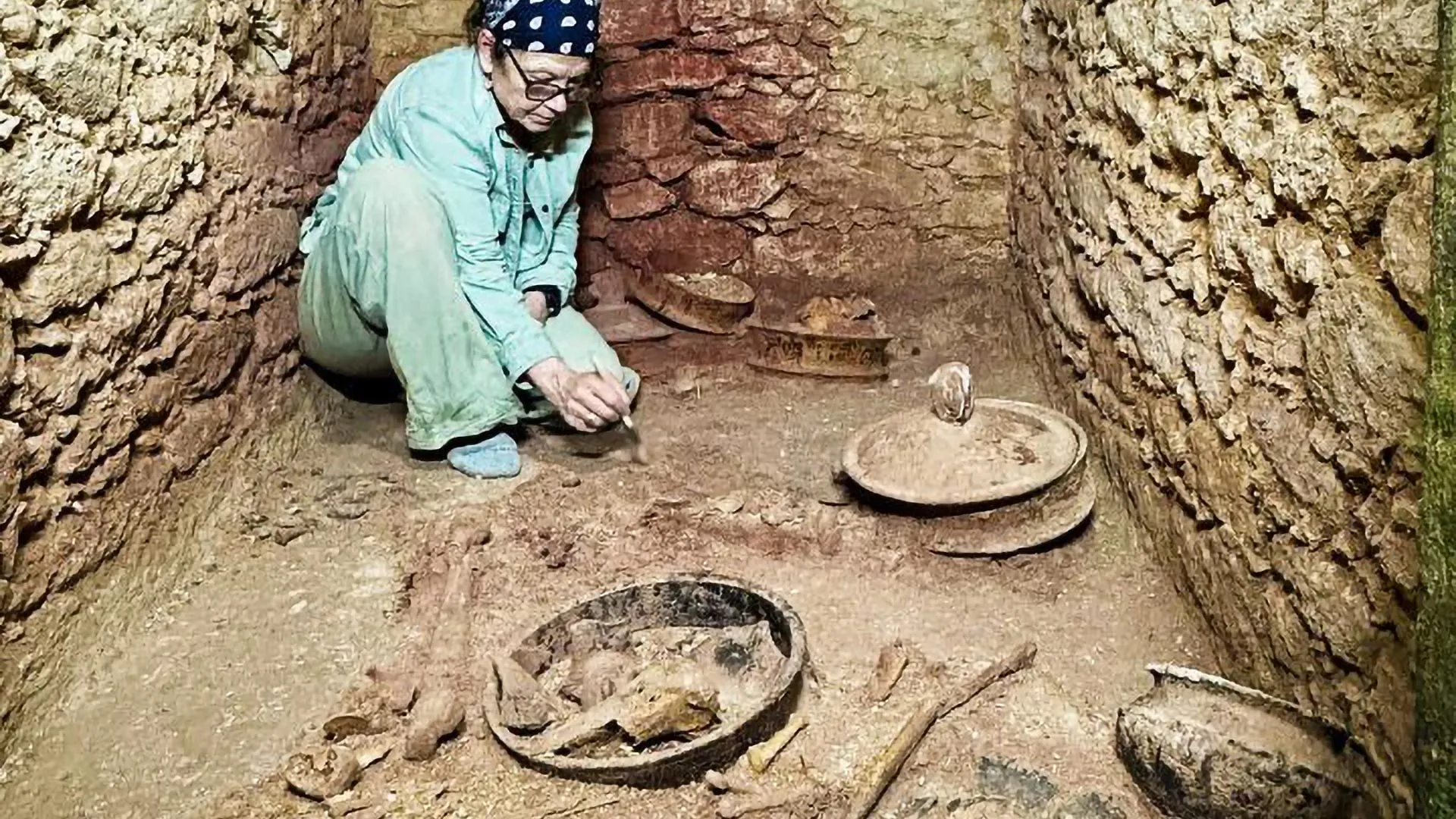
Archaeologists from the University of Houston working at Caracol in Belize, Central America have uncovered the tomb of Te K’ab Chaak, the first ruler of this ancient Maya city and the founder of its royal dynasty. Now in ruins, this metropolis was a major political player in Maya history, dominating the southern part of the Yucatan Peninsula from 560 through 680 AD before its abandonment by 900 AD.
The discovery is the first identifiable ruler’s tomb found in over four decades of work in Caracol, the largest Maya archaeological site in Belize and in the Maya lowlands.
Te K’ab Chaak, who acceded to the throne in 331 AD, was interred at the base of a royal family shrine with eleven pottery vessels, carved bone tubes, jadeite jewelry, a mosaic jadeite mask, Pacific spondylus shells, and other perishable materials. Pottery vessels in the chamber included a scene of a Maya ruler holding a spear and receiving offerings from supplicants in the form of deities. Another vessel portrays the image of Ek Chuah, Maya god of traders, surrounded by offerings. Four of the pottery vessels portray bound captives (similar vessels also appeared in two related burials). Two vessels supported lids with modeled handles of coatimundi (pisote) heads. The coatimundi, or tz’uutz’ in Maya, was used by subsequent Caracol rulers as part of their names.
A team led by husband and wife collaborators Arlen F. Chase and Diane Z. Chase of the University of Houston has been excavating at Caracol for more than 40 years; this field season was carried out in concert with Belize’s Institute of Archaeology and was supported by the Alphawood Foundation, the University of Houston, the Geraldine and Emory Ford Foundation, and the KHR Family Fund.
The Chases estimate that at the time of his burial the ruler was of advanced age and approximately 5’7″ in height. He had no remaining teeth.
Their investigations at Caracol’s Northeast Acropolis show that Te K’ab Chaak’s tomb was the first of three major burials dating to about 350 AD, a time of early contact with the central Mexican city of Teotihuacan, some 1200 kilometers distant. By 300 AD, Teotihuacan was a huge city that traded throughout Central America.
“One question that has perplexed Maya archaeologists since the 1960s is whether a new political order was introduced to the Maya area by Mexicans from Teotihuacan,” said Diane Z. Chase, archeologist and senior vice president for academic affairs and Provost at the University of Houston. “Maya carved stone monuments, hieroglyphic dates, iconography, and archaeological data all suggest that widespread pan-Mesoamerican connections occurred after an event in 378 AD referred to as the “entrada.” Whether this event represented actual Teotihuacanos in the Maya area or Maya using central Mexican symbols is still debated. The Caracol archaeological data suggests that the situation was far more complicated.”
A cremation placed in the center of Caracol’s Northeast Acropolis plaza, recovered in 2010 and placed after Te K’aab Chaak’s burial has been dated to AD 350 by radiocarbon analysis and included artifacts from central Mexico. It contained the remains of three individuals, as well as two large knives, six atlatl points, and fifteen pristine blades of green obsidian from Pachuca, Mexico (north of Teotihuacan); several pottery vessels also likely came from central Mexico. Additionally, a carved atlatl projectile tip, atypical for the Maya but typical for a Teotihuacan warrior, was included in the cremation.
The cremation itself and its placement in the center of a residential plaza are also more typical practices for a high-status Teotihuacano and do not accord with standard Maya burial practices. Based on other ceramics in this cremation, the main individual was likely a Caracol royal family member that had adopted central Mexican ritual practices. This individual may even have served as a royal Maya envoy who had lived at Teotihuacan and returned to Caracol.
A third burial – the tomb of a woman, also covered with hematite and containing four pottery vessels, a spondylus bead necklace, mirror fragments, and two Pacific spondylus shells – was recovered in the northern building of the same residential group in 2009 and is similarly dated.
The three burials interred in the Caracol Northeast Acropolis all cluster at AD 350, at least a generation before the previously recognized Teotihuacan presence in the Maya area. They demonstrate that early Maya rulers were fully enmeshed in Mesoamerican-wide contacts prior to the Teotihuacan entrada recorded on Maya monument[s].
“Both central Mexico and the Maya area were clearly aware of each other’s ritual practices, as reflected in the Caracol cremation, said Arlen F. Chase, professor and chair of Comparative Cultural Studies at the University of Houston. “The connections between the two regions were undertaken by the highest levels of society, suggesting that initial kings at various Maya cities – such as Te K’ab Chaak at Caracol – were engaged in formal diplomatic relationships with Teotihuacan.” The royal dynasty established by Te K’ab Chaak continued at Caracol for over 460 years.
The Chase’s findings also indicate that ancient peoples in the new world were travelers. A trip between Teotihuacan and Caracol today by car would take over 23 hours. The one-way walking time may be estimated to be approximately 153 days.
Research continues on the contents of the chamber with the reconstruction of the jadeite death mask and with ancient DNA and stable isotope analysis of the skeletal material. The Chases will present results of the 2025 Caracol field season at a conference on Maya-Teotihuacan interaction hosted by the Maya Working Group at the Santa Fe Institute (New Mexico) in August 2025.
About the Chases
Married since 1975, Diane and Arlen Chase are two of the most influential Maya archaeologists in the world, and the foremost experts on Caracol, one of the most significant ancient Maya cities.
Since their first dig in 1985, the Chases have become known for:
Providing a nuanced picture of Caracol’s ancient landscape and people, including recognition of Caracol as a city of advanced urban planning, road systems and markets and a large non-elite population upending the notion of a strict Maya social hierarchy. In 1986 they discovered an inscription that told of Caracol’s military victory over Tikal in 562 AD, overturning the myth that Tikal was the most powerful Classic Period city and illustrating that Caracol was a major military and political power.
Using airborne LiDAR (light detection and ranging) technology to uncover structures hidden for centuries under dense jungle, revolutionizing how archaeologists explore Maya sites. Their work from the 1980s-2000s revealed a web of interconnected roadways, proving that Caracol was a massive, urban and integrated city.
Overturning outdated beliefs about the Maya, while providing new insights. Their archaeological work has shown that ancient Maya society was composed of many different social gradients, contrary to more simple two-class models. From the 1980s -2000, they and their team mapped numerous causeways (or roads) and thousands of agricultural terraces spread out across Caracol as well as hundreds of reservoirs in non-elite areas, proving that water, sacred to the Maya, was not controlled by the elite, as previously thought. The Chases’ son, Adrian Chase, also an archaeologist, found that Caracol had a decentralized water system and that residential groups had their own access. He is currently studying the urban structure of Caracol and changes in governance over time.
The Chases will present detailed information on the tomb and other finds from Caracol at the Santa Fe Institute in August.
Martin Frizell has spoken of the social isolation faced by the couple since the former GMTV presenter was diagnosed.
