Caroline Bryan died three months after being diagnosed of an incurable cancer linked to asbestos.


Caroline Bryan died three months after being diagnosed of an incurable cancer linked to asbestos.
From making your morning coffee to scrolling on your phone — you likely use your hands a lot. Of course, if you deal with arthritis, carpal tunnel, or nerve damage, then daily tasks involving your hands can be moderately painful to straight-up near impossible. Luckily, we spotted a pair of highly-rated, copper-infused compression gloves that reviewers swear bring pain relief and hand mobility for arthritis support and beyond. Those who have tried “every pain reliever on the market” to little avail say these gloves are different — bringing “instant relief” to hands previously “screaming in pain.” And if you’re looking to get in on the action, you can snag a pair for under $26.
Advertisement
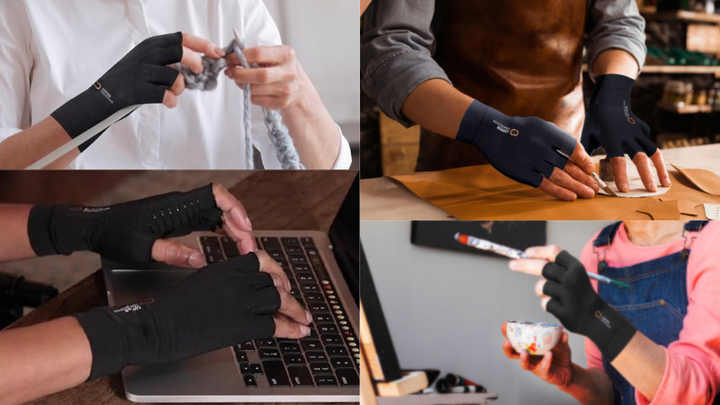
Made from a nylon/spandex blend, the fingerless gloves come in sizes XS-XL, in black, gray, beige and pink. The brand says the gloves are made with copper-infused fabric (which has been government-studied with potential links to easing inflammation). The moisture-wicking gloves provide gentle compression without making hands sweaty or clammy, offering four-way stretch for full range of motion and non-slip palm grips for extra stability.
Advertisement
Reviewers say the gloves have saved them from “years of arthritis pain,” finally allowing them to do their favorite activities again. “Frankly, I can’t go without them if I need to use my hands,” Amy wrote. “Mine last 5 months or so before I need to get another pair, and that is with heavy use doing things like kayaking, gardening, and housework.”
“I have arthritis and they help so much when I crochet,” Belinda wrote, with another writing that they love to travel, and with the gloves they can “enjoy our adventures to the fullest” again.
“Has made a difference in my morning flexibility,” one wrote, with another adding, “they keep my hands from swelling and hurting while sleeping.”
In addition to arthritis, the gloves are loved by users with carpal tunnel, Parkinson’s disease, neuropathy, circulation issues and other chronic health conditions. “I have nerve damage in both hands so they shake,” Allen wrote. “When I wear these they don’t shake at all. My circulation is better and overall great buy.” Another noted that with the gloves, their muscle spasms and “shakiness in my fingers” were “gone within 5-10 minutes.”
Some even call the gloves life-changing for how much independence they allow for. “My pain is greatly reduced while I’m wearing them and I can finally hold my hands mostly steady without them wanting to curl in on themselves,” a reviewer with synovitis (chronic inflammation around the joints), wrote.
Advertisement
“They don’t take the pain away completely, but I can perform basic tasks again and that’s enough for me,” they said. “I would highly recommend these to anyone looking for support and relief without the constraints of wearing a brace.”
“Miracle cure. These gloves have saved me from years of arthritis painn. I would rate them 100 stars if I could. Total over the top customer service from these guys made it even better. I am a first time buyer, and will be a lifelong customer. Awesome! — amanda & tim
“I usually do not write reviews, but since these gloves were so GREAT! I thought I would. I have painful arthritis in both of my hands. If that were not bad enough, I also have fibromyalgia which makes my hands (and everything else) hurt twice as bad. I was extremely weary of them working at all. I put them on when I received them & like magic most of the pain was gone. I do take pain pills all day, but would still have pain in my hands when I used them. These gloves have made a big difference, & I am buying another pair.” — Sherry M. Matalone
“I can truthfully say these gloves are what they claim to be. I have been wearing them every night upon going to bed. I no longer am awakened by severe discomfort and pain from my sleep and the next day, I find I have more mobility during the day. They are comfortable to wear. I hand wash them daily so the quality is good. I highly recommend them.” — Corinne L. D’Agostino
“This is my first pair of compression gloves and after putting these on I almost cried Happy tears. I had no idea my carpal tunnel pain could be treated. I also have a compulsion to crack my joints all the time. It constantly feels like a wrist or finger needs to be cracked and if the usual motion doesn’t crack it, I start trying to slam my knuckles into stuff until I get a pop. 30-45 seconds later another joint is ready to pop. This has been going on for years and for the most part I’m used to it. It usually is just a real annoyance but recently my joints, especially the wrist has been in pain and feels incorrect. I bought these and I don’t have that feeling near as much. I can feel blood hit my fingertips, I can use my hands and I haven’t had the annoying pop feeling once since they went on. It’s like magic. This is the easiest purchase I’ve ever made and I’m buying 2 more pairs for the car and a backup. I’m never going to be caught not having these on.” — Chuck Nimmo
“Absolute relief!! These are MAGICAL!! I was able to sleep for the first time – I could not believe I felt no pain!!” — Amazon customer
Advertisement
Amazon
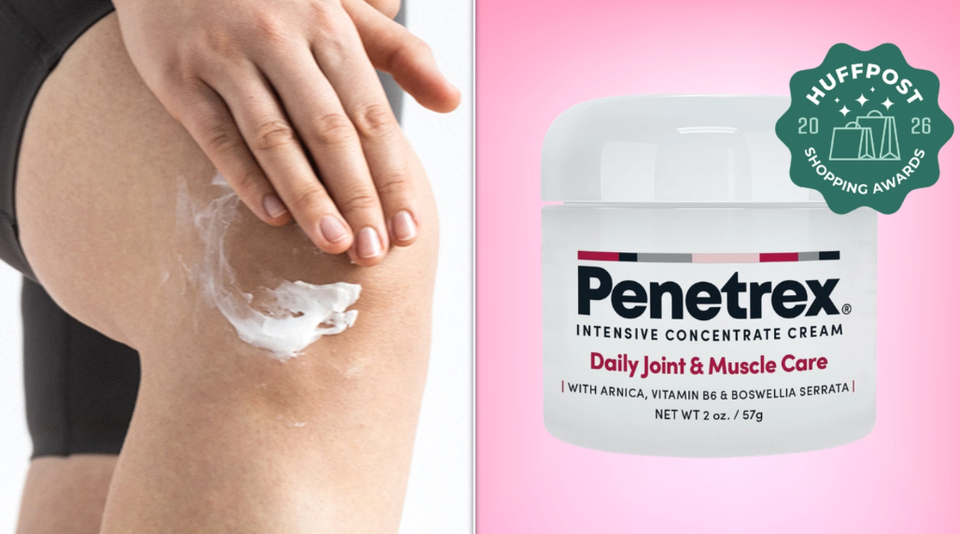
Made with a potent blend of botanicals, Penetrex’s daily joint and muscle cream is possibly one of the most beloved pain-relief topicals on Amazon and at HuffPost Shopping — which is exactly why it won a 2026 HuffPost Shopping Award for Best Wellness items. Reviewers say the cream “has given me my mobility back,” allowing them “to move comfortably and without pain” when nothing else worked. Possibly one of the most impressively reviewed pain-relief topicals on Amazon, it features a concentrated blend of natural ingredients. It’s a non-greasy and sensitive skin-friendly formula containing arnica and vitamin B6 to soothe sore and achy muscles without the burning or freezing sensation of other numbing creams.
Promising review: “Penetrex works for me. I have tried many different pain relieving creams and really believed a topical cream could not eliminate pain. Some products have a lot of Menthol that distracts from the pain for a while. I broke my wrist in 2015 and have 10 metal pins in my wrist. My hand, as well as my wrist, are frequently painful. I think some arthritis is developing. I am so thankful to have found Penetrex. When my hand or wrist starts hurting, I rub in a small amount of Penetrex and the pain goes away. I have not timed how long it takes. I just know if I want the pain to stop, I use Penetrex and not long after, I realize the pain is gone. I keep a jar at home and at work. I will not be without it, so I hope the company stays around for a very long time. Penetrex is not sticky or greasy, it rubs in completely like a hand cream or lotion. It has a mild fragrance, not a strong odor like some sports creams. I was introduced to electrode therapy and ultrasound during my physical therapy sessions for my wrist. I purchased both for home use. Penetrex works better than either of those therapies. I recommend you try it. It may not work the same for everyone and every type of pain, but it is worth a try.” — Rita Berry
Amazon
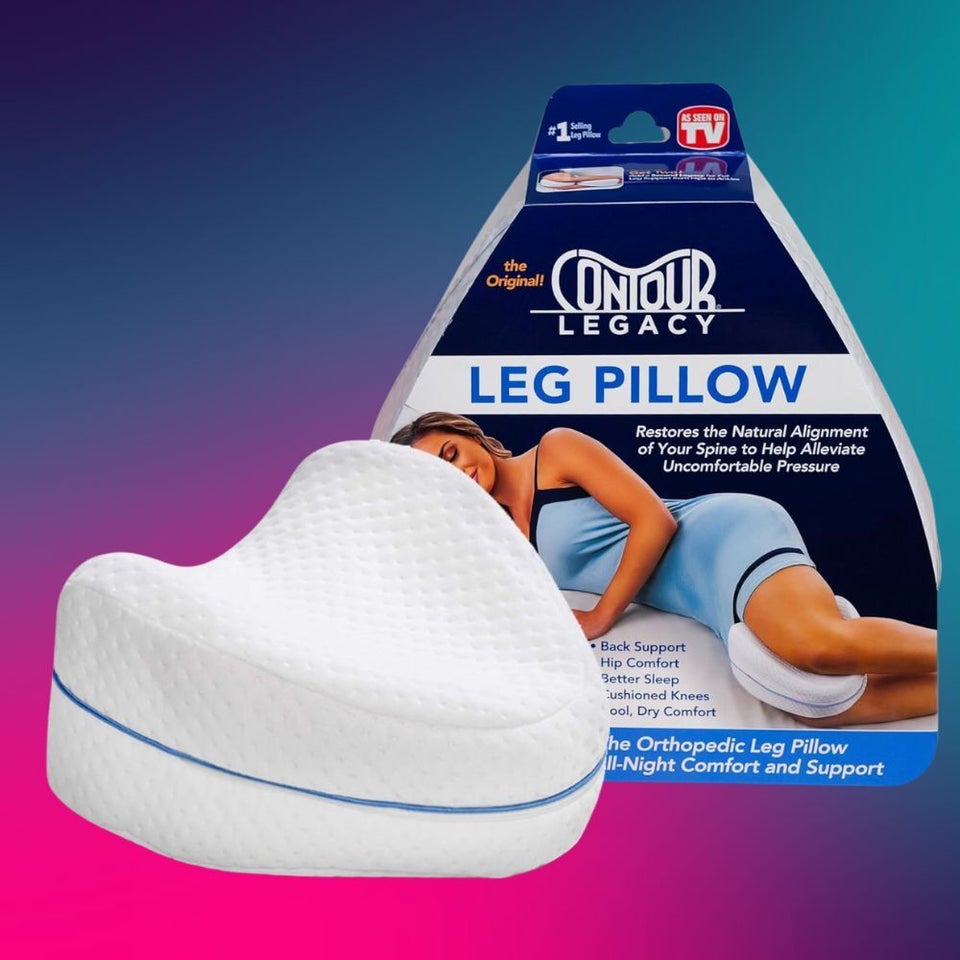
Made of soft yet dense memory foam, the Contour Legacy leg pillow is designed to adjust to the shape of the leg to help promote better alignment and eliminate pressure on the hips and lower back, especially for side sleepers. It has an ideal crescent structure that allows you to bend your knees freely in multiple sleep positions.
Promising review: “Removed leg pain. I have suffered for years trying to sleep with a broken back and sore knees until I bought this incredible leg pillow which has completely revolutionized my sleep in the most wonderful way. No longer do I suffer while climbing stairs or experience enormous pain during simple walks. I fully recommend this product as a 69 year old.” — Kent L.
Amazon
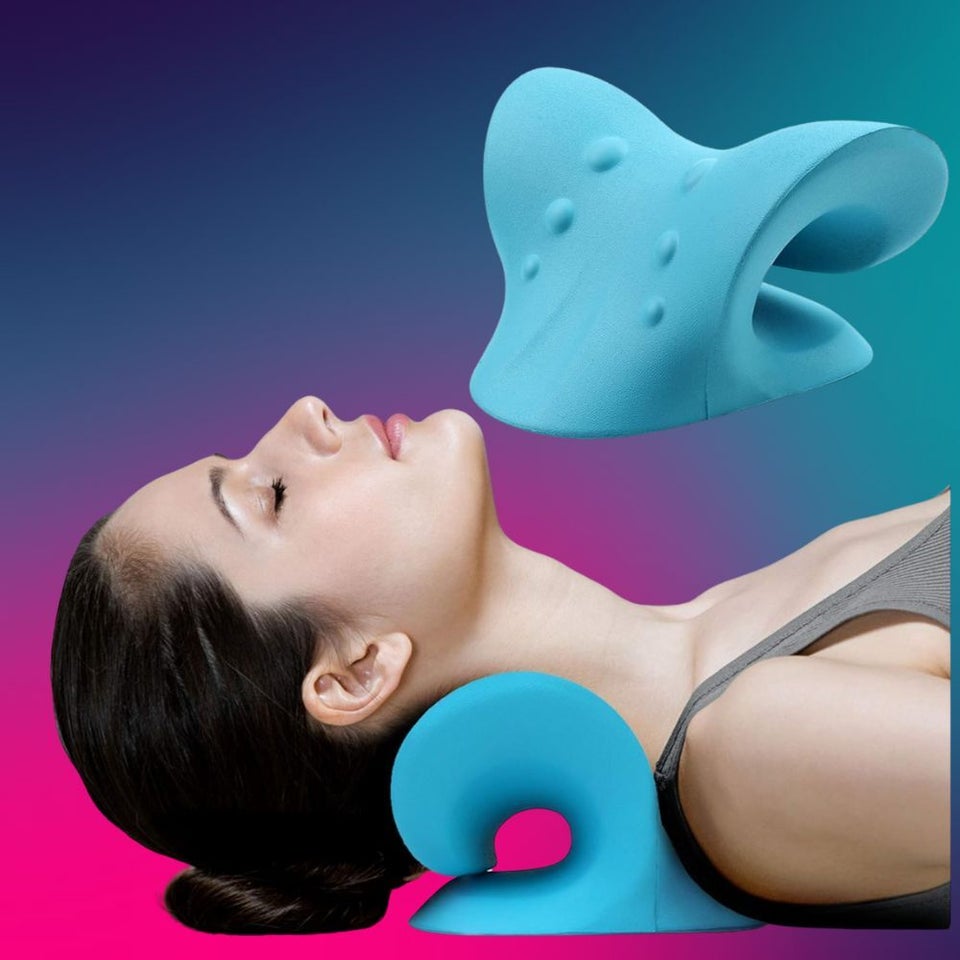
According to one reviewer, this odd-shaped pillow made their shoulder pain “disappear completely” using a stretching technique called cervical traction, which involves gently creating space between the bones of the neck. The pillow is made from a dense foam and strategically follows the natural curvature of the spine to ease pain in as little as 10 minutes a day.
Promising review: “So here’s a backstory, I have a pinched nerve and I am an artist who uses their hands A LOT. It causes me a lot of pain in my right hand, which causes my arm to go numb at night and aches all through the night. It stems from my shoulder and for the last several days I’ve been in a ton of pain, unable to sleep. I bought this on a whim with the hope for some relief in my neck and shoulder. As soon as it arrived I opened it and used it for less than a minute. That 45 seconds I was on it made my shoulder pain disappear completely. I was shocked.. but so happy to finally have this relief. Let me be clear, my back and shoulder is messed up from several things.. and it hurt because of the tension I’ve kept when I used this product. But it was the kind of pain you would get from a deep tissue massage or something like that. I’ve continued use through the day, using around 1-2 minutes total. No pain, no aches, my neck feels less tense and my shoulder pain is completely gone. I will continue using it daily! Highly recommended” — Z
Advertisement
The Real Deal: We use deal trackers and commerce experience to sift through “fake” hike-and-drop deals and other deceptive sales tactics. Products will usually be rated at least 4 stars with a minimum 15% discount. (And when there’s an exception, we’ll tell you why.)
Advertisement
If you’ve ever heard about “salmon sperm facials,” you may already know about PDRN. Found in many Korean beauty products, it’s a mega-popular, anti-aging skincare ingredient, typically derived from, you guessed it, salmon sperm. If you’d like to see the plumping, tightening and refreshing results for yourself, we spotted a 4-pack of K-Beauty PDRN overnight masks on a ⚡️lightning deal⚡️for 27% off. Reviewers call the masks a “MUST HAVE in my anti-aging mature skin era” and even “better than a professional facial.” Right now, you can snag them on sale for the first time since March — if you’re fast enough to grab ’em.
Advertisement

They go on as a cool, opaque gel, then become clear as they dry, indicating that your skin has soaked up all the good stuff. The brand says you want to leave the mask on for 3-4 hours, though many report wearing it to bed and letting it set overnight. You can also find the yellow brightening and red firming options on sale. Coming in two pieces, the mask is easy to put on and comfortable to wear, staying put and giving an instant cooling, refreshing feel the moment you put it on. They’re incredibly popular with HuffPost readers, featured in many Black Friday and Prime Day stories, and have garnered TikTok virality. They’re also loved by reviewers as a standout, exceptional at-home face mask.
Advertisement
“What sets this mask apart is the luxurious, spa-like experience it provides overnight,” reviewer Hilary Buckeye said. “Each time I use it, I wake up to skin that feels rejuvenated, smooth, and radiant, as if I’ve just had a professional facial. The jelly texture adheres comfortably and locks in moisture, making it perfect for overnight use.”
Another writes they were “in disbelief” with how quickly they started seeing results. “…Pores got smaller, wrinkles almost completely disappeared, and my skin feels incredible,” one said. “I wear one to bed & wake up with hydrated skin & significantly reduced wrinkles,” another wrote. (Note: According to previous HuffPost reporting, no topical product can make your pores physically smaller, but products can make pores appear to look smaller.)
Of course, no topical product is going to give the same effects as medical-grade treatments (like Botox). Yet, reviewers swear by these masks for making them feel like they’ve just seen a professional. “If you want your face to feel like you just got Botox, hydrafacial and you reverse aged your face 5 years with ultra hydration then buy these masks,” Maddie wrote.
Many speak to how fresh it makes their skin feel, “especially if it’s been dry or dull. “I like using these when I want that extra glow without doing anything complicated, one says, with another adding, “I have gotten so many compliments on my skin and this is after only a few uses.”
Others say the masks have brought such an upgrade to their skin, they feel better going bare-faced. “I use this as well as other Medicube products and my skin has never looked so good,” a reviewer in their ’40s who has “worn a full face of makeup since I was a teen,” wrote. “I don’t even wear foundation as often.”“It has given me the confidence to go without any foundation,” another said. “…Don’t know how they manage, but my skin feels tighter and incredibly moisturized at the same time.”
Advertisement
“I used the mask and the results are amazing. Your face looks radiant, smooth. The mask tight the wrinkles around your face. Excellent choice for thickness and smooth, bright, soft face.. Great product.” — Jeannette Carrera
“I’ve been using this mask for a few weeks now, and it’s quickly become a favorite in my skincare routine. The jelly-like texture feels luxurious and cool upon application, and it transforms from pink to clear as it absorbs, signaling optimal hydration. I typically apply it before bed and wake up to skin that feels plump, smooth, and noticeably more radiant.” — sam
“Absolutely love these! I wear one to bed & wake up with hydrated skin & significantly reduced wrinkles! I sleep on my stomach so always have one side of my face that has more wrinkles in the morning, when I wear one of these masks that is eliminated. Will definitely purchase again!” — MHP
Amazon
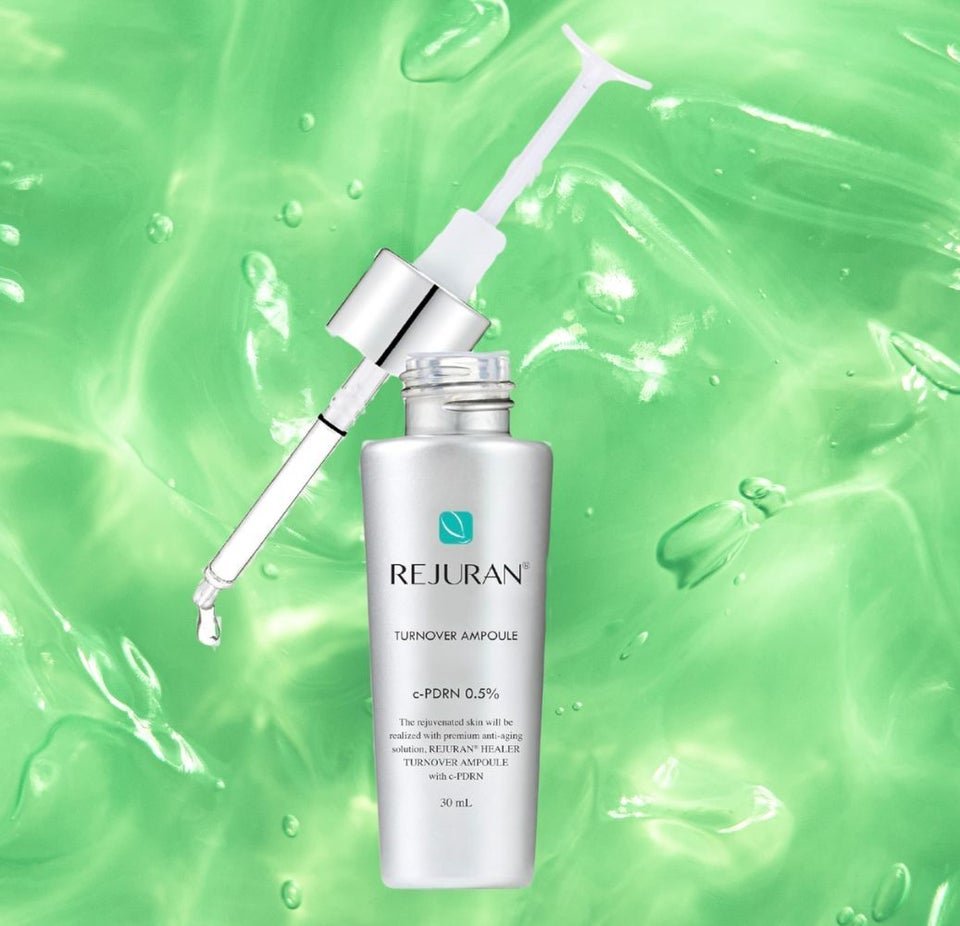
The Rejuran Turnover ampoule, a recommendation from Frieling, claims to be the original salmon PDRN product and a brand that is most recognized in this category, according to Gould. This DNA-based formula is enriched with highly purified salmon serum and salmon sperm extracts, ingredient types that are the ideal molecular size for the best and deepest absorption possible, based on brand claims. The ampoule also contains supportive peptides for additional plumping power and raspberry leaf extract, an antioxidant-rich ingredient that soothes and protects against premature skin aging. Get it for 15% off when you hit the coupon.
Amazon
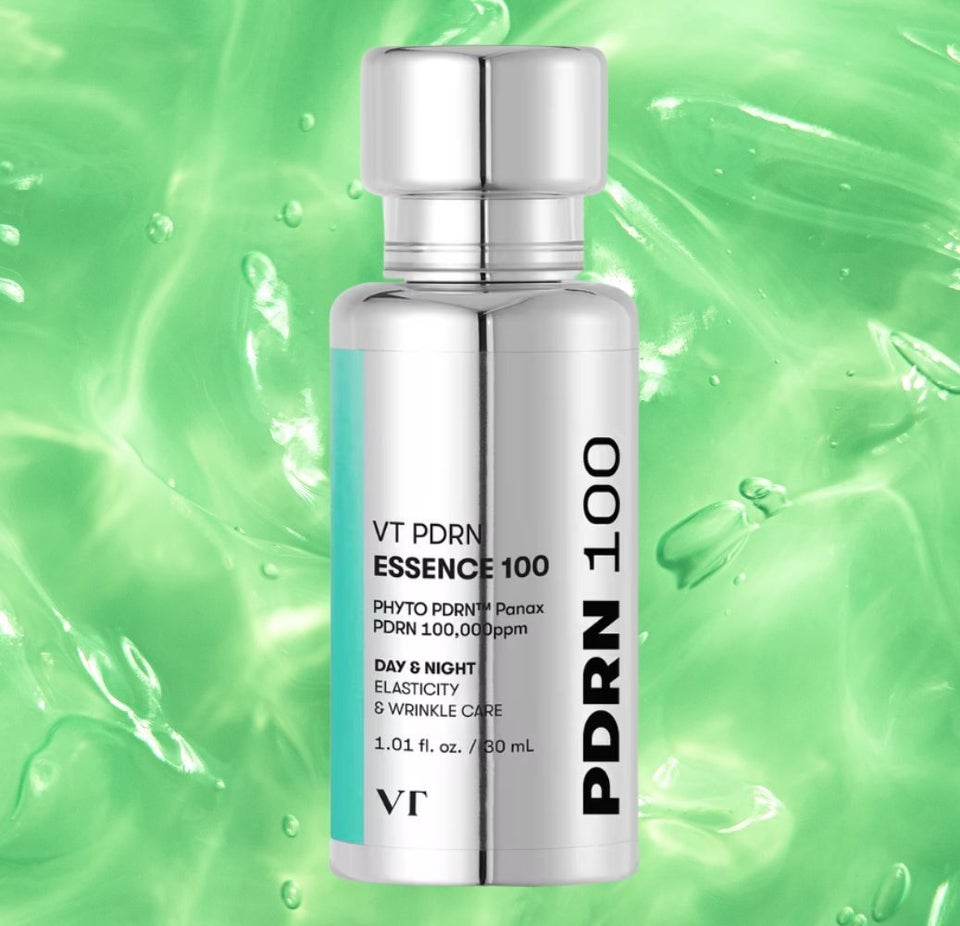
Gould, Spearman and Frieling all mentioned the VT Cosmetics PDRN 100 Essence, a vegan product that contains at least a 10% concentration of PDRN sourced from wild-grown Korean ginseng. According to the brand, ginseng-derived PDRN has a low molecular weight, meaning it’s extra stable and offers maximum absorption into the skin. Safe for day and night use, the VT essence also contains panthenol to calm red and troubled skin and ceramides, which are essential for a strong and healthy skin barrier. Get it for 19% off.
Amazon
Advertisement
Amazon
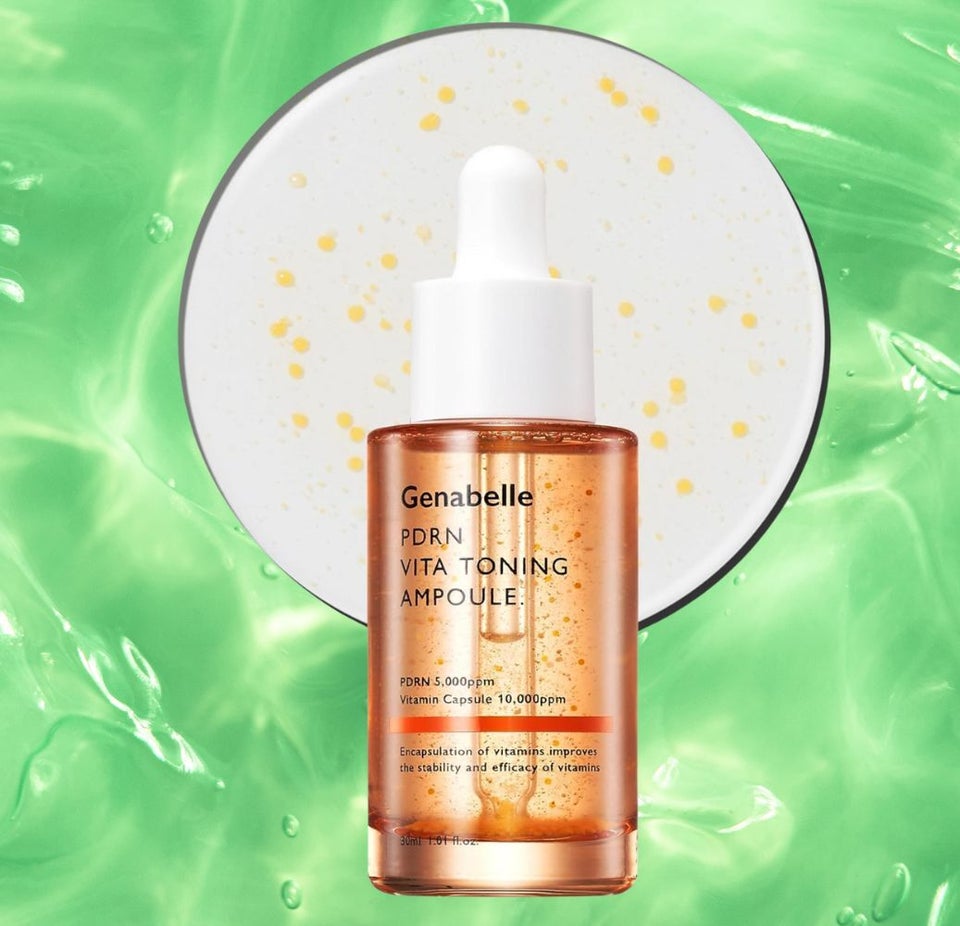
Frieling also suggested the Genabelle PDRN Vita Toning ampoule, a lightweight daily serum that features encapsulated vitamins, which keeps them fresher and more potent until the moment of application. The combination of vitamins B, C and E promises antioxidant protection and skin-brighening power that helps to fade dark spots and irregular skin texture. The salmon PDRN base also contains a plumping peptide complex and hyaluronic acid, a well-studied humectant that’s known for drawing moisture into the skin for a dewy and hydrated complexion.
The Real Deal: We use deal trackers and commerce experience to sift through “fake” hike-and-drop deals and other deceptive sales tactics. Products will usually be rated at least 4 stars with a minimum 15% discount. (And when there’s an exception, we’ll tell you why.)
Advertisement
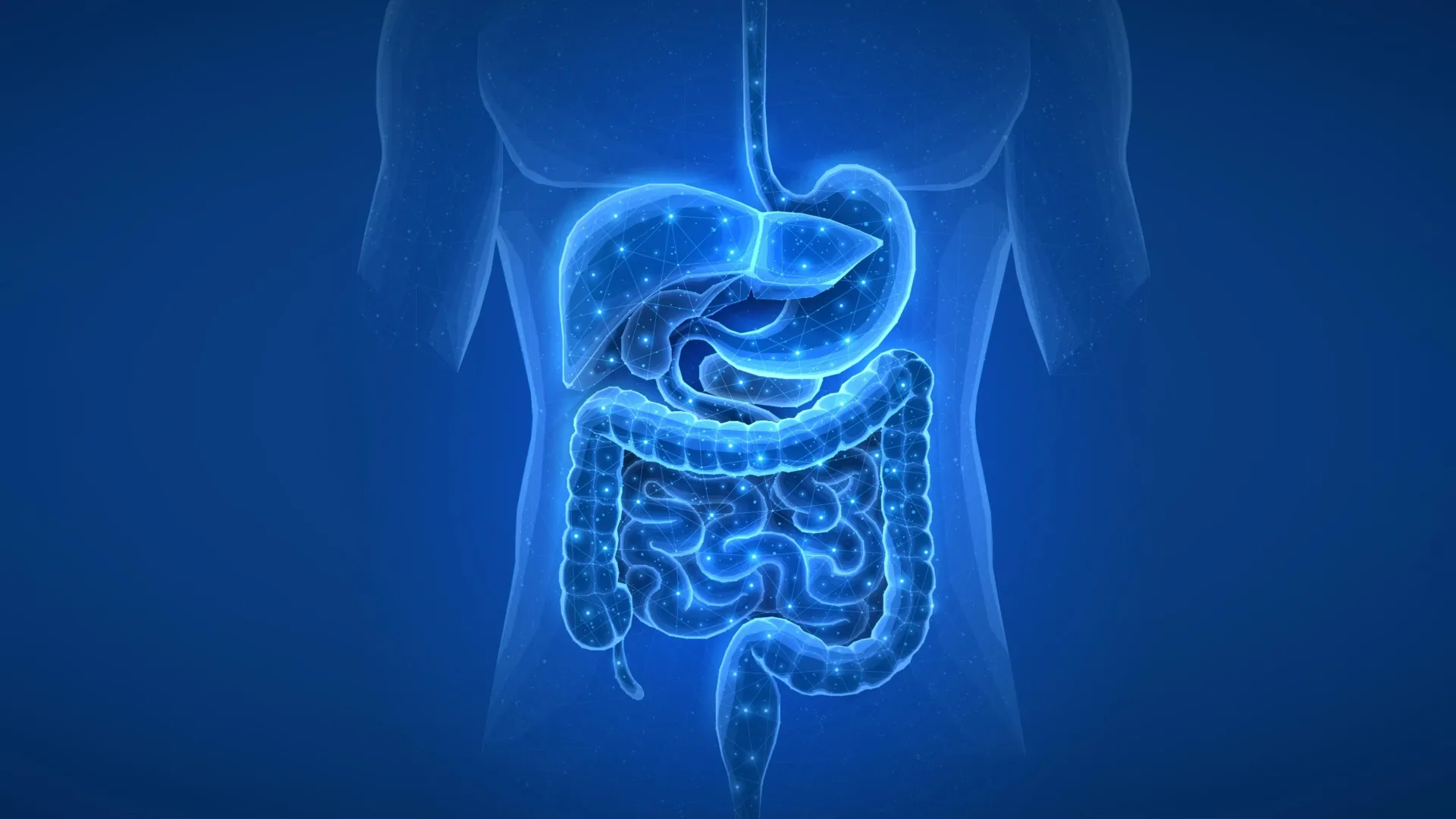
Medications can influence the community of microbes living in the human gut long after a person stops taking them, according to a large study led by researchers at the University of Tartu Institute of Genomics.
The findings suggest that a person’s prescription history may help explain differences in the gut microbiome years later. The gut microbiome includes the vast community of bacteria and other microorganisms that live in the digestive tract and can influence digestion, metabolism, immune function, and other aspects of health.
Drug Effects May Persist for Years
Researchers analyzed stool samples and prescription records from more than 2,500 participants in the Estonian Biobank who were part of the Estonian Microbiome cohort. They found that most of the medications examined were associated with differences in the gut microbiome.
For a substantial number of drugs, those differences could still be detected years after people had stopped taking the medication.
The lasting effects were not limited to antibiotics, which are already well known for their ability to disrupt populations of gut bacteria. Antidepressants, beta-blockers, proton pump inhibitors, and benzodiazepines were also associated with distinctive microbial “fingerprints.”
Beta-blockers are commonly used to treat conditions such as high blood pressure and certain heart problems. Proton pump inhibitors reduce stomach acid and are often prescribed for acid reflux and related conditions. Benzodiazepines are medications commonly used for anxiety and other disorders.
“Most microbiome studies only consider current medications, but our results show that past drug use can be just as important as it is a surprisingly strong factor in explaining individual microbiome differences,” said Dr. Oliver Aasmets, lead author.
The finding suggests that researchers studying connections between the microbiome and disease may need to look beyond the medications a person is currently taking. Drugs used months or even years earlier could still influence the microbial patterns seen in a stool sample.
Anxiety Drugs Show Surprisingly Strong Effects
One particularly striking finding involved benzodiazepines, which are commonly prescribed for anxiety. Their associations with the gut microbiome were comparable to those seen with broad-spectrum antibiotics.
Broad-spectrum antibiotics are designed to act against many different types of bacteria, which is why they can produce substantial changes in the gut microbial community.
The study also found that medications belonging to the same drug class did not necessarily affect the microbiome in the same way. Drugs that may be prescribed for similar conditions, such as diazepam and alprazolam, differed in how strongly they appeared to disrupt gut microbes.
That distinction could be important because medications are often grouped together in microbiome research based on their drug class. The new results suggest that individual drugs may need to be considered separately.
Follow-Up Samples Reveal Predictable Changes
Researchers also examined follow-up stool samples from a smaller group of participants. These samples allowed them to observe what happened when people started or stopped certain medications.
Those changes were accompanied by predictable shifts in gut microbes, providing evidence that the medications themselves may be responsible for at least some of the observed differences.
Although the second time-point analysis involved a relatively small number of participants, researchers were able to confirm persistent effects linked to proton pump inhibitors, selective serotonin reuptake inhibitors and antibiotics, such as penicillins in combination and macrolides.
Selective serotonin reuptake inhibitors are a widely used class of antidepressants. Macrolides are a group of antibiotics that includes drugs used to treat a range of bacterial infections.
Medication History Could Matter in Microbiome Research
The results add to growing evidence that the gut microbiome reflects more than a person’s current diet, lifestyle, health, and medication use. Past treatments may leave biological traces that remain detectable long after the prescription has ended.
“This is a comprehensive systematic evaluation of long-term medication effects on the microbiome using real-world medical health records,” said Professor Elin Org, corresponding author. “We hope this encourages researchers and clinicians to factor in medication history when interpreting microbiome data.”
Accounting for that history could help scientists more accurately distinguish microbiome changes associated with disease from changes caused by medications taken in the past.
Backyard bird feeding is one of our country’s most popular pastimes. Research reveals about half of Australian households feed wild birds, with many people doing so daily.
However, this practice could act as a superspreader event – where a disease infects an unusually high number of people or animals – of the H5N1 virus. This deadly strain of bird flu has already decimated wild bird and mammal populations worldwide. It is now spreading across Australia, most recently killing more than 1,000 crested terns and a long-nosed fur seal, the first detection in a mainland mammal.
Although many Australians feed wild birds, the practice is controversial. This is mainly due to concerns about people offering unsuitable foods and birds becoming dependent on humans.
So why is backyard bird feeding such a problem when it comes to bird flu? And can we do it safely?
People feed wild birds for various reasons, including to provide food during tough times or simply enjoy their presence. Most care deeply about their avian companions and believe feeding them is helpful.
However, they may not realize the danger this creates for the birds they love.
Feeding wild birds heightens the risk of disease transmission at feeding locations. When we offer supplementary food, such as seeds or meat scraps, this attracts birds of many different species in a combination and number that would not happen in nature. They may carry deadly diseases, such as the H5N1 virus, and potentially spread them to other birds.
This can create a transmission hotspot right on our back deck. And catching bird flu can push our most threatened species, such as the orange-bellied parrot, to the brink of extinction.
The fatal effects of H5N1 are not only contained to birds. Scavenger animals such as possums, red foxes and crows can be exposed to the virus while devouring the carcasses of infected birds. Humans in close contact with infected wildlife, such as wildlife carers and veterinarians, can contract H5N1. However, human infection is rare and typically only causes mild symptoms.
Backyard bird feeding may seem like a harmless hobby. But given how many people do it, and the risks it poses to both birds and people, bird feeding activities could lead to many more wildlife deaths.
So if you feed birds in your backyard, how can you do so safely?
The most effective strategy is to stop feeding birds altogether. If you don’t offer food to wild birds, they will be less likely to congregate in your backyard or garden. And they will be fine without your help. Our previous research found most birds that visit feeders obtain most of their nutrition from natural sources, such as insects and worms. So the food we provide is a snack, not an essential meal.
But if you do continue feeding wild birds, here are three precautions to take:
Offer less food
Having feeders full of seeds and leftover meat will attract more birds. So to discourage them from congregating, simply provide less food. Much like COVID-era social distancing rules, this will lower the risk of H5N1 transmission by keeping birds separate.
Avoid hand-feeding
Having a bird swoop down to snatch food from your hand is one of the most intimate interactions we can have with wildlife. But in the era of bird flu, this must stop. While humans are unlikely to contract H5N1, close physical contact with birds through hand-feeding is simply not worth the risk.
Keep everything clean
If you keep feeding wild birds, it’s vital to regularly clean all feeding surfaces and equipment using domestic bleach. If you’re not prepared to do this, you shouldn’t be feeding them at all.
Backyard bird feeding could worsen Australia’s current H5N1 crisis. Indeed, your avian visitors may complain if you give them fewer tasty treats or stop feeding them altogether. But these measures will protect both you and them from this deadly disease.
Please do not touch sick or dead birds or marine mammals. Record the location, take photographs from a safe distance, keep pets away and report the sighting to the Emergency Animal Disease Hotline on 1800 675 888 (Australia).

A new analysis of biological aging across the human body suggests that both sleeping too little and sleeping too much are associated with faster aging in the brain, heart, lungs, immune system, and other organs. These sleep patterns were also linked to a broad range of diseases.
“Previous studies have found that sleep is largely linked to aging and the pathological burden of the brain. Our study goes further and shows that too little and too much sleep are associated with faster aging in nearly every organ, supporting the idea that sleep is important in maintaining organ health within a coordinated brain-body network, including metabolic balance and a healthy immune system,” says study leader Junhao Wen, assistant professor of radiology at Columbia University Vagelos College of Physicians and Surgeons.
The research was published in Nature.
Biological Clocks Reveal How Organs Age
Scientists are increasingly using aging clocks to estimate whether a person is aging biologically faster or slower than their chronological age. These tools rely on machine learning and biological information (e.g., proteins from a minimally invasive blood test) to calculate patterns associated with aging.
Many aging clocks provide a single measure for the entire body. However, different organs can age at different speeds. One familiar example is the decline in ovarian function that contributes to the biological clock associated with female fertility.
Wen and his colleagues have been developing aging clocks that focus on individual organs. The goal is to provide more detailed and potentially more personalized information about a person’s health.
“Everyone is excited by these aging clocks and their ability to predict disease and mortality risk,” Wen says. “But to me, the more exciting question is, can we link aging clocks to a lifestyle factor that can be modified in time to slow aging?”
Finding a Sleep Sweet Spot
Sleep offered researchers an ideal way to explore that question because mounting evidence suggests that sleep plays an important role in health. Wen also had a personal interest in the issue.
“I’m also a light sleeper and was getting worried about the effects on myself,” says Wen.
To create the aging clocks, Wen used information from about half a million participants in the UK Biobank. Machine learning was applied to identify biological signatures associated with aging in different organs.
The researchers built clocks using several types of information, including structural measurements from medical imaging, proteins associated with specific organs, and molecules detected in the blood.
“In the liver, for example, we have an aging clock built with protein data, an aging clock of metabolic data, and an aging clock of imaging data,” Wen says. “This allows us to see whether sleep is distinctively associated with aging clocks derived from multiple omics and molecular layers.”
The team then compared sleep duration (as reported by each Biobank participant) with biological age estimates from 23 aging clocks covering 17 organ systems.
Too Little and Too Much Sleep Linked to Faster Aging
A clear U-shaped pattern appeared across the body. People reporting short sleep (fewer than 6 hours) and long sleep (greater than 8 hours) tended to show faster biological aging.
The lowest levels of aging were seen among people who reported sleeping between 6.4 and 7.8 hours each day.
Importantly, the findings do not show that sleep duration by itself causes organs to age faster or slower. Instead, they suggest that sleeping either too little or too much could be a sign of poorer health throughout the body.
Sleep Duration Tied to Diseases Across the Body
The results also point to a broad connection between sleep, the brain, and the rest of the body.
Short sleep was significantly associated with depressive episodes and anxiety disorders, consistent with earlier research connecting insufficient sleep with mental health problems.
It was also associated with obesity, type 2 diabetes, hypertension, ischemic heart disease, and heart arrhythmias.
Both short and long sleep were linked to chronic obstructive pulmonary disease and asthma. They were also associated with several digestive disorders, including gastritis and gastroesophageal reflux disease.
Wen says, “The broad brain-body pattern is important because it tells us that sleep duration is a deeply embedded part of our entire physiology, with far-reaching implications across the body.”
Sleep, Aging, and Late Life Depression
The organ-specific aging clocks may also help scientists understand how sleep is connected to individual diseases. Wen and his colleagues explored this possibility by examining late life depression.
The researchers could not establish whether differences in sleep duration caused late life depression or whether depression itself changed how long people slept.
To investigate further, the team used “mediation analysis” to examine whether biological aging might help explain the relationship between short or long sleep and late life depression.
The results suggested that short sleep may be more directly connected with the burden of late-life depression. Long sleep, in contrast, may influence depression through pathways reflected in aging clocks for the brain and adipose tissue.
“This has a strong implication for future sleep management and future therapeutics,” Wen says. “Our study suggests there may be different biological pathways between long and short sleepers that lead to the same outcome, late-life depression, and we shouldn’t treat them the same way.”
Grace is just 14, but has to spend days in hospital each month due to her endometriosis.
Hayley Metcalfe, 37, suffered the loss of two babies at 17 and 19 weeks into the pregnancies.
Grace, 14, feels doctors were dismissive of her pain. She wants others to know the symptoms.
Nearly 600 practices in England have withdrawn from NHS dentistry over the last 10 years, as the service heads towards a two-tier system.
