A hidden “on switch” in human DNA has finally been decoded

Healthy growth and development depend on tens of thousands of genes being switched on at the right time and in the right place. Specific regions of DNA help coordinate this process, guiding the production of enzymes, hormones, proteins, and other molecules that cells need to function properly. When gene activation goes wrong, cells can malfunction and contribute to diseases, including cancer.

To better understand the DNA sequences that control this process, researchers in the laboratory of University of California San Diego Professor James T. Kadonaga focused on an important DNA element known as the “initiator.” The initiator marks the location where the information encoded in a gene begins to be converted, or expressed, into a functional product.

AI Decodes the Initiator Sequence

In the new study, led by graduate student researcher Torrey Rhyne-Carrigg, the team used high-throughput DNA sequencing to measure gene expression activity across approximately 500,000 different versions of the initiator.

The researchers then used those results to train a machine learning system, a form of artificial intelligence, to identify the characteristic DNA pattern associated with the initiator. Once the model had decoded that signature, the team searched human genes for the sequence and found that roughly 60% contain the initiator.

“These AI models were found to provide, for the first time, strong predictions of the presence or absence of the initiator in human genes, and were thus able to decode the DNA base sequence pattern of the initiator,” said Kadonaga, a professor in the UC San Diego Department of Molecular Biology, School of Biological Sciences.

Predicting the Effects of DNA Mutations

The findings could help researchers anticipate how mutations affecting the initiator may alter gene activity and contribute to a range of disorders. The study’s data and AI models may also support the design of synthetic promoters, sequences that can switch genes on or off, with functions tailored for specific purposes.

More broadly, the research shows how laboratory experiments and artificial intelligence can be combined to uncover information encoded in human DNA.

“More globally, this work is a step forward in the combined use of laboratory experiments and AI to decipher the information that is embedded in the sequence of the DNA bases in humans,” said Kadonaga. “Ultimately, within the six billion bases of DNA in each of our cells, there is a gene expression code that specifies when, where and to what extent each of our genes should be turned on or off. If we had an AI model for the entire gene expression code, we would be able to predict the activity of each of the different variants of genes in different people. The new AI model for the initiator is a small but important part of this gene expression code, and I am optimistic that we will expand our AI models of the human gene expression code in the not-too-distant future.”

Share Button

Experimental compound helps burn fat without muscle loss

GLP-1 medications have transformed the treatment of obesity, diabetes, and fatty liver disease over the past several years. Drugs sold as Ozempic, Wegovy, Mounjaro, and Zepbound can produce substantial weight loss while helping patients control blood sugar.

But these medications can also cause problems. Some patients experience nausea and other gastrointestinal side effects. Because GLP-1 drugs reduce appetite and food intake, they may also contribute to nutritional deficiencies and loss of muscle, potentially increasing the risk of frailty and other long-term health issues.

Researchers at UC Berkeley are now investigating a very different strategy for treating obesity and diabetes. Instead of reducing the amount of energy a person consumes, their approach is designed to increase the amount of energy the body uses by raising metabolic activity.

A Different Way to Target Weight Loss

In a study published August 21 in Science Advances, the team reports that a molecular compound called 5-tetradecyloxy-2-furoic acid (TOFA) can interfere with the production of lipids such as cholesterol and triglycerides. At the same time, it activates genes that encourage cells to use fat for fuel and produce more energy.

In experiments with mice, TOFA improved insulin sensitivity and glucose control, reduced triglyceride levels, and improved signs of fatty liver disease. Obese mice treated with the compound lost fat while showing no significant reduction in lean muscle mass.

“Body weight responds to two levers: taking in fewer calories, or spending more energy,” said Anders Näär, a professor of metabolic biology and nutrition at UC Berkeley and senior author of the study. “GLP-1s work almost entirely on the first, so we went after the second.”

Reviving a Compound First Discovered Decades Ago

TOFA was initially discovered in the 1970s and belongs to a group of compounds known as ACC inhibitors. These compounds reduce the body’s production of lipids.

Several ACC inhibitors have advanced into mid-stage clinical trials, but none has been approved to treat metabolic disease. One important obstacle is that many of these compounds can increase triglyceride levels, which may raise cardiovascular risk.

The UC Berkeley team found that TOFA behaves differently. In addition to acting as an ACC inhibitor, it activates PPARα and PPARδ, cellular receptors that switch on genes involved in taking up fat and burning it for energy.

In mice, this effect increased energy use by as much as 18% without causing the animals to become more physically active or increasing their body temperature. The researchers also found that TOFA did not produce the rise in triglycerides seen with some other ACC inhibitors, possibly because of its combined effects on lipid production and energy metabolism.

“TOFA appears to engage a coordinated metabolic response,” said study first author Justin Y. Lee, a postdoctoral student at UCSF who conducted the research as a Ph.D. student at Berkeley. “It is not simply blocking lipid synthesis. It is also activating energy expenditure pathways that may help the body handle excess lipid and glucose more effectively.”

One Compound Outperformed a Two-Drug Approach

The researchers also tested whether they could reproduce TOFA’s effects with two separate compounds. They gave mice one compound designed to suppress lipid production and another intended to increase energy expenditure.

That combination did not improve overall metabolic health as effectively as TOFA by itself, suggesting that TOFA’s particular combination of actions may be important to its effects.

The team then examined whether TOFA could be paired with existing GLP-1 medications. These included semaglutide, sold under the brand names Ozempic or Wegovy, and tirzepatide, sold as Mounjaro and Zepbound.

In mice, combining TOFA with these GLP-1 drugs produced larger improvements in body weight, glucose control, insulin levels, and triglycerides than either treatment produced on its own.

“In our combination experiments, TOFA worked additively or synergistically with the GLP-1 appetite-suppressing drugs, so we view it as complementary rather than as a replacement,” Näär said.

Human Testing Is Still Needed

Despite the promising results, the researchers emphasize that TOFA has so far been studied only in animals. Its safety and effectiveness in humans remain unknown and will need to be evaluated in future studies.

With support from Berkeley’s life sciences entrepreneurship ecosystem, including Nucleate and Berkeley SkyDeck, the researchers have created a company called ReRx Therapeutics to help move the research toward potential use in patients.

The research was funded through discretionary funds from UC Berkeley, with additional assistance from the UCSF Liver Center and the University of Michigan Animal Phenotyping Core.

Additional authors include Chi Zhu, Melissa A. Boldridge, Rachelle L. Stark, Lei Xu, Federico Gonzalez, Xin Tang, Kaitlyn T. Dang and Kook Son of Berkeley; Gracia Bonilla, Kashish Chetal and Ruslan I. Sadreyev of Massachusetts General Hospital; Kosuke Watari and Michael Karin of the University of California, San Diego; Christina Papa and Bilal N. Sheikh of the Helmholtz Center Munich; Prabha Ibrahim of ReRx Therapeutics.

Share Button

Scientists turn tiny “defects” into a 5.5x heat transfer boost

Researchers have developed a new surface coating that can increase condensation heat transfer performance by as much as 5.5 times compared with conventional copper surfaces. The technology works by helping water droplets form more easily and detach more quickly, a combination that could improve energy efficiency in power plants and desalination facilities while also enhancing the cooling of electronic devices.

KAIST (President Choongsik Bae) announced on August 23 that a joint team led by Professor Youngsuk Nam from the Department of Mechanical Engineering and Professor Sung Gap Im from the Department of Chemical and Biomolecular Engineering created the technology by carefully controlling the thickness and structure of an ultrathin polymer coating. The coating encourages more droplets to appear as water vapor condenses while also making it easier for those droplets to leave the surface.

Why Condensation Matters for Heat Transfer

Condensation occurs when water vapor changes into liquid water. A familiar example is the layer of droplets that appears on the outside of a cold drink. In industry, condensation plays an important role in converting steam back into water at power plants, producing fresh water from seawater, and carrying heat away from electronic equipment.

For these systems to work efficiently, condensed water must be removed from the surface quickly. On ordinary metal surfaces, small droplets often merge into a continuous film of water. That film acts as an additional barrier to heat flow, reducing heat transfer efficiency in much the same way that multiple layers of winter clothing slow the movement of heat away from the body.

A more efficient process occurs when water remains in individual droplets that repeatedly form and detach. This behavior is called dropwise condensation. Because the droplets leave instead of forming a continuous layer, fresh areas of the surface are repeatedly exposed, allowing heat to move through the surface more effectively.

The Trade-Off Between Droplet Formation and Removal

Previous surface designs have struggled with an important limitation. Rough surfaces provide more places for droplets to begin forming, but those same structures can trap the droplets and make them difficult to remove. Smoother surfaces allow droplets to slide or detach more easily, but they provide fewer sites where new droplets can form.

That creates a basic trade-off between nucleation, the initial formation of droplets, and droplet mobility.

The researchers addressed this problem by taking advantage of nanoscale polymer aggregates that had previously been treated as unwanted ‘defects’ in polymer coatings. They produced the coating using initiated chemical vapor deposition (iCVD), a technique that deposits gas-phase precursors onto a surface to form an extremely thin polymer layer.

When the researchers made the polymer film thinner, many small polymer aggregates appeared across the surface. Instead of removing these structures, the team used them as nucleation sites where water droplets could begin forming. Thin polymer films produced approximately three times as many droplets as thicker films.

Helping Droplets Form and Leave Faster

The team then introduced a heat treatment that weakened the force holding droplets to the coated surface. This allowed the droplets to detach more easily, often before they had time to grow very large.

The two adjustments addressed different parts of the condensation process. Reducing the polymer film thickness increased the number of locations where droplets could form, while thermal treatment made it easier for those droplets to leave the surface. By controlling these effects separately, the researchers were able to overcome the usual conflict between creating more droplets and removing them quickly.

Once a droplet leaves, another can form in the newly exposed space. The process is similar to a vacant seat being filled as soon as someone gets up. The more frequently droplets appear and depart, the more often the surface is refreshed, allowing heat to move through it more efficiently.

Heat Transfer Performance Increased Up to 5.5 Times

To test the technology under conditions closer to real-world applications, the researchers applied the polymer coating to copper tubes commonly used in condensers.

The maximum condensation heat transfer coefficient, which measures a surface’s ability to transfer heat, reached approximately 88 kW·m-2·K-1. That represented heat transfer performance up to approximately 5.5 times greater than a conventional copper surface covered by a water film.

The new coating also delivered more than 50% better performance than a conventional hydrophobic coating surface.

Rather than relying only on smooth or water-repelling surfaces, the researchers deliberately made use of small surface ‘defects.’ Their results showed that nanoscale particles once viewed as imperfections to be eliminated could instead provide useful sites for droplet formation. The finding led the team to a new strategy for designing condensation surfaces.

Potential Uses in Energy, Water, and Electronics

If the coating can be adopted in power plants or industrial heat exchangers, it could improve energy efficiency by allowing heat to move more effectively. The technology could also improve water collection in desalination and water-harvesting devices, while faster heat removal could provide better cooling for electronic equipment.

Professor Nam said, “This research is meaningful because it uses nanostructures previously regarded as defects as features that help droplets form. We have presented a new method for improving heat transfer efficiency by separately controlling droplet formation and removal.”

He added, “Because this technology can form extremely thin, uniform coatings even on surfaces with complex shapes, we expect it to be used in various energy and environmental applications, including industrial heat exchangers.”

Jun Soo Kim, a researcher in the Department of Mechanical Engineering, and Minjeong Kang, a researcher in the Department of Chemical and Biomolecular Engineering, co-authored the study as first authors. The results were published online in the international journal Nature Communications on July 16.

This research was supported by the Mid-Career Researcher Program (Ministry of Science and ICT and the National Research Foundation of Korea), the SME Technology Innovation Development Program (Ministry of SMEs and Startups and the Korea Technology and Information Promotion Agency for SMEs), and the Deep-Tech Startup Activation Support Program (Ministry of Science and ICT and Commercialization Promotion Agency for R&D Outcomes, COMPA).


Share Button

Peppermint oil lowers blood pressure in just 20 days

Daily peppermint oil may offer a simple way to reduce mildly elevated blood pressure, according to new research.

Researchers at the University of Lancashire found that taking 100 microliters of peppermint oil twice a day for 20 days reduced systolic blood pressure (the top number in a blood pressure reading) by an average of 8.5mmHg.

The findings, published in PLOS One, suggest peppermint oil could provide a simple, inexpensive, and well-tolerated option for people with slightly elevated blood pressure.

A Potential Low-Cost Approach to Blood Pressure

Lead author Dr. Jonnie Sinclair, Reader in Sport and Health Sciences, said: “High blood pressure is one of the biggest causes of heart disease and death worldwide, and it costs a huge amount of money to treat. Although medicines are commonly used to treat it, it’s not always clear how well they work in the long-term, and they can cause unwanted side effects.”

Peppermint naturally contains compounds including menthol and flavonoids. To investigate its possible effects, researchers enrolled 40 adults between the ages of 18 and 65 and randomly assigned them to two groups.

Participants with prehypertension or stage 1 hypertension in one group received a small daily amount of peppermint oil. The comparison group received a peppermint-flavored placebo without the active oil. Blood pressure improved in the peppermint oil group, while the placebo group showed no meaningful change.

Researchers Tracked More Than Blood Pressure

Although systolic blood pressure was the main focus, the researchers also examined several other measures. These included body measurements, blood test results, diastolic blood pressure (the bottom number in a blood pressure reading), heart rate, mental well-being and sleep quality.

Dr. Sinclair added: “Our findings were very positive and they have significant clinical implications, especially given arterial hypertension is the most common preventable risk factor for cardiometabolic disease and the greatest single risk factor for global mortality.

“Peppermint oil is low in calories and price so it’s proved to be a very simple and cost-effective solution to potentially treat millions of people around the world.”

Share Button

Exercise may work better for keeping weight off than losing it

The basic principle of weight loss is straightforward: if you consume fewer calories than you burn, you’ll lose weight. In practice though, this isn’t usually so easy or simple.

Alongside counting calories or eating smaller portions, many people add exercise into the equation when trying to lose weight to help tip the balance. Yet research shows that exercise may only have modest effects on weight loss.

But before you ditch your workouts, it’s important to note that exercise still plays a really important role when it comes to health – perhaps especially in keeping the pounds off after reaching your goal weight.

There are several processes that help explain why exercise doesn’t always result in huge amounts of weight loss.

Exercise can stimulate appetite, leading to increased food intake. People may also subconsciously move less throughout the rest of the day after doing a workout, which means exercise may have less impact on their overall calorie deficit.

The body also becomes more efficient over time – burning fewer calories while doing the same activity. This process, sometimes called “metabolic adaptation”, reflects the body’s tendency to defend against weight loss.

From an evolutionary perspective, conserving energy during periods of intense physical activity probably protected our ancestors from starvation. But in today’s world, metabolic adaptation is one of many factors that can make weight loss difficult.

The importance of exercise

Although exercise may not be the main driver of weight loss, it seems it might play a role in maintaining weight loss.

In a study of over 1,100 people, physical activity was shown to have little effect on the amount of weight a person initially lost. However, doing higher levels of activity after losing weight was strongly linked to maintaining the weight loss.

It’s worth noting that exercise was also associated with measurable health improvements – including better cholesterol, lower inflammation, better blood sugar control and insulin sensitivity, all of which are associated with lower risk of health problems, such as heart disease and type 2 diabetes.

These many health benefits show just how important it is to exercise both while losing weight and maintaining weight loss.

Evidence also suggests that combining exercise with weight loss drugs (such as Saxenda), may help people maintain their weight loss better than using the drug alone.

Why exercise works

It may seem confusing that exercise isn’t especially effective for losing weight but can help prevent regain. The reasons behind this paradox aren’t fully understood, but several mechanisms may offer an explanation.

The first has to do with our resting energy expenditure (the amount of calories our body burns when doing nothing).

When we lose weight, our resting energy expenditure decreases by more than you would expect for the amount of weight lost. This is thought to contribute to weight regain. But exercise raises total daily energy expenditure, which can help to partially offset this.

A second factor relates to muscle mass.

Weight loss usually results in the loss of both fat and muscle. Losing muscle lowers resting energy expenditure, which can contribute to weight regain.

But exercise, especially resistance training (such as Pilates or lifting weights), can help preserve or even rebuild muscle mass. This can boost our metabolism, which may aid in long-term weight maintenance.

Physical activity also helps our body to maintain its ability to burn fat. After losing weight, the body often becomes less efficient at using fat for energy.

But intense exercise can improve fat burning and metabolic flexibility – the ability to switch between burning carbohydrates and fat depending on what’s available. This helps the body continue burning fat even when calorie intake is low or weight is lost.

Exercise improves insulin sensitivity as well. This reduces the amount of insulin required to regulate blood sugar. This is beneficial as higher insulin levels can promote fat storage and reduce fat breakdown.

Exercise has many indirect effects on us that can aid in weight maintenance. For instance, exercise can improve sleep, mood and reduce stress levels. These all reduce levels of the stress hormone cortisol, which could lower the amount of fat the body stores.

Regular activity can also help regulate appetite and blood glucose, which may help reduce cravings and limit overeating.

It’s important to acknowledge that everyone is different. This means we all respond differently to exercise in terms of how many calories we burn or whether a workout makes us feel hungrier later in the day.

Different types of workouts also confer their own benefits when it comes to health and weight maintenance.

Aerobic exercise (such as brisk walking, cycling or running) burns calories and, at higher intensities, may also enhance the body’s ability to burn fat for fuel.

Resistance training, on the other hand, helps build and preserve muscle mass. This supports a higher resting energy expenditure, aiding long-term weight maintenance.

Exercise may not be the most powerful tool for losing weight, but it could help sustain hard-earned weight loss. Perhaps most importantly, it offers many physical and mental health benefits that go far beyond the numbers on the scale.The Conversation

Share Button

JWST finds early galaxies may be 4 times more massive than thought

Astronomers have found that some of the largest galaxies in the early universe contained many more small stars than scientists previously realized. That hidden population means these ancient galaxies may have been significantly more massive than earlier estimates indicated.

The discovery, made by an international team that included Penn State researchers, adds to a growing challenge for theories about how the first galaxies formed and evolved. The findings were published in Nature Astronomy.

JWST Uncovers Faint Stars in Ancient Galaxies

Using NASA’s James Webb Space Telescope (JWST), researchers examined nine massive, mature galaxies that stopped producing new stars billions of years ago. They combined JWST observations of the distant universe with earlier ground-based data from the Very Large Telescope.

For the first time, the team was able to reliably estimate the relative numbers of small, faint stars and much larger, brighter stars in galaxies at such great distances.

“These galaxies are different,” said Joel Leja, the Dr. Keiko Miwa Ross Mid-Career Associate Professor of Astronomy and Astrophysics at Penn State and coauthor of the paper. “They’re different in the way that is really challenging to understand, because they are more massive than we expected — like a lot more massive, they have three or four times more mass than we expected.”

Astronomers made the measurements by separating each galaxy’s light into a spectrum. Small variations in color within that spectrum can reveal which kinds of stars are present.

The difficulty is that large, luminous stars dominate the light, while smaller stars are far dimmer and much harder to identify. Penn State researchers contributed expertise and guidance for modeling the light detected from the galaxy systems.

Bright Stars Can Hide Vast Stellar Populations

“If a galaxy were a city, the brightest stars would be the skyscrapers that immediately catch your eye from afar,” said lead author Chloe Cheng, a recent doctoral graduate of Leiden University. “Our models demonstrate that a far more numerous population of low-mass stars is concealed by those rare, bright stars, like houses hidden between skyscrapers. As a result, this galaxy turns out to be much more massive than previous estimates suggested.”

Traditionally, astronomers estimating the mass hidden in small, faint stars have assumed that stars formed in roughly similar proportions throughout the universe. The new findings challenge that long-standing assumption.

The researchers found that the most massive galaxies in the early universe appear to contain a much greater share of low-mass stars than smaller galaxies such as the Milky Way.

One galaxy stood out in particular, according to coauthor Martje Slob, a doctoral candidate at Leiden University. It likely formed less than one and a half billion years after the Big Bang and could be as much as four times more massive than previous calculations suggested.

“Until recently, measurements like these were simply impossible,” Slob said. “We needed not only a telescope capable of magnifying very distant galaxies, but also spectra of exceptional quality and new analysis techniques to reliably detect the subtle signatures of faint, low-mass stars hidden within these cosmic titans.”

An Even Bigger Early Universe Puzzle

The findings could have major consequences for scientists trying to understand how galaxies developed in the young universe.

Since JWST began observing the cosmos, astronomers have repeatedly identified unexpectedly massive and mature galaxies that existed relatively soon after the Big Bang. Those discoveries have already put pressure on existing models of galaxy formation.

“This discovery has crucial implications for our understanding of the early universe,” said Leja, who is also affiliated with The Penn State Institute for Computational and Data Sciences. “Since the launch of JWST, astronomers have found surprisingly massive and mature galaxies that already existed shortly after the Big Bang. These very early galaxies are thought to evolve into the type of galaxies studied in this work; adding up to four times more stars to these massive, early-forming galaxies sharpens these tensions further.”

If galaxies like these contained substantially more stars than researchers previously estimated, theories of galaxy formation must account for how such enormous numbers of small stars could have appeared so early in cosmic history.

Hidden Stars Could Also Mean More Early Planets

The implications may extend beyond galaxy formation.

“This result shows that much more mass than previously thought is hidden in low-mass stars,” said Mariska Kriek, who led the research and serves as professor of extragalactic astronomy at Leiden Observatory. “That has consequences for many areas of astronomy. For example, as many planets orbit low-mass stars, this could even indicate that more planets formed in the early universe than we had previously assumed.”

Over the next several years, the researchers plan to use the same technique to study galaxies from even earlier periods. Their goal is to push observations closer to the time when the universe’s first generations of stars and galaxies began to emerge.

Share Button

The ‘hidden gem’ offering a place to grow, connect and heal

Annadale Community Garden Group is one of four groups or individuals in the running for this year’s Make a Difference Awards NI.

Share Button

‘My Body Has Reached The Age That Gives Off That Distinctive Old Lady Smell’ — But This Green Bar Is ‘A Godsend’

As we age, our skin chemistry changes, sometimes resulting in an uptick of organic compounds that may give off a greasy or musty scent. Luckily, there’s a bevy of products reviewers love for helping combat so-called “old person smell,” making them feel more like themselves. Today, we spotted a newer (to us!) option, in the form of antifungal, tea tree oil soap. This pair of delightful green bars is celebrated for tackling age-related B.O. as well as helping fight foot and toenail fungus and soothing rashes and itchy skin. Even better? It’s currently on sale for almost 30% off — the lowest price it’s been ever.

Users say these bars lather well and smell amazing — but more importantly, leave their skin feeling totally fresh.

As a cosmetic chemist previously told HuffPost, tea tree oil “is known to have antimicrobial and antifungal effects,” making it great for soothing inflammation and nixing smells and beating fungus and skin irritation. Made with tea tree oil, as well as moisturizing coconut oil, reparative vitamin E and 1% tolnaftate (a vetted antifungal ingredient) these bars are designed to keep your skin squeaky clean and fresh. The brand says it’s gentle enough to be used daily on the body and face, recommending twice daily use if you’re actively fighting fungus, rashes or smells.

“My body has reached the age where there are creases and crevices that collect stuff that gives off that distinctive ‘old lady smell’. This soap is a godsend — fresh-smelling and assisting in eliminating the source of the odor,” one shopper said, adding, “I am delighted with the amount of lather.”

“It cleans the skin thoroughly, leaves it feeling fresh, and helps keep it clean and protected,” another said. “A great choice for those looking for a more thorough cleanse. I recommend it!”

Others love the soap for fighting fungus and bacteria — post-workout or around their feet and toenails.

“I sometimes hate the feeling of how icky it gets working in a gym, so when I get home this combined with exfoliation finally gets me able to feel clean again,” one shopper said, adding that the antifungal properties give them peace of mind around shared gym equipment. Others say they keep a bar in their travel or work bag, because it feels so great after a long day of sweating or moving.

Some say the soap has been helpful in beating foot fungus, fast. “I bought this soap for my husband to get rid of his athlete’s foot. He has been using it for few days now and we already started seeing the results,” one said. “Nice smelling antifungal soap helps dry out the fungus between the toes nicely,” another said. “Pleasant to use for everyday.”

Others say it’s great for treating under-boob rashes and itchiness, and just feeling good.

Shopper Mary writes that after long active days, especially with wet activities like the pool, the “super gentle” bars are incredibly soothing to hot spots or folds around the body. “I get a little itchy under my breast line so I use a little bit of this soap and it takes care of it immediately,” they said. One reviewer says the soap “works like a charm” on their daughters constant neck rashes. “…This soap is very gentle on her skin and with the tea tree oil it calms her skin pushing away the redness,” they said. “…It’s an easy and effective step in helping prevent or calm down your skin.” One writes the soap is so soothing, it “relaxed” their skin and even helped them finally get better sleep.

Others celebrate how nice the soap feels, describing that it doesn’t leave any residue; some even say they’re noticing clearer skin with “less acne and blackheads.”

“It lathers well, leaves my skin feeling clean and refreshed, and has a pleasant tea tree scent,” reviewer Lili said. “It helps soothe itchy skin without being too harsh. Excellent quality for the price.”

Reviewers love this tea tree soap for keeping them fresh and fighting fungus. Read more 5-star reviews and grab a pair of bars for almost 30% off.

“My body has reached the age where there are creases and crevices that collect stuff that gives off that distinctive ‘old lady smell’. This soap is a godsend – fresh smelling and assisting in eliminating the source of the odor. I am delighted with the amount of lather. I have gotten in the habit of letting it drain resting on edge, since the flat sides stick to the shelf in my shower.” — Motorcyclist

“Nice smelling antifungal soap helps dry out the fungus between the toes nicely. Pleasant to use for everyday” — Gitti Rosenburg

“Great for athletes. I sometimes hate the feeling of how icky it gets working in a gym, so when I get home this combined with exfoliation finally get me able to feel clean again. Since I share equipment with many people in the gym, I appreciate the antifungal because I don’t know what’s going on with everyone else’s bodies.” — Nate R

“This tea tree oil soap is perfect for daily use, especially after hitting the gym or when traveling. It leaves your skin feeling deeply cleansed, relieves itching, and leaves a super fresh scent. Having the 2-pack is super convenient. Highly recommended!” — Mayde Gomez Leyva

Loving tea tree oil? Check out these expert-backed picks featuring it, courtesy of HuffPost Shopping.

Amazon

Straight-up 100% tea tree oil (26% off)

According to chemist Asia Noelani Fee, 100% tea tree oil is great to keep in your bathroom cabinets for home spa treatments or use in a diffuser. Because pure tea tree is such a concentrated oil, she said it has a longer shelf life than products that contain tea tree oil, yet it needs to be diluted before use. “A little goes a long way, so it is always best to use in diluted forms, whether it is a few drops in your bath/steam or mixed into a carrier oil for scalp treatments,” Fee says. Get it for 26% off.

Promising review: “I can mix with a carrier oil for topical use & I also use the oil in my Diffuser. Versatile” — Victoria Andrews

Dermstore

Dermalogica Clear Start wash, if you’re prone to breakouts

When it comes to formulated products that contain tea tree oil, cosmetic chemist Jane Tsui recommends the brand Dermalogica, specifically their Clear Start wash for breakout-prone skin and their conditioning body wash you’ll find on the next slide. Clear Start is a gentle foaming cleanser with salicylic acid to unclog pores tea tree and lavender oils to help tame redness and irritation.

Promising review: “My face is clearer, smoother, less whiteheads, less blackheads. I like that it is a clear gel. It foams easily.” — Anonymous

Dermstore

Dermalogica conditioning body wash to cleanse and condition skin

To enjoy the goodness of tea tree from your neck to your toes, Tsui recommends this conditioning body wash from Dermalogica. It has a soothing eucalyptus and lavender smell and it works to tackle dirt and grime without drying out your skin.

Promising review: “I have very sensitive and dry skin – I can’t use all of the perfumed cleansers – This is perfect for me – I love the clean, simple smell- My skin loves it!” — April

The Real Deal: We use deal trackers and commerce experience to sift through “fake” hike-and-drop deals and other deceptive sales tactics. Products will usually be rated at least 4 stars with a minimum 15% discount. (And when there’s an exception, we’ll tell you why.)

Share Button

Sun Damage Can Leave Skin Looking Crepey. This Expert-Recommended Ingredient May Help

As dermatologists previously told HuffPost, crepey skin can be indicative of sun damage — which indicates deeper health issues like higher rates of skin cancer or being more susceptible to bruising or other damage. Experts have previously recommended products with niacinamide to address this skin concern, and as luck would have it, we found a niacinamide serum from La Roche-Posay that reviewers swear by not just for smoothing and plumping skin, but also for helping signs of sun damage like dark spots and melasma. Even better? It’s currently 36% off at Amazon — the lowest price we’ve ever seen it at. So we recommend you grab some fast.

Per the Cleveland Clinic, niacinamide is a form of vitamin B3 that can “help smooth, brighten and strengthen your skin.”

These days, it seems there’s a buzzy new skin care trend every dang day. If you like your ingredients to be the subject of scientific studies and actually on the radar of experts, niacinamide is a solid option with a ton of uses, especially when it’s in a serum with other rock-star ingredients like exfoliating salicylic acid, hydrating hyaluronic acid and soothing plant extracts.

In addition to those goodies and of course, a generous 10% niacinamide, this serum is made with La Roche-Posay’s thermal spring water as well as “melasyl” the brand’s proprietary molecule designed to brighten the skin. Per the brand, it’s also formulated with selenium, an antioxidant that helps protect skin from UV damage and inflammation while boosting collagen and strengthening skin.

Best applied after cleansing and toning, this “multitasking powerhouse” serum has a lightweight, gel-serum texture that helps skin feel strong and protected.

According to experts, crepey or sun-damaged skin isn’t just an “aesthetic concern”; it can make your skin more sensitive to the sun (meaning higher potential cancer risk) and more sensitive in general, as it often means skin is thinner and less elastic, meaning potentially higher risk of infection from tears or bruises. Fans love this serum for making their skin look smoother and brighter, but also for making skin feel stronger. “Have been using on my old lady Florida chest and my hands, which has longer damage, and it’s working also,” JC wrote. “…My skin feels plumper and healthier,” another reviewer wrote.

One fan called it “an absolute game-changer for anyone looking to boost their skincare routine with a touch of magic” and a “glow-up in a bottle,” noting “it gently hydrates, brightens, and smooths the skin, leaving a fresh, radiant glow that lasts all day.”

Others said the serum “is the one I reach for every morning and night,” claiming that the lightweight, non-sticky formula it’s helping “bring back” their skin in tone and texture. “Smooths skin, protects against environmental stress,” Jem wrote. “…Hydrates, plumps, and softens fine lines….Restores moisture and brightness for smooth, fresh skin.”

And it’s adored for its ability to fade discoloration and brighten dull skin — especially if you’re patient and consistent.

Branded as an “anti-aging dark spot corrector,” it’s no wonder this serum is also loved for helping reviewers with unwanted dark spots and hyperpigmentation. While some report quick results, others encourage you to give this baby some time to really shine.

“As a life long sun worshiper I’m paying the price with age spots and melasma, this is worth its weight in gold,” one shopper wrote. “Not only is it fading the spots on my face but on my hands as well, after only a week of using this 2x a day the spots are at least 70 percent faded, some are gone altogether!”

Another reviewer shared they think the blend of melasyl and niacinamide “works wonders” for brightening their complexion and reducing the appearance of fine lines. “After just a few weeks of consistent use, I’ve noticed my dark spots are fading, and my skin looks more radiant and youthful.”

Reviewers called it their “best ally,” “a little bottle of confidence,” and the only product to actually bring lightening results — especially with prolonged use.

“I’m a fair-skinned, retired coastal Floridian, who’s often outside. I HAD splotchy, sun damaged skin on my cheeks. Within 60 days of using this product, my skin looks 50% better,” DLR wrote. “It’s hard to believe that this product works as well as it does. Give it a chance.”

P.S. — despite the serum being scented, many reviewers with sensitive skin claim that the offering has been a real treat for their skin.

“Even though I have sensitive skin, this product is very gentle and doesn’t cause irritation or breakouts,” said one user. “I really appreciate the high-quality ingredients and the fact that a little goes a long way. The packaging also feels premium and hygienic.” “Serum is very soothing & easy to apply. No irritation, and i do have sensitive skin,” Jenny said. “Be patient! Your dark spots will be reduced!”

(Beauty expert reporting with free game here: Although sensitive skin reviewers praise the product, it’s important to take your time with product application. Instead of following the morning and night application recommendation, start applying this product once a day to see how your skin responds. Everyone’s skin is different.)

Check out even more promising reviews about this super-effective serum and grab yourself a bottle while it’s the lowest price ever.

“I was uncertain at first on getting this cause of the price. I have oily skin and have been using this along with the normal to oily skin purifying foaming cleanser by the same brand. I have noticed a difference in my skin, my dark spots are fading away. I mainly use it at night before bed 10/10.” — Tivia Joseph

“After just a few weeks, I noticed my dark spots fading and my skin looking brighter and more even. It feels lightweight, absorbs quickly, and doesn’t irritate my sensitive skin. My complexion looks so much clearer and smoother now — this has become a must-have in my skincare routine!” — Maygle Monterroza

“It’s working. Results take time but I’ve noticed the brown spot on my cheek is fading. Pics are not altered in any way. First pic is May 7. Second pic is June 29. Third pic is Nov 18. My bottle is almost empty. I applied most every night to the spot only.” — Jennings

“I’ve been struggling with dark spots for a while, and this serum has truly made a difference. After using the La Roche-Posay Mela B3 Serum for a few weeks, my skin looks brighter and more even. Some of the dark spots have visibly faded, and my overall complexion feels smoother and healthier. It absorbs quickly, doesn’t irritate my skin, and works well under makeup or sunscreen. I love that it feels gentle but still effective.” — Andry Gonzalez

Looking for more ways to improve your skin’s texture and tone? Check out these three vitamin C serum options, curated by the HuffPost Shopping team.

Sephora

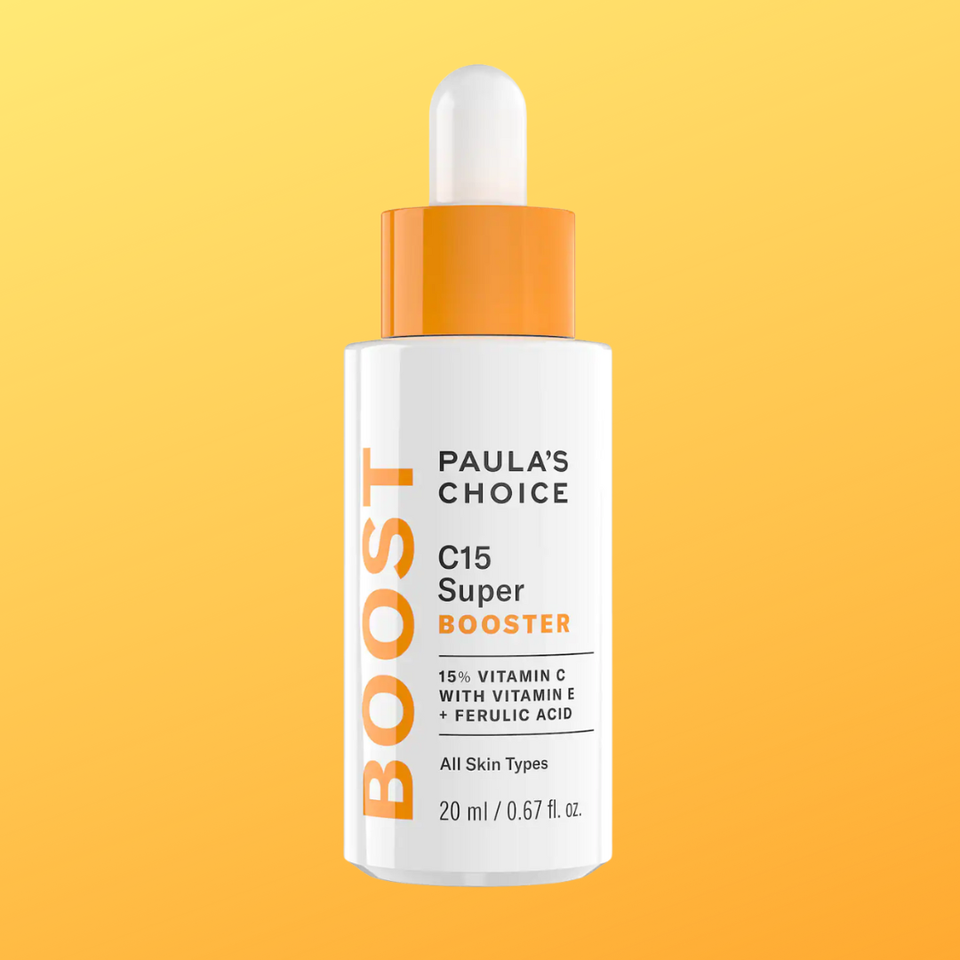
Paula’s Choice C15 Vitamin C Super Booster (25% off)

This powerful serum from Paula’s Choice is formulated with 15% vitamin C, vitamin E, ferulic acid, hyaluronic acid and peptides that can help to fade away sun damage and hyperpigmentation as well as post-acne scarring while moisturizing and smoothing the skin. Get it for 25% off.

Promising reviews: “Products gives a good glow, notice a difference when I forget to apply in the morning. I have very sensitive skin and this product does not irritate my skin at all. Apply a SPF after, always.” — tdkh
“Great addition to skincare routine. This is my first time using vitamin C and it’s been almost three weeks since I started. I have dry skin and adding this to my everyday routine has been a game changer. My skin looks brighter and looks/ feels smoother.” — gigiatsephora

Maelove

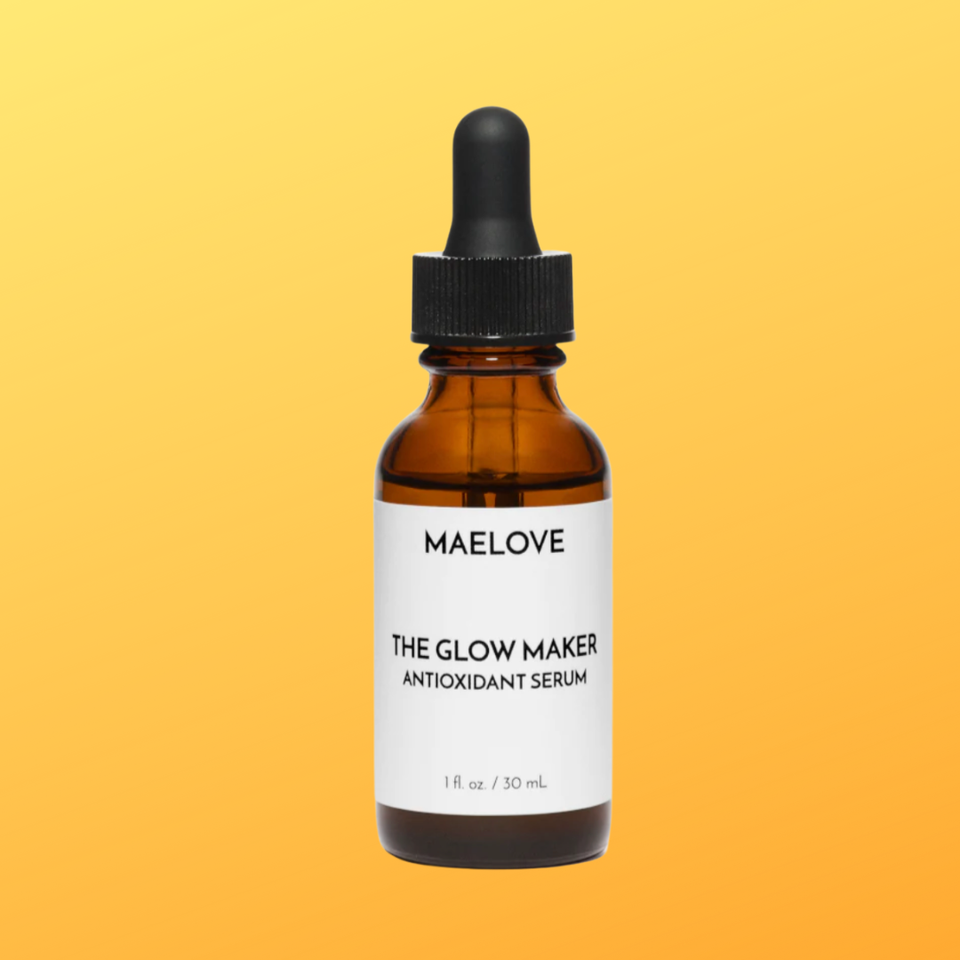
Maelove Glow Maker antioxidant serum

Considered by many skin care enthusiasts to be an affordable alternative to SkinCeuticals’ cult-fave serum above, this option from Maelove is full of vitamins C and E, ferulic acid and hyaluronic acid. It provides long-lasting hydration as well as all the benefits that come along with a powerful vitamin C serum.

Promising reviews: “So many c serums out there, but Maelove is wonderful. I stopped using SkinCeuticals. Maelove is less expensive and the serum does give me a clean tight glow.” — Kay B.

“My derm recommended this product and even he was impressed! Works just as well if not better than that very expensive brand we all know. I’m thrilled that I found maelove!!” — Erica M.

“Glowing skin. I love the texture! I noticed my skin looked a lot more alive, less dull and brightened within a couple of days. I use this consistently every morning after I wash my face.” — Danielle K.

The Inkey List

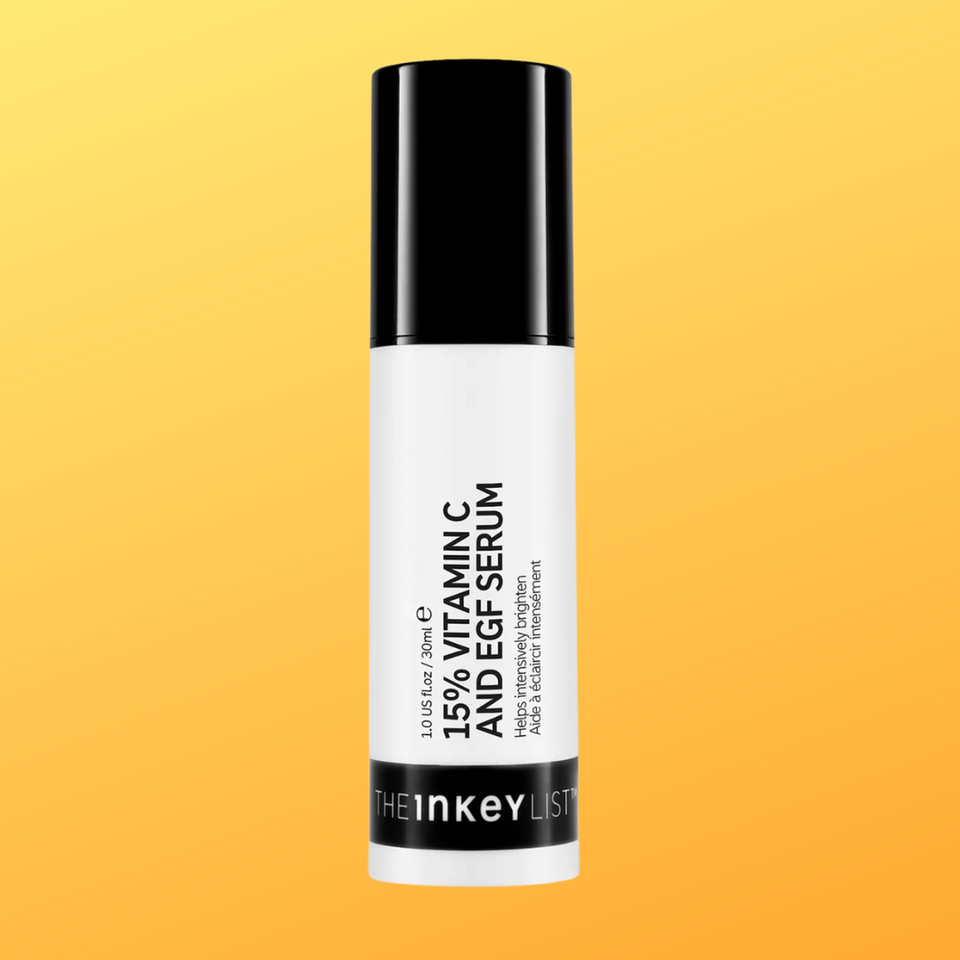
The Inkey List 15% vitamin C and EGF serum

Ideal for sensitive skin or those who are only just beginning to dabble in active ingredients, this serum from The Inkey List is as powerful and effective as it is gentle. Vitamin C and plant-derived epidermal growth factors can help smooth, brighten and tighten the appearance of skin.

Promising review: “Wonderful for Brightening. I have very sensitive skin, and have tried countless vitamin c serums. This is the only one that doesn’t burn when I apply, and leave my skin covered in red bumps. My skin looks brighter since I’ve started using this, and more plump. I feel like I can get away with wearing way less makeup on a daily basis since starting this.” — miaaaa96

The Real Deal: We use deal trackers and commerce experience to sift through “fake” hike-and-drop deals and other deceptive sales tactics. Products will usually be rated at least 4 stars with a minimum 15% discount. (And when there’s an exception, we’ll tell you why.)

Share Button

3 minutes of sprinting does something 90 minutes of exercise does not

Just three minutes of sprinting may produce a molecular response that looks very different from what happens after 90 minutes of moderate exercise.

Researchers at Rockefeller University compared how the body responds to exercise performed at different intensities. They found that six 30-second, all-out sprints changed nearly one-quarter of the proteins measured in the blood immediately after exercise. By comparison, 90 minutes of continuous moderate cycling altered less than one-quarter of one percent. Moderate treadmill running affected more proteins than cycling, but still far fewer than the brief sprint session.

Sprinting Triggers a Rapid Molecular Surge

The sprint workout also altered more than 200 metabolites and rapidly increased levels of proteins involved in blood vessel growth, tissue remodeling, and hormonal signaling.

Some of these proteins appeared to reach the bloodstream through a fast cell-signaling process called ectodomain shedding — rather than being newly produced and released, pieces of proteins already located on the surface of cells were cut away and rapidly sent into circulation.

The researchers also tested how human fat cells responded to blood collected after sprinting. Those cells showed widespread changes in gene activity, including shifts in how they processed fuel, reacted to hormones, and detected nutrient availability.

Moderate Exercise Produces a Slower Response

Moderate exercise led to a much less dramatic immediate reaction. A substantial rise in fatty acids and liver-derived proteins associated with the demands of endurance exercise did not appear in the bloodstream until three hours after the workout.

Human fat cells exposed to blood collected after moderate cycling also showed only small changes in gene activity.

Links to Metabolic Health and Biological Aging

The researchers then compared the proteins that responded to exercise with health information from more than 53,000 participants in the UK Biobank. Many of those proteins were associated with lower risks of cardiovascular and metabolic disease.

The pattern was especially notable for obesity, type 2 diabetes, and other metabolic disorders. Among 33 proteins associated with lower risk, 32 were altered by sprinting, while only three were affected by moderate exercise. More than one-quarter of those proteins were also linked to slower biological aging.

“What’s exciting here is that just a few minutes of intense exercise can trigger a significant molecular response,” says Cohen. “And we still see it after eight weeks of training, which tells us this response isn’t simply a product of the body struggling to keep up with unfamiliar stress. It may be that the responses we observed are intrinsic to intense exercise.”

Why Exercise Intensity May Matter

The findings suggest that exercise intensity may strongly influence the proteins and metabolites released into the bloodstream and, in turn, the way tissues throughout the body respond.

“It’s well appreciated that different intensities of exercise stimulate distinct body-wide adaptations,” notes Luke Olsen, the postdoctoral fellow who conducted the studies. “However, the molecular mechanisms linking these intensity-dependent adaptations have remained largely elusive. Our work suggests that exerkines-proteins and metabolites released into the bloodstream following exercise-are highly sensitive to exercise intensity and may be the key mediators of the health-promoting effects of short bursts of vigorous exercise.”

Share Button