Sharper than lightning: Oxford’s one-in-6. 7-million quantum breakthrough

Physicists at the University of Oxford have set a new global benchmark for the accuracy of controlling a single quantum bit, achieving the lowest-ever error rate for a quantum logic operation — just 0.000015%, or one error in 6.7 million operations. This record-breaking result represents nearly an order of magnitude improvement over the previous benchmark, set by the same research group a decade ago.

To put the result in perspective: a person is more likely to be struck by lightning in a given year (1 in 1.2 million) than for one of Oxford’s quantum logic gates to make a mistake.

The findings, published in Physical Review Letters, are a major advance towards having robust and useful quantum computers.

“As far as we are aware, this is the most accurate qubit operation ever recorded anywhere in the world,” said Professor David Lucas, co-author on the paper, from the University of Oxford’s Department of Physics. “It is an important step toward building practical quantum computers that can tackle real-world problems.”

To perform useful calculations on a quantum computer, millions of operations will need to be run across many qubits. This means that if the error rate is too high, the final result of the calculation will be meaningless. Although error correction can be used to fix mistakes, this comes at the cost of requiring many more qubits. By reducing the error, the new method reduces the number of qubits required and consequently the cost and size of the quantum computer itself.

Co-lead author Molly Smith (Graduate Student, Department of Physics, University of Oxford), said: “By drastically reducing the chance of error, this work significantly reduces the infrastructure required for error correction, opening the way for future quantum computers to be smaller, faster, and more efficient. Precise control of qubits will also be useful for other quantum technologies such as clocks and quantum sensors.”

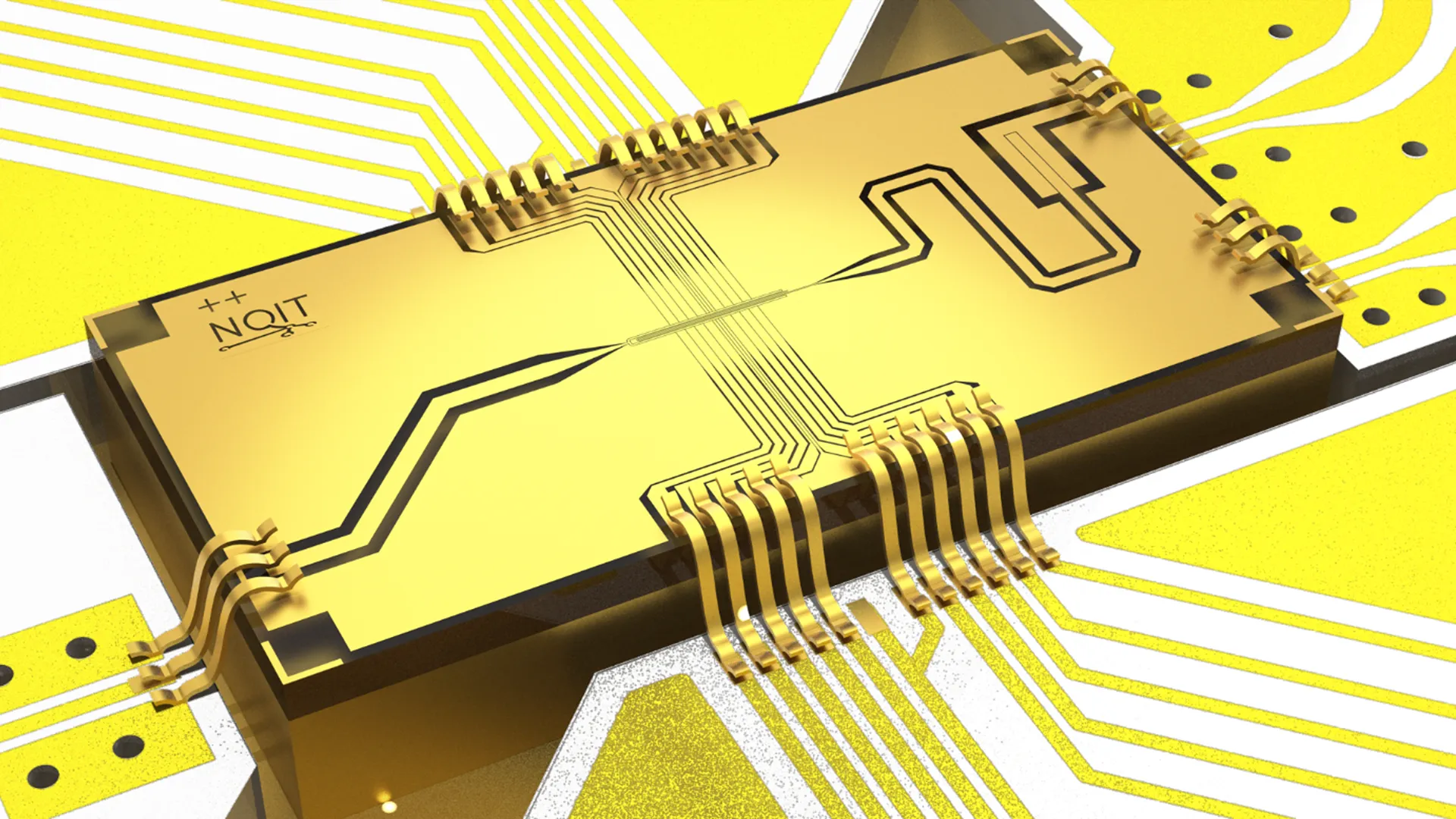
This unprecedented level of precision was achieved using a trapped calcium ion as the qubit (quantum bit). These are a natural choice to store quantum information due to their long lifetime and their robustness. Unlike the conventional approach, which uses lasers, the Oxford team controlled the quantum state of the calcium ions using electronic (microwave) signals.

This method offers greater stability than laser control and also has other benefits for building a practical quantum computer. For instance, electronic control is much cheaper and more robust than lasers, and easier to integrate in ion trapping chips. Furthermore, the experiment was conducted at room temperature and without magnetic shielding, thus simplifying the technical requirements for a working quantum computer.

The previous best single-qubit error rate, also achieved by the Oxford team, in 2014, was 1 in 1 million. The group’s expertise led to the launch of the spinout company Oxford Ionics in 2019, which has become an established leader in high-performance trapped-ion qubit platforms.

Whilst this record-breaking result marks a major milestone, the research team caution that it is part of a larger challenge. Quantum computing requires both single- and two-qubit gates to function together. Currently, two-qubit gates still have significantly higher error rates — around 1 in 2000 in the best demonstrations to date — so reducing these will be crucial to building fully fault-tolerant quantum machines.

The experiments were carried out at the University of Oxford’s Department of Physics by Molly Smith, Aaron Leu, Dr Mario Gely and Professor David Lucas, together with a visiting researcher, Dr Koichiro Miyanishi, from the University of Osaka’s Centre for Quantum Information and Quantum Biology.

The Oxford scientists are part of the UK Quantum Computing and Simulation (QCS) Hub, which was a part of the ongoing UK National Quantum Technologies Programme.

Share Button

‘There was nothing hopeless about Alice’ – family on fight for truth

The family of a woman who died in mental health care speak about their fight to hold staff accountable.

Share Button

We quit our jobs, sold our home twice and spent 10 years fighting for the truth

A NHS trust and hospital manager have been found guilty of health and safety failings over the death of Alice Figueiredo.

Share Button

RFK Jr sacks entire US vaccine committee

The US health secretary, a vaccine sceptic who has been criticised by health experts, said the panel was ‘plagued’ with conflicts of interest.

Share Button

Martha doctor’s failings ‘particularly grave’

A medical tribunal has found a senior doctor’s failings amounted to gross negligence and misconduct.

Share Button

Restrict shop-bought baby food, government tells parents

Avoid relying on food pouches for everyday meals, says NHS website for first time.

Share Button

How a common antibiotic fuels bacterial resistance

Antibiotics are supposed to wipe out bacteria, yet the drugs can sometimes hand microbes an unexpected advantage.

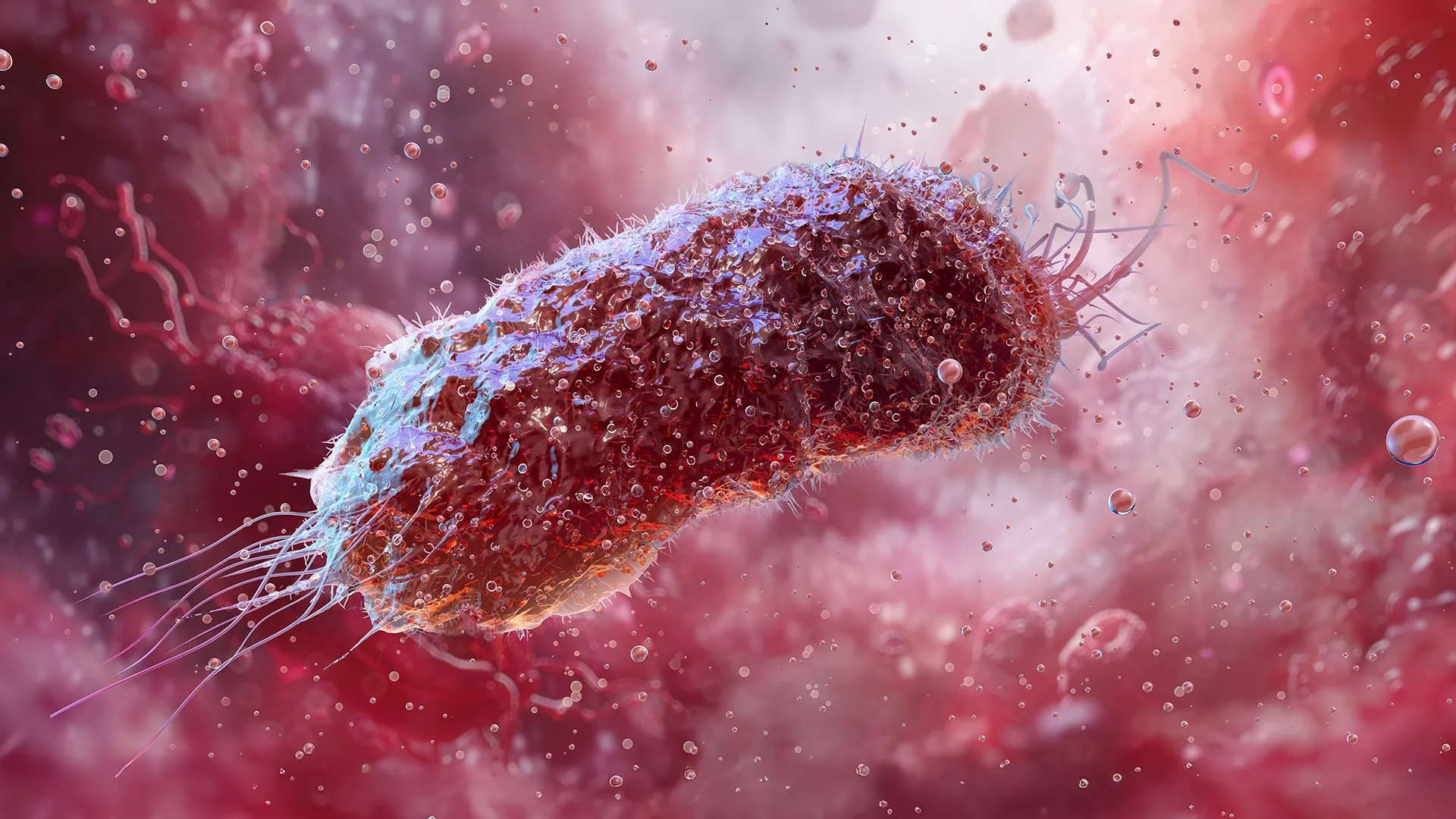
A new study from Rutgers Health shows that ciprofloxacin, a staple treatment for urinary tract infections, throws Escherichia coli (E. coli) into an energy crisis that saves many cells from death and speeds the evolution of full-blown resistance.

“Antibiotics can actually change bacterial metabolism,” said Barry Li, a student at Rutgers New Jersey Medical School pursuing a dual doctoral degree for physician-scientists and the first author of the paper published in Nature Communications. “We wanted to see what those changes do to the bugs’ chances of survival.”

Li and senior author Jason Yang focused on adenosine triphosphate (ATP), the molecular fuel that powers cells. When ATP levels crash, cells experience “bioenergetic stress.” To mimic that stress, the team engineered E. coli with genetic drains that constantly burned ATP or its cousin nicotinamide adenine dinucleotide (NADH). Then, they pitted both the engineered strains and normal bacteria against ciprofloxacin.

The results surprised the researchers. The drug and the genetic drains each slashed ATP, but rather than slowing down, the bacteria revved up. Respiration soared, and the cells spewed extra reactive-oxygen molecules that can damage DNA. That frenzy produced two troubling outcomes.

First, more of the bacteria cells survived.

In time-kill tests, ten times as many stressed cells weathered a lethal ciprofloxacin dose compared with unstressed controls. These hardy stragglers, called persister cells, lie low until the drug is gone and then rebound to launch a new infection.

People have long blamed sluggish metabolism for persister cell formation.

“People expected a slower metabolism to cause less killing,” Li said. “We saw the opposite. The cells ramp up metabolism to refill their energy tanks and that turns on stress responses that slow the killing.”

Follow-up experiments traced the protection to the stringent response, a bacterial alarm system that reprograms the cell under stress.

Second, stressed cells mutated faster to evolve antibiotic resistance.

While persisters keep infections smoldering, genetic resistance can render a drug useless outright. The Rutgers group cycled E. coli through escalating ciprofloxacin doses and found that stressed cells reached the resistance threshold four rounds sooner than normal cells. DNA sequencing and classic mutation tests pointed to oxidative damage and error-prone repair as the culprits.

“The changes in metabolism are making antibiotics work less well and helping bacteria evolve resistance,” said Yang, an assistant professor at the medical school and Chancellor Scholar of microbiology, biochemistry & molecular genetics.

Preliminary measurements show that gentamicin and ampicillin also drain ATP in addition to ciprofloxacin. The stress effect may span very different pathogens, including the pathogen Mycobacterium tuberculosis, which is highly sensitive to ATP shocks.

If so, the discovery casts new light on a global threat. Antibiotic resistance already contributes to 1.27 million deaths a year. Strategies that ignore the metabolic fallout of treatment may be missing a key lever.

The findings suggest several changes for antibiotic development and use.

First, screen candidate antibiotics for unintended energy-drain side effects. Second, pair existing drugs with anti-evolution boosters that block the stress pathways or mop up the extra oxygen radicals. Third, reconsider the instinct to blast infections with the highest possible dose. Earlier studies and the new data both hint that extreme concentrations can trigger the very stress that protects bacteria.

“Bacteria turn our attack into a training camp,” Yang said. “If we can cut the power to that camp, we can keep our antibiotics working longer.”

Li and Yang are planning on testing compounds that soothe bioenergetic stress in the hope of turning the microbial energy crisis back into an Achilles’ heel rather than a shield.

Share Button

Shocking brain cancer breakthrough: Electric fields supercharge immune assault

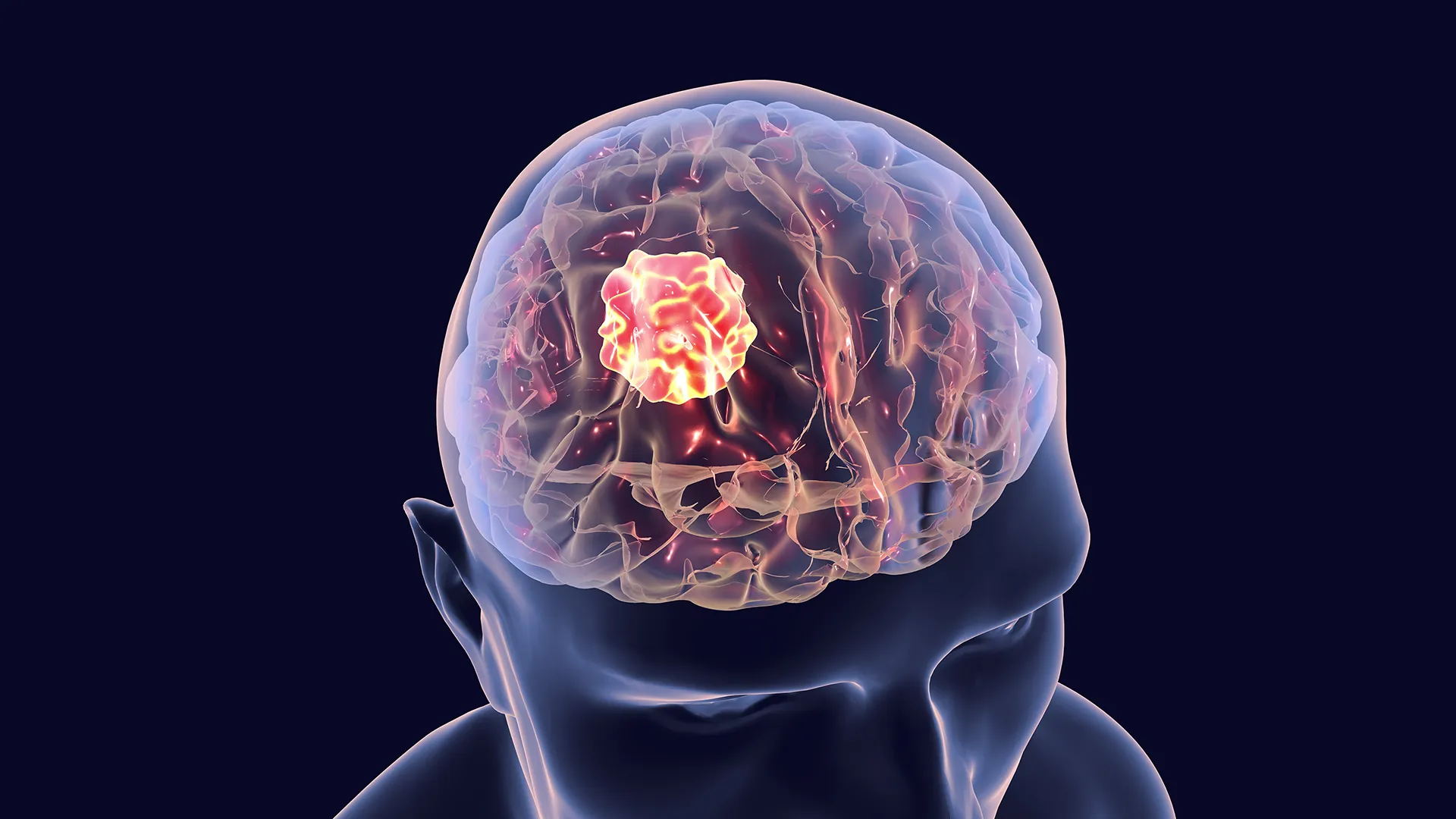
A new study led by Keck Medicine of USC researchers may have uncovered an effective combination therapy for glioblastoma, a brain tumor diagnosis with few available effective treatments. According to the National Brain Tumor Society, the average survival for patients diagnosed with glioblastoma is eight months.

The study finds that using Tumor Treating Fields therapy (TTFields), which delivers targeted waves of electric fields directly into tumors to stop their growth and signal the body’s immune system to attack cancerous tumor cells, may extend survival among patients with glioblastoma, when combined with immunotherapy (pembrolizumab) and chemotherapy (temozolomide).

TTFields disrupt tumor growth using low-intensity, alternating electric fields that push and pull key structures inside tumor cells in continually shifting directions, making it difficult for the cells to multiply. Preventing tumor growth gives patients a better chance of successfully fighting the cancer. When used to treat glioblastoma, TTFields are delivered through a set of mesh electrodes that are strategically positioned on the scalp, generating fields at a precise frequency and intensity focused on the tumor. Patients wear the electrodes for approximately 18 hours a day.

Researchers observed that TTFields attract more tumor-fighting T cells, which are white blood cells that identify and attack cancer cells, into and around the glioblastoma. When followed by immunotherapy, these T cells stay active longer and are replaced by even stronger, more effective tumor-fighting T cells.

“By using TTFields with immunotherapy, we prime the body to mount an attack on the cancer, which enables the immunotherapy to have a meaningful effect in ways that it could not before,” said David Tran, MD, PhD, chief of neuro-oncology with Keck Medicine, co-director of the USC Brain Tumor Center and corresponding author of the study. “Our findings suggest that TTFields may be the key to unlocking the value of immunotherapy in treating glioblastoma.”

TTFields are often combined with chemotherapy in cancer treatment. However, even with aggressive treatment, the prognosis for glioblastoma remains poor. Immunotherapy, while successful in many other cancer types, has also not proved effective for glioblastoma when used on its own.

However, in this study, adding immunotherapy to TTFields and chemotherapy was associated with a 70% increase in overall survival. Notably, patients with larger, unresected (not surgically removed) tumors showed an even stronger immune response to TTFields and lived even longer. This suggests that, when it comes to kick-starting the body’s immune response against the cancer, having a larger tumor may provide more targets for the therapy to work against.

Using alternating electric fields to unlock immunotherapy

Pembrolizumab, the immunotherapy used in this study, is an immune checkpoint inhibitor (ICI), which enhances the body’s natural ability to fight cancers by improving T cells’ ability to identify and attack cancer cells.

However, there are typically few T cells in and around glioblastomas because these tumors originate in the brain and are shielded from the body’s natural immune response by the blood-brain barrier. This barrier safeguards the brain by tightly regulating which cells and substances enter from the bloodstream. Sometimes, this barrier even blocks T cells and other therapies that could help kill brain tumors.

This immunosuppressive environment inside and around the glioblastoma is what makes common cancer therapies like pembrolizumab and chemotherapy significantly less effective in treating it. Tran theorized the best way to get around this issue was to start an immune reaction directly inside the tumor itself, an approach known as in situ immunization, using TTFields.

This study demonstrates that combining TTFields with immunotherapy triggers a potent immune response within the tumor — one that ICIs can then amplify to bolster the body’s own defense against cancer.

“Think of it like a team sport — immunotherapy sends players in to attack the tumor (the offense), while TTFields weaken the tumor’s ability to fight back (the defense). And just like in team sports, the best defense is a good offense,” said Tran, who is also a member of the USC Norris Comprehensive Cancer Center.

Study methodology and results

The study analyzed data from 2-THE-TOP, a Phase 2 clinical trial, which enrolled 31 newly diagnosed glioblastoma patients who had completed chemoradiation therapy. Of those, 26 received TTFields combined with both chemotherapy and immunotherapy. Seven of these 26 patients had inoperable tumors due to their locations — an especially high-risk subgroup with the worst prognosis and few treatment options.

Patients in the trial were given six to 12 monthly treatments of chemotherapy alongside TTFields for up to 24 months. The number and duration of treatments were determined by patients’ response to treatment. The immunotherapy was given every three weeks, starting with the second dose of chemotherapy, for up to 24 months.

Patients who used the device alongside chemotherapy and immunotherapy lived approximately 10 months longer than patients who had used the device with chemotherapy alone in the past. Moreover, those with large, inoperable tumors lived approximately 13 months longer and showed much stronger immune activation compared to patients who underwent surgical removal of their tumors.

“Further studies are needed to determine the optimal role of surgery in this setting, but these findings may offer hope, particularly for glioblastoma patients who do not have surgery as an option,” said Tran.

Moving the research forward

Keck Medicine is participating in the multicenter Phase 3 clinical trial to validate the efficacy of TTFields with immunotherapy and chemotherapy. Tran, who has been researching TTFields for more than a decade, serves as the chair of the steering committee for this trial. Frances Chow, MD, neuro-oncologist with USC Norris, is the principal investigator of the Keck Medicine study site.

This Phase 3 trial, currently open at 28 sites across the United States, Europe and Israel, aims to enroll over 740 patients through April 2029, including those with gross total resection, partial resection or biopsy-only tumors to assess the extent of how surgically removing tumors influences immune response.

Keck School of Medicine of USC authors of this study include Dongjiang Chen, PhD, assistant professor of research neurological surgery; Son Le, PhD, assistant professor of research neurological surgery; Harshit Manektalia, research programmer; Ming Li, PhD, professor of research population and public health sciences; and Adam O’Dell, research lab specialist. Ashley Ghiaseddin, MD, and Maryam Rahman, MD, MS, colleagues from the University of Florida, also contributed to this work.

This study was funded by a grant from Novocure, which manufactures Optune, the TTFields device used in this study. Tran has received honoraria from Novocure for consultant work. Chen and Tran are inventors of two patent applications related to work reported in this study

Share Button

The dopamine clock: How your brain predicts when you’ll feel good

A small region of the brain, known as the ventral tegmental area (VTA), plays a key role in how we process rewards. It produces dopamine, a neuromodulator that helps predict future rewards based on contextual cues. A team from the universities of Geneva (UNIGE), Harvard, and McGill has shown that the VTA goes even further: it encodes not only the anticipated reward but also the precise moment it is expected. This discovery, made possible by a machine learning algorithm, highlights the value of combining artificial intelligence with neuroscience. The study is published in the journal Nature.

The ventral tegmental area (VTA) plays a key role in motivation and the brain’s reward circuit. The main source of dopamine, this small cluster of neurons sends this neuromodulator to other brain regions to trigger an action in response to a positive stimulus.

“Initially, the VTA was thought to be merely the brain’s reward centre. But in the 1990s, scientists discovered that it doesn’t encode reward itself, but rather the prediction of reward,” explains Alexandre Pouget, full professor in the Department of Basic Neurosciences in the UNIGE Faculty of Medicine.

Experiments on animals have shown that when a reward consistently follows a light signal, for example, the VTA eventually releases dopamine not at the moment of the reward, but as soon as the signal appears. This response therefore encodes the prediction of the reward — linked to the signal — rather than the reward itself.

A much more sophisticated function

This “reinforcement learning,” which requires minimal supervision, is central to human learning. It’s also the principle behind many artificial intelligence algorithms that improve performance through training — such as AlphaGo, the first algorithm to defeat a world champion in the game of Go.

In a recent study, Alexandre Pouget’s team, in collaboration with Naoshige Uchida of Harvard University and Paul Masset of McGill University, shows that the VTA’s coding is even more sophisticated than previously thought. “Rather than predicting a weighted sum of future rewards, the VTA predicts their temporal evolution. In other words, each gain is represented separately, with the precise moment at which it is expected,” explains the UNIGE researcher, who led this work.

“While we knew that VTA neurons prioritised rewards close in time over the ones further in the future- on the principle of a bird in the hand is worth two in the bush -we discovered that different neurons do so on different time scales, with some focus on the reward possible in a few seconds’ time, others on the reward expected in a minute’s time, and others on more distant horizons. This diversity is what allows the encoding of reward timing. This much finer representation gives the learning system great flexibility, allowing it to adapt to maximise immediate or delayed rewards, depending on the individual’s goals and priorities.”

AI and neuroscience: a two-way street

These findings stem from a fruitful dialogue between neuroscience and artificial intelligence. Alexandre Pouget developed a purely mathematical algorithm that incorporates the timing of reward processing. Meanwhile, the Harvard researchers gathered extensive neurophysiological data on VTA activity in animals experiencing rewards.

“They then applied our algorithm to their data and found that the results matched perfectly with their empirical findings.” While the brain inspires AI and machine learning techniques, these results demonstrate that algorithms can also serve as powerful tools to reveal our neurophysiological mechanisms.

Share Button

Nurses to vote on pay deal as potential strike looms

The ballot is being billed by representatives as the biggest single vote by the profession in the UK.

Share Button