A stress hormone may help the brain repair itself

When laboratory mice experience brain damage, e.g., from an injection, Jan Deussing repeatedly notices the same response. A particular group of cells appears and becomes active around the damaged area. Although Deussing, a research group leader and experienced neurobiologist, had observed the phenomenon many times, he did not know exactly what type of cells were involved.

The mystery became an ideal research question for a master’s student. Clemens Ries, who had recently joined the Max Planck Institute of Psychiatry for an internship as he approached the end of his biology degree, took on the challenge.

Identifying the Brain’s Repair Cells

Using a mouse model, Ries systematically tested markers for all known cell types. Only one produced a response: the marker for oligodendrocyte progenitor cells (OPCs).

These precursor cells can mature into oligodendrocytes, which produce the myelin sheath surrounding axons. Axons are extensions of nerve cells that allow neurons to communicate with one another. Myelin acts much like the insulating material around an electrical cable. It supports efficient information transmission along axons and also helps supply them with nutrients, making it vital to healthy brain function.

Damage to myelin can have serious consequences. In autoimmune diseases such as multiple sclerosis (MS), the protective coating breaks down. Physical injuries can also harm myelin, and in severe cases, the resulting damage can lead to the death of entire neurons. Restoring myelin around affected axons is therefore an important part of the brain’s response to injury.

A Surprising Stress Hormone Appears After Injury

Ries initially studied the newly identified cells for his master’s thesis. “The topic remained so exciting that it became my doctoral thesis,” says the biologist.

His subsequent research showed that these precursor cells multiply dramatically around the edges of brain wounds. Most then continue to mature, eventually becoming oligodendrocytes capable of producing new myelin.

But Ries and Deussing also uncovered something that had not been known before. Near the damaged tissue, about one third of the OPCs activate corticotropin-releasing hormone (CRH), a hormone that plays a central role in regulating the body’s stress response. Researchers had not previously known that OPCs could produce neuropeptides such as CRH. The findings have now been published in the renowned journal Cell Reports.

The CRH response begins remarkably quickly. Production can be detected within just a few hours after an injury, but it shuts down again after roughly three days. This short and rapid burst suggests that CRH has an important function during the earliest stages of the healing response.

CRH Helps Control the Timing of Myelin Repair

One of the two known receptors for CRH also appears to be central to this process. CRH receptor 1 is present on a different population of OPCs and allows those cells to respond to the CRH that has been released.

When CRHR1 is absent, OPCs multiply more rapidly after an injury. That initial increase, however, does not translate into better repair. Ultimately, fewer mature oligodendrocytes are produced and remain.

The findings indicate that CRH helps regulate the timing of OPC maturation. That timing appears to be essential for producing enough mature oligodendrocytes to properly restore the damaged myelin sheath.

The Same System Shapes the Developing Brain

OPCs are not only important after injury. They also have a major role in building myelin as the brain matures. Much of this myelination takes place after birth and continues until young adulthood.

Because CRH receptor 1 is found on OPCs even when no injury is present, Ries and Deussing began to wonder whether the receptor might also influence myelination during normal brain development. Working with other researchers, they examined myelin formation in additional mouse models using several different methods.

They found that mice lacking CRH receptor 1 produced more OPCs during the early stages of development. Those changes did not disappear with age. Instead, they had lasting effects on the structure of the brain.

In adult brains, the researchers detected changes in myelination that could be traced to thicker myelin sheaths, particularly around thin axons. The results suggest that CRH receptor 1 on OPCs plays an important role not only in repairing myelin after injury, but also in regulating how myelin develops in the first place.

Where Does CRH Come From During Development?

Following an injury, OPCs themselves respond by producing and releasing CRH. Brain development raises a different question: where does the stress hormone come from when the brain is maturing normally?

The scientists propose that neurons may provide the answer. Their hypothesis is that developing neurons release CRH, which then influences both the multiplication of OPCs and their maturation into oligodendrocytes that produce myelin.

A Possible Connection to Depression and Stress

Neurons are already known to release CRH, particularly during stressful conditions. Stress experienced during early childhood development is also recognized as a risk factor for psychiatric disorders.

The new results therefore raise the possibility that the CRH system operating in OPCs could have broader implications for mental health.

“Our current findings suggest that in stress-associated psychiatric disorders such as depression, the CRH system in OPCs may play a greater role than previously known,” Deussing speculates.

If future research confirms and expands on that connection, understanding how CRH signaling affects OPCs, myelin formation, and brain development could eventually point toward completely new therapeutic approaches.

Share Button

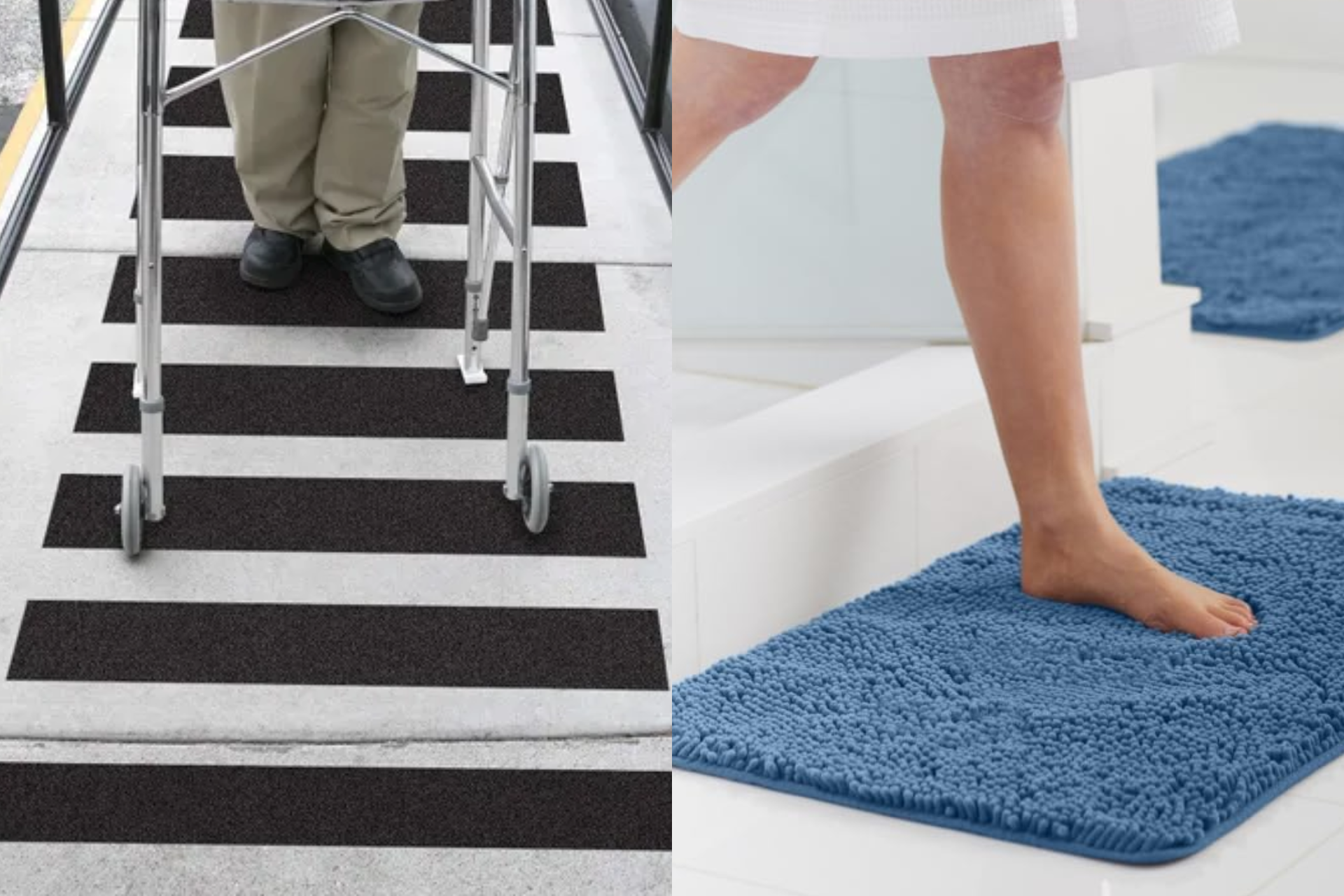
These Home Solutions Are So Necessary For Anyone Who Struggles With Balance

As you get older, your balance can decline, and simple activities around the house — like getting in and out of the shower, or leaving bed to go to the bathroom in the middle of the night — can become more difficult. But you deserve to have independence at home, and it’s more than possible; it just takes some strategic modifications.

The National Institute on Aging published a list of ways to prevent falls at home that includes household items to install — or just keep on hand — for your safety. The NIA doesn’t endorse specific brands or products on its list, but we used the suggestions to create our own list of highly-rated products that you can easily acquire online.

Ahead, see how you can stay safe without sacrificing your independence. From the hallways to the bathroom, each area of your home can be a safety hazard — but with smart planning, it doesn’t have to be.

Share Button

Sensitive medical data sent over unencrypted pager network

NHS Blood and Transplant apologises after sensitive data sent over unencrypted pager network.

Share Button

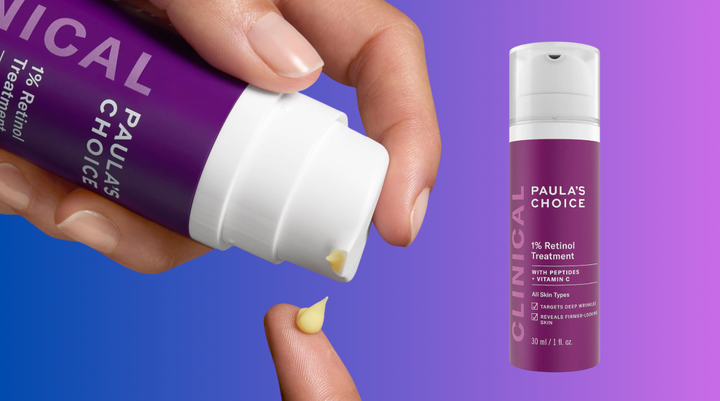
This Retinol Has ‘Pesky Wrinkles Backing Off Like They Just Got Yelled At’ — And It’s 25% Off

As dermatologists have previously told HuffPost, retinol helps your skin produce more collagen. The most common protein in our bodies, collagen, helps keep skin bouncy and tight. But as we age, our bodies produce less of it — which is where retinol comes in. A form of Vitamin A, experts say retinol enables your skin to both make and retain more collagen, helping skin stay firm and smooth. (It’s even been clinically studied.) If you’re looking to see for yourself, reviewers call this Paula’s Choice retinol treatment their “secret weapon” to “fend off Father Time.” And lucky for you, it’s currently 25% off at Amazon and Sephora.

Fans call it “the best retinol without a prescription.” Some even say it’s better than their prescriptions…

Made with 1% retinol, brightening vitamins C and E, firming peptides, hydrating hyaluronic acid and soothing botanical extracts (like licorice, oat and willow bark), fans call Paula’s Choice one of the strongest, most effective OTC retinols on the market.

Because retinol creams boost collagen production and retention, they “can help prevent and soften wrinkles, smooth uneven skin texture and improve skin complexion,” Dr. Y. Claire Chang, a board-certified cosmetic dermatologist, previously told HuffPost.

“It has completely met my expectations,” a 58-year-old shopper wrote. “I have tried prescription strength tretinoin and many other types and strengths of retinol. This one firms, turns over new skin and strengthens. My skin is radiant in the A.M.”

“Best retinol I’ve ever used, including prescription,” another said.

Though there may be an adjustment period, users agree this stuff “renews the cells, revealing younger, healthier skin.”

Per the brand, this potent treatment works to smooth fine lines and wrinkles, keeping skin clear and firm, while the other rockstar ingredients nourish, protect and plump the skin. Though, as with all retinols, it’s a strong product. As your skin adjusts to the influx of new cells, it’s common for skin to get irritated, red, flaky and angry — a process not-so-lovingly deemed “the retinol uglies.”

The brand recommends starting with 1-2 pumps about three times a week, then gradually increasing to nightly use. Reminder: retinol makes you more sensitive to the sun, so you need to be diligent with that SPF and make sure to apply it at night. Many reviewers had an adjustment period, encouraging you to go easy, but stay with it.

“This is the product I’ve been looking for my entire adult life,” Lyn wrote. “Gradually lightly peels off leathery top skin to give me 20 years younger soft skin.”

Another shopper said after about three weeks of use, their skin “developed a mild ‘leathery’ hard feel.” After exfoliating and moisturizing, “what was revealed underneath was a prettier, more alive-looking skin,” they said.

No wonder reviewers call it a “miracle cream,” “holy grail-level skin care,” and a “can’t live without” for their face, neck and chest.

Fans say the treatment brought their skin “to a new level of smoothness and evenness.”

“My skin looks brighter and younger,” another wrote. “Many people have asked me what I’ve done.”

Another reviewer, an army vet, joked that after just a few weeks, “my skin is smoother, and those pesky wrinkles are backing off like they just got yelled at in boot camp.”

“I have tried so many other things for a saggy neck and wrinkles,” a 62-year-old reviewer wrote. “Now, I can’t live without this! The lines are gone and I cannot believe how the sagging in my neck has gone away.”

Reviewers say this retinol treatment keeps their skin feeling soft and smooth. Read more 5-star reviews and get some for yourself on sale.

“Grumpy Old Vet Approved! As a 35-year-old guy who’s never touched a skincare product in his life, I have to say—I’m impressed. I figured I’d give this Paula’s Choice Retinol Treatment a shot because, let’s face it, my reflection was starting to look like a grumpy old vet who’s seen better days. Well, this stuff freaking works! After a few weeks, my skin is smoother, and those pesky wrinkles are backing off like they just got yelled at in boot camp. I never thought I’d be the guy raving about skincare, but here we are. If you’re a fellow grump trying to fend off Father Time, this is your new secret weapon. Trust me, it’s worth it!” — Grumpy Veteran

“I never leave reviews, but as someone who has tried a multitude of face moisturizers over the years I just had to provide feedback on this. FINALLY I have found something that actually does what it says. My skin has never felt so soft and smooth. The product is the perfect consistency and does not make my skin feel sticky. It absorbs relatively quick. In a couple weeks I have already noticed my skin is more smooth. Less fine lines/wrinkles and brightening of some dark spots. I am so happy to have found it and it is well worth the money with the results so far!” — Lia

“Definitely worth trying. Visibly reduced my minor wrinkles in just a week. I’ll definitely be buying the bigger one.” — Jill Taylor

“This is a great retinol! I’ve used ROC, LaRoche Posay, Sunday Riley, etc which were all good but this one is amazing. Since I’ve been using a retinol for 2 years I use it nightly. I’ve only been using it for 2 weeks and can already tell the difference. I’m 66 and it really firms my skin up in addition to softening it. I highly recommend this product!” — Jenny Lyn James

As a dermatologist previously told HuffPost: “If you’re not using sunscreen, don’t spend your money on retinol.” To ensure your skin stays protected, check out these three dermatologist-recommended sunscreens, courtesy of HuffPost Shopping.

Dermstore

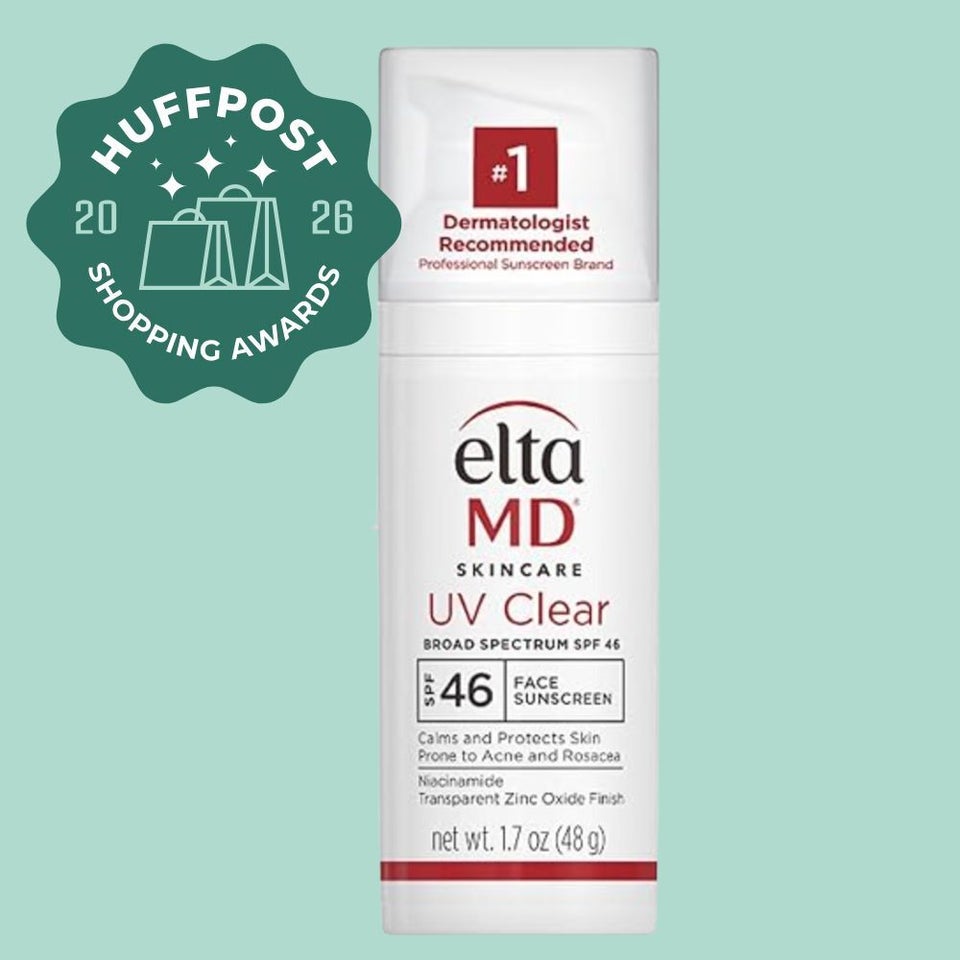
EltaMD UV Clear SPF 46

Dr. Sonia Badreshia-Bansal, MD, board-certified dermatologist, says that “the best SPF for daily use is one that you’ll actually wear — lightweight, invisible and comfortable under makeup.”

She recommends a mineral SPF with low irritation potential, like this cult-fave SPF that is beloved by both HuffPost readers and editors alike. It’s formulated with hyaluronic acid to deeply moisturize skin while the inclusion of lactic acid lightly exfoliates skin and can help to reduce hyperpigmentation and shine. It’s a great option for people like me with sensitive and acne-prone skin. I turn to it anytime I’m going to be spending a lot of time in the sun, or when I’m post-procedure and want to protect my skin without irritating it.

Amazon

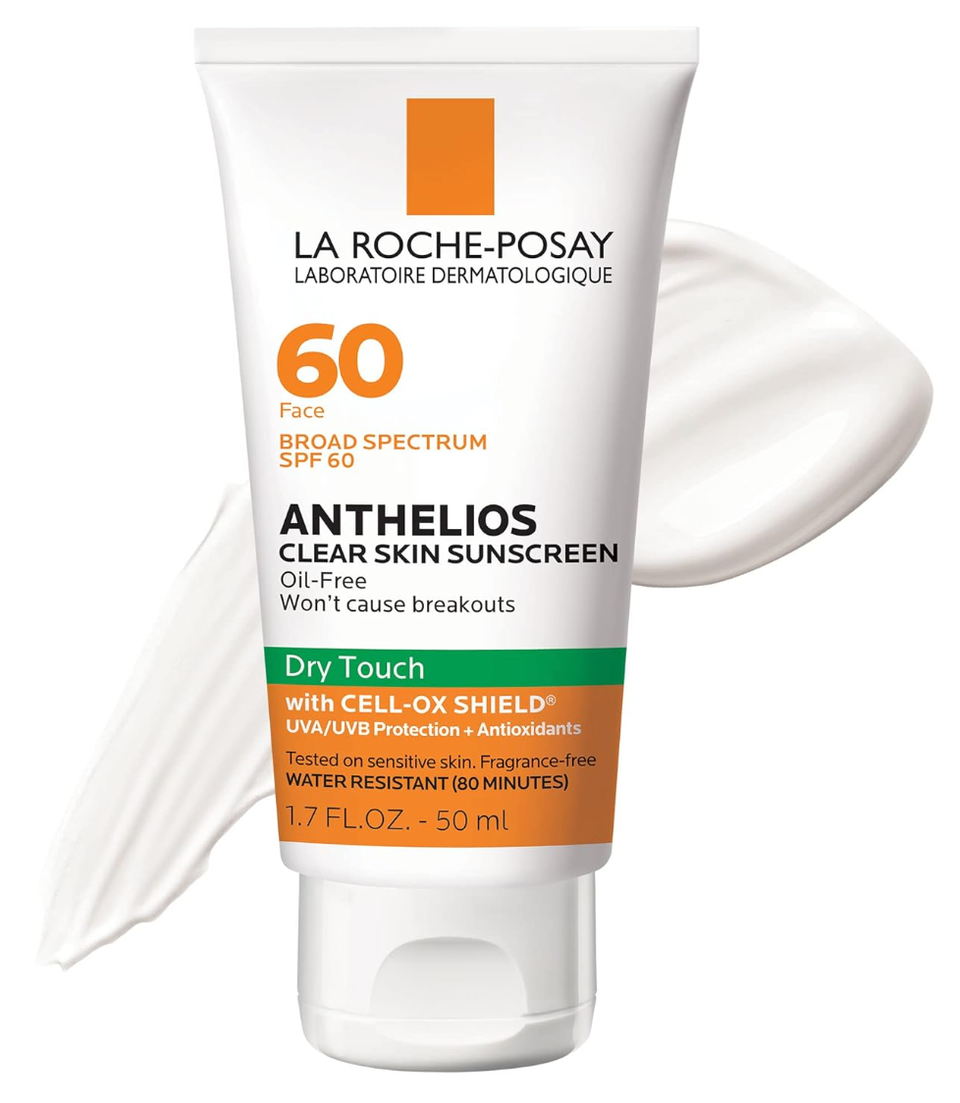
La Roche-Posay Anthelios Clear Skin Sunscreen Dry Touch SPF 60

Having earned The Skin Cancer Foundation’s Seal of Recommendation, this La Roche-Posay is Dr. Alexander Witkowski, MD, PhD, board-certified dermatologist and Melanoma Research Alliance Dermatology Advisor’s personal favorite and “go-to” sunscreen, both for daily use and for days with extended sun exposure. It’s also what he uses on his 4-year-old child on beach days, bike rides or hikes. He noted that this oil-free SPF is very popular among dermatologists and is formulated with antioxidants that can help protect the skin from environmental damage. He also noted it contains senna alata, “a tropical leaf extract known for its ability to combat oxidative stress and support the prevention of premature skin aging.” You can’t go wrong with this non-comedogenic, water-resistant formula that is also well-suited for sensitive skin.

Sephora

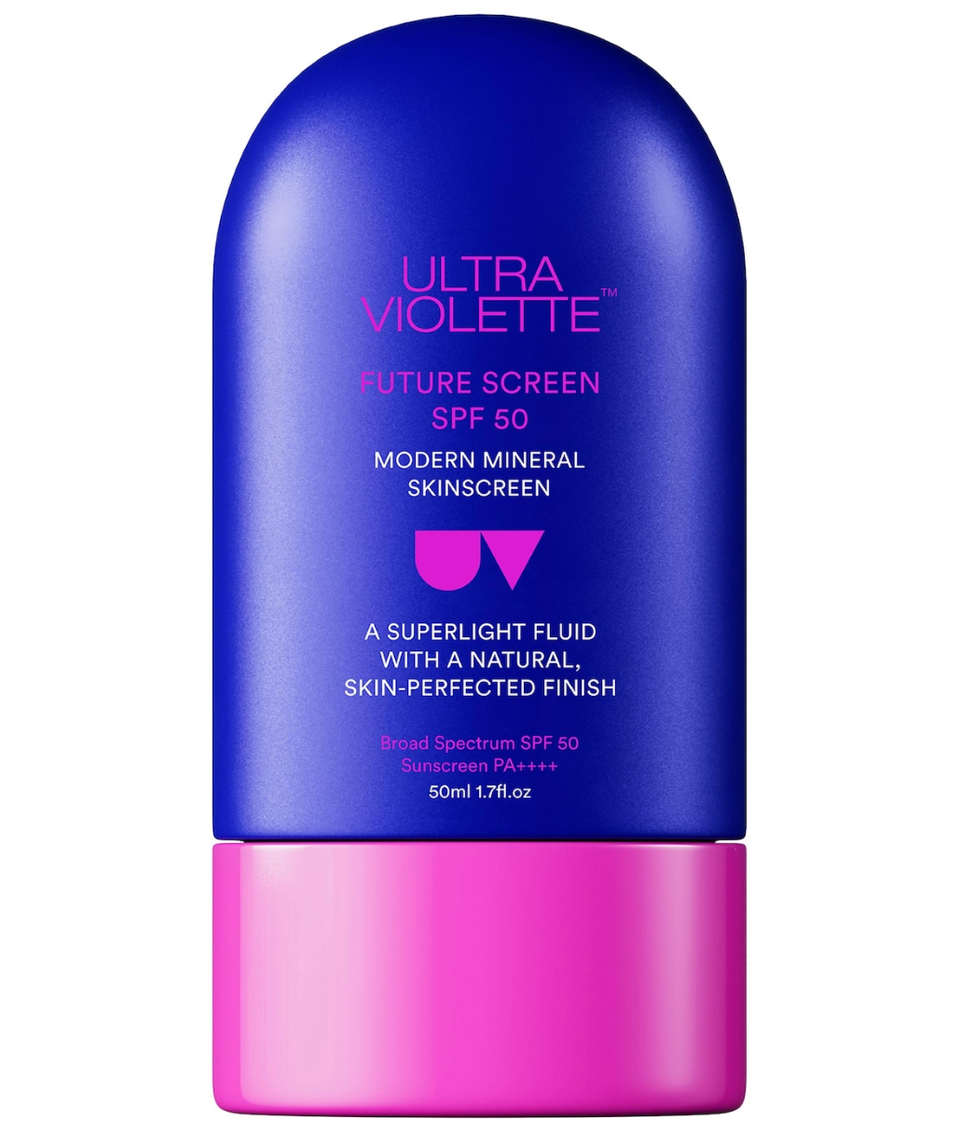
Ultra Violette Future Screen SPF 50

The cult-fave Australian brand Ultra Violette is finally available in the U.S. at Sephora! If anyone knows how to protect their skin from harmful rays, it’s Southern Hemisphere-dwelling Australians. I stock up on their sunscreens and lip balms every time I’m Down Under, and this development is a real thrill for skincare lovers. Board-certified dermatologist Dr. Jessie Cheung of Chicago’s Cheung Aesthetics & Wellness told HuffPost that this must-have SPF is “packed with mineral blockers to protect from the harsh Aussie sun, but feels silky and lightweight.”

The Real Deal: We use deal trackers and commerce experience to sift through “fake” hike-and-drop deals and other deceptive sales tactics. Products will usually be rated at least 4 stars with a minimum 15% discount. (And when there’s an exception, we’ll tell you why.)

Share Button

Did the eclipse damage your eyes?

An eye surgeon says that fewer people have been seeking treatment for eye damage than after the UK’s last total solar eclipse in 1999.

Share Button

Eclipse warning: The key signs you may have damaged your eyes

Symptoms after looking at the sun without eclipse glasses can include blurred vision

Share Button

Leading doctor rebukes NHS chiefs over transplants

NHS Blood and Transplant’s medical director says waiting lists for organ operations are unfair but leaders are not solving the issue.

Share Button

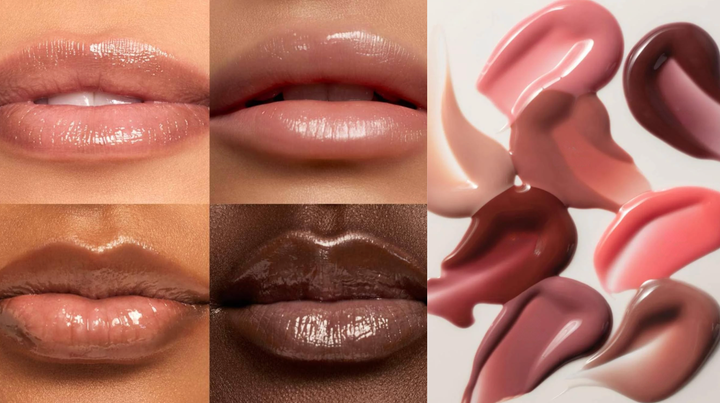
This ‘Luxurious’ Oil Leaves Lips ‘Looking Plump Without That Gross, Tacky Gloss Feel’

Say goodbye to crumb-magnet, sticky, gloopy lip glosses and dry-as-a-bone stains that make your mouth look thirsty. Made with *nine* plant-based oils, the non-sticky, non-drying Dream lip oil from TikTok-beloved beauty brand Summer Fridays is a pleasure to wear and it looks good. Boasting skin care ingredients and a slight plumping effect, it’s like a lip gloss, treatment, balm and stick all in one. Reviewers call it “subtle and shiny at the same time,” saying it heals even “ultra dry lips” after just one day. Even better? A selection of colors is close to 30% off on Amazon, with the best deals on “Rose Bud” and “Bare Sand.” These rarely go on sale, so we suggest acting fast.

Yup, you heard us, this nourishing oil offers “a little plump and color” — without feeling sticky.

The culprit behind sticky lip products? Usually a silicone or wax base. This brand doesn’t have that. Made with castor, shea, avocado, jojoba and grape seed oils, Summer Fridays glides over your lips, combining the juicy and reflective finish of a gloss with the comfort and nourishing effects you might receive from a balm.

“What I love most is the moisture this oil provides, without leaving a weird film or line on the inside of my lips — which I feel most lipsticks and glosses do after a while,” Sasha wrote. “I’m already on my second tube of this stuff.”

Shoppers rejoice in the smooth, oil-based formula that “looks shiny and not overly glossy” and is somehow, majestically “not sticky at all.”

“Adds so much color and moisture without being sticky,” one reviewer wrote. “…Has made a great difference in my dry lips,” another said. “Best for people who like a high shine without stickiness.”

A Sephora shopper says the oil “makes my lips look so full and moisturized,” without irritation. “Not sticky, not heavy, just super comfortable,” Hector wrote. “It leaves your lips looking plump without that gross, tacky gloss feel.”

Though shoppers celebrate that it’s not too oily, with one noting it “moisturizes my lips without providing discomfort.”

The brand says it’s like a hybrid of a lip gloss and treatment, giving you shine, a buildable color and a plumping effect, thanks to a cooling, tingling agent (called menthoxypropanediol) and cocoyl hydrolyzed collagen for firming. “The tingle is subtle and mild, though, so it’s not irritating,” one writes.

“I also appreciate that it doesn’t seem to have any noticeable fragrance.” Plus, you get the skin care-like aid of vitamin E for protection and softening. Shopper Renee says the oil is “perfect for adding a little glam to my look,” with long-lasting moisture and a dreamy texture. “It feels luxurious on my lips,” she said. “Not as dry as lipstick.”

Others say they use it more as a lip balm, “healing” their chapped lips, and keeping their kisser “moisturized and shiny even after the gloss wore off.”

Because it’s so smooth and light, fans say it looks “effortlessly put‑together,” giving a “perfect natural-looking tint.”

Fans credit this oil for bringing a “low-maintenance lip glow,” with long staying power. “I was initially worried it might be too dark, but it applies more like a flattering, glossy tint rather than a heavy, opaque color,” shopper Catsandcolognes wrote. “On my fair, cool-toned skin with pink undertones, it shows up as a soft, cool, plummy brown that looks very beautiful. It’s definitely pigmented, but not heavily so or challenging to pull off. The tint deepens slightly if layered, but it still stays soft and glossy rather than opaque.”

Others call the buildable tint “subtle,” especially for hot summer days and “no-makeup” makeup looks. “This lip oil isn’t heavy like lipstick, and you only need a little bit for lasting color,” one wrote.

“I don’t usually wear lipstick but wanted something to enhance my lip tone and give them a natural-looking but glossy pop,” another said. “This product is perfect for me.”

Reviewers are loving this Summer Fridays lip oil for plump but non-sticky lips through the summer and beyond. Read more promising reviews and grab some for yourself on a rare Amazon sale.

“I have been using this for weeks, and it has made a great difference in my dry lips. It doesn’t feel greasy. Best for people who like a high shine without stickiness! I will definitely purchase again!” — Amazon customer

“This Summer Fridays lip oil is perfect for adding a little glam to my look, whether it be for family pictures, date night or just getting dressed up. It is easy to apply and long-lasting color. Additionally, it feels luxurious on my lips. Not as dry as lipstick.” — Renee McCalla

“This is my favorite lip oil/gloss in the world. The color is really beautiful, subtle shade of pink, but what I love most is the moisture this oil provides, without leaving a weird film or line on the inside of my lips – which I feel most lipsticks and glosses do after a while. I’m already on my second tube of this stuff, which says a lot, because how often do you actually use up an entire tube of lip product!?” — Sasha Spencer

“This lip oil feels incredible—like a cushiony gloss but with way more hydration. It gives a beautiful shine and subtle tint that makes my lips look healthy and plump. Not sticky at all, and the moisture lasts for hours. My new go-to everyday lip product” — luhcardoso, Sephora customer

“Genuinely this is probably the best lip oil I’ve ever used. It not only plumps without a tingling effect, but it makes my lips look so full and moisturized. I absolutely love the shade soft mauve. I want this in every single color.” — karleebuggggg19, Sephora customer

Want more lip oils? We know you do! Check out these three finds, courtesy of HuffPost Shopping.

Sephora

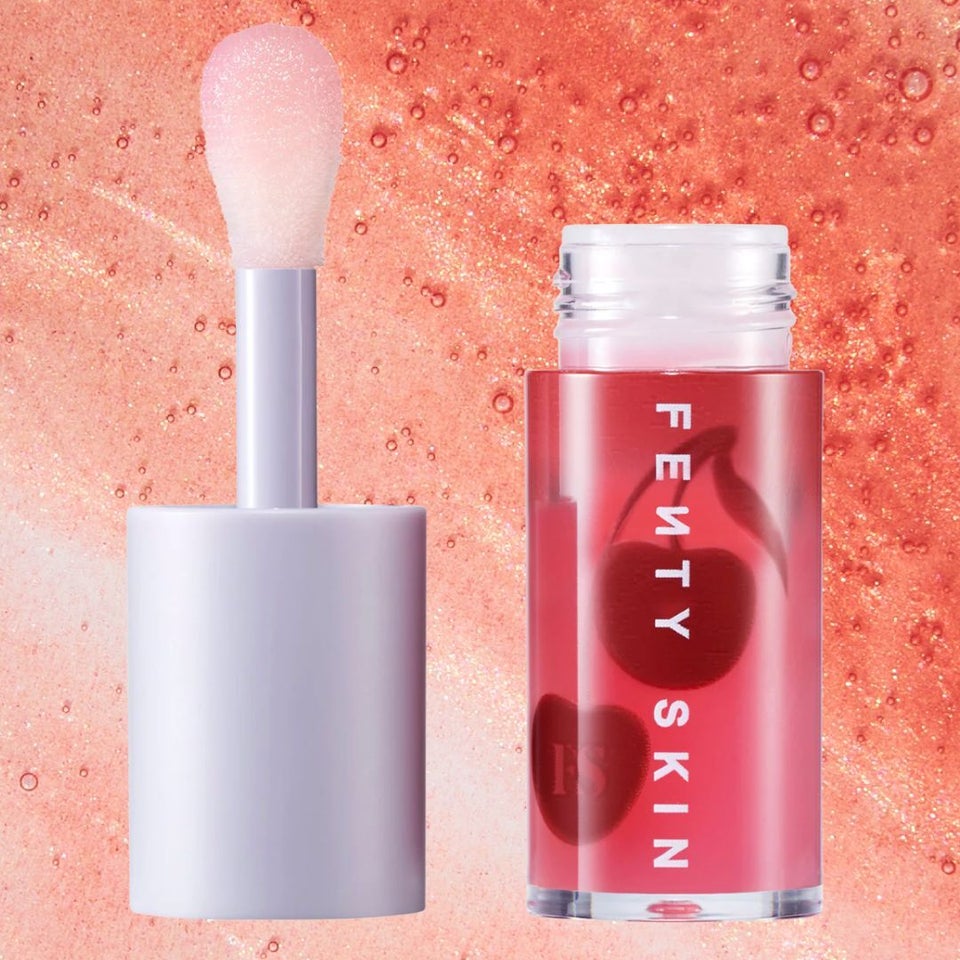
A conditioning cherry lip oil

Fenty’s take on lip oil promises to condition and strengthen dry lips by combining sweet cherry oil, which is rich in essential lipids and fatty acids, with jojoba and rosehip oils to soothe and bind moisture to lips. It leaves a clear and supremely juicy finish that is delightfully scented like cherries.

Etsy/Yinnabelle

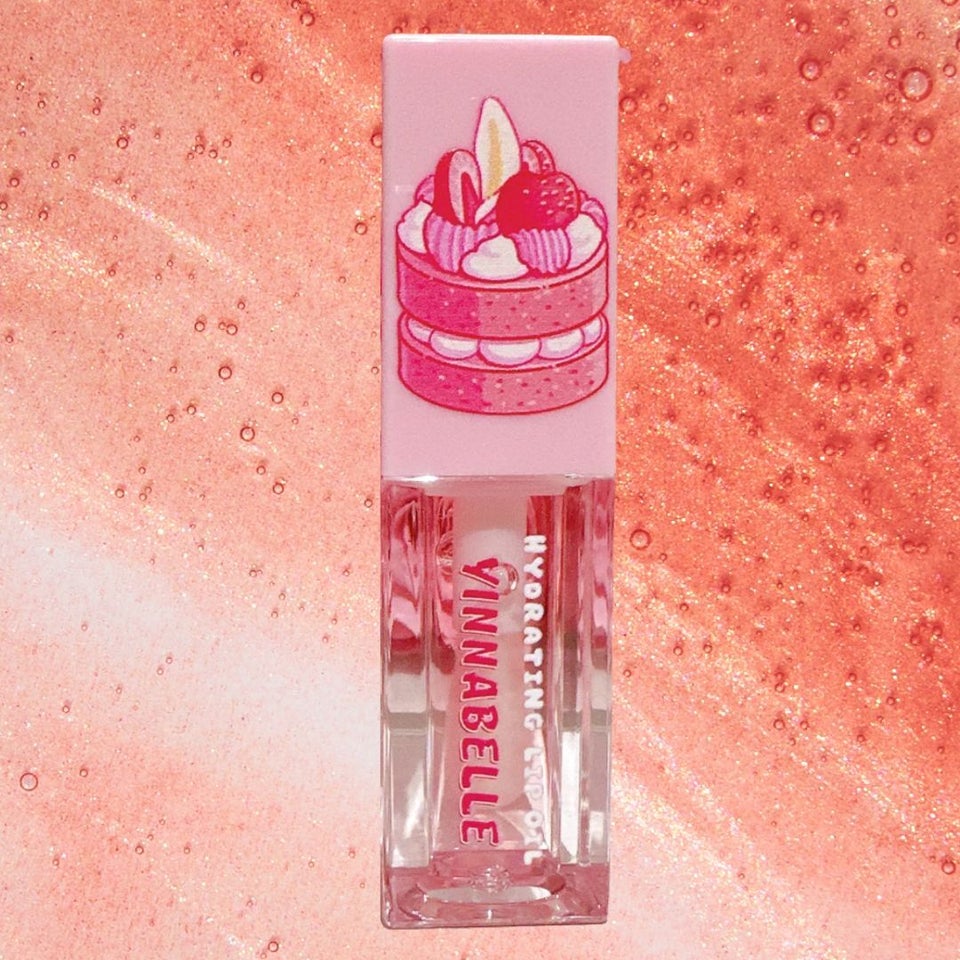
A handmade vitamin E lip oil

Etsy might not be the first place you think of when it comes to lip oils, however, this sweet cream-scented one is a formulated by a star seller and has a five-star rating. It has a clear finish and contains tried and true hydrators like almond oil and cocoa butter, along with nourishing vitamin E.

Amazon

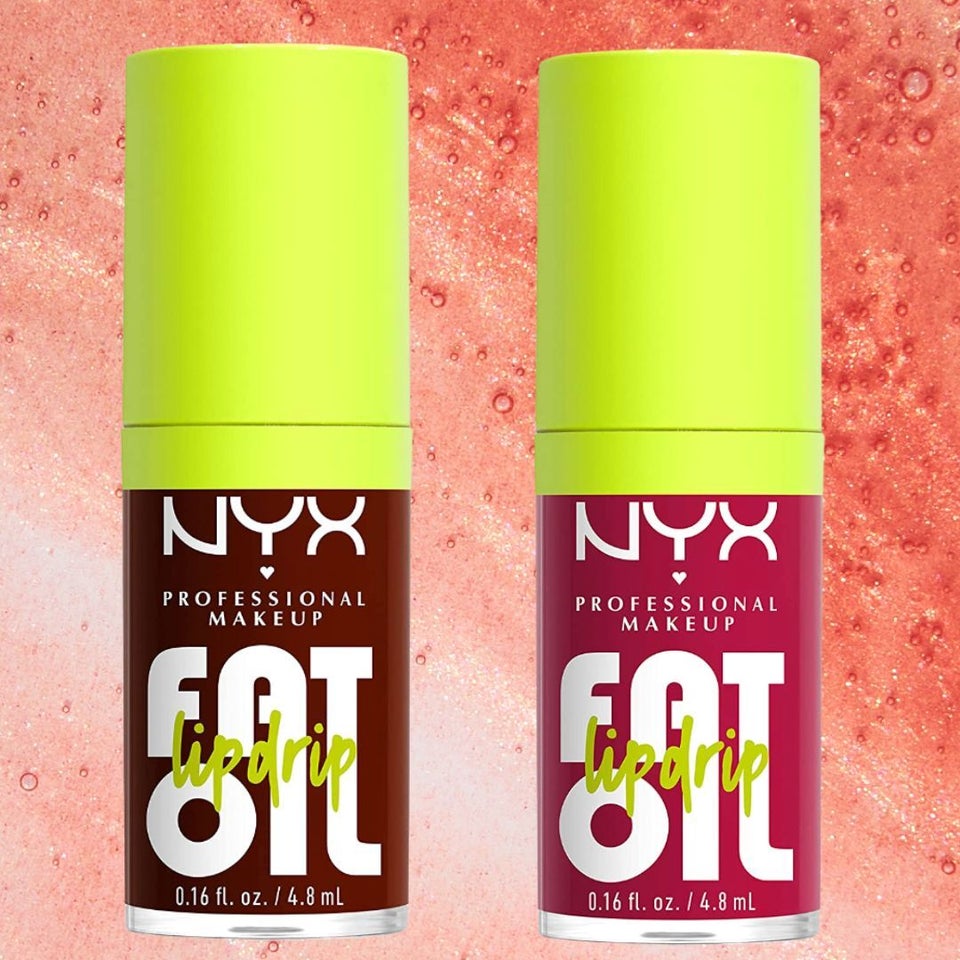
An affordable squalane lip oil (22% off)

NYX may be best known for their adored and creamy Butter Lip Glosses, but their Fat Oil Lip Drip is also gaining some traction. This affordable and never-sticky formula uses vegan squalene, an oil known to increase hydration and impart a lasting and protective shine. There are eight tinted shades to choose from. Save 22% when you use the coupon on Amazon.

The Real Deal: We use deal trackers and commerce experience to sift through “fake” hike-and-drop deals and other deceptive sales tactics. Products will usually be rated at least 4 stars with a minimum 15% discount. (And when there’s an exception, we’ll tell you why.)

Share Button

Scientists turn Starlink into a giant scanner for Earth’s upper atmosphere

The region surrounding Earth is getting more crowded as thousands of satellites and pieces of space debris move through low Earth orbit. Farther above, at altitudes of several hundred kilometers, traces of Earth’s upper atmosphere can still exert enough drag to slow satellites. Accurately measuring atmospheric density at these heights is therefore important for forecasting satellite motion and reducing the risk of collisions.

More than 99 percent of the upper atmosphere consists of electrically neutral gas known as the thermosphere. The term thermospheric density refers to the density of this neutral atmosphere between about 100 and 1000 kilometers above Earth’s surface. By comparison, the ionized gas of the ionosphere accounts for less than 1 percent of the atmosphere. Because ionized gas affects the way radio waves travel, the ionosphere is relatively straightforward to observe. Measuring conditions in the thermosphere is much more difficult.

A New Way to Observe the Thermosphere

Better measurements of thermospheric density could advance research into the upper atmosphere while also providing valuable information for space engineering. Motivated by both needs, researchers at Kyoto University developed a new technique for visualizing this difficult-to-observe region.

“This is a multidisciplinary study between space science and space engineering,” says corresponding author Mamoru Yamamoto. “Reading papers from both research fields, we realized that deeper dialogue between researchers from both fields is necessary.”

The researchers used publicly available orbital information from Starlink satellites and applied tomography, a technique commonly associated with medical imaging, to Earth’s upper atmosphere. By examining atmospheric drag through the gradual decay of satellite orbits, the team estimated thermospheric density around approximately 1,200 satellites flying at an altitude of 482 kilometers.

Building a Two-Dimensional Atmospheric Map

Using those measurements, the researchers produced a two-dimensional latitude-longitude snapshot of thermospheric density at an altitude of roughly 500 kilometers. According to the team, this represents the first tomographic analysis of its kind.

The resulting density patterns also showed strong consistency with observations from the European Space Agency’s SWARM satellites, which measure changes in atmospheric density along their orbital paths.

The work expands on an earlier study by the same team. In that research, scientists estimated how thermospheric density changed over time and altitude using general orbital information called Two-Line Element, or TLE, data from Starlink satellites. The new analysis adds another dimension by examining how density varies horizontally across latitude and longitude, revealing more of the thermosphere’s geographic structure.

Making Crowded Orbits Safer

The findings could have practical benefits as the number of objects orbiting Earth continues to grow. More accurate information about atmospheric density can improve predictions of satellite motion, helping reduce the chance of collisions between satellites and between satellites and space debris.

The technique could also eventually support near-real-time measurements of atmospheric density around satellites. Such monitoring could improve space weather forecasting and contribute to safer, more dependable satellite operations in the future.

Share Button

Lucy Davis urges women to check their breasts for cancer – here’s how

The actress from The Office TV series says her breast lump was tiny and not a ‘lump’ as such; rather a kind of hard spot.

Share Button