Even A Self-Described ‘Grumpy Old Man’ Loves This Resistance Band Set — And It’s Just $10 Today

Physical therapists have long emphasized the importance of strength training, especially for older adults. According to experts, strength training isn’t just for working out; it can also help build independence by keeping older folks safe and stable in their daily activities. If you’re looking for an easy (and affordable) way to strength train at home, this set of five resistance bands may be it. While the pink and blue packs go for close to $17, the multicolor set is just $12, making it 33% off.

The set includes five color-coded bands with varying resistances and is loved by older users for its extra length and width.

Each color band offers a different level of resistance, from three to 20 pounds. The bands are made of thermoplastic elastomer (TPE), a stretchy, latex-free material that blends qualities of rubber and plastic. Each band measures 59 inches long and 6 inches wide, making them extra accessible to hold and use. Reviewers who have tried many bands compliment the durability and quality of this set, with many saying it’s the best set they’ve tried.

“What I really like is that these are both wide and long. What that means is that they are long enough to give you the stretch necessary for physical therapy and wide enough that you can hold them tightly,” one user wrote. “These are far superior to the ones that the PT facility I went to uses.”

“Wide, long and easy for an elderly woman with arthritic hands to use,” another user says. The bands are even “grumpy old man” approved for making strength-building easy and fun.

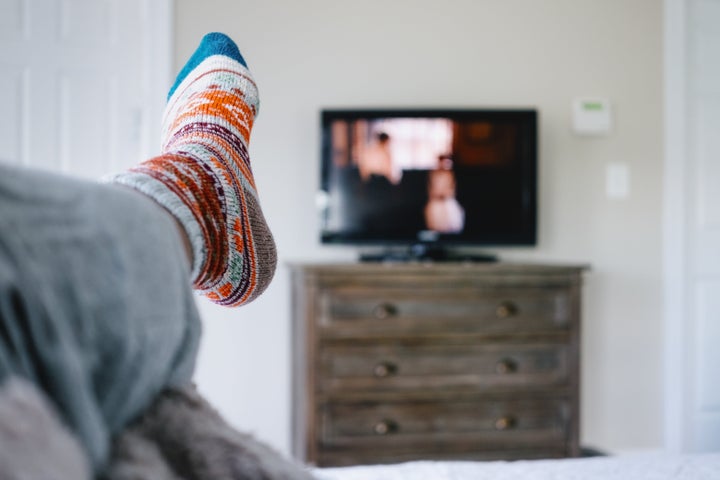
Because the bands are light and are easy to hold, they’re loved by older reviewers for making movement more accessible. A 69-year-old reviewer says the bands are “good even when I’m watching TV to work out with them,” joking that he’s a enjoying them as a “grumpy old man!”

“I bought these for my elderly mother to add a bit of resistance for her exercises,” one reviewer wrote. “…Being in her mid 70s she is work on stabilizing herself and adding some upper body strength, too. While anyone could get benefit from these, I believe this is the perfect end user for this type (beginner and elderly).”

Many reviewers who bought the bands for their older parents say they ended up buying a set for themselves. “I bought these for my mother. They are super easy for her to use. She is 88 years old and she loves them,” Jeff wrote. “They are super awesome and we really loved them.”

Shopper Newton calls the bands “incredibly helpful” for both building strength and “recovering safely” at home. “They’ve allowed me to start my muscle recovery process at home, progressing step by step at my own pace,” Newton says. “…I also like that they can be adjusted to fit different needs and levels.”

Reviewers love these resistance bands for helping build strength at home. Read more 5-star reviews and grab a set for yourself for $10.

“Fast delivery, love the package that tells you the strength of each one, individually packaged. Just started with them, but you could tell the durability. My age it’s good even when I’m watching TV to work out with them. 69-year-old army veteran. Enjoying grumpy old man!” — Roy

“I wanted a set of resistance bands that I could use at home without taking up much space, and these have been a great addition to my routine. They’re lightweight, easy to carry, and give just the right amount of resistance for stretching, strength exercises, and mobility work.
One thing I really like is that they’re latex-free. The material feels smooth and comfortable against my skin, and I haven’t noticed any unpleasant odor when using them. They’ve stretched consistently without feeling like they’re losing tension, even after regular workouts.
I’ve used them for everything from warm-ups to light strength training, and they’ve also been helpful on days when I just want to loosen up after sitting at a desk for hours. Overall, this is a practical, well-made set that’s suitable for beginners and experienced users alike. I’m very happy with the quality and would definitely recommend them.” — E tm

“Bought for mom to increase muscle strength. YouTube exercises and daily stretching so far she made a big improvement in strength and mobility.” — Amazon Customer

“I use Resistance Bands as part of my warm-up routine at the gym, and they’ve become an essential part of my workouts—even when I’m not lifting weights. These bands are latex-free, which is a huge plus for anyone with sensitivities, and their durability has held up even after nearly a month of 5 days a week of consistent use.What I love most is their versatility. They come in different resistance levels, so whether I’m doing warm-ups or more intense exercises, these bands deliver a solid workout. I use them for everything from mobility stretches to targeting specific muscle groups, and they’ve helped me stay active on lighter workout days without needing any weights.

If you’re looking for a high-quality, easy-to-use set of bands for stretching, strength building, or physical therapy, these are a perfect choice.” — Tried By Gie

Looking for more tools to get moving from the comfort of your home? Check out these three recent reader favs (psst: some may be on sale).
Amazon

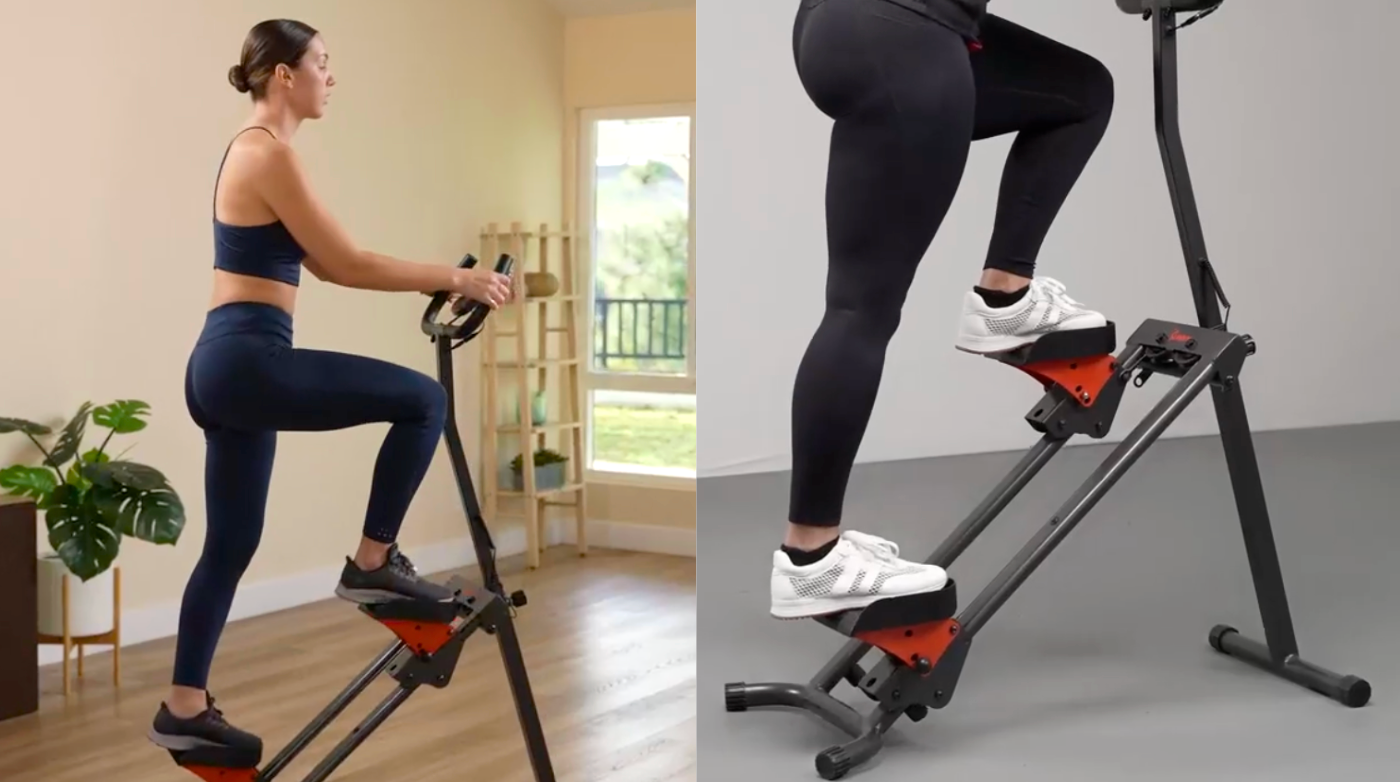
A foldable stair stepper (15% off)

Amazon

,

Amazon

A muscle release tool for pain relief

HuffPost contributor Megan Lasher swears by Pso-Rite’s muscle release tool for releasing back pain after long days on their feet. “You simply lie faced-down on the tool, situating it so the points of the U sit right above your hip joints, and wait as the muscle slowly begins to release,” they wrote. “In my experience, using the tool creates the type of cathartic pain you’d experience with a deep tissue massage. There’s a pinch as you settle into place, and a slow release the longer you lay on the prongs of the U. The full effect sets in after about a minute for me personally, and lasts for a few days (but I rarely go so long between sessions.)”

Amazon

A ProsourceFit balancing disc

“These discs can be helpful when used in the right context,” Annalise Calo, physical therapist at WAVE Physical Therapy & Pilates in Ohio said of balancing tools like the ProsourceFit disc. It’s a 15-inch inflatable cushion that can be used to perform a number of balancing and core-strengthening exercises. ”[They] move as your weight shifts, helping to improve proprioception (awareness of your position in space) and reaction time,” Calo said.

The Real Deal: We use deal trackers and commerce experience to sift through “fake” hike-and-drop deals and other deceptive sales tactics. Products will usually be rated at least 4 stars with a minimum 15% discount. (And when there’s an exception, we’ll tell you why.)

Share Button

New weight-loss pill approved for use in UK

Foundayo is made by Eli Lilly, the drug firm behind the Mounjaro jab.

Share Button

New GLP-1 pill delivers up to 12% weight loss in 36 weeks

A new oral approach to GLP-1 treatment helped adults with obesity or overweight lose as much as 12 percent of their body weight over 36 weeks, according to a randomized phase II clinical trial published in Nature Medicine.

Robert Kushner, MD, ’82 GME, professor emeritus of Medicine in the Division of Endocrinology, Metabolism and Molecular Medicine, was a co-author of the study.

A GLP-1 Drug That Comes as a Pill

Aleniglipron differs from currently available GLP-1 drugs (glucagon-like peptide 1) such as semaglutide, which is sold as Ozempic and Wegovy. Instead of being a peptide-based injectable medication, aleniglipron is a small-molecule drug taken by mouth and is being developed as a treatment for obesity.

GLP-1 drugs work by mimicking the naturally occurring GLP-1 hormone. Their effects include stimulating insulin secretion, reducing appetite and increasing feelings of fullness, which can support weight loss.

Although existing peptide-based GLP-1 medications can be highly effective, access remains limited for many patients. These drugs require injections, creating an additional barrier for some people. They also pose storage challenges (refrigeration) and can be difficult and costly to manufacture at the scale needed to meet demand.

Small-molecule GLP-1 drugs could address some of those limitations because they can be taken orally and may be easier to manufacture in large quantities, Kushner said.

“The difference with aleniglipron is it’s a small molecule, which means it’s chemically made and could be taken with or without food. Most medications we take, whether it’s aspirin or blood pressure medicine, are small molecules. They’re chemicals that you make structurally, and because of that you can potentially combine them with other medications,” Kushner said.

Testing Aleniglipron in 230 Adults

For the placebo-controlled, double-blind clinical trial, researchers evaluated the safety of aleniglipron in 230 adults (average age of 50 years) with obesity or overweight at 38 U.S. medical centers.

Participants were randomly assigned to one of three dose groups: 45, 90 or 120 milligrams. They took aleniglipron orally once each day, with doses increased every four weeks, or received placebo. Treatment continued for a total of 36 weeks.

By week 36, average body-weight change from baseline reached −9.0 percent in the 45 milligrams group, -10.7 percent in the 90 milligrams group and -12.1 percent in the 120 milligrams group. The placebo group had a -0.5 percent change.

Side Effects and Next Steps

Gastrointestinal side effects were generally mild to moderate across the treatment groups and became less frequent as the study progressed. Overall, 10.4 percent of participants discontinued treatment, and researchers reported no cases of drug-induced liver injury.

Kushner said the results support continued development of alenglipron as an obesity treatment and further evaluation of its effectiveness in an upcoming phase III trial.

“We didn’t find any concerns; no new safety signals. We found a dose that seems to be effective, and the dose escalation will be slowed down further as we go into phase III trial to increase tolerability,” Kushner said.

This work was supported by Structure Therapeutics.

Share Button

1 in 5 people may carry this hidden genetic heart risk

New findings from more than 20,000 patients across three major NIH studies suggest that elevated Lipoprotein(a) [Lp(a)] may contribute to cardiovascular risk that remains even after standard treatment. The results indicate that people with high Lp(a) may benefit from more aggressive efforts to reduce other heart disease risk factors.

The late-breaking findings were presented at the Society for Cardiovascular Angiography & Interventions (SCAI) 2026 Scientific Sessions and Canadian Association of Interventional Cardiology/Association Canadienne de cardiologie d’intervention (CAIC-ACCI) Summit in Montreal.

What Is Lipoprotein(a)?

Lp(a) is a cholesterol-carrying particle found in the blood. It resembles LDL, often called “bad” cholesterol, but includes an additional protein that may make it more likely to contribute to cardiovascular disease.

High Lp(a) levels are largely determined by genetics. They can increase cardiovascular risk even when more familiar cholesterol measurements fall within normal ranges. Approximately one in five people has high Lp(a), yet most people with elevated levels do not know it because the condition typically causes no symptoms.

Scientists have long recognized a connection between elevated Lp(a) and cardiovascular disease. However, researchers are still working to understand how well Lp(a) predicts future risk in people who already have heart disease compared with those who do not.

More Than 20,000 Patients Analyzed

For the new analysis, researchers examined previously collected plasma samples from 20,070 participants aged 40 years and older who had taken part in the ACCORD, PEACE, and SPRINT NIH randomized trials.

The samples were tested in a dedicated translational laboratory with a standardized assay, with results reported using the current standard of nmo/L. Participants were divided into groups according to their Lp(a) levels (<75, 75-125, 125-175, or ≥ 175 nmo/L) and according to whether they already had heart disease.

Researchers then used Cox models that accounted for demographics, comorbidities, lipids, and therapies.

Participants had a mean age of 65.2±8.5 years, and 64.9% of patients were male. Researchers focused primarily on major adverse cardiovascular events (MACE), which included myocardial infarction, stroke, coronary revascularization, or cardiac death.

Very High Lp(a) Linked to Greater Risk

During a median follow-up period of 3.98 years, 1,461 (7.3%) MACE events occurred.

An Lp(a) level greater than or equal to 175 nmo/L was independently associated with an increased risk of MACE (HR 1.31, 95% CI: 1.10-1.55), cardiovascular death (HR 1.49, 95% CI: 1.07-2.06), and stroke (HR 1.64, 95% CI: 1.14-2.37).

However, having Lp(a) at this level was not associated with a higher risk of heart attack.

The association was also stronger among participants who already had heart disease (HR 1.30, 95%CI: 1.07-1.57) than among those without existing heart disease (HR 1.18, 95% CI: 0.91-1.54).

A Simple Blood Test Could Reveal Hidden Risk

“For the first time, we can quantify the specific level of Lp(a) that puts patients at a significantly higher risk of major cardiovascular events, especially stroke and death,” said Subhash Banerjee, MD, FSCAI, interventional cardiologist at Baylor Scott & White in Dallas, Texas. “Regardless of age, patients can take a simple, low-cost blood test to determine whether they have this genetic condition. If elevated Lp(a) levels are detected, they should work closely with their healthcare provider to aggressively lower LDL cholesterol and manage other cardiovascular risk factors as much as possible. This knowledge is especially valuable as new targeted treatment options are on the horizon.”

The researchers also emphasized that stored biospecimens can reveal new information from clinical trials that have already been completed. They plan to examine additional patient groups in future analyses, including people with chronic kidney disease and peripheral artery disease.

Share Button

Scientists discover a hidden switch inside silver nanocatalysts

Researchers have discovered for the first time that the same silver (Ag) nanocatalyst can operate at different reaction sites depending on whether a solid oxide cell is producing electricity or generating hydrogen. The finding points to a new way of designing these next-generation energy devices for better performance.

The work was led by Professors WooChul Jung and Jeong Woo Han of the Department of Materials Science and Engineering at Seoul National University (SNU), together with Professor Sang Ouk Kim’s team at KAIST and Dr. Beomgyun Jeong’s team at the Korea Basic Science Institute (KBSI). Their results clarify how silver nanocatalysts improve solid oxide cell performance and show that both the location and mechanism of oxygen reactions change depending on how the cell is being used.

How Solid Oxide Cells Work

Solid oxide cells move oxygen ions through a solid material to perform two different functions. They can generate electricity, or they can split water to produce hydrogen.

Because of this versatility, the technology is viewed as an important option for expanding clean energy and hydrogen use. Potential applications range from distributed combined heat and power systems in buildings and factories that generate electricity while making use of the high-temperature heat produced during operation to renewable energy-based green hydrogen production.

The findings were published in the globally renowned journal Energy & Environmental Science and were selected as an Outside Back Cover article, highlighting their significance.

Pinpointing Where Catalysts Do Their Work

The performance and durability of solid oxide cells depend heavily on how quickly oxygen reactions occur at the air electrode. But real electrodes have complicated structures, making it difficult for researchers to determine exactly where nanocatalysts participate in those reactions and how they improve performance.

Earlier research had already shown that metal nanocatalysts can make these cells work better. What remained unclear was whether most of the catalytic activity takes place directly on the catalyst surface or at the boundary where the catalyst touches the electrode. Researchers also did not know whether the same catalytic mechanism was responsible for both electricity generation and hydrogen production.

To investigate these questions, the team created a model electrode with carefully controlled structure and composition instead of relying on the much more complicated architecture of conventional electrodes. Metal nanoparticles with uniform sizes and spacing were arranged in ordered patterns, allowing the researchers to examine their catalytic roles much more precisely.

The scientists first compared several metal nanocatalysts, including silver, cobalt, palladium, and platinum. Each was deposited on a thin film perovskite oxide electrode and tested for its ability to accelerate oxygen reactions.

Silver produced the strongest catalytic improvement among the metals tested.

Silver Switches Reaction Sites

The researchers then changed the size and arrangement of the silver nanoparticles to determine where the most important reactions were taking place.

During the oxygen reduction reaction (electricity generation), reaction rates increased as the length of the boundary between the silver nanoparticles and the electrode grew. This showed that the interface between the silver and the electrode is the main reaction site when the cell is generating electricity.

The situation changed during the oxygen evolution reaction (hydrogen production). In this mode, reaction rates increased with the surface area of the silver nanoparticles. That result showed that the surface of the silver particles themselves becomes the primary reaction site during hydrogen production.

In other words, the same nanocatalyst can perform its most important chemistry in two different places depending on the direction in which the energy device is operating.

The researchers examined these differences further by adjusting the applied voltage and oxygen concentration. They found that during oxygen reduction, silver nanocatalysts help transfer electrons to oxygen. During oxygen evolution, the silver instead helps oxygen atoms combine into oxygen molecules and then supports their release.

A Closer Look at the Atomic Mechanism

The team also used synchrotron-based analysis to watch changes occurring on the electrode surface while the system was operating. These experiments were combined with atomic-scale theoretical calculations.

The results showed that silver nanocatalysts alter the electronic structure of the electrode surface in ways that favor oxygen reduction. During oxygen evolution, they create conditions that make it easier for oxygen atoms to join together.

These observations help explain why the catalyst behaves differently depending on whether the cell is producing electricity or hydrogen.

A New Strategy for Clean Energy Catalysts

The findings suggest that nanocatalysts should not simply be viewed as additives that speed up chemical reactions. Their active locations and operating mechanisms can change with the operating mode of the energy system.

That insight introduces a new design strategy for solid oxide cells. Instead of optimizing the catalyst as a single component, researchers may be able to improve performance by separately engineering the catalyst surface and the catalyst electrode interface when developing air electrodes for solid oxide fuel cells and solid oxide electrolysis cells.

If this principle can be successfully incorporated into practical devices, it could improve electricity generation efficiency in distributed energy systems used in buildings and factories. It could also lower the amount of electricity required for renewable energy-powered water electrolysis used to produce green hydrogen.

The approach could also help advance reversible solid oxide cells, which are capable of both generating electricity and producing hydrogen within the same system. Such devices could support more efficient energy production and storage in homes and industrial facilities.

A Platform for Studying Other Catalysts

The precisely controlled nanoparticle array-based model electrode developed by the researchers also provides a way to identify where catalysts operate and how they function in real energy systems.

The platform could be useful well beyond solid oxide cells. Potential applications include hydrogen production devices, other electrochemical energy conversion technologies, and oxygen separation systems.

Professor WooChul Jung, who led the study, stated: “This research is significant because it quantitatively evaluates the performance of nanocatalysts while also identifying their actual reaction sites and operating mechanisms.”

He added: “We plan to further establish this as a new design principle that can be applied to various energy conversion materials and catalytic systems.”

Dr. Jinwook Kim, who led the research, is currently a postdoctoral researcher at Northwestern University and will soon join the University of Seoul as an assistant professor in the Department of Materials Science and Engineering. He plans to continue studying nanocatalysts and solid oxide cells, with the goal of extending this work toward the development of high-efficiency energy conversion materials and devices.

This research was supported by the Ministry of Science and ICT and the National Research Foundation of Korea (RS-2024-00452853, RS-2025-00521316). Synchrotron-based AP-XPS research at the KBSI-PAL 8A2 AP-XPS beamline was supported by Pohang Accelerator Laboratory/POSTECH and Korea Basic Science Institute.

Share Button

This 1 Common Behavior In Midlife May Shrink Your Brain

If you’ve reached midlife and love a good Netflix binge ― we’re talking enough to trigger the “Are you still watching?” prompt ― we’ve got some unfortunate news for you: According to a new study from researchers at the University of Southern California, watching TV often in midlife is linked to some worrisome brain changes later in life.

The study, published in Alzheimer’s & Dementia: Journal of the Alzheimer’s Association, found that adults who reported watching television “very often” during midlife later had smaller memory-related brain regions. These adults also showed reduced volume in the frontal and occipital lobes and more damage to the brain’s white matter ― changes associated with aging, increased stroke risk, cognitive decline and dementia.

Previous research on sedentary behavior and its impact on brain health has largely focused on how long people sit, said Natan Feter, a postdoctoral research associate in the department of biological sciences at USC and one of the study’s authors. For instance, a 2023 Harvard study found that spending 10 or more hours a day physically inactive was linked to a higher risk of developing dementia later in life.

But Feter and his team wanted to dig deeper. Instead of looking only at the number of hours people spent sitting, they wanted to know whether what people were doing while they sat made a difference for brain health.

“What we found is that what you do while sitting ― not just how long you sit ― seems to predict your brain volume 20 years in the future,” Feter told HuffPost. “Spending more time watching television was associated with smaller brain volumes in regions especially vulnerable to Alzheimer’s disease and with greater signs of damage to the brain‘s small blood vessels.”

“What you do while sitting — not just how long you sit — seems to predict your brain volume 20 years in the future,” said Natan Feter, a postdoctoral research associate at the department of biological sciences at USC.

Creative Images Lab via Getty Images

“What you do while sitting — not just how long you sit — seems to predict your brain volume 20 years in the future,” said Natan Feter, a postdoctoral research associate at the department of biological sciences at USC.

To conduct the study, researchers analyzed data from about 1,700 adults in the long-running U.S. Atherosclerosis Risk in Communities (ARIC) Study, who were about 53 years old on average when they enrolled between 1987 and 1989. Participants reported how often they watched TV during their free time and how much of their workday they spent sitting.

More than 20 years later, participants underwent brain MRI scans. Compared with those who said they “never” or “seldom” watched TV, people who reported watching it “very often” showed widespread structural differences throughout the brain.

The group that watched TV most often also had smaller frontal and occipital lobes. The frontal lobes are involved in skills like planning, decision-making and other executive functions, while the occipital lobes help the brain process visual information. These differences held up even after researchers accounted for other factors that can affect brain health, including physical activity, diabetes, body mass index, smoking and alcohol use.

“Other common sedentary activities showed the opposite pattern, suggesting that what we do while sitting may matter even more than how long we sit,” he explained.

What is it about TV consumption that’s so detrimental to our brain health compared to say, knitting or playing Wordle?

Feter said their study can’t determine the exact reasons, but there are several plausible explanations. For one, television viewing is typically a highly passive activity that requires relatively little cognitive engagement.

“Other common sedentary activities showed the opposite pattern, suggesting that what we do while sitting may matter even more than how long we sit,” Feter said.

Grace Cary via Getty Images

“Other common sedentary activities showed the opposite pattern, suggesting that what we do while sitting may matter even more than how long we sit,” Feter said.

“It’s also more likely to occur in prolonged, uninterrupted sitting bouts and is often accompanied by unhealthy behaviors, such as snacking or reduced social interaction,” he said. “In contrast, activities like reading, computer use, or hobbies often involve greater mental stimulation.”

One important limitation is that this was an observational study, so the researchers can’t can’t conclude that television viewing directly causes these brain changes. Sitting time was also self-reported, too, Feter said, which could introduce some measurement error. (We get it; not everyone wants to cop to how many hours of their lives they’ve lost to “Love Is Blind” episodes.)

“I think future studies ― using wearable devices, repeated brain imaging and intervention designs ― will help clarify whether reducing television viewing or replacing it with more cognitively engaging activities can help preserve brain health over time,” Feter said.

Share Button

The sun will vanish over Europe in a rare total solar eclipse: Watch live

A total solar eclipse is set to cross Europe, and people around the world will be able to watch the event live. The European Space Agency (ESA) will begin its broadcast at 1:30 p.m. EDT (19:30 CEST) on August 12, giving viewers a chance to experience the eclipse from home..

Quick links

What Happens During a Total Solar Eclipse

A solar eclipse happens when the Moon moves directly between Earth and the Sun, covering the Sun and casting a narrow region of Earth into darkness.

When the Sun’s brilliant surface is hidden, its faint and wispy atmosphere becomes visible. Stars and planets can emerge in the darkened sky, temperatures can fall, and winds may strengthen. Birds and insects may even begin behaving as though night has arrived.

On August 12, 2026, a solar eclipse will be visible across a large part of Europe. The narrow path of totality, where the Moon completely covers the Sun, will pass across Greenland, Iceland, a small part of northeastern Portugal, and then Spain.

Elsewhere in Europe, observers will experience a partial solar eclipse. In these locations, the Moon will appear to take a ‘bite’ out of the Sun, causing daylight to dim slightly.

ESA Will Broadcast the Eclipse Live From Spain

ESA will mark the event with a live broadcast from the Observatorio Astrofísico de Javalambre in Teruel (Spain). Spain is expected to provide excellent conditions for viewing as the eclipse moves across the country from west to east.

Viewers can tune in through ESA Web TV or ESA’s YouTube channel beginning at 1:30 p.m. EDT (19:30 CEST) on August 12.

Award-winning space scientist and science communicator Dame Dr Maggie Aderin will host the broadcast. Guests will include ESA’s Director of Science Professor Carole Mundell, ESA scientists Andy To, Miho Janvier and Martin Hewitson, and observatory director Javier Cenarro.

Live interviews, explanations and striking imagery will explore several aspects of eclipse science. Topics will include the Sun and its corona, the famous eclipse that helped transform our understanding of gravity, and ESA’s work to create artificial solar eclipses in space.

81 Seconds of Total Darkness

The main event will occur at 2:31 p.m. EDT (11:31 a.m. PDT) when Javalambre experiences 1 minute and 21 seconds of totality. During that brief period, the Moon will completely cover the Sun and send the observatory into darkness.

Coverage will include telescope views and drone footage of the eclipse, along with Maggie and Carole’s reactions as they witness the event.

The broadcast will be presented in English and is expected to finish at about 2:45 p.m. EDT (11:45 a.m. PDT).

Why Javalambre Is an Ideal Eclipse Viewing Site

The Observatorio Astrofísico de Javalambre is a world-class astronomical facility positioned directly within the path of totality. Its two main professional telescopes carry out wide-sky astronomical surveys that help scientists investigate galaxies, dark energy, and the large-scale structure of the cosmos.

The observatory is also well suited for eclipse viewing. Cloud cover is uncommon, light pollution is low, and the site has an especially clear view toward the western horizon. That will be important because the Sun will be moving toward sunset as the Moon passes in front of it.

Several additional small telescopes will be brought to the observatory specifically for the eclipse. Their live feeds will provide continuous close-up views as the Moon gradually moves across the Sun, showing the different stages of the event.

During the broadcast, Javier Cenarro, Director of the observatory, will discuss Javalambre and explain its significance for a future ESA space science mission.

Multiple Live Feeds Will Track the Eclipse

ESA will not rely only on observations from Javalambre. Two additional live feeds will come from other locations inside the path of totality, improving the chances that the broadcast will capture clear, high-quality views of the eclipse.

One feed will come from ESA’s public event in León. Another will originate in Frómista (Palencia), where collaborator Alejandro Sánchez de Miguel will conduct eclipse observations. He is affiliated with the Institute of Astrophysics of Andalusia, the Complutense University of Madrid, and the Stars4All Foundation.

Share Button

Voyager 2 was running out of power. NASA just bought it more time

NASA engineers have found a way to free up additional power aboard Voyager 2, helping the nearly 50-year-old spacecraft continue its scientific work for longer.

The effort, known as the “Big Bang,” was carried out by engineers at NASA’s Jet Propulsion Laboratory. The team simultaneously shut down certain powered components and replaced them with options that use less energy, while also making sure Voyager 2 stayed warm enough to function properly.

Voyager 2’s Shrinking Power Supply

Voyager 2 and its twin, Voyager 1, rely on radioisotope thermoelectric generators, which produce electricity from heat released by decaying plutonium. As that plutonium supply steadily diminishes, each spacecraft loses about 4 watts of available power every year.

After nearly half a century in space, the Voyagers now have extremely limited power to spare. To keep the spacecraft operating, mission controllers have increasingly had to shut down systems and equipment that are no longer essential.

Since 2024, declining power levels have forced the team to switch off two science instruments on each Voyager spacecraft (each spacecraft has 10 instruments; others had been turned off previously because they were only used for the mission’s planetary encounters).

An Extra Year of Science

Without the “Big Bang” power saving effort, the Voyager team would have needed to turn off another instrument aboard Voyager 2 before the end of 2026. The newly freed power is expected to keep the spacecraft’s three remaining instruments operating for at least one additional year.

NASA plans to carry out the same power-saving swap on Voyager 1, which is currently farther from Earth than Voyager 2. The mission team expects to complete that work in the coming months.

Share Button

For 15,000 years, humans and dogs have been changing each other

Dogs are often called ‘man’s best friend’, and their long history with people gives that phrase real weight. Archaeologists have discovered dogs buried beside humans in graves as old as 14,000 years. Dogs also appear in ancient artwork from every continent and hold places in the mythology, religion and folklore of cultures around the world. Across recorded history, they have hunted beside us, guarded homes, carried loads, managed livestock and provided companionship.

More dogs live alongside people today than ever before. Over thousands of years, humans have also developed hundreds of distinct types, ranging from tiny chihuahuas small enough to carry in a handbag to Great Danes that can reach a person’s waist.

How Humans and Dogs Evolved Together

How did such extraordinary diversity arise during roughly 15,000 years of shared evolution? In his new book, First Dogs: Hunter-Gatherers and their Canine Companions from Prehistory to the Present, archaeologist Professor Peter Mitchell explores dog domestication as a complicated and gradual process.

Rather than humans simply taking control of wolves, Mitchell argues that people and wolves may initially have entered the relationship as relatively equal participants. Hunter-gatherer communities were especially important to this process, long before people brought other animals or plants under close control. As these relationships developed in different places, dogs acquired specialized characteristics suited to the environments, lifestyles and needs of the people around them.

As Professor Mitchell puts it: “The connections between dogs on the one paw and people dependent on wild plant and animal resources on the other are ancient, diverse, and profound.”

Dogs Adapted to Environments Around the World

From frozen Arctic landscapes to humid tropical forests, dogs changed dramatically as they lived alongside different human societies.

This shared evolutionary history produced strikingly different animals. Northern sled dogs became compact and heavily coated for cold conditions, while hunting dogs near the equator tended to be leaner and better suited to heat.

On the Tibetan Plateau, dogs and humans even developed similar genetic solutions to life at high elevations. Researchers have identified genes in Tibetan dogs that allow them to function in oxygen-poor conditions that would challenge breeds from lower elevations. Those adaptations resemble genetic changes found among human populations living in the same region.

“We do not know when dogs first joined them, and the genetic variants needed to thrive there may have been quickly acquired, but until that was achieved hypoxia presumably acted as a constraint on canine presence,” Professor Mitchell explains.

Arctic Dogs Became Essential Survival Partners

The partnership between people and dogs became especially specialized in the Arctic, where Indigenous communities developed highly sophisticated cultures centered on dog sledding.

Archaeological evidence suggests Arctic dogs developed skeletal characteristics associated with pulling heavy loads. Their remains show distinctive patterns of stress in the vertebrae along with strong limb bones capable of handling repeated physical strain across frozen terrain.

These dogs were much more than a means of transportation. They formed an essential part of the survival strategies that enabled people to live in some of the harshest environments on Earth. Stable isotope studies of ancient bones also show just how closely human and canine lives were connected. In coastal areas, people and dogs often ate similar diets dominated by marine foods.

Tropical Dogs Evolved for Hunting

Dogs living with hunter-gatherer communities in tropical environments followed a very different evolutionary path. In the rainforests of South America and Southeast Asia, they became specialized hunting companions capable of following prey through thick vegetation and moving across difficult terrain.

Compared with Arctic dogs, these tropical animals generally remained smaller and more agile, qualities that offered clear advantages in dense forests. Ethnographic records indicate that Indigenous communities carefully controlled breeding to preserve desirable hunting skills. They selected promising puppies and may sometimes have bred dogs with wild canids to reinforce particular characteristics.

Dog diversity was shaped by culture as well as climate and practical needs. On the Northwest Coast of North America, for instance, some Indigenous communities bred small dogs with woolly coats specifically for their hair. The material was used to make ceremonial blankets, giving these dogs a role centered on textile production rather than hunting or transportation.

Elsewhere, dogs became important participants in religious and ceremonial traditions. Those cultural roles could encourage people to favor certain appearances or behaviors that carried particular significance.

Disease Also Shaped Where Dogs Could Thrive

Environmental adaptation was not the only force influencing the global spread of dogs. Researchers are increasingly examining how diseases transmitted by vectors may have restricted where canine populations could survive and expand.

In sub-Saharan Africa, diseases including trypanosomiasis and ehrlichiosis may have created serious obstacles for dogs. This could help explain why dogs (a temperate to Arctic northern hemisphere species in origin) reached some tropical regions and areas farther south relatively late, or remained less widespread there than they were in temperate environments.

Disease therefore adds another dimension to the story of canine evolution. Dogs were shaped not only by the opportunities offered by particular environments, but also by biological threats that limited where they could successfully live.

Ancient Dog Lineages Left a Genetic Legacy

Genetic research shows that many ancient dog populations no longer survive in their original form. During colonial expansion, European breeds spread across much of the world and replaced numerous older lineages.

Some genetic traces of those ancient dogs remain, however. These surviving signatures offer valuable clues about the long and complicated history shared by humans and dogs.

Together, archaeological discoveries, genetic evidence and ethnographic research reveal an animal with an extraordinary ability to adapt. Dogs did more than accompany humans as people spread around the planet. They changed alongside them, developing physical and behavioral traits that made them valuable partners in dramatically different environments and cultures.

This shared evolutionary history also shows that the influence ran in both directions. Across thousands of years, humans and dogs have affected one another’s biology and behavior.

As Professor Mitchell explains: “The process whereby grey wolves became dogs is ongoing, not one marked by a single threshold event. It was likely both long and drawn out.

“The relationship thus constructed has been a joint effort, if one where, especially in the West and over recent centuries, humans have increasingly come to dominate in determining its shape and direction.

“Nevertheless, the way dogs and humans relate — and have related — to each other has value precisely because their mutual, complex entwinement with each other.”

Share Button

Frequent cannabis users wake up with their “stress hormone” already elevated

People who frequently use cannabis may begin the day with higher levels of cortisol than those who do not use it, according to research from Oregon State University. The finding points to a possible connection between regular cannabis use and changes in the body’s normal daily stress rhythm.

The study, conducted by Oregon State University scientists, was published in the journal Cannabis.

Stress is one of the main reasons people report using cannabis, and it is also associated with problematic patterns of use. Although cannabis can provide temporary relief from stress, the researchers say frequent use over time could potentially interfere with the biological systems that regulate the stress response.

Led by Anita Cservenka of the OSU College of Liberal Arts, the research is among the relatively few studies to investigate how frequent cannabis use relates to the hypothalamic pituitary adrenal axis, the major neuroendocrine system responsible for coordinating the body’s response to stress.

Cannabis Use Has Risen Sharply Among Young Adults

The findings come as cannabis use has become increasingly common among young adults in the United States. Twenty-nine percent of adults ages 19 to 30 report using cannabis during the previous 30 days, a rate that has nearly doubled over the past 15 years.

More than 10% of people in that age group report using cannabis at least 20 times within a 30-day period. According to the researchers, that percentage is more than twice what it was 15 years ago.

Cservenka cautions that the findings do not establish that frequent cannabis use causes higher cortisol levels upon waking. They also do not show that elevated morning cortisol causes people to use cannabis more frequently.

“We would need to study the same groups of people over a longer period of time to understand any cause-and-effect relationship, but we think this provides an important starting point,” she said.

Why Cortisol Matters

Cortisol is a hormone made by the adrenal glands. Hormones act as chemical messengers that help regulate many processes throughout the body.

Often called the “stress hormone” because the body releases it in response to pressure, cortisol plays several essential roles. It helps the body fight infection, maintain blood pressure, and regulate blood sugar and metabolism.

In the short term, cortisol helps the body cope with stressful situations. However, cortisol levels that remain elevated for long periods can have negative health effects and have been associated with greater risks of anxiety, depression, and heart disease.

Measuring the Morning Cortisol Response

Cservenka and OSU colleagues Julia Donner and Alexia Obrochta focused on what is commonly known as CAR, or the cortisol awakening response.

“CAR is the cortisol rise that all people experience in the morning, peaking around 30 minutes after they wake up,” Cservenka said.

Researchers calculate CAR by measuring cortisol immediately after a person wakes and then measuring it again 30 minutes later. The first measurement is subtracted from the second. The resulting difference is considered an indicator of how the body prepares itself to handle the demands and stressors of the coming day.

The researchers found that the size of this morning cortisol increase was similar in cannabis users and nonusers. The important difference appeared at the starting point. People who frequently used cannabis already had more cortisol circulating in their bodies when they woke up.

A Potential Biological Signal of Problematic Cannabis Use

“Our research suggests cortisol levels upon awakening may serve as a neurobiological marker of problematic cannabis use, and that connection needs to be investigated further,” Cservenka said. “Earlier studies by other researchers found CAR to be blunted in frequent cannabis users, but we didn’t replicate that finding, which suggests there is a lot of nuance that could be related to analytic strategies and sample characteristics.”

The difference from previous research highlights how complicated the relationship between cannabis use and the body’s stress system may be. Factors involving study populations and the methods researchers use to analyze cortisol patterns could help explain why different studies have produced different results.

Even so, Cservenka said it is reasonable to consider the possibility that frequent cannabis users may experience disruptions in their normal daily stress rhythms. Such changes could potentially contribute to a feedback cycle in which a poorly regulated stress system encourages further cannabis use.

Oregon State University, the OSU Center for the Humanities, and the OSU College of Liberal Arts funded the research.

Share Button