Up to 95% of younger women at higher risk of developing breast cancer are being missed, researchers say.


Up to 95% of younger women at higher risk of developing breast cancer are being missed, researchers say.
Up to 95% of younger women who are at higher risk of developing breast cancer are being missed by current NHS checks, researchers warn.
As child immunisation rates fall across the UK, one clinic in west Yorkshire is taking aggressive steps to boost immunisations
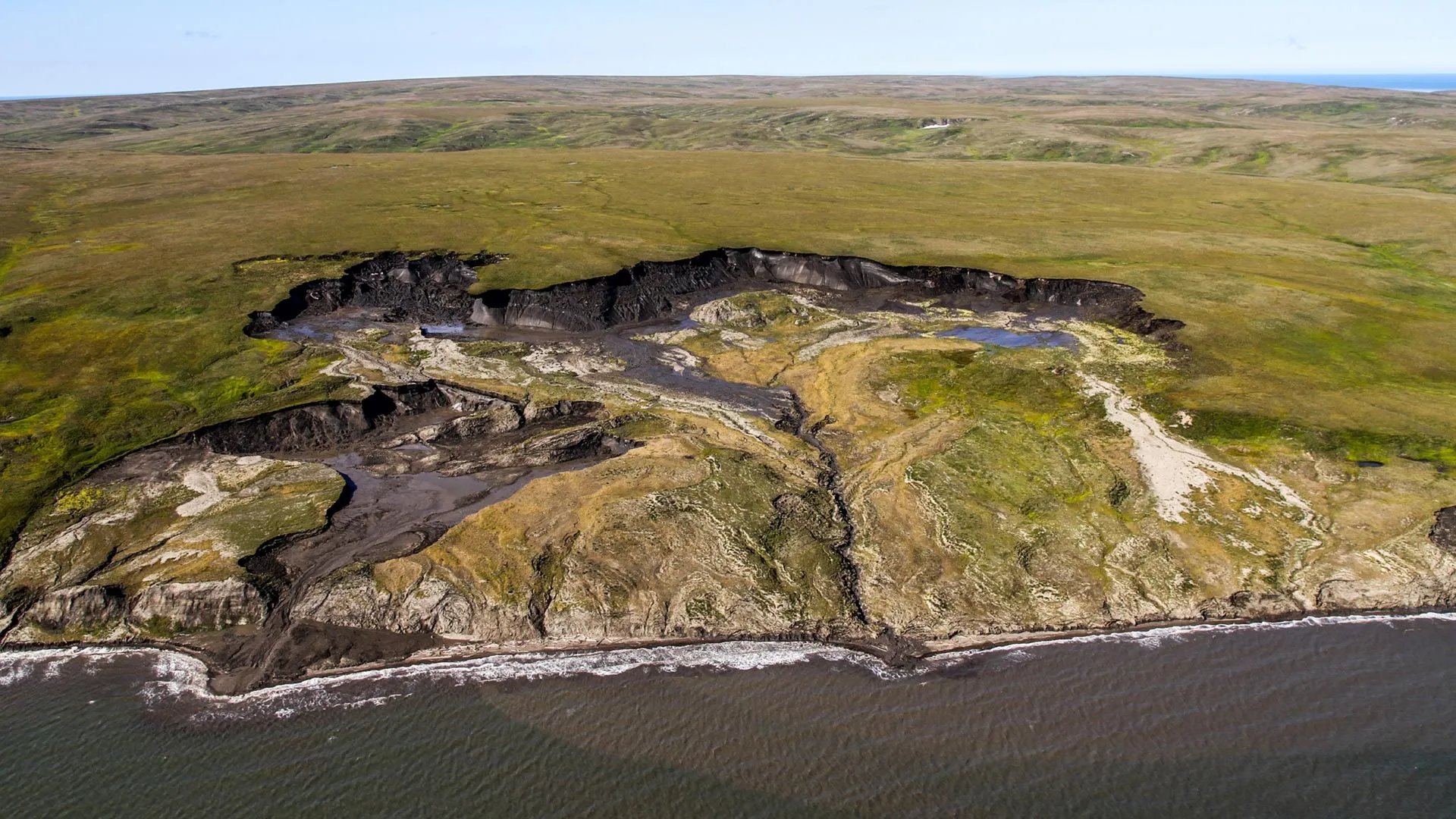
The Arctic’s frozen ground contains enormous stores of organic carbon. As permafrost thaws and coastlines erode, some of that carbon is carried into the ocean. There, microorganisms can break it down and release greenhouse gases that contribute to climate change.
Until now, scientists have had limited information about how much of this carbon returns to the atmosphere and how much remains trapped in the ocean. Researchers from the Alfred Wegener Institute and MARUM – Centre for Marine Environmental Sciences at the University of Bremen have now examined this process along the permafrost coast of Qikiqtaruk (Herschel Island) in Canada.
By studying sediment cores, the team found that large amounts of carbon from land are preserved in the seafloor. They also discovered that marine microorganisms behave like selective eaters, favoring fresh carbon from the ocean over older carbon released from permafrost. The findings were published in Nature Geoscience.
Vast Carbon Stores Are Beginning to Thaw
Permafrost ecosystems on Arctic land contain about 1,300 gigatonnes of organic carbon, much of it from plant remains. Another 400 gigatonnes are stored in ocean sediments and river deltas.
As the planet warms, the Arctic is heating faster than any other region. This rapid temperature rise is causing frozen ground to thaw and coastlines to break apart. Carbon that was previously locked in the soil can then reach the Arctic Ocean through rivers and coastal erosion.
“Consequently, up to 0.02 gigatonnes are entering the sea each year, and according to forecasts, this outflow could rise by 70 to 150 percent by the year 2100,” says Dr. Manuel Ruben, lead author of the study from the Alfred Wegener Institute, Helmholtz Centre for Polar and Marine Research (AWI). “However, how much of this is released back into the atmosphere as a greenhouse gas and how much is stored in the seabed has, until now, been largely unknown.”
Resolving that uncertainty is important because scientists need to know where the carbon ultimately ends up to estimate how thawing permafrost could affect the climate.
Sediment Cores Reveal Where the Carbon Goes
To investigate, the researchers collected sediment cores from several locations off the coast of Herschel Island. These cores contain layers of material deposited over roughly 50 years.
The results showed that only a relatively small share of the carbon swept into the ocean becomes part of the active carbon cycle.
“Although the sea here carries away huge quantities of organic carbon from the coast, surprisingly little of it ends up in the ocean’s active carbon cycle,” says Manuel Ruben. “Microorganisms convert around ten percent of the organic carbon from the sediments into gases, which rise into the water and can then enter our atmosphere.”
Most of the remaining carbon stays buried in the seabed.
Chemical Clues Track Microbial Activity
The scientists analyzed the composition of the sediment cores and measured how quickly material from the permafrost accumulated on the ocean floor.
They also studied dissolved inorganic carbon found in tiny spaces between sediment particles, known as pore water. These measurements reveal how much CO2 microorganisms have released after consuming organic material.
The isotopic makeup of the pore water helped the team determine where that material came from.
“Carbon isotopes represent our atomic indicators that can identify the food source of the microorganisms,” says Prof. Gesine Mollenhauer, a geochemist at the AWI and co-spokesperson for the ‘The Ocean Floor – Earth’s Unexplored Interface’ cluster of Excellence. “The 13C isotope, for example, tells us whether they have consumed carbon from land or from the sea. By way of the 14C isotope, we were able to determine whether the single-celled organisms preferred old organic carbon from permafrost or fresh organic carbon from algae remains.”
“Gourmet” Bacteria Prefer Fresh Carbon
The results suggest that the organisms living in the sediment are not equally interested in every type of carbon.
“The sediment is home to ‘gourmet’ bacteria that apparently prefer fresh carbon stemming from, for example, more recent algal remains over the ‘old’ carbon from permafrost deposits,” explains Gesine Mollenhauer.
Because the microbes favor fresh marine material, older carbon from thawing permafrost may contribute less to atmospheric greenhouse gas levels than scientists once feared.
However, the researchers caution that the full picture is not yet clear.
“However, we do need further research here. This is because some of the organic carbon from the permafrost may already have been broken down before it reaches the seabed.”
Coastal Carbon Could Reshape Arctic Ecosystems
The movement of carbon from land into the ocean may affect more than greenhouse gas emissions. It can also change the chemistry and biology of coastal waters that support food resources for local communities.
Sediment released by coastal erosion can reduce the amount of sunlight entering the water. Freshly eroded fragments make the coastal ocean cloudy, while dissolved organic carbon can darken the water.
That loss of light can affect single-celled organisms such as algae, which need sunlight to produce biomass and oxygen. This primary production supports a wider food web that includes fish, crustaceans and seals.
The researchers plan to explore these connections further during the international ‘Arctic Pulse’ campaign scheduled for 2027. Scientists will carry out coordinated observations from the Polarstern research icebreaker, aboard AWI research aircraft and at sites on land. Their goal is to understand how rapid environmental change is transforming Arctic ecosystems.
Improving Arctic Climate Models
“Our study shows, more precisely than ever before, how much carbon is safely stored in the seabed – and just how much of the decomposed material actually originates from the old permafrost,” says Manuel Ruben. “This provides an important foundation for climate models that can predict the consequences of permafrost thawing for the global climate.”
The scheme is part of World Breastfeeding Week, from 1 to 7 August, organisers say.
There were 20 independent investigations or reviews between 2021 and 2025.
Jack Tolley says he found it difficult to find supplies of the key medicines he needs.
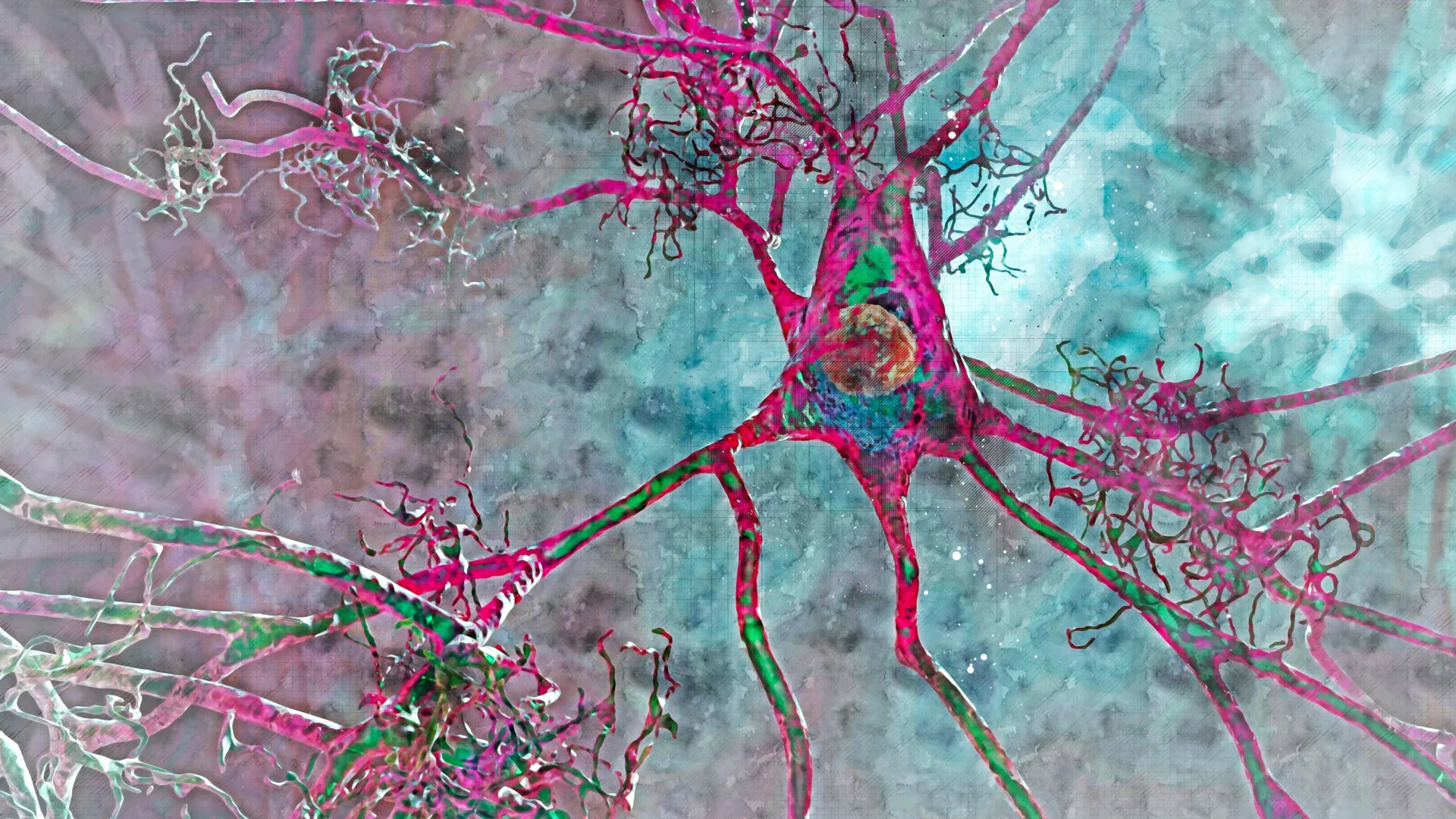
Aging is the strongest known risk factor for neurodegenerative diseases, yet researchers still do not fully understand which molecular changes associated with getting older cause these conditions to develop.
Scientists have now identified a protein pathway that may help connect aging with the harmful protein buildup seen in disorders such as Huntington’s disease and amyotrophic lateral sclerosis (ALS).
Searching for the Link Between Aging and Brain Disease
A research team led by Professor Dr. David Vilchez at the CECAD Cluster of Excellence for Aging Research investigated this connection using the small nematode worm Caenorhabditis elegans. The researchers examined a signaling pathway that becomes increasingly active with age and contributes to the accumulation of abnormal proteins.
Their study, titled “The aging factor EPS8 induces disease-related protein aggregation through RAC signaling hyperactivation,” was published in Nature Aging.
The team concentrated on EPS8, an aging-associated protein, and the signaling pathways it controls. Previous research showed that EPS8 accumulates as worms grow older and activates damaging stress responses that shorten their lifespan.
EPS8 Drives Toxic Protein Buildup
The researchers found that higher EPS8 levels and increased activity in its signaling pathways promote pathological protein aggregation and neurodegeneration. Both are defining features of age-associated neurodegenerative conditions, including Huntington’s disease and ALS.
When the scientists reduced EPS8 activity, toxic protein aggregates no longer accumulated as readily. The treatment also helped preserve neuronal function in worm models of both diseases.
“We are delighted to uncover a molecular mechanism that could shed light on to how aging contributes to diseases like ALS and Huntington’s,” says first author Dr. Seda Koyuncu. “For years, we’ve known that age is the major common risk factor for different neurodegenerative diseases. However, how exactly age-related changes contribute to these diseases remains largely unknown. This study may contribute to filling in a part of that puzzle.”
Similar Results in Human Cells
EPS8 and the signaling molecules associated with it have been preserved throughout evolution and are also found in human cells. This allowed the researchers to determine whether the mechanism they observed in worms might also be relevant to human disease.
Reducing EPS8 levels in human cell models of Huntington’s disease and ALS produced results similar to those seen in C. elegans. The intervention prevented the accumulation of toxic protein aggregates in the cells.
“It’s incredibly exciting that the mechanisms we uncovered in C. elegans are also conserved in human cell models,” says Professor Dr. David Vilchez, highlighting how the use of simpler model organisms like the nematode worm can prove extremely useful to uncover disease mechanisms relevant to humans.
A Potential Target for Future Treatments
Scientists still do not know precisely how increased EPS8 activity causes toxic proteins to aggregate. Even so, the results address an important gap in neurodegenerative disease research by identifying a direct molecular connection between aging and neurodegeneration.
The findings also point to EPS8 and its signaling partners as possible targets for future therapies. Treatments aimed at this pathway could potentially slow or prevent the progression of ALS, Huntington’s disease, and other brain disorders associated with aging.
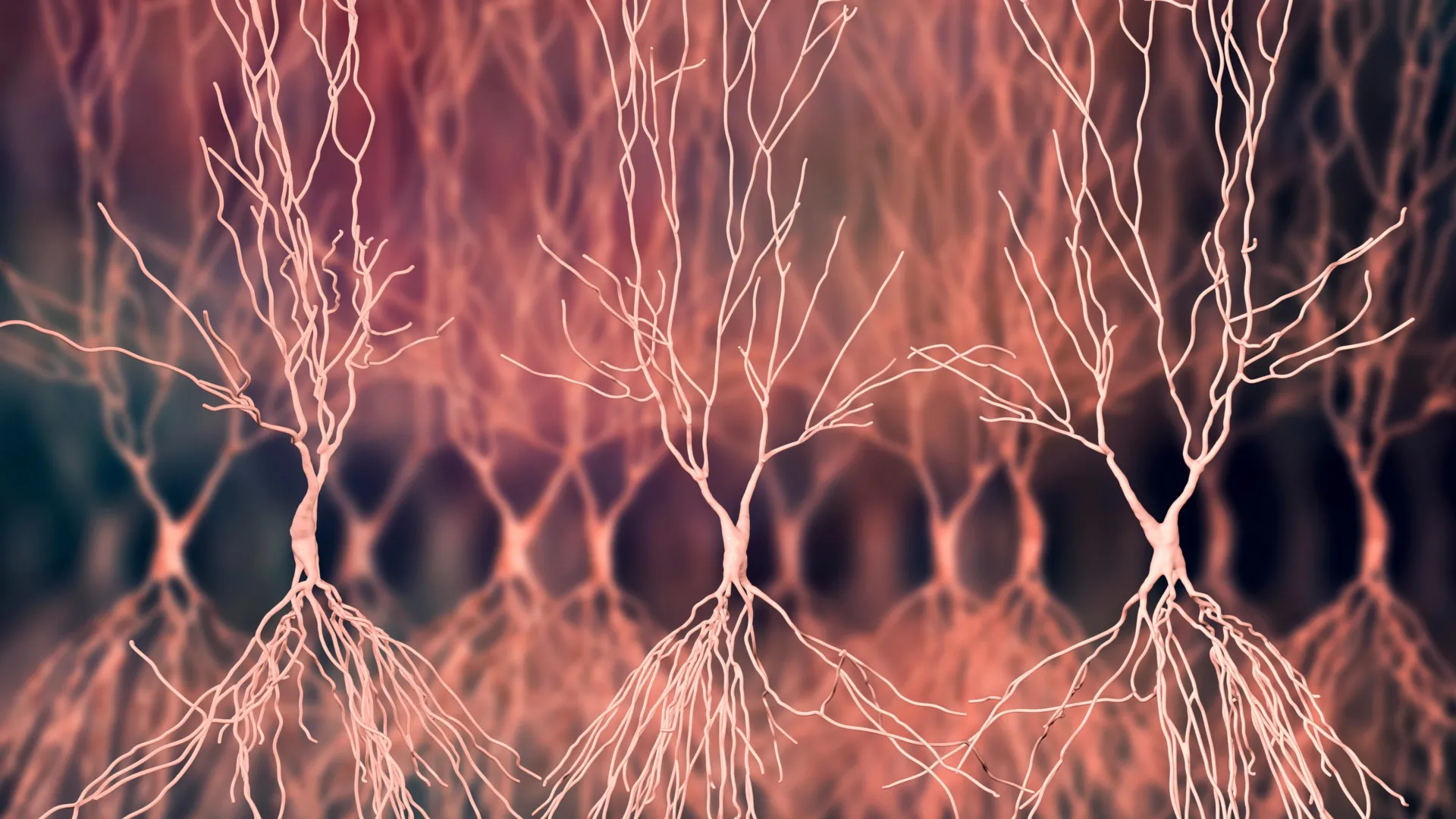
Alzheimer’s disease is the leading cause of dementia and currently affects more than seven million people in the United States. Some available treatments can slow the disease, but most primarily address symptoms, and none can cure it.
“Alzheimer’s is a condition that remains recalcitrant to the scientific community’s attempts at developing a cure or preventative treatment,” said Daniel Schultz, a former postdoctoral fellow in the Vanderbilt University Warren Center for Neuroscience Drug Discovery.
Gaps in Alzheimer’s Biology
One major obstacle to developing better therapies is that researchers still do not fully understand the biology behind Alzheimer’s disease. The same problem affects research into many other neurological diseases and neurodevelopmental disorders.
Scientists have identified genes and proteins that may contribute to these conditions, but studying them can be extremely difficult when researchers lack a reliable way to change how those biological targets behave.
One approach involves using tool compounds. These chemicals interact with particular proteins and either raise or reduce their activity. Although many tool compounds are unsuitable for use as medicines because they may affect unintended targets or cause toxicity, they are still highly valuable for investigating what a protein does. That knowledge can become an important early step toward developing new treatments.
Targeting the TAOK1 Protein
In a study published in ACS Chemical Neuroscience, Schultz and co-first author Lauren Parr, a Ph.D. student in the Department of Pharmacology, developed a compound that selectively inhibits TAOK-1. The protein has been linked to Alzheimer’s disease, but it has remained poorly understood partly because researchers have lacked suitable compounds for studying it.
Most of the work was carried out at the WCNDD under the leadership of Executive Director Craig Lindsley. The WCNDD is a clinical-stage biotech start-up within Vanderbilt. Its drug discovery pipeline currently includes five compounds in phase I clinical trials.
The center is also a founding pillar of the new Vanderbilt Institute for Therapeutic Advances, a next-generation drug discovery institute that is also led by Lindsley.
To find useful compounds, Schultz, Parr, and other WCNDD researchers created a large collection of related molecules. Each one had a slightly different structure. The team then evaluated how the compounds affected TAOK-1 and assessed whether they had properties considered desirable in potential drugs.
“This project showcased the strength of the WCNDD’s drug discovery infrastructure,” Schultz said.
The First Selective TAOK1 Inhibitor
The collaboration led to the discovery of VU6083859, the first selective inhibitor of TAOK-1. The compound could provide a starting point for research aimed at developing future Alzheimer’s disease treatments.
Another molecule produced an unexpected result. The compound, named VU6080195, activated all three proteins in the TAOK family rather than inhibiting them.
“Our understanding of TAOK proteins largely centers around their inhibition, so we are excited at the prospect of studying the neurological effects of increasing their activity,” Schultz said. “As scientists, we can get lost in planning our projects to the last detail and expecting things to go a certain way, so it was quite fun to see this unexpected result.”
Schultz hopes the two compounds will encourage more researchers to investigate the TAOK protein family. So far, these proteins have received relatively little attention in in vivo models.
New Tools for Alzheimer’s Research
A deeper understanding of disease biology can improve the chances of finding effective treatments. With these two compounds now available, neuroscientists can examine how the TAOK protein family functions and explore its links to Alzheimer’s and other neurological diseases.
The findings could eventually help researchers identify new treatment strategies and perhaps contribute to the long-term search for a cure.
The paper “Discovery of VU6083859, a TAOK1 Selective Inhibitor, and VU6080195, a pan-TAOK Activator” was published in ACS Chemical Neuroscience.
The research used funding from the William K. Warren Foundation and received support from the Zenobia and Mark Godschalk Alzheimer’s Research Endowment, the Helen H. and Morris D. Hartman, MD 1910, Neurological Research Fund, the Warren Center for Neuroscience Drug Discovery, and the Vanderbilt Institute for Therapeutic Advances.
Theo became the first British baby to be operated on in the womb to correct complex gastroschisis, as part of a pioneering clinical trial.
