More women than ever are talking about the luteal phase on social media, but how does it actually affect you?


More women than ever are talking about the luteal phase on social media, but how does it actually affect you?

Dark matter is usually described as an invisible substance that responds only to gravity. But scientists are now exploring a more complex possibility: dark matter particles may also interact through a hidden force of their own.
A new study in the Journal of Cosmology and Astroparticle Physics (JCAP) examined what would happen if dark matter experienced an additional attractive force. The results were surprisingly counterintuitive. Although the force causes dark matter to gather more efficiently, it usually does not accelerate the growth of cosmic structure. Instead, it tends to slow that growth.
Why Scientists Are Considering a Dark Force
Interest in a possible “dark force” has increased as highly precise observations of the Universe have produced results that do not always align perfectly.
Measurements of cosmic expansion and the development of galaxies and other large structures sometimes appear to tell slightly different stories. Some observations of the distant Universe suggest that expansion may have proceeded somewhat more slowly in the past than the standard cosmological model predicts.
At the same time, studies of the cosmic microwave background have long suggested that matter could be more tightly clustered across the largest scales of the Universe than expected.
These differences are relatively small, but they have encouraged scientists to ask whether the standard model of cosmology may be missing an important ingredient.
One possibility is that dark matter particles feel an extra force that ordinary matter cannot detect. Because the interaction would operate only within the dark matter sector, researchers refer to it as a “dark force.” Such an interaction could potentially affect both the Universe’s expansion and the formation of galaxies and larger cosmic structures.
“What we really know about dark matter has so far been learned only through its gravitational effects,” says Zachary Weiner, a researcher at the Perimeter Institute for Theoretical Physics, corresponding author for the study. “That leaves open the possibility that dark matter might have additional interactions that are hidden from ordinary matter.”
Testing a Force Beyond Gravity
The research team investigated a group of theoretical models in which dark matter particles interact through a long-range force in addition to gravity.
Using theoretical calculations together with cosmological data, the scientists studied how this hidden interaction would influence the history of cosmic expansion and the growth of large-scale structure.
At first, the expected result seems straightforward. If dark matter particles attract each other through another force, they should assemble into clumps more quickly. That stronger clustering might also appear to explain observations suggesting that the Universe contains denser structures than predicted.
“The first thing you would expect is that giving dark matter an additional attractive force should make structures grow faster,” says Weiner. “But another effect comes into play at the same time.”
A Surprising Effect on Cosmic Growth
In the models examined by the researchers, the extra force does make dark matter cluster more effectively. However, it also changes how dark matter behaves as the Universe expands.
The same process causes dark matter particles to effectively lose mass over time. This reduction weakens their gravitational influence, offsetting the stronger attraction produced by the hidden force.
As a result, the enhanced clustering does not create a stronger gravitational imprint on the cosmic microwave background. In most cases, the combined effect actually suppresses the growth of cosmic structure.
Implications for DESI and Dark Energy Models
The findings could matter for theories that extend beyond dark matter alone. Some explanations proposed for recent measurements from the Dark Energy Spectroscopic Instrument (DESI) involve similar interactions among dark matter particles.
According to the researchers, the newly identified mechanism is likely to influence many of those more complicated models as well. Any theory involving a hidden attractive force may need to account for the possibility that dark matter becomes effectively lighter as the Universe evolves.
More precise measurements from upcoming observatories and cosmic surveys could help scientists determine which hidden interactions dark matter might possess and which possibilities observations can rule out.
“The Universe is often more subtle than our intuition,” says Weiner. “That’s exactly why we have to keep testing these ideas.”
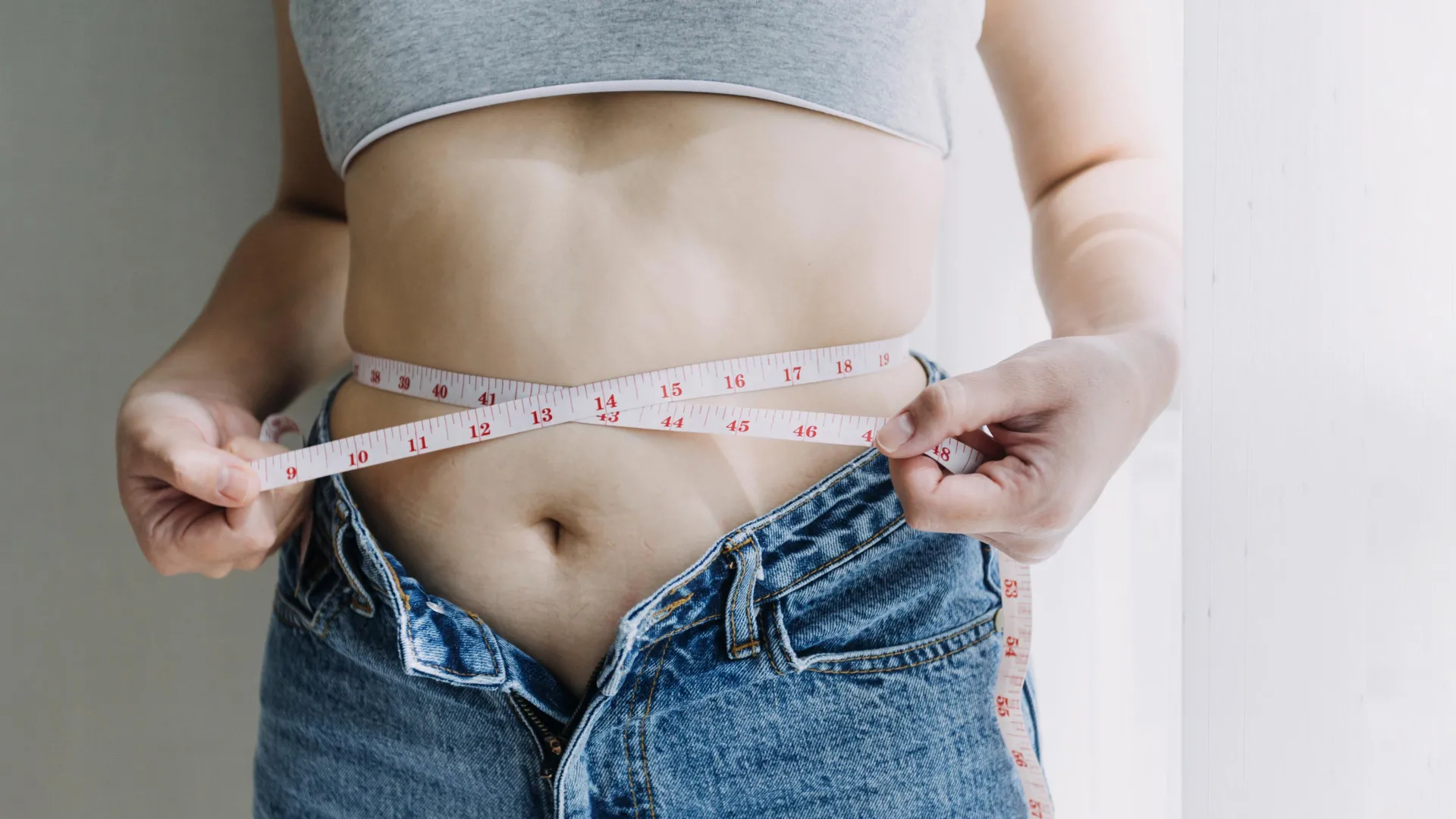
Researchers at the School of Public Health at the LKS Faculty of Medicine, the University of Hong Kong (HKUMed), have found that completing brisk interval walking once per week can reduce body fat and improve cardiorespiratory fitness in adults with central obesity. The benefits were comparable to those seen in participants who exercised three times per week, which is the frequency commonly recommended in traditional exercise guidance.
The findings support once weekly brisk interval walking as a practical therapeutic option for adults with central obesity, especially those who have difficulty fitting several workouts into their schedules. The study was published in Nature Communications.
A More Practical Approach to Reducing Body Fat
Obesity is a chronic health condition involving an unhealthy buildup of body fat. Fat that accumulates around the abdomen is especially concerning because it is associated with cardiovascular disease, metabolic disorders, and a higher risk of premature death.
Exercise plays an important role in managing obesity and offers a wide range of health benefits. Even so, many people, particularly those living with obesity, struggle to maintain regular physical activity over time.
Interval training alternates between more vigorous periods of exercise and lower-intensity periods of active recovery. Research has shown that it can be a time-efficient way to reduce overall body fat and visceral fat compared with continuous exercise performed at a moderate intensity.
Most exercise recommendations call for interval training three days each week. That schedule may be difficult for people with demanding jobs, family responsibilities, limited time, or restricted access to exercise facilities.
Previous research has suggested that a “weekend warrior” pattern, in which most weekly exercise is completed over one or two days, can still produce health benefits. However, there has been relatively little evidence showing whether interval training remains effective when concentrated into a single weekly session.
Professor Parco Siu Ming-fai, Professor and Head of Division of Kinesiology at the School of Public Health, HKUMed, said it was important to determine whether once weekly interval training could match the results of a traditional three-session schedule and provide a more accessible alternative.
One Session Versus Three
From September 2021 to September 2024, the HKUMed team carried out a randomized trial in Hong Kong involving 315 Chinese adults aged 18 or older. All participants were overweight and had central obesity.
Participants were assigned to one of three groups. One group completed interval training once each week, another completed interval training three times each week, and the third served as a control group.
The control group took part in a 2.5-hour health education session every two weeks for four months. Both exercise groups completed a total of 75 minutes of interval training each week. One group performed the full amount in a single session, while the other divided it across three sessions.
Researchers measured body fat using dual-energy X-ray absorptiometry at three stages: before the program began (baseline), after 16 weeks (post-intervention), and at 32 weeks (four-month post-intervention follow-up).
Similar Fat Loss and Fitness Benefits
At the 16-week assessment, both interval training groups showed similar improvements. Participants who exercised once per week and those who exercised three times per week reduced total body fat mass, body fat percentage, and waist circumference. Both groups also improved their cardiorespiratory fitness compared with the control group.
“While thrice-weekly interval training remains a commonly recommended approach for the therapeutic management of excess adiposity, our findings show that once-weekly interval training offers similar benefits and represents a practical exercise strategy,” said Professor Siu. “For many adults with central obesity who struggle to balance work, study, family and other commitments, time constraints are a primary barrier to exercising multiple days per week.”
“Instead of relying solely on high-frequency exercise prescriptions, once-weekly interval training can be considered a feasible and effective alternative,” added Professor Siu.
The study was led by Professor Parco Siu Ming-fai, Professor and Head of Division of Kinesiology at the School of Public Health, HKUMed. The co-first authors were Dr. Leung Chit-kay and Mr. Joshua Bernal, both from the same School.
The research was supported by the General Research Fund of the Research Grants Council, the University Grants Committee of Hong Kong, China, and the Seed Fund for Basic Research, HKU.

Global warming has sped up since around 2015, according to a new analysis from the Potsdam Institute for Climate Impact Research (PIK). After removing the effects of natural temperature swings, researchers found the first statistically significant evidence that the planet’s long-term warming rate is accelerating.
Over the past decade, global temperatures have risen at an estimated pace of about 0.35°C per decade, depending on the dataset used. By comparison, the average warming rate from 1970 to 2015 was just under 0.2°C per decade. The recent pace is higher than that of any previous decade since instrumental temperature records began in 1880.
Scientists Isolate the Long-Term Warming Signal
“We can now demonstrate a strong and statistically significant acceleration of global warming since around 2015,” says Grant Foster, a US statistics expert and co-author of the study, which was published today in the scientific journal Geophysical Research Letters.
“We filter out known natural influences in the observational data, so that the ‘noise’ is reduced, making the underlying long-term warming signal more clearly visible,” Foster added.
In climate data, “noise” refers to short-erm temperature changes that can temporarily hide or exaggerate the underlying trend. El Niño, for example, can push global temperatures higher for a limited period by releasing heat from the tropical Pacific Ocean into the atmosphere. Volcanic eruptions can have the opposite effect by sending particles into the atmosphere that reflect sunlight, while changes in the Sun’s activity can also produce smaller temperature variations.
To separate these temporary influences from the broader warming trend, the researchers analyzed measurements from five widely used global temperature data sets (NASA, NOAA, HadCRUT, Berkeley Earth, ERA5).
“The adjusted data show an acceleration of global warming since 2015 with a statistical certainty of over 98 percent, consistent across all data sets examined and independent of the analysis method chosen,” explains Stefan Rahmstorf, PIK researcher and lead author of the study.
Warming Acceleration Appears Across Five Datasets
A statistical certainty of more than 98 percent means the researchers found strong evidence that the change in the warming rate is real rather than the result of random variation in the data. The same overall pattern appeared in all five temperature records, even though the datasets are produced by different scientific organizations and use somewhat different methods.
After the researchers adjusted for El Niño and the solar maximum, the extreme warmth of 2023 and 2024 was reduced slightly in the analysis. Even so, both years remained the two warmest since instrumental records began.
Across all of the datasets, the acceleration started to become visible in 2013 or 2014. The researchers describe the broader shift as beginning around 2015, when the evidence became clearer.
Two Statistical Methods Point to the Same Shift
To determine whether the warming rate had changed since the 1970s, the team used two statistical approaches. The first was a quadratic trend analysis, which tests whether the temperature curve is bending upward over time rather than rising at a constant rate.
The second was a piecewise linear model. This method divides the temperature record into separate periods and objectively identifies when the rate of warming appears to change. Both approaches supported the conclusion that global warming has accelerated.
Study Does Not Identify the Cause
The research was designed to detect and measure the statistical acceleration, not to determine exactly why it has occurred.
However, the authors noted that climate models can produce periods in which warming speeds up. In other words, an increasing rate of warming is consistent with the range of behavior represented in current climate modeling.
Climate models are computer simulations that use the laws of physics to estimate how the atmosphere, oceans, ice, and land respond to greenhouse gases and other influences. They do not predict every short-term fluctuation perfectly, but they help scientists evaluate long-term climate patterns and possible future changes.
1.5°C Threshold Could Be Exceeded Before 2030
“If the warming rate of the past 10 years continues, it would lead to a long-term exceedance of the 1.5°C limit of the Paris Agreement before 2030,” says Stefan Rahmstorf. “How quickly the Earth continues to warm ultimately depends on how rapidly we reduce global CO2 emissions from fossil fuels to zero.”
The 1.5°C limit refers to the goal of restricting long-term global warming to 1.5°C above preindustrial temperatures. A single year above that level does not by itself mean the Paris Agreement threshold has been permanently crossed. Scientists generally focus on sustained warming over a longer period.
The findings suggest that Earth may now be warming considerably faster than it did during the final decades of the 20th century. Whether that acceleration continues will depend heavily on future carbon dioxide emissions from coal, oil, and natural gas.
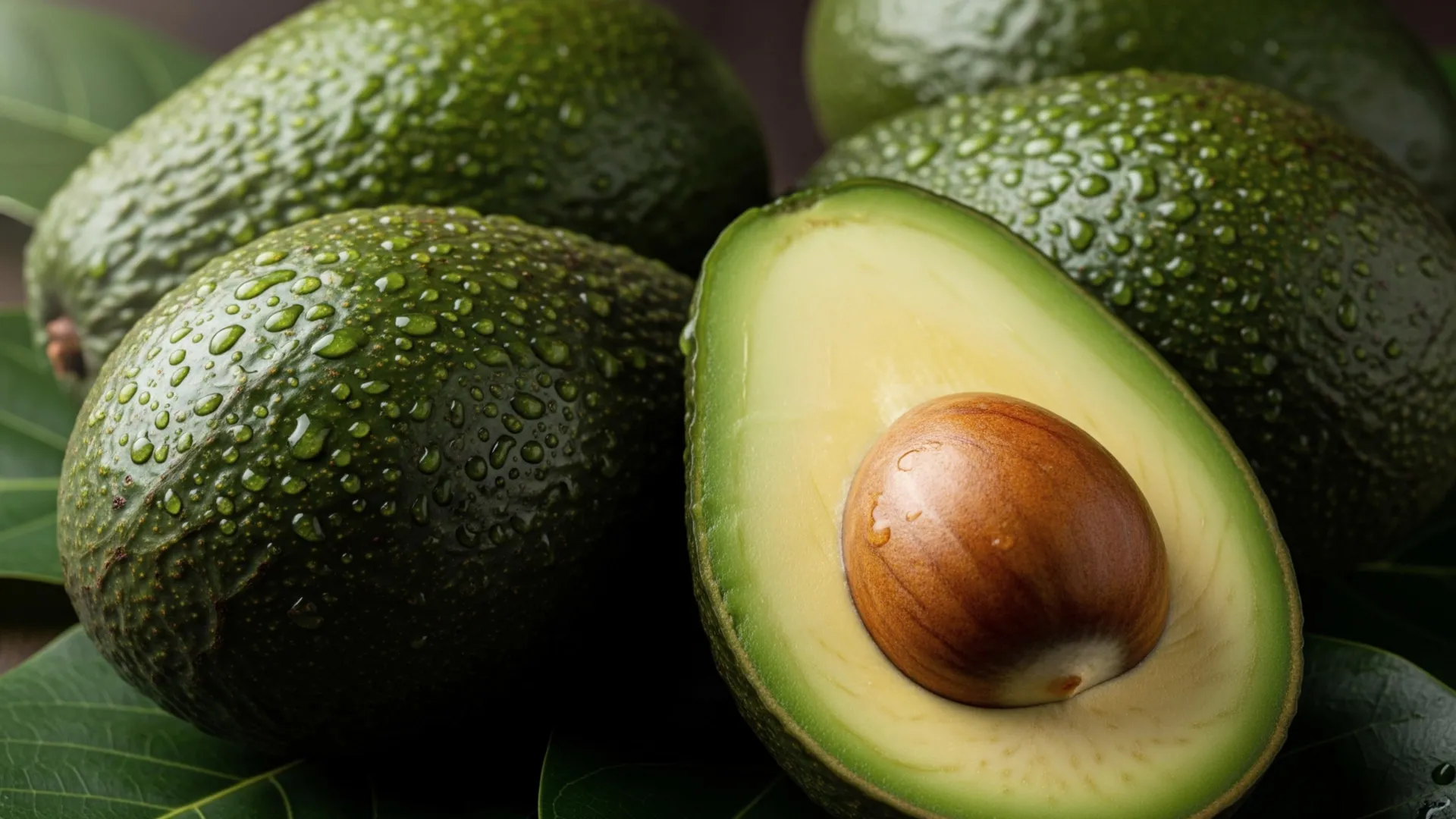
Eating one avocado each day may modestly reduce heart disease risk in adults with obesity, according to new research led by scientists in the Penn State Department of Nutritional Sciences. The findings were published in the Journal of Clinical Lipidology.
The researchers found that daily avocado consumption was linked to a lower concentration of low-density lipoprotein (LDL) particles in the blood. These particles carry cholesterol throughout the body. The size of the reduction was associated with an estimated 4% decrease in heart disease risk.
“If people want to improve the quality of their diet, making one small change might be a more feasible strategy than attempting to change their entire diet,” said Janhavi Damani, postdoctoral scholar at Penn State and first author of the study. “For people with obesity, including avocados in their daily diet might be a good starting place.”
LDL Particle Count Can Reveal Hidden Heart Risk
LDL particles are not the same measurement as LDL cholesterol, often called “bad cholesterol.” Both are associated with cardiovascular disease, but particle concentration can reveal risk that a standard cholesterol test may not show. The researchers noted that this risk is often greater in people with abdominal obesity.
LDL cholesterol cannot travel through the bloodstream on its own. It must be carried by protein particles. A person with more LDL carrying particles may face a greater risk of heart disease, even when their total amount of LDL cholesterol is the same as someone with fewer particles.
“Imagine two people with the same high levels of LDL cholesterol,” Damani said. “Person A carries their cholesterol in fewer, larger LDL particles, and Person B carries their cholesterol in more, smaller LDL particles. Person B’s heart disease risk would be higher because their overall particle count is higher even though a test of their LDL cholesterol would look identical.”
Smaller LDL particles can more easily enter artery walls and contribute to plaque buildup, Damani explained. Plaque narrows blood vessels and makes them less flexible, increasing the strain on the cardiovascular system.
When the heart must work harder because of exercise, heat, stress or another cause, stiffened blood vessels may be less able to accommodate the increased blood flow. Blood pressure can then rise more sharply, potentially contributing to a cardiac event such as a heart attack.
Testing One Avocado a Day
For the new analysis, the team examined data from 786 participants enrolled in the Habitual Diet and Avocado Trial. The six-month study included adults ages 25 and older.
Men qualified for the study if their waist circumference was greater than 40 inches, while women were eligible if their waist circumference exceeded 35 inches.
Half of the participants were asked to continue their usual diets and physical activity. The remaining participants also maintained their normal routines but received one avocado to eat every day.
Earlier results from the Habitual Diet and Avocado Trial showed that adding a daily avocado did not reduce body weight or waist circumference in people with obesity. However, it appeared to lower LDL cholesterol levels.
Daily Avocados Lowered LDL Particle Levels
For the current study, researchers compared blood samples collected at the beginning and end of the six-month trial.
Among participants assigned to eat one avocado per day, LDL particle concentrations fell by 49 nanomoles per liter. According to the researchers, that change corresponds to an estimated 4% reduction in heart disease risk.
“Four percent is a modest reduction compared with the 14-29% lower heart disease risk associated with improving the overall diet,” Damani said. “However, it is a step in the right direction.”
The improvement in LDL particle levels was consistent across participants. Sex, race, ethnicity, age and body mass index did not significantly affect the likelihood of experiencing the benefit.
The findings suggest that adults with obesity from a wide range of backgrounds could potentially benefit from including avocados in their diets. However, the researchers advised people to speak with a registered dietitian nutritionist or physician for personalized guidance before making dietary changes.
A Benefit Seen in Real World Diets
Previous Penn State research also found that avocado consumption could lower LDL cholesterol and LDL particle levels. In that earlier experiment, however, researchers closely controlled everything the participants ate.
“Penn State researchers demonstrated several years ago that avocado consumption could reduce LDL cholesterol and levels of LDL particles,” said Kristina Petersen, associate professor of nutritional sciences and senior author of this study. “But in that study, the researchers controlled participants’ entire diets throughout the experiment. This study demonstrated benefits in the real world, where people’s diets are much less predictable. In the course of people’s normal lives, avocado consumption still contributes to a healthier diet.”
The latest findings indicate that a single, manageable change may improve one measure of cardiovascular health even when the rest of a person’s diet remains largely unchanged. The benefit was modest and did not lead to weight loss, but the researchers said it could still represent progress toward better heart health.
Penny Kris Etherton, retired Evan Pugh University Professor of Nutritional Sciences at Penn State, also contributed to the research.
Other co-authors include Nirupa Matthan of the Jean Mayer USDA Human Nutrition Research Center on Aging at Tufts University; Zhaoping Li of the David Geffen School of Medicine at University of California, Los Angeles; Joan Sabaté of the School of Public Health at Loma Linda University; and David Reboussin of the Wake Forest University School of Medicine.
The Avocado Nutrition Center supported this research.
Millions of people take statins to lower cholesterol and reduce their chances of having a heart attack or stroke. For some patients, however, the medications can cause muscle pain, weakness, and difficulty exercising, making it harder to stay on treatment.
Researchers at McMaster University have now identified a biological pathway that could help explain why these muscle symptoms develop. The finding may eventually lead to treatments that make statins easier to tolerate without reducing their important cardiovascular benefits.
Published in Science Advances, the study points to a previously unrecognized interaction between the immune system and muscle cell metabolism. The mechanism appears to contribute to muscle damage caused by statins and challenges earlier ideas about the origins of these side effects.
Why Statin Side Effects Matter
“Statins are among the most effective medications we have for reducing cardiovascular disease risk and preventing early death,” said Jonathan Schertzer, professor in McMaster’s Department of Biochemistry and Biomedical Sciences and senior author of the study.
“Unfortunately, muscle side-effects lead some people to reduce their dose or stop taking the medication altogether. We wanted to understand why this happens and whether it might be possible to separate the side-effects from the benefits.”
An estimated seven to 29 percent of statin users experience muscle-related symptoms. Although the connection between statins and muscle problems has been recognized for years, scientists have not fully understood the biological processes responsible.
Statins Can Disrupt Muscle Cell Energy
The research was led by first authors Nazli Robin and Nicole Barra of the Schertzer Lab at McMaster. Their team found that statins can interfere with the way muscle cells generate energy.
That disruption appears to activate an immune response inside the muscle cells, leading to tissue damage. In experiments involving muscle cells and mouse models, the researchers prevented much of the damage by blocking the immune response.
“One of the most exciting findings of the research is that the mechanism causing muscle side-effects appears to be separate from the mechanism that lowers cholesterol,” said Schertzer. “That suggests it may one day be possible to target the side-effects without interfering with the cardiovascular benefits that make statins so valuable.”
A Surprising Connection Between Immunity and Metabolism
The findings also uncovered an unexpected relationship between metabolism and the immune system. Changes in the way muscle cells processed energy caused the cells to activate their own immune response.
This discovery offers new insight into how inflammation may contribute to medication side effects. It also suggests that scientists could potentially protect muscle tissue by targeting the immune pathway while leaving the cholesterol-lowering effects of statins intact.
More research is needed before the findings can be developed into treatments for patients. Still, the newly identified pathway provides several possible targets for medications designed to prevent statin intolerance.
“These findings give us a clearer understanding of why some patients experience muscle symptoms and provide promising directions for making these important medications safer and more effective in the future,” added Schertzer.
An International Research Collaboration
The project involved researchers from the Centre International de Recherche en Infectiologie (CIRI) in Lyon, France; the Centre for Muscle Research at the University of Melbourne, Australia; the Murdoch Children’s Research Institute and The Royal Children’s Hospital in Australia; York University in Canada; and McMaster’s Department of Pathology and Molecular Medicine.
The research was funded by the Natural Sciences and Engineering Research Council of Canada (NSERC).
I experienced a startling moment when I was working on marketing copy for my most recent novel, “The Snowbirds.” The story follows empty nesters who head to sunny Palm Springs, California, to escape the harsh Midwestern winter and figure out the rest of their lives.
I described my characters as “middle aged” because they are my age, 56 (now 57), and that’s how I thought of myself — and them — the whole time I was writing the book. But my longtime editor suggested a slight modification to my text, one she never would have guessed would hit me sideways: She inserted the word “late” in front of those words.
Late middle age?
I stared at that phrase for a good long time and thought, what exactly is that? I thought I’d written a novel about the travails of midlife. Was it possible my characters had already rounded that bend … and so, too, had I?
Advertisement
Even though my editor is always right, my first instinct was denial, because most of the time I feel like my young self. I still act like a dumb teenager, saying and doing all the wrong things. I take yoga and lift weights. I wear barrel jeans. I attend concerts and try to stay hip. (True confession: I had to ask my grown kids which word to use instead of “hip.” They suggested “aura,” “rizz,” “skibidi,” “steeze” and “Ohio.” I wasn’t sure if this was actual slang or if they were making fun of me).
Yet there’s no denying the old is starting to push through. The warranty on our new mattress expires after I probably will. I make 5:30 p.m. dinner reservations. I use Hotmail. My lower back is a mess, and I get a kink in my neck unless I sleep on the exact perfect pillow.
When I was young, I liked to think my body was filled with stuffing. Now my internal organs call attention to themselves one at a time. After a few startling bouts of arrhythmia, I’ve even begun to fear my own heart.
Advertisement
Like most edits, this correction, once brought to my attention, seemed as obvious as the face that stares back at me when I accidentally have my phone camera on selfie mode. Honestly, how could I think I was still in straight-up midlife? Did I really expect to live to 114?
This isn’t the first time I’ve been startled off a mental set point age. For years — or even decades — I’ll see myself stuck on a certain notch on the life cycle dial until a jolt of recognition sends me reeling into a new era, like the first time a stranger called me ma’am, or when a Christmas card arrived from our kids’ former babysitter who now has her own children. I’ll never forget my late father-in-law returning from his high school reunion when he was in his 80s, dumbfounded. He couldn’t believe how old everyone else was.
When I was a kid, I loved to flip through the pages of family albums. I remember photos of my beautiful grandmother as a young woman. She’s young — flip — young — flip — young — flip — and just like that, she was the Nana I knew. There was no middle or late-middle age.
Advertisement
I thought aging was a flipped switch, and it sure seems that way when I look twice at a celebrity or someone I haven’t seen in a while because they’ve turned that corner.
I guess I figured I’d linger in midlife until that happened to me, or when a grandchild or retirement pushed me into senior territory. Then again, there are places in Palm Springs where 55 is the minimum age for the senior discount. My friends are getting grandchildren. My husband talks about retirement when he wants to scare me.
Nobody I know thinks of themselves as “late middle age” because the phrase signals the end of an era, like late antiquity or late modernism. The term sounds over-ripe, but also charitable. It says you aren’t old old, but you’re in the vicinity.
Advertisement
While some of our friends have already put deposits on assisted living places they don’t plan to move into for a decade, my husband and I decided to shake things up once this reality set in. We recently moved from Madison, Wisconsin, the beloved city where we raised our children, to Chicago. After cleaning out our parents’ homes, it felt good to get rid of our accumulated junk — skateboards, preschool construction paper art, my graduate school notebooks and papers, musty towels, and the Crock-Pot we never use — so our kids won’t have to when the time comes. We gave up extra rooms and a backyard to live on the third floor of a building with no elevator because we think the steps will keep us fit. Now we’re surrounded by people, traffic, concrete and activity (and Bears fans). When I search for parking or miss a bus on a subzero day, I console myself by thinking, this is good for my neural networks.

Courtesy of Christina Clancy
Advertisement
Sometimes I wonder if, after feeling constrained by jobs and kids for so long, we put our lives in a blender and hit “puree” simply because we can. It’s scary and invigorating and maybe stupid, but I find myself wondering: If we don’t do this now, when will we?
Honestly, I’m enjoying this ambiguous in-between time defined by what I no longer am and haven’t yet become: post-young, pre-elderly. Sure, I have one eye on death, and my earlobes are longer, but I’m still young enough to adopt a puppy.
Despite the occasional Mohs surgery for skin cancer, there’s a lot to love about this age. I’m still healthy enough to travel and engage in most of the same activities I’ve always enjoyed. It’s a lot more fun for me to drink beers and have conversations about Plato’s cave with our kids than it was to change diapers and worry about missed curfews. I find it such a relief to stop talking with my friends about menopause — the thing everyone says nobody talks about.
Advertisement
I’m also not as fearful of old age because it isn’t what it used to be. The seniors I know lead incredibly active, vigorous lives. I care a lot less about how I look and what other people think of me. Maybe I’ve grown a thicker skin (publishing three books will do that), but what used to send me into a tailspin hardly merits a shrug now.
That’s why I wish there were a phrase to describe this phase in life that’s less doleful than “late middle age.” I’ve heard it referred to as “a second adolescence,” “the third chapter,” a “free period,” and “the queenteens.” A friend jokingly defines it as “20s with money.” Another friend likes to think she’s in “the freshman year of old age.”
The closest word I can think of sounds poetic, if a bit grim: “the gloaming” — the Scottish word for the mystical end of day when light fades but darkness hasn’t descended, a twilight filled with shadows made more dramatic by the golden, glimmering light.
Advertisement
I have a feeling I’ll linger here longer than I should, or until something jolts me out of it, like a stranger offering me their seat on the city bus.
Christina Clancy is the late-middle-aged, USA Today bestselling author of “The Snowbirds,” “Shoulder Season,” and “The Second Home,” (All from St. Martin’s Press).
Do you have a compelling personal story you’d like to see published on HuffPost? Find out what we’re looking for here and send us a pitch at pitch@huffpost.com.
Advertisement

Scientists have identified a heat-driven process inside magma that could help explain why volcanoes with similar characteristics sometimes erupt in very different ways.
An international research team led by The University of Manchester analyzed magma from the 2021 Tajogaite eruption on La Palma, Spain. The scientists found that “superheating,” which occurs when magma becomes hotter than the temperature at which crystals remain stable, can postpone crystal formation as the magma moves toward the surface.
Superheating Removes Crystal Seeds
The study, published in Nature Communications, found that intense heat can dissolve tiny existing crystals that normally act as “seeds” for the growth of new crystals.
Superheating also reorganizes the magma at a microscopic level, making its internal structure more uniform and less favorable for new crystals to develop. These changes can affect both the speed at which magma rises and the ease with which volcanic gases escape. Together, those factors can strongly influence whether an eruption produces dramatic lava fountains or a slower release of lava.
The results provide new insight into a long-running scientific question about how magma’s temperature history affects crystallization before and during an eruption.
Lead author, Dr. Barbara Bonechi, Research Associate at The University of Manchester, said: “The history of crystal and bubble growth can dramatically control how a magma erupts; in particular, as more crystals grow, they eventually have a dramatic effect on magma viscosity. Until now, we did not fully understand the dynamics of crystal growth for magmas that received an injection of superheat just before ascent. But using our exciting and newly developed X-ray transparent pressure vessel combined with synchrotron X-ray microtomography, we can actually observe these processes ‘in situ’.”
Recreating Volcanic Conditions in the Laboratory
To investigate the process, the researchers recreated conditions found inside a volcano using magma collected from the Tajogaite eruption. That magma may have been superheated before the eruption and while it was rising through the crust.
At Diamond Light Source, the team used synchrotron X-ray microtomography to watch crystals form inside the magma in real time. They also conducted complementary ex-situ experiments in Prague, which made it possible to observe the samples over longer periods.
Together, the experiments allowed the scientists to follow crystallization under carefully controlled conditions of intense heat and pressure.
Crystal Growth Delayed for More Than Eight Hours
The difference between the samples was striking. Magma that had not been superheated began forming crystals after about 20 minutes.
By comparison, strong superheating prevented crystal formation for more than eight hours.
The researchers used these experimentally measured nucleation delays in numerical models of magma ascent. These simulations were designed to show how magma moves and changes as it travels upward through Earth’s crust.
How Heat Can Change an Eruption
The models indicated that a long delay in crystallization can keep magma relatively fluid, allowing it to rise rapidly toward the surface. This fast-moving magma could help generate dramatic lava fountains.
When crystals begin forming earlier, however, the magma becomes thicker and more viscous. It then rises more slowly, giving volcanic gases additional time to escape and making a gentler, effusive eruption more likely.
The researchers say this newly recognized role of superheating could help volcanologists better interpret monitoring data and improve forecasts of eruption behavior.
Co-author Dr. Margherita Polacci, Senior Lecturer in Volcanology at The University of Manchester, said: “Current volcanic hazard models typically focus on magma chemistry, gas content and pressure changes. This work suggests that pre-eruptive thermal history and crystallization kinetics may also play an important role in controlling magma ascent and eruptive behavior, with implications for volcanic hazard assessment.”
Tatcha’s plumping Dewy Skin moisturizer has become a cult favorite thanks to its gorgeous, silky-smooth formula that helps return bounce and luminosity to the face and neck. Designed to save skin from moisture-sucking air and oxidative pollution, reviewers say the cream makes their skin look “younger and more radiant,” and feels “incredibly luxurious and hydrating.” So much so, one writes the cream made her cancel her Botox plans, as with the cream, “my skin plumped up and glowed in a way like NEVER before.” If you’re looking to try the magic for yourself, you can snag the mini for just $25 at Amazon and Sephora.
Advertisement
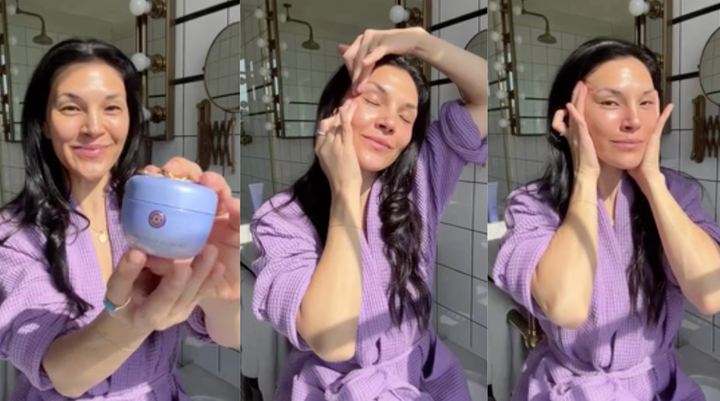
Deemed a “A HERO 🦸♀️ product forever!!!!🏆🥇” and “truly magic in a pot,” the Dewy Cream is a serious fan fav. Made with hyaluronic acid, squalane and the brand’s proprietary superfood concentrate, this nourishing cream is designed to keep your skin hydrated and soft.
Advertisement
Blended with antioxidants and ceramides, the cream helps replenish compromised skin barriers while plumping and reducing fine lines. It’s ideal for folks with mature, dry skin, anyone who lives in a high-pollution area or who otherwise craves a richer hydrator. A little goes a long way, too: One pearl-sized scoop is enough to cover your face and neck. It’s *so* moisturizing; one fan calls it “electrolytes for skin dehydration.”
A reviewer with fair, rosacea-prone skin who first tried the cream in a Sephora writes, “I literally watched my parched, dull, reddened skin turn happy, dewy yet not greasy, and less irritated. My skin just drank it up!”
Nancy, another Sephora shopper, deems the cream a “must-have for dry & mature skin,” calling it a staple in their daily routine. “My skin just soaks it up,” they wrote. “Leaves my skin looking refreshed and plump. Wears great under my makeup.”
Advertisement
Of course, this beloved cream doesn’t just leave skin hydrated; in fact, reviewers credit the unique ingredients for wrinkle control and keeping skin feeling radiant and looking younger — thanks to potent ingredients like Japanese purple rice and peptide-heavy red algae.
According to the brand, these ingredients are intended to help boost the skin barrier, keep fine lines at bay and give skin an instant supple look. “I loved how it plumped up my old skin,” 69-year-old Wandawoo wrote. “I’ve already had compliments on how great my skin looks.”
“I have been using this for about 3 weeks and my 55 year old skin is looking more and more like 25 year old skin,” another shopper said, calling the cream an “age eraser.” “It looks hydrated and I couldn’t be happier!”
Advertisement
A 54-year-old reviewer writes that she tried the cream as “the crepy skin is starting to creep in,” noting “my old products were no longer doing their job.” While she was initially skeptical, she found the cream lived up to the hype. “Within the first use, I could tell that it was really moisturizing,” she wrote. “My skin also started to fill in as well as tighten. My skin is already improving. Though it’s pricey, it does its job and is worth paying for…” “…After the first use I noticed my wrinkles were beginning to vanish,” another wrote. “Do not hesitate to try this product, you won’t be sorry.”
You know a cream is good when it’s saving you money from professional skin treatments. “I was almost on my way to getting Botox and possibly filler because my skin was just looking and feeling…old,” shopper Crissy writes. “…But the second I started using this stuff my skin plumped up and glowed in a way like NEVER before.” Crissy continued calling the cream “the best skin care item that I own,” that’s “a lottt less than Botox.”
Advertisement
A 68-year-old reviewer with a collection of high-luxury skin care tried the cream after her 42-year-old daughter recommended it, calling the cream “a lot cheaper” than cosmetic procedures. “I must report this is as good, if not better than the products from Paris, I’ve been using which can cost upwards of $600 for a smaller amount,” she wrote. “I will now be buying this product line instead of the high-end products I’ve used in the past.”
Others say the cream has helped their skin so much, they “truly don’t even like wearing makeup anymore,” as, “my skin looks better without it I think!” “After putting the cream on at 6 am, working a 9 hour shift and then going to dinner..still was glowing,” one wrote. “I don’t need to wear foundation my skin looks exactly like I want it to,” another said.
Advertisement
“OMG!!! I’m a 68 year old grandmother and my face has years of aging but Ive tried to keep it in good shape. I’ve been using products from Paris for years. It’s expensive but I did not mind paying the price because it has really helped my skin stay moisturized and keep wrinkles at bay. My 42-year-old daughter who has beautiful skin informed me she has been using this brand for years. Well due to how well her skin looks I decided to try it out. It was under $100 and heck at 68 it’s a lot cheaper than cosmetic procedures and the large size I purchased will last me months. I must report this is as good, if not better then the products from Paris, Ive been using which can cost upwards of $600. for a smaller amount. This cream is absolutely wonderful as a moisturizer and softening wrinkles and after the first use I noticed my wrinkles were beginning to vanish. I will now be buying this product line instead of the high end products I’ve used in the past. Do not hesitate to try this product, you won’t be sorry.” — Suzie-Q
“I’m a 54 year old Asian woman, and I’ve always taken care of my skin and told I look 20 years younger. This year has been a struggle though as I’ve now reached the age where I really have to work hard to moisturize and maintain moisture. The crepy skin is starting to creep in, and the skin on my face is starting to look loose. My old products were no longer doing their job. I bought the smallest size of the purple jar to try, not expecting much. Within the first use, I could tell that it was really moisturizing. My skin also started to fill in as well as tighten. My skin is already improving. Though it’s pricey, it does its job and is worth paying for – at least for me.” — S. Severini
“i got compliments on my skin within a week of using this. not oily and does exactly what it says it will. very dewy and reduced my wrinkles. this will be my moisturizer for lifeee omg joy grail i put everyone on to tatcha !! on everyone” — babydolly7
“This product has been a go-to moisturizer for me for several years. It is expensive, but I’ve looked for less expensive alternatives and keep returning to this. A little goes a long way. It is probably best for dry, mature skin. I find I must let it absorb a bit before applying make up or else my face is super shiny, but it is one of the few moisturizers that does not settle into lines and wrinkles. It smells heavenly and is not animal tested, which I love.” — Cle013
Amazon
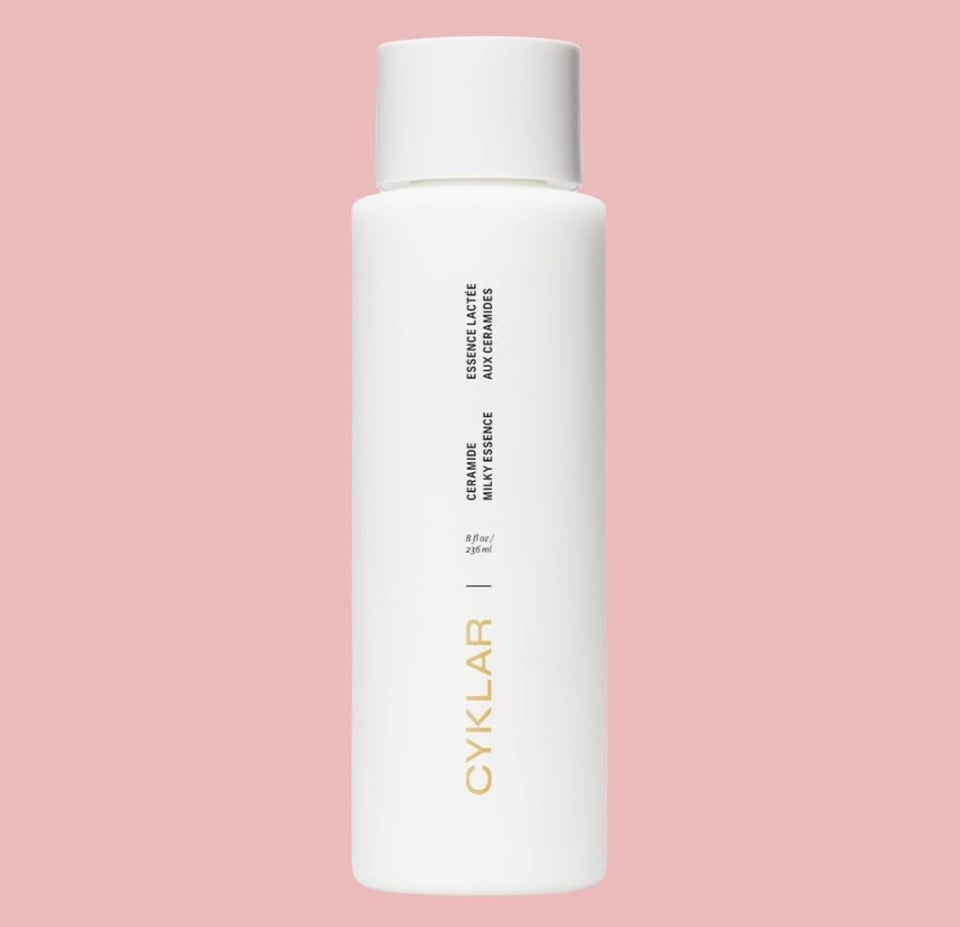
In the world of skin milks, this unscented milky essence by Cyklar is possibly the best known and features a very thoughtful mix of ingredients to deliver intense moisture and supple, soft skin. At the top of the list is a high-purity blend of ceramides to keep skin barrier function at its peak, along with skin conditioners like polyglutamic acid and urea that boost elasticity, draw in moisture and keep it there. “It absorbs, hydrates, and feels like it disappears within minutes while leaving the skin in much better condition,” one Amazon shopper said of this indulgent skin milk.
Sephora
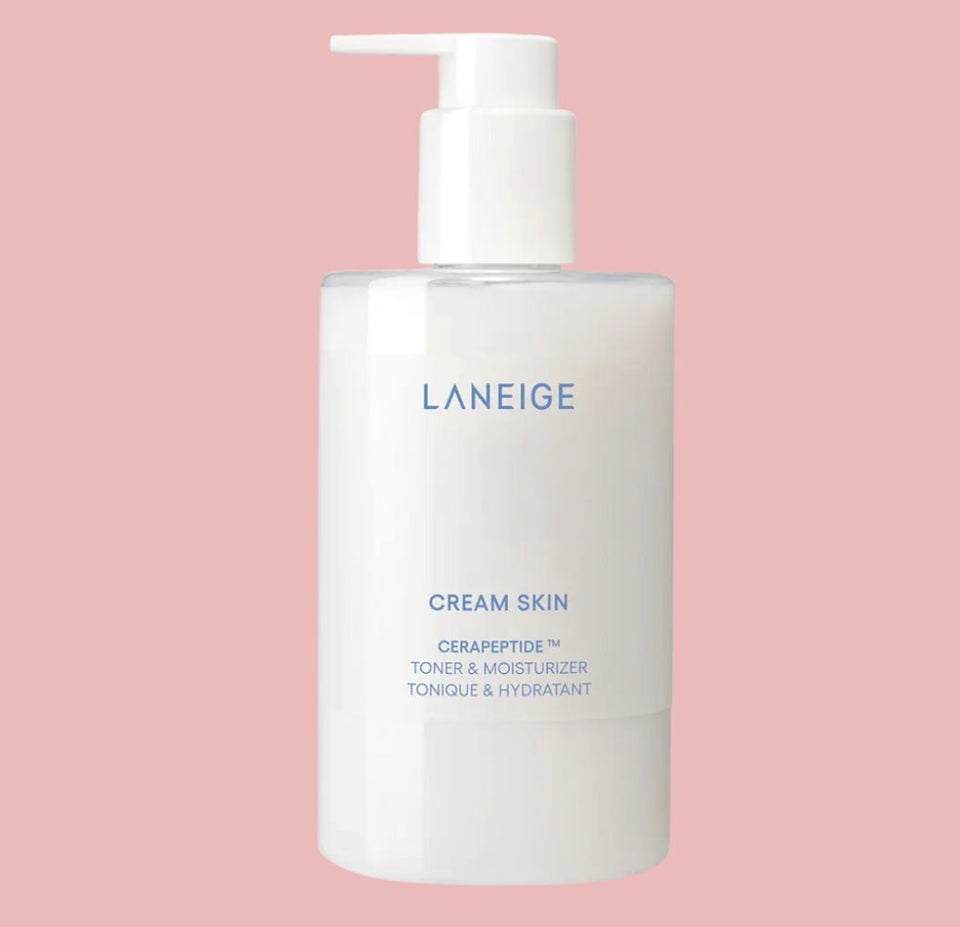
Laneige’s beloved Cream Skin Milk Toner is marketed mostly as a moisture-boosting and skin-plumping product for the face, however plenty of Cream Skin users also apply this nourishing Korean toner to the body and it now comes in a jumbo 10.8-ounce container with a pump that’s perfect for all-over purposes. The milky solution contains the standard fare for healthy, plump and more youthful-looking skin — ceramides and peptides — as well as white leaf tea, an ingredient filled with amino acids to moisturize and soothe the skin.
Amazon
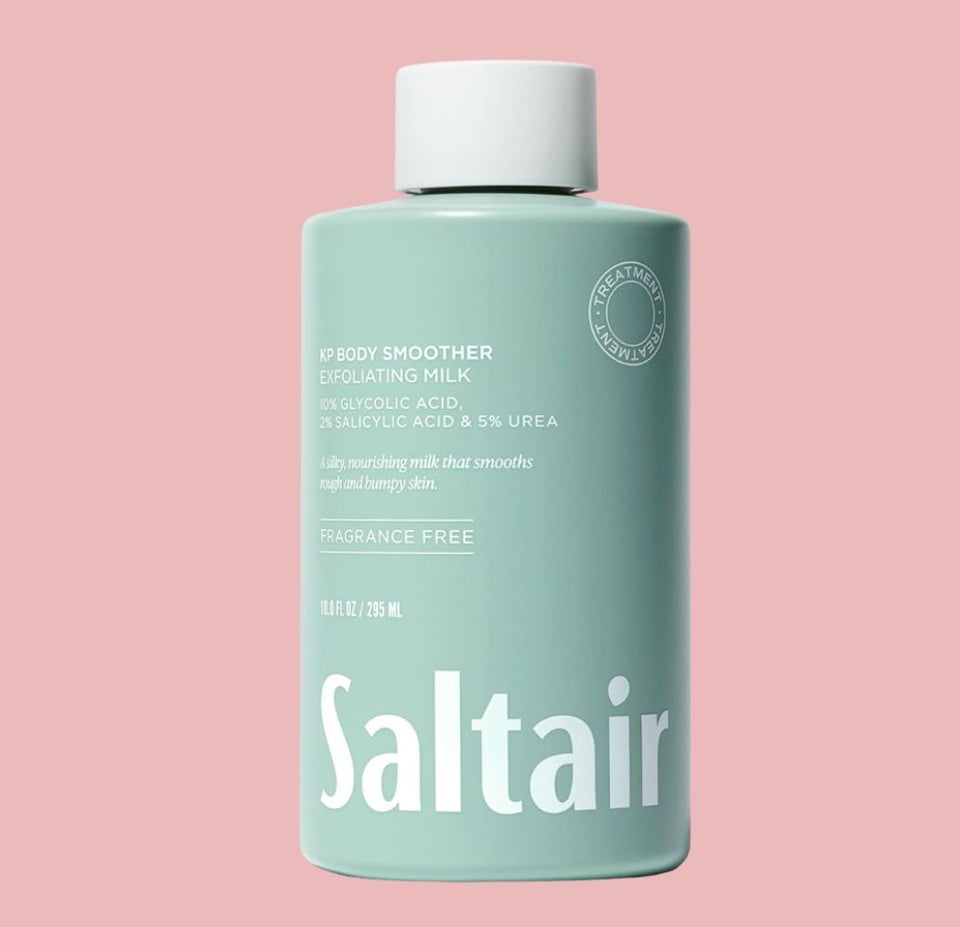
As a keratosis pilaris (KP) sufferer, I rely heavily on both physical and chemical exfoliators to give me the soft and even skin I know I deserve. Already a fan of Saltair’s body products, I was eager to try this exfoliating body milk, which I’ve been using for the past month or so and I’ve been really enjoying — even more than some pricier acid-containing body serums I’ve tried. This skin-smoothing formula uses a gentle blend of 10% glycolic acid, 2% salicylic acid, fruit enzymes and urea to slough away dead skin cell buildup and flakiness, while glycerin and hyaluronic acid draw moisture into the skin and keep it there.
Advertisement
The Real Deal: We use deal trackers and commerce experience to sift through “fake” hike-and-drop deals and other deceptive sales tactics. Products will usually be rated at least 4 stars with a minimum 15% discount. (And when there’s an exception, we’ll tell you why.)
It’s summertime, baby, and that means longer times and lots of outdoor fun. Yes, if it’s tricky to navigate long periods of walking or standing — you may wonder how to make the outdoors more accessible. Boy, do we have good news. From the Taiwanese company Step2Gold, the aptly named Ta-Da chair is a versatile, genius tool that conveniently functions as a lightweight walking stick and then folds out into a chair whenever you need it. Even better? It’s currently 33% off, making it under $100 — but act fast, this is a ⚡️lightning deal ⚡️with limited stock.
Advertisement
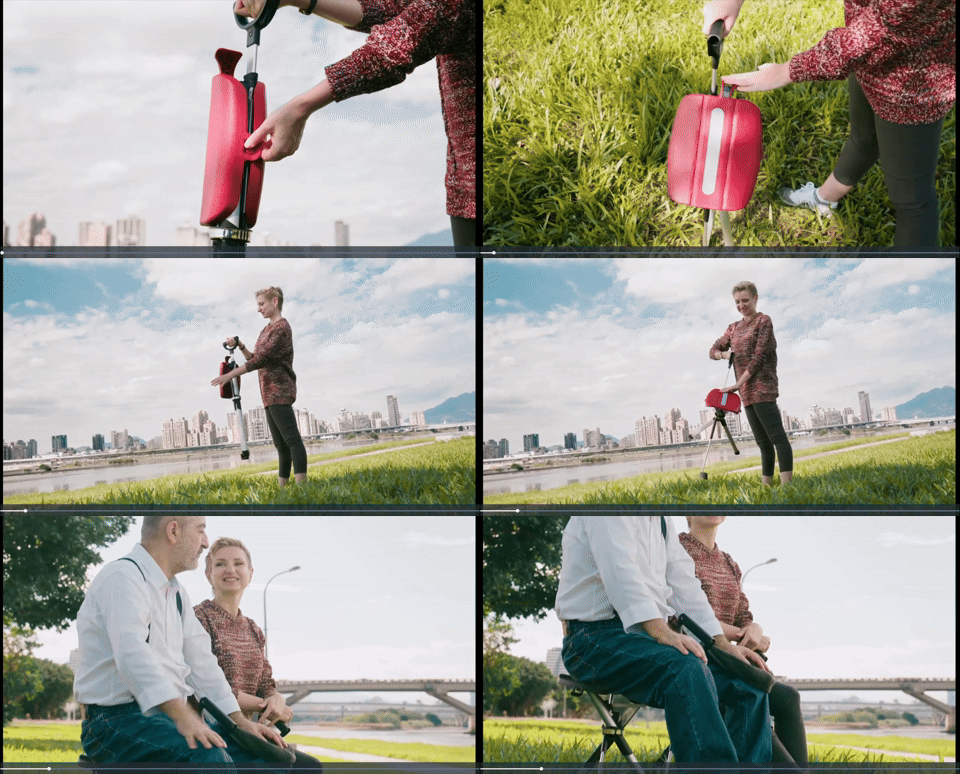
The chair has garnered heaps of glowing reviews thanks to its versatility, ease of use, portability and functionality. Made with lightweight, durable materials, it’s easy to tote around, according to multiple shoppers — who also say that despite its light, slim silhouette, it doesn’t sacrifice stability in either configuration.
Advertisement
When used as a cane, it has an ergonomic handle that’s designed to fit comfortably in your hand. When it’s snapped into a chair position, you can enjoy a large seat that is comfortable and evenly distributes weight (up to 300 pounds), with large anti-slip rubber feet for extra safety. Additionally, it features a safety buckle, seat lock and is constructed with a reinforced stainless steel seat rim for enhanced strength.
“It is really easy to open and close; it takes just seconds,” a reviewer wrote. ”…It takes just seconds and can even be done while you’re on the move again.” “With a couple of clicks, it unfolds to a stable little stool to take the weight off of painful hips or knees,” another wrote.
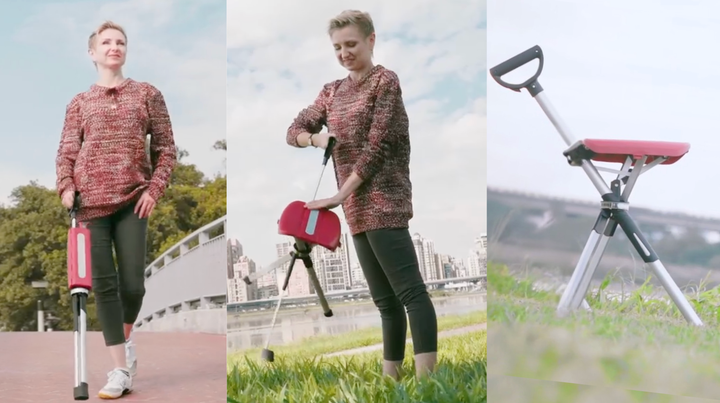
In fact, many consider it an absolute must for vacations spent trekking on uneven cobblestones and wandering through museums. It’s also great for outdoor activities like festivals, picnics and children’s sporting events.
“This seat was a lifesaver on our trip to Europe,” one wrote, calling the chair “light enough to carry around all day.” ”…I used this seat for waiting in line at the airports, waiting in line for buses, crowding around listening to tour guides, etc. etc.”
Advertisement
“I don’t have to use the seat often, but knowing I have the option to sit *immediately* if I need to makes me more willing to go out,” another wrote. With many joking that when they used it in public, many jealous onlookers asked where to get one.
″…If anyone else is uncertain about spending the money… I have to say, go for it. I have no regrets,” shopper Mary wrote. “I’ve already attended 1 event that I would not have even tried without it and I’m sure there’ll be others. It’s given me back a little more freedom, so well worth it.”
Advertisement
″…I just walked a considerable distance down a Gulf shore beach. I could pause wherever I liked, then click open this little stool to rest and enjoy the view,” an 80-year-old reviewer said. “It allows me to go places I might otherwise not risk. It’s completely changed what I’m able to do in my life!!! If you’re using a cane, you absolutely need this one!”
Shopper Phillip says the chair comes recommended by their doctor, calling the tool “Independence!” “This is a very durable product that gives me the freedom to walk and the freedom to sit when I’m shopping,” they said. “I use it several times a week and answer questions to others wondering where I got this handy device.”
Another writes, “My physical therapist is as impressed with this product as I am,” adding, “it is so easy to open & close & remains stable when I do need to sit & rest.”
Advertisement
“I seem to have come down with a case of COG (Chronic Old Guy), however, I still enjoying walking my dogs in the park. This wonderful cane–chair (1) helps me keep my feet on uneven ground and (2) lets me stop to rest no matter where I happen to be. The seat also comes in handy when the sun blares down on a park bench. I simply set up in the shade, to the envy of all other park visitors. Whoever came up with naming it Ta–Da deserves a raise. Indeed, it’s hard not to yell out “ta–da” each time I unfold the seat.” — Steve Cuno
“I’m 73. My wife is 71 with mobility issues. This is a great leg and back saver. The three legs make it stable where ever you set it up. It opens and collapses easily. I can’t count the number of times people have asked what it is, where did we get it and want one for themselves. As an added bonus, when people see us carrying them, they are a little nicer and more courteous.” — R. Darrington
“Works great. It’s stable while walking as well as when you sit on the stool. My dad has a back injury so balance is not his friend. This cane is going to be so helpful when he travels and does walking tours. He’s quite happy with it.” — Grant Williams
“What a difference this cane/chair made for my husband on a recent trip to Paris. While he is able to walk without a cane, his respiratory condition and edema in his legs does not allow him to walk very far. The foldable chair worked great whenever he needed to take a break. He said the seat was fairly comfortable for these short periods. It was light enough to carry around as we walked through neighborhoods and yet sturdy enough to sit on…he weighs 224. The weight limit is 300+. We were able to tour Notre Dame Cathedral and other iconic Paris tourist spots, museums, et.al. without him tiring from walking. Excellent quality.” — Josie Riojas
Amazon
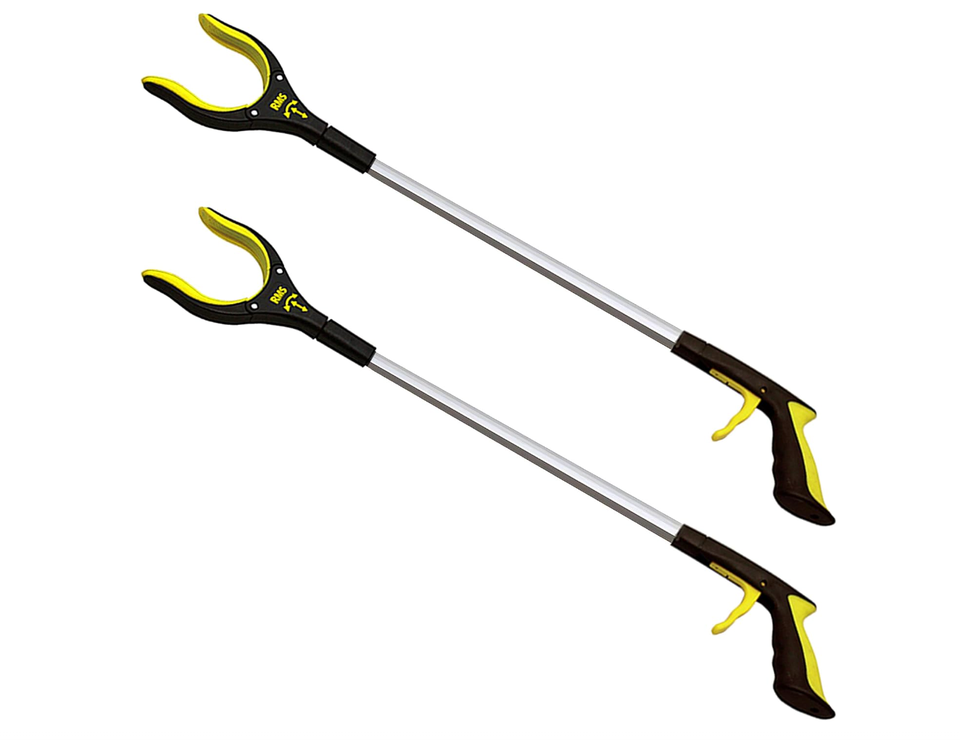
The number one tool Ellis and Wynne recommend for accessibility in grocery shopping — an extender grabber. It’s a super handy device that can help you reach high or low products, saving you from bending or over-extending. This pack comes with two, 34-inch extenders with a rotating jaw. These boast a 4.8 overall rating, with thousands of 5-star reviews noting how great they are for grocery shopping and wheelchair users.
Bonus: They’re also plenty useful at home if you have high cabinets and shelves or trouble bending to reach things.

Amazon
Another great cart option, this folding, lightweight “Stair Climber” cart is collapsible and can carry up to 150 pounds. It’s made with two trios of wheels that easily go up and down stairs. Find it in blue, red and black all with eight compartments.
Promising review: “I was getting so tired of making several trips to my car to retrieve my groceries after each shopping trip. I saw this trolley on Amazon and decided to buy it. Best purchase ever. I now can bring all my groceries in with one trip to the car. I also love that its wheel design allow the trolley to climb my front steps making it so easy for me. I have used it in the house to help me carry things upstairs and the climbing feature makes it safe and easy for me. If you’re trying to decide on buying one, I highly recommend it. I’m a senior citizen and I wouldn’t be without it. It also folds Down pretty well for storing.” — m Robinson

Amazon
Whether you take this into the store and use it around or just use it to bring your bagged groceries into your house, this foldable cart will be a welcome addition to your home. This is an extra-large option that can hold 50-70 pounds with two baskets, 360-degree swivel wheels and a foam-covered handle.
Promising review: “I order this for my mom and she loves it. The height is perfect for her so that she does not have to bend over. (Mom is 5’8″) Very sturdy construction. Large enough to carry her groceries. And the smaller attached basket is a bonus. She loves it!” — Sheila
“This makes hauling groceries up my steps much easier and can usually do 6 bags in one trip. Love it” — Kindle Customer
Advertisement
The Real Deal: We use deal trackers and commerce experience to sift through “fake” hike-and-drop deals and other deceptive sales tactics. Products will usually be rated at least 4 stars with a minimum 15% discount. (And when there’s an exception, we’ll tell you why.)
Advertisement
