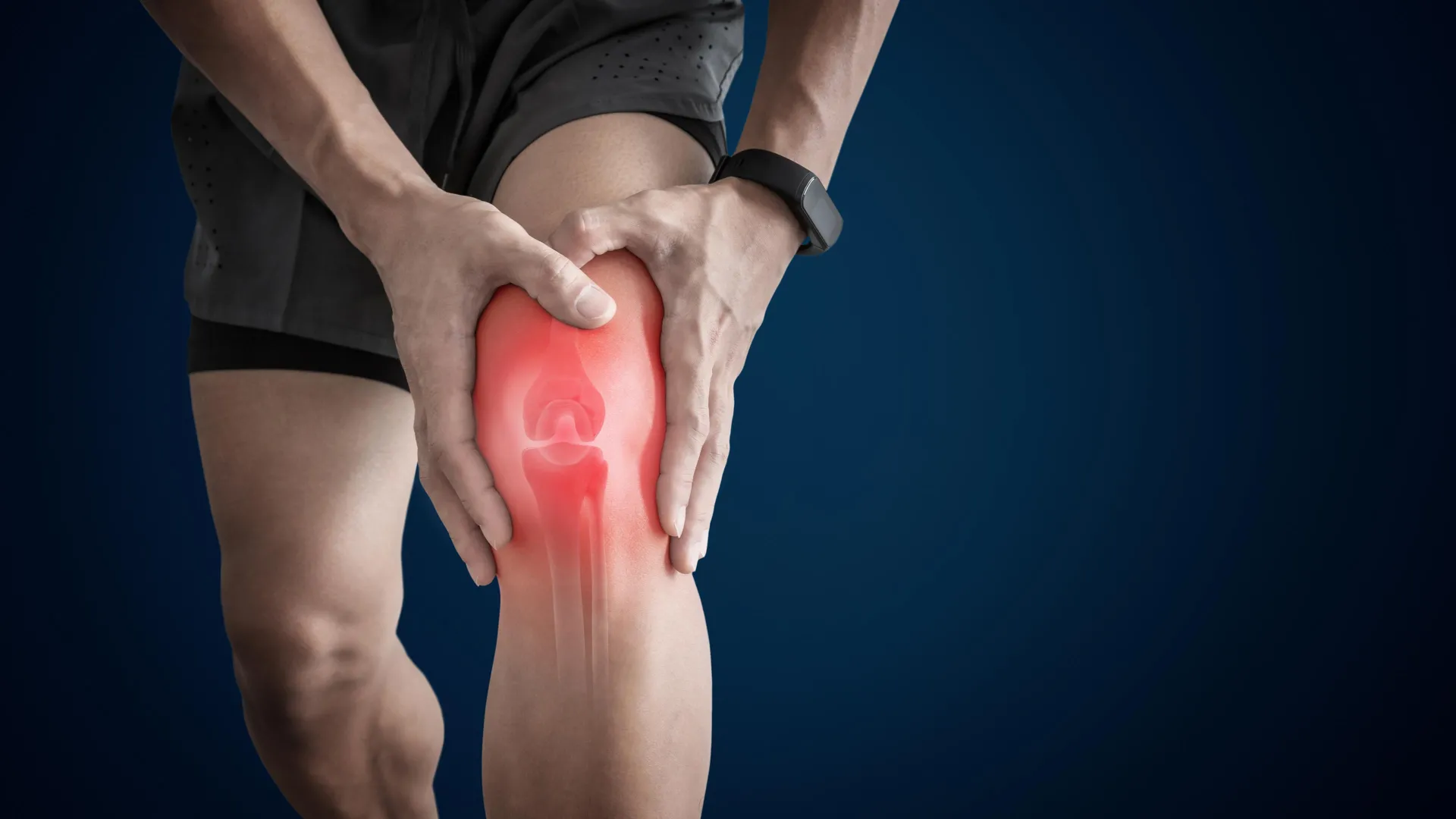
A daily fiber supplement reduced knee arthritis pain and improved strength

A daily prebiotic fiber supplement may help reduce pain and improve physical function in people with knee osteoarthritis (OA), according to a new clinical trial. Participants who took the supplement also showed stronger grip and reduced sensitivity to pain, while the group had far fewer dropouts than those assigned to a digital physiotherapy program.

Researchers at the University of Nottingham led the INSPIRE clinical trial, which tested inulin, a natural dietary fiber found in chicory root, Jerusalem artichokes, and other vegetables. Taking inulin each day significantly reduced pain among participants with OA.

Published in the journal Nutrients, the findings indicate that supporting gut health could provide a new way to manage a widespread and disabling condition that commonly affects older adults.

A Simpler Approach to Knee Osteoarthritis

Hundreds of millions of people worldwide live with knee OA, which is a major cause of chronic pain and disability, especially later in life. Treatment often involves pain medication, which can produce side effects, or exercise programs that some patients find difficult to continue over time.

“This study raises the exciting possibility that a simple dietary change — adding a fiber supplement to your breakfast or yogurt — could meaningfully reduce pain and improve physical function,” said Dr. Afroditi Kouraki, lead author of the study from the School of Medicine at the University of Nottingham.

How Prebiotic Fiber May Influence Pain

The gut microbiome consists of trillions of bacteria that live in the digestive system and affect many aspects of health, including the way the body experiences pain. Inulin is a prebiotic, which means it provides nourishment for beneficial gut bacteria.

When these bacteria consume inulin, they produce short-chain fatty acids (SCFAs). One of the most important is butyrate, a compound that can affect inflammation and the biological pathways involved in pain throughout the body.

Participants who received inulin had higher levels of both butyrate and glucagon-like peptide-1 (GLP-1) — a gut hormone associated with pain regulation and muscle health. Increased GLP-1 levels were also linked to better grip strength, suggesting a possible connection between gut health and muscle function that researchers believe deserves further study.

Inulin and Physiotherapy Reduced Pain

The six-week randomized controlled trial included 117 adults with knee OA. Participants were divided into four groups that received inulin alone, digital physiotherapy-supported exercise (PSE) alone, both treatments together, or a placebo.

Inulin and physiotherapy each reduced knee pain independently. However, only the inulin group experienced improved grip strength and lower pain sensitivity. These measurements can reflect how the nervous system detects and processes painful signals.

The inulin group also had a much lower dropout rate. Only 3.6% of participants taking the supplement left the study, compared with 21% of those in the physiotherapy group. The difference suggests that adding a supplement to a daily routine may be easier for many patients to maintain than following an exercise program.

Dr. Kouraki said: “Our findings suggest that targeting gut health with a prebiotic supplement is a safe, well-tolerated, and effective way to reduce pain in people with knee osteoarthritis. The very low dropout rate compared to the exercise group is also encouraging from a public health perspective — people were able to fit this supplement easily into their daily lives.”

A Possible Gut-Muscle-Pain Connection

Senior author Professor Ana Valdes from the School of Medicine added: “The link we observed between GLP-1 and grip strength is particularly intriguing and points to a broader gut-muscle-pain axis that warrants further investigation. This could have implications not just for osteoarthritis, but for understanding how gut health influences ageing and physical resilience more broadly.”

Professor Lucy Donaldson, Director of Research at Arthritis UK said: “The pain of arthritis can severely impact quality of life. Our recent lived experience survey showed that six in ten people are living in pain most or all of the time due to their arthritis.

“Researchers are starting to explore the role of the gut microbiome in our experience of pain. This exciting preliminary research highlights how diet and physiotherapy can act in different ways to have benefits for people with arthritis. We know a variety and balance of healthy foods, including fiber, and regular physical activity matter, and we’re glad to be supporting research that explores how they work to help people with arthritis.”


Share Button

This $12 Cooling Gel ‘Tops Most Prescription Products’ For Aches And Muscle Pain

Forgive the pun — but body aches are a pain. Whether you’re dealing with chronic discomfort or just like to be prepared, reviewers swear by this roll-on cooling gel by Biofreeze for “fast and effective” pain relief, wherever they are. Reviewers call the packaging “like deodorant for back pain,” allowing easy, direct application without getting product all over your hands. Yet, users really love the formula, calling it the best over-the-counter product you can get that “tops most prescription products for aches and muscle pains.” Right now, you can snag a bottle on a rare deal for 25% off, but act fast — it’s a lightning sale that will be over soon.

In previous reporting, physical therapists told HuffPost that topical creams like Biofreeze offer “immediate relief to sore areas” — allowing for more movement with less pain.

This fast-acting cream is made with 5% menthol, for instant cooling, as well as soothing aloe leaf extract, arnica, green tea leaf and lemon balm. The brand says the potent formula is designed to “block” pain signals in your body, giving you an instant boost of citrusy-cooling.

Reviewers say the gel has “a pleasant minty smell that diminishes quickly,” especially because you don’t need to use your hands to apply it.

Per the brand, the gel can be used on nearly all external needs from back aches to arthritis, bruises, sprains and pains on your shoulders, knees, wrists and more.

“When I feel a bit of a muscle tightness, headache or neck pain I roll this on the neck and within 20 minutes, I have totally forgotten about the pain and can move freely without pain again,” shopper Oregon Gma. “This relief lasts almost all day and I roll it on again and am good for the night.”

As experts previously told HuffPost, these types of topical creams can also be great during physical therapy or working out as they “allow patients to perform exercises with reduced discomfort and increased effectiveness.”

“A few years ago I was in a bad car accident and tore my patellar tendon and broke my scapula-this takes the ‘edge’ off so that I can get going again with my workouts and with home improvement projects,” Zoe P. wrote .”Thank you so much for offering the Professional Biofreeze online!!”

Reviewers love this cooling cream for swiftly easing aches and pains. Read more 5-star reviews and grab some for yourself on sale.

“The best you can buy otc product & tops most prescription products for aches and muscle pains Used many will come back to this every time. Would recommend to anyone!” — Moes’Placeholder

“Worked Wonders For Me. I have had surgeons tell me that I am not a candidate for neck surgery as of yet but they agree that there is substantial damage. I have been through a year of physical therapy without relief of neck pain. I have a pain doctor that gives me nerve blockers every 3 months. A friend told me about this product and after 2 months of research and procrastination, I finally purchased a bottle. I wish I would have done that 2 years ago. When I feel a bit of a muscle tightness, headache or neck pain I roll this on the neck and within 20 minutes I have totally forgotten about the pain and can move freely without pain again. This relief lasts almost all day and I roll it on again and am good for the night.” — Oregon Gma

“If you never tried Biofreeze, I’m not really sure what to tell you. Especially on a roller. If you have back pain, you roll this on like deodorant and it immediately works. There’s no waiting. It doesn’t last as long as icy hot but it feels a lot better. It goes on a lot easier and it doesn’t leave any grease in your hands, it’s like deodorant for back pain. It really is a remarkable product and I actually saw a chiropractor recently who offered me a bottle and that’s when I knew for sure that I got the right stuff. I strongly recommend it” — Supreme Parties

“I just fractured my pelvis and the bio freeze is what sold me on Amazon home delivery. I had purchased other home items but the bio freeze saved my life because I was stuck in a wheel chair for 8 weeks. Bio freeze saved my life.” — Cynthia Baker

Looking for other reviewer-loved products for pain relief? Check out this list from a previous HuffPost Shopping story.

Amazon

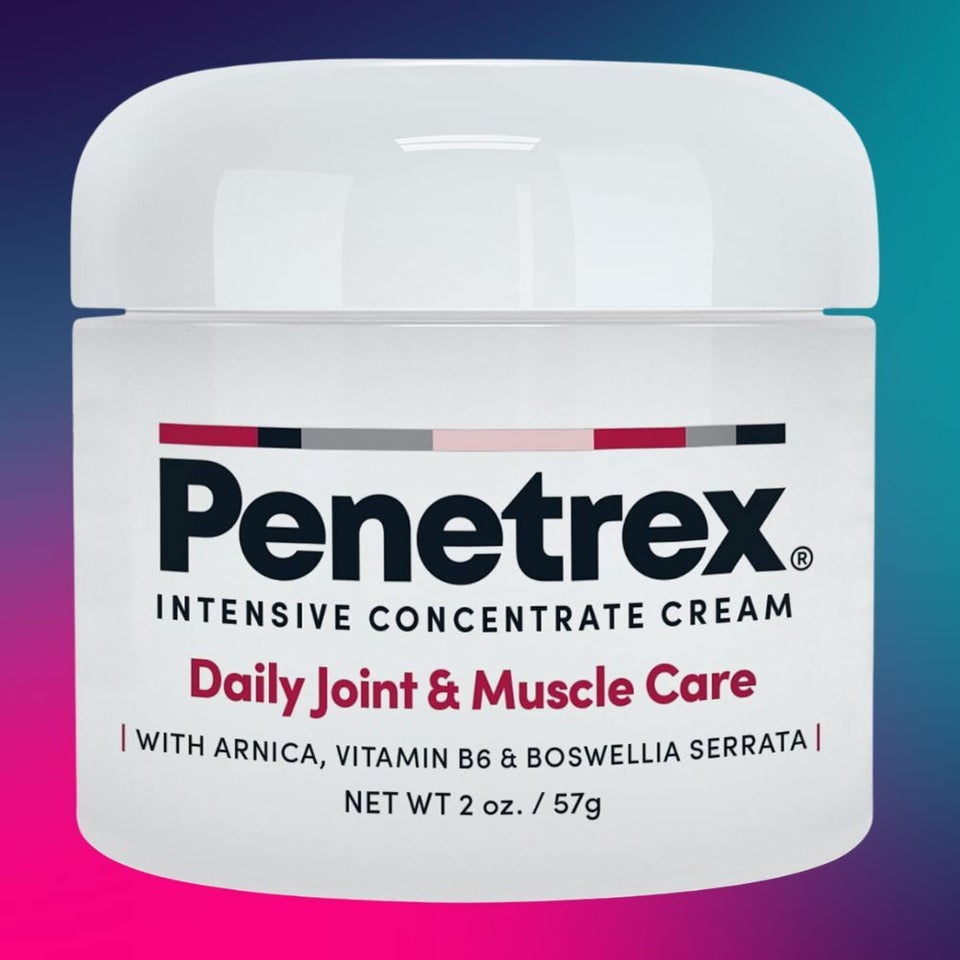
A penetrative concentrate cream

The Penetrex recovery cream is possibly one of the most impressively reviewed pain-relief topicals on Amazon that features a concentrated blend of natural ingredients. It’s a non-greasy and sensitive skin-friendly formula containing arnica and vitamin B6 to soothe sore and achy muscles without the burning or freezing sensation of other numbing creams.

Promising review: “Penetrex works for me. I have tried many different pain relieving creams and really believed a topical cream could not eliminate pain. Some products have a lot of Menthol that distracts from the pain for a while. I broke my wrist in 2015 and have 10 metal pins in my wrist. My hand, as well as my wrist, are frequently painful. I think some arthritis is developing. I am so thankful to have found Penetrex. When my hand or wrist starts hurting, I rub in a small amount of Penetrex and the pain goes away. I have not timed how long it takes. I just know if I want the pain to stop, I use Penetrex and not long after, I realize the pain is gone. I keep a jar at home and at work. I will not be without it, so I hope the company stays around for a very long time. Penetrex is not sticky or greasy, it rubs in completely like a hand cream or lotion. It has a mild fragrance, not a strong odor like some sports creams. I was introduced to electrode therapy and ultrasound during my physical therapy sessions for my wrist. I purchased both for home use. Penetrex works better than either of those therapies. I recommend you try it. It may not work the same for everyone and every type of pain, but it is worth a try.” — Rita Berry

Amazon

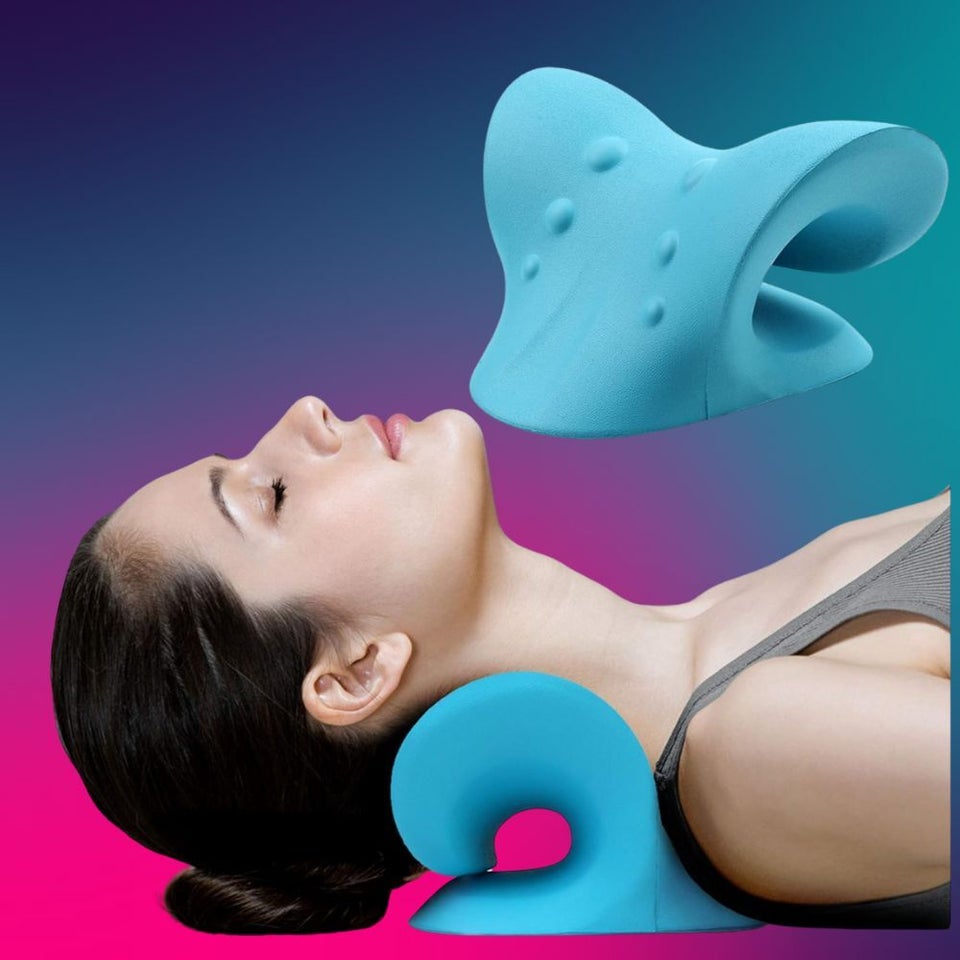
A cervical traction pillow for the neck and shoulders

According to one reviewer, this odd-shaped pillow made their shoulder pain “disappear completely” using a stretching technique called cervical traction, which involves gently creating space between the bones of the neck. The pillow is made from a dense foam and strategically follows the natural curvature of the spine to ease pain in as little as 10 minutes a day.

Promising review: “So here’s a backstory, I have a pinched nerve and I am an artist who uses their hands A LOT. It causes me a lot of pain in my right hand, which causes my arm to go numb at night and aches all through the night. It stems from my shoulder and for the last several days I’ve been in a ton of pain, unable to sleep. I bought this on a whim with the hope for some relief in my neck and shoulder. As soon as it arrived I opened it and used it for less than a minute. That 45 seconds I was on it made my shoulder pain disappear completely. I was shocked.. but so happy to finally have this relief. Let me be clear, my back and shoulder is messed up from several things.. and it hurt because of the tension I’ve kept when I used this product. But it was the kind of pain you would get from a deep tissue massage or something like that. I’ve continued use through the day, using around 1-2 minutes total. No pain, no aches, my neck feels less tense and my shoulder pain is completely gone. I will continue using it daily! Highly recommended” — Z

Amazon

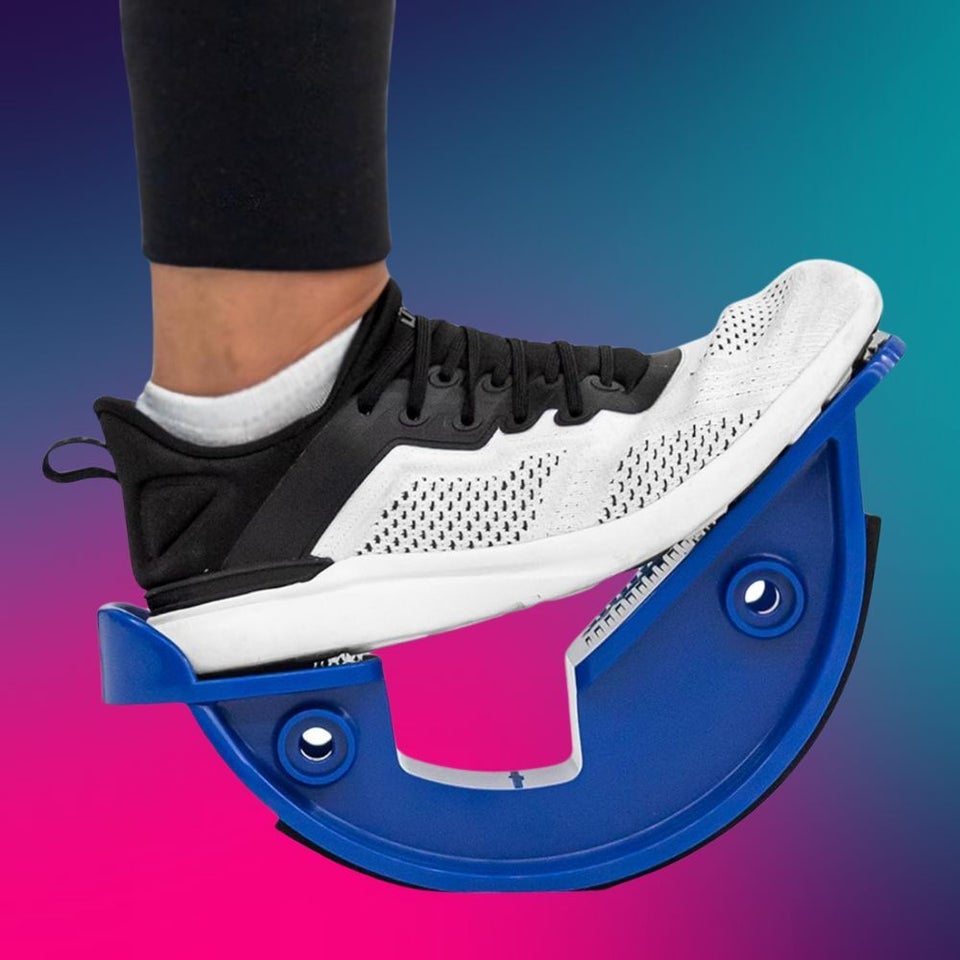
A podiatrist-approved foot stretcher for plantar fasciitis

Podiatrist Louis J. DeCaro previously told HuffPost that when it comes to managing plantar fasciitis pain, “the best a [person] can really do is stretch the posterior column which runs from the hamstring down to the calf, to the Achilles and through the bottom of the foot to connect to the plantar fascia.”

DeCaro teaches his patients heel inversion stretches, which he said should be done “prior to all activities that involve running or long walks and should be done with the foot as neutral as possible.”

Although you don’t need a device for the heel inversion or posterior column stretches that DeCaro refers to, many Amazon reviewers claim that this rocking foot stretcher has made “a world of difference” in treating their plantar fasciitis pain. The rocker design holds the foot in the optimal position for an accurate and efficient stretch and has slip-resistant pads to keep the stretcher in place while in use.

Promising review: “I recently developed plantar fasciitis and it was causing me all kinds of pain in my knee, heel and ankle. Using this device before and after my runs made a world of difference. [The] pain is subsiding and I’m able to continue training. Such a great device for a hard-to-stretch area – highly recommend.” — Bels

The Real Deal: We use deal trackers and commerce experience to sift through “fake” hike-and-drop deals and other deceptive sales tactics. Products will usually be rated at least 4 stars with a minimum 15% discount. (And when there’s an exception, we’ll tell you why.)

Share Button

Nordstrom’s Big Beauty Sale Is Here — And These Luxury Products Are Majorly Discounted

It’s time to seize the moment! Nordstrom’s Anniversary Sale is officially here, and the beauty deals are sweet enough to make any shopper blush☺️. While the retailer is known for its premium beauty offerings, this event is the perfect opportunity to stock up on favorites without taking a major hit to your wallet. From gift sets featuring beloved anti-aging night creams to hairsprays that add volume to fine, thinning hair, there’s no shortage of worthwhile finds. Whether you’re treating yourself or snagging something for someone else, now’s the time to snag these beauty must-haves before the sale comes to an end.

The Real Deal: We use deal trackers and commerce experience to sift through “fake” hike-and-drop deals and other deceptive sales tactics. Products will usually be rated at least 4 stars with a minimum 15% discount. (And when there’s an exception, we’ll tell you why.)

Share Button

First person gets new experimental vaccine for Ebola

Ed Hunt, 37 and from the UK, voluteered after seeing news reports of the deadly Ebola outbreak in DR Congo.

Share Button

Scientists discover a compound that could supercharge aging muscle repair

Skeletal muscle often begins to deteriorate relatively early in the aging process. Over time, this can cause loss of strength, increased scarring, fat buildup within muscle tissue, and a decline in fast twitch fibers, which support rapid and powerful movements.

Researchers led by Professor Ryuichi Tatsumi of Kyushu University’s Faculty of Agriculture have identified a molecule that could protect and enhance an important signal involved in muscle repair. The results were published on July 24, 2026, in Scientific Reports.

How the Body Activates Muscle Repair

The research focuses on hepatocyte growth factor, or HGF, a protein that helps initiate the repair of skeletal muscle. Under normal conditions, HGF remains inactive within the structural network surrounding muscle fibers.

When muscle tissue is injured or exposed to mechanical stimulation, HGF is released. It then attaches to c met receptors on satellite cells, the stem cells responsible for maintaining and repairing skeletal muscle. This signal brings the cells out of their inactive state, allowing them to multiply, mature, and help rebuild damaged muscle fibers.

Aging can disrupt this repair system. Previous research from the team found that HGF can undergo a chemical modification known as nitration. During this process, a nitro group is added to two locations on the protein, Y198 and Y250. These sites are located in the same region HGF uses to connect with c met.

After nitration occurs, HGF can no longer attach effectively to the receptor. The researchers compare the damaged protein to a rusted key that no longer fits its lock. This loss of function may be one of the underlying causes of muscle wasting and reduced regeneration in older adults.

“HGF is not necessarily missing as we age,” explains Tatsumi. “Rather, it can be chemically altered after it is made. That led us to wonder whether a compound with strong antioxidant capacity might protect HGF, either by preventing nitration or by compensating for the functional loss it causes.”

Testing Sulfur Based Antioxidants

The scientists investigated two compounds with strong antioxidant properties: glutathione trisulfide (GSSSG) and lipoic acid trisulfide (LASSS). Both are trisulfides, a class of molecules containing three sulfur atoms connected in sequence.

These compounds have attracted growing interest in pharmaceutical research because of their distinctive sulfur chemistry and their ability to participate in redox reactions.

Early experiments showed that both GSSSG and LASSS reduced nitration at the Y198 and Y250 sites on HGF. However, neither compound fully restored the protein’s ability to bind to its receptor.

The researchers then increased the molar ratio of HGF to trisulfide, moving from 1:4000 to 1:8000.

LASSS Creates a Stronger HGF Signal

The higher concentration produced an unexpected result. When HGF was mixed with LASSS, its ability to bind to c met rose to more than twice that of untreated HGF. The protein also became more resistant to the loss of function caused by nitration, particularly at Y198.

This improvement was seen only with LASSS. GSSSG did not produce the same effect.

“This exceeded our expectations,” comments Tatsumi. “We knew trisulfides had diverse biological functions, but we never expected that simply mixing HGF with LASSS would produce such a striking effect.

“What this tells us is that LASSS does more than simply neutralize reactive molecules. It may interact directly with HGF and induce a subtle structural change, creating an enhanced ‘Super HGF’ form that binds c-met more strongly and resists nitration.”

The findings suggest that LASSS may directly alter the structure of HGF in a beneficial way. Rather than acting only as an antioxidant, the compound may create a more active form of the protein that connects more strongly with its receptor while resisting chemical damage.

Promising Results in a Mouse Model

To determine whether the protective effect could also occur in living tissue, the team tested LASSS in mice with muscle atrophy caused by tail suspension.

Mice treated with LASSS before the procedure had significantly lower levels of nitration than untreated mice. Once again, GSSSG did not provide measurable protection. These results indicate that the beneficial effects of LASSS are not limited to laboratory experiments involving isolated proteins.

However, additional studies involving aging animals will be required to determine whether LASSS is safe and effective in vivo.

A Possible Strategy for Preserving Muscle

The discovery could support the development of new approaches for maintaining muscle repair during aging, extended bed rest, and other conditions that involve long periods of inactivity.

The researchers believe the effects of LASSS on HGF may apply across multiple species, including humans and companion animals such as cats and dogs. In the future, the approach could potentially help people maintain strength, independence, quality of life, and a longer healthy lifespan as they grow older.

Share Button

A new antiviral could stop measles before an outbreak takes off

Researchers at Georgia State University have developed an experimental oral antiviral that prevented a measles-like virus from spreading between ferrets through both close contact and the air. The treatment also reduced symptoms when it was given either shortly before or shortly after exposure.

The findings, published in Nature Microbiology, come from scientists at the Center for Translational Antiviral Research (CTAR). Their work focused on canine distemper virus, which produces a disease in ferrets that closely resembles measles.

Antiviral Blocks Two Routes of Transmission

The researchers tested a recently developed drug candidate called GHP-88310 (described in Science Advances). The medication is a broad-spectrum inhibitor of the viral polymerase, an enzyme the virus needs in order to reproduce.

The team examined whether prophylactic (shortly before or after exposure) use of the drug could prevent transmission through direct contact or shared air. GHP-88310 successfully blocked both forms of spread. When the drug was used to treat animals that were already infected, it also reduced the length of time they remained capable of transmitting the virus.

“Silencing measles outbreaks quickly is essential to reestablish control over the virus,” said senior author Richard Plemper, a Regents’ Professor and director of the CTAR. “This study follows our recent development of the drug candidate GHP-88310. It demonstrates that the drug is suitable to augment traditional ring vaccination against measles.”

Measles Outbreaks Return Across North America

Measles has reemerged in the United States since 2025, causing thousands of infections across several states, hundreds of hospitalizations and three confirmed deaths. Canada and Mexico have also experienced major outbreaks involving multiple deaths, raising concerns about whether North America can maintain its measles elimination status.

“We were very excited to see that GHP-88310 given by mouth completely prevented airborne transmission in our ferret model of measles,” said first author Carolin Lieber, a senior postdoctoral fellow in the Plemper lab. “This finding is unprecedented for a viral polymerase inhibitor and demonstrates the extraordinary antiviral potency of this drug.”

Tests Mimicked Homes and Classrooms

To model realistic transmission conditions, the researchers created a controlled system in which infected and uninfected animals either came into direct physical contact or shared the same airspace without touching.

“We designed the study to recapitulate viral spread between people with direct contact, for instance in a household, and between more distant social contacts, for example in classrooms or other indoor settings that bring people into proximity without direct interaction,” said Plemper. “In addition to this prophylactic benefit, GHP-88310 used therapeutically shortened the duration of disease in our model. If equally applicable to human hosts, it may shorten the severe social and economic burden of prolonged quarantine of patients and further aid outbreak management.”

Drug Candidate Moves Toward Clinical Testing

The researchers are now preparing GHP-88310 for formal clinical trials.

Other contributors to the study included Josef Wolf, Claire Ruckel and Lauren Harrison of the Center for Translational Antiviral Research in the Institute for Biomedical Sciences at Georgia State.

The research was supported by the National Institute of Allergy and Infectious Diseases (NIAID) of the National Institutes of Health (NIH).

Share Button

APOE2 may protect the brain from Alzheimer’s and aging

People who carry the APOE2 form of the apolipoprotein E gene tend to live longer and have a lower risk of Alzheimer’s disease. Scientists have known about that advantage for years, but the biological reason behind it has remained unclear.

A new study from the Buck Institute for Research on Aging, published in Aging Cell, suggests that APOE2 helps neurons protect their DNA and avoid senescence. Senescence is a damaged, poorly functioning cellular state that becomes more common with age and is believed to contribute to neurodegeneration.

The results point to a role for APOE that goes beyond its familiar involvement in cholesterol transport. They suggest that different versions of the gene may also influence how well brain cells preserve and repair their genetic material over time.

“We’ve known for years that APOE2 carriers tend to live longer and have a lower risk of Alzheimer’s, but the protective mechanism has been a black box,” says senior author Lisa M. Ellerby, PhD, professor at the Buck Institute. “Our work shows that APOE2 neurons are better at preventing and repairing DNA damage, and they resist the cellular aging program that drives so much of late-life decline. Our findings point to entirely new therapeutic directions.”

Comparing the Three APOE Variants

APOE exists in three common forms, APOE2, APOE3, and APOE4. These versions differ by only two amino acids, yet they are associated with very different effects on brain aging.

APOE4 is the strongest known genetic risk factor for late-onset Alzheimer’s disease (typically after age 65). APOE2, by contrast, has repeatedly been linked in population studies to longer life and a reduced risk of dementia.

To study how the APOE variants influence neuronal aging, the researchers used human induced pluripotent stem cells (iPSCs) that had been genetically engineered so that they differed only at the APOE locus.

The team turned these cells into two types of neurons. One group consisted of inhibitory GABAergic neurons, while the other consisted of excitatory glutamatergic neurons. The researchers then compared how APOE2, APOE3, and APOE4 affected each cell type.

They also studied hippocampal tissue from older mice engineered to carry the human APOE2, APOE3, or APOE4 gene.

APOE2 Neurons Show Less DNA Damage

The researchers found that APOE2 neurons accumulated less damage to their DNA.

Bulk and single-cell RNA sequencing showed that APOE2 GABAergic neurons strongly activated pathways involved in DNA repair and damage response. APOE4 neurons, meanwhile, displayed patterns of gene activity associated with Alzheimer’s disease.

Direct measurements of DNA strand breaks supported those findings. APOE2 neurons had significantly less DNA damage than neurons carrying the other gene variants.

Brain Cells Resist Cellular Senescence

APOE2 neurons also appeared to be more resistant to senescence.

The team exposed excitatory neurons to radiation or the chemotherapy drug doxorubicin, both of which can damage DNA and place cells under severe stress. APOE2 neurons showed lower levels of senescence markers (including p16 and CRYAB) than APOE3 and APOE4 neurons.

They also had smaller nucleoli and better-preserved nuclear architecture, both signs that the cells were maintaining a healthier internal structure.

APOE2 Protein May Transfer Some Protection

The researchers also tested whether APOE2’s protective effect could benefit neurons that carried APOE4.

When they added recombinant APOE2 protein to APOE4 neurons, the cells showed reduced DNA damage signaling after radiation exposure. The result offers an early indication that at least part of APOE2’s protective effect may be transferable rather than being limited to people born with the gene variant.

Similar Signs Appear in Mouse Brains

The mouse experiments produced a similar pattern.

Older APOE2 knock-in mice had smaller nucleoli, higher levels of the nuclear scaffolding protein Lamin A/C, and better-preserved heterochromatin in the hippocampus than mice carrying APOE3 or APOE4.

These characteristics are associated with healthier aging in brain cells and added further support to the findings from the human neuron experiments.

A New View of APOE and Brain Aging

DNA damage and cellular senescence are increasingly recognized as major contributors to aging and age-related diseases, including Alzheimer’s disease.

“Until now, the APOE field has focused largely on lipid handling and amyloid-beta biology,” says Ellerby. “By showing that APOE alleles also tune how neurons defend their genome, this study connects a major longevity gene to two of the most actively studied hallmarks of aging.”

According to Ellerby, the findings raise the possibility that treatments designed to improve DNA repair or remove senescent cells from the brain could reproduce some of APOE2’s natural benefits. Such strategies might eventually help people who carry the higher-risk APOE4 variant.

“What surprised us was how consistent the picture was across two very different neuron types and across human cells and mouse brain tissue,” said co-first author Cristian Gerónimo-Olvera, PhD, a postdoctoral fellow at the Buck Institute. “APOE2 neurons aren’t just less damaged at baseline, they recover faster when stressed.”

Future Treatments Inspired by APOE2

The researchers say they still do not know exactly how APOE2 stabilizes the nuclear envelope and strengthens DNA repair.

Future work will investigate whether APOE2-mimetic compounds or targeted DNA repair treatments can provide similar protection in people with APOE4, the group with the highest genetic risk for Alzheimer’s disease.

Other collaborators include: Stephen M. Scheeler, Carlos Galicia Aguirre, Genesis Vega-Hormazabal, Daniela Garcia, Long Wu, Natalia Murad, Kevin Schneide, Kenneth A. Wilson, Nikola T. Markov, | Jesse Simons, Akos A. Gerencser, Emily Parlan, Eric Verdin, Judith Campisi, Tara E. Tracy, David Furman, Simon Melov, Buck Institute; Sicheng Song and Sean D. Mooney, Department of Biomedical Informatics and Medical Education, University of Washington, Seattle, Washington

This work was supported by the National Institute on Aging (R01AG061879, P01AG066591, T32 AG000266), the Paul F. Glenn Center for Biology of Aging, the Hevolution Foundation (HF-PART-23-1422047), and a CatalystX award from Alex and Bob Griswold and the Valley Foundation Fellowship.

Share Button

Female veterans support group makes national impact

Chelley Tulloch, a former RAF medic, is one of 48 female veterans to benefit from the groups’ help.

Share Button

‘Evidence lacking’ for mental health monitoring tech

The Lampard Inquiry hears from experts about Oxevision technology.

Share Button

Heatwave anxiety can make you feel ‘incredibly helpless’ – here’s how to manage it

Extreme heat can take a toll on mental health – and young people and women are among the groups most at risk, according to one study.

Share Button