With the largest measure off the menu, 7.6% less volume of wine was sold daily, researchers found.


With the largest measure off the menu, 7.6% less volume of wine was sold daily, researchers found.
The mother of an 11-year-old Aberdeenshire girl claims failings were made by NHS Grampian.

Ever wonder what kind of TV shows your dog might choose if they could work the remote control? New research from the University of Wisconsin-Madison’s School of Veterinary Medicine provides some answers, but the study was more interested in solving a longstanding problem in veterinary medicine than turning canine companions into couch potatoes.
According to Freya Mowat, veterinary ophthalmologist and professor in the School of Veterinary Medicine’s department of surgical sciences, researchers wanted to determine factors, including age and vision, that influence a dog’s interest in interacting with video content. Ultimately, the goal of the study, which launched two years ago, was to support development of more sensitive ways to assess canine vision — something that has been sorely lacking in veterinary medicine.
“The method we currently use to assess vision in dogs is a very low bar. In humans, it would be equivalent to saying yes or no if a person was blind,” says Mowat. “We need more sensitive ways to assess vision in dogs, using a dog eye chart equivalent. We speculate that videos have the potential for sustaining a dog’s attention long enough to assess visual function, but we didn’t know what type of content is most engaging and appealing to dogs.”
Published recently in the journal Applied Animal Behaviour Science, the study found that dogs are most engaged when watching videos that feature other animals. Content featuring other dogs was the most popular. But if a National Geographic documentary about canine evolution seems too highbrow for your four-legged friend, Scooby Doo might be a perfectly acceptable option as well.
To better understand the type of content dogs might be most attracted to on screen, Mowat created a web-based questionnaire for dog owners around the globe to report the TV-watching habits of their canine companions.
Participants responded to questions about the types of screens in their homes, how their dogs interacted with screens, the kinds of content their dogs interacted with the most, as well as information about their dog’s age, sex, breed and where they live. They also provided descriptions of their dogs’ behavior when watching videos. Most commonly, dog owners described their pets’ behavior as active — including running, jumping, tracking action on screen and vocalizing — compared with passive behaviors like lying down or sitting. Dog owners also had the option to show their dog(s) four short videos featuring subjects of possible interest, including a panther, a dog, a bird and traffic moving along a road. They were then asked to rate their dog’s interest in each video and how closely the dog tracked the moving objects on the screen.
Mowat received 1,600 responses from dog owners across the world, including from the United States, Canada, the United Kingdom, the European Union and Australasia. Of those respondents, 1,246 ultimately completed the study. The following are some of the most interesting highlights:
Mowat says she plans to build on the results of this study. Future research will focus on the development and optimization of video-based methods that can assess changes in visual attention as dogs age as well as answer questions that could help our four-legged friends age as gracefully as possible.
“We know that poor vision negatively impacts quality of life in older people, but the effect of aging and vision changes in dogs is largely unknown because we can’t accurately assess it,” she says. “Like people, dogs are living longer, and we want to make sure we support a healthier life for them as well.”
Another goal for Mowat is to compare how a dogs’ vision ages compared with the human or humans they share a home with.
“Dogs have a much shorter lifespan than their owner, of course, and if there are emerging environmental or lifestyle factors that influence visual aging, it might well show up in our dogs decades before it shows up in us,” she explains. “Our dogs could be our sentinels — the canine in the proverbial coal mine.”

Most people infected with the SARS-CoV-2 virus recover after the acute illness. However, a significant proportion of infected individuals develop long-lasting symptoms with a wide range of manifestations. The causes and disease mechanisms of Long Covid are still unknown, and there are no diagnostic tests or targeted treatments.
Part of the immune system active for too long
A team of researchers led by Onur Boyman, professor of immunology at the University of Zurich (UZH) and Director of the Department of Immunology at the University Hospital Zurich (USZ), has shown in a study that the complement system plays an important role in Long Covid. It is part of the innate immune system and normally helps to fight infections and eliminate damaged and infected body cells. “In patients with Long Covid, the complement system no longer returns to its basal state, but remains activated and, thus, also damages healthy body cells,” says Boyman.
Continued activation of complement system damages tissue and blood cells
The researchers followed 113 COVID-19 patients for up to one year after their acute SARS-CoV-2 infection and compared them with 39 healthy controls. After six months, 40 patients had active Long Covid disease. More than 6,500 proteins in the blood of the study participants were analyzed both during the acute infection and six months later. “The analyses of which proteins were altered in Long Covid confirmed the excessive activity of the complement system. Patients with active Long Covid disease also had elevated blood levels indicating damage to various body cells, including red blood cells, platelets and blood vessels,” explains Carlo Cervia-Hasler, a postdoctoral researcher in Boyman’s team and first author of the study.
Bioinformatics recognizes protein patterns
The measurable changes in blood proteins in active Long Covid indicate an interaction between proteins of the complement system, which are involved in blood clotting and the repair of tissue damage and inflammation. In contrast, the blood levels of Long Covid patients who recovered from the disease returned to normal within six months. Active Long Covid is therefore characterized by the protein pattern in the blood. The blood markers were discovered using bioinformatics methods in collaboration with Karsten Borgwardt during his time as a professor at ETH Zurich.
Improved diagnostics and new therapeutic approaches
“Our work not only lays the foundation for better diagnosis, but also supports clinical research into substances that could be used to regulate the complement system. This opens up new avenues for the development of more targeted therapies for patients with Long Covid,” summarizes Onur Boyman.

The quantum ground state of an acoustic wave of a certain frequency can be reached by completely cooling the system. In this way, the number of quantum particles, the so-called acoustic phonons, which cause disturbance to quantum measurements, can be reduced to almost zero and the gap between classical and quantum mechanics bridged.
Over the past decade, major technological advances have been made, making it possible to put a wide variety of systems into this state. Mechanical vibrations oscillating between two mirrors in a resonator can be cooled to very low temperatures as far as the quantum ground state. This has not yet been possible for optical fibers in which high-frequency sound waves can propagate. Now researchers from the Stiller Research Group have taken a step closer to this goal.
In their study, recently published in Physical Review Letters, they report that they were able to lower the temperature of a sound wave in an optical fiber initially at room temperature by 219 K using laser cooling, ten times further than had previously been reported. Ultimately, the initial phonon number was reduced by 75%, at a temperature of 74 K, -194 Celsius. Such a drastic reduction in temperature was made possible by the use of laser light. Cooling of the propagating sound waves was achieved via the nonlinear optical effect of stimulated Brillouin scattering, in which light waves are efficiently coupled to sound waves. Through this effect, the laser light cools the acoustic vibrations and creates an environment with less thermal noise which is, to an extent, “disturbing” noise for a quantum communication system, for example. “An interesting advantage of glass fibers, in addition to this strong interaction, is the fact that they can conduct light and sound excellently over long distances,” says Laura Blázquez Martínez, one of the lead authors of the article and a doctoral student in the Stiller research group.
Most physical platforms previously brought to the quantum ground state were microscopic. However, in this experiment, the length of the optical fiber was 50 cm and a sound wave extending over the full 50 cm of the core of the fiber was cooled to extremely low temperatures. “These results are a very exciting step towards the quantum ground state in waveguides and the manipulation of such long acoustic phonons opens up possibilities for broadband applications in quantum technology,” according to Dr. Birgit Stiller, head of the quantum optoacoustics group.
Sound, in the day-to-day classical world, can be understood as a density wave in a medium. However, from the perspective of quantum mechanics, sound can also be described as a particle: the phonon. This particle, the sound quantum, represents the smallest amount of energy which occurs as an acoustic wave at a certain frequency. In order to see and study single quanta of sound, the number of phonons must be minimized. The transition from the classical to quantum behavior of sound is often more easily observed in the quantum ground state, where the number of phonons is close to zero on average, such that the vibrations are almost frozen and quantum effects can be measured. Stiller: “This opens the door to a new landscape of experiments that allow us to gain deeper insights into the fundamental nature of matter.” The advantage of using a waveguide system is that light and sound are not bound between two mirrors, but propagating along the waveguide. The acoustic waves exist as a continuum — not only for certain frequencies — and can have a broad bandwidth, making them promising for applications such as high-speed communication systems.
“We are very enthusiastic about the new insights that pushing these fibers into the quantum ground state will bring,” emphasizes the research group leader. “Not only from the fundamental research point of view, allowing us to peek into the quantum nature of extended objects, but also because of the applications this could have in quantum communications schemes and future quantum technologies.”

MIT researchers have developed a battery-free, self-powered sensor that can harvest energy from its environment.
Because it requires no battery that must be recharged or replaced, and because it requires no special wiring, such a sensor could be embedded in a hard-to-reach place, like inside the inner workings of a ship’s engine. There, it could automatically gather data on the machine’s power consumption and operations for long periods of time.
The researchers built a temperature-sensing device that harvests energy from the magnetic field generated in the open air around a wire. One could simply clip the sensor around a wire that carries electricity — perhaps the wire that powers a motor — and it will automatically harvest and store energy which it uses to monitor the motor’s temperature.
“This is ambient power — energy that I don’t have to make a specific, soldered connection to get. And that makes this sensor very easy to install,” says Steve Leeb, the Emanuel E. Landsman Professor of Electrical Engineering and Computer Science (EECS) and professor of mechanical engineering, a member of the Research Laboratory of Electronics, and senior author of a paper on the energy-harvesting sensor.
In the paper, which appeared as the featured article in the January issue of the IEEE Sensors Journal, the researchers offer a design guide for an energy-harvesting sensor that lets an engineer balance the available energy in the environment with their sensing needs.
The paper lays out a roadmap for the key components of a device that can sense and control the flow of energy continually during operation.
The versatile design framework is not limited to sensors that harvest magnetic field energy, and can be applied to those that use other power sources, like vibrations or sunlight. It could be used to build networks of sensors for factories, warehouses, and commercial spaces that cost less to install and maintain.
“We have provided an example of a battery-less sensor that does something useful, and shown that it is a practically realizable solution. Now others will hopefully use our framework to get the ball rolling to design their own sensors,” says lead author Daniel Monagle, an EECS graduate student.
Monagle and Leeb are joined on the paper by EECS graduate student Eric Ponce.
A how-to guide
The researchers had to meet three key challenges to develop an effective, battery-free, energy-harvesting sensor.
First, the system must be able to cold start, meaning it can fire up its electronics with no initial voltage. They accomplished this with a network of integrated circuits and transistors that allow the system to store energy until it reaches a certain threshold. The system will only turn on once it has stored enough power to fully operate.
Second, the system must store and convert the energy it harvests efficiently, and without a battery. While the researchers could have included a battery, that would add extra complexities to the system and could pose a fire risk.
“You might not even have the luxury of sending out a technician to replace a battery. Instead, our system is maintenance-free. It harvests energy and operates itself,” Monagle adds.
To avoid using a battery, they incorporate internal energy storage that can include a series of capacitors. Simpler than a battery, a capacitor stores energy in the electrical field between conductive plates. Capacitors can be made from a variety of materials, and their capabilities can be tuned to a range of operating conditions, safety requirements, and available space.
The team carefully designed the capacitors so they are big enough to store the energy the device needs to turn on and start harvesting power, but small enough that the charge-up phase doesn’t take too long.
In addition, since a sensor might go weeks or even months before turning on to take a measurement, they ensured the capacitors can hold enough energy even if some leaks out over time.
Finally, they developed a series of control algorithms that dynamically measure and budget the energy collected, stored, and used by the device. A microcontroller, the “brain” of the energy management interface, constantly checks how much energy is stored and infers whether to turn the sensor on or off, take a measurement, or kick the harvester into a higher gear so it can gather more energy for more complex sensing needs.
“Just like when you change gears on a bike, the energy management interface looks at how the harvester is doing, essentially seeing whether it is pedaling too hard or too soft, and then it varies the electronic load so it can maximize the amount of power it is harvesting and match the harvest to the needs of the sensor,” Monagle explains.
Self-powered sensor
Using this design framework, they built an energy management circuit for an off-the-shelf temperature sensor. The device harvests magnetic field energy and uses it to continually sample temperature data, which it sends to a smartphone interface using Bluetooth.
The researchers used super-low-power circuits to design the device, but quickly found that these circuits have tight restrictions on how much voltage they can withstand before breaking down. Harvesting too much power could cause the device to explode.
To avoid that, their energy harvester operating system in the microcontroller automatically adjusts or reduces the harvest if the amount of stored energy becomes excessive.
They also found that communication — transmitting data gathered by the temperature sensor — was by far the most power-hungry operation.
“Ensuring the sensor has enough stored energy to transmit data is a constant challenge that involves careful design,” Monagle says.
In the future, the researchers plan to explore less energy-intensive means of transmitting data, such as using optics or acoustics. They also want to more rigorously model and predict how much energy might be coming into a system, or how much energy a sensor might need to take measurements, so a device could effectively gather even more data.
“If you only make the measurements you think you need, you may miss something really valuable. With more information, you might be able to learn something you didn’t expect about a device’s operations. Our framework lets you balance those considerations,” Leeb says.
The work is supported, in part, by the Office of Naval Research and The Grainger Foundation.
The NHS website’s prostate enlargement page received more than 16,000 visits on Wednesday.
People are encouraged to have the MMR jab, as cases of measles are rising across England.
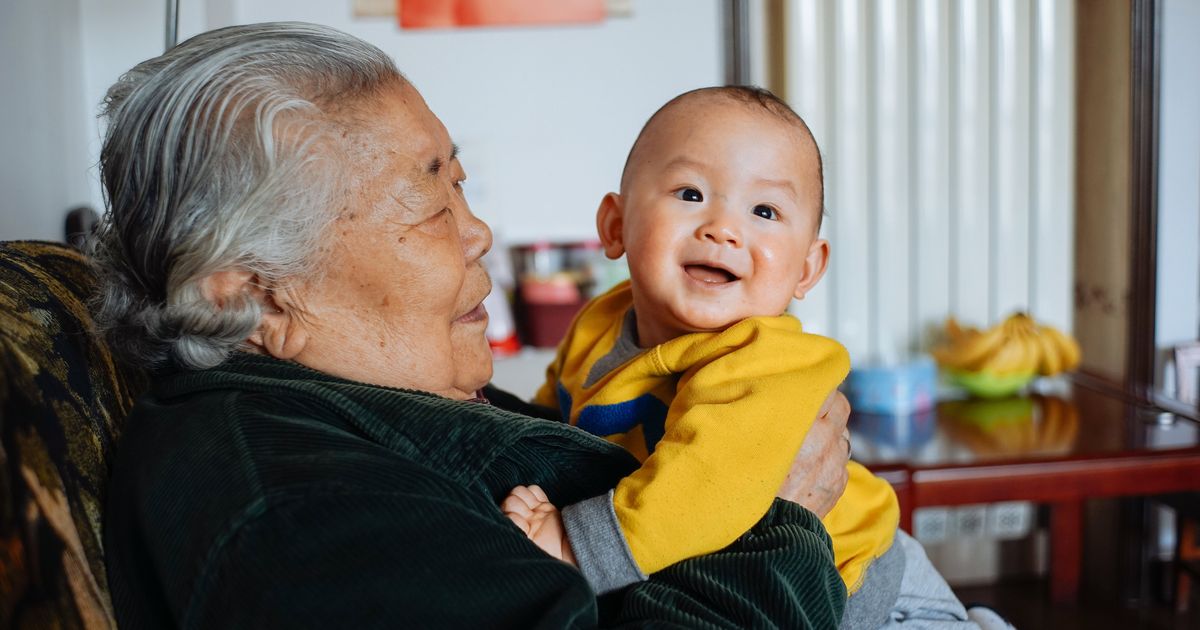
Kathy L. is a 46-year-old mother of three in North Carolina. Five years ago, she moved her family back to her hometown in order to help care for her aging parents, but for the past year and a half, the family has devoted significant time and resources to caring for her husband’s aunt, who has dementia. Her children were ages 15, 11 and 9 when the aunt came to live with them last summer.
Initially, the plan was to care for the aunt at their home for 12 weeks, at which point her long-term care insurance would kick in to cover the cost of an assisted living facility. But after 8 weeks, the family decided to pay out of pocket to move her into one.
“Our family hit a breaking point,” Kathy L. told HuffPost.
“Dementia patients can often get aggressive because they are confused/scared and don’t know what’s going on,” she explained. While her two older sons were able to handle the aunt’s outbursts, her youngest child struggled. Kathy L. said her 9-year-old daughter was “crying every day and was terrified to say or do anything that would set her off.”
Advertisement
In addition, her husband was granted power of attorney for his aunt, taking care of her finances and clearing out and selling her home.
In spite of these challenges, Kathy L. says the experience of providing this care wasn’t all negative. “I also feel very honored to be able to help,” she said. “There are a lot of layers of feelings involved.”
People like Kathy L. who find themselves in the dual — and at times competing — roles of providing child care and elder care simultaneously are sometimes referred to as the “sandwich generation.”
A research group at the Max Planck Institute for Demographic Research (MPIDR) in Rostock, Germany, headed by Diego Alburez-Gutierrez, recently published a paper entitled “Projections of Human Kinship for All Countries.” Using data from the UN World Population Prospects 2022 report (the most recent year available), researchers were able to make probabilistic predictions of what the families of the future will look like.
One important finding is that family networks — measured by the number of biological relatives a person has — are going to get smaller. (While the researchers understand that family can mean much more than the people who are biologically related to you, for the purposes of this research, they did not include other kinship relations such as spouses, in-laws, adopted children or LGBTQ family structures.)
People are going to have fewer living relatives, on average. “At every age, we see that as we move into the future, families will become smaller,” Alburez-Gutierrez told HuffPost.
For example, a 65-year-old woman in 1965 could be expected to have 41 living relatives, while a 65-year-old woman living in 2095 is projected to have only 25. The drivers of this change are delayed childbearing and declining fertility rates. Some countries have already seen their birthrates decline, while others may experience this in the years to come.
Another trend shaping demographics, the researchers found, is that families are becoming “more vertical,” Alburrez-Gutierrez said. “That means that you’re going to have fewer lateral kin — siblings, your cousins — and because people are living longer, it means that you will have more genealogical generations at the same time.”
Advertisement
In other words, you will probably have fewer siblings and cousins, but you’re more likely to get to meet your great-grandparents.
One finding that Alburez-Gutierrez found striking, he said, was that “the probability that a newborn baby will have a living grandparent, let’s say in countries of the Global North, it will be 100% in the coming years.”
Also, “in Europe, it will be increasingly common [for a baby] to have up to six living great-grandparents when they are born.”
The researchers also found increasing age gaps between generations in families, leading to people becoming grandparents (and great-grandparents) at later ages. For example, if you have a child when you’re 20 and that child has a child when they’re 20, you become a grandparent at age 40. But if you have a child at age 40, and then your child has a child at age 40, you won’t become a grandparent until you’re 80. Increasing life expectancies mean that you’re more likely to be around to see the birth of grandchildren — and great-grandchildren — but these increasing age gaps mean that you’re more likely to be frail or disabled when you do meet them.
A big advantage of increasing longevity is that we are more likely able to meet, spend time with and build relationships both with our grandparents and even great-grandparents.
Advertisement
Ellen Carbonell, a professor of social work at Rush University, explained that the roles of grandparents in the U.S. have changed over time.
“Today, grandparents’ roles are more diverse than ever before,” Carbonell told HuffPost. In addition to their “traditional roles as family historian, and provider of love, support and wisdom,” Carbonell explained, grandparents are more likely to function as childcare providers.
“No longer simply ‘babysitting’ grandchildren to give parents some free time, many grandparents are providing childcare for grandchildren on a regular basis,” Carbonell said.
Since grandparents are older, on average, when their grandchildren are born, they are also more likely to be retired.
“There can be a greater ease and enjoyment of the role without the competing tasks that come with employment. This greater flexibility can be seen in grandparents who relocate to be closer to their out-of-state children and grandchildren so they can be more involved in their day-to-day lives,” Carbonell said.
Advertisement
These advantages assume good health, which isn’t a guarantee and becomes less likely the older a grandparent gets. Older grandparents also may lack financial stability.
“Many have been unemployed or underemployed for years, or have contributed financially to the care of others, leaving them particularly strapped financially during their grandparenting years,” Carbonell said.
When a grandparent needs financial support or caregiving, the burden may fall to family members who are also caring for children, creating the “sandwich” dynamic.
These dynamics can both be at play at the same time within one family. Kathy L., for example, was able to turn to her mother for help with childcare at the same time that she was serving as a caregiver for her own father and her husband’s aunt. The layers of her situation were both emotional and logistical.
With so many generations living at the same time, there are increasing instances of what Alburez-Gutierrez called the “grand-sandwich” and Carbonell called the “club sandwich” of one generation caring for parents, children and grandchildren. Such a load can take a heavy “physical, emotional and financial toll,” Carbonell said. Increased longevity, in other words, can make for more caregivers but also more caregiving responsibilities.
Advertisement
“The increased availability in the sense of grandparents and great-grandparents in the future, which we think is going to happen, doesn’t necessarily mean that there will be more sources of informal care within families,” Alburez-Gutierrez said. “Actually it may be the other way around. We’ll place more of a burden on the current generation.”
Grand- or club-sandwich caregivers, Carbonell explained, may put their own needs last and delay preventative health care. The sandwiching also creates an unstable network that is likely to collapse if an emergency arises.
“With no built-in backup for care provision,” Carbonell continued, “we can see how the fragility of a tightly stretched care system can be pushed beyond its ability to cover care needs.”
With fewer living relatives within each generation, the caregiving duties will fall to a smaller number of people, increasing their responsibilities. It will also mean that more families look to public and private institutions to provide care for the members of their family who need it.
“One challenge will be that even in countries that have taken into account the aging of the population, and introduced measures to try to address that in terms of restructuring pension schemes or changing the retirement age, is they have still assumed that there was going to be this constant pool of informal support” to provide care, Alburez-Gutierrez said.
Advertisement
Grandparents stepping in to fill the child care gap. Kathy L. and her husband stepping in to care for his aunt. Without this unpaid labor, our society wouldn’t be able to function. If a shrinking, aging population means that we have to outsource more of this labor, and pay for it, it will require a huge financial investment.
Carbonell pointed out that caregiving, whether for children or elders, often falls to women. When they take time out of the workforce to care for family members, they lose both seniority and years of accumulated pension or social security contributions.
Paid caregivers also tend to be women, many of them immigrants, and the pay for such work is often low, leading to a high turnover rate.
As it stands, the system is fragile, and the combination of increased longevity and declining birthrates continue to add stress.
“This country has no comprehensive long-term care system, particularly for older adults. It is crucial that this issue be explored and dealt with promptly, as an increasingly aging population will be needing care for which there is currently no plan,” Carbonell said.
Advertisement
While these are serious concerns, a “sandwich” situation in which your children witness you caring for elderly family members can also be a source of meaning and insight.
“As hard as it was this past summer, I think our kids saw what it looks like to take care of family,” Kathy L. said.
“Our 15-year-old saw us cleaning up after our aunt one time … and said, ‘Wow, I can’t wait ‘til it’s my turn to do this for you guys.’ And I was struck with two competing feelings: One, I hope you never have to do this for me, and two, I’m so thankful that you automatically expect that’s what you’ll do.”

Forget new TikTok beauty trends like coffee scrubs and makeup underpainting. In our book, the best beauty hacks tend to be time-tested, passed down from one generation to the next: Your grandma’s jojoba oil cure for dry winter skin, or your favorite aunt swearing by Retin-A and ample sunscreen.
We recently turned to post-50 beauty influencers and asked them to share the beauty hacks they swear by. From tips on chemical peels, to cheap alternatives to pricey products, see what they had to say below.
“The running joke is I love Vaseline more than my husband. On my last press trip, I took a photo with my beloved Vaseline. It’s a staple I use daily. I rub Vaseline on my wrist, legs, and neck daily before applying my favorite scent because Vaseline acts like a skin primer, and the fragrance adheres to your skin, thus staying on longer. It’s a great way to extend the life of your perfume.” ― Tomiko Harvey, the 52-year-old luxury content creator at Password & Grub
Advertisement

Photo courtesy of Tomiko Harvey
“If you want to join the exclusive club of ‘aging gracefully,’ start now with becoming the person you always should’ve been: You do that through creating a life of confidence of purpose, harnessing your regrets, embracing kindness, and adding a heaping dose of Vitamin C and retinoids to your skin care regimen. I’d also recommend rapidly deploying massive quantities of sunscreen to slather all over your body. Don’t forget your neck!” ― Cynthia Gouw, a 60-year-old broadcast journalist and a beauty influencer
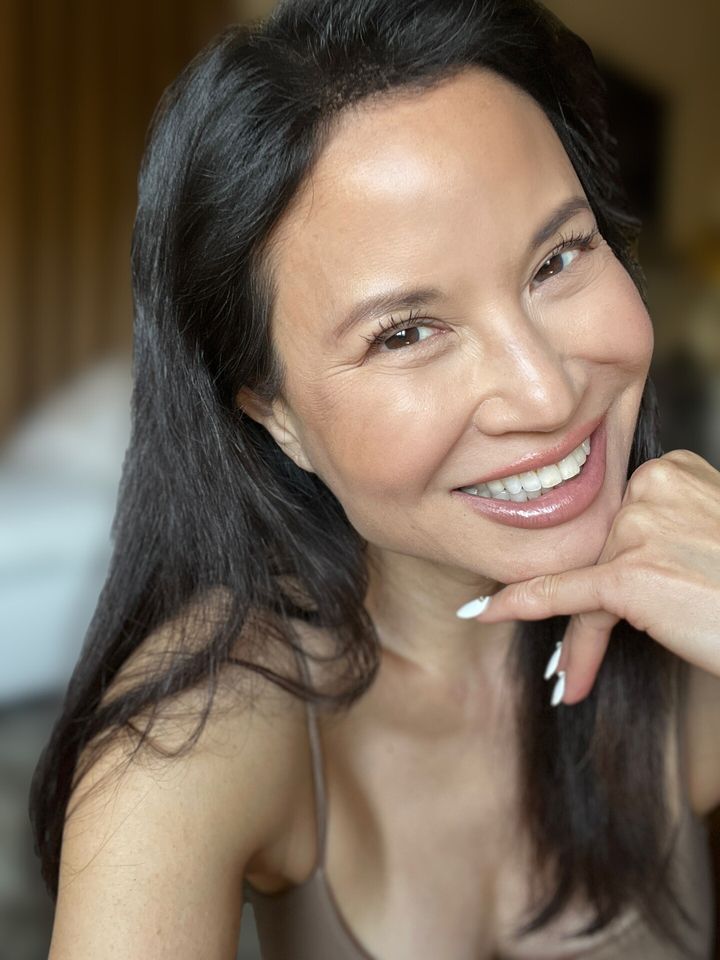
Photo courtesy of Cynthia Gouw
“Getting enough sleep is essential for maintaining and enhancing your natural beauty. Lack of sleep can lead to puffy eyes, dull skin, and overall tired-looking appearance. Prioritize getting 7-8 hours of quality sleep each night to allow your body to rejuvenate and repair itself.” ― Jo Placencio, a 54-year-old blogger at Peace Love Glam
Advertisement

Photo courtesy of Jo Placencio
“If I had to do it all over again, I would invest in my skin care routine sooner rather than later. If it comes down to choosing a beauty item, definitely run to your dermatologist and ask for a prescription Retin-A or Tretinoin. This one product is going to help with hyperpigmentation, acne, wrinkles and the overall improvement of your skin. SPF has saved me from so much heartache. As I approach 50 this year, I wish I had known about the importance of using it when I was younger but it’s never too late to start.” ― Shalonda Miles, a lifestyle content creator
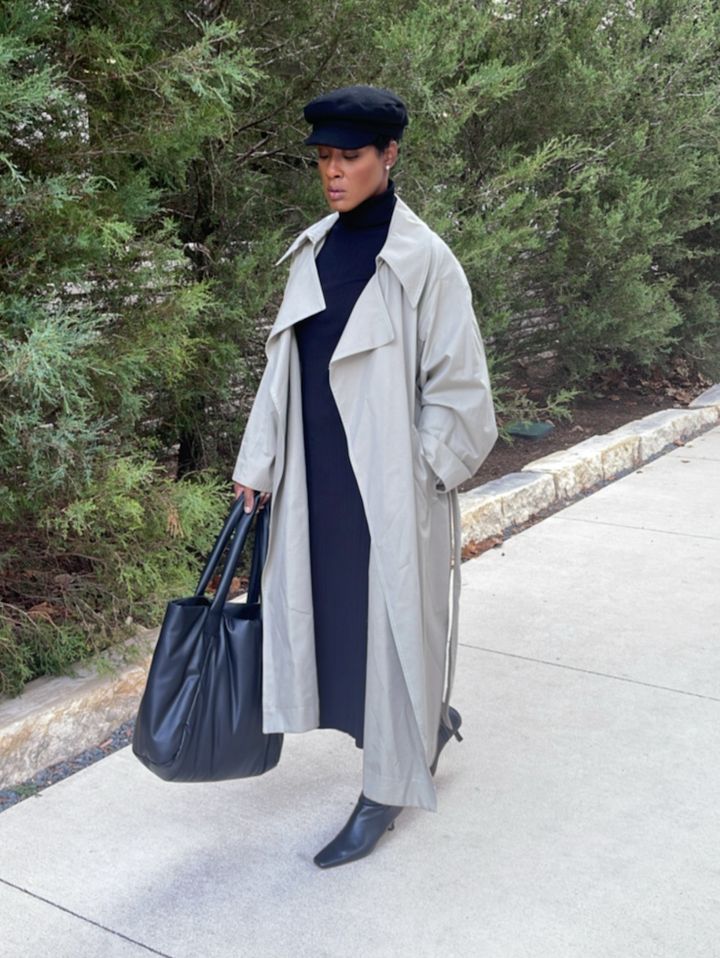
Photo courtesy of Shalonda Miles
“I come from an Italian family and olive oil is used in everything including my skin care regimen. As I’ve mentioned on TikTok, I like to use it to remove my makeup and to give my skin a natural boost of hydration and nourishment. I know what you’re thinking: Won’t it clog my pores or make my skin oiler? Nope! Its lightweight texture won’t clog pores, making it great for all skin types. It’s packed with antioxidants and vitamins E and K, which work wonders in keeping your skin soft, smooth, and radiant. Olive oil not only helps to moisturize deeply but also has anti-inflammatory properties, making it great for soothing irritated skin. Think of it as a little bottle of liquid gold that pampers your skin and leaves you with a healthy, natural glow!
To remove your makeup, grab a washcloth and a good quality organic oil. The best oils are extra virgin olive oil, coconut oil, or one of my favorites, jojoba oil. Now for the cool part: Slather on your oil of choice and massage it into your skin and over your eyes. Don’t worry, it won’t irritate your eyes or make them feel cloudy. While you’re doing that, run some super hot water over a washcloth and wring it out. Now, put it over your face, making sure it’s had a bit of time to cool down. It should create a steam-like feeling like you are at the spa having a facial…my fave! Now gently take the cloth and remove all your makeup. It’s like magic!” ― Michele Baratta-Detwiler, a 57-year-old fashion and DIY content creator
Advertisement
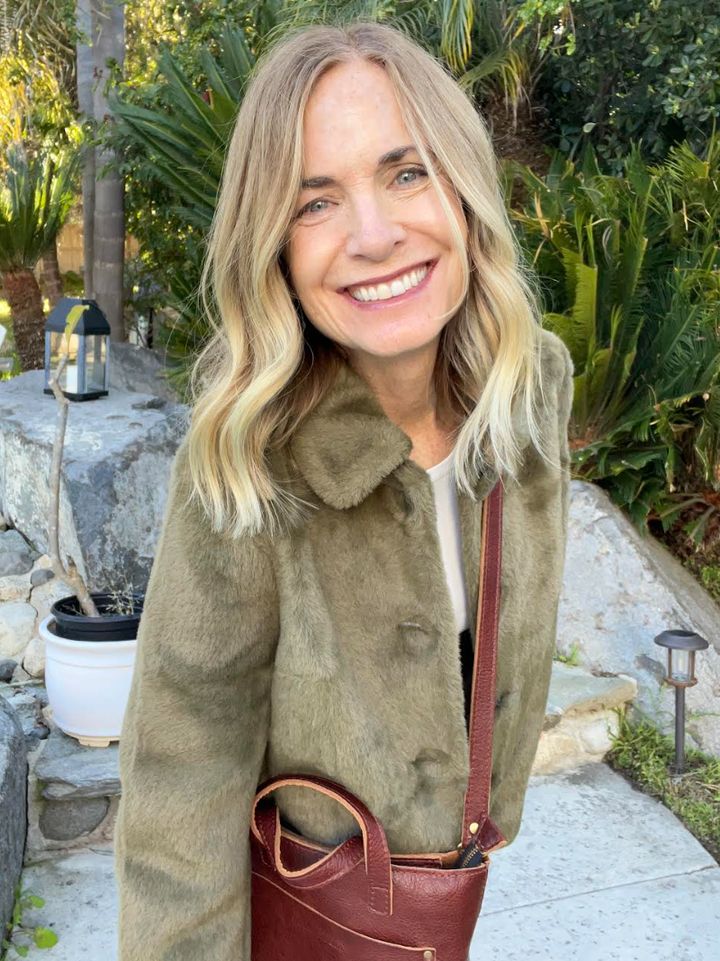
Photo courtesy of Michele Baratta
“In the early stages of my career when I worked for Bobbi Brown, I would have clients young and old sit in my chair and want a miracle cure for their skin. When I give consultations I always begin with skin care. Depending on the client, I would adjust my consultation according to their skin concerns. Then as the consultation went on I would of course end with makeup. I’d say 85% of individuals would pass on the skin care and get the makeup, which they would use as a bandaid to their skin concerns. This tore at my heartstrings. That experience kickstarted my transition into educating people on how beautiful makeup begins with beautiful skin. Skin care should always be your number one priority if you want your makeup to look good.” ―Dorciah Sloane, a 53-year-old makeup artist and style influencer

Photo courtesy of Dorciah Sloane
“My timeless beauty tip for younger generations? Focus on enhancing your features rather than masking them with heavy makeup and full face contouring, the trend the Kardashians were pretty famous for. The ‘less is more’ beauty trend is about embracing and enhancing one’s natural skin and beauty, promoting self-confidence and cultivating a style that stands the test of time.” ― Violet Trikilis, a model and style influencer
Advertisement
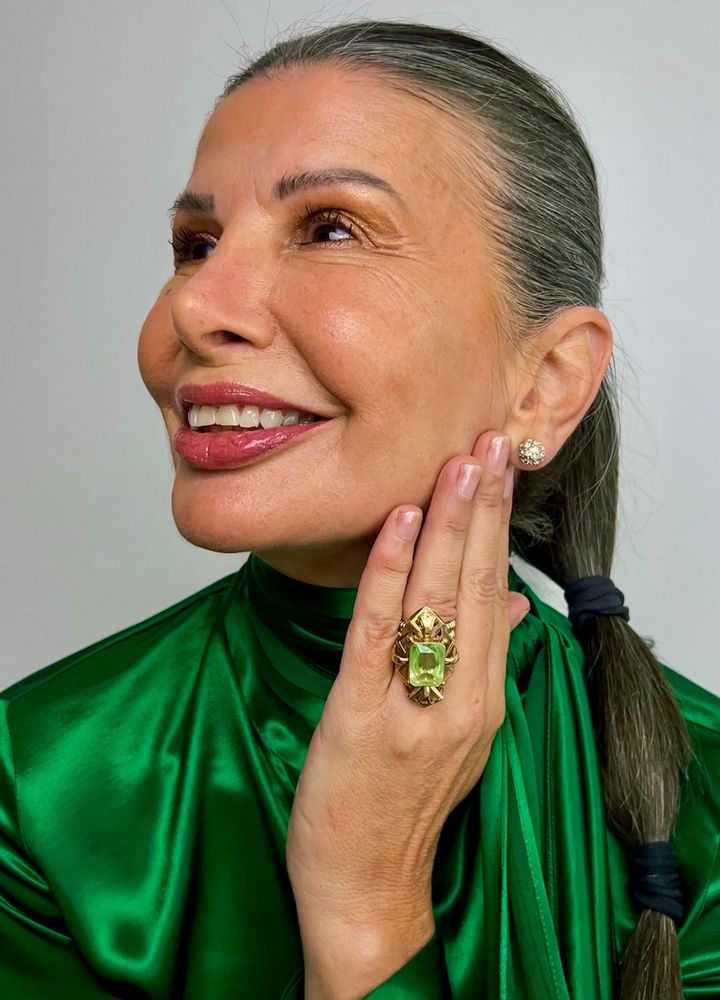
Photo courtesy of Violet Trikilis
“As a tea specialist, I’m a proponent of utilizing tea in my beauty regime, like in S’Able Lab’s Rooibos micellar water ultra-fine mist, which adds replenishment before cleansing.”― JoAni Johnson, a model, activist and tea blender

“My favorite beauty hack is chemical peels. They range from superficial peels to deep peels according to skin type and results desired. When administered by a trained professional, they can be game-changing for the skin, resulting in skin that glows. Hyperpigmentation from acne scars are lightened, and fine lines improve. One of my favorite benefits of a peel is that it results in better absorption of skin care products.” — Elaine Davis, a fashion influencer who runs the blog Square Pearls
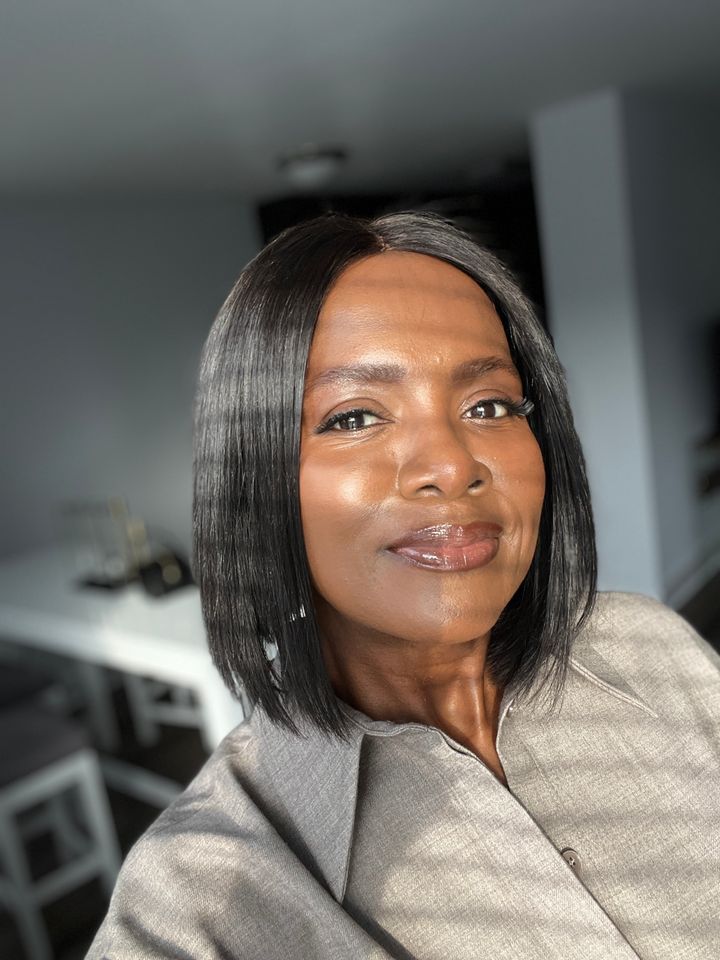
Photo courtesy of Elaine Davis
Advertisement
“Remember: Just because a beauty trend is popular doesn’t mean it’s right for you! Pick and choose but remember it’s important to update your beauty look just like your wardrobe if you want to look modern and effortless.” ― FiFi Milne, editor of The FiFi Report
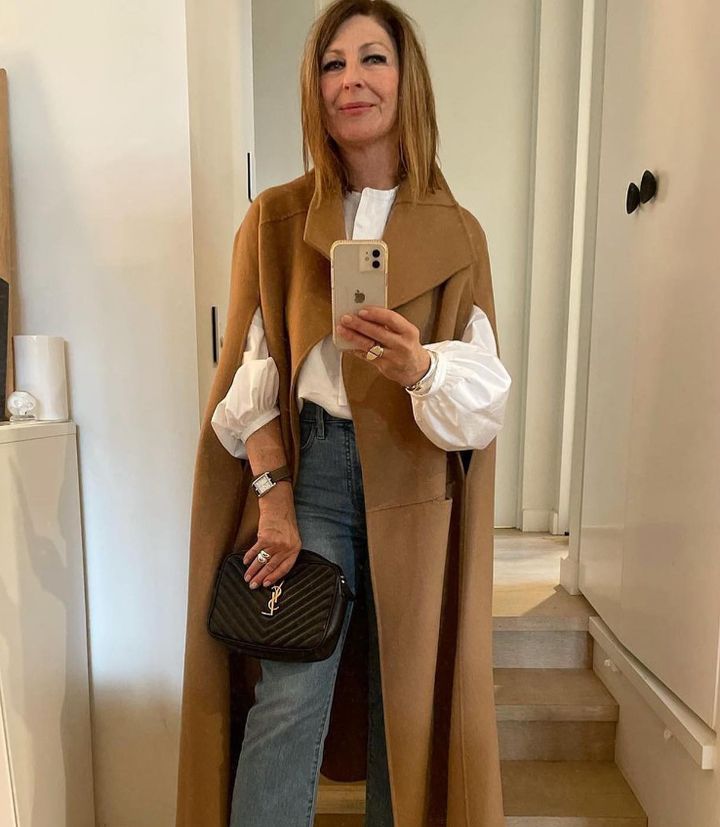
Photo courtesy of FiFi Milne
“Apply a good quality SPF and keep your face and chest out of the sun by wearing a big hat or staying in the shade. Your future self will thank you!” ― Annamaria Kalebic, a 52-year-old beauty influencer

Photo courtesy of Annamaria Kalebic
“SPF is so important. I like Trish McEvoy’s Beauty Booster cream SPF 30. It glides on beautifully, disappears into the skin and doesn’t change my skin tone. You can seek out all facelifts in the world, but if you don’t take care of those three areas, you will not have accomplished what a facelift is meant for.” ― Sonia Lovett, a 71-year-old who runs the fashion blog Style Beyond Age
Advertisement
“Wearing color close to your face is a major beauty hack because as you age, your natural luminescent complexion starts to evolve. Adding colors that suit your skin tone on your neckline or to your lip, will boost your beauty quotient and substantially add life into your skin.” ― Carla Rockmore, a designer and style influencer

Photo courtesy of Carla Rockmore/Stewart Cohen Dream Pictures
“The best beauty hack and one we have used for years is to finish your nightly routine with Ponds Cold Cream! On TikTok, they call it slugging now. Our Nana used it and she had the most glorious skin! As 8-year-olds perched on ottomans bookending Nana sitting at her gorgeous mid-century modern blond makeup table, I can remember her saying, ‘Put this on your face every night and your skin will thank you when you are my age.’ We used it religiously starting in our late teens. Now we use all types of creams, but if you were to take a look in our bathrooms, our Ponds Cold Cream is front and center on our mirrored trays. The vintage rose and powder smell reminds us of our Nana, a vibrant woman who we considered the most beautiful woman on the planet. Whenever we think of aging and how society can be particularly harsh on women aging, we harken back to our youthful minds recognizing the beauty of our grandmother.” — Tiffany Dietz, a 51-year-old influencer who runs @tandttwintalk on Instagram and TikTok with her twin sister Tegan Higgins
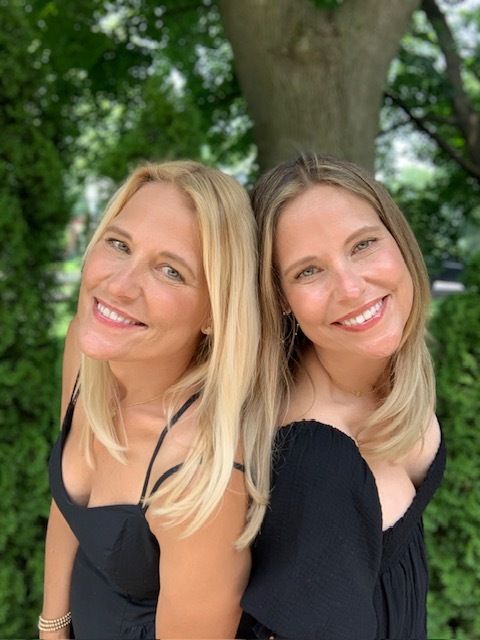
Photo courtesy of Tiffany Dietz and Tegan Higgins
“Looking back at the silly hair styles and garish makeup of my youth (blue eyeshadow and frosted lilac lipstick!), my hack is simple: Instead of chasing every new style, embrace your natural beauty. Trends come and go, but what makes you unique is timeless. Thirty years from now, you will be astonished at how beautiful you were. You’ll also be sad that you spent so much time following the ever-changing whims of popular trends.” ― Jennifer Ebelhar, a 69-year-old style coach who goes by @theStyleEquation on TikTok