If Your Makeup Settles Into Wrinkles, Reviewers Swear By This 60% Off Primer For A Smoother Base

Stop the presses: Laura Geller’s Spackle hydrating primer is 60% off right now on Amazon. Whether it’s the last step of your skincare or the first step of your makeup, applying a quality primer is not to be skipped — especially at this price. Whether you’re in the market for a new one or if you’re a devout fan of the brand, Spackle Hydrate is a true standout as a two-in-one moisturizer and primer. And while it usually runs close to $40, you can snag a tube for just $15 today. These days, that’s drugstore prices — so we recommend snatching one (or two!) fast.

This primer is “fabulous for mature skin” and loved for helping makeup go on smoothly and look “absolutely flawless.”

Made with hydrating hyaluronic acid and plumping glycerin, this fragrance-free primer is designed to transform your skin into a smooth, even base. The brand recommends adding one to two pumps to the back of your hand, applying a thin layer on clean skin, then letting it absorb for a minute before adding new products.

“Perfect to wear under makeup,” one wrote. “Keeps it looking smooth. Dries nice with no sticky feeling. Kind of feels like light weight moisturizer. About a dime size is all you need.”

Fans appreciate the “lightweight, almost serum-like texture” that glides over skin and absorbs fast. “It doesn’t feel greasy or overly matte,” one wrote. “Just that perfect middle ground where your skin feels hydrated but not slick.”

Fans say it helps them achieve the makeup looks they crave…

“As you get older your skin get dryer and more textured. This primer was a game changer for me,” one shopper writes. “It blurs and my makeup doesn’t settle in my skin at all. The days I don’t use it are massively more noticeable.”

“I’m ashamed to admit that I’m 42 and had never heard of primer before,” another wrote. “The results were immediate and impressive — my skin looks so smooth and my makeup looks absolutely flawless over this spackle!”

..and it even gets them excited about makeup again.

“I had stopped wearing makeup because it always just settled into the wrinkles and made things look worse,” an 82-year-old reviewer wrote. “This primer is perfectly named. Spackle Primer did exactly what I had hoped. It smoothed out my skin and the makeup did went on perfectly.”

Another reviewer who reports struggling to find a smoothing primer that didn’t feel heavy calls this a “go-to,” for how well it preps the skin for foundation.

“It really does ‘spackle’ over texture and fine lines, giving a soft-focus effect,” they said. “Makeup applies more evenly and tends to last longer throughout the day. For those with dry or mature skin, this primer is especially friendly — it doesn’t cling to dry patches or settle into creases.”

Reviewers love this hydrating primer for keeping their skin soft and smooth. Read on for more 5-star reviews, and grab a bottle for a massive 60% off while you can.

“I am 82 yrs old and this is the perfect primer for my skin. After reading about it on. line, I wanted to try it. I had stopped wearing makeup because it always just settled into the wrinkles and made things look worse. This primer is perfectly named. Spackle Primer did exactly what I had hoped. It smoothed out my skin and the makeup did went on perfectly.” — QQMKXP938

“Absolutely love this product it’s lovely and smooth and unlike some it doesn’t sit on the surface of your skin or take a lot of rubbing in and you only need a small amount so lasts well too this is my second purchase I was so impressed and great for mature skin.” — jas

“I just started using Laura Gellar cosmetics and Spackle. I am definitely going to keep using these products. Love the Spackle – I do believe it helps firm up the wrinkles a bit and the makeup goes on so beautifully.” — Amazon customer

“This has to be the best primer ever for more mature skin. I am 61 and have not used makeup without primer for years. I ordered this along with the LG Baked Balance. Together they are heaven for an older face. I no longer have to worry about crease lines, dryness or fading. I’m quite picky when it comes to my primers, and this one beats them all.” — Jamie

“This primer went on easily and I could feel it ‘set’ and waited a few….…My foundation went on so nicely and when I looked at my face after I was finished with all my products I felt like my face looked great! Big Smile and I was ready to go out...just for reference I am a mature lady. Hope this is helpful.” — Leslie S.

Amazon

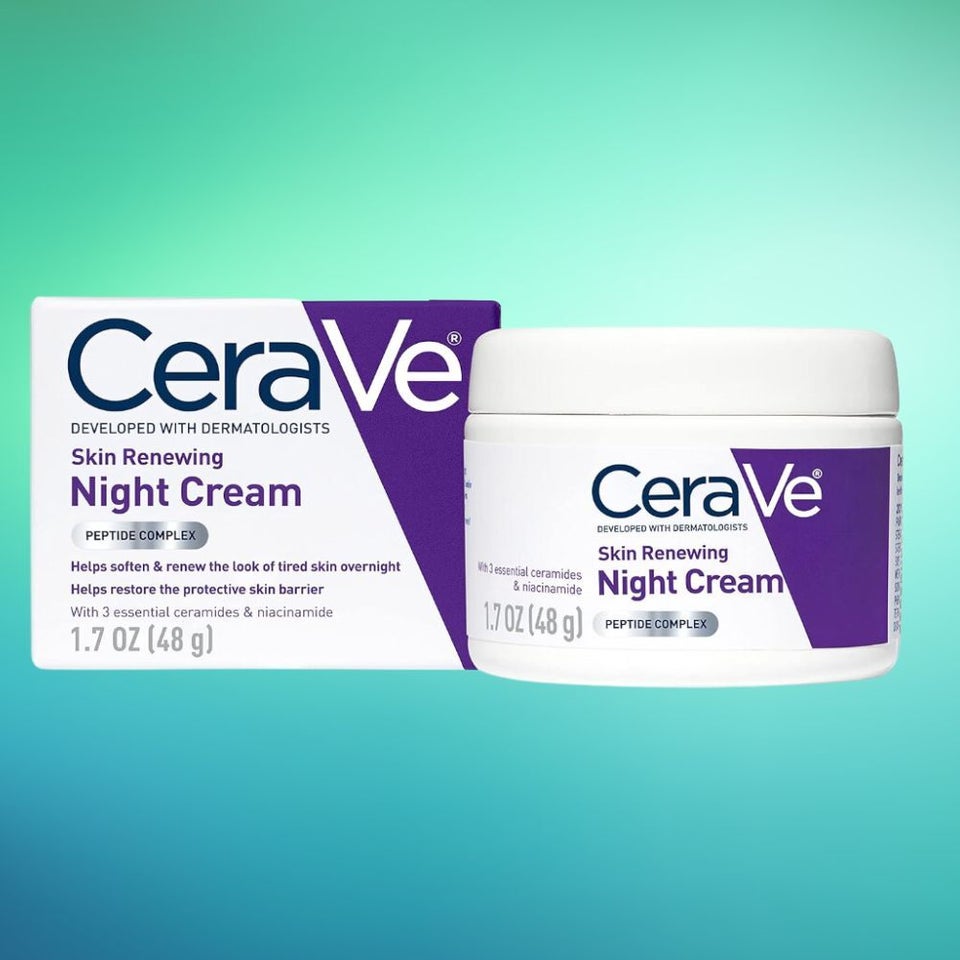
A CeraVe night cream with a peptide complex

Dr. Azza Halim, a Florida-based physician with a focus in aesthetic medicine, suggested this night cream by CeraVe because it contains a unique peptide complex to support skin elasticity and niacinamide for soothing. And like all of CeraVe’s dermatologist-beloved formulations, the thick cream contains three essential ceramides, which help ensure a strong skin barrier.
Amazon

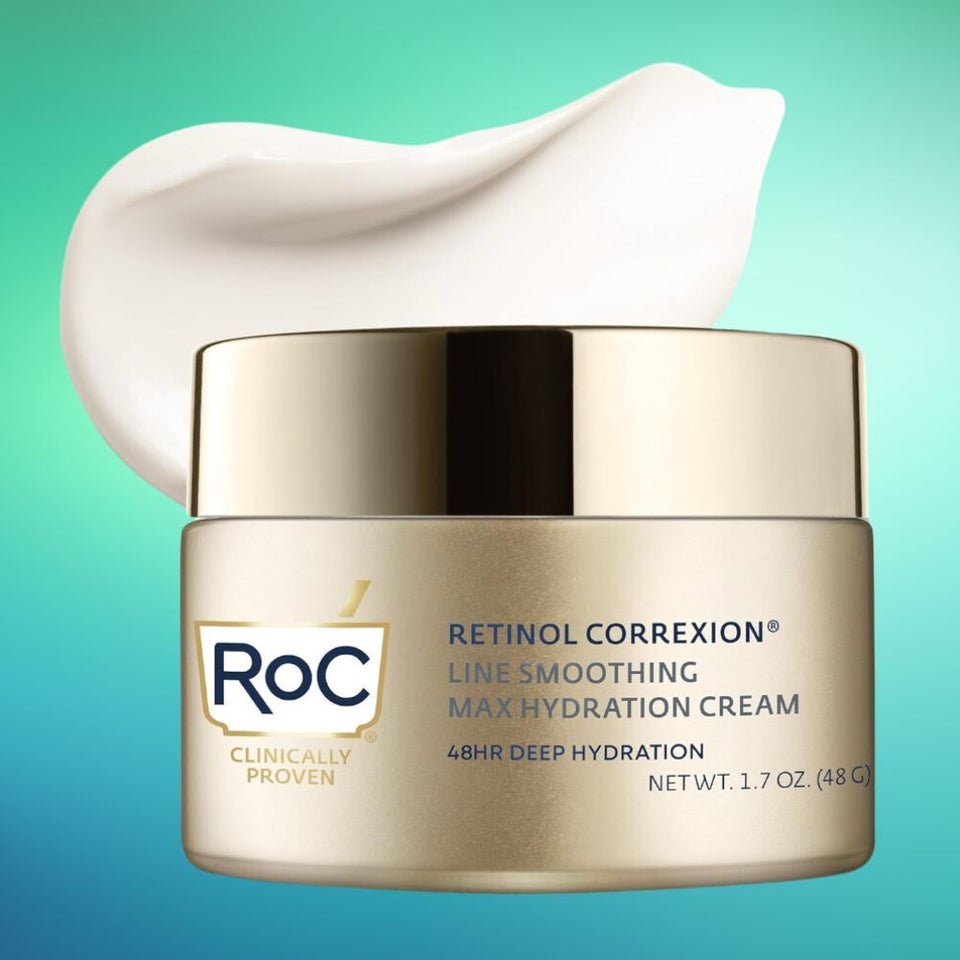
A deeply hydrating retinol cream

Board-certified dermatologist Dr. Mina Amin called RoC’s Retinol Correxion max hydration cream an “ultimate miracle worker to nourish and rejuvenate [the] face and neck.” She considers it to be very hydrating for dry skin — thanks to the inclusion of two popular humectants, hyaluronic acid and glycerin — and it includes peptides to support the skin’s natural collagen. The main active is retinol, which accelerates cellular turnover to promote collagen production and reduce the appearance of fine lines and lack of elasticity.

Amazon

A double-repair prebiotic moisturizer

“[This]is made with niacinamide to help with fine lines, appearance of large pores, and dark spots,” board-certified dermatologist Dr. Mina Amin said of this popular heavier-weight moisturizer by French pharmacy staple brand, La Roche-Posay. It features the brand’s signature prebiotic thermal spring water, which is rich in antioxidants, three ceramides that mimic the lipids in the skin’s natural barrier.

The Real Deal: We use deal trackers and commerce experience to sift through “fake” hike-and-drop deals and other deceptive sales tactics. Products will usually be rated at least 4 stars with a minimum 15% discount. (And when there’s an exception, we’ll tell you why.)

Share Button

Pioneering treatment saves twins in early pregnancy

Identical twins Nancy and Margo benefitted from the procedure while in the womb as part of a world-first medical trial.

Share Button

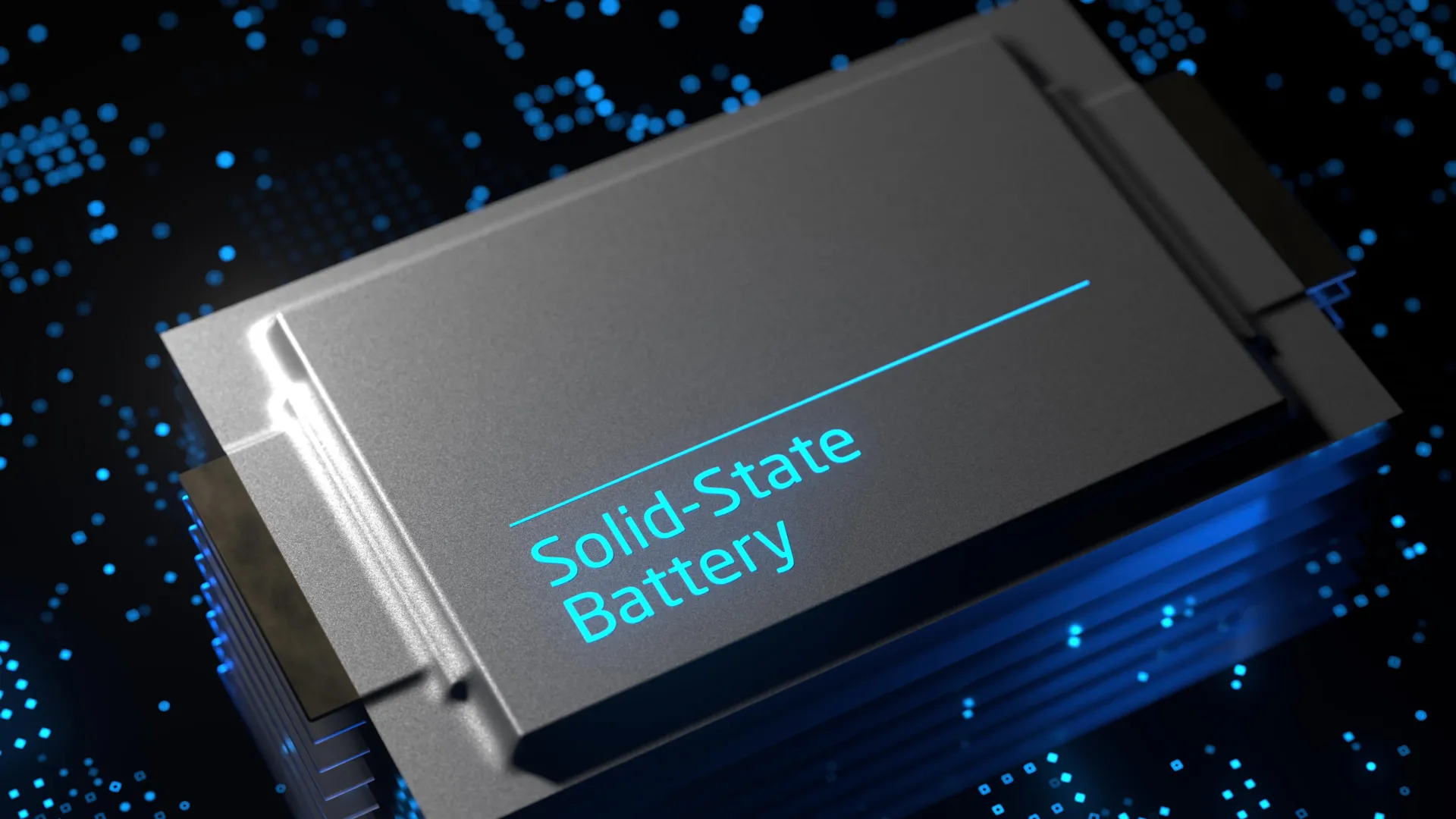
The biggest problem with solid-state batteries may finally be solved

Smartphones, electric vehicles, and countless portable electronics all depend on batteries. As demand for better energy storage grows, improvements in battery capacity, lifespan, and safety will play a major role in the future of electrification. One of the most promising technologies is the solid-state battery, which could allow smartphones to operate for several days on a single charge and give electric vehicles driving ranges up to three times greater than many current models.

Unlike conventional lithium-ion batteries, which use a liquid electrolyte between two solid electrodes, solid-state batteries replace the liquid with a solid electrolyte. This design offers several potential advantages, including higher energy density, improved safety, and longer battery life. But one stubborn problem has slowed commercial adoption. During charging, tiny tree-like structures called dendrites can grow from the lithium anode, pierce the solid electrolyte, and create internal short circuits.

Now, an interdisciplinary team at the Max Planck Institute for Sustainable Materials (MPI-SusMat) has identified exactly how these dendrites trigger fractures that ultimately lead to battery failure. Their findings were published in the journal Nature.

How Dendrites Crack Solid-State Batteries

Exactly how soft lithium dendrites manage to break through a hard ceramic electrolyte has long puzzled researchers.

“Although the electrodes and the forming dendrites consist of lithium metal, which is soft like a gummy bear, the dendrites are able to penetrate the ceramic electrolyte and lead to a short circuit,” says Dr. Yuwei Zhang, first author of the new publication and head of the group “Chemo-Mechanics of Battery Materials” at MPI-SusMat. “How can soft dendrites fracture the stiff solid ceramic? There are two hypotheses: either internal stress is built up inside the dendrites and induces mechanical fracture of the solid electrolyte. Or, electrons leak along the grain boundaries of the solid electrolyte promoting the formation of lithium nuclei that interconnect later.”

To determine which explanation was correct, the researchers used an advanced combination of sample preparation and materials characterization techniques. Every step was performed under vacuum and at cryogenic temperatures to eliminate interference from oxygen, water, or even the microscopes’ electron beams.

The team examined both the internal stress and the plastic deformation of lithium dendrites trapped inside cracks. Their analysis found no buildup of lithium ahead of the dendrite tip, ruling out one proposed mechanism.

“The soft lithium metal is able to penetrate the stiff ceramic electrolyte, like a continuous waterjet that penetrates a rock. We calculated that hydrostatic stress in the dendrite leads to brittle fracture of the solid electrolyte in the end,” says Zhang.

The researchers also confirmed their conclusions using phase field simulations and electron backscatter diffraction measurements.

New Strategies to Prevent Battery Failure

With a better understanding of how dendrites fracture solid electrolytes, the team is now investigating ways to stop or delay the process.

Potential solutions include making the solid electrolyte tougher so it resists cracking for longer, introducing microscopic voids that redirect dendrite growth and steer cracks away from vulnerable areas, or adding protective coatings to lithium electrodes to reduce dendrite formation in the first place.

The researchers say their work demonstrates the importance of understanding how materials behave at the microscopic level. Those insights could help transform solid-state batteries from a promising concept into a practical technology for future smartphones, electric vehicles, and other electronic devices.

Share Button

‘People don’t realise how at risk they are’: A day with an ambulance service in a heatwave

The BBC join a crew based in Exeter as the UK sizzles in one of its longest-running heatwaves.

Share Button

The galaxy’s coldest “stars” may actually be alien megastructures

Since physicist Freeman Dyson first proposed the idea in 1960, the hypothetical “Dyson sphere” has become one of the most intriguing concepts in the search for extraterrestrial intelligence. Rather than a single solid shell, scientists now envision a Dyson “swarm” made up of countless orbiting structures that capture nearly all of a star’s energy.

While the concept has long been discussed in theory, an important question remains: if one actually existed, what would astronomers see? A new study by Amirnezam Amiri of the University of Arkansas, currently available as a pre-print on arXiv and scheduled for publication in Universe, explores exactly how these enormous structures might appear through modern telescopes. The research also identifies the types of stars most likely to host them.

Red Dwarfs and White Dwarfs Are Prime Targets

One of the strongest candidates is the red dwarf. These small, cool stars are the most common type in the Milky Way and consume their nuclear fuel so slowly that they can survive for trillions of years, far longer than the universe has existed so far.

Their relatively small size also makes them attractive from an engineering perspective. According to the study, a Dyson swarm could orbit a red dwarf at a distance of roughly 0.05 to 0.3 AU, requiring far less construction material than one built around a larger star like the Sun.

White dwarfs may be even more appealing. These dense stellar remnants are the leftover cores of Sun like stars that have exhausted their fuel and collapsed to only about 1% of their original size.

Because they are so compact, a Dyson swarm could orbit just a few million kilometers above the star’s surface, dramatically reducing the scale of the structure needed. White dwarfs also release energy at a steady rate for billions of years, making them reliable long term power sources.

How a Dyson Sphere Would Change a Star’s Appearance

Astronomers classify stars using the Hertzsprung-Russell (H-R) diagram, which plots stellar temperature against luminosity. A Dyson sphere would dramatically alter where a star appears on that chart.

Instead of allowing visible light to escape, the structure would absorb virtually all of the star’s radiation. Since energy cannot simply disappear, the same amount of energy would have to be emitted back into space, but as heat in the infrared portion of the spectrum. In effect, the megastructure would absorb starlight, use that energy for whatever purpose its builders intended, and then radiate the excess as infrared heat.

Although the star’s total energy output would remain unchanged, its apparent temperature would be much lower. Because H-R diagrams use bolometric luminosity (i.e. the luminosity over all of the spectra), the object would remain at the same luminosity but shift dramatically toward the cooler side of the diagram.

A Unique Infrared Signature

That temperature shift is one of the study’s most striking predictions. A typical red dwarf has a surface temperature of about 3000K. A surrounding Dyson sphere, however, could have an effective temperature as low as 50K, around two orders of magnitude colder.

No known natural stars occupy that region of the H-R diagram. Any object found there would immediately become an intriguing candidate for further investigation.

Another possible clue would be the absence of dust. Ordinary stars often display silicate emission associated with dusty disks. A Dyson swarm, by contrast, would consist of radiator panels rather than dust, giving it an unusually “clean” spectrum.

Looking for Strange Light Curves

The study also emphasizes that a true solid Dyson sphere is almost certainly impossible to build. Modern calculations indicate that even around relatively small stars, the amount of material required would be unrealistic.

Instead, an advanced civilization would likely construct a swarm of many independent solar collectors, leaving gaps between them or varying their density throughout the structure. As those components orbited the star, they could produce highly unusual, non natural variations in brightness that would stand out from the behavior of ordinary stars.

James Webb and the Hunt for Alien Megastructures

The James Webb Space Telescope is especially well suited to search for these hypothetical structures because it specializes in infrared observations. Older missions such as WISE are also contributing to the effort.

In May 2024, researchers from Project Hephaistos reported seven promising Dyson sphere candidates, all associated with red dwarfs, after examining a catalog of roughly 5 million stars. One candidate was later ruled out because a perfectly aligned supermassive black hole in the background explained the unusual signal.

That still leaves five candidates deserving closer study. While none have been confirmed as alien megastructures, Amiri’s work provides astronomers with another set of observational clues that could help distinguish genuine technosignatures from natural cosmic phenomena. If Dyson swarms do exist somewhere in the Milky Way, future infrared observations may finally reveal where they have been hiding.

Share Button

Vapes to have less enticing names to protect children, under UK plans

People are being consulted about plans to stop vape companies using of enticing flavour descriptions that “attract” children into experimenting.

Share Button

Pioneering treatment saves identical twins from rare pregnancy condition

Identical twins Nancy and Margo benefitted from the procedure while in the womb as part of a world-first medical trial.

Share Button

Motherhood not all warm and fuzzy: Bollywood actor’s play spotlights messier side

As a society, we take mothers for granted and raising children is a thankless job, says actor Kalki Koechlin.

Share Button

This alien planet never has sunrise or sunset. It may support life

LHS 3844b is an exoplanet just slightly larger than Earth that orbits the red dwarf star LHS 3884, located 48.5 light years from our solar system. Unlike Earth, it is tidally locked, meaning it rotates once on its axis in exactly the same amount of time it takes to orbit its star. As a result, one hemisphere experiences constant, blistering daylight while the other remains in permanent darkness so cold it approaches absolute zero (zero Kelvin).

At first glance, such an extreme environment seems completely inhospitable. Daytime temperatures can reach roughly 1,000 to 2,000 Kelvin, while the night side is so cold that particle motion effectively stops. Yet new research suggests these worlds may not be as hostile to life as they appear.

“Just looking at the extreme temperatures on the day and night sides — like 1,000-2,000 Kelvin on the day side and absolute zero on the night side — might lead one to conclude these exoplanets are too harsh for life. But,” says Daisuke Noto, a postdoctoral researcher in Hugo Ulloa’s Penn GEFLOW Lab at the University of Pennsylvania, “life might find a way.”

In a study published in Nature Communications, Noto and collaborators from the Japan Agency for Marine-Earth Science and Technology and Hokkaido University found that “such exoplanets may be more tolerant of sustaining life as ‘tidal locking’ can contribute to maintaining moderate thermal environments locally by distributing heat flux laterally.”

Why Tidally Locked Exoplanets Are So Common

The findings challenge a common assumption about planets that always show the same face to their stars. According to Noto, worlds with permanent day and night are actually much more common than planets like Earth, which experience a regular day and night cycle.

“Many celestial bodies like moons and planets that are very close to their parent stars are what we call tidally locked,” he explains. “Meaning, as they spin around on their axes and orbit around their parents, those rates/frequencies match, leading to the phenomena like us only seeing one side of our moon.”

This constant orientation creates a dramatic temperature contrast across the planet. Instead of focusing on surface conditions alone, the researchers wanted to understand what happens deep inside the planet, specifically within the mantle, the thick rocky layer between the crust and the core.

Recreating an Alien Planet in the Lab

Rather than relying only on computer simulations, the team built a physical laboratory model to mimic the interior of a tidally locked planet.

“Building an actual exoplanet in the lab wasn’t in the budget,” Noto jokes.

Instead, the researchers used a tabletop rectangular tank filled with viscous glycerol and tiny thermochromic liquid crystals that change color as temperatures shift. Similar experimental systems have long been used to study how heat moves through slow moving materials, making them useful stand ins for the rocky interiors of planets.

Unlike weather or ocean currents, which are strongly influenced by Earth’s rotation and gravity, convection inside a rocky mantle is driven mainly by differences in temperature and density. To reproduce those conditions, the team installed four thermostats around the tank to heat and cool different regions, creating temperature gradients similar to those expected between the permanently illuminated side, the permanently dark side, the surface, and the deep interior of a tidally locked exoplanet.

A Planetary Heat Engine

The experiments revealed a remarkably stable pattern. Hot material consistently rose beneath the day side, flowed across the upper region, cooled as it reached the night side, then sank before returning through the lower mantle. The result was one continuous circulation loop that behaved like a steady planetary heartbeat.

“It’s not chaotic like Earth’s mantle,” Noto says. “It’s slow and steady. Predictable. Kind of boring — but in a good way.”

The researchers also observed occasional mushroom shaped plumes rising from the heated base of the tank. Unlike volcanic hotspots on Earth, such as those beneath Hawaii or Iceland, these plumes remained fixed in one location rather than drifting over time.

Measurements of heat transport, known as Nusselt numbers, were comparable to those seen for Earth’s mantle. That finding suggests some tidally locked exoplanets could maintain localized geothermal environments that provide conditions favorable for life, particularly in more temperate mid latitudes.

What This Could Mean for Alien Life

The steady circulation pattern may influence more than just surface temperatures. Noto believes it could also affect the movement of a planet’s liquid core, potentially generating magnetic fields that differ from Earth’s familiar dipole field.

“That’s something we couldn’t test in this experiment,” he says, “but it’s an exciting direction for future work.”

Looking Beyond Other Worlds

Noto and Ulloa are continuing to develop similar laboratory models to investigate a wide range of geophysical processes. Earlier research from the Penn GEFLOW Lab explored how heat and mass move through confined spaces, providing new insight into the role of fluids in hydrothermal systems.

“We are planning on further extending the experimental methods to delve deeper into different systems on our planet in different contexts, the possibilities are, quite literally, out of this world,” says Noto.

Daisuke Noto is a postdoctoral researcher in the School of Arts & Sciences at the University of Pennsylvania.

Hugo Ulloa is an assistant professor in the Department of Earth and Environmental Science in Penn Arts & Sciences.

Other authors include Takehiro Miyagoshi and Takatoshi Yanagisawa of the Japan Agency for Marine-Earth Science and Technology; and Tomomi Terada and Yuji Tasaka of Hokkaido University.

Share Button

This Cooling Under-Eye Gel Makes Tired Eyes Look More Rested — Even When ‘I Haven’t Slept At All’

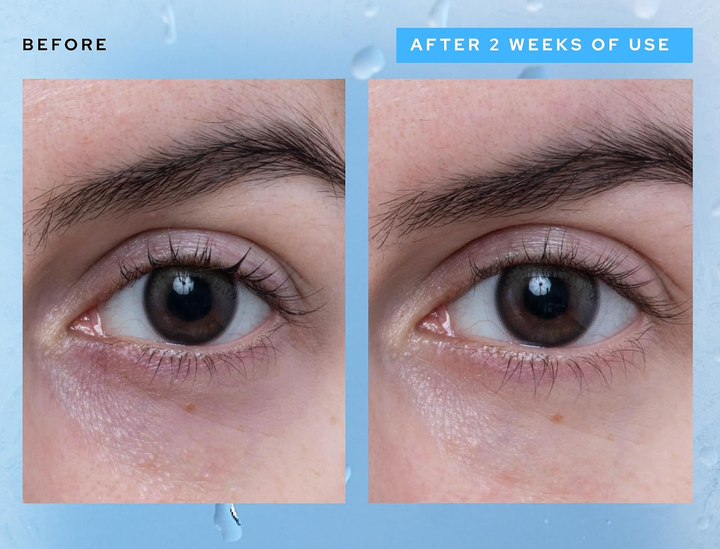
Loved for making tired eyes look better rested, smoothing the appearance of wrinkles and giving your skin an instant refreshment during the hot summer months, Belif’s Aqua Bomb cooling eye gel is really doing the most — fast. After grabbing this “magic” pen for themselves, reviewers cite a “noticeable difference” in the puffiness, dark circles and fine lines around their eyes, in mere days. This rarely-on-sale beauty is currently 30% off, aka the lowest price it’s been since March, so we recommend snagging one quick. In the blink of an eye, it will be right back to full price.

With a rockstar lineup of ingredients, like caffeine, hyaluronic acid, niacinamide and Vitamin C this cooling gel feels good and works fast — making it an easy buy to justify.

The caffeine, niacinamide and Vitamin C work to even out dark spots, reduce puffiness and brighten around your eyes, making it like you’ve had “a full night’s rest” particularly on days “when I haven’t slept at all,” Monica wrote. Yet, the formula doesn’t just make eyes look better rested, as one reviewer notes, “it helps relieve eye fatigue during night shifts and provides moisture.”

The real moisture comes from the included hyaluronic acid and collagen, which help your skin retain hydration, keeping it plump and firm. “I have some fine lines, and a little bit of saggy skin under my eyes, and wanted something to smooth it out before applying makeup,” shopper Michelle wrote. “This has worked great so far! I feel like the lines are softened, and there is a slight tightening of the skin.”

And we say fast, we mean FAST.

“I’ve used it twice, and I already have visible results,” Bree writes. “It has a cooling sensation and it’s very hydrating and smooths fine lines and puffiness visibly after just two uses.” “I’ve tried other eye balms with little results but this one is different,” Kelli added. “It glides on and feels cool. About five minutes later, my eye wrinkles are smoothed.”

Others agree they’re seeing the results they want soon after using. “Used this only for about four days but I love the cooling feel and it really takes puffiness away and tired eye look away,” LA wrote.

Plus, it comes in “genius” packaging that lets you use “every last bit.”

Apart from the formula itself, users rave about the sleek, squeeze-to-apply component that’s easy to use and carry. “I can confidently say this is one of the most convenient designs I’ve used,” one wrote, calling it their “go-to eye gel for the summer.” “Unlike expensive eye creams that come in glass jars with tiny applicators that can’t reach the bottom (leaving a lot of product wasted), this design lets you use every last bit with ease.”

Others compliment how the ceramic tip “feels cool to the touch,” saying that it helps with puffiness and lets them almost “massage” around their eyes in a way that feels gentle and relaxing.

“The applicator makes it so easy to use around my under eyes and eyelids, and it feels instantly refreshing,” Tiffany said. “I’ve noticed my fine lines look tighter and smoother — such a game-changer in my routine!”

Reviewers love this cooling eye gel for keeping their eyes looking rested and relaxed. Read more 5-star reviews and grab one for yourself while it’s 30% off.

“Used this only for about four days but I love the cooling feel and it really takes puffiness away and tired eye look away.” — LA

“I absolutely love this eye gel! It really helps reduce puffiness around the eyes — especially on those days when I haven’t slept at all. The results are amazing: it makes my eyes look like I’ve had a full night’s rest. It’s refreshing, lightweight, and works fast. Definitely a must-have in my skincare routine!” — Monica

“This product is amazing and I’ve used it twice and I already have visible results. It has a cooling sensation and it’s very hydrating and smooths fine lines and puffiness visibly after just two uses. I recommend using this before bed and after waking up in the morning. It has a very light scent, I’m not sure what the scent is but it’s very nice and light. The packaging and the ceramic tip is also a very nice added benefit to the packaging but I’d say for this product it’s definitely worth every penny. 🔥☺️” — Bree L.

“I’d say it works. After a few days used, i saw my under eye area looks clean, hydrated and removed some hairline wrinkles. Eye bag area gets more flat. I don’t usually use eyecream due to it makes me feel very itchy and my eye color gets radder. However, this product doesn’t give me any itchy feels. very mild and effective. Highly recommended! Love it and will buy again!” — Eileen

HuffPost readers know a good eye cream when they see one. If you’re looking for more products for your peepers. Check out these three reader favs, courtesy of HuffPost Shopping.

Amazon

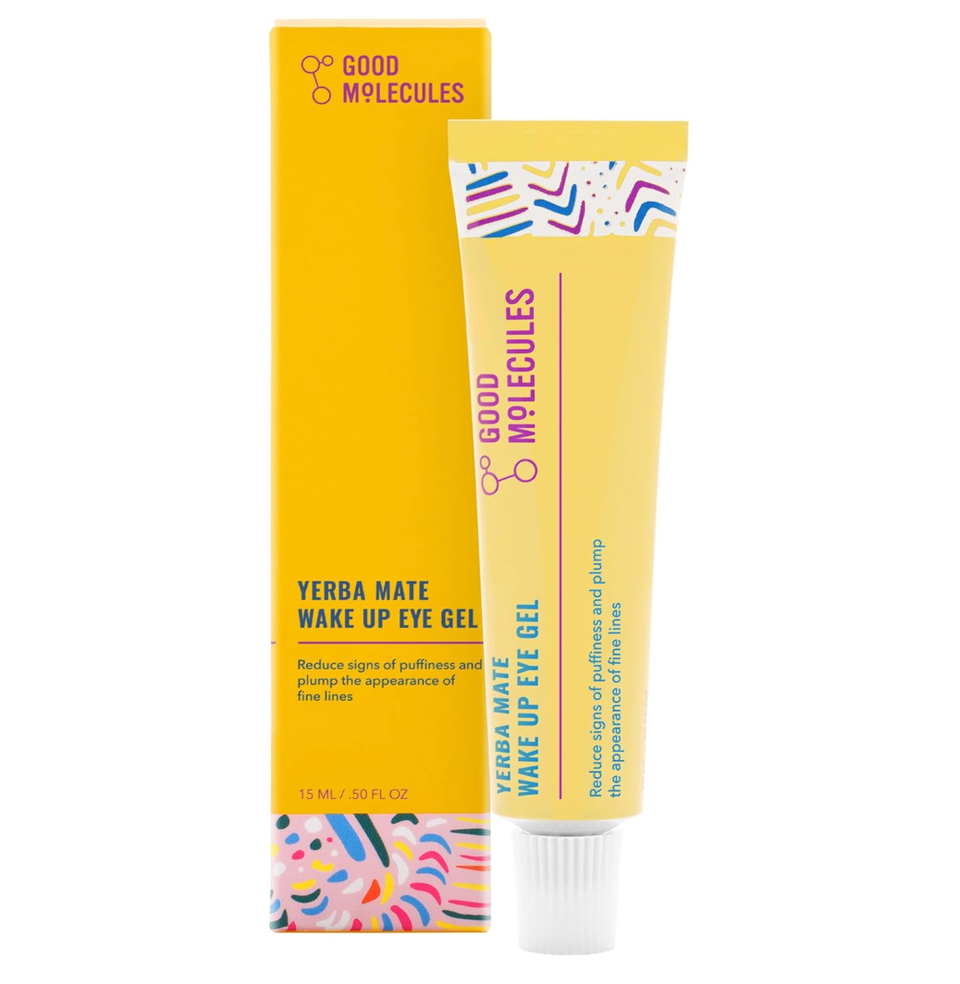
Good Molecules Yerba Mate wake up eye gel

If you’re an eye cream skeptic, then this affordable gel might change your mind. It’s made with caffeine, peptides and hyaluronic acid to help reduce the look of tired, puffy eyes and dark circles. The formula is surprisingly effective and can help perk up your peepers for just $6 a tube.

Promising review: “I really love this stuff. It is extremely moisturizing and feels great under your eyes. I am in my late 50’s and have had multiple coworkers ask me what I was doing differently the first week I started using it. It does seem to offer some lasting smoothing, hydrating and brightening effects, for me at least. I will definitely continue to use. For the price, it’s great and better than other more expensive brands I have tried. It also takes a very small amount to apply.” — LD16

Amazon

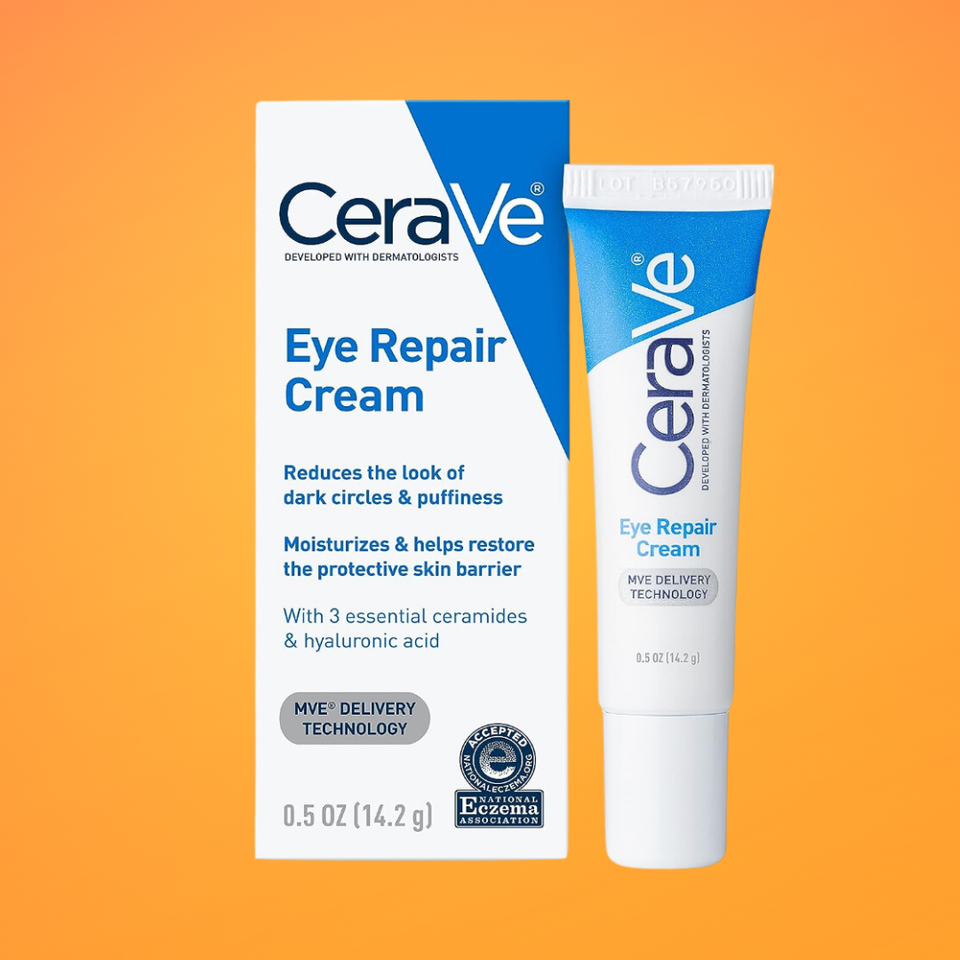
CeraVe eye repair cream (28% off list price)

This dermatologist-recommended eye cream is a HuffPost reader favorite. Yummy, nourishing and potent anti-aging ingredients like hyaluronic acid, niacinamide and ceramides can help to increase hydration while smoothing and brightening the under-eye area. It’s a great affordable option for someone who wants to add a bit of oomph to their routine without breaking the bank. This cream is also fragrance-free so it’s ideal for people with extra sensitivities.

Amazon

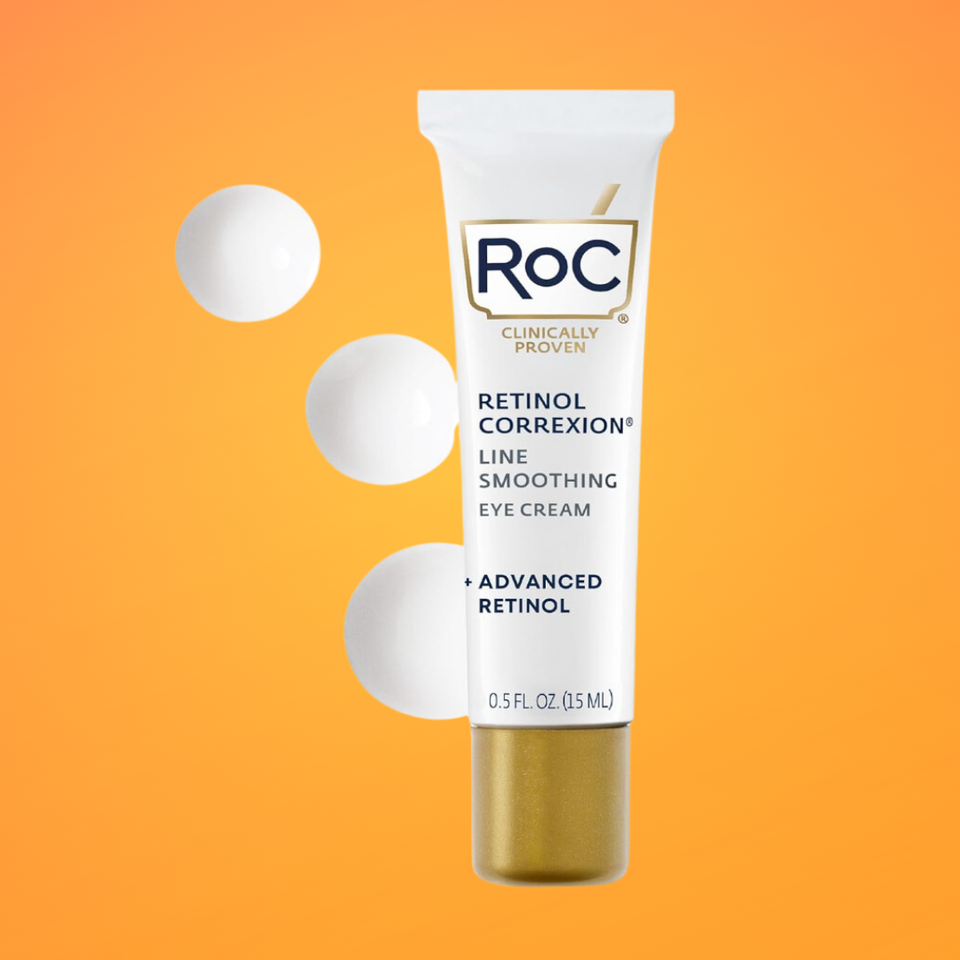
RoC Retinol Correxion eye cream (up to 20% off)

This cult-fave and HuffPost reader-pick eye cream is wildly popular at Amazon, boasting over 19,000 5-star ratings from happy customers.Reviewers note that the cream works wonders on dark circles, in particular. It can help address common eye concerns like puffiness, dark circles and wrinkles thanks to its hydrating formula that’s been infused with dermatologist Dr. Bradley Glodny-approved ingredients like retinol and antioxidants.

Promising Amazon review: “I have probably tried a hundred different eye creams, and this is the only one that has given me noticeable results. My under-eyes were visibly firmer with the first use, and the dark circles are fading after only a few days. Definitely recommend!” — stefany9579

The Real Deal: We use deal trackers and commerce experience to sift through “fake” hike-and-drop deals and other deceptive sales tactics. Products will usually be rated at least 4 stars with a minimum 15% discount. (And when there’s an exception, we’ll tell you why.)

Share Button