The update will be available to all users in England by April 2028, the health service says.


The update will be available to all users in England by April 2028, the health service says.
To mark the 250th anniversary of the United States, NASA has released four spectacular images of deep space from its Chandra X-ray Observatory, each presented in patriotic shades of red, white, and blue. Alongside the images, the agency also unveiled three new sonifications, which transform astronomical observations into sound, offering another way to experience the universe.
The collection combines data from Chandra with observations from other telescopes to showcase some of the most remarkable objects in space, from the remains of an exploded star to a distant galaxy cluster filled with evidence of dark matter.
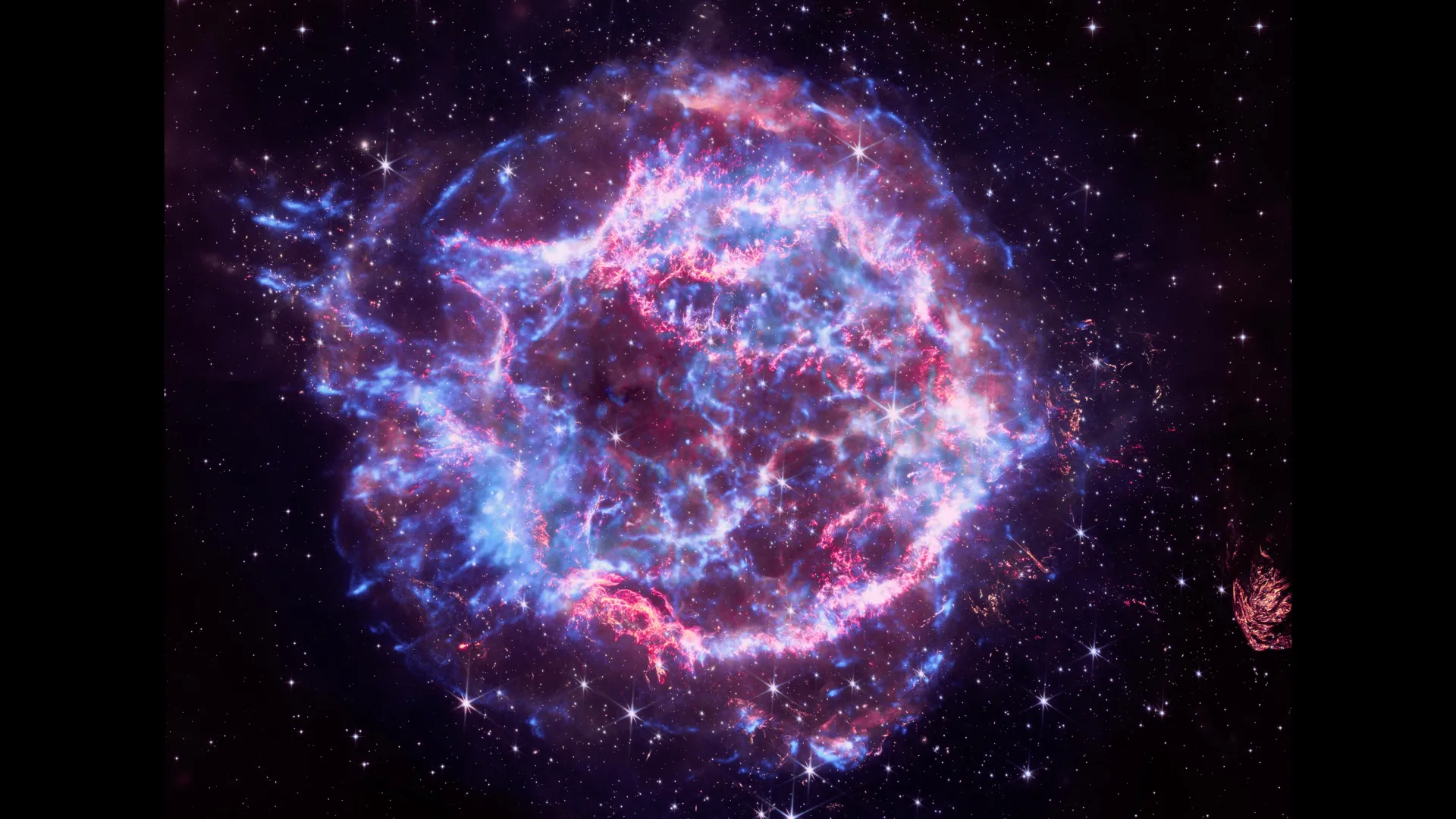
The first image (above) features Cassiopeia A, one of the best known supernova remnants in the Milky Way. It combines X-ray observations from NASA’s Chandra X-ray Observatory (shown in blue and purple) with infrared data from NASA’s James Webb Space Telescope (displayed in red and white).
Chandra’s X-ray observations highlight the powerful blast wave from the stellar explosion and reveal elements scattered throughout the debris, including iron, calcium, and oxygen. Webb’s infrared view captures the expanding shell of material left behind by the explosion, along with clouds of cosmic dust spread across the remnant.
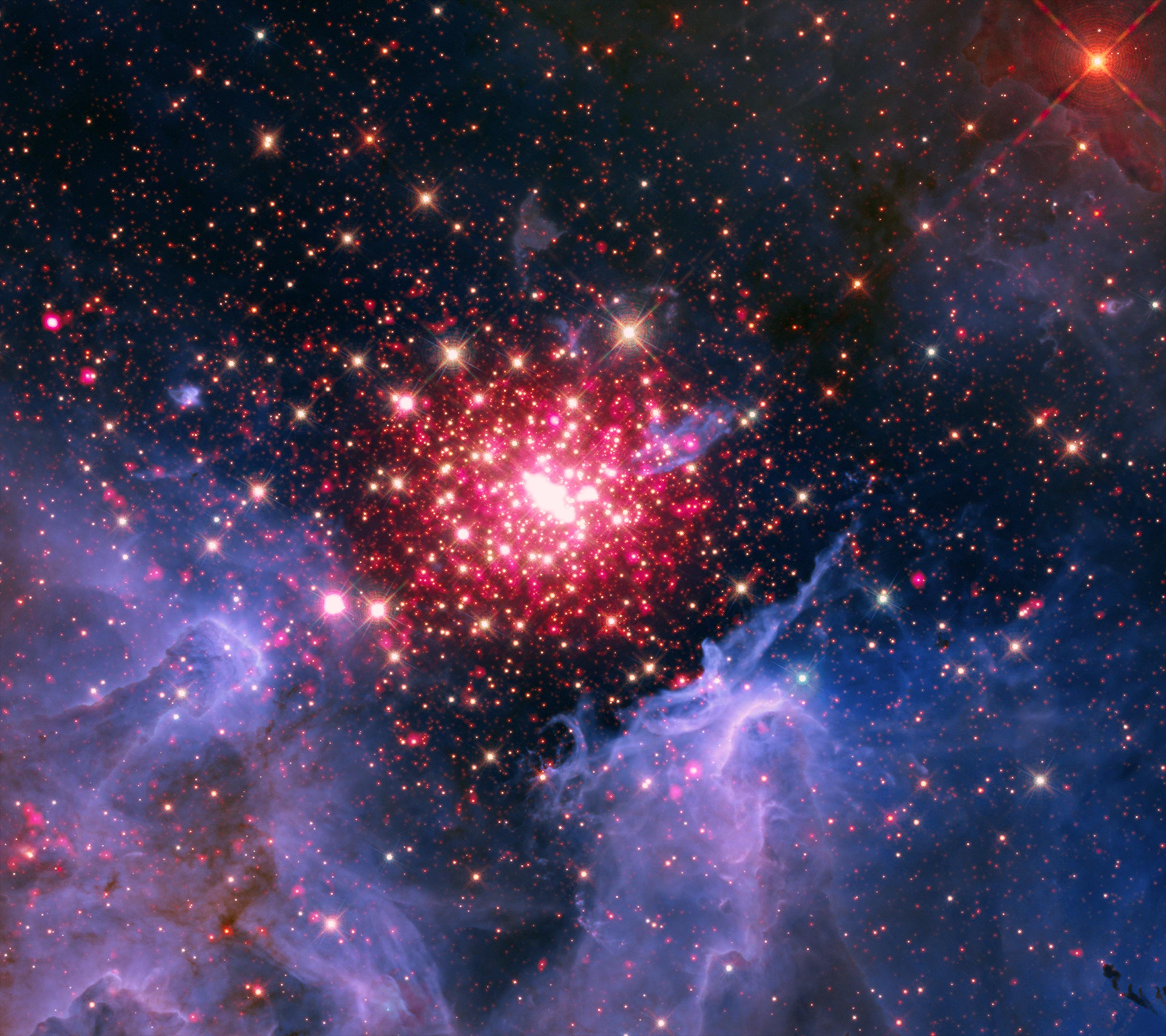
The next image highlights NGC 3603, a nebula in the Milky Way that contains an enormous cluster of young stars.
In this composite view, Chandra’s X-ray data (red and white) reveals diffuse X-ray emission near the center and numerous bright point-like X-ray sources scattered across the image. Observations from NASA’s Hubble Space Telescope, collected in optical, infrared, and ultraviolet wavelengths (red-orange, green, blue, and yellow), show stars concentrated near the center, while dust and gas stretch across the lower portion of the nebula.
Together, these layers create an image dominated by red, white, and blue, with the X-ray data highlighting the sparkling glow of young stars forming within the nebula.
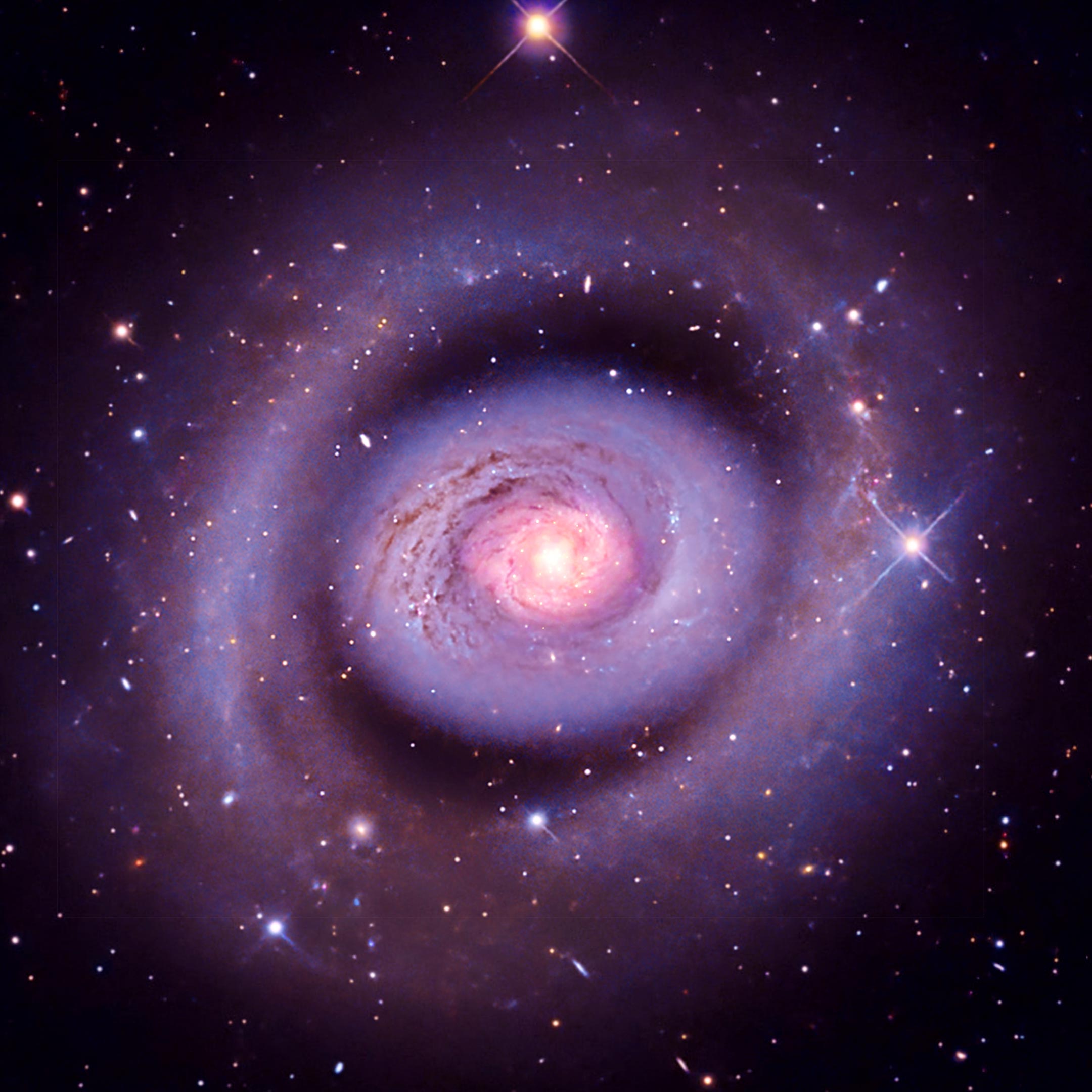
Another image offers a fresh view of the spiral galaxy NGC 4736, better known as Messier 94.
The picture combines Chandra X-ray observations at multiple energies (red, orange, and blue) with visible light images captured by astrophotographers using ground-based telescopes (red, green, and blue). At the heart of the galaxy is a bright inner ring known as a starburst ring, where new stars are actively forming. Scientists think this burst of star formation may be fueled by gas flowing inward through the galaxy’s distinctive oval-shaped structure.
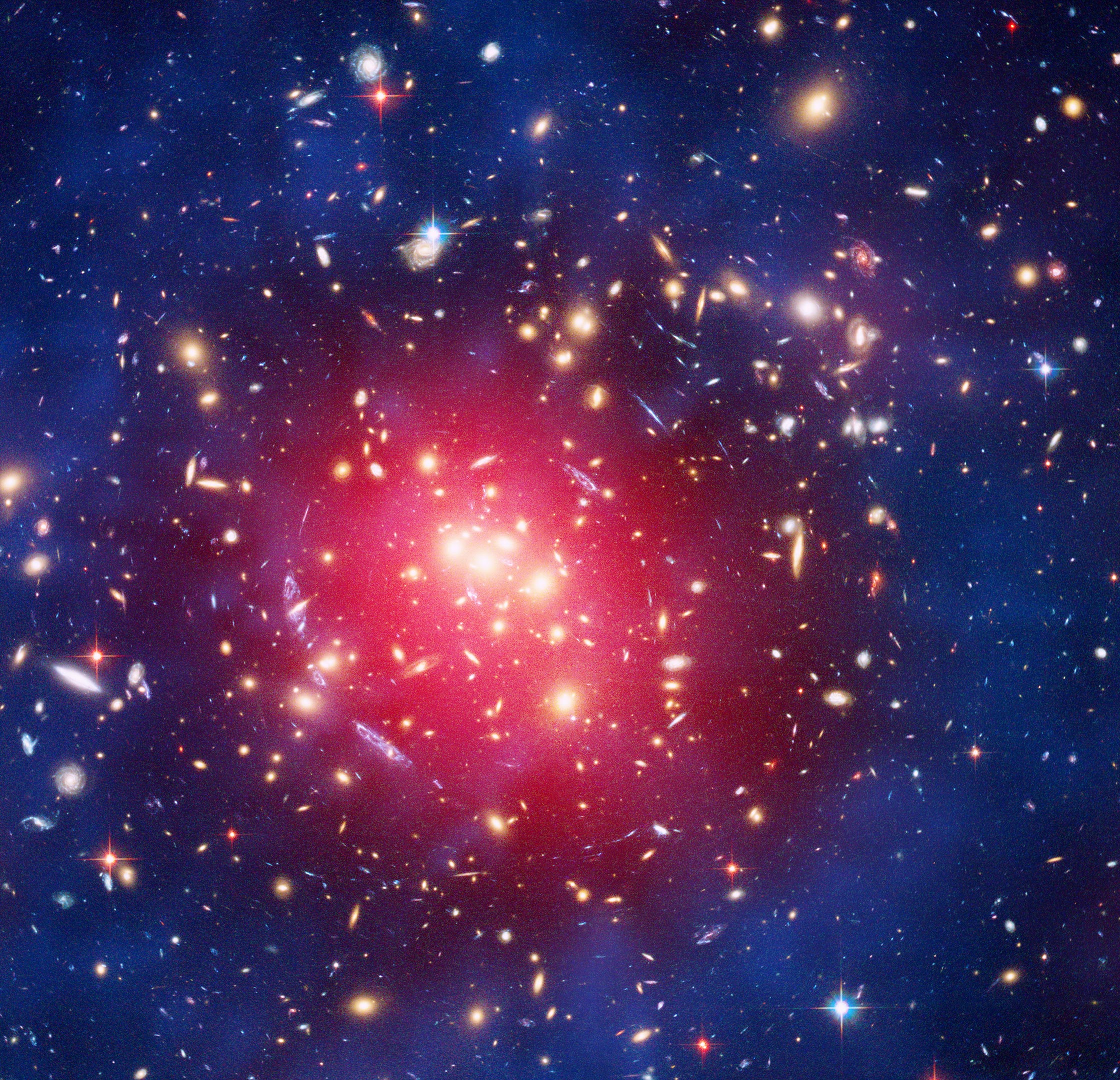
The final image in the patriotic collection features ZwCl 0024+1652, a distant galaxy cluster that has helped astronomers study dark matter.
Specially processed observations from Hubble (blue) reveal evidence for dark matter, while another Hubble image shows the cluster’s individual galaxies in yellow and white. Chandra’s X-ray observations add the glowing red cloud of superheated gas that fills the cluster. This enormous reservoir of hot gas contains far more mass than all of the galaxies in the cluster combined.
Together, the four images celebrate America’s 250th birthday while highlighting the extraordinary objects and phenomena NASA continues to explore across the universe.
Fireworks may dazzle crowds with brilliant colors and loud explosions, but new research suggests their effects continue long after the show ends. Three recent studies published in American Chemical Society (ACS) journals examined what fireworks leave behind, from discarded debris and airborne particles to chemical compounds released into the atmosphere.
Together, the findings offer a clearer picture of how fireworks can influence air quality, water chemistry, and potentially both human health and the environment.
Firecracker Debris Can Alter Water Chemistry
Once fireworks burn out, they leave behind more than ash. Spent firecrackers scatter residue that contains partially burned fuel, metal salts, additives, and pieces of charred packaging.
In a laboratory study published in Environmental Science & Technology, researchers found that this debris released significant amounts of metal ions (e.g., potassium and manganese) and dissolved organic matter (e.g., simple phenols and sulfur-containing compounds) when placed in lake and river water. At the same time, the leftover solid material absorbed some dissolved substances that were already present in the water, including larger, more complex compounds.
According to the researchers, these chemical changes could interfere with microbial communities and aquatic ecosystems, particularly if large amounts of firecracker litter are repeatedly washed into rivers and lakes after festivals or celebrations. Properly collecting and disposing of spent fireworks could help reduce these environmental effects.
Fireworks Add to Air Pollution During Large Events
Fireworks are only one source of pollution at major public celebrations, but researchers wanted to understand how much they contribute compared with other activities.
In a study published in ACS ES&T Air, scientists monitored particulate matter during a large, multi-day athletic event in the United Kingdom. They detected sharp, short-lived increases in both coarse and fine airborne particles throughout the event.
The team linked much of the pollution to cooking emissions from food vendors and dust stirred up by vehicles. During the opening and closing ceremonies, however, they observed two distinct spikes in fine particulate matter. The first occurred as crowds arrived and dust levels increased, while the second, slightly smaller spike coincided with the fireworks displays.
The researchers estimated that people who attended every day of the event were exposed to air pollution levels exceeding the World Health Organization’s recommended limits, suggesting that large celebrations can significantly increase exposure to fine particulate matter.
Fireworks Release More Than Smoke Into the Air
Another study focused on chemicals called amines, which are included in some firework formulations. These compounds can react in the atmosphere to form aerosols that contribute to haze and reduced air quality.
To determine what happens to these chemicals during fireworks displays, researchers measured amines in both gases and airborne particles during Lunar New Year celebrations in a suburban area of China.
The findings, published in Environmental Science & Technology Letters, revealed substantial increases in several amines compared with a non-celebratory period. The biggest increases occurred during the largest fireworks displays. Scientists also recorded higher levels of other firework-related pollutants, including fine particulate matter and sulfate and potassium ions.
The researchers say the results suggest that fireworks contribute more than visible smoke to the haze that often lingers after major celebrations, adding another layer to their environmental impact.
From walking the dog before breakfast to getting off the bus a stop early, readers share their tips for building a daily walking habit.
Some people remain mentally sharp even though their brains contain the biological changes associated with Alzheimer’s disease. A new study from the Netherlands Institute for Neuroscience suggests that the answer may lie in how a rare group of brain cells, called immature neurons, responds to damage. The findings offer new insight into cognitive resilience, the brain’s ability to continue functioning despite disease.
One of the biggest unanswered questions in Alzheimer’s research is why the disease affects people so differently. While many develop memory loss and dementia as Alzheimer’s progresses, others show little or no cognitive decline despite having the same underlying brain pathology.
“Around 30 percent of older adults who develop Alzheimer’s disease never experience its symptoms,” says senior author Evgenia Salta. “We really don’t know why. That’s a big mystery, and a very important one.”
Understanding what protects these individuals could eventually point scientists toward new ways to treat or even prevent dementia.
“If we understand what protects these brains, it could eventually lead to new therapeutic strategies.”
Can the aging brain replace damaged cells?
One possibility is that resilient brains are better at repairing themselves.
“Perhaps they can add new brain cells to a network that is degenerating,” Salta says.
This idea centers on adult neurogenesis, the process through which new neurons are generated in the adult brain. While adult neurogenesis is well documented in many animal species, scientists have long debated how much, if any, occurs in humans.
To investigate, Salta and her colleagues examined donated brain tissue from the Netherlands Brain Bank. The samples included healthy individuals, people with Alzheimer’s disease, and people whose brains showed Alzheimer’s pathology even though they never developed dementia.
The researchers concentrated on a small region within the brain’s memory center, one of the few places where new neurons may still develop.
“These cells are extremely rare, so we had to develop new ways to find them,” Salta says. “We really zoomed in on the exact spot where we expected them to be.”
The team also applied newly developed analytical methods designed specifically for human tissue, reducing reliance on assumptions based on animal studies.
Rare immature neurons persist into old age
The researchers identified the cells they were searching for: so called immature neurons, which resemble young neurons that have not yet fully matured.
“Even at an average age of over 80, we still found these immature neurons in all groups,” Salta says.
The result confirmed that these unusual cells remain present even in very old brains.
What surprised the researchers, however, was that resilient individuals did not have dramatically larger numbers of immature neurons than people with Alzheimer’s disease.
Brain cell behavior may matter more than numbers
Instead, the most important difference appeared to be how the cells behaved.
“In resilient individuals, these cells seem to activate programs that help them survive and cope with damage,” Salta says. “We also see lower signals related to inflammation and cell death.”
The findings suggest that these immature neurons may do more than simply replace cells lost during disease.
“It might not be (only) about replacing lost neurons,” Salta explains. “It could be that these cells support the surrounding tissue and help the brain stay functional and ‘youthful’. They may act as a sort of fertilizer in a garden that has started falling apart.”
Even so, Salta cautions that these ideas remain hypotheses. Because this study examined donated brain tissue, the researchers cannot directly observe how the cells function in living brains.
“We assume the cells’ function based on the data, but we cannot confirm it in this type of study,” she explains.
She also emphasizes that Alzheimer’s resilience is unlikely to have a single explanation.
“This is one piece of a very large puzzle,” she concludes. “There will never be just one factor that explains resilience.”
A new direction for Alzheimer’s research
The study also highlights a broader question about aging itself.
“Somewhere along this trajectory, there’s a kind of decision point,” Salta explains. “Some people remain stable, others develop dementia. We want to understand what drives that difference.”
Future research will explore how immature neurons communicate with other brain cells and whether those interactions help preserve memory and cognitive function.
Although the study does not explain why these cells behave differently in resilient individuals than in people who develop dementia, it reflects a growing shift in Alzheimer’s research. Instead of focusing only on how the disease damages the brain, scientists are increasingly asking why some brains can withstand that damage.
“Cognitive resilience is extremely exciting,” Salta says. “If we understand what protects these brains, it could eventually lead to new therapeutic strategies.”
For now, the findings add to growing evidence that the aging brain is more adaptable, and more complex, than scientists once believed.
What are heart palpitations and when should you be concerned?
A doctors’ group says it “borders on madness” that patients will have to obtain the note in person.
Kimberley asks her guest, chartered psychologist Dr Ellie Buckley, why we get sensory overload.
The British Medical Association is in dispute with Manx Care over “pay erosion since 2008”.
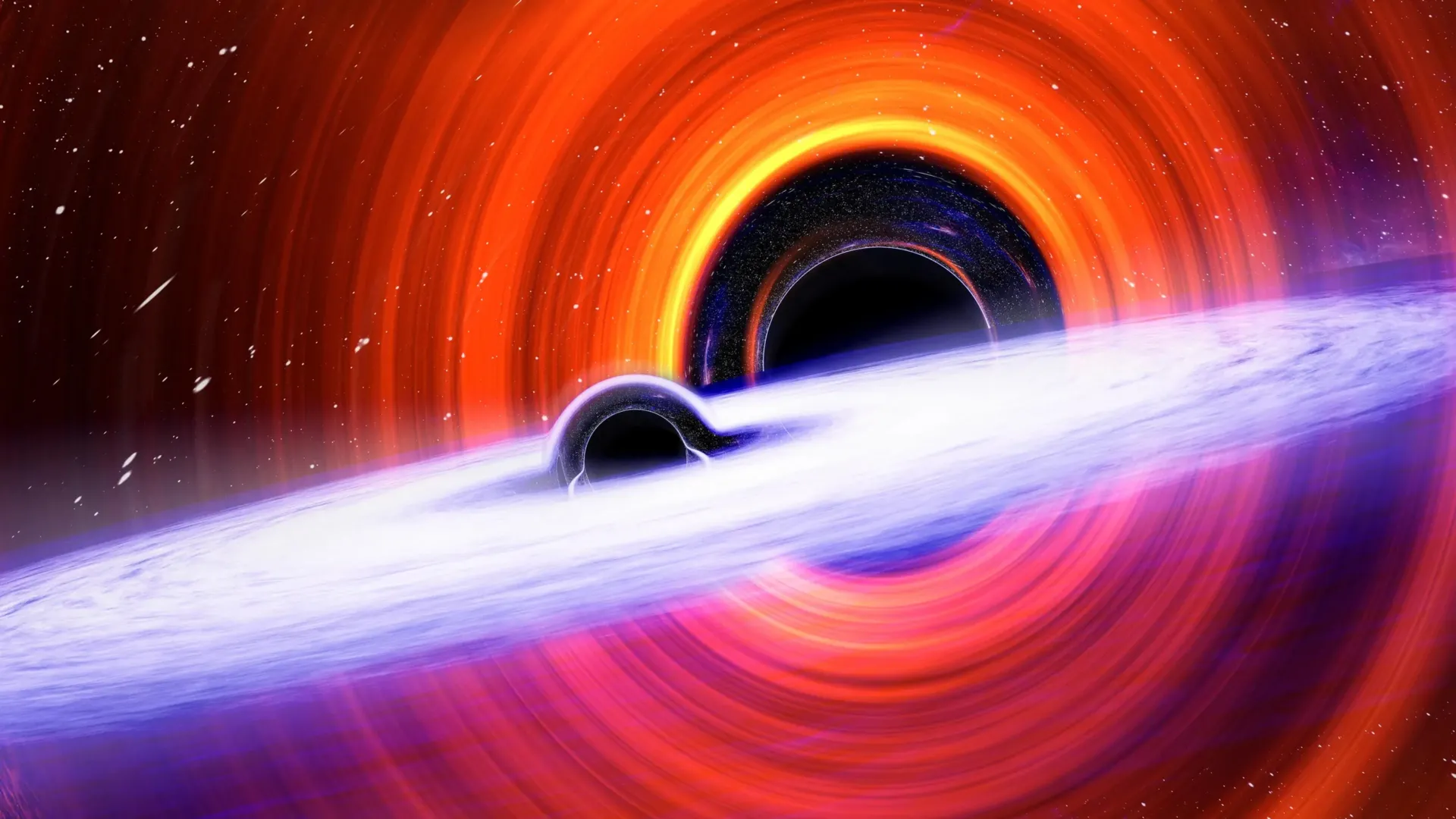
Primordial black holes have remained one of astronomy’s most intriguing ideas for decades. Now, researchers at the University of Miami believe a recent gravitational wave detection may bring scientists closer to confirming that these ancient objects are real, a breakthrough that could also help solve the enduring mystery of dark matter.
Primordial black holes are thought to have formed during the first fraction of a second after the Big Bang, long before the first stars or galaxies existed. Unlike the black holes created by collapsing stars, these hypothetical objects could range in size from something as small as an asteroid to much larger bodies.
Although no primordial black hole has ever been confirmed, scientists believe they could answer several major questions about the universe. One of the biggest is the nature of dark matter, the invisible substance that makes up about 85 percent of all matter and provides the gravitational pull that helps hold galaxies together.
“We believe our study will aid in confirming that they actually do exist,” said Nico Cappelluti, an associate professor in the University of Miami’s Department of Physics, referring to research he conducted with Ph.D. student Alberto Magaraggia.
An Unusual LIGO Signal
Their work builds on a possible discovery reported by the Laser Interferometer Gravitational-Wave Observatory (LIGO), which late last year detected an unusual gravitational wave signal. Gravitational waves are ripples in spacetime produced by some of the universe’s most violent events, including collisions between black holes.
Most known black holes form after massive stars explode as supernovas. Their masses typically range from several times the mass of the Sun to billions of solar masses.
“The most common black holes form as the result of a supernova, the death of a massive star. So, their masses can range from a few times the Sun’s mass to billions of solar masses,” Cappelluti explained.
But in November, LIGO issued an automated alert for a merger in which at least one object appeared to have less than one solar mass. Such a small black hole would be difficult to explain through conventional stellar evolution and instead could point to a primordial black hole.
Not everyone is convinced. Some astrophysicists have suggested the signal may simply be noise within LIGO’s extremely sensitive detectors rather than evidence of a remarkable new discovery.
Could This Explain Dark Matter?
Cappelluti and Magaraggia argue that the detected object is best explained as a primordial black hole that formed in the dense conditions of the early universe, long before stars existed.
To test that idea, the researchers estimated how many primordial black holes might exist throughout the cosmos and how frequently LIGO should detect them.
“We attempted to estimate how many primordial black holes may exist in the universe and how many of them LIGO should be able to detect,” Magaraggia said. “And our results are encouraging. We predict that subsolar black holes like the one LIGO may have observed should indeed be rare, consistent with how infrequently such events have been seen so far.”
Their findings, published in The Astrophysical Journal, suggest that the mysterious LIGO signal has no conventional astrophysical explanation and is most consistent with a primordial black hole.
The study “suggests that the most plausible explanation for the LIGO signal, which lacks any conventional astrophysical explanation, is the detection of a primordial black hole,” Cappelluti said. “And our research indicates that these primordial black holes could account for a significant portion, if not all, of dark matter.”
Even so, both researchers emphasize that one detection is not enough to settle the question.
For now, scientists must wait to see whether LIGO and its international partners record additional events that match the same pattern.
“LIGO picked up what is very strong evidence that these types of black holes exist. But we’ll need to detect another such signal or even several others to get the smoking-gun confirmation that they are real,” Cappelluti said. “But what is clear is that they cannot be excluded as being real.”
A Theory Decades in the Making
The concept of primordial black holes dates back to the Cold War era, when Soviet scientists Yakov Zeldovich and Igor Novikov first proposed their existence. In the early 1970s, Stephen Hawking expanded on the idea, arguing that these objects could be abundant throughout the universe, emit radiation, and possibly explain dark matter.
LIGO later provided the first opportunity to search for evidence supporting those theories. On Sept. 14, 2015, the observatory made history by detecting gravitational waves for the first time, confirming a major prediction of Albert Einstein’s general theory of relativity and opening an entirely new way to study the universe.
The Future of Gravitational Wave Astronomy
LIGO consists of two observatories located in Hanford, Washington, and Livingston, Louisiana. Together with the Virgo detector in Italy and the underground KAGRA observatory in Japan, they form the international LVK collaboration, which searches for black holes, regions of space where gravity is so strong that not even light can escape.
Planned upgrades will make LIGO even more sensitive, increasing its chances of finding additional candidate primordial black holes. However, the observatory’s two L shaped detectors, each with 2.5 mile long vacuum arms, were designed to detect the high frequency gravitational waves produced by relatively recent cosmic collisions, not the waves generated directly during the Big Bang itself.
Future observatories will extend that reach much farther back in time. The European Space Agency’s Laser Interferometer Space Antenna (LISA), scheduled for launch in 2035, is expected to detect gravitational waves from the universe’s earliest epochs after the Big Bang.
Another planned facility, Cosmic Explorer, is currently in the design phase in the United States. Researchers expect it to be about 10 times more sensitive than LIGO, allowing it to detect black hole and neutron star mergers stretching back to the era when the first stars formed.