The Princess of Wales did the endurance event to raise awareness about “holistic healthcare” for cancer patients.


The Princess of Wales did the endurance event to raise awareness about “holistic healthcare” for cancer patients.

Hawaii faces a growing plastic waste challenge. Recycling on the islands is expensive and difficult, and large amounts of marine debris continue to wash ashore or remain in surrounding waters. Now, researchers are exploring an innovative solution by turning discarded fishing nets and household plastic waste into asphalt for roads. Early results suggest the approach could provide a practical new destination for plastics that might otherwise end up in landfills or the ocean.
Jeremy Axworthy, a researcher at the Center for Marine Debris Research (CMDR) at Hawaiʻi Pacific University, presented the findings at the spring meeting of the American Chemical Society (ACS).
“This work investigates whether it’s responsible to use recycled plastics in Hawaii’s roads,” shares Axworthy. “By reusing plastic waste that is already in Hawaii, we can reduce the environmental and economic impacts of transporting waste plastics from the islands, incinerating it or dumping it in Hawaii’s overflowing landfills.”
Why Hawaii Is Testing Recycled Plastic Roads
Since 2020, most roads in Hawaii have been built using polymer-modified asphalt (PMA), which is designed to improve strength and durability. Compared with conventional asphalt, PMA is more flexible and better able to resist cracking, rutting, and water damage, making it well suited to Hawaii’s tropical climate.
To make PMA, pellets of styrene-butadiene-styrene (SBS; a type of copolymer) are melted into a sticky petroleum-based asphalt binder. That binder is then mixed with heated aggregates (rocks and sand), coating the material before it is laid as pavement.
Researchers wondered whether some of the virgin polymer could be replaced with discarded plastics. They also wanted to know whether roads made with recycled plastics would perform well and whether they might release microplastics or other chemicals into the environment. Those questions led the Hawaii Department of Transportation (HDOT) to partner with environmental chemist Jennifer Lynch, director of CMDR and leader of the research team.
Recycling Fishing Nets Into Asphalt
HDOT asked Lynch’s team to tackle two key tasks. The first was to supply abandoned fishing nets collected from Hawaii’s waters for use in experimental recycled plastic asphalt.
“Foreign plastic derelict fishing gear is the largest contributor of Hawaii’s marine debris problem,” shares Lynch. “To date, CMDR’s Bounty Project, which pays a financial reward to licensed commercial fishers for marine debris removal, has removed 84 tons of large, derelict fishing gear from the Pacific Ocean.”
The second goal was to determine whether pavement made with recycled plastic released more microplastics than standard SBS-modified asphalt.
“CMDR’s laboratory is equipped with state-of-the-art chemical instrumentation for quantifying and characterizing microplastics in environmental samples,” explains Lynch. “This capability is incredibly unique and impactful, especially when coupled to our marine debris-removal project and our mission to recycle the debris into long-term, locally necessary infrastructure products.”
After a U.S. company processed the recovered plastics into materials suitable for asphalt production, HDOT moved the project into the real world. A local paving company resurfaced sections of a residential street on Oahu using three different asphalt mixtures: one with standard SBS, one containing recycled polyethylene from Honolulu’s residential recycling program, and one made with polyethylene recovered from discarded fishing nets.
About 11 months later, Lynch’s team returned to collect road dust from each section so they could measure any microplastic released into the surrounding environment.
Measuring Microplastic Shedding
The scientists separated different types of polymers from the road dust, including microplastics, larger plastic fragments, and tire rubber. They then used pyrolysis gas chromatography-mass spectrometry (Py-GC-MS) to determine where the materials came from. The analysis identified styrene and butadiene from standard PMA, polyethylene from recycled plastic and fishing net pavements, and isoprene and butadiene rubber from vehicle tires.
Early findings showed that pavement containing recycled polyethylene did not release more polymers than conventional SBS pavement. The same pattern appeared in laboratory performance testing and in simulated stormwater collected from the experimental road sections.
Although researchers detected microplastic-sized particles, only a very small number were identified as polyethylene, regardless of which pavement type they came from. The researchers believe this is because the plastic becomes blended into the asphalt binder. As the road wears over time, the particles that break away are made up of rock, asphalt binder, and polymer together rather than plastic by itself.
The team is also comparing polymer release from the pavement with the amount of tire material found in road dust.
“In our initial Py-GC-MS data,” continues Lynch, “we saw tire wear swamps the signal of polyethylene by orders of magnitude, like gigantic peaks! We had to search the weeds of the chromatogram to find signs of polyethylene.”
A Possible New Future for Plastic Waste
More testing is still needed to evaluate how well these recycled plastic roads hold up over the long term. Even so, the researchers believe the approach could eventually reduce both landfill waste and marine debris across Hawaii.
“Some people think plastic recycling is a hoax — that it doesn’t work; it’s too challenging,” Lynch shares. “But this work demonstrates that recycling can work when society prioritizes sustainability.”
The research was funded by the Hawaii Department of Transportation.
Meeting
ACS Spring 2026
Title
Harvesting ocean plastics to pave hawaiian roads: Evaluation of microplastic and plastic additive release from asphalt incorporating recycled plastic from various waste streams
Abstract
Polymer modified asphalt (PMA) is used to increase strength and durability of roads. In Hawaii, PMA is typically produced using the virgin co-polymer styrene-butadiene-styrene (SBS). Recycled plastics, such as high-density polyethylene (HDPE), may also be added to asphalt serving to sequester plastic waste. In the state of Hawaii, derelict fishing gear (DFG) is a significant problem, yet it is also a source of HDPE that can be used in recycling. However, asphalt performance and the consequences of adding recycled polymers to asphalt are not well understood. In collaboration with the Hawaii Department of Transportation (HDOT) and the University of Hawaii (UH), the Center for Marine Debris Research (CMDR) are testing the feasibility of using recycled HDPE in asphalt by quantifying microplastics and plastic additives release from roads paved with asphalts made from different combinations of virgin and recycled polymers. The specific asphalt combinations being tested are: SBS (Control-PMA), DFG with and without SBS (DFG-PMA and DFG-neat), Local Waste recycled HDPE with and without SBS (LW-PMA and LW-neat), and Commercially Available, post-industrial recycled HDPE with and without SBS (CA-PMA and CA-neat). Microplastic and plastic additive release under laboratory conditions were performed using a Hamburg Wheel Tracker Test (HWTT) with water sample analyses. Field trials were conducted on a residential road on the island of Oahu, Hawaii. Road dust was swept and analyzed for microplastics by direct analysis and solvent extraction to separate bound plastic from asphalt and plastic additives by water extraction. Microplastic samples utilized pyrolysis gas chromatography mass spectrometry for analysis. Plastic additives are subjected to solid phase extraction with analysis by gas chromatography mass spectrometry. Results produced using these novel analytical methods provide guidance on the use of recycled plastics over virgin plastics in roadways. Moreover, results of this study may provide a viable end of life fate for plastic marine debris, leading to cleaner and healthier oceans.

Many people notice a familiar change as they get older: the waistline gradually expands, even when overall body weight does not change dramatically. This increase in abdominal fat is more than a cosmetic concern. Excess belly fat has been linked to slower metabolism, accelerated aging, type 2 diabetes, heart disease, and other chronic health problems.
Scientists have long known that body composition changes with age, but exactly why fat tends to accumulate around the midsection has remained unclear.
Now, researchers at City of Hope have identified what may be a key biological driver of age-related belly fat. Their findings, published in the journal Science, point to a newly identified type of stem cell that appears during aging and may help fuel the production of new fat cells. The discovery could eventually lead to new strategies for reducing abdominal fat and promoting healthier aging.
“People often lose muscle and gain body fat as they age — even when their body weight remains the same,” said Qiong (Annabel) Wang, Ph.D., the study’s co-corresponding author and an associate professor of molecular and cellular endocrinology at City of Hope’s Arthur Riggs Diabetes & Metabolism Research Institute, a leading center for diabetes research. “We discovered aging triggers the arrival of a new type of adult stem cell and enhances the body’s massive production of new fat cells, especially around the belly.”
Looking Beyond Enlarged Fat Cells
The research team worked with scientists at UCLA and conducted a series of experiments in mice that were later supported by studies of human cells.
Their investigation focused on white adipose tissue (WAT), the body’s primary fat-storage tissue. White adipose tissue is responsible for storing excess energy and is a major contributor to weight gain and belly fat accumulation.
Scientists have long known that existing fat cells can become larger as people age. However, the researchers suspected that another process might also be contributing to expanding waistlines: the creation of entirely new fat cells.
If true, that would mean aging fat tissue could continue growing not just by enlarging existing cells, but by constantly adding new ones.
To test this idea, the team studied adipocyte progenitor cells (APCs), a type of stem cell found within fat tissue. These cells serve as precursors that can mature into fully developed fat cells.
Older Stem Cells Produced Far More Fat
The researchers transplanted APCs from both young and older mice into a separate group of young mice.
The results were striking. APCs taken from older animals generated large numbers of new fat cells.
The opposite experiment produced a very different outcome. When APCs from young mice were transplanted into older mice, they generated relatively few new fat cells.
This suggested that the ability to aggressively produce fat was built into the older APCs themselves and did not depend on the age of the animal receiving them.
To understand what was happening at a molecular level, the researchers used single-cell RNA sequencing, a technique that allows scientists to examine gene activity in individual cells.
The analysis revealed that APCs were relatively quiet in young mice. In middle-aged mice, however, these cells became highly active and began producing large numbers of new fat cells.
“While most adult stem cells’ capacity to grow wanes with age, the opposite holds true with APCs — aging unlocks these cells’ power to evolve and spread,” said Adolfo Garcia-Ocana, Ph.D., the Ruth B. & Robert K. Lanman Endowed Chair in Gene Regulation & Drug Discovery Research and chair of the Department of Molecular & Cellular Endocrinology at City of Hope. “This is the first evidence that our bellies expand with age due to the APCs’ high output of new fat cells.”
Discovery of a New Age-Related Stem Cell
The scientists found that aging did more than simply activate APCs.
As mice reached middle age, some APCs transformed into a newly identified stem cell population called committed preadipocytes, age-specific (CP-As).
These cells appeared specifically during aging and proved especially effective at producing new fat cells. Their emergence may help explain why older mice gained more fat as they aged.
The researchers then searched for the biological signals controlling this process.
They identified an important signaling pathway known as leukemia inhibitory factor receptor (LIFR). Signaling pathways are communication systems that allow cells to receive instructions and coordinate their behavior. In this case, LIFR appeared to play a major role in helping CP-A cells multiply and develop into fat cells.
“We discovered that the body’s fat-making process is driven by LIFR. While young mice don’t require this signal to make fat, older mice do,” explained Wang. “Our research indicates that LIFR plays a crucial role in triggering CP-As to create new fat cells and expand belly fat in older mice.”
Similar Fat-Producing Cells Found in Humans
To determine whether the findings might apply beyond mice, the team analyzed human tissue samples from people of different ages using the same single-cell RNA sequencing approach.
The researchers identified cells that closely resembled the newly discovered CP-As. These cells were found in greater numbers in tissue from middle-aged individuals.
The human CP-As also showed a strong ability to generate new fat cells, suggesting that a similar biological process may occur in people.
“Our findings highlight the importance of controlling new fat-cell formation to address age-related obesity,” said Wang. “Understanding the role of CP-As in metabolic disorders and how these cells emerge during aging could lead to new medical solutions for reducing belly fat and improving health and longevity.”
A Potential New Target for Age-Related Obesity
Although more research is needed, the discovery provides scientists with a promising new target for future therapies.
Researchers now plan to track CP-A cells in animal studies, investigate how these cells behave in humans, and explore ways to block or eliminate them. If successful, such approaches could potentially help prevent the accumulation of belly fat that commonly accompanies aging.
The study’s first authors were City of Hope researcher Guan Wang, Ph.D., and UCLA researcher Gaoyan Li, Ph.D.
There’s plenty of one-size-fits-all health advice out there. But for people of a certain age, the diet and exercise recommendations aimed at younger folks just aren’t as helpful as they used to be. Our bodies have changed, and we don’t need to start hardcore exercise routines or embark on crazy fad diets that skip entire food groups.
These days, there’s too much health information coming at us from all sides, much of it from questionable sources. That can be overwhelming at any age. We asked a group of cardiologists, nutritionists and other health professionals for one simple piece of advice they would give to all their senior patients.

HUIZENG HU via Getty Images
Advertisement
When it comes to a healthy senior lifestyle, we can all benefit from some advice from a nutritionist who treats senior patients regularly. Four of them shared their top tips, and each one is a powerful tool for wellness.
As we age, it’s especially important to make sure we are getting plenty of fiber. Registered dietician nutritionist Kathleen Garcia-Benson told us: “Fiber is essential for a healthy digestive system, regular bowel movements, and is associated with a lower risk of colon cancer. Easy ways to boost fiber include snacking on berries, adding ground flaxseeds or chia seeds to oatmeal, or using a fiber supplement. Just be sure to drink plenty of water when increasing fiber!”
Nutritionists also urge seniors to make sure they are getting enough protein. According to registered dietician Courtney Pelitera, one of the biggest effects of aging seen across the board is something called sarcopenia, or the breakdown of muscle mass, strength and function.
Advertisement
“A great way to preserve as much muscle as possible (besides regular exercise) is to make sure the diet is adequate in protein,” Pelitera said. “I like to encourage at least 20g of protein or more per meal with older adults.”
Another common problem for seniors is deficiency of vitamin D, which plays a role in muscle movement and immune function, and is needed to keep bones healthy.
“The body becomes less efficient at converting sunlight into Vitamin D as we age, and older adults are at increased risk for having low levels,” said RD Annette Snyder. “Food sources of vitamin D include fatty fish (salmon, tuna, trout, mackerel), egg yolks, fish liver oil, mushrooms, and fortified dairy products.”
Advertisement
Something as basic as hydration can also become a problem for seniors. RDN Colette Micko says this is because the natural mechanisms that increase the sensation for thirst are diminished as you age.
“This means you cannot rely on feeling thirsty to signal that your body needs water,” she said. “Staying adequately hydrated is important for nearly every cell in your body to function, and can help with energy levels, digestion, body temperature regulation and lubrication of joints.”
Micko recommends increasing your water intake to a minimum of 48 ounces per day by drinking on a schedule, always keeping fluids nearby and focusing on hydrating foods like fruits and vegetables. This can all help ensure you are meeting your body’s minimum requirements.
Advertisement
The best thing that older adults can do to protect their heart health is to eat whole, plant-based foods ― and Dr. Katie Golden, a board-certified emergency medicine physician, recommends the Mediterranean diet, to be consumed joyfully with friends and family.

Maki Nakamura via Getty Images
“It’s all about eating fresh fruits and vegetables, whole grains, lean proteins, and healthy fats,” Golden said. “Also, enjoy yourself and the company of those around you while doing it, because mental health and well-being is an important part of physical health.”
Advertisement
And all the cardiologists we spoke to agreed on one thing ― the importance of exercise. Just do whatever you can do. According to Dr. Eldad Einav, a cardiologist, obesity specialist and clinical assistant professor at SUNY Upstate Medical University, study after study shows that exercise helps with blood pressure regulation, cholesterol management, blood sugar regulation, weight maintenance, inflammation, stress, mortality, energy, stamina, sleep, cognitive ability, joint health, balance, mobility, immune system function and social interaction.
It doesn’t take hours at the gym or training for an Ironman Triathlon to maintain your health. Dr. Dany Sayad, medical director for the Tampa General Hospital Heart & Vascular Institute’s General Cardiology Center of Excellence, told us: “If I could get my senior patients to do one thing, it would be to exercise a minimum of 150 minutes per week.”
“The exercise should be tailored to the patient’s physical abilities,” Sayad said. “Chair yoga, pilates, and most importantly walking would improve not only the cardiovascular system but also lower the risk of fall, the anxiety and ameliorate the sense of well-being.”
Advertisement
If your doctor hasn’t already told you, cardiologists have a short list of habits you need to quit. According to Dr. Philip Nimoityn, a clinical cardiologist at Cardiology Consultants of Philadelphia at Jefferson, “seniors interested in maintaining cardiovascular health should pursue a heart-healthy lifestyle including avoidance of obesity, smoking and excessive alcohol consumption.”
“A well-balanced diet, such as the Mediterranean diet, is beneficial in reducing the risk of cardiovascular disease,” Nimoityn said. He also recommends asking for a few specific tests to make sure your heart is in tip-top shape.
“Better screening for cardiovascular disease can be achieved by supplementing standard lipid screening with additional tests including Apo-B, lipoprotein(a) and high-sensitivity C-reactive protein, which identifies vascular inflammation that can now be treated to reduce future risk,” Nimoityn said. “A CT coronary artery calcium score is also very useful in stratifying an individual’s cardiovascular risk.”
Advertisement
The original version of this story was published on HuffPost at an earlier date.
Prof Christopher Balogun-Lynch was “pivotal” in the development of Milton Keynes University Hospital.
Carol Turansky says it was only discovered after she contacted the breast cancer screening unit.

Astronomers have identified two of the fluffiest giant planets ever discovered, with densities so low they are actually less dense than cotton candy. The rare pair of “super-puff” planets was found by an international team led by the University of Oxford, working with Université Côte d’Azur/Observatoire de la Côte d’Azur and the University of Birmingham. The findings were published in Monthly Notices of the Royal Astronomical Society.
The newly confirmed planets, TOI-791 b and TOI-791 c, orbit an F7-type dwarf star about 1,110 light years from Earth in the southern constellation Volans. Although each planet is about the size of Jupiter, both are remarkably lightweight for their size.
TOI-791 b has a density of just 0.038 grams per cubic centimeter, while TOI-791 c measures 0.047 grams per cubic centimeter. Jupiter, by comparison, has an average density of 1.33 grams per cubic centimeter, making it roughly 28 to 35 times denser than these newly discovered worlds.
The comparison becomes even more striking when measured against candy floss, which has a typical density of about 0.05 grams per cubic centimeter. Earth is much denser still, averaging 5.5 grams per cubic centimeter.
Rare Planetary Twins Locked in a Gravitational Dance
Scientists believe the two planets formed together from the same disc of gas and dust surrounding their young star, making them planetary “siblings.”
They are also linked by an unusual orbital arrangement called a 5:3 mean-motion resonance. For every five orbits completed by the inner planet, the outer planet finishes almost exactly three. As they circle their star, their gravity repeatedly pulls on one another, creating small but measurable changes in the timing of each planet’s transit.
Only four other planetary systems are known to contain multiple super-puff planets, making TOI-791 an exceptionally rare opportunity to investigate how these unusual worlds originate and evolve.
Lead author Dr. George Dransfield (she/her) (Department of Physics, University of Oxford and a presenter for BBC Sky at Night) said:
“Only a handful of these super-puffy planets are known, and it is even rarer to find two in the same system. Their extremely low densities make them fascinating targets for understanding how planetary systems form and evolve.”
Citizen Scientists Helped Find the Planets
Volunteers participating in the Planet Hunters TESS citizen-science project first flagged TOI-791 b in 2019 and TOI-791 c in 2023 as possible planets. The project searches observations collected by NASA’s Transiting Exoplanet Survey Satellite (TESS) for signs of previously unknown worlds.
Researchers then combined measurements from telescopes around the world to determine the planets’ sizes and masses, allowing them to calculate their exceptionally low densities.
When a planet crosses in front of its star during a “transit,” it blocks a small amount of starlight. That dip in brightness reveals the planet’s size. In the TOI-791 system, astronomers also detected tiny changes in the timing of the transits caused by the planets’ gravitational interactions. Analyzing those timing variations allowed the team to estimate each planet’s mass.
Antarctica Played a Key Role
The discovery was built on eight years of observations, including data from the ASTEP (Antarctic Search for Transiting ExoPlanets) telescope at Concordia Station in Antarctica. The telescope is jointly operated by researchers from Université Côte d’Azur/Observatoire de la Côte d’Azur and international collaborators.
Antarctica’s long winter nights gave astronomers a major advantage. Months of uninterrupted darkness made it possible to observe the planets’ unusually long transits, each lasting more than 11 hours, without interruption. According to the researchers, these are the longest continuous planetary transits ever fully observed from the ground.
How Do Super-Puff Planets Form?
Scientists are still trying to understand how super-puff planets develop.
One leading explanation is that these worlds possess enormous atmospheres rich in hydrogen and helium that account for a large fraction of their total mass. Researchers think these thick gaseous envelopes may have formed when the planets were much farther from their star, in colder regions of the protoplanetary disc where gas could rapidly accumulate around a solid planetary core.
Future observations are planned to better understand the origins of these unusual planets and test competing theories.
Professor Amaury Triaud (University of Birmingham), the UK Principal Investigator of ASTEP and co-author of the study, said:
“This system offers a unique laboratory for understanding how super-puff planets form and evolve. We propose to carry out space-based observations using the James Webb Space Telescope to assess if the puffy atmosphere contains carbon-, nitrogen-, and oxygen-bearing species, revealing new insight into how these unusual planets formed.”
Professor Tristan Guillot (Université Côte d’Azur), Principal Investigator of ASTEP and co-author of the study, added:
“These multi-planetary systems are complex, with gravitational interactions between the planets that evolve over very long periods, tens of years or more. This discovery highlights the importance of continued international collaboration in astronomy. Bringing together observations from Antarctica, space telescopes and observatories across several continents was essential to revealing the true nature of these extraordinary planets.”
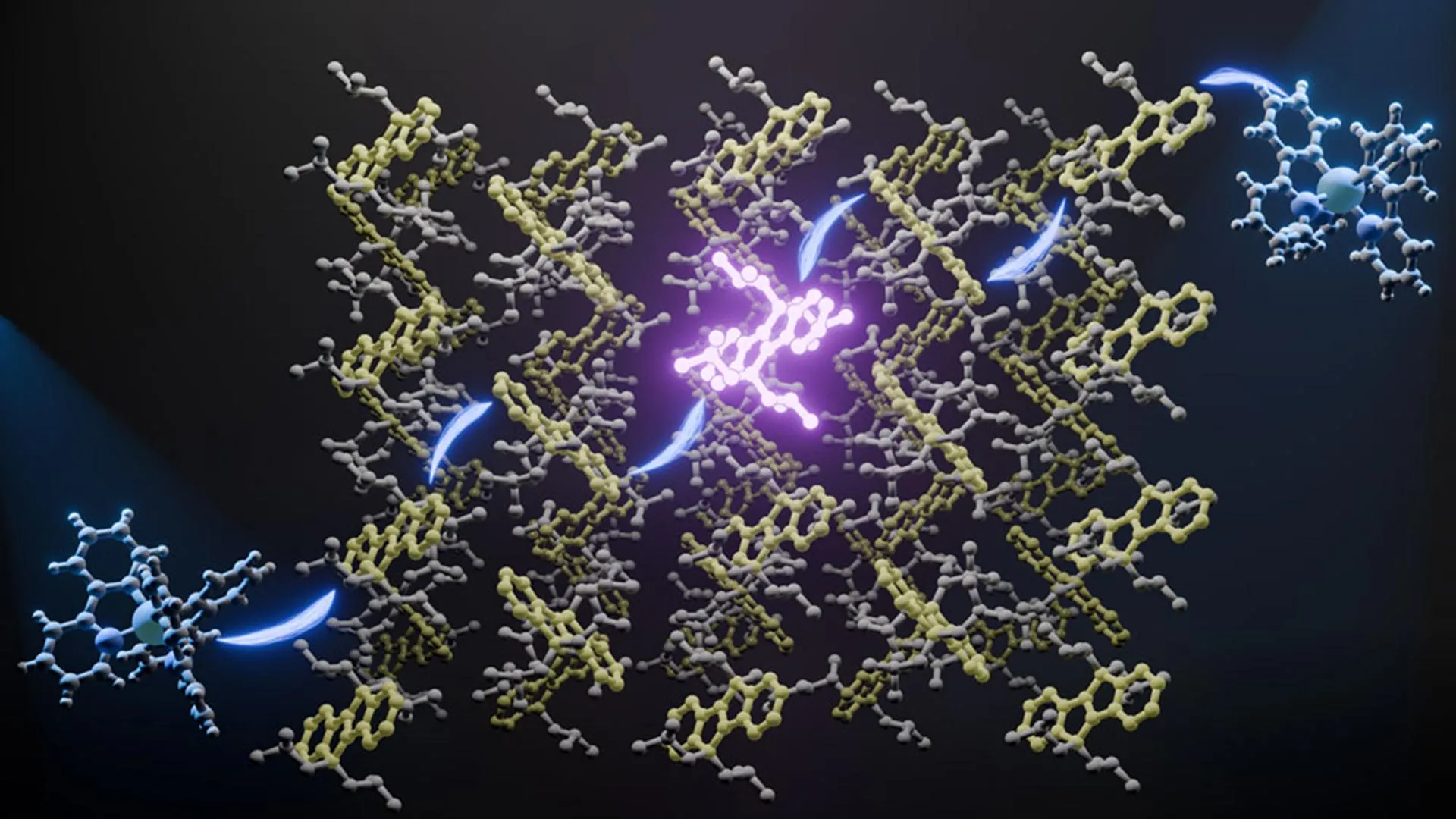
Imagine pouring together two cups of warm water and somehow ending up with a cup of boiling water. That cannot happen in everyday life, but at the quantum level, something similar is possible. Multiple low-energy particles of light can combine their energy to create a single particle with much higher energy.
Researchers at Kyushu University have now created a solid-state molecular material capable of converting visible sunlight into ultraviolet (UV) light under normal outdoor conditions. The new material achieves a photo upconversion efficiency of 1.9%, according to a study published June 23 in Nature Communications.
Why UV Light Matters
Although many people associate UV light with sunburns and skin damage, it plays an important role in numerous technologies. UV light is used for air purification, curing resins in 3D printing, hardening gels in dental fillings, and even applications such as nail treatments.
Despite its usefulness, UV light represents only about 6% of the sunlight that reaches Earth’s surface. Even then, only part of that UV radiation is practical for technological applications.
“What we do here is ‘add together’ the energy from two visible light photons to make one ultraviolet photon. It’s a fascinating process called photo upconversion,” explains Yoichi Sasaki, Associate Professor at Kyushu University’s Faculty of Engineering and the study’s corresponding author.
Turning Visible Light Into UV Light
The process relies on a phenomenon known as triplet-triplet annihilation (TTA). In this approach, a molecule known as a donor absorbs visible light and enters a high-energy triplet state. That energy is then transferred to a nearby acceptor molecule.
When two triplet states encounter one another, they combine and release their energy as a single UV photon.
Scientists have long known that TTA works effectively in liquids because molecules can move freely and interact easily. However, liquid systems often require toxic solvents and may evaporate over time, limiting their practicality. As a result, researchers have spent years searching for a reliable solid-state alternative.
“In solids, molecules are packed tightly, and the π electron clouds — regions of high electron density hovering above and below each molecular plane — can overlap,” says Sasaki. “When that happens, triplets easily fizzle out before they ever meet. Molecules must be close enough for energy to transfer but separated enough to prevent quenching of excitons.”
A New Solid-State Solution
The team’s breakthrough came from an organic semiconductor called dihydroindenoindenedene (DHI).
The researchers modified DHI by attaching alkyl chains to its sp³ carbon atoms — which have four bonds pointing in fixed 3D directions. This design created carefully controlled spacing between neighboring molecules. The molecules remained close enough to transfer energy efficiently while avoiding the strong electronic interactions that can suppress performance.
The resulting material exhibited strong luminescence, long-lived excited states, and highly effective energy transfer. It achieved a solid-state fluorescence quantum yield greater than 60%.
When paired with a donor molecule, the system reached an upconversion efficiency of 1.9%.
“This means roughly two UV photons are produced for every hundred visible-light photons absorbed,” Sasaki adds. “It may sound low, but it runs on natural sunlight alone. Most solid-state materials cannot realize this even at much higher light intensity.”
Potential Applications for Solar-Powered UV Light
The researchers have filed a patent application for the material.
In addition to its performance, the material offers practical advantages. It can be synthesized relatively easily and is made from inexpensive starting materials. The team believes it could eventually be used in solar-powered photocatalysis, indoor air purification systems, and low-intensity 3D printing technologies.
A 14-Year Scientific Journey
For the researchers involved, the achievement represents more than a technical advance.
In 2012, Nobuo Kimizuka, now Professor Emeritus at Kyushu University’s Research Center for Negative Emissions Technologies, began exploring photon upconversion through triplet energy migration in self-assembled molecular systems. His goal was to establish a form of molecular systems chemistry in which self-assembly could perform useful functions.
Over the following years, his group made steady progress using solution-based and gel-based systems. Efficient solid-state upconversion, however, remained difficult to achieve.
A major breakthrough finally arrived in May 2024, less than a year before Kimizuka’s retirement.
The months that followed became an intense push to bring the project to completion. Graduate students Naoyuki Harada, Hayato Shoyama, and Nutnicha Boonmong worked alongside Sasaki and then-Assistant Professor Kiichi Mizukami of Kyushu University’s Faculty of Engineering to consolidate years of research into a final publication.
“We handed the draft to Professor Kimizuka just 11 days before he left the lab, which for us felt like a heartfelt retirement gift,” Sasaki notes.
“This discovery is the culmination of over 14 years of our research and marks a major milestone in photon-upconversion and molecular self-assembly research,” concludes Kimizuka.

Fructose and glucose are two common sugars found in many foods and drinks. Although they contain the same number of calories, new research suggests the brain responds to them in very different ways.
Scientists at the Monell Chemical Senses Center discovered that fructose and glucose communicate with the brain through separate gut-brain pathways. Their findings indicate that these differences may influence food and beverage preferences and could help explain why certain sweetened products are especially appealing.
The study, published June 10 in the journal Neuron, identified a specific signaling route that allows fructose to communicate with the brain. In experiments involving mice, researchers found that this pathway was far less effective than the one used by glucose when it came to reducing activity in neurons associated with hunger.
“This work adds to our growing understanding of how modern diets, especially those high in fructose or high-fructose corn syrup, interact with the neural systems involved in appetite,” said senior author and Monell Member Amber Alhadeff, PhD.
How Fructose and Glucose Affect Hunger Neurons
To investigate how the sugars influence the brain, researchers recorded neural activity in mice after exposure to fructose and glucose.
The team found that fructose increased levels of the gut hormone PYY. That hormone then signaled through the vagus nerve, leading to a modest reduction in the activity of agouti-related protein (AgRP) neurons, which play a major role in driving hunger. When researchers disrupted this pathway, fructose could no longer affect those neurons.
Glucose produced a very different response. According to the researchers, it did not rely on the same PYY-Y2 vagus nerve pathway. Instead, glucose strongly suppressed AgRP neuron activity, resulting in a much larger effect on hunger-related brain signaling.
Sugar Type Influenced Food Preferences
Although fructose and glucose produced similar short-term effects on food intake, the mice eventually developed preferences that corresponded to the degree of AgRP neuron inhibition triggered by each sugar.
The researchers also examined high-fructose corn syrup (HFCS), a widely used sweetener made from a combination of fructose and glucose. The mice showed a preference for HFCS, and the sweetener suppressed AgRP neuron activity more strongly than fructose alone.
According to the researchers, this stronger effect on hunger-related neurons may help explain why foods and beverages containing HFCS can be particularly appealing.
Challenging Assumptions About Calories and Hunger
The results call into question a long-held assumption that AgRP neurons primarily track calorie intake regardless of where those calories come from.
Instead, the findings suggest that these hunger-related neurons can distinguish between different sugars and respond through separate biological pathways. Even though fructose and glucose provide the same amount of energy, the mice’s brains processed them differently.
The study highlights the complexity of nutrient sensing in the body and suggests that even simple sugars can have distinct effects on the gut, the brain, and behavior.
This research was supported by grants R01DK131558, DP2AT011965, R01DK116004, F31DK13558, and S10OD030354 from the National Institutes of Health; the American Heart Association; the New York Stem Cell Foundation; the Klingenstein Fund; the Simons Foundation, the Pew Charitable Trusts, the Penn Institute for Diabetes, Obesity, and Metabolism; the Hearst Fellowship, and the Monell Chemical Senses Center.
Prices change quickly on Prime Day, so keep checking back to see the latest updates. Make sure to sign up for an Amazon Prime account to get the deals.
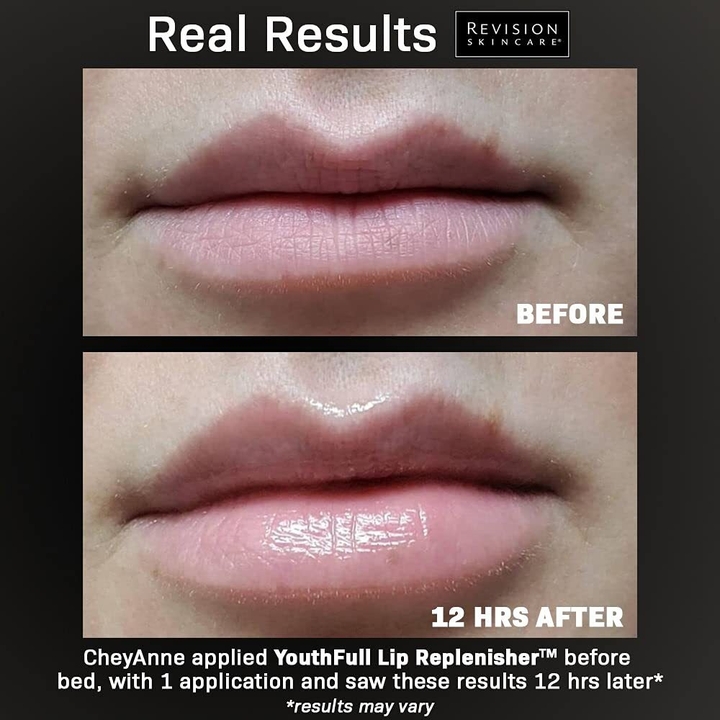
Some products go on sale so rarely that it feels like breaking news when the price tag drops. That’s certainly the case for Revision Skincare’s YouthFull Lip Replenisher, a luxury, peptide-infused lip balm that I credit for transforming my aging lips. It’s like no other product out there for smoothing and replenishing my smile. After months of stubbornly sitting at full price, it’s on rare sale for Amazon Prime Day for 30% off, the lowest price it’s been since Black Friday. Trust, this balm is worth every penny at full price, so this deal is a steal. But you have to move fast because Prime Day ends tonight, and the deals are going with it.
Advertisement
Advertisement
My lips have gotten just as much sun damage as the rest of my face over the last nearly five decades, and it was starting to show. I decided to try the YouthFull Lip Replenisher in a mission to combat signs of aging on my lips. I’m not overly bothered by wrinkles, but I do want to take care of my skin. Yet, I can’t slap retinol cream on my lips like I can on my crow’s feet. Lip skin is wildly delicate.
I figured one of the most promising lip-safe active ingredients would be peptides, given that certain peptides can have skin-restoring abilities and help address things like loss of firmness, dullness and fine lines and others are solid antioxidants. Although they don’t produce quick miracles — no skin care does — peptides can be effective, and some are gentle enough to be included in lip products. I tried a few of them, including Hailey Bieber’s peptide lip gloss (what can I say? she has good skin!), but nothing was really doing it for me.
More, the balm offers vitamins E and C and green tea, which have been studied to work well in tandem with peptides. Plus, the balm offers very solid moisturizers like shea butter.
Advertisement
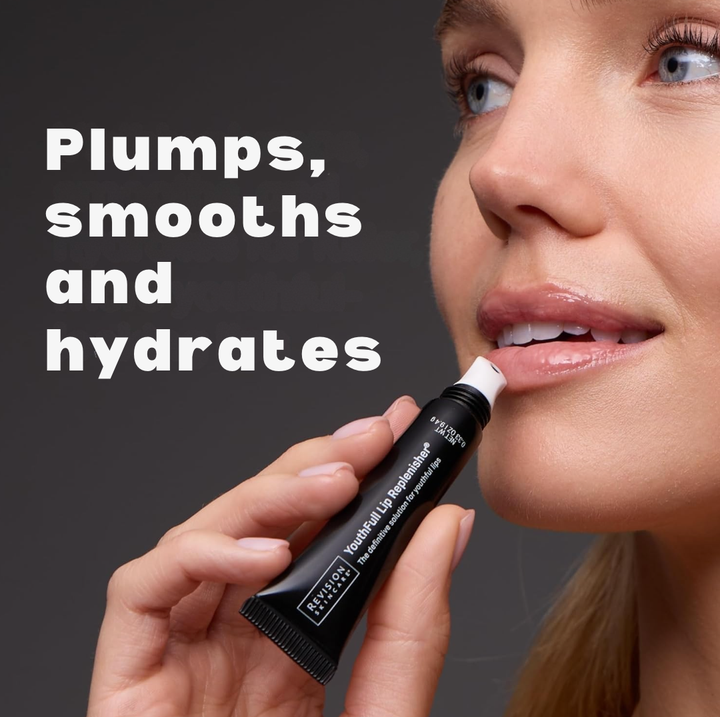
I will note that when I first put this on, I immediately knew it wasn’t going to be a product I’d wear much during the day, despite Revisions’s guidance of applying it three times daily. It’s pretty thick and sticky (if you are constantly pulling your hair out of your lip gloss, you know the struggle).
Advertisement
But as one reviewer noted, this is actually the product’s superpower, because it absolutely does not budge, even if you wear it overnight. “Although some reviews complain about the tackiness of the balm, that’s actually what is so great about this product!” wrote a Dermstore customer named Lizzie. “It sticks to lips better than any other balm I’ve tried.”
I can attest to this. Each morning when I wake up, it’s still there as if I just applied it. I sleep on my side, but it doesn’t melt off or get on my pillow. The fact that it clings so hard and lasts so long gives me some assurance that all those little peptides really are hard at work while I sleep, safely ensconced on my lips in a very stay-put formula. I kept going with overnight use, and within days felt like this it was making a real difference. My lips hadn’t been in terrible shape, but they definitely seemed smoother than they’d been in years. They didn’t look wrinkly. And they certainly felt supremely healthy.
Although some reviewers do enjoy it wearing this formula as a daytime gloss, many others are using it overnight only, too, and say it makes their lipstick easier to apply the next day.
Advertisement
And given how little of it I have to squeeze out to give my lips a solid coat, I feel like this one tube is going to last for an almost comically long time (a relief given that $40 is way more than I typically spend on a lip balm).
Some aren’t so concerned with fine lines, and simply use it for dry, cracked lips in winter or desert climates (and they say it’s hugely effective for that).
Advertisement
“This deserves 10 stars. I was given this as a gift from a friend, and I loved it so much I bought the regular and the tinted. Worth every single penny! Yes, it is very sticky, but I honestly prefer when glosses/balms are sticky because I feel like that helps it last all day. Plus it makes my lips feel super moisturized after taking it off. Since it’s sticky, a little goes a long way, which is such a plus given this is a little pricey!” — Marie
“After years of hearing people mention having a ‘holy grail’ product, I finally have my own. This stuff is incredible! I originally got it after having a lip moisturizing treatment done, because it was recommended as a great post-treatment maintainer, but it works fantastically all the time. I have always had great lips, but they’ve been thinning due to age. This makes them look insanely plump, incredibly moisturized, and very ‘I used a filter but in real life.’ One caveat: it is crazy sticky. That’s what keeps it on as a great all-night moisturizer, and doesn’t require constant touch-ups on a night out. But it’s definitely a hair-grabber in a windstorm. Absolutely worth it to me to just wait and put it on when I’m inside!” — Golden golden
“It actually works! My Dermatologist recommended this to me. Results are noticeable some in the beginning but with daily use (throughout the day) my lips are fuller, less wrinkles! (age 46)” — Amy Gragg
“I’ve tried so many lip masks. Laneige, Tatcha, First Aid Beauty (was amazing and now discontinued), Bite, Fresh, Ole Henricksen, Kiehl’s (tastes and smells fantastic, lasts on lips for 4 minutes)…Tarte, Buxom, Dior, was a Burt’s Bees fan for a decade. BB is nice and keeps the moisture in, but no active ingredients to nourish. Revision is serious business… I travel for work, am on planes and changing climates weekly. My lips are soft and nourished. I’m over 50, and no lip lines. **Can’t recommend strongly enough. 10/10**” — Kimberly S
Amazon
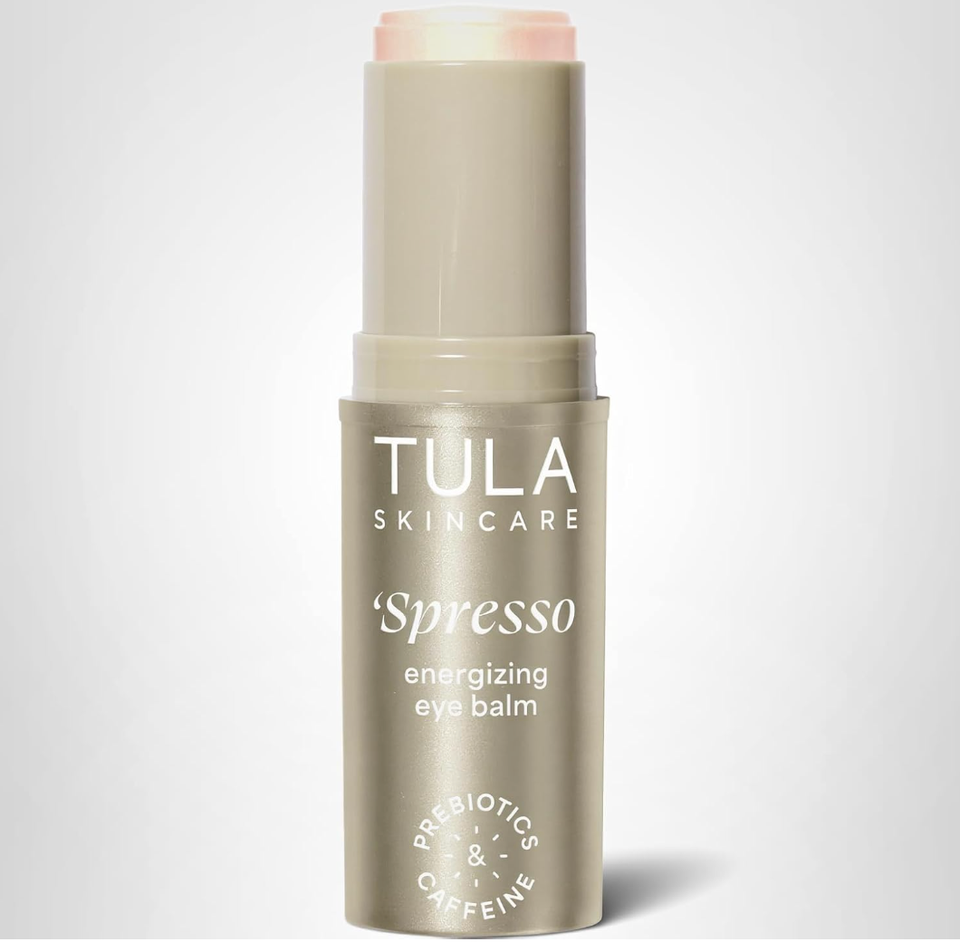
A simple balm stick can be one of the easiest ways to give your eye bags a wake-up call — and way more cost-effective. Not sure where to start? Tula’s hyaluronic acid and caffeine eye balms have impressed reviewers of all ages, with some claiming it makes them “look years younger” and garners them compliments on their skin, even after a terrible night’s sleep. The price on this balm seems to only go down during major Amazon sales like Black Friday or the Spring Sale, so you might be stuck waiting until fall to get it for under $30 if you don’t grab it now.
Lourdes Avila Uribe/HuffPost
,
Lourdes Avila Uribe/HuffPost
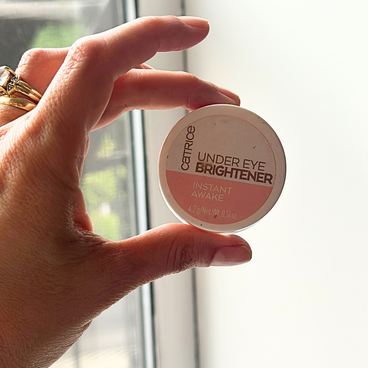
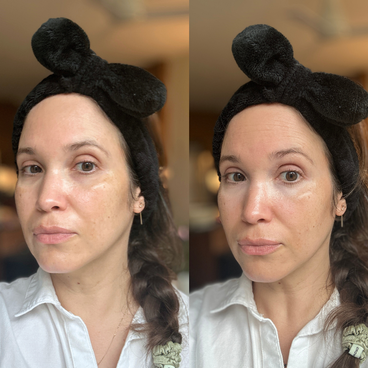
If, like me, you suffer from dark under-eye circles, then this is an incredible tool in your arsenal. It’s a brightener that not only helps to lighten dark circles, but can give eyes a more open, awake look. I wear it on its own or layered under concealer on especially tragic days. It’s really lightweight and has a smooth finish that stays put without creasing. I love it on days when I don’t want to wear makeup but need to perk up my overall appearance. It honestly takes years off my face and is a must for anyone with babies and small kids. It’s available in four shades, and is formulated with skin-loving ingredients like hyaluronic acid and shea butter. And for this price, it’s worth picking one up and giving it a shot.
Amazon
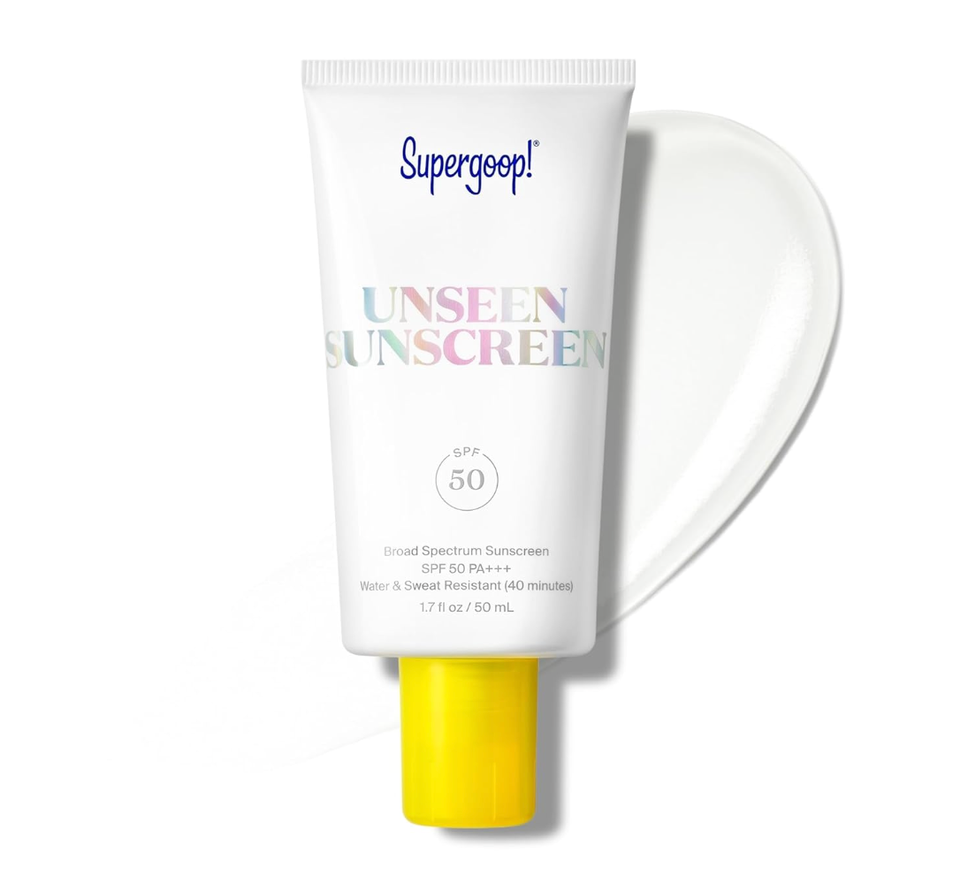
This cult-favorite sunscreen from Supergoop is arguably the product that put this trendy sun care brand on the map. It’s renowned for its clear, lightweight and unscented formula that won’t leave behind an irritating white cast but still offers broad-spectrum protection. It’s also oil-free formula, great for anyone who might have sensitive or acne-prone skin, and layers seamlessly beneath makeup or can be worn on its own. Middle age is not the time to be messing around with skin health, and as experts have mentioned, it’s the most effective anti-aging skin care product you can use.
Advertisement
Amazon
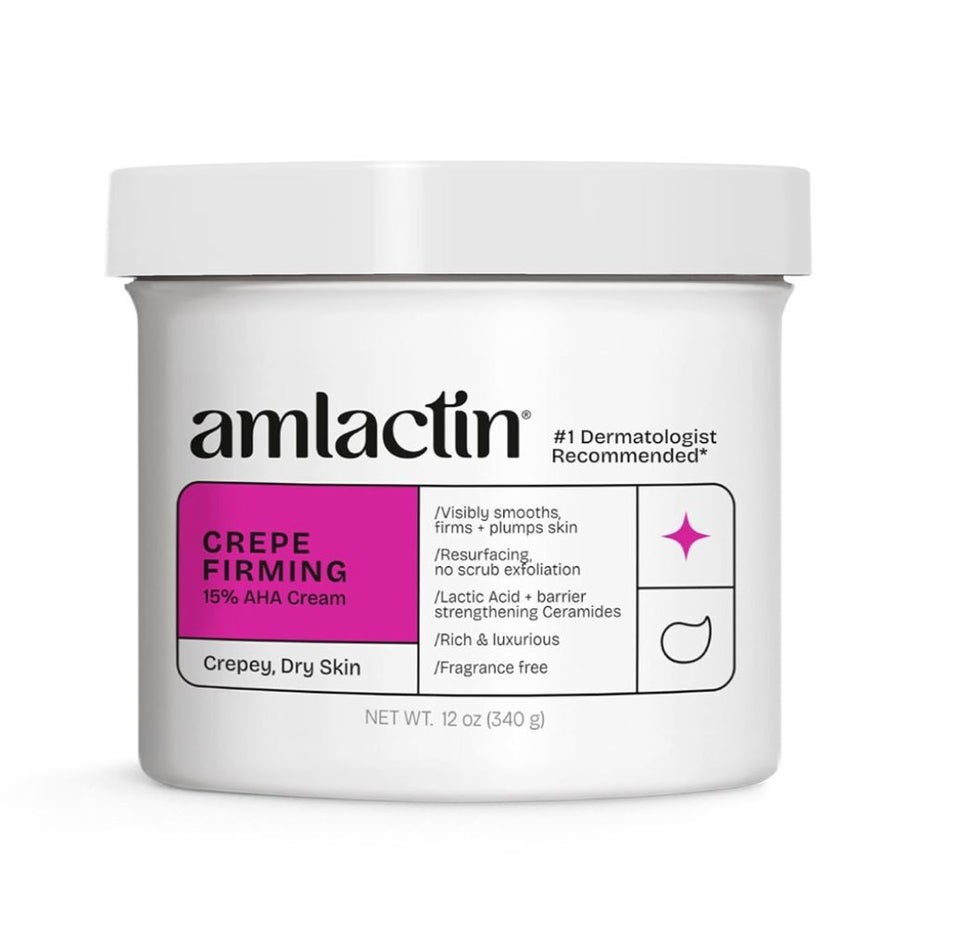
For anyone who just wants one body care product that will do it all, we suggest this body cream. Amlactin is a trusted brand for its lactic acid-containing lotions that help exfoliate rough, bumpy and textured skin. In addition to that 15% concentration of must-have resurfacing power, this cream also contains barrier-restoring ceramides and hydrators to help firm and soften thin, crepey skin that often comes with age.
In past HuffPost reporting, experts have explained the benefits of ceramides, which can strengthen the skin barrier, aid in moisture retention, and keep irritants at bay.
Amazon
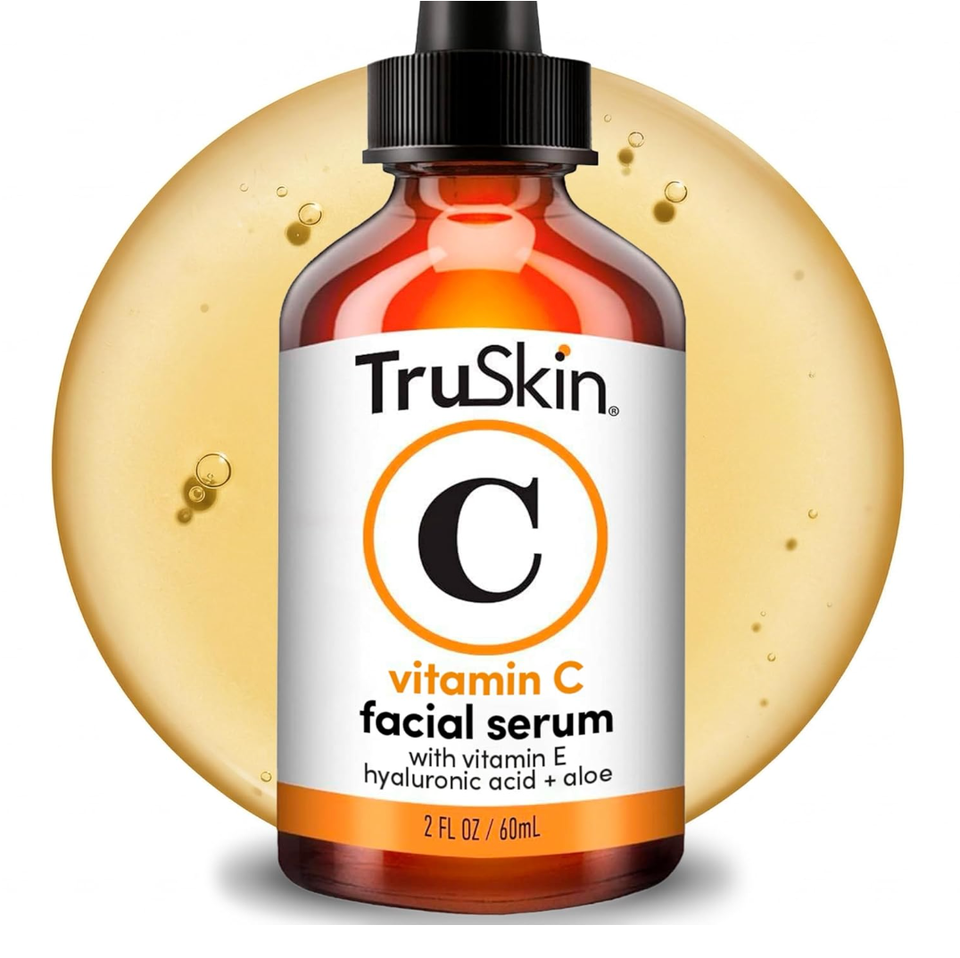
In case you didn’t know, vitamin C is a really valuable player in the skin care game. In fact, after sunscreen and retinol, it’s the most helpful ingredient in defense against premature skin aging, as experts have previously explained: It can promote collagen production and can protect against the damaging effects of free radicals.
This makes this popular serum’s enthusiastic reviews all the more viable. The nourishing formula works to reduce in fine lines, sun damage and aging spots — improving the appearance of skin conditions like melasma and an overall increase in skin brightness and radiance.
Amazon
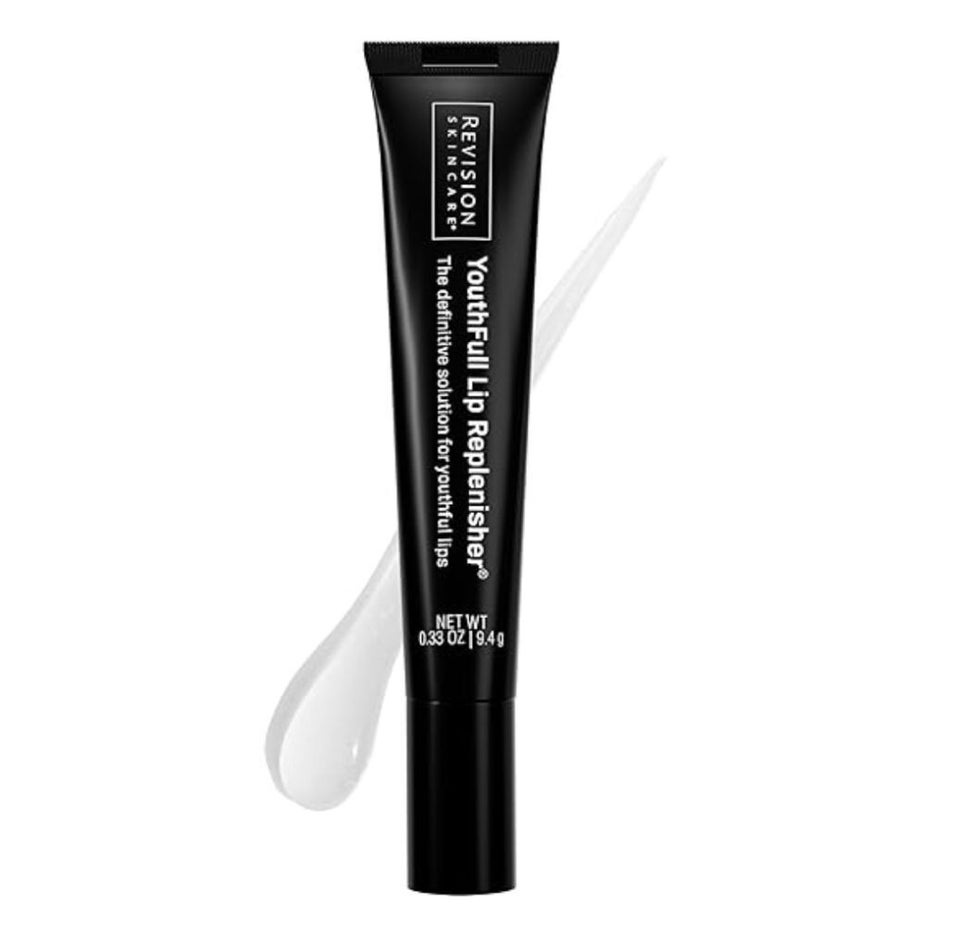
We’ve rarely seen an audience response quite like we did when former HuffPost editor Janie Campbell introduced our readers to the Revision Skincare YouthFull lip replenisher. You purchased this nourishing lip product in droves, and upon closer inspection, it’s clear why. Campbell made a compelling case for this balm, calling it a “truly stellar and game-changing product.”
Formulated with several peptides, vitamins E and C, green tea and shea butter, it’s designed to target visible signs of lip aging like puckering, wrinkles, dryness and dullness. And while it’s not typically like us to recommend such an expensive lip balm, the results speak for themselves. It has a thick, tacky texture that really grips the lips, making it a great overnight treatment.
In previous HuffPost reporting, experts explained why peptides are such a popular ingredient and how they work. Peptides can also help skin “appear plumper and smoother” and improve skin hydration, texture and firmness, said Dr. Kseniya Kobets, a dermatologist and the director of cosmetic dermatology at Montefiore Einstein Advanced Care in Elmsford, New York. They are particularly beneficial for “lines that form with expression, such as laugh lines around the mouth and eyes,” added Dr. Toral Vaidya, a dermatologist with MDCS Dermatology in New York.
Advertisement
Amazon
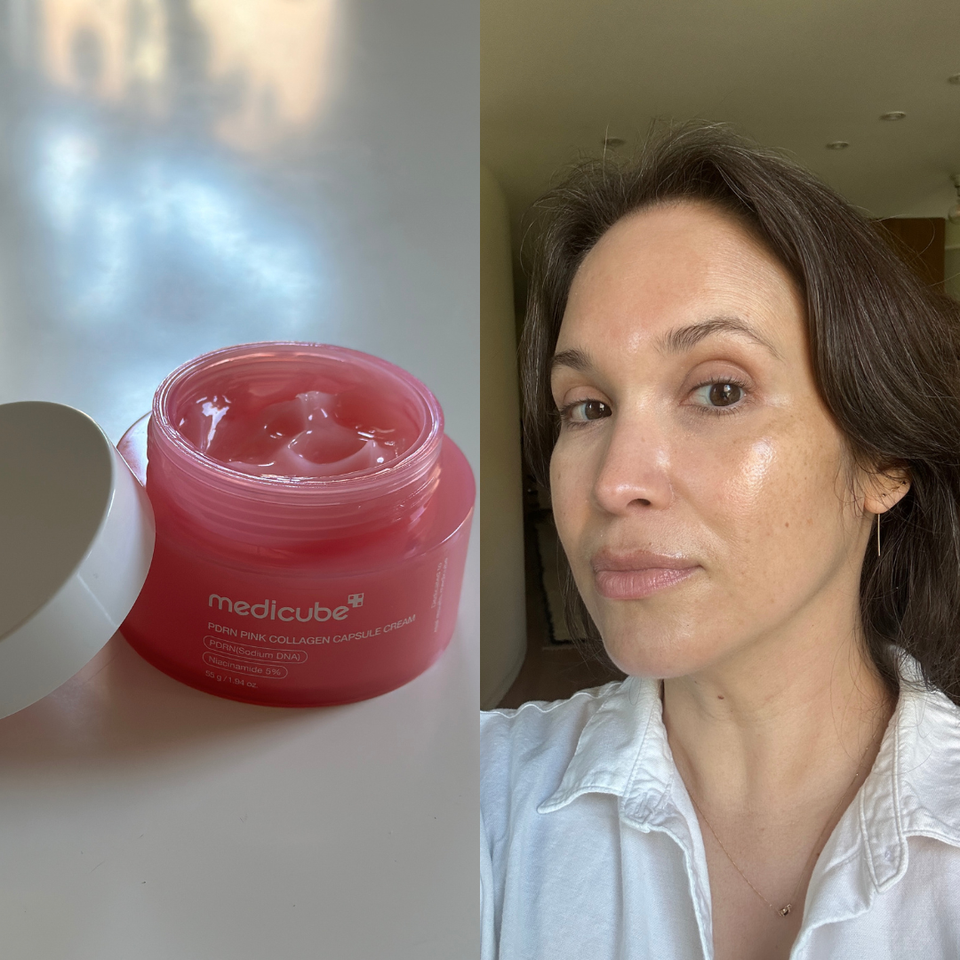
I previously wrote about my love-love relationship with Medicube’s PDRN collagen capsule cream, a unique moisturizer featuring suspended spheres in a jelly-like cream — an encapsulation formula the brand claims is the most effective delivery method of its main plumping ingredient, PDRN.
The result is a highly customizable and effective cream that is light as a feather yet somehow also incredibly hydrating. The satiny, dewy finish makes it feel like it’s much more expensive than it actually is. I recently got a facial and my aesthetician confirmed that the state of my skin was much improved. It’s a must for dry or finicky middle-aged skin like mine.
Amazon
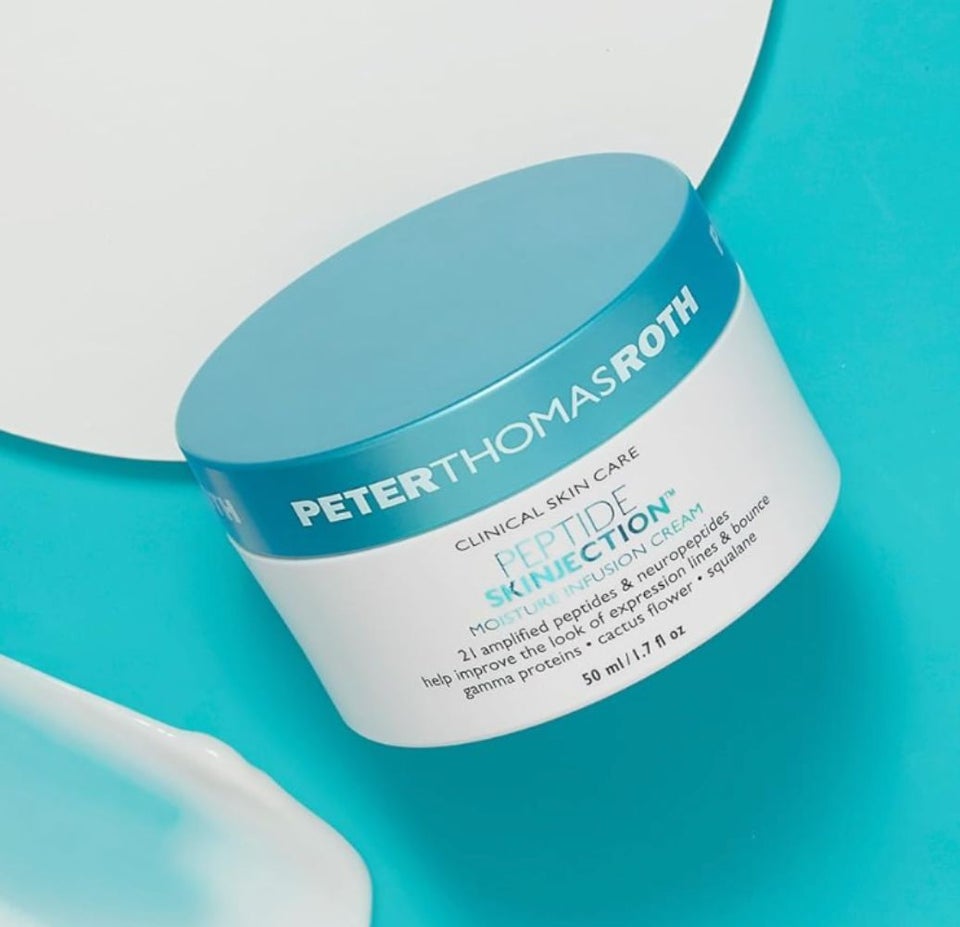
HuffPost shopping writer Tessa Flores will always opt for a moisturizer with peptides for their proven skin-plumping power and the way they always make her skin feel juicy and hydrated like this one. Peter Thomas Roth created an amped up moisturizer that contains both regular peptides and neuropeptides, which may reduce the appearance of expression lines, similarly to how neurotoxins like Botox work, but on a much lesser scale. It also contains some of dermatologist-beloved hydrators like squalane and hyaluronic acid.
Amazon
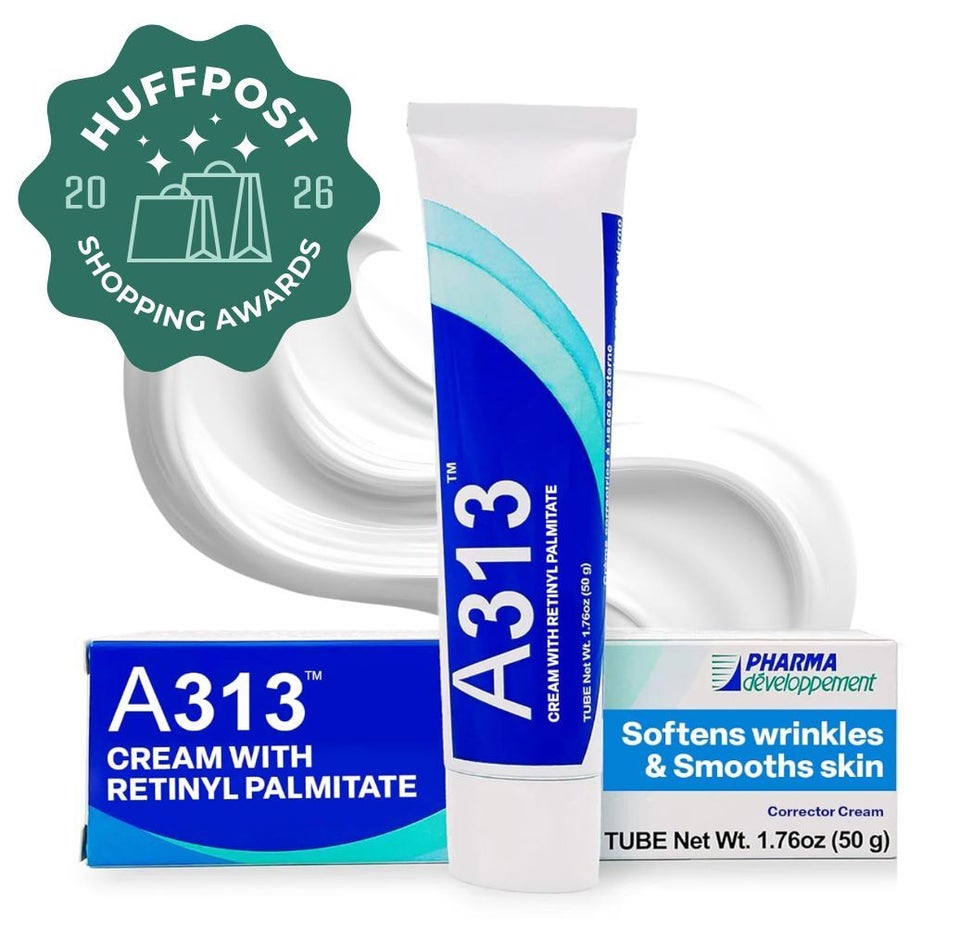
If there’s one thing that HuffPost readers and editors love, it’s French pharmacy skin care products. A313 cream is the highest-strength retinol cream you can get over the counter, with three kinds of retinol that can help stimulate collagen. Its efficacy is renowned, as is the reasonable price point, making it a unique entry in the retinol category.
Reviewers have long noted that it’s nearly as potent and effective as prescription-strength Tretinoin, without the negative side effects. In fact, some users who had been using prescription-strength Tretinoin then switched to this alternative and say they prefer A313 and have maintained the same results they had with the prescription-strength formula.
In past reporting, dermatologists have explained that because this product has very few ingredients, it can be a smart choice for anyone who’s sensitive to fragrances or other additives that may appear in other OTC retinol products.
Ultimately, what makes A313 distinctive (along with the price) is the thick occlusive texture, which is closer to a balm, and according to reviewers, can be more hydrating compared to other pricier formulations that you might find on the OTC market. The brand claims that the 2% retinol concentration can help unclog pores, minimize fine lines, reduce hyperpigmentation and even out skin texture.
Advertisement
Amazon
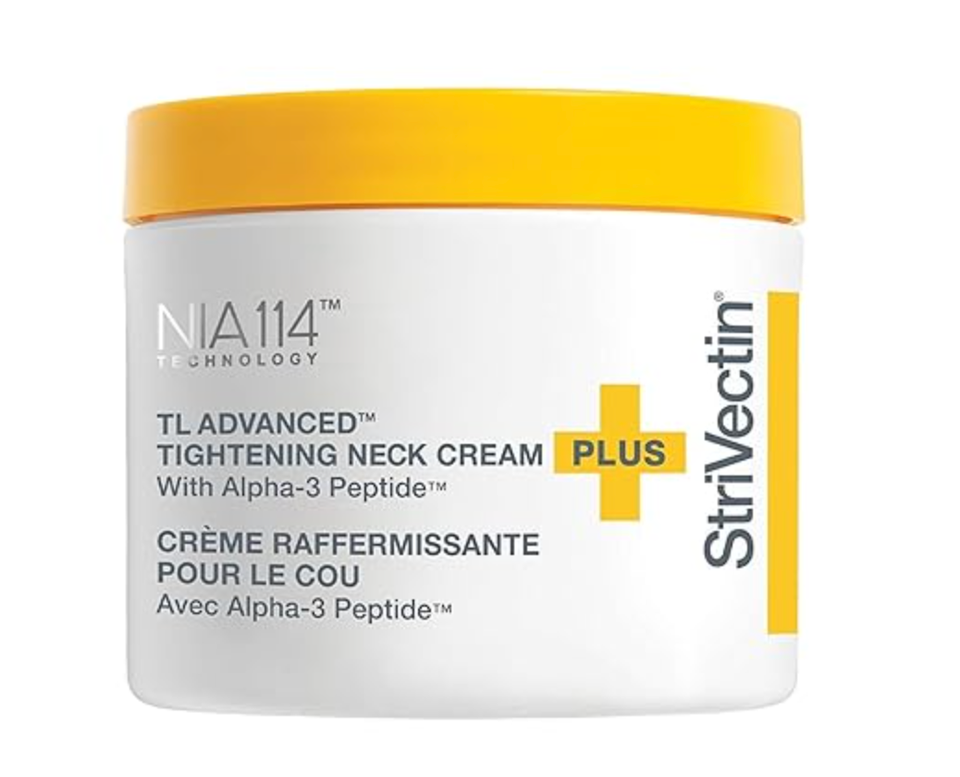
This dermatologist-recommended neck tightening cream by StriVectin is a targeted cream containing spilanthol, an ingredient designed to strengthen the skin, along with a patented peptide exclusive to the brand. Peptides can help to improve collagen levels and elastin which can help to fight skin laxity. This neck cream can also help brighten and even skin tone, diminishing the appearance of sunspots. Two different sizes are on sale for Prime Day (the larger 3.4-ounce size is pictured here).
Amazon
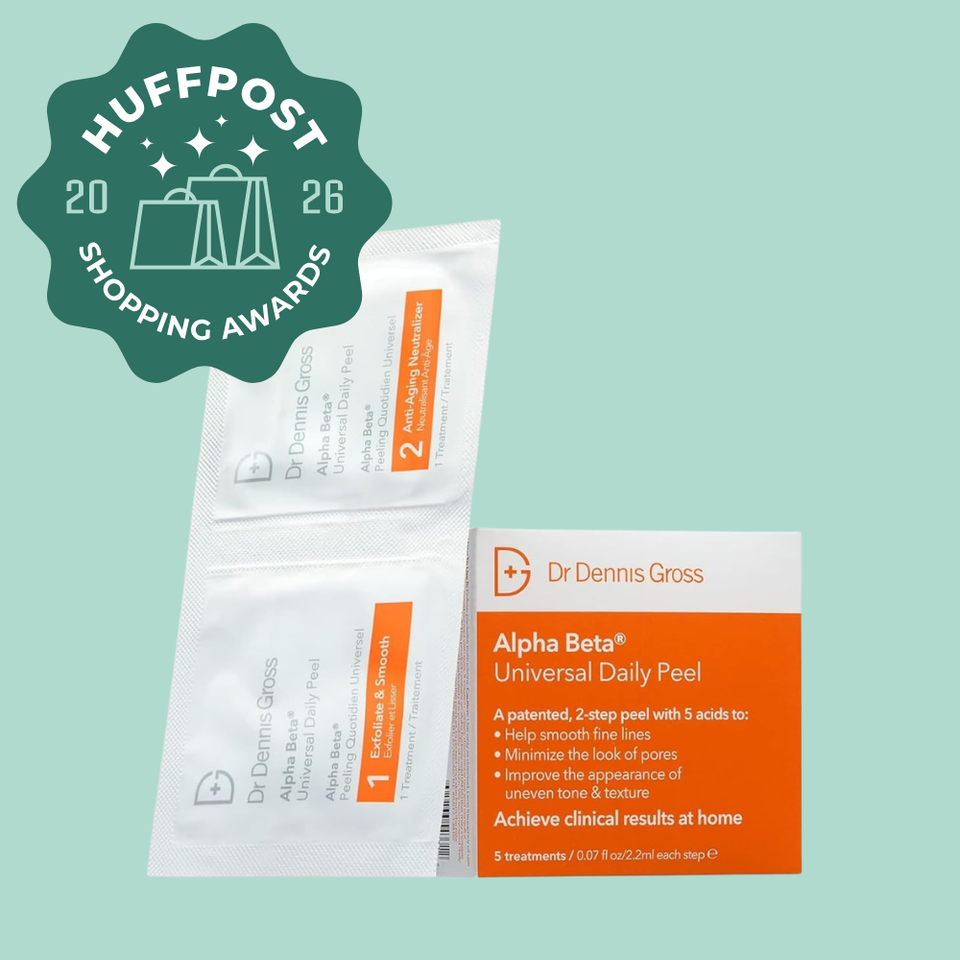
HuffPost contributor Carolin Lehmann previously described her experience with the Dr. Dennis Gross Alpha Beta daily peel pads, reporting that, since she started using them, people keep underestimating her age.
“I simply wipe down your face with these exfoliating pads, go to sleep, and wake up glowing like never before. These wipes are seemingly “magic,” helping my pores look smaller, minor acne clear up, fine lines iron out, and my skin [feel] baby smooth,” Lehmann said of the 2026 winner.
Also previously suggested to HuffPost by board-certified dermatologists, the Dr. Dennis Gross daily peel pads can offer the benefit of a chemical peel, but with a gentler approach than what you might find in a dermatologist’s office. Each treatment contains two pads: one to exfoliate and smooth your skin, and one that provides anti-aging benefits. The pads are pre-dosed with five acids, including glycolic, salicylic and lactic, that each work to reduce dullness and uneven texture, pores and hyperpigmentation. They were even compared (and preferred) to an in-office chemical peel by Amazon customers.
Amazon
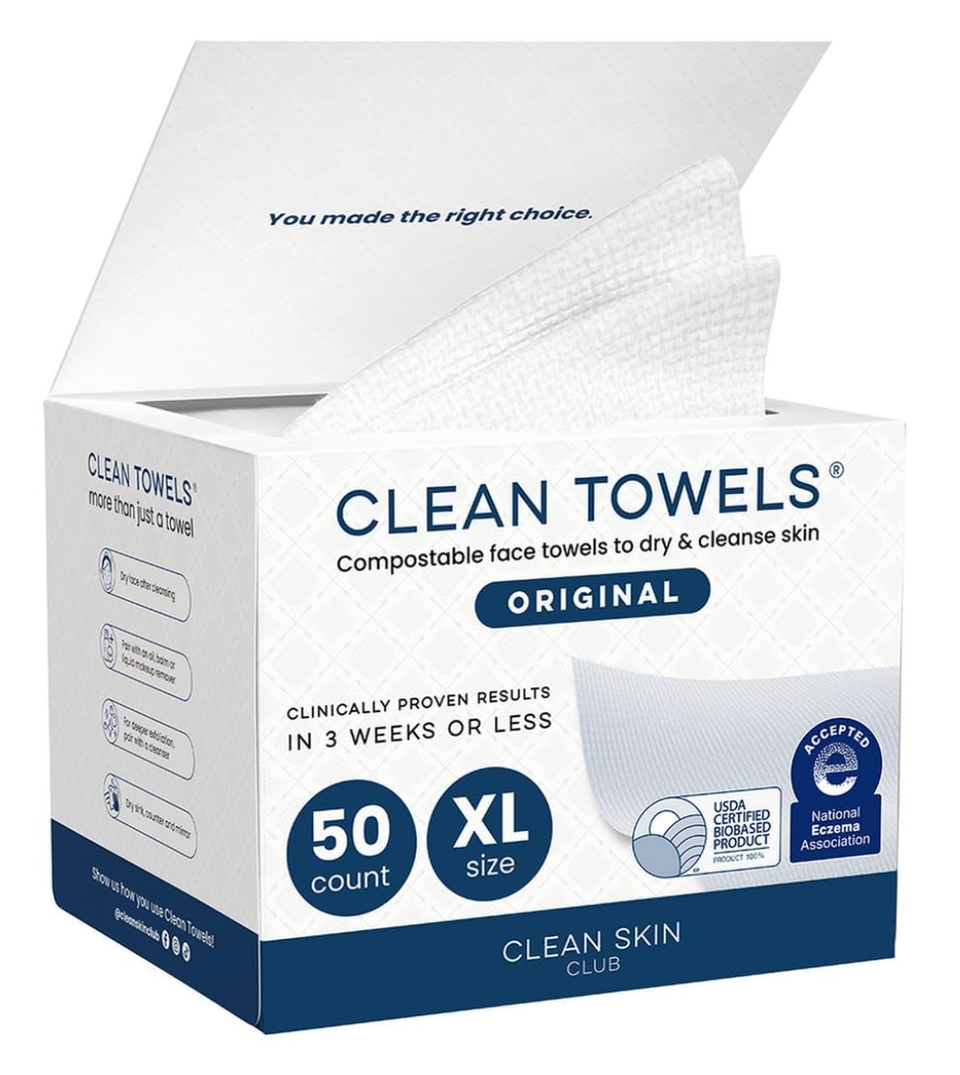
Washing your face daily can feel like an arduous task, made more so when you factor in the labor or having to launder washcloths. As if that weren’t annoying enough on its own, dermatologists have previously told HuffPost that washcloths can harbor a plethora of microorganisms when left wet for a prolonged period.
The search for a sanitary solution led former HuffPost Shopping writer Haley Zovickian to the cult-favorite Clean Skin Club towels. Plant-based and disposable, they’re designed to help keep skin germ-free post-wash, so you can apply products with a fresh face, clean conscience and without added microorganisms.
Endorsed by thousands of happy reviewers, these soft, plush and surprisingly large towels are as good as it gets. Some users even noted that they helped to reduce skin irritation. It’s no wonder they’ve become a staple in myriad HuffPost readers’ skin care routines, making them worthy of high praise.
Advertisement
Amazon
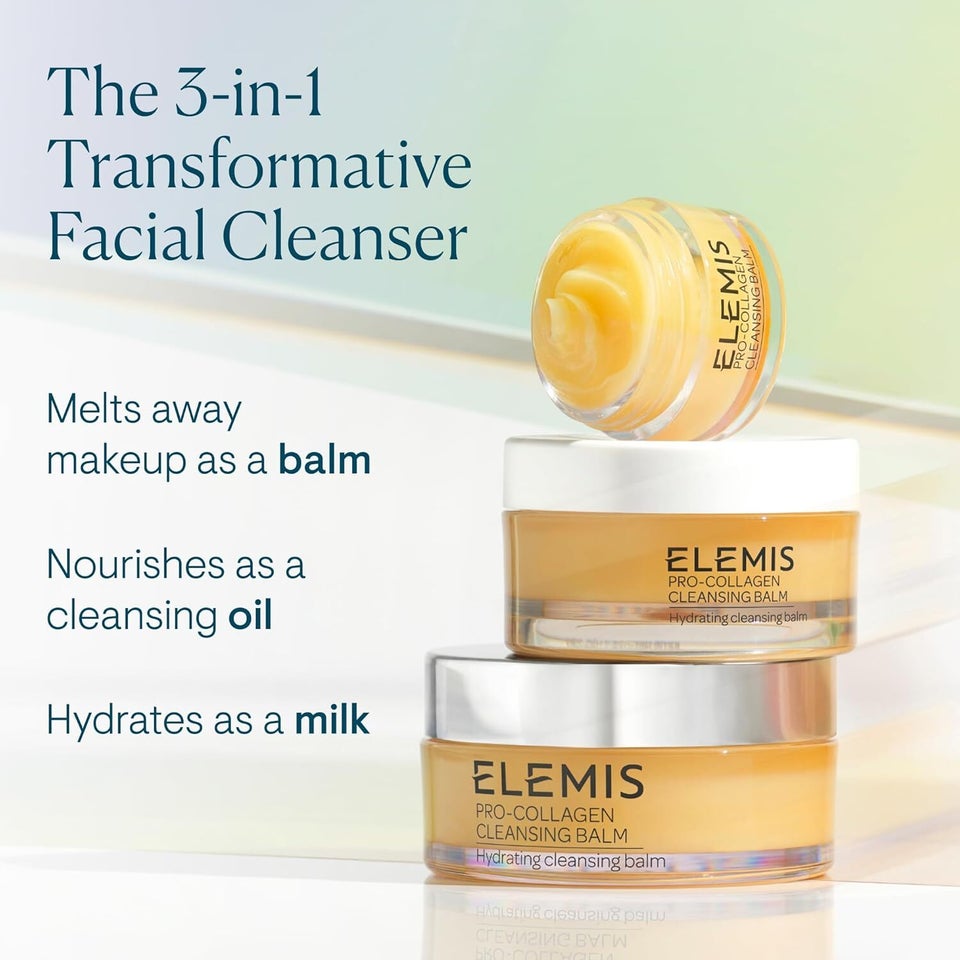
The first time I tried the famous Elemis cleansing balm, I couldn’t believe how soft, supple and clean my skin felt. And it’s been endorsed by dermatologists in previous reporting. I had always assumed that someone with acne-prone, oily skin like me should stay away from oil cleansing, but I couldn’t have been more wrong. It has a buttery soft consistency that starts off like a rich, thick oil and slowly melts into the skin, dissolving makeup, grime and impurities. It’s formulated with fatty acids that can help to improve skin elasticity and moisture retention, and the brand says its starfish and elderberry oils help soothe irritation and smooth out the complexion.
My colleague Kristen Aiken is also a huge fan of this cleansing balm. She told me that “this item is way pricier than what I’m usually willing to spend on cleanser (which is usually from the drugstore and under $10), but I’ve found it’s one of the only products that can effectively cleanse my skin AND nourish it without making me break out. I have perpetually dry skin no matter how much water I drink, and this saves me from drying out (especially in the winter months). Bonus: If you use it as a second round of double-cleansing (i.e. after you’ve already removed the day’s initial layer of gunk), you can use your favorite facial massage tool over top it, to help your tool slide smoothly along your face and de-puff.”
Amazon
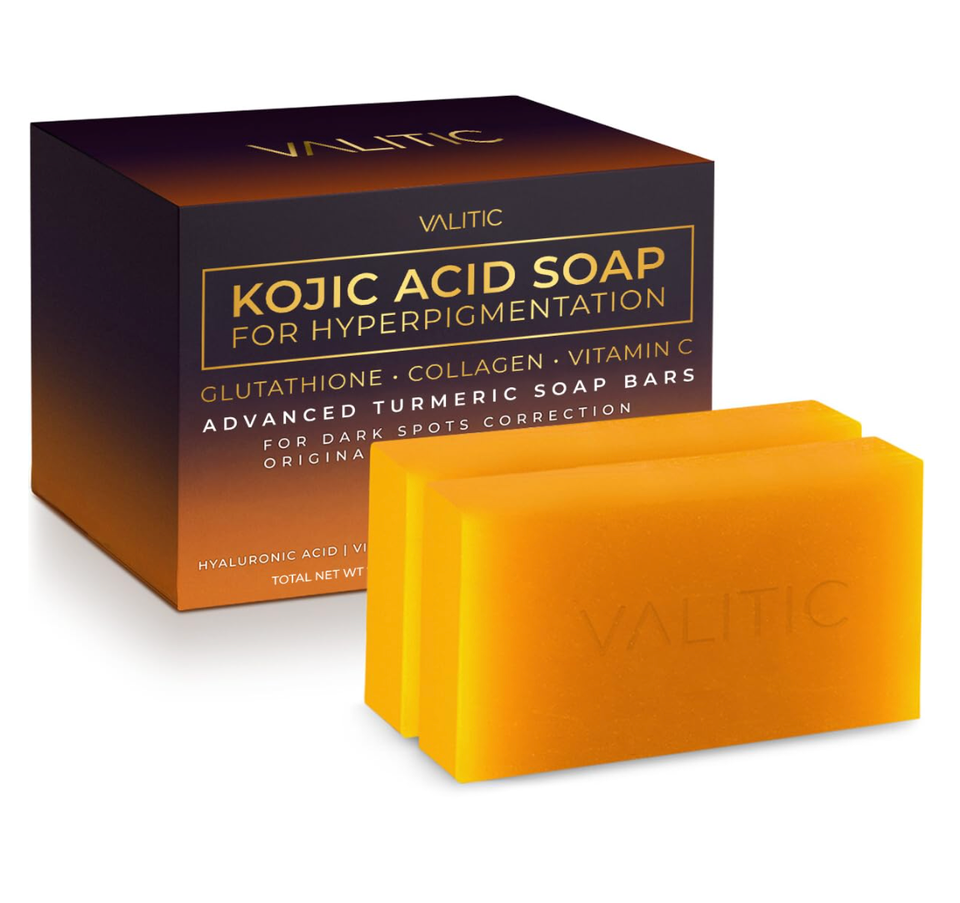
This bar soap is surprisingly great for brightening skin and reducing dark spots, thanks to kojic acid, tranexamic acid, vitamin C and glycolic acid — ingredients previously cited by dermatologist for their collective ability to combat hyperpigmentation. Both Flores and I are big fans of these Japanese-formulated bar soaps that are also packed with other skin-loving ingredients such as hydrating hyaluronic acid and retinol, which is essential for promoting collagen production.
Amazon
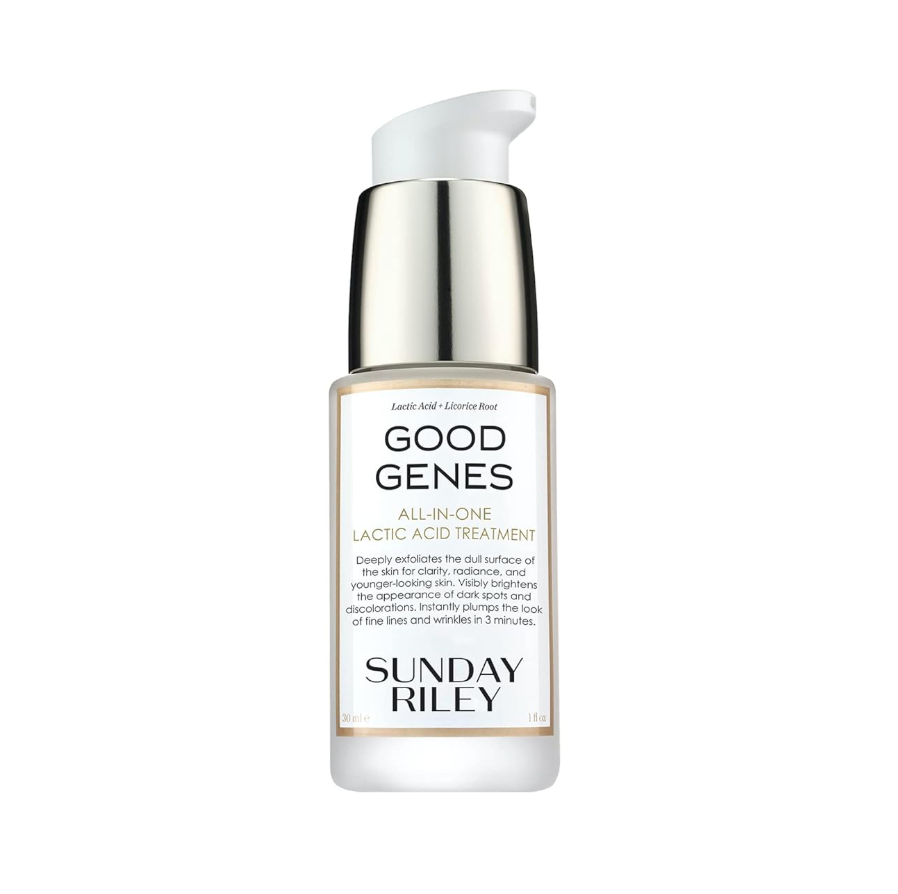
I am a longtime fan of Good Genes, it’s an incredibly powerful and rapidly effective serum. The secret is in the high percentage of active ingredients in both, particularly content of lactic acid. It is a unique chemical exfoliant that encourages quick cell turnover in the surface layers of the skin, leaving it smooth and helping clear up blemishes. It’s paired with licorice and lemongrass, which help brighten up the look of dark spots, sun damage and other discoloration, and prickly pear extract that helps soothe redness and calms sensitive skin. This serum will go on sale here and there, but rarely at such a steep discount. It’s definitely worth taking advantage while you can.
In previous reporting, experts said that products with lactic acid are a good option for anyone looking to treat dry, dead skin and improve hydration. It can also be used to soften the little bumps some people get on the backs of their arms, known as keratosis pilaris.
Advertisement
Amazon
Amazon
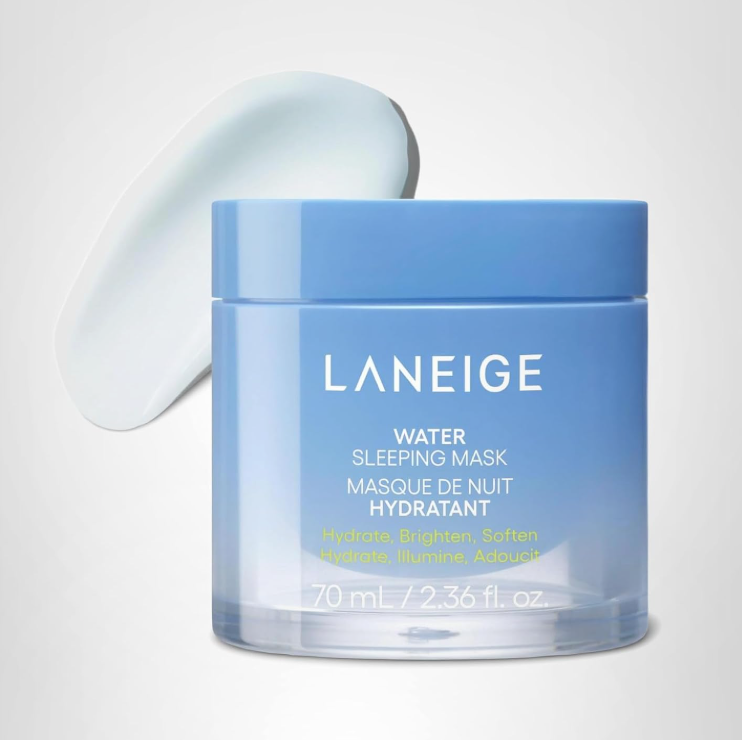
This overnight mask is meant to be moisturizing and hydrating, with a blend of sleepy scents, including orange flower, rose and sandalwood. It’s formulated to feel rich and luxurious, wihtout leaving skin greasy. Hyaluronic acid, niacinamide, squalane, ceramides and other dermatologist-recommended ingredients give this night cream a whole lot of oomph.
Amazon
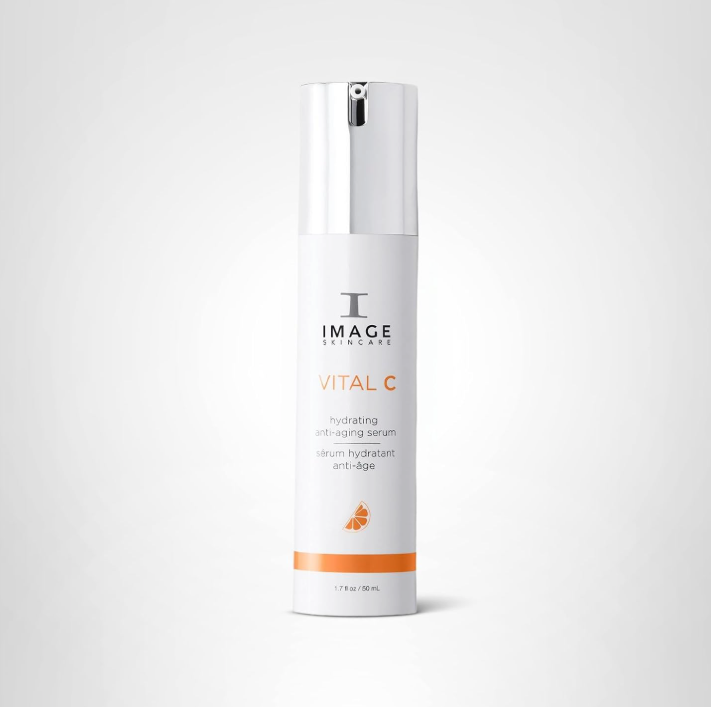
We know dermatologists love vitamin C serums, and this one is formulated with hyaluronic acid to lock in moisture while delivering antioxidant goodness. It’s on the pricier side, making this the right time to save when you shop. One reviewer raved, saying, “My skin has never felt this good!” They added, “The scent is light, fresh, and not overpowering—just enough to feel like a little spa moment each time I use it. What really sold me, though, was how hydrated and smooth my skin felt afterward. It absorbed beautifully without feeling greasy or sticky. I’ve been using it daily since and my skin looks brighter, feels softer, and has a healthy glow.” Another boasted, “I’ve gotten compliments that my face is glowing.”
Advertisement
Amazon
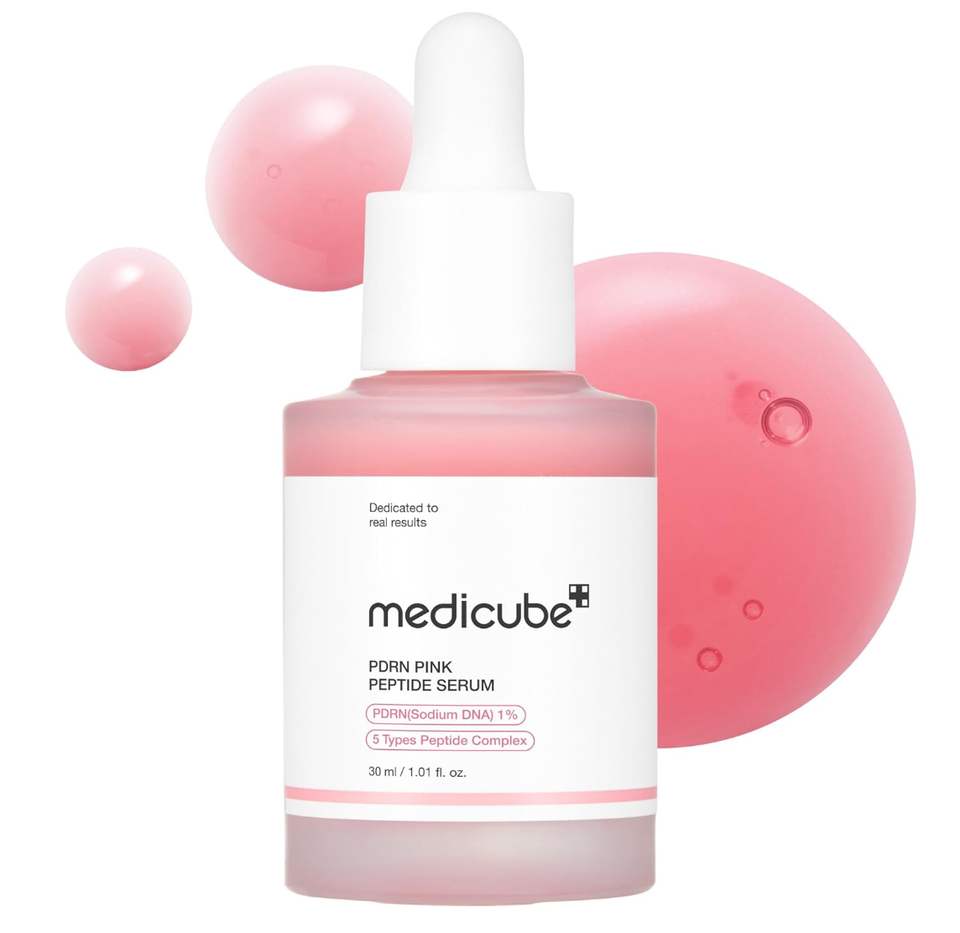
In previous reporting, experts suggested this recognizable pink serum, a Korean beauty brand that’s quickly become synonymous with tons of PDRN-based products, from jelly masks to toners and face creams. The PDRN peptide serum is one of Medicube’s best sellers on Amazon, and in addition to salmon sperm-derived PDRN, it’s enriched with a complex containing five different types of peptides. According to dermatologists that we previously spoke to, peptides are amino acid proteins known to boost collagen production, improve skin texture and promote wound healing.
Amazon
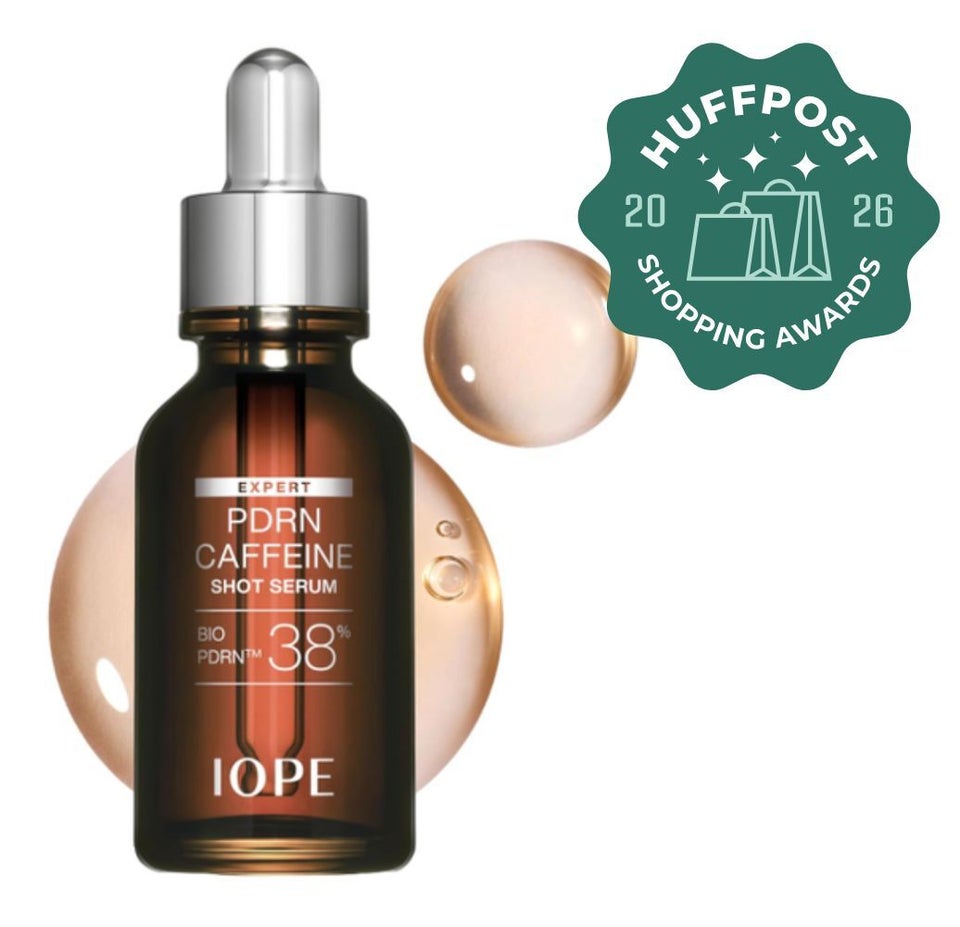
HuffPost readers love a high-quality skin care product that can replace pricey facial treatments, like this K-beauty serum that one beauty TikToker calls “filler in a bottle.” Its prowess is attributed to an ingredient called PDRN, which is widely used in injectables overseas. Like the aforementioned Medicube serum, it has anti-inflammatory and tissue-repairing capabilities that can improve skin firmness and leave recipients with a telltale glow. It’s usually extracted from salmon sperm cells, but Iope’s serum has a completely vegan, plant-based formula that is as unique as it is effective.
Additional ingredients like niacinamide, probiotics and caffeine round out this repairing formulation — all ingredients that are beloved by HuffPost editors and readers alike. It’s such a great product that it was awarded a HuffPost Awards seal of approval.
I have covered countless serums in my many years of beauty reporting, and this one by Iope covers all my must-have bases. My skin is significantly more hydrated, glowy and bouncy. I make an effort to put it on my neck lines and it definitely helps to blur them as well. I’m a convert for life.
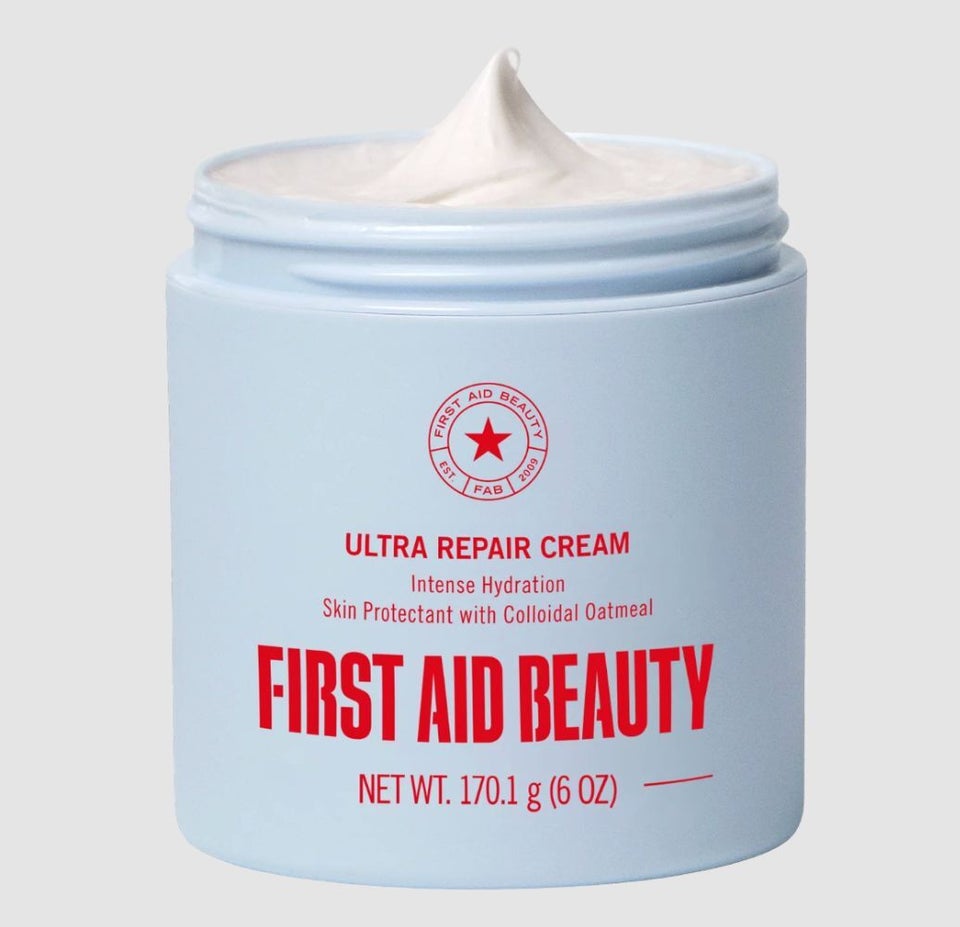
First Aid Beauty
Flores is a fan of a few First Aid Beauty products, like this intensive repair cream. She credits it with saving her itchy, flaky, eczema-prone skin on more than one occasion. Dermatologist have also previously sung this product’s praises, citing the soothing, barrier-repairing powers of ingredients like colloidal oatmeal, shea butter and allantoin.
Advertisement
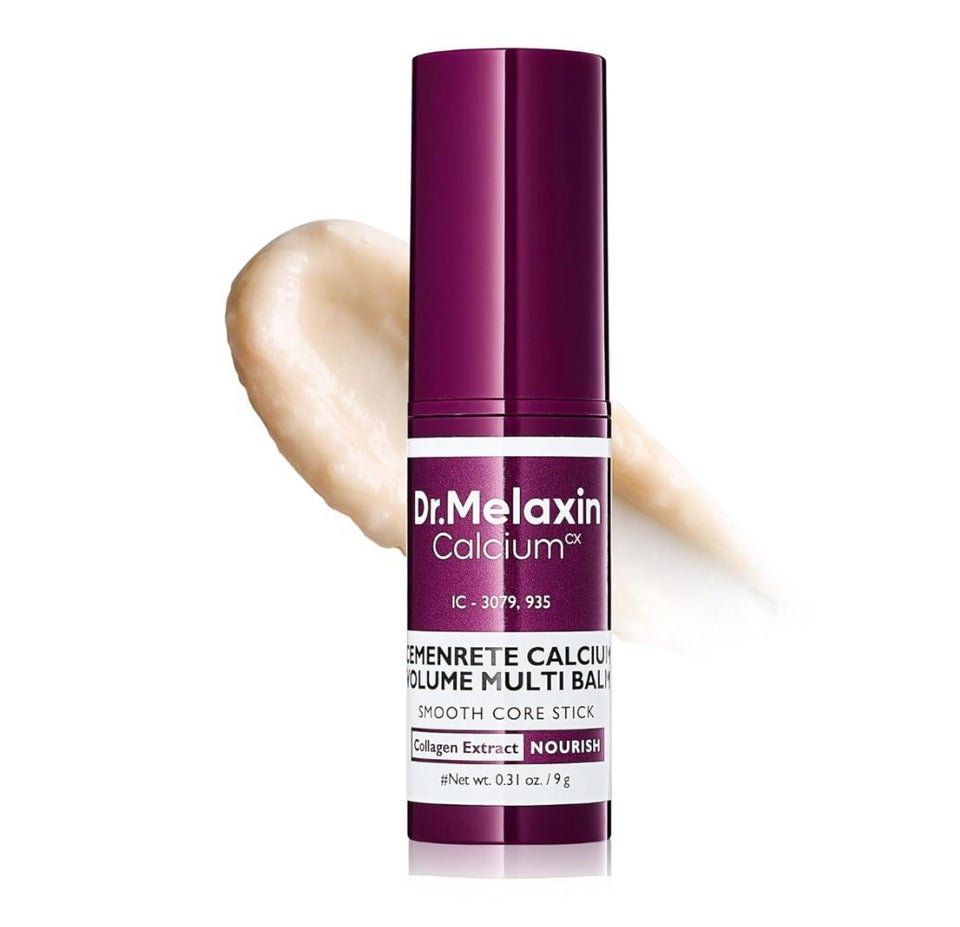
Amazon
In a previous story, HuffPost shopping writer Griffin Wynne reported that topical calcium can strengthen the skin barrier and increase cell turnover, making it a useful ingredient for anti-aging skin care. That’s where this Dr. Melaxin calcium multi-balm stick comes in: This non-sticky balm contains calcium, vitamin D, collagen, elastin and adenosine to smooth, hydrate and firm the skin, plus reduce the appearance of wrinkles. In previous reporting, experts have extolled the virtues of collagen and elastin, making them foolproof ingredients in any anti-aging regime.
The stick packaging makes it so easy to apply this balm wherever needed on the face and neck without making a mess. Best of all, reviewers in their 50s and 60s love it for its help with “turkey neck” and fine lines.
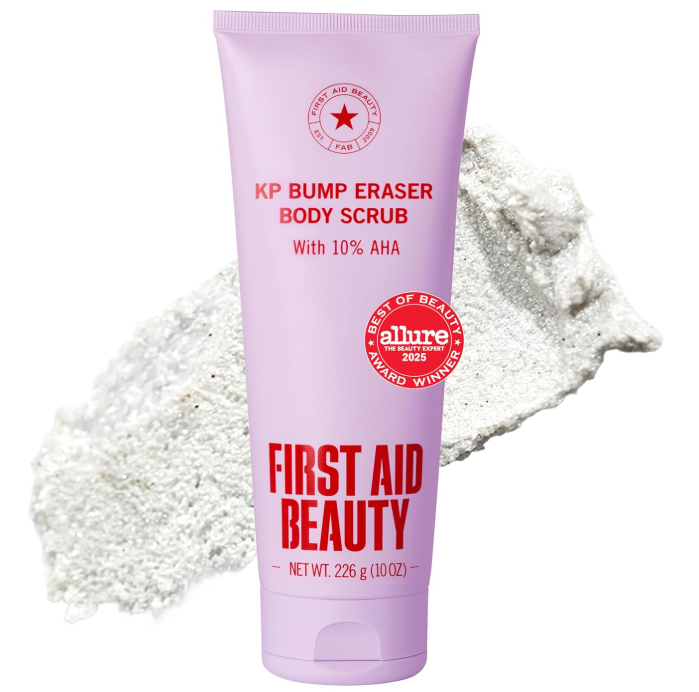
Amazon
This exfoliating scrub, which has earned a cult following among people with all types of skin, is a fine pumice-based formula that functions closer to a microdermabrasion treatment. Flores says, “I have been a dedicated user of First Aid Beauty’s KP bump eraser for years as a way to instantly treat my incredibly stubborn and very obvious keratosis pilaris on my arms. Its ability to soften rough skin is probably primarily due to its 10% concentration of AHAs, like glycolic and lactic acids.”
This category of derm-approved chemical exfoliants can work to refine skin texture and slough off the dead skin cells that are responsible for those pesky bumps. The formula is also enriched with natural bisabolol, an antioxidant that offers soothing benefits post-exfoliation.
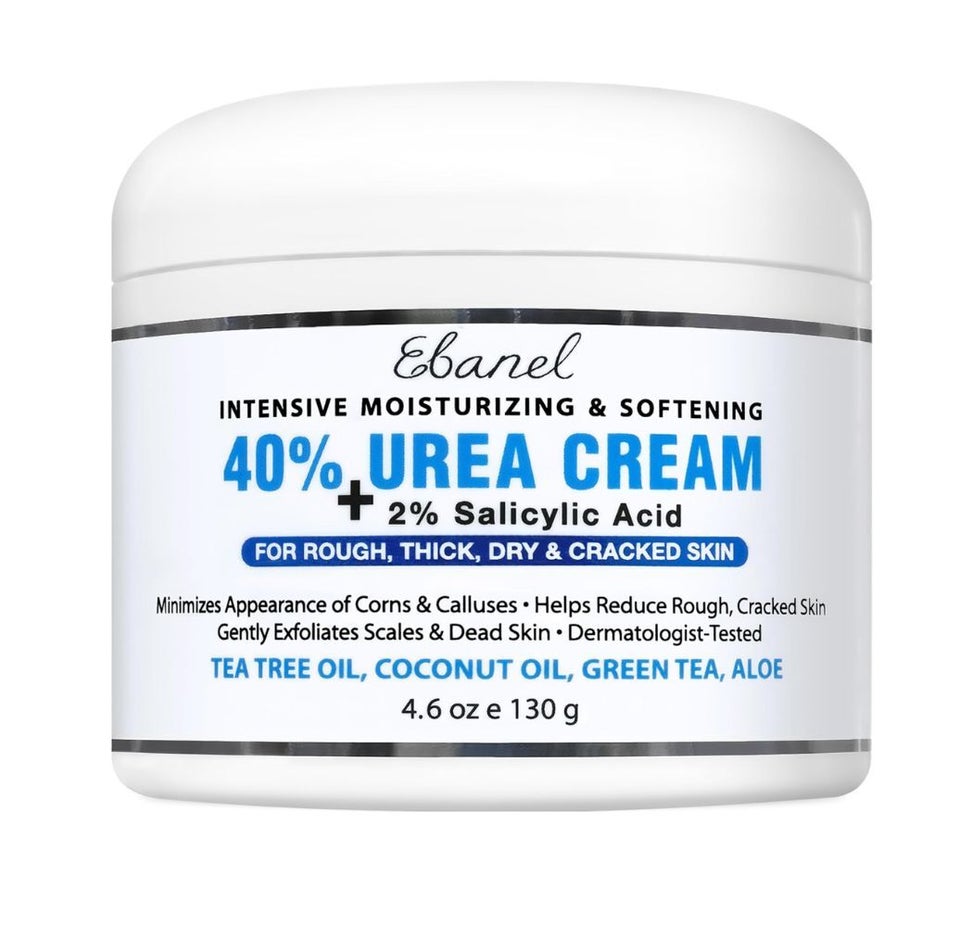
Amazon
Experts previously put us on the skin-smoothing benefits of urea, especially when it comes to softening rough and cracked callused heels, psoriasis, keratosis pilaris and more. The Ebanel intensive moisturizing and softening cream, which, at 40%, contains the highest concentration of urea out of many market options out there. Protective, intensely moisturizing and softening, this cream also features 2% salicylic acid to help exfoliate away patches of rough and flaky skin, as well as targeting things like calluses, corns and cracked skin. The shea butter-based formula is enriched with trusted hydrators like hyaluronic acid, coconut and jojoba oils, and antioxidants like green tea and vitamin E. It’s a combination that can be useful for feet and elbows and even promote healthier-looking nails.
Advertisement
Amazon
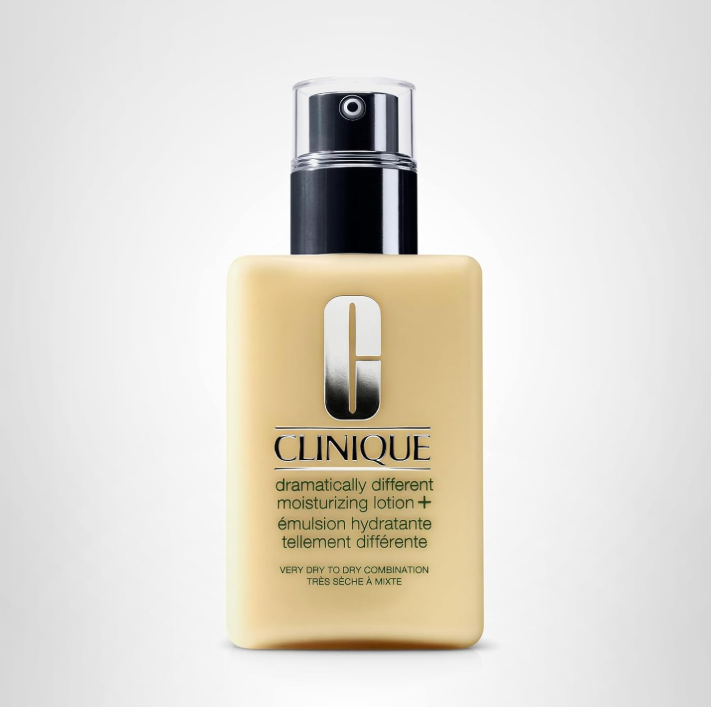
Also loaded up with dermatologist-beloved ingredients like urea, along with glycerin and other nourishing ingredients, this timeless facial moisturizer will never go out of style. It is made to seriously soften and smooth skin, qith a quickly absorbing formula that can help to repair and strengthen your natural moisture barrier. Pick up a bottle and find out why it’s been a must-have since it was first developed in 1968.
Amazon
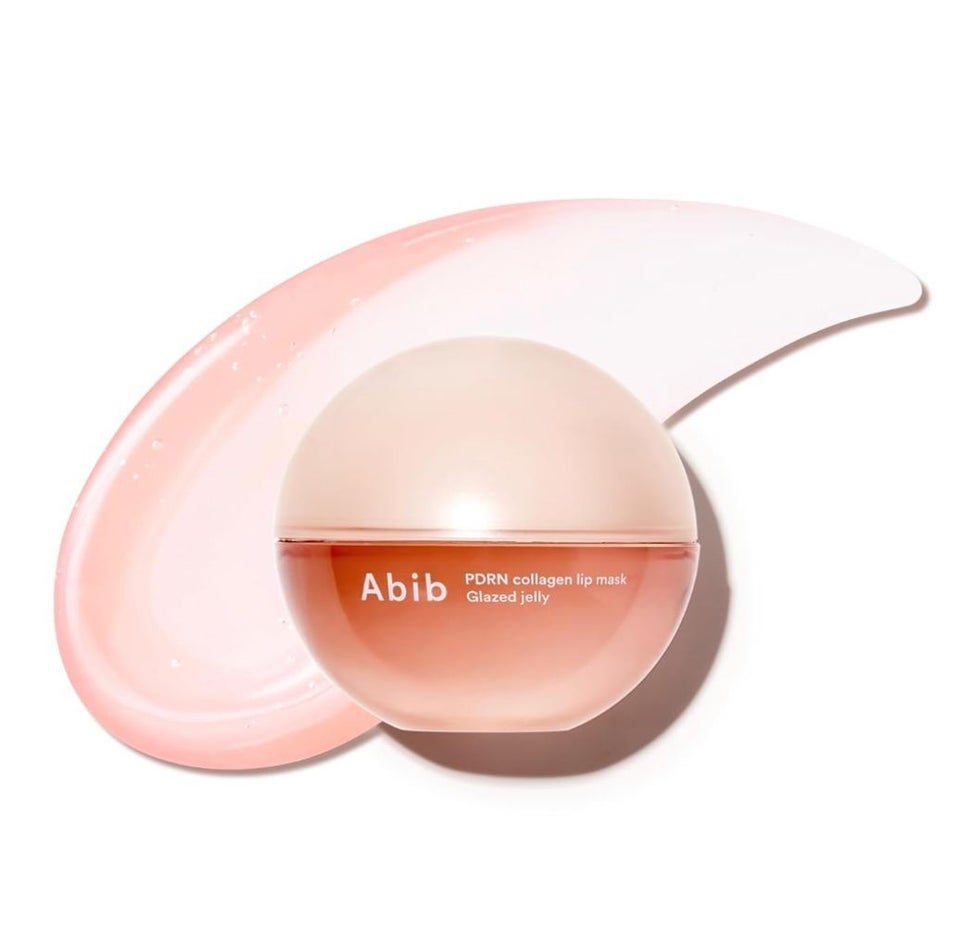
Flores swears by this Korean lip mask with a distinctive jelly texture and a heavy dose of derm-approved PDRN to minimize the appearance of her lip lines, make her pout look more plump and, above all, stave off chronic dryness — especially around the corners of the mouth where regular retinol use can make it go flaky. Not quite a balm and not quite a gloss, but somewhere in a delightful jammy middle, the Abib treatment feels cushiony and velvet-like on the lips and not at all sticky. Because of this, it’s much more comfortable to wear as an overnight lip mask and she loves waking up with noticeably softer lips.
Many users are also that this thick and nourishing lip gel “was the best product” they had ever used and worked miraculously on wrinkled, aging lips.
Amazon
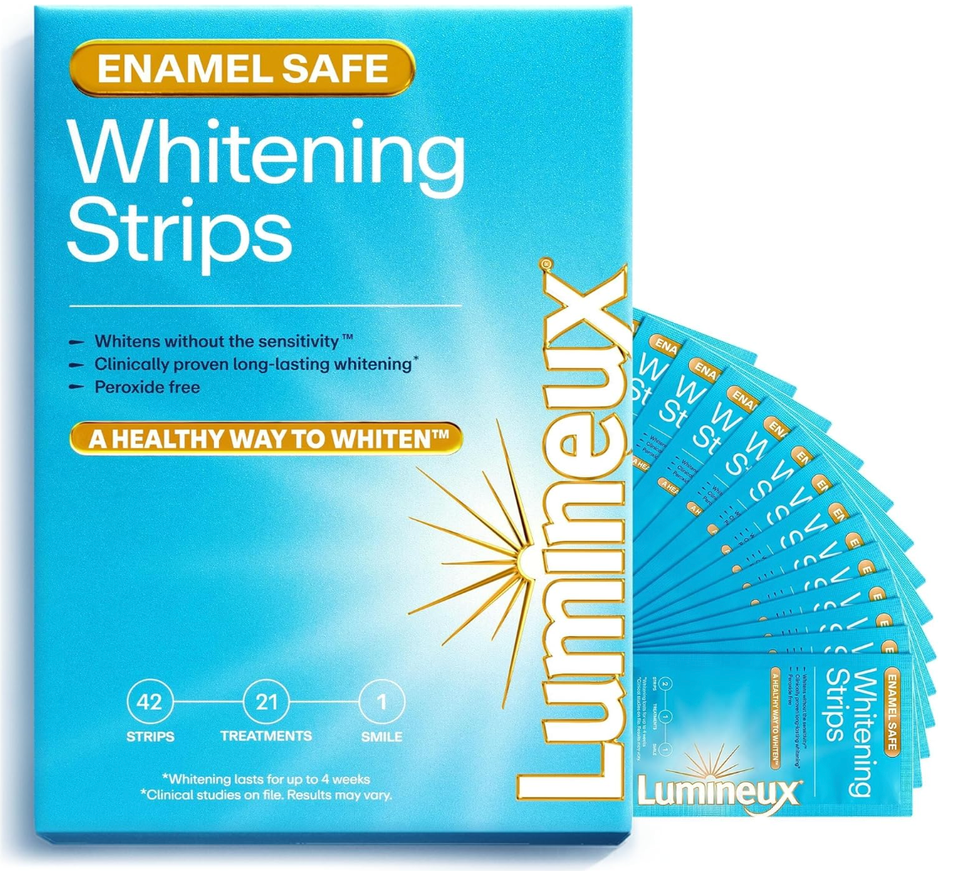
Dentists have previously recommended these Lumineux whitening strips for people with sensitive teeth. They’re non-toxic and peroxide-free, instead using natural ingredients like coconut oil and Dead Sea salt. The box comes with seven treatments that work in much the same way as the Crest strips: Apply them for 30 minutes once a day for four days, and then once a week after that or as directed by your dentist.
We all know what a difference shiny, white teeth can make to your overall youthful appearance, and this is an easy way to brighten up your complexion.
Advertisement
Amazon
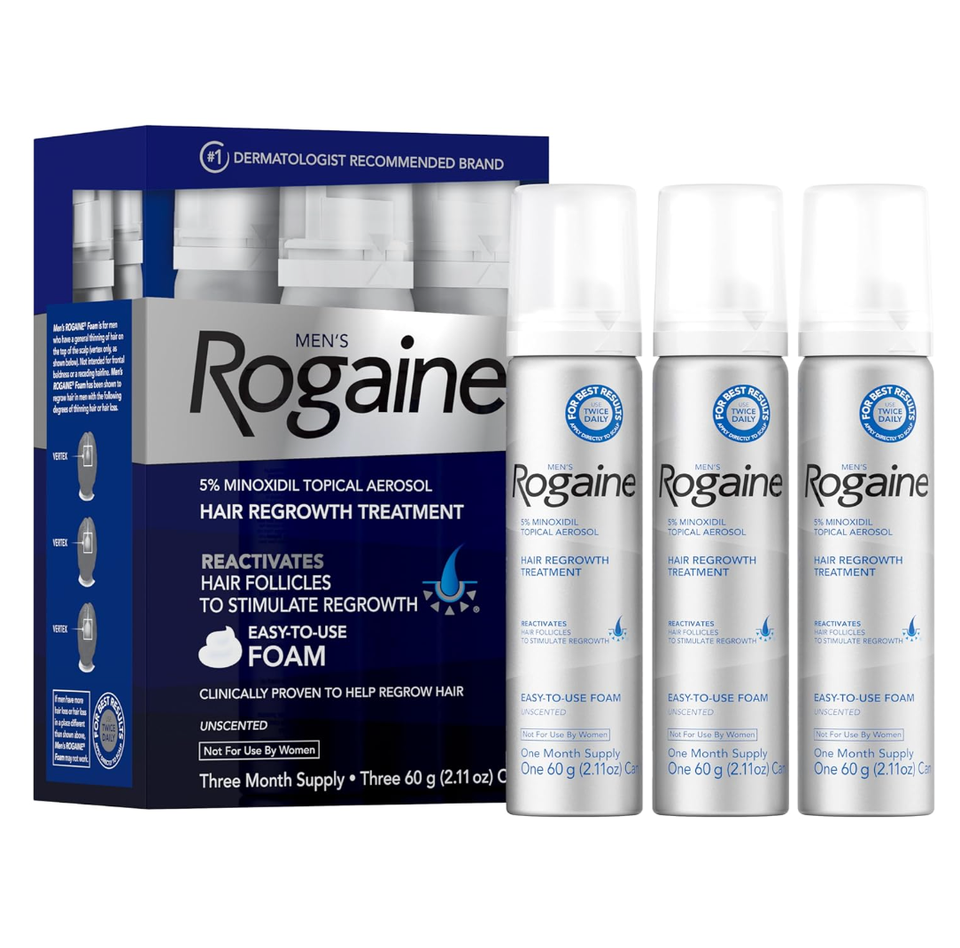
Rogaine is probably the best-known product that features minoxidil as the active ingredient for hair growth. This three-month supply features a 5% minoxidil along with a variety of botanical extracts and humectants, which can draw moisture into the hair.
The once-a-day treatment is also in the form of a foam — an important requirement according to experts we’ve previously spoken with — so the product won’t drip down to other areas of the face, thus risking unwanted hair growth.
Amazon
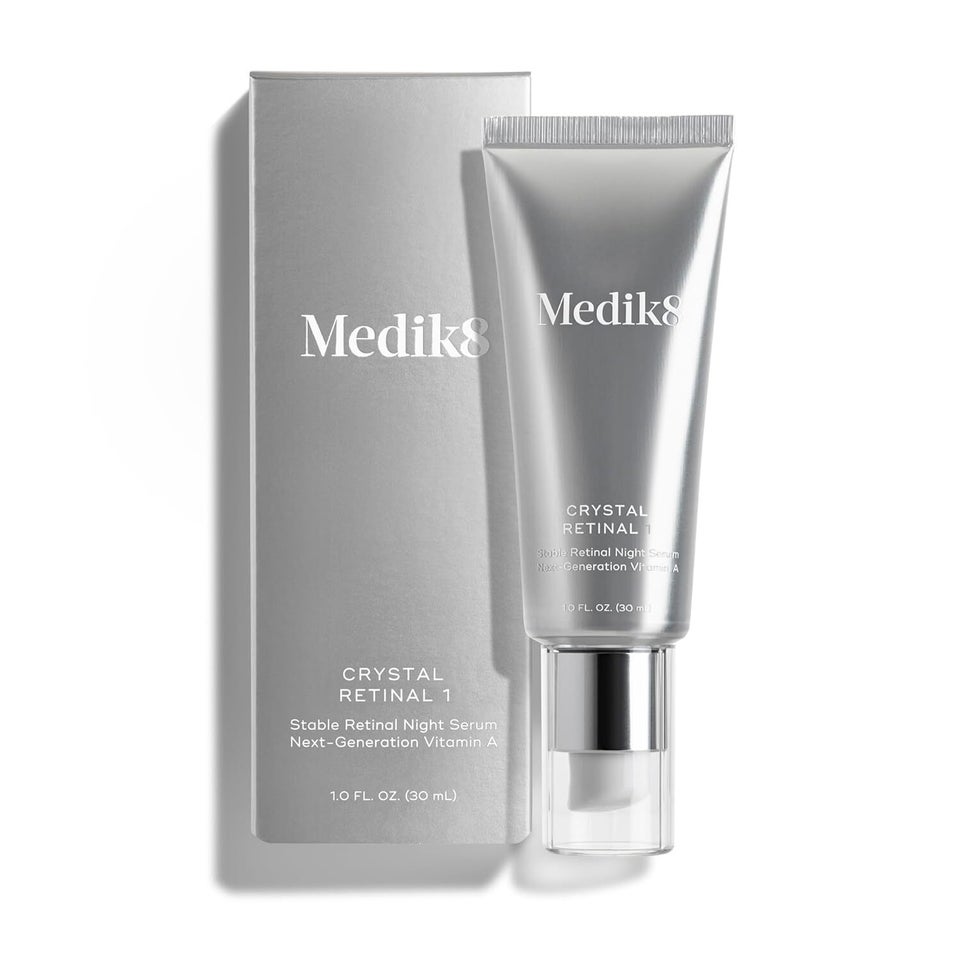
If you’ve ever wondered how to get your hands on some of the strongest retinoids, without a prescription, this is a much-talked-about option, which actually comes in six strengths for everyone from the retinol beginner to the seasoned expert. The Medik8 Crystal Retinal (in the mid-strength option) is also one of my favorites, it’s an effective yet gentle addition to my repertoire.
It leaves my skin looking and feeling great. Not only does it address typical signs of aging like wrinkles and texture quickly and efficiently, but it’s also helped to round out my anti-hyperpigmentation routine without stripping my skin of moisture or being overly harsh. The formula is balanced with hyaluronic acid and glycerin to help keep skin supple, soft, smooth and hydrated.
The Crystal Retinal 10 is no longer on sale, but you can still get the other formulations at a discount. Just act fast — they’re lightning deals and inventory is limited!
Amazon
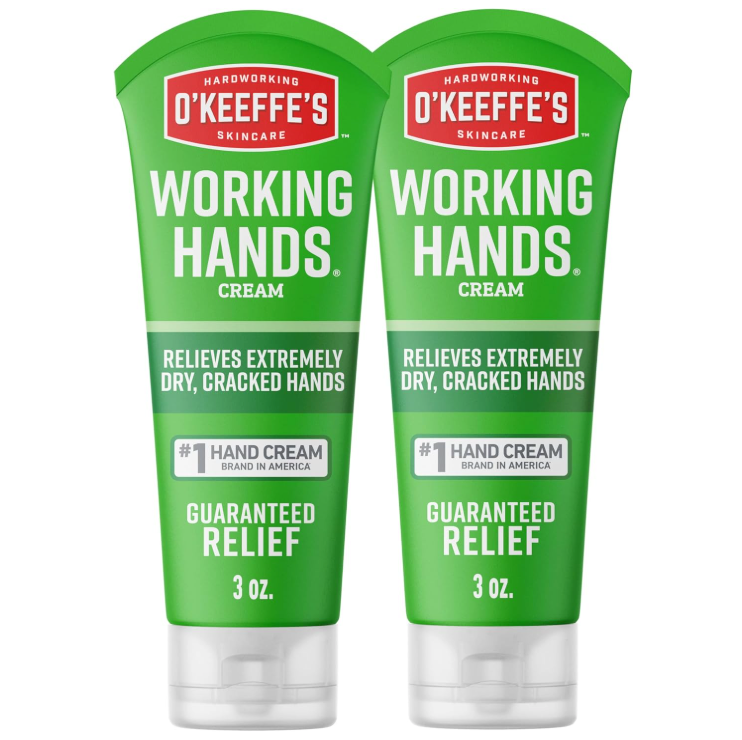
If you’re hard on your hands, you need a hand cream that works even harder. O’Keeffe’s Working Hands cream nourishes even the most chapped hands, supporting healing and alleviating pain from blistered skin. Apply it daily and help your hands go from dry to baby soft. If you’re in perimenopause, you need this in your dry skin arsenal. It’s chock-full of all the nourishing ingredients our dry skin craves.
Advertisement
The Real Deal: We use deal trackers and commerce experience to sift through “fake” hike-and-drop deals and other deceptive sales tactics. Products will usually be rated at least 4 stars with a minimum 15% discount. (And when there’s an exception, we’ll tell you why.)
Advertisement
