There have been too many cases of staff abusing patient trust, and enough is enough, the head of the NHS in England says.


There have been too many cases of staff abusing patient trust, and enough is enough, the head of the NHS in England says.
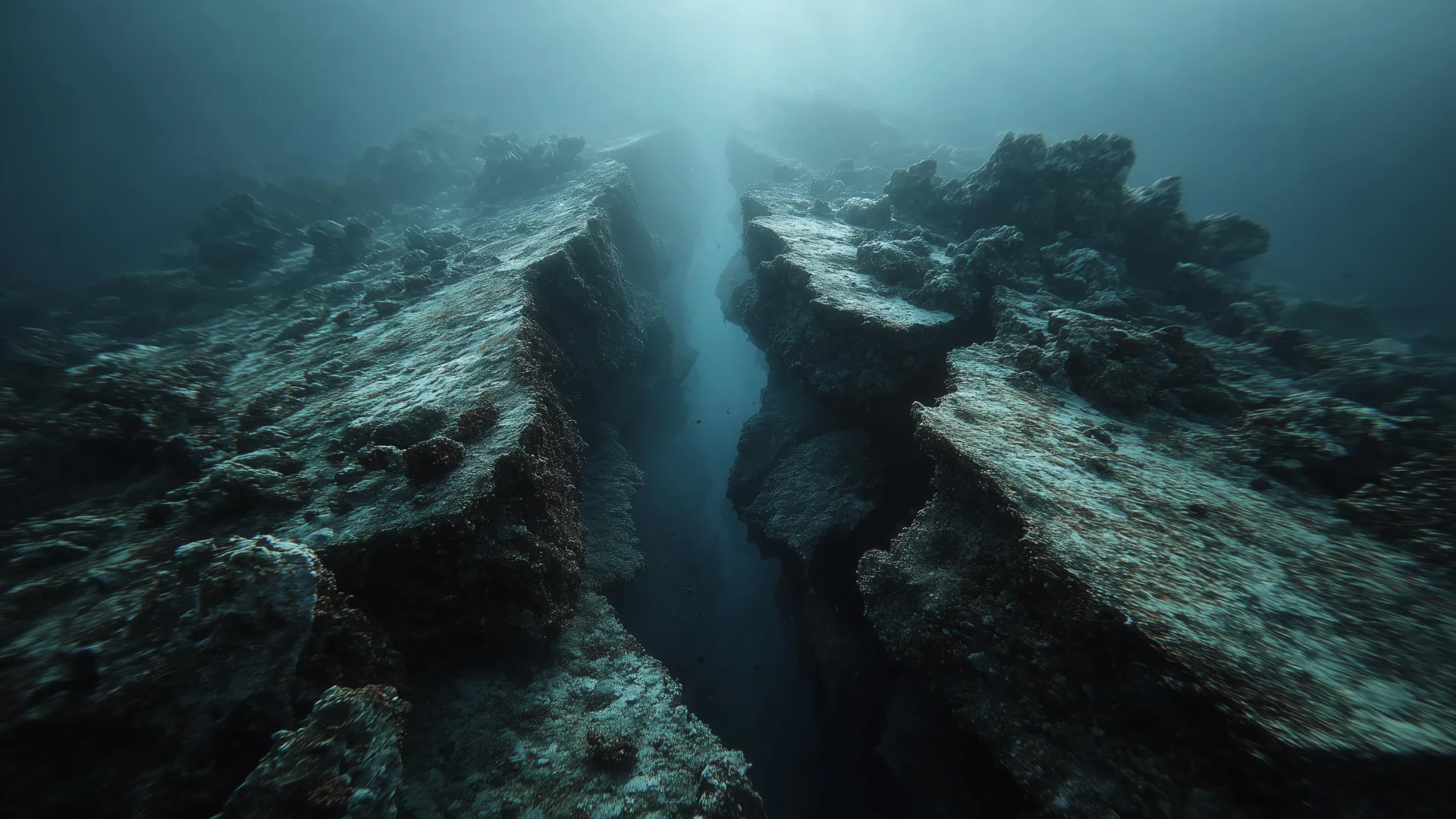
Scientists have captured an unusually detailed view of a major tectonic system beneath the Pacific Northwest beginning to come apart.
The discovery, reported in Science Advances, shows a subduction zone actively breaking into pieces. Subduction zones form where one tectonic plate is forced beneath another and pushed deep into Earth. They are responsible for some of the planet’s largest earthquakes, powerful volcanic eruptions, and long term changes to continents and ocean basins.
Until now, however, scientists have had few opportunities to see clearly how one of these enormous systems reaches the end of its life.
How a Subduction Zone Dies
Subduction is one of the main processes that continually reshapes Earth’s surface. As an oceanic plate sinks beneath another plate, material from the crust is carried downward toward the mantle, the hot layer beneath Earth’s crust.
These systems can remain active for millions of years, but they cannot continue indefinitely. Otherwise, continents would eventually pile into one another, oceans would disappear, and much of Earth’s geological history would be erased.
That leaves geologists with a fundamental question: what actually causes a mature subduction zone to stop?
“Getting a subduction zone started is like trying to push a train uphill — it takes a huge effort,” said Brandon Shuck, a geologist at Louisiana State University and lead author of the study. “But once it’s moving, it’s like the train is racing downhill, impossible to stop. Ending it requires something dramatic — basically, a train wreck.”
Scientists may now be watching that process unfold beneath Cascadia.
A Tectonic Plate Breaking Apart Beneath Cascadia
Off Vancouver Island, the Juan de Fuca and Explorer plates are slowly being forced beneath the North American plate. This area is part of the Cascadia subduction zone, a vast tectonic boundary stretching along the Pacific Northwest.
Researchers combined detailed earthquake records with seismic reflection imaging to look deep beneath the seafloor. The technique works somewhat like medical ultrasound. Scientists send sound waves into Earth and measure how those waves bounce back from different underground structures.
The seismic measurements came from the NSF funded 2021 Cascadia Seismic Imaging Experiment (CASIE21), during which researchers aboard a ship sent sound waves into the ocean floor. A 15-kilometer-long streamer carrying underwater listening instruments recorded the returning signals.
By analyzing those echoes, scientists created detailed images of structures hidden beneath the seafloor. What emerged was striking: large faults and fractures cutting through the sinking plate, including areas where the plate appears to be actively snapping apart.
“This is the first time we have a clear picture of a subduction zone caught in the act of dying,” said Shuck. “Rather than shutting down all at once, the plate is ripping apart piece by piece, creating smaller microplates and new boundaries. So instead of a big train wreck, it’s like watching a train slowly derail, one car at a time.”
A 75 Kilometer Tear Through the Plate
The researchers identified several tears running through the oceanic plate. One especially dramatic feature involves an enormous offset where part of the slab has dropped by roughly five kilometers.
“There’s a very large fault that’s actively breaking the plate,” Shuck explained. “It’s not 100% torn off yet, but it’s close.”
Earthquake activity provides another clue about what is happening.
Along a tear stretching about 75 kilometers, some portions continue to produce earthquakes while others have become unusually quiet. That difference matters because earthquakes occur when connected blocks of rock build up stress and suddenly slip.
“Once a piece has completely broken off, it no longer produces earthquakes because the rocks aren’t stuck together anymore,” he said.
The absence of earthquakes along part of the tear therefore suggests that a section of the plate has already separated. According to the researchers, that detached area is gradually expanding.
Earth’s Crust May Break Apart Piece by Piece
Rather than failing in one enormous event, the subduction zone appears to be shutting down through a series of smaller breakups.
Researchers describe the process as “episodic” or “piecewise” termination. Individual sections tear away at different times, slowly dismantling the larger tectonic system.
Transform boundaries play an important role. These are faults where sections of Earth’s crust move sideways past one another. In this setting, they can act almost like geological scissors, cutting across the plate and helping isolate individual fragments.
Once a piece becomes separated, it can form a microplate. A microplate is essentially a smaller piece of Earth’s rigid outer shell that moves somewhat independently from the major tectonic plates surrounding it.
Meanwhile, nearby portions of the larger plate can continue sinking.
As more pieces detach, the remaining plate loses some of the downward pull that keeps subduction going. Shuck compares the process to removing cars from a runaway train. Eventually, there is not enough of the system left to continue in the same way.
The breakup of each individual section can take several million years. Together, however, these episodes can eventually bring an entire subduction zone to an end.
Ancient Tectonic Mysteries Begin to Make Sense
The discovery may help explain geological puzzles seen in other parts of the world.
Scientists have found abandoned plate fragments and unusual sequences of volcanic rocks that appear to record the final stages of ancient subduction systems. Until now, researchers had evidence that these systems had broken apart, but much less direct information about how the process unfolded.
One important example can be found off Baja California.
There, geologists have identified fossil microplates left behind by the Farallon plate, an enormous ancient oceanic plate that once extended across a large portion of the eastern Pacific.
Those fragments have long suggested that the Farallon plate did not simply disappear in one event. The Cascadia observations now offer a possible explanation for how such remnants form.
Instead of collapsing all at once, a dying subduction zone may gradually unravel, leaving smaller plate fragments scattered behind as geological evidence.
Tearing Plates Could Trigger Volcanic Changes
The breakup can also change what happens deeper beneath Earth’s surface.
When a piece of a sinking plate separates, an opening called a “slab window” can form. This gap allows hotter material from the mantle to rise toward the surface.
That rising material can alter magma production and potentially contribute to episodes of volcanic activity.
As the breakup continues, tectonic boundaries can shift, additional microplates can form, and different parts of the subduction system may shut down at different times.
“It’s a progressive breakdown, one episode at a time,” said Shuck. “And it matches really well with what we see in the geologic record, where volcanic rocks get younger or older in a sequence that reflects this step-by-step tearing.”
That connection between modern observations and ancient rocks gives researchers a new way to interpret the remains of long vanished plate boundaries.
What This Means for Cascadia Earthquakes
The findings also raise an important question for the Pacific Northwest: could these newly identified tears affect future earthquakes?
Researchers now want to understand whether a large earthquake could continue rupturing across one of the breaks or whether the damaged sections of the plate might alter the path of a rupture.
A rupture is the rapid movement along a fault that produces an earthquake. The distance a rupture travels, and the structures it encounters along the way, can strongly influence the size and behavior of an earthquake.
For now, the researchers emphasize that the discovery does not significantly change Cascadia’s earthquake hazard on a human timescale.
The region is still capable of producing extremely large earthquakes and tsunamis. The breakup observed beneath the ocean is unfolding over millions of years, not decades or centuries.
However, adding these newly discovered structures to earthquake models could eventually improve scientists’ understanding of how future ruptures may behave.
For geologists, Cascadia is offering something even rarer: a chance to watch one of Earth’s great tectonic systems slowly dismantle itself, one piece at a time.
Lisa Carroll, 47, who was diagnosed with rare form of ovarian cancer, urges women to check symptoms.
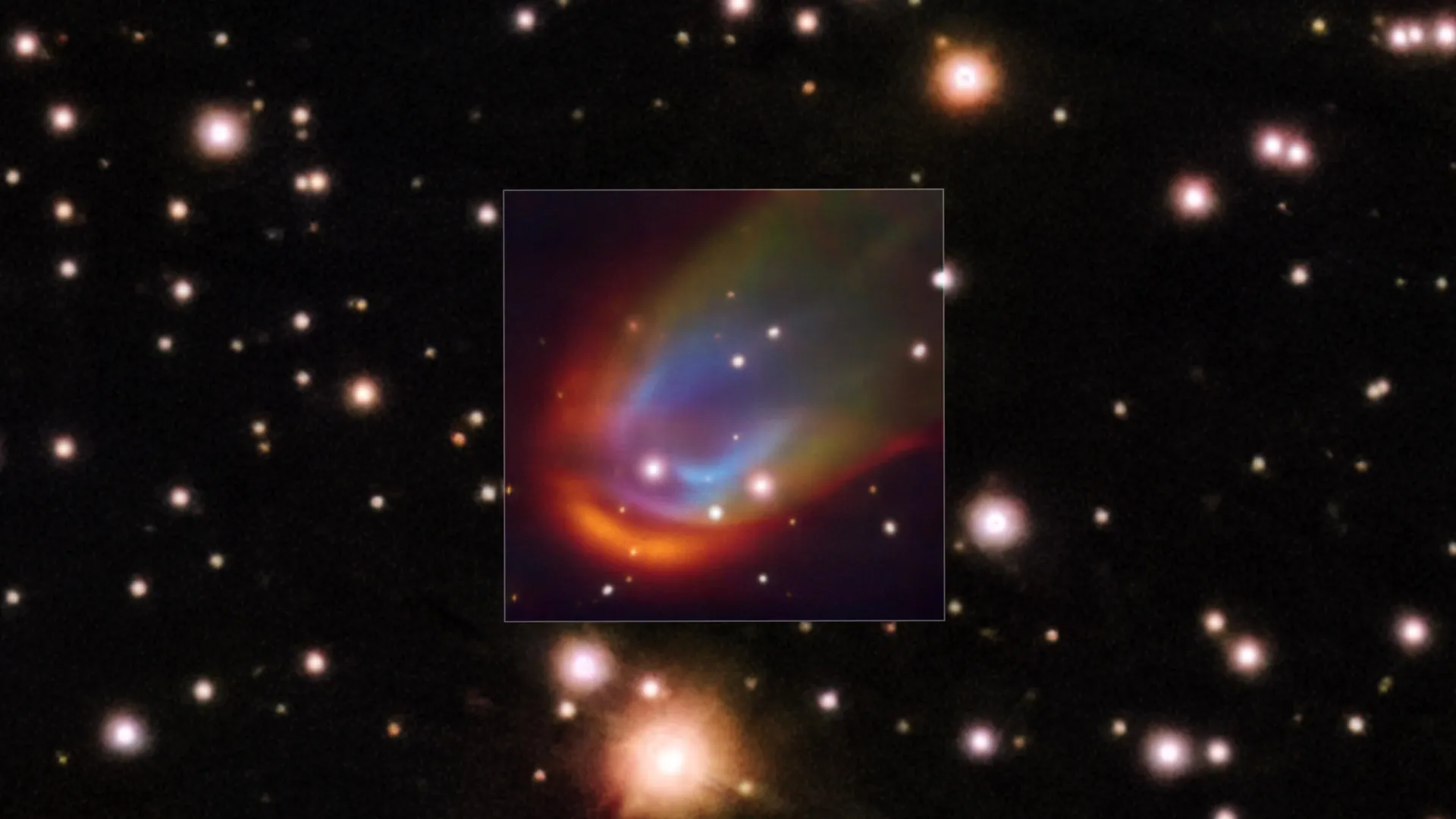
Stars can produce powerful shock waves when gas and dust streaming away from them collide with material in the surrounding space. Astronomers have now captured a striking example around the dead star RXJ0528+2838 using the European Southern Observatory’s Very Large Telescope (ESO’s VLT).
The discovery is puzzling because, based on known mechanisms, this small stellar remnant should not be capable of producing the structure seen around it. The unexpected finding challenges current ideas about how dead stars exchange matter and energy with their surroundings.
“We found something never seen before and, more importantly, entirely unexpected,” says Simone Scaringi, associate professor at Durham University, UK and co-lead author of the study published in Nature Astronomy.
“Our observations reveal a powerful outflow that, according to our current understanding, shouldn’t be there,” says Krystian Ilkiewicz, a postdoctoral researcher at the Nicolaus Copernicus Astronomical Center in Warsaw, Poland and study co-lead.
Astronomers use the term ‘outflow’ to describe material expelled from an object in space.
A Shock Wave Around a Dead Star
RXJ0528+2838 lies about 730 light-years from Earth. Like the Sun and other stars, it travels around the center of the Milky Way. As it moves through space, it encounters gas between the stars, producing a type of shock wave known as a bow shock.
Noel Castro Segura, research fellow at the University of Warwick in the UK and collaborator in this study, describes it as “a curved arc of material, similar to the wave that builds up in front of a ship.”
Bow shocks are typically produced when material flowing away from a star slams into its surroundings. In the case of RXJ0528+2838, however, astronomers cannot identify any known process that fully accounts for what they observed.
A White Dwarf With No Disk
RXJ0528+2838 is a white dwarf, the leftover core of a dying low-mass star, and it is orbited by a Sun-like companion.
In binary systems like this one, material can be pulled away from the companion and transferred onto the white dwarf. That material often forms a disc around the dead star. The disc feeds the white dwarf, while some matter can also be thrown back into space in powerful outflows.
RXJ0528+2838 is different. Astronomers see no evidence of such a disc, leaving them without the usual explanation for the outflow and the surrounding nebula.
“The surprise that a supposedly quiet, discless system could drive such a spectacular nebula was one of those rare ‘wow’ moments,” says Scaringi.
VLT Observations Confirm the Source
The unusual structure was first noticed in images taken with the Isaac Newton Telescope in Spain. Its strange appearance prompted the researchers to investigate it more closely using the MUSE instrument on ESO’s VLT.
“Observations with the ESO MUSE instrument allowed us to map the bow shock in detail and analyse its composition. This was crucial to confirm that the structure really originates from the binary system and not from an unrelated nebula or interstellar cloud,” Ilkiewicz explains.
The bow shock’s size and shape suggest that RXJ0528+2838 has been producing a powerful outflow for at least 1000 years.
That creates another problem. Scientists do not yet know how a dead star without a disc could sustain such an outflow for so long, although the system’s magnetic field may provide an important clue.
A Magnetic Field May Hold Part of the Answer
RXJ0528+2838 is known to possess a strong magnetic field, something the MUSE observations also confirmed.
Instead of allowing material from the companion star to settle into a disc, the magnetic field appears to guide that matter directly onto the white dwarf.
“Our finding shows that even without a disc, these systems can drive powerful outflows, revealing a mechanism we do not yet understand. This discovery challenges the standard picture of how matter moves and interacts in these extreme binary systems,” Ilkiewicz explains.
The researchers suspect that the magnetic field could be connected to a hidden source of energy, which Scaringi describes as a ‘mystery engine.’ But the explanation remains incomplete.
According to the observations, the white dwarf’s present-day magnetic field could sustain a bow shock for only a few hundred years. The structure appears to have existed for at least 1000 years, meaning the magnetic field alone cannot yet explain the full phenomenon.
Searching for the “Mystery Engine”
Astronomers will need to investigate many more binary systems to determine how these powerful outflows can form without discs.
ESO’s upcoming Extremely Large Telescope (ELT) could play an important role by allowing scientists to study both known systems and much fainter examples in greater detail.
Scaringi expects the telescope “to map more of these systems as well as fainter ones and detect similar systems in detail, ultimately helping in understanding the mysterious energy source that remains unexplained.”
Gyms are booming, solitary cardio is out – how workouts are changing.
The test means patients can start treatment sooner and are spared weeks of uncertainty.
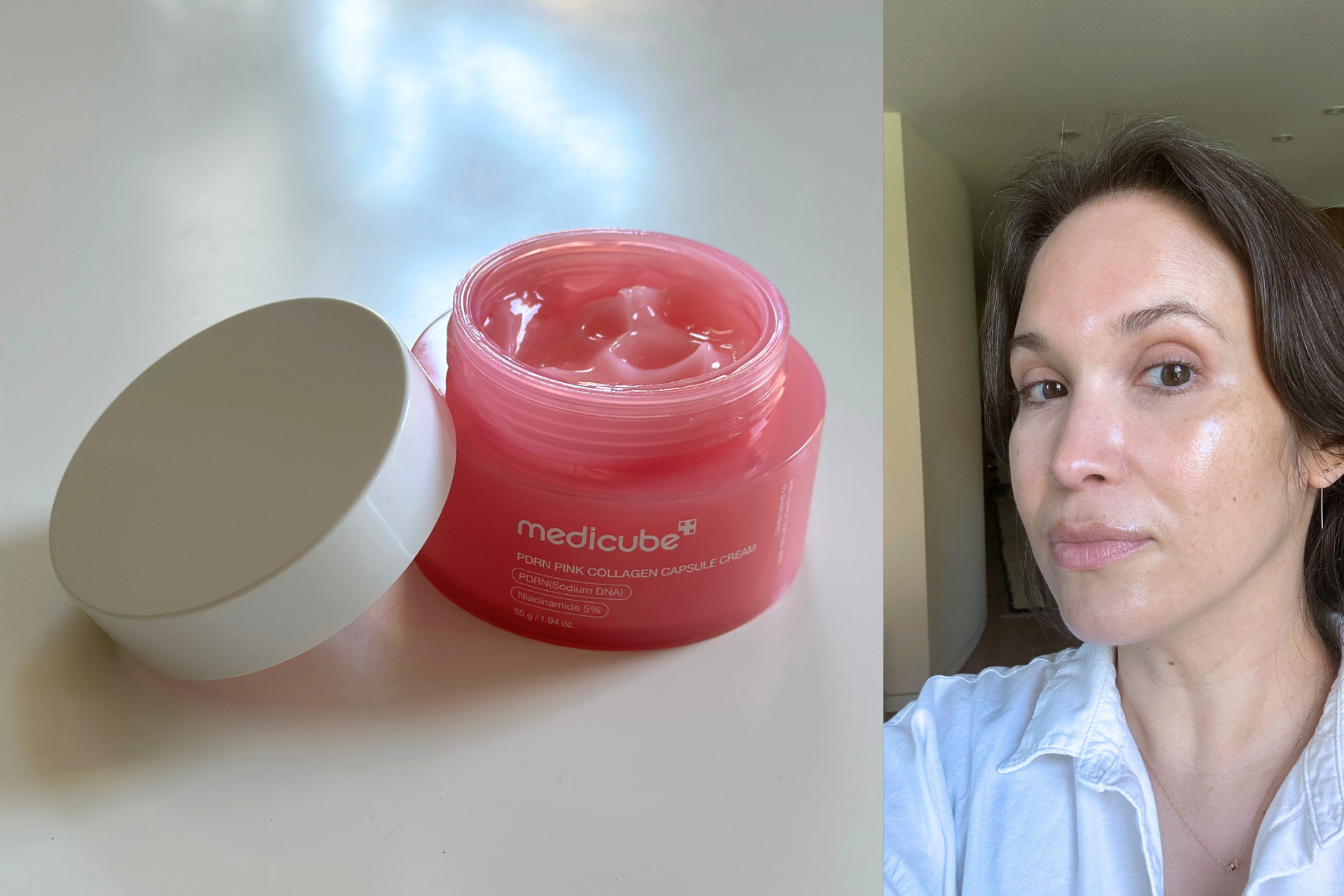
Despite being a lifelong beauty fanatic, I am not into gimmicky skin care products. I much prefer a hardworking, straightforward formula without bells and whistles that will keep my acne-prone skin happy without the fuss. So when I started seeing Korean beauty creams formulated with futuristic jelly-like capsules, I was very skeptical. Much to my surprise, I have been utterly won over by Medicube’s wildly hydrating, nourishing and majorly glow-inducing PDRN pink collagen capsule cream. It’s so effective that I would gladly pay triple the price, so today it’s a sure-fire steal with a 23% discount thanks to Amazon’s early Prime Day deals.
Advertisement
Lourdes Avila Uribe/HuffPost
While I’m skeptical of anything new, I’ve loved the Medicube pore pads so much that my interest was piqued when I spotted this moisturizer. It’s made with a unique encapsulation formula that the brand claims is the most effective delivery method of PDRN, a popular and effective anti-aging ingredient found in a lot of Korean beauty products.
In previous HuffPost reporting, board-certified dermatopathologist and skin care brand founder, Dr. Gretchen Frieling, said “PDRN has been shown to accelerate repair of damaged skin and promote new tissue growth… It also boosts hydration in the skin, promotes cellular turnover and reduces hyperpigmentation.”
Advertisement
In addition to PDRN, you can find the cream in vitamin C, hyaluronic acid, kojic acid, turmeric and tranexamic acid with niacinamide — all of which are currently on sale, too.
The satiny, dewy finish makes it feel like it’s much more expensive than it actually is. Medicube encourages you to mix the capsules into the jelly as you go, so you can determine your preferred cream-to-jelly ratio depending on how thick you want it to feel on your skin. After trying this method for a few days, I just mixed the whole thing up, because I love how the combination of the two components feels on my skin and also because I am incorrigible.
Advertisement
Many speak to how effective the cream is, with one joking, “my face is basically a VIP now,” calling the cream “luxury in a jar.” “The golden capsules make my skin soft, hydrated, and ridiculously bouncy,” they said. “I apply it and suddenly my reflection looks like it’s ready for a photoshoot.”
Another reviewer advises others to “skip the Botox,” noting that after using it for two months, “I was talking to my mom about getting Botox because of my smile lines and [she] goes, ‘Your smile lines are gone, hun. Whatever you’re using, just keep doing that.’”
Dryness, acne and wrinkles are a thing of the past. My main concern was that it would cause breakouts, since any deviation from my regular routine usually causes a flare up. Yet, my skin has a glass skin glow, is smooth to the touch and feels bouncy and supple. I recently got a facial and my aesthetician confirmed that the state of my skin was much improved.
Even though Medicube often appeals to younger crowds, I can’t think of anything better for my mid-life, perimenopausal skin, and highly recommend it to others who are 40+ as well. “Saw some results immediately but after two weeks people were noticing and commenting about my skin. I noticed major tightening and glow,” one wrote. “I am 68 years old and skin looks ten years younger.” “Absolutely amazing stuff gives my skin a youthful glow and helps my saggy old neck look younger,” another said. “Great value for money.”
Advertisement
“4 days in and I’m hooked. OMG! I have used this along with the face wash, toner pads, and night wrapping mask and the PDRN serum and all I can say is WOW. I’m 44yrs old with melasma (I use Roche posay to treat – i will continue to use this as it’s the ONLY thing that’s both gentle on my skin and works) and I’ve just started to notice some fine lines that I am not ok with. Well the combo above I’ve been using less than a week and please hear me when I say I don’t think I can go with it now. My skin is brighter and tighter, moisturized, and fine lines are starting to disappear! Several reviews say this is too sticky…. Use a serum first, then the boba cream, after a a few mins use a regular facial cream and you won’t feel that stickiness. Also use less. A little goes a long way. I can’t scream enough how happy I am about what medicube has done for me in such a short time but I can’t wait to see the progress over time. Side note: I have seen medicube on TikTok for a while but it seemed gimmicky. I’m not for gimmicks and my hubby hates how much I generally spend on skincare so I never contemplated getting this. But my 23yr old daughter requested a kit for Christmas so when black Friday sales came around I bought her a bundle, saw some other things at a lower than normal price so I grabbed it for myself. I’m so glad I did. Buy bundles to save money. Flash sales. But definitely buy it if you’re maturing and wanting to reverse that some.” — Jamie VB
“This Medicube Deep Vitamin C Golden Capsule Moisturiser feels like luxury in a jar. The golden capsules make my skin soft, hydrated, and ridiculously bouncy. I apply it and suddenly my reflection looks like it’s ready for a photoshoot.” — Agi
“Best moisturizer I’ve used. Go buy this already medicube literally continues to blow me away my skin looks and feels amazing after using their products my skin looks so plump and glowy.” — Elizabeth Schmidt
“Omg. Let me start by saying my skincare journey has been exactly that.. a JOURNEY. Ive tried so many products its ridiculous. Everything is either too drying, or too greasy, or makes me break out. Once I added this and the pdrn serum into my routine, it was a game changer! Instant new staple. I’m already on my third or fourth jar! I mix thr beads all in together when I open it. Its so satisfying lol” — Sarah Brophy

Sephora
Chasing luxury? This hard-working formula provides a smooth, hydrating finish without leaving a white cast, making it suitable for daily use and as a base under makeup. It’s made with Korean white ginseng to protect from environmental aggressors — plus, a blend of five herbals work to moisturize and balance skin. Grab it for 15% off at Macy’s.

Sephora
With a sunscreen stick like this one from Belif, there’s really no excuse to skip re-application. And why would you? The formula delivers an immediate glow and blurs the look of pores. Plus, the stick format makes it easy to tote around in your bag without the risk of spillage.

Sephora
A pioneer in K-beauty, Dr. Jart’s science-first approach means you’re getting the best of the best when it comes to sun protection. This SPF 50 formula has a liquid-y texture for a smooth application and lightweight coverage — perfect for all skin types, oily included.
Advertisement
The original version of this story was published on HuffPost at an earlier date.

New research suggests that the characteristics of children and teenagers receiving attention deficit/hyperactivity disorder (ADHD) or autism spectrum disorder (ASD) diagnoses have shifted over the past decade.
The study, led by the Barcelona Institute for Global Health (ISGlobal), a centre supported by the “la Caixa” Foundation, and Aarhus University, found that young people diagnosed with ADHD or ASD in Denmark now more closely resemble the broader population than those who received the same diagnoses 10 years earlier.
The findings suggest that the increase in ADHD and ASD diagnoses may partly reflect changes in who is being identified and diagnosed, alongside any possible changes in the underlying likelihood of developing these conditions. The research was published in JAMA Psychiatry.
Tracking changes in ADHD and autism diagnoses
Previous studies have identified several characteristics that occur more often among people diagnosed with ADHD or ASD than among the general population. These include being born prematurely or at a low birth weight, having parents with lower levels of education or lower household income, having a parent with a history of psychiatric disorders, and making greater use of healthcare services before receiving a diagnosis.
Researchers wanted to know whether those patterns had changed as ADHD and ASD diagnoses became more common.
To investigate, the team analyzed information from more than 2.1 million children and adolescents in Denmark. The researchers compared more than 71,000 young people diagnosed with ADHD or ASD between 2012 and 2022 with more than 713,000 individuals who had not received either diagnosis.
Differences narrowed over 10 years
Young people diagnosed with ADHD or ASD were still more likely than their peers to have many of the characteristics previously linked with these conditions. However, the size of those differences steadily declined during the study period.
Low birth weight provides one example. At the beginning of the study period, children born with low birth weight were 54% more likely to later receive an ADHD or ASD diagnosis than children born at a normal weight. By the end of the study, the difference had dropped to 17%.
Researchers found comparable declines in the associations involving premature birth and several measures of socioeconomic disadvantage.
“The key message is not that these risk factors are no longer important,” says Magnus Elias Tarp, PhD student at Aarhus University and first author of the study. “What we found is that people diagnosed in recent years resemble the general population more closely than those who received the same diagnoses a decade ago.”
A different way to understand rising diagnoses
Much of the research surrounding ADHD and ASD has examined why diagnosis rates are increasing or which factors are associated with a greater likelihood of developing these conditions. The new study approaches the trend from another direction by asking whether the population receiving diagnoses has itself changed.
The researchers say several developments could potentially contribute to the shift. Awareness of ADHD and ASD has increased, healthcare and education systems may be identifying cases more effectively, access to diagnostic evaluations may have expanded, and the point at which neurodevelopmental characteristics are considered clinically impairing may have changed.
The study cannot determine how much each of these factors contributed. However, the findings indicate that rising diagnosis rates should not automatically be interpreted as evidence that the underlying occurrence of ADHD or ASD has increased by the same amount.
“Our findings help us better understand why ADHD and autism diagnoses have increased so markedly in recent years,” says Oleguer Plana-Ripoll, researcher at ISGlobal and Aarhus University and senior author of the study. “They do not show that these conditions are being overdiagnosed or that they have become less severe. Rather, they indicate that the population receiving these diagnoses has changed over time, and this needs to be taken into account when interpreting current trends. Further research in other countries would be needed to determine whether these findings can be replicated elsewhere,” he adds.
What the findings could mean
Researchers say the results could affect how scientists interpret changes in the prevalence of ADHD and ASD. They may also be important for planning healthcare, education, and social services for people with these diagnoses.
The findings could also influence how researchers interpret reports of improving outcomes among people with ADHD or ASD. Some apparent improvements may result partly from changes in the characteristics of the population now receiving diagnoses, rather than from an improvement in the prognosis of the conditions themselves.
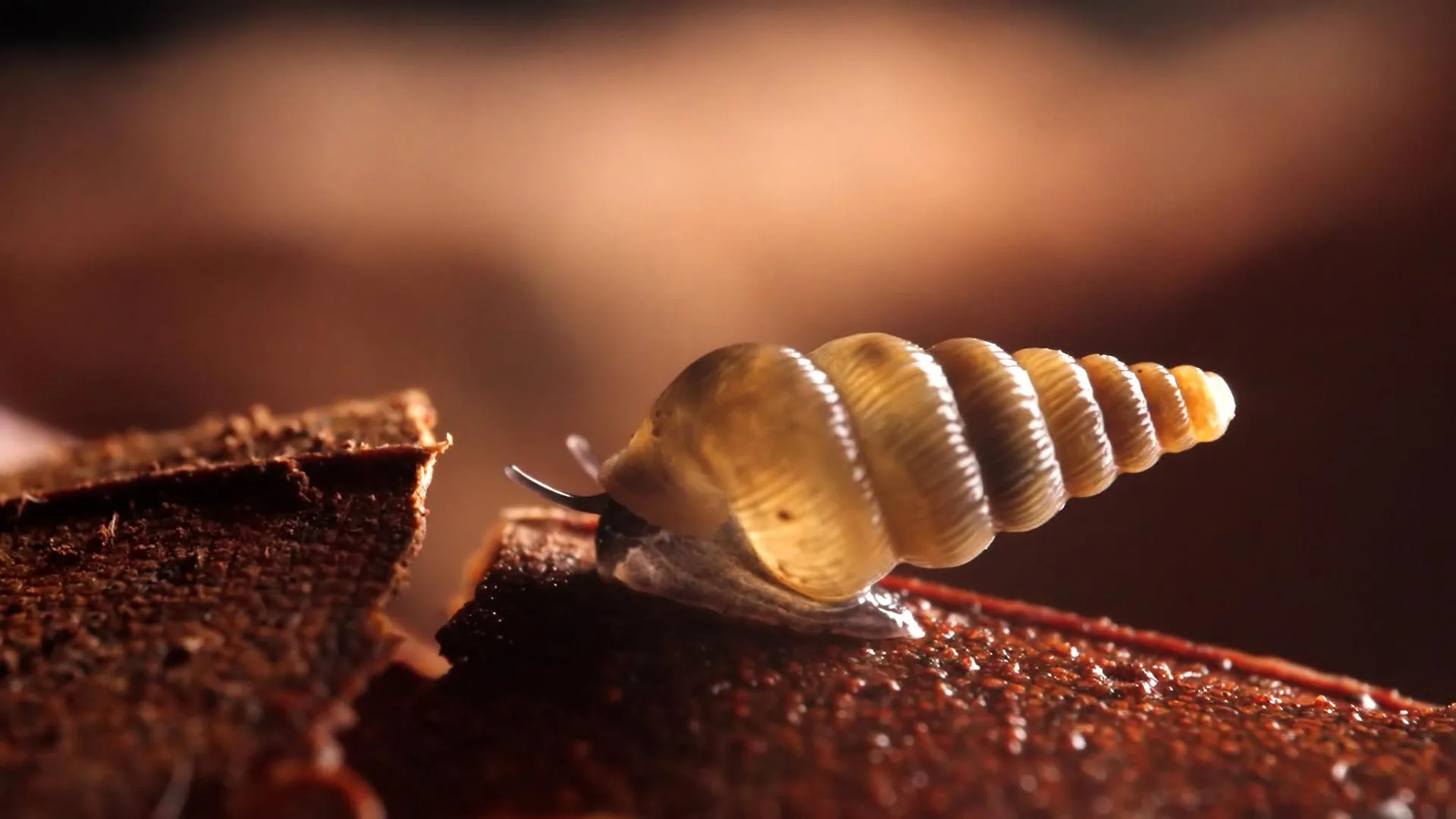
Two newly identified snail species have expanded the known diversity of European land snails. The species, Cochlostoma komarnica and Cochlostoma dobrido, are described in a new study published in the open-access Biodiversity Data Journal.
Neither species has an English common name yet. Both are small, with cone-shaped shells measuring about 6 mm in length, and they live on limestone rocks where they feed on algae and lichens.
They also have several unusual features. Unlike most land snails, their eyes are positioned along the sides of the head rather than at the tips of eye stalks. They also carry a circular disk attached to the tail that can seal the shell opening like a door when the animal retreats inside.
New Species Found in Montenegro’s Mountains
The snails were discovered during expeditions organized by Taxon Expeditions, an initiative that allows members of the public to take part in genuine scientific fieldwork.
Between 2018 and 2025, expeditions in Montenegro were carried out through a partnership involving Taxon Expeditions, the non-profit Taxon Foundation, and local collaborators from the Montenegrin Ecologists Society.
The field teams brought together international researchers, citizen scientists, local students, and conservationists to investigate the biodiversity of Durmitor National Park and Komarnica Canyon.
Researchers encountered the snails at several locations while working in the region’s rugged mountain terrain. However, it was not immediately clear that they represented species unknown to science. That became evident only after the animals were dissected and genetically analysed in the field laboratory.
Named After the Places Where They Were Found
The expedition team chose the names during a vote held at camp.
“Cochlostoma dobrido,” was named after the Dobri Do Plateau, located among the peaks of Durmitor National Park. “Cochlostoma komarnica,” takes its name from the stunning but unprotected Komarnica Canyon, which lies south of Durmitor.
“I was amazed that it is still possible to discover new animal species in Europe,” says musician Janine Buisman from The Netherlands, who participated in one of the expeditions and later became a co-author of the paper.
Biologist Jovana Đokić of the Montenegrin Ecologists Society (MES), another author of the study, says the canyons, mountains, and gorges of this part of the Balkans contain extensive biodiversity that remains poorly explored, with many species potentially still waiting to be documented.
Komarnica Canyon Faces a Hydropower Threat
Đokić says that makes plans affecting Komarnica Canyon especially concerning.
“It is all the more worrying that the Komarnica Canyon is targeted to be flooded by a hydropower dam and reservoir. This will destroy this wild river canyon and all the biodiversity in it, including many species still unknown to science.”
– Jovana Đokić
The proposed development has helped make Komarnica Canyon a major focus of organized biodiversity surveys. Researchers and conservation groups are documenting its wildlife in an effort to build a scientific case for protecting the area.
MES is calling for Komarnica Canyon to become part of the UNESCO World Heritage site of Durmitor and for plans for the hydropower project to be abandoned.
“Hydropower is neither green nor sustainable energy when it destroys a unique ecosystem like this,” says Đokić.
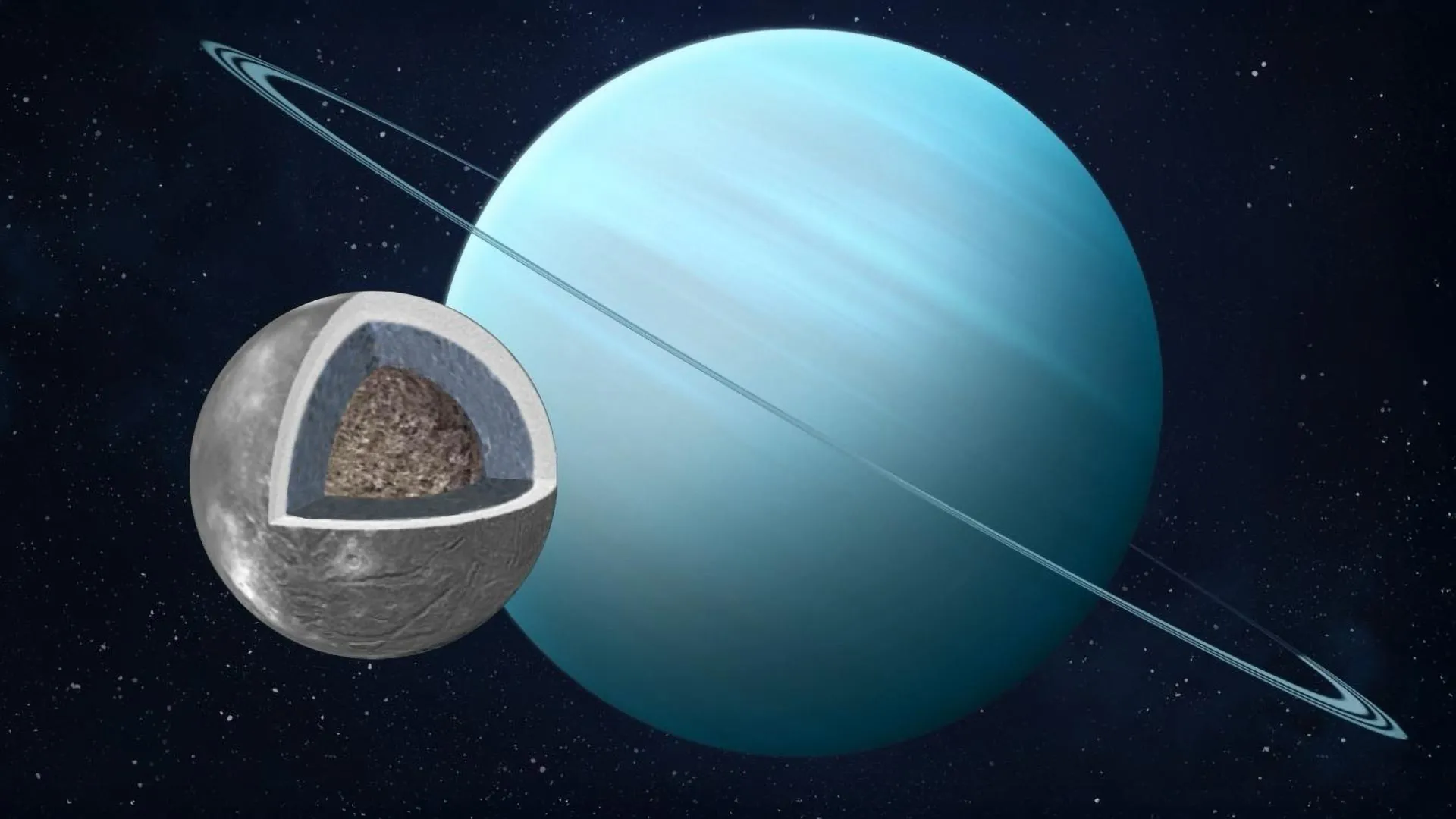
Evidence is building that Uranus’ moon Ariel may once have contained a vast ocean beneath its frozen exterior. Research published in Icarus explores how that hidden ocean may have changed over time and suggests it could once have been more than 100 miles (170 kilometers) deep. By comparison, the Pacific Ocean has an average depth of about 2.5 miles (4 kilometers).
“Ariel is pretty unique in terms of icy moons,” said paper co-author Alex Patthoff, a Planetary Science Institute senior scientist.
A Moon With a Surprisingly Violent Past
Ariel is the brightest of Uranus’ moons and the second closest to the planet. At only 720 miles (1,159 km) across (the distance from PSI in Tucson to Salt Lake City, Utah), it ranks as the fourth-largest moon in the Uranian system.
Despite its relatively small size, Ariel has an unusually complex surface. According to the paper’s first author, Caleb Strom, a recent graduate of the University of North Dakota, ancient features such as impact craters sit alongside much younger terrain. Some smooth regions may even have formed through cryovolcanism, a process in which water, ice, or other volatile materials erupt from an icy world rather than molten rock.
Ariel is also covered in fractures, ridges, and grabens, areas where sections of the crust have dropped below the surrounding terrain. Some of these structures occur on scales larger than those found almost anywhere else in the Solar System.
Reconstructing Ariel’s Hidden Interior
Those enormous surface features are what motivated the new investigation. The researchers wanted to determine what Ariel’s interior and orbit may have looked like in the past to produce the fractures visible today.
One key factor is orbital eccentricity, which describes how much an orbit differs from a perfect circle. Changes in Ariel’s interior structure and orbital eccentricity could both influence the amount of tidal stress acting on its icy crust. As the moon travels around Uranus, gravitational forces repeatedly stretch and squeeze it, potentially placing enough stress on the surface to cause large fractures.
“First, we mapped out the larger structures that we see on the surface, then we used a computer program to model the tidal stresses on the surface, which result from distortion of Ariel from soccer ball-shaped to slight football-shaped and back as it moves closer and farther from Uranus during its orbit,” Patthoff said. “By combining the model with what we see on the surface, we can make inferences about Ariel’s past eccentricity and how thick the ocean might have been.”
A Much More Eccentric Orbit
The researchers found that Ariel may once have had an orbital eccentricity of about 0.04, roughly 40 times greater than its value today.
Although 0.04 still represents an orbit that would look nearly circular, that difference would have greatly amplified the tidal forces acting on Ariel. Its orbit would have been about four times more eccentric than that of Jupiter’s moon Europa, whose icy shell is heavily fractured by the continual gravitational stretching and squeezing it experiences.
Those forces may have played a major role in shaping Ariel’s dramatic landscape.
“In order to create those fractures, you have to have either a really thin ice on a really big ocean, or a higher eccentricity and a smaller ocean,” Patthoff said. “But either way, we need an ocean to be able to create the fractures that we are seeing on Ariel’s surface.”
Uranus May Have Had Twin Ocean Worlds
The Ariel study is the second in a series examining what may once have existed beneath the surfaces of Uranus’ moons. Last year, the same research team reported similar results for Miranda, another icy moon orbiting Uranus.
Together, the findings raise the possibility that more than one moon in the Uranian system may have contained a substantial subsurface ocean.
“We are finding evidence that the Uranus system may harbor twin ocean worlds,” said coauthor, Tom Nordheim of Johns Hopkins University Applied Physics Laboratory and principal investigator of the NASA Solar System Workings grant that funded the Miranda and Ariel studies. “Unfortunately, we’ve only seen the southern hemispheres of Ariel and Miranda. But our results can give us predictions of what a future spacecraft might see on the moons’ unimaged northern hemispheres, such as the location of fractures and ridges there. Ultimately, we just need to go back to the Uranus system and see for ourselves.”
What a Future Uranus Mission Could Reveal
Scientists still do not know exactly when Ariel’s deep ocean may have existed, or how long it lasted. However, the new results offer an important foundation for future studies investigating how subsurface oceans on distant icy worlds form, evolve, and potentially disappear over time.
A future spacecraft mission to Uranus could also test the researchers’ predictions by imaging the unexplored northern hemispheres of Ariel and Miranda and searching for the fractures and ridges expected from their models.
This research was also funded by the North Dakota Space Grant Consortium.
