How a new scheme for young people leaving care is tackling what was once a cliff-edge for this vulnerable group.


How a new scheme for young people leaving care is tackling what was once a cliff-edge for this vulnerable group.
As scientists edge closer to new treatments for hair loss, Victoria Derbyshire examines what such breakthroughs could mean for women.
Women taking the drug, which is kinder on the body, tell the BBC it has given them their lives back.
Studies show that low-impact exercise is especially beneficial for the physical and cognitive health of older adults. If you’re looking to get more movement in without putting undue pressure on your joints (or wallet), we spotted a compact, folding, low-impact stair stepper and climbing machine currently on sale for 15% off. Reviewers call the machine a welcome addition to their home setup, calling it “a great workout for an old man” and “a very significant aerobic workout, plus excellent low-impact strength development.” While it usually goes for close to $150, you can nab it today for under $130 — but you have to act fast — this is a lightning deal that ends soon.
Advertisement
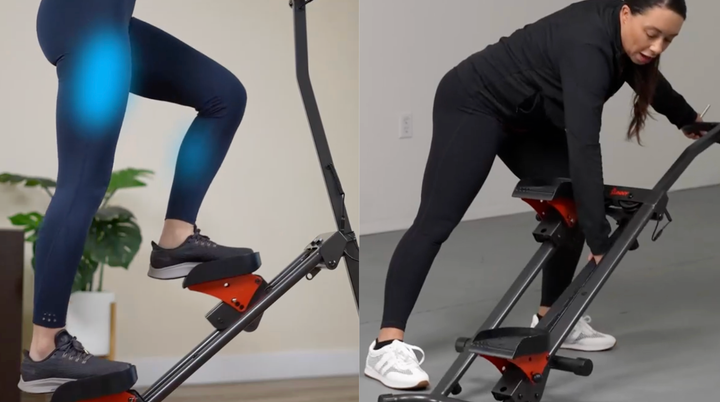
Made with alloy steel, this compact machine can help you move your legs, glutes and core without forceful landings on your feet, ankles and knees. The machine easily folds up, making it painless to store or move around your space. It can also hold up to 330 pounds.
Advertisement
When you’re ready to move, simply unfold the machine, adjust the handlebars, step height and stride length for intensity and comfort and move as fast or slow as you’d like, gliding your knees up and down. The digital interface tracks your speed, time, steps and calories, and there’s a spot for your phone to follow along with workouts.
“Space-saving design and light enough to transport and maneuver,” one wrote. “…The piston/hydraulic action is smooth and makes very little noise. For reference, I am 5′ 10″ and medium build, have no issues with knocking my knees on the pistons. The legs are sturdy as well and do not shake.”
This climber lets you move fluidly, without harsh jumps or lifts; fans say it’s helping them regain their confidence while working out and feel physically stronger. Because it has no added resistance, you use your body weight and position to maintain the intensity, ensuring you always feel safe and in control.
“I am an old man who lost his butt muscles and was having back problems. This simple machine has been great for both problems and I’ve only had it a month,” one shopper wrote. “Sturdy, functional, easy to assemble and use-I could not recommend it more.”
66-year-old shopper Errin, who works a sitting desk job, got the machine “to strengthen my quads.” They say, “that set of muscles have gotten noticeably weaker as I’ve aged, and I could tell that the weak quads increased my fall risk. This stepper definitely targets quads! I use it a few times a day, about 50 steps each time. I really think it has helped already.”
Advertisement
Another reviewer, who enjoys the machine for indoor, all-weather fitness, says it’s also been great for their child who has self-described “neurological/motor issues.”
“It is kind of a challenge to find stuff for her to improve her strength and balance,” they wrote. “She uses this, too, and we started at doing ’10 steps’ each time, throughout the day. She’s doing 33 steps each session and does a few throughout the day, plus other activities that help her strength building and balance.”
Per the American Sport And Fitness Association, “low-impact exercise” means movements that don’t have forceful landings or cause “shock absorption” in your joints — like running and jumping. Generally, these movements include having one foot on the ground (or pedal) at all times, making them a great option for older folks and people with mobility limitations, according to the National Library of Medicine.
Advertisement
While the machine certainly targets your bottom half, users say it’s surprisingly versatile, offering “a wide range of motion, depending on how you use it.” (Some even say it makes for great cross-training if you also like to use a rowing machine.)
“You can stand up straight on it, reach your arms into the air, and work your upper body and improve your balance. You could even add free weights. This is GREAT for improving your posture and core stability,” Eva wrote. “…If you stand up and lean back while holding the rails, and hunch over slightly, you can engage your abs. A nice bonus is that this stretches out your low back and gives it a little break.”
Advertisement
“Best 100 bucks I ever spent. I am an old man who lost his butt muscles and was having back problems. This simple machine has been great for both problems and I’ve only had it a month. Sturdy, functional, easy to assemble and use- I could not recommend it more.” — Amazon customer
“1. Affordable 2. Space saving folds into size of an ironing board. 3. Adjustable – I’m a strong 270lb man and on the right settings was able to do a HIIT workout on this machine. Really tests cardio and builds strength in legs without knee strain or impact. At the same time this can be adjusted for grandmothers, kids, ladies doesn’t matter. Can’t recommend this highly enough. Been using it for 4mos and it’s very solid.” — Kevin
“My mother bought something similar years ago, 1988. I utilized it with intent to see how long it would last from excessive use. It’s still in her basement and works. This Sunny equipment is well built and sturdy. If size, space, portability, and cost are issues, then this is the one for you. With proper form (slight squat) this will give you the burn and conditioning you’re after. I can watch TV while burning calories and attaining fitness. This will shape your buttocks, thighs, hips, calves, and more without breaking the bank for one of those steppers your see in the gym. I can take this anywhere, like outside and on the porch for fresh air and a good cardio session. I definitely like the longer cylinders for resistance and sleek design. Keep that towel and water bottle within reach, for you will get the burn with this low impact, blood pumping exercise!” — EdMenSal
“i have been using it about three weeks now. It was easy to put together, and very sturdy. I wanted something to strengthen my quads. That set of muscles have gotten noticeably weaker as I’ve aged, and I could tell that the weak quads increased my fall risk. I am 66 yrs old, female, in a desk job during the week, but fairly active on most weekends. (I ride and work with horses, stack hay, and do other work around a small farm.) This stepper definitely targets quads! I use it a few times a day, about 50 steps each time. I really think it has helped already.
July 22, 2020: I can hardly believe I’ve used this for over 5 years now! It’s as good as new despite almost daily use.” — Errin
The Real Deal: We use deal trackers and commerce experience to sift through “fake” hike-and-drop deals and other deceptive sales tactics. Products will usually be rated at least 4 stars with a minimum 15% discount. (And when there’s an exception, we’ll tell you why.)
Advertisement
Middle age is a time of life where there’s a lot going on.
Many in midlife are simultaneously responsible for the care of both elderly parents and young children (part of the so-called “sandwich generation”) while also facing the stresses of being mid-career and adjusting to the ways their bodies are changing.
There almost seems to be more to do in the same 24 hours during these years and, in turn, even less time for self-care.
But, unfortunately, skimping on that work of taking care of yourself can become normalized real quick — and it eventually adds up. In fact, the habits we pick up in middle age can have a direct effect on our long-term health and well-being.
Advertisement
In the spirit of longevity, HuffPost spoke to experts about the most common bad habits they see people develop in middle age — and what folks can do to turn things around.
SushiSu via Getty Images
Dr. Ashley Cremona-Simmons, a board-certified family medicine physician and the founder of @DrCSEquityRX, told HuffPost that one of the most harmful things someone in middle age can do is lose sleep. In fact, she sees more patients complaining about the difficulty of getting a good night’s sleep as they approach middle age.
Advertisement
Cremona-Simmons said that patients should try to go to bed at the same time every night, aiming for 7-9 hours of sleep.
There are a few lifestyle changes she recommends to help support that goal: patients should avoid caffeine after morning and turn off screens to wind down before bedtime.
Cremona-Simmons also noted that habits like “bed rotting” can impact sleep too — and recommends that beds should only be used for shut-eye and intimacy.
Advertisement
She points patients to CDC recommendations that “they should look for signs of poor sleep quality.”
“They should tell their doctor if they have issues falling asleep, feel very tired after sleeping or repeatedly wake up during the night,” Cremona-Simmons said. “These could be symptoms of sleep disorders that need further management.”
When life gets busy, it can often feel like there isn’t time to pull together a nutritious meal. That’s part of why adequate nutrition is one of the things that can easily fall off your radar in middle age, leading to less-than-great eating habits becoming the norm.
“There are so many recommendations surrounding what equates to adequate nutrition that it can be hard for patients to navigate,” said Cremona-Simmons. “Setting realistic goals increases the chance that the patient will actually meet them.”
Advertisement
Cremona-Simmons noted that maintaining a healthy weight can directly affect a patient’s likelihood of chronic disease in old age. Though genetics and environmental factors come into play, she always recommends a healthy diet for middle-aged patients. After all, it’s one element that they can control.
“I tell my patients to focus on eliminating processed foods as much as possible, focus on a varied diet with a lot of plant sources, and to increase consumption of fiber,” she said. “A diet heavy in plant sources and fermented foods helps maintain a proper gut biome.”
The benefits of physical activity are well-known, Cremona-Simmons said, noting that increasing exercise has been shown to improve muscle mass, symptoms of anxiety and depression, lower fasting glucose levels and more.
Advertisement
The CDC recommendation is for adults to aim for 150 minutes or more of moderate aerobic exercise and two days or more of strength training per week. After 65, they should also work on balance and mobility.
“I tell my patients to start with small goals, especially if they are relatively sedentary,” said Cremona-Simmons. “For example, they can start with just increasing their daily steps, taking the stairs instead of the elevator, or taking breaks to walk around their office building. The goal is to get moving!”
One of the biggest challenges middle-aged patients face is that they’re kind of at the peak of their lives where there are so many things they have to juggle, that it becomes really easy to push physical health to the side because other things require more immediate attention.
– Anna Di, chiropractor and owner of UNITY Chiropractic Wellness in New York City
Advertisement
Though physical activity is clearly vital for good health, Anna Di, a chiropractor and owner of UNITY Chiropractic Wellness in New York City, told HuffPost that it’s not enough to increase exercise one week and skip it the next. Instead, she said, a healthy movement routine hinges on a schedule.
“One of the biggest challenges middle-aged patients face is that they’re kind of at the peak of their lives, where there are so many things they have to juggle, that it becomes really easy to push physical health to the side because other things require more immediate attention,” said Di. “The budgeting of time to take care of your physical and mental health actually becomes even more important at this stage of life, but a lot of people do not realize that until symptoms start showing up.”
Di said accountability is hugely important when maintaining a consistent workout routine. It’s also important to try a range of movements, exercising different areas of the body.
Advertisement
“You are the doctor for that hour, treating yourself. That time is dedicated to getting better. Use this time to give yourself a good cardio workout, a patient but efficient stretch, or to do a few weight-training exercises,” she said. She added that trying new activities with a partner who can keep you accountable can also help prevent loneliness and, in turn, benefit mental health.
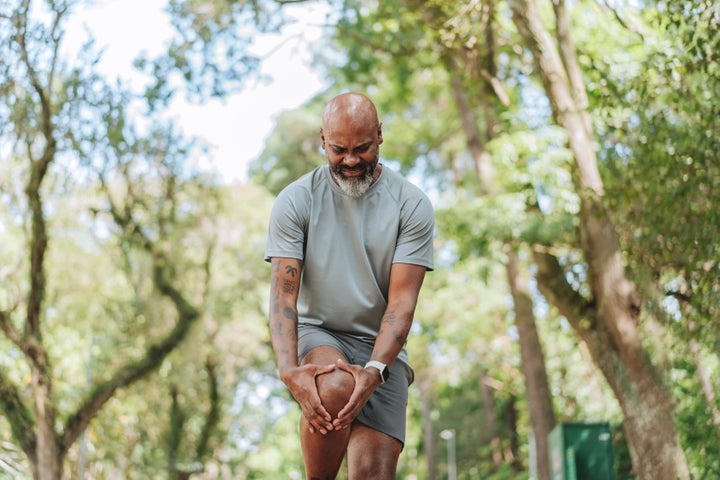
Di said one of the worst things a middle-aged patient can do is ignore pain. When specific movements become difficult or painful, it’s not a sign to become less active but to seek out support.
“One analogy I like to use is if you are taking a hammer and hitting your thumb over and over and over, eventually once the hammer is gone, even the tiniest tap against your thumb or grazing the skin becomes extremely sensitive because of all the repetitive trauma that builds up over time,” said Di. “That does not mean you can never use a hammer again. It means you need to coordinate better so you stop hitting your thumb and start hitting the nail on the head.”
Advertisement
andreswd via Getty Images
She says beginning to move in ways that are not painful requires the conscious effort of “learning proper movement patterns, improving coordination, being patient with yourself during movement and sometimes working with specialists who can help guide you.”
“In middle age, sometimes the habits you had when you were younger really start to show. People notice that they are doing the same activities they used to do before, but now they do not recover as quickly, or they start feeling pain doing things that used to feel completely normal,” Di said. “A lot of people also lose confidence in movement because they are afraid of pain or reinjury.”
Advertisement
“But sometimes pain and bad habits happen because you do not yet have the strength, endurance, coordination, or even mental confidence to perform movements properly,” she continued.
Though it may be harder to make new friends in middle age, it is still a prime time to form emotionally healthy relationships and build community, as Gwenyth Lloyd and Sarah Burrows, two mental health professionals at the SUNY New Paltz Psychological Counseling Center, told HuffPost.
Old age becomes a bit of a catch-22 when it comes to a social life. It can feel increasingly difficult to make friends out in the wild and to find the time to see the people you already know and love, but supportive relationships also have an increasingly central role in well-being at this age.
Advertisement
“If they have not cultivated those positive, healthy relationships, [people in middle age] can experience an intense sense of isolation,” Burrows said. “Social support is critical.”
The treatment for isolation is simply finding community and connection.
It can be as simple as striking up conversations with people outside or deeper, like building reliable social networks around things you care about, Lloyd noted, emphasizing how her own faith community created that space for her.
“Whether it’s at church, the community center, no man is an island,” Lloyd said. “We all need that stimulation. We all need to feel loved, to feel accepted.”
Advertisement
Lloyd said addictive behaviors can have a detrimental effect on mental health. In fact, substance abuse is considered a co-occurring disorder because of the way it affects the well-being of addicted people.
Overindulging in things like drugs, alcohol and even sex can cause patients to abandon the healthy and stable routines that actually benefit their mental and physical health.
It doesn’t help that things like alcohol just hit your body differently—with many people losing the enzyme that helps us metabolize alcohol (alcohol dehydrogenase) as we get older.
Advertisement

Yuliia Kaveshnikova via Getty Images
Most of us don’t consider the way we talk to and about ourselves when we’re thinking about health, but our outward behaviors are generally a manifestation of what’s happening inside.
And hopelessness begins when we are mean to ourselves, according to Burrows and Lloyd.
“Another bad habit can be how you think. Having a very negative outlook on life, a pessimistic and a very self-critical attitude, internally shaming, guilting, berating yourself, leads to depression and withdrawal, and even fear of connecting with others,” Burrows said.
Advertisement
Negative self-talk can be the result of trauma or family dynamics that were never addressed developmentally or in therapy, Lloyd notes. It results in poor interpersonal relationships, cycles of anger and, ultimately, a diminished quality of life.
But Burrows and Lloyd say cultivating more positive attitudes is something that can be developed at any age.
“The prescription is laugh heartily, smile regularly, and say hello to the world,” Lloyd said.
Advertisement
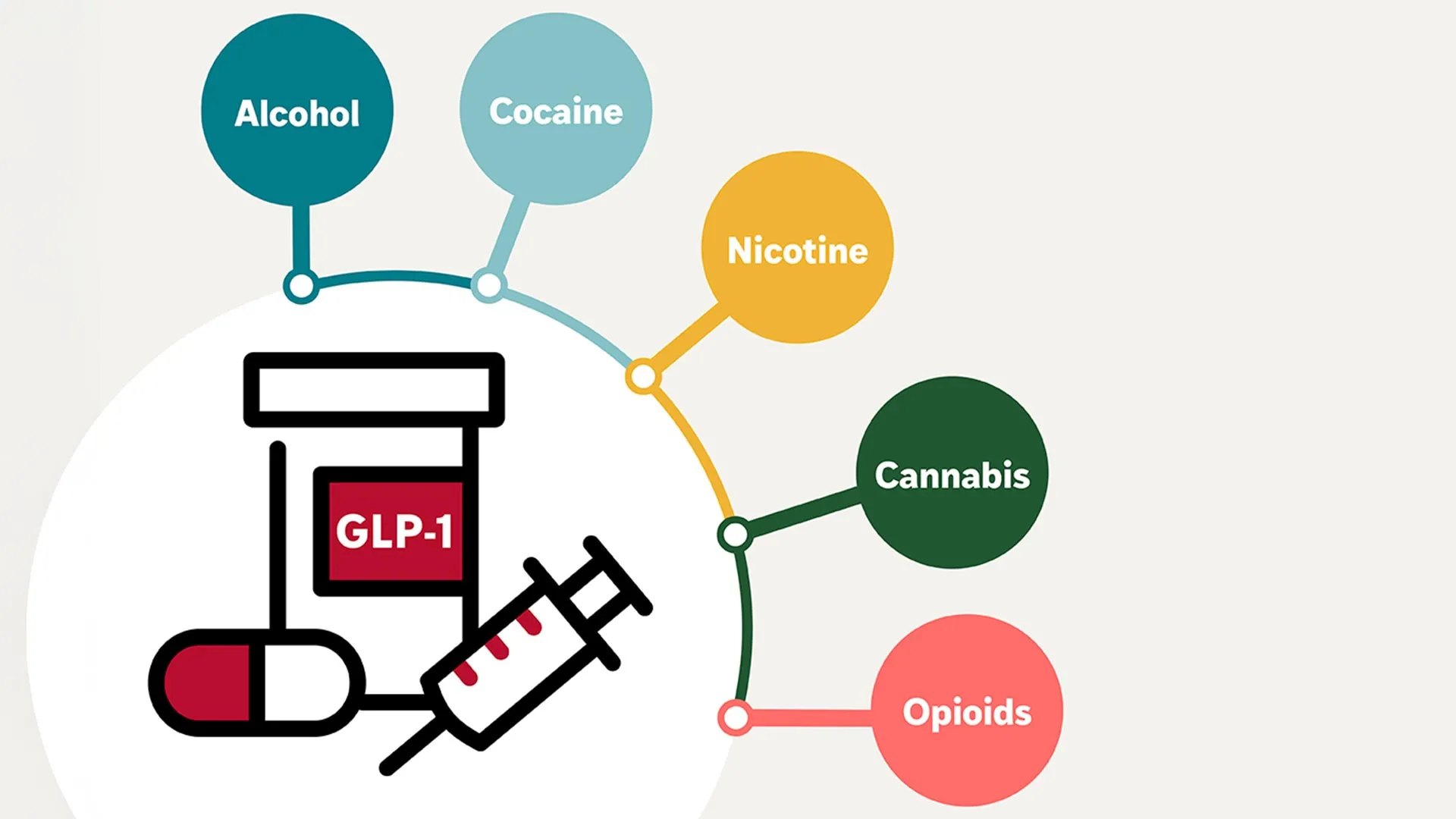
Popular GLP-1 drugs including Ozempic, Wegovy, Mounjaro, and Zepbound have already transformed the treatment of type 2 diabetes and obesity. Now, new research suggests these medications may also help prevent and treat addiction across a broad range of substances.
Researchers at Washington University School of Medicine in St. Louis found that GLP-1 medications were associated with lower risks of developing substance use disorders involving alcohol, nicotine, cannabis, cocaine, opioids, and other substances. The drugs were also linked to fewer overdoses, hospitalizations, and drug-related deaths among people already living with addiction.
The findings were published in The BMJ.
GLP-1 Drugs and Addiction
GLP-1 receptor agonists were originally developed to help manage type 2 diabetes, but their popularity has surged in recent years because of their effectiveness for weight loss. Along the way, researchers began noticing something unexpected.
Some patients reported losing interest in alcohol and cigarettes after starting the medications. Earlier observational studies also found links between GLP-1 treatment and lower risks of alcohol and cannabis use disorders, opioid overdose, and alcohol-related hospitalization.
However, most previous studies focused on individual substances. Researchers wanted to determine whether the effects extended across multiple forms of addiction and whether the drugs could help reduce the most serious consequences associated with substance use disorders.
To investigate, the research team analyzed electronic health records from 606,434 U.S. veterans with type 2 diabetes.
Study Examines More Than 600,000 Veterans
Participants were divided into two groups. One group included people without a substance use disorder at the start of the study. The second group consisted of people who already had a diagnosed substance use disorder.
Researchers reviewed up to three years of health records after participants began taking either a GLP-1 receptor agonist, most commonly semaglutide, liraglutide, or dulaglutide, or an SGLT2 inhibitor, another type of diabetes medication.
Among the 524,817 participants who did not have a substance use disorder when the study began, those taking GLP-1 medications were less likely to develop one over time.
Compared with patients taking non-GLP-1 diabetes medications, GLP-1 users had a 14% lower risk of developing any substance use disorder. Risks were lower across every major substance examined, including alcohol (18%), cannabis (14%), cocaine (20%), nicotine (20%), and opioids (25%).
The researchers estimated that this translated to seven fewer new substance use disorder diagnoses per 1,000 GLP-1 users.
Fewer Overdoses and Drug-Related Deaths
The study also examined outcomes among the 81,617 participants who already had a substance use disorder.
In that group, GLP-1 use was associated with fewer addiction-related emergencies and serious health consequences. After three years, participants taking GLP-1 drugs experienced a 30% reduction in emergency department visits, a 25% reduction in hospitalizations, a 40% reduction in overdoses, and a 50% reduction in drug-related deaths.
Overall, the researchers estimated that GLP-1 use was associated with 12 fewer serious addiction-related events per 1,000 users.
“In addiction medicine, a lot of treatments target just one thing, for example, a nicotine patch helps with smoking, but not alcohol, but there is no medication that works across addictive substances, let alone all of them,” said senior author Ziyad Al-Aly, MD, a WashU Medicine clinical epidemiologist and Chief of the Research and Development Service at the VA Saint Louis Health Care System.
“The revelation about GLP-1 medication is that it really works against all major substances, and it works uniformly, not because it acts against alcohol or opioids or nicotine specifically, but because it is likely acting against the craving itself. It blunts that craving that pulls people toward whatever they’re addicted to.”
Targeting the Biology of Craving
Al-Aly said the study was partly inspired by patient reports describing unexpected changes in behavior after starting GLP-1 treatment.
Researchers also considered evidence showing that GLP-1 receptors are present in brain regions involved in reward processing. That raised the possibility that the drugs could influence the cravings that drive addiction.
The findings suggest that GLP-1 medications may act on a shared biological pathway underlying multiple forms of addiction. Rather than targeting a specific substance, the drugs may be affecting the craving itself.
The idea is particularly significant because some addictive substances, including methamphetamine, currently have no approved medication treatments.
“GLP-1s may offer a dual benefit for patients with chronic conditions like diabetes or obesity who are also struggling with a substance use disorder: one medication can treat both conditions at once,” Al-Aly said.
A Potential New Approach to Addiction Treatment
Millions of Americans already use GLP-1 medications, and that number continues to grow. If future studies confirm these findings, the public health implications could be substantial.
The researchers say the results support conducting clinical trials specifically designed to test GLP-1 drugs as addiction treatments, including studies capable of measuring effects on overdose and drug-related death.
“People taking these drugs for obesity often describe a quieting of ‘food noise,’ the persistent preoccupation with food that drives overeating,” Al-Aly said.
“What our study suggests is something broader: GLP-1 drugs may also quiet what I call ‘drug noise,’ the relentless craving that drives addiction across substances. That cross-substance signal points to a shared biology underlying addiction, and it opens the door to a fundamentally different approach: not treating one addiction at a time, but targeting that common biologic signal, that common craving across addictions. Moving beyond food noise to drug noise, GLP-1s are quieting the roar of addiction.”
The research was funded by the U.S. Department of Veterans Affairs. According to the authors, the funders had no role in the study’s design, data collection, analysis, interpretation, manuscript preparation, review, approval, or publication decisions. The researchers also noted that the findings do not represent the views of the Department of Veterans Affairs or the U.S. government.
Regular weight training can help you keep fit and strengthen muscles to live longer, research suggests.
There are plans to move some maternity services to the Royal Liverpool – which could affect around 130 high-risk births each year
You don’t want to forget your jawline whenever you’re upgrading a skincare routine. Thankfully, we’ve discovered a 7-pack of collagen chin masks that reviewers love for giving their jawline a youthful lift. In fact, a 58-year-old reviewer said the masks “took about 10 years off my face.” Shoppers admire the mask’s softness, non-odor and cooling abilities, saying it’s actually comfortable to sleep in. And if you need even more reason to give them a try, the masks are finally back on sale for 18% off, making them under $20 for a pack.
Advertisement

Designed with power-packed Japanese hydrogel, this mask is a true treasure for folks determined to sculpt their jawlines to perfection. Unlike other V-line face masks, these masks provide a precise lift and a stretchable fit, featuring ultra-soft ear loops for seamless, non-slip wear for face shapes.
“Color me surprised,” one reviewer shares. “I can’t believe this worked. I have lost 100 pounds after having gastric sleeve and my neck has noticeably been sagging and looking rough. I have only done two treatments so far, but even after one, the changes were super noticeable! I’m definitely going to add these masks to my nighttime skin routine.”
Advertisement
“It instantly made my neckline tight, smooth and younger looking,” another said. “I only wore it for an hour on the very first day and literally had my 18 year old daughter tell me she couldn’t understand how I looked SO young!”
Another shopper who used the mask before a family event says the tightening effect was so visible, “my mother asked me if I had cosmetic surgery!”
“It snatches perfectly, obviously professional level,” they wrote. “It’s a staple in my skincare routine.”
Advertisement
This beloved jaw-tightening mask also features a mix of natural ingredients — collagen, aloe vera, and hyaluronic acid — that work to deeply moisturize and refresh skin, while also boosting skin radiance. Granted, while skincare goals vary, everyone appreciates a product that can provide the basics while snatching your jawline to perfection.
“These masks really work! I can tell a huge difference in my jawline and neck,” says Cashlady. “These are much more comfortable on my ears because they stretch without breaking like some of the other brands. My face feels moisturized, soft, and smooth after each use, and I can see my jawline and neck tightening up after each use! I have tried several brands, and this is by far the best.”
Advertisement
If you’re ready to stop spending money on firming creams, painful masks, or trying to define your jawline with targeted exercises, these Stylia masks may be the missing piece to your nighttime routine.
“I came across an ad for these. I figured it was just another scam and I was going to waste my money. I am pleasantly surprised by these. I feel like these are very high-quality and fit nicely. They stretich nicely, the silicone on the inside sticks very well and the outer side is a soft, felt like material. I’ve been wearing these with an additional chin strap at night for a few hours while watching TV and doing things around the house. After I remove this, I do my normal skin care routine and I have been wearing a chin strap at bedtime. I really didn’t think I would see any results. This morning I woke up and I honestly couldn’t believe my neck skin is tighter. I also started a few facial exercises. So I believe these along with the strap at bedtime and some facial exercises are making an impact on my skin. I absolutely recommend these. I think the key is to treat before it becomes a big problem. I wish they had these 30 years ago. I would’ve started treatment when I was 20 as a preventative.” — Dobie Girl
“I love this product. I had some facial injections in my chin, lip, and jaw area, and had significant bruising. I put this on right when I go to bed, and I leave it on all night. I also store it in the refrigerator. It really helped with the bruising, the overall texture of my skin, and especially improved the hydration of my skin. I also think it helps improve the jawline. I wake up, looking so refreshed. I have worn one every night for the past week and will probably go to once or twice a week, or when I need a pick-me-up. I will continue to re-purchase.” — DRA
“I was skeptical at first. However, using it according to the directions, it actually lifted and tightened my chin. I started noticing the difference after two weeks, so please be patient. People have noticed without me saying anything. I’m about to be 58 years old, and it looks like I took about 10 years off my face. It’s very comfortable; sometimes I forget I’ve put it on. It is definitely not sticky and fits your chin perfectly. It does say to stretch it before you put it on, but I recommend stretching it as you’re going along this way; you don’t overstretch it, so it fits perfectly around the ear without missing any part behind the jaw. They have no odor. I highly recommend these because it actually works. I am very pleased with the results.” — peppercorn
“This product is really good for lifting and smoothing out wrinkles on the neck. It doesn’t just work on the double chin; it also helps with the wrinkles on the neck while lifting up the chin. I really like these chin and neck lifts.” — Josephine Harris
Advertisement
Amazon
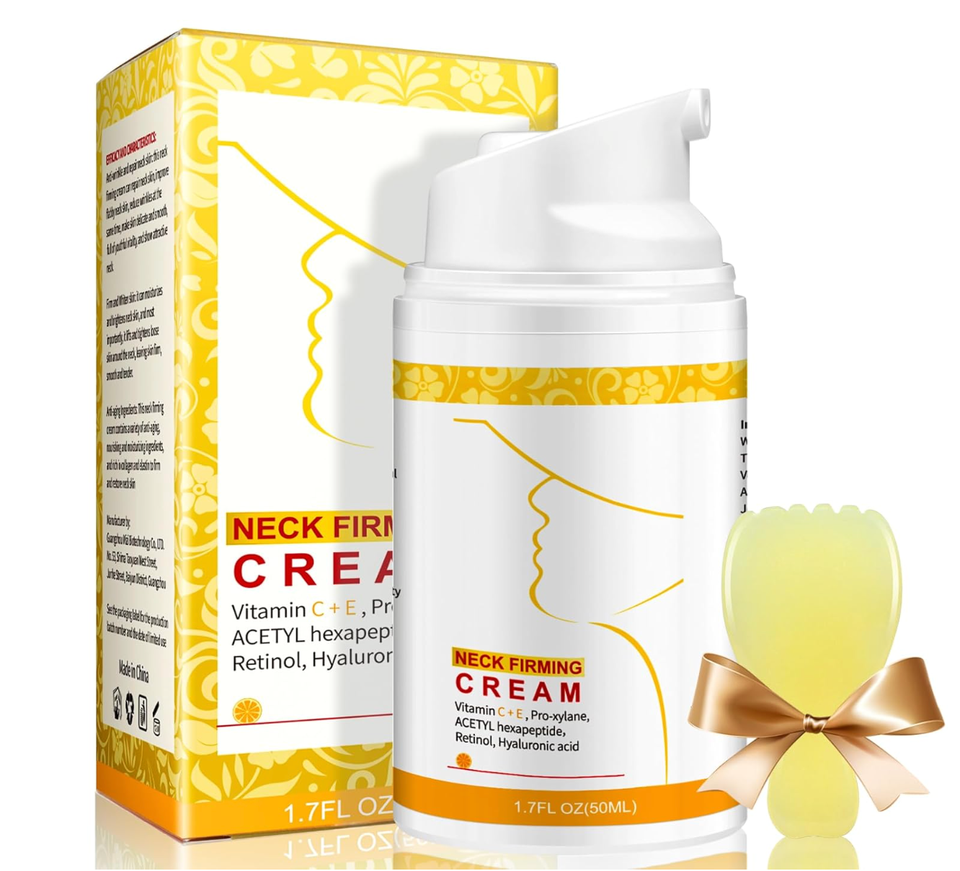
Made with collagen, caffeine, vitamin E and honey, this firming neck cream is loved by users for its feel great on the skin and helping smooth out the appearance of their under chins and necks. “There is no strong scent or odor at all, and the cream was absorbed with no greasy residue,” one reviewer wrote. “I found there to be an instant improvement in the appearance of Crepey skin and sagginess of the under chin and jaw line.” Hit the coupon for 16% off.
Amazon
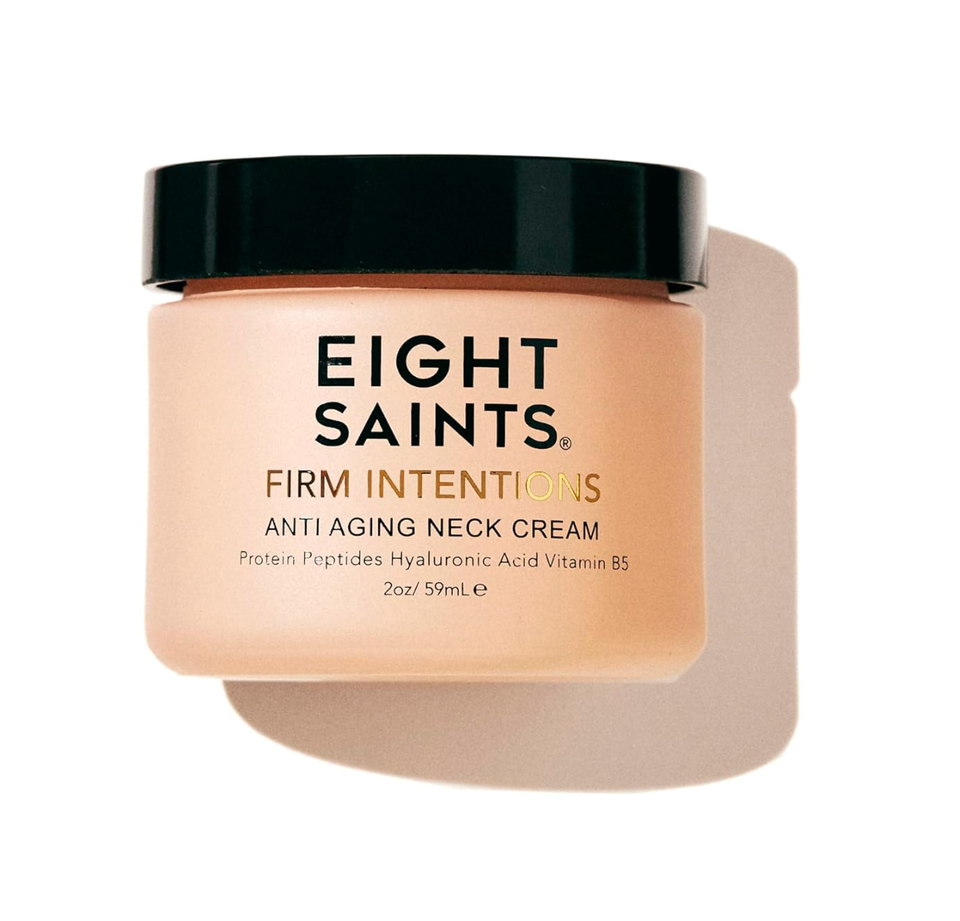
Packed with collagen-boosting protein peptides, this fragrance-free formula from Eight Saints is specially designed to boost firmness and elasticity on your neck. Made with a protein peptide blend designed to increase your skin’s collagen production and Vitamin B5 for soothing and calming, the Eight Saints cream helps your skin stay firm and soft. You’ll also get hyaluronic acid for plumping and moisture-binding and green tea antioxidant, for brightening and warding off premature signs of aging. “How something can both firm up my neck while making my skin super soft is pure magic!” Eri wrote. “This is a must have!” While it’s $44 on the Eight Saints website, you can currently find it for 23% off at Amazon.
Amazon
Advertisement
The Real Deal: We use deal trackers and commerce experience to sift through “fake” hike-and-drop deals and other deceptive sales tactics. Products will usually be rated at least 4 stars with a minimum 15% discount. (And when there’s an exception, we’ll tell you why.)
Advertisement
Experts are trying to find the best way to screen for prostate cancer, since blood tests alone are not accurate enough for most men.
