Two people have died following an “unpredecented” outbreak of meningitis in Kent.


Two people have died following an “unpredecented” outbreak of meningitis in Kent.

When people try to focus on a faint sound, many instinctively shut their eyes. The common belief is that removing visual distractions allows the brain to concentrate more fully on hearing, boosting sensitivity. However, this approach does not always work, especially in environments filled with background noise.
A study published in JASA, on behalf of the Acoustical Society of America by AIP Publishing, set out to test whether closing the eyes truly improves hearing under noisy conditions. Researchers from Shanghai Jiao Tong University examined how visual input affects the ability to detect sounds.
Experiment Testing Hearing in Noise
Participants in the study listened to a range of sounds through headphones while background noise played at the same time. Their task was to adjust the volume until each sound was just barely audible over the noise.
The experiment included several visual conditions. First, participants completed the task with their eyes closed. They then repeated it with their eyes open while looking at a blank screen, followed by viewing a still image related to the sound, and finally watching a video that matched what they were hearing.
Closing Eyes vs Visual Cues
The results went against a widely held assumption. “We found that, contrary to popular belief, closing one’s eyes actually impairs the ability to detect these sounds,” said author Yu Huang. “Conversely, seeing a dynamic video corresponding to the sound significantly improves hearing sensitivity.”
Rather than helping, closing the eyes made it harder to pick out faint sounds in noisy settings, while relevant visual input provided a clear advantage.
Brain Activity and Over-Filtering
To understand why this happens, the researchers used electroencephalography (EEG) to track brain activity during the tests. They found that closing the eyes shifts the brain into a state known as neural criticality, which increases how strongly it filters incoming information.
This heightened filtering does not just reduce background noise. It can also suppress the target sounds participants are trying to hear.
“In a noisy soundscape, the brain needs to actively separate the signal from the background,” said Huang. “We found that the internal focus promoted by eye closure actually works against you in this context, leading to over-filtering, whereas visual engagement helps anchor the auditory system to the external world.”
When Closing Your Eyes Still Helps
The researchers noted that the effect appears specific to noisy environments. In quieter conditions, closing the eyes may still improve the ability to detect subtle sounds.
However, since everyday life often involves significant background noise, keeping your eyes open may be the more effective strategy in many situations.
Future Research on Vision and Hearing
The team plans to continue studying how sight and sound interact. One key question is whether the benefit comes simply from having visual input or from seeing something that matches the sound.
“Specifically, we want to test incongruent pairings — for example, what happens if you hear a drum but see a bird?” said Huang. “Does the visual boost come from simply having the eyes open and processing more visual information, or does the brain require the visual and audio information to match perfectly? Understanding this distinction will help us separate the general effects of attention from the specific benefits of multisensory integration.”
UK scientists have grown fully functioning food pipes and successfully transplanted them into mini pigs, paving the way for human trials.
Deep within Greenland’s vast ice sheet, scientists have uncovered an unusual chemical signal that has sparked years of debate. At the center of the mystery is a sharp rise in platinum levels found in an ice core (a cylinder of ice drilled out of ice sheets and glaciers) dating back about 12,800 years. This discovery was once seen as evidence that Earth may have been struck by a rare meteorite or comet.
New findings suggest a far more down to earth explanation. The platinum spike may have come from a volcanic fissure eruption in Iceland rather than an object from space.
The Younger Dryas and a Sudden Climate Shift
The timing of this signal is critical. It appears close to the start of the Younger Dryas Event, a dramatic cold period that lasted from roughly 12,870 to 11,700 years ago. During this time, temperatures across the northern hemisphere dropped sharply.
This cooling came just as the planet was emerging from the last ice age and beginning to warm. Identifying what caused this sudden reversal could offer valuable insight into how Earth’s climate system behaves under stress.
Researchers now suggest that this cold phase may have been triggered by a major volcanic eruption in Germany or possibly an eruption from an as yet unidentified volcano.
Competing Theories Behind the Climate Mystery
Ice core records show just how extreme the Younger Dryas was. In Greenland, temperatures fell to more than 15°C colder than today. Across Europe, forests gave way to tundra, and rainfall patterns in lower latitudes shifted southward.
The leading explanation has long been a massive influx of freshwater from melting North American ice sheets. This surge is thought to have disrupted ocean circulation and cooled the climate. However, another theory proposed that a comet or asteroid impact over North America triggered the event.
Platinum Spike Raises New Questions
In 2013, scientists studying ice cores from the Greenland Ice Sheet Project (GISP2) found unusually high platinum concentrations. The ratio of platinum to iridium was especially puzzling. Space rocks typically contain high levels of iridium, but this signal did not. The chemical signature also did not match known meteorites or volcanic materials.
Some researchers suggested the spike could be evidence of an unusual iron rich asteroid. Others proposed it might be linked to the Laacher See volcanic eruption in Germany, which occurred around the same time and has a distinctive chemical profile.
To investigate, researchers analyzed 17 samples of volcanic pumice from Laacher See deposits. They measured platinum, iridium, and other trace elements to build a chemical fingerprint.
The results were decisive. The pumice samples contained almost no platinum, with levels at or below detection limits. This ruled out the Laacher See eruption as the source of the Greenland platinum spike.
Timing and Duration Tell a Different Story
A closer look at the timeline provided another important clue. Updated ice core dating shows the platinum spike occurred about 45 years after the Younger Dryas began, making it too late to have caused the initial cooling.
This finding aligns with earlier studies. In addition, the elevated platinum levels persisted for about 14 years, indicating a sustained process rather than a sudden event like a meteorite or comet impact.
When scientists compared the ice core chemistry with other geological samples, the closest match came from volcanic gas condensates (the products formed when gases released from a volcano cool from a gas to a liquid or solid state), especially those linked to underwater volcanic activity.
Icelandic Volcanoes as a Likely Source
Volcanoes in Iceland are capable of producing fissure eruptions that last for years or even decades, consistent with the 14 year platinum signal. During the period leading up to the Younger Dryas, increased melting of ice sheets reduced pressure on the Earth’s crust, likely boosting volcanic activity in the region.
Submarine and subglacial eruptions interact with water in ways that can produce unusual chemical signatures. Seawater can remove sulfur compounds while concentrating metals such as platinum in volcanic gases. These gases can travel through the atmosphere and settle onto distant ice sheets, including Greenland.
Evidence from more recent Icelandic eruptions supports this idea. The 8th century Katla eruption created a 12-year spike in metals like bismuth and thallium in Greenland ice cores. The 10th century Eldgjá eruption left behind a cadmium signal. Although platinum was not measured in those cases, they show that Icelandic volcanoes can transport heavy metals over long distances.
Did Volcanoes Trigger the Younger Dryas
Because the platinum spike occurred after the cooling began, it was not the trigger for the Younger Dryas. However, other ice core records reveal a large volcanic sulfate spike that lines up precisely with the onset of cooling around 12,870 years ago.
This eruption, whether from Laacher See or another volcano, released enough sulfur into the atmosphere to rival the most powerful eruptions in recorded history. Sulfur in the stratosphere can reflect sunlight and cool the planet, potentially setting off feedback effects such as expanding sea ice, shifting winds, and disrupted ocean circulation.
At a time when Earth’s climate was already in a delicate transition between glacial and interglacial (the periods between cold snaps) conditions, this volcanic activity may have pushed the system back into a cold state.
What This Means for Future Climate Risks
This research focused specifically on the platinum signal and did not evaluate other proposed impact evidence such as spherules (spherical fragments of melted rock) and black mats (mysterious dark layers in soil). Even so, the simplest explanation based on current evidence points to a large volcanic eruption in the northern hemisphere as the main driver of the Younger Dryas.
Understanding how past events triggered abrupt climate shifts is essential for anticipating future risks. While large meteorite impacts and major volcanic eruptions are rare in any given year, they are inevitable over long timescales. Learning how Earth responded in the past helps scientists better prepare for the consequences of future global disruptions.

The Worcester woman says she wants endometriosis patients to be “met with a little extra comfort”.
Mark McNamee did not know he had meningitis until he woke up in hospital after being in an induced coma.
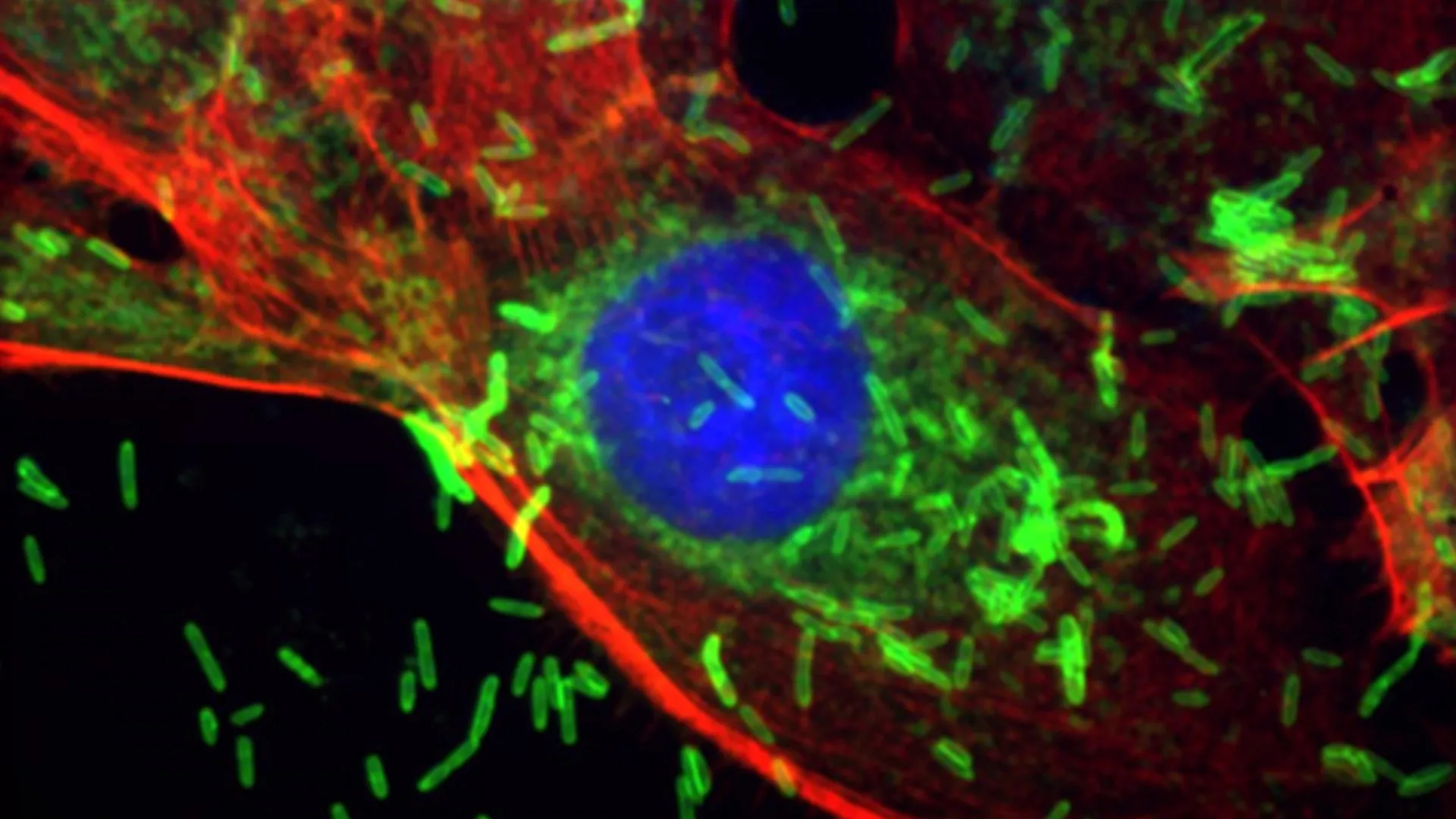
Scientists at the Johns Hopkins Kimmel Cancer Center and the Bloomberg~Kimmel Institute for Cancer Immunotherapy have identified a surprising link between oral health and breast cancer. Their research shows that a bacterium commonly associated with gum disease may help initiate breast cancer, accelerate tumor growth, and promote its spread by damaging DNA and changing how cancer cells behave.
Published in Cell Communication and Signaling, the study focuses on Fusobacterium nucleatum, a microbe previously connected to colorectal and other cancers. The researchers found that this bacterium can enter the bloodstream and settle in breast tissue, where it triggers inflammation and early cellular changes linked to cancer. In animal models of human breast cancer, the presence of this bacterium sped up tumor growth and increased the spread of cancer cells from the breast to the lungs.
“The key takeaway is that this oral microbe can reside in breast tissue and that there is a connection between this pathogen and breast cancer,” says Sharma, adding that the team’s study was inspired by many small studies that looked at thousands of patients and connected periodontal disease to breast cancer.
“We wanted to dig deeper and see if we could uncover the underlying connections,” says Sheetal Parida, Ph.D., first author and a research associate working with Sharma.
DNA Damage and Tumor-Promoting Changes
Experiments using mouse models and human breast cancer cells revealed how the bacterium affects tissue. When F. nucleatum was introduced directly into breast ducts, it caused metaplastic and hyperplastic lesions, noncancerous changes where cells either grow excessively or shift into a different type. These changes were accompanied by inflammation, DNA damage, and increased cell proliferation. When the bacterium entered the bloodstream, it significantly boosted the growth and spread of existing tumors.
The team also uncovered a key biological process behind these effects. Exposure to F. nucleatum damaged cellular DNA and activated repair systems that are prone to errors. One of these, nonhomologous end joining, rapidly reconnects broken DNA strands but can introduce mutations. Even short exposure to the bacterium increased levels of a protein called PKcs, which was linked to greater cancer cell movement, invasion, stem-like traits, and resistance to chemotherapy.
Higher Risk in BRCA1-Mutant Cells
Certain cells appeared especially susceptible. Epithelial cells (the cells that line the breast ducts) and breast cancer cells carrying BRCA1 mutations were more easily affected. These BRCA1-mutant cells had elevated levels of a surface sugar (Gal-GalNAc), which helps bacteria attach to and enter cells. As a result, these cells absorbed more F. nucleatum and retained it over time, even across multiple cell generations, intensifying DNA damage and cancer-promoting effects.
“Our findings reveal a link between oral microbes and breast cancer risk and progression, particularly in genetically susceptible individuals,” says Sharma. “Nothing happens in isolation. The results suggest that multiple risk factors come together with F. nucleatum acting as an environmental factor that may cooperate with inherited BRCA1 mutations to promote breast cancer and tumor aggressiveness.”
Implications for Oral Health and Cancer Risk
The researchers emphasize that more work is needed to understand how these findings translate to patient care. Future studies will explore whether maintaining good oral health could play a role in reducing breast cancer risk.
In addition to Sharma, the research team included Sheetal Parida, Deeptashree Nandi, Deepak Verma, Mingyang Yi, Ashutosh Yendi, Jessica Queen, Kathleen Gabrielson and Cynthia Sears.
The study was supported by the Breast Cancer Research Foundation, Congressionally Directed Medical Research Programs Department of Defense Breast Cancer Research Program grants BC191572 and BC210668), the John Fetting Fund for Breast Cancer Prevention and the Bloomberg~Kimmel Institute for Cancer Immunotherapy.

Eating large amounts of ultra-processed foods may significantly increase the risk of serious heart problems, according to research presented at the American College of Cardiology’s Annual Scientific Session (ACC.26). People who consumed more than nine servings per day were 67% more likely to experience major cardiac events compared with those who ate about one serving daily. Ultra-processed foods include a wide range of packaged and convenience items such as chips, crackers, frozen meals, processed meats, sugary drinks, breakfast cereals and breads.
The risk rises steadily with greater intake. Each additional daily serving was linked to more than a 5% increase in the likelihood of heart attacks, strokes, or death from coronary heart disease or stroke. This relationship was even stronger among Black Americans compared with other racial groups.
“Ultra-processed foods are associated with an increased risk for heart disease, and while many of these products may seem like convenient on-the-go meal or snack options, our findings suggest they should be consumed in moderation,” said Amier Haidar, MD, a cardiology fellow at the University of Texas Health Science Center at Houston and the study’s lead author.
Large U.S. Study in a Diverse Population
This is one of the first large studies to examine the link between ultra-processed food intake and heart disease in a racially diverse group of U.S. adults. The results are consistent with earlier research, much of which has been conducted in Europe, and add important insight for a broader population.
The study analyzed data from 6,814 adults ages 45-84 years who did not have known heart disease and were part of the Multi-Ethnic Study of Atherosclerosis (MESA). Researchers used food questionnaires to estimate how many ultra-processed foods participants ate each day. They relied on the NOVA classification system, which sorts foods into four categories, ranging from unprocessed or minimally processed (e.g., corn on the cob) to ultra-processed (e.g., corn chips), with moderately processed foods in between (e.g., corn starch and canned corn).
Participants with the highest intake averaged 9.3 servings of ultra-processed foods per day, while those with the lowest intake averaged 1.1 servings. Compared with the lowest group, those in the highest group had a 67% greater risk of dying from coronary heart disease or stroke, or experiencing non-fatal heart attacks, strokes or resuscitated cardiac arrest.
Risk Persists Beyond Calories and Diet Quality
“We controlled for a lot of factors in this study,” Haidar said. “Regardless of the amount of calories you consumed per day, regardless of the overall quality of your diet, and after controlling for common risk factors like diabetes, high blood pressure, high cholesterol and obesity, the risk associated with higher ultra-processed food intake was still about the same.”
These findings suggest that the harmful effects of ultra-processed foods may not be explained by calories or overall diet quality alone. The way foods are processed could play an independent role in cardiovascular risk, making it important to consider both processing and nutrient content.
Disparities in Risk and Contributing Factors
Each additional daily serving of ultra-processed foods was associated with a 5.1% increase in the risk of adverse cardiac events. This increase was greater among Black Americans, who experienced a 6.1% rise in risk per serving compared with 3.2% among non-Black individuals. Researchers noted that factors such as targeted marketing and limited access to less-processed foods in some neighborhoods may contribute to differences in consumption and health outcomes.
Study Limitations and Possible Biological Effects
The study has several limitations. Because the MESA study was not originally designed to specifically measure ultra-processed food intake, the data relied on self-reported dietary questionnaires. Intake was measured by servings rather than tracking individual foods.
The researchers did not directly investigate the biological mechanisms involved. However, earlier studies suggest that ultra-processed foods tend to be high in calories, added sugars and fats, and may affect hunger and metabolism. These factors can lead to weight gain, inflammation and the buildup of visceral fat, all of which increase the risk of heart disease.
How to Lower Risk Through Better Food Choices
Haidar said one way to reduce risk is to be more aware of the types of foods you eat and to read nutrition labels carefully. Labels provide details on added sugar, salt, fat and carbohydrates per serving, which are often higher in ultra-processed foods than in less-processed options like plain oatmeal, nuts, beans and fresh or frozen produce.
The ACC published a 2025 Concise Clinical Guidance report in JACC endorsing a standardized front-of-package labeling system to help make sure that healthier choices are more visible, accessible and achievable for all consumers.
This study was published simultaneously in JACC Advances.

New research presented at the American Heart Association’s EPI|Lifestyle Scientific Sessions 2026 suggests that fat stored around the waist (central obesity or visceral fat) may raise the risk of heart failure, largely due to inflammation. The conference, held in Boston from March 17 to 20, highlights the latest findings in prevention, lifestyle, and cardiometabolic health.
The study found that higher levels of visceral fat were more closely tied to heart failure risk than overall body weight. Larger waist measurements were linked to increased risk even in people whose body mass index (BMI) fell within a normal range. These results suggest that where fat is stored in the body may be more important than how much a person weighs. Inflammation appears to help explain why belly fat has such a strong impact on heart health. Measuring waist size may therefore provide a better way to identify people at higher risk than relying on BMI alone.
“This research helps us understand why some people develop heart failure despite having a body weight that seems healthy,” said Szu-Han Chen, lead author of the study and a medical student at National Yang Ming Chiao Tung University in Taiwan. “By monitoring waist size and inflammation, clinicians may be able to identify people with higher risk earlier and focus on prevention strategies that could reduce the chance of heart failure before symptoms begin.”
The Role of Inflammation in Heart Disease
A 2025 scientific statement from the American Heart Association on risk-based primary prevention of heart failure highlights systemic inflammation, or inflammation throughout the body, as a major contributor to heart disease. It can disrupt immune function, damage blood vessels, and promote the buildup of scar tissue in the heart. The Association has also reported that higher inflammation levels are linked to increased heart disease risk, even in people with normal cholesterol levels.
Key Findings From the Study
The researchers reported several important observations:
Implications for Prevention and Screening
“This study highlights the importance of integrating measures of central adiposity such as waist circumference into routine preventive care. Understanding upstream drivers of heart failure risk including central adiposity is key to recognizing and modifying risk,” said Sadiya S. Khan, M.D., M.Sc., FAHA, volunteer chair of the American Heart Association’s 2025 Scientific Statement: Risk-Based Primary Prevention of Heart Failure. “This study builds on prior research that highlights the importance of excess or dysfunctional adiposity in the development of heart failure, which informed the inclusion of body mass index into the PREVENT-HF risk equations to estimate risk of heart failure. However, future research should identify if central adiposity has greater predictive utility beyond strength of association.” Khan, who was not involved in the study, is also Magerstadt Professor of Cardiovascular Epidemiology and an associate professor of cardiology and preventive medicine at Northwestern University’s Feinberg School of Medicine in Chicago.
Study Limitations and Next Steps
The researchers noted that they did not have detailed data on different types of heart failure, so the findings apply to heart failure overall. Future studies are needed to explore how visceral fat and inflammation affect specific subtypes of heart failure and whether reducing inflammation could help lower risk.
Study Design and Participant Details
The analysis included health data from 1,998 African American adults living in both urban and rural areas of Jackson, Mississippi, who participated in the Jackson Heart Study. None of the participants had heart failure when they enrolled between 2000 and 2004.
Participants ranged in age from 35 to 84, with an average age of 58, and 36 percent were women. They were followed for a median of 6.9 years, through December 31, 2016.
Researchers evaluated body fat using several measures, including weight, body mass index (BMI), waist circumference, and waist-to-height ratio. Blood samples were also analyzed for high-sensitivity C-reactive protein, a widely used marker of inflammation.
The study was conducted under the guidance of Professor Hao-Min Cheng at Taipei Veterans General Hospital and National Yang Ming Chiao Tung University.
Wait times for planned care are falling but diagnostic and cancers waits are up, latest figures indicate.
