Myth busted: Your body isn’t canceling out your workout

Physical activity continues to affect the body even after the movement itself has ended.

A new study published in the Proceedings of the National Academy of Sciences reports that being physically active increases the total amount of energy a person uses each day. The research, led by scientists at Virginia Tech working with colleagues from the University of Aberdeen and Shenzhen University, found that this increase happens without the body cutting back energy use in other areas.

The finding matters because while the health benefits of exercise are well established, scientists know less about how physical activity influences a person’s overall “energy budget,” which refers to how energy is divided among the body’s many functions.

How the Body Manages Energy

For years, researchers have debated whether the body treats energy like a fixed paycheck or a flexible bonus system. One idea suggests that when people move more, the body shifts energy away from other tasks to pay for that activity. The other model proposes that energy use can expand, allowing total daily expenditure to rise as activity increases. The researchers set out to learn which of these ideas best reflects what actually happens across different activity levels.

To answer that question, the team measured total energy expenditure, meaning the total number of calories burned in a day, among people with widely varying levels of physical activity.

“Our study found that more physical activity is associated with higher calorie burn, regardless of body composition, and that this increase is not balanced out by the body reducing energy spent elsewhere,” said Kevin Davy, professor in the Department of Human Nutrition, Foods, and Exercise and the principal investigator of the study.

Measuring Calories Burned in Real Life

Participants drank special forms of oxygen and hydrogen and provided urine samples over a two-week period. Oxygen leaves the body as both water and carbon dioxide, while hydrogen exits only as water. By comparing how much of each isotope was lost, researchers could estimate how much carbon dioxide participants produced and, in turn, how much energy they used. Physical activity was tracked using a small waist-worn sensor that recorded movement in multiple directions.

The study included 75 participants between the ages of 19 and 63. Activity levels ranged from largely inactive lifestyles to ultra-endurance running.

No Evidence the Body Cancels Out Exercise

The results showed that as people moved more, their total energy use increased accordingly. The body did not appear to compensate by dialing down energy use elsewhere. Essential functions such as breathing, blood circulation, and temperature regulation continued to require the same amount of energy, even as physical activity rose.

This means the body does not clearly offset or “cancel out” the extra calories burned through movement.

“Energy balance was a key piece of the study,” said Kristen Howard, senior research associate at Virginia Tech and the article’s lead author. “We looked at folks who were adequately fueled. It could be that apparent compensation under extreme conditions may reflect under-fueling.”

Less Sitting, More Moving

The researchers also observed a strong connection between higher activity levels and reduced time spent sitting. Simply put, people who move more tend to spend less time being inactive overall.

Taken together, the findings suggest that the long-debated idea that increased movement leads to increased calorie burn may be more accurate than some experts have assumed. While the results support the additive energy model, the researchers note that more work is needed. “We need more research to understand in who and under what conditions energy compensation might occur,” said Davy.

Share Button

Astronomers ring in the new year with a stunning galaxy collision

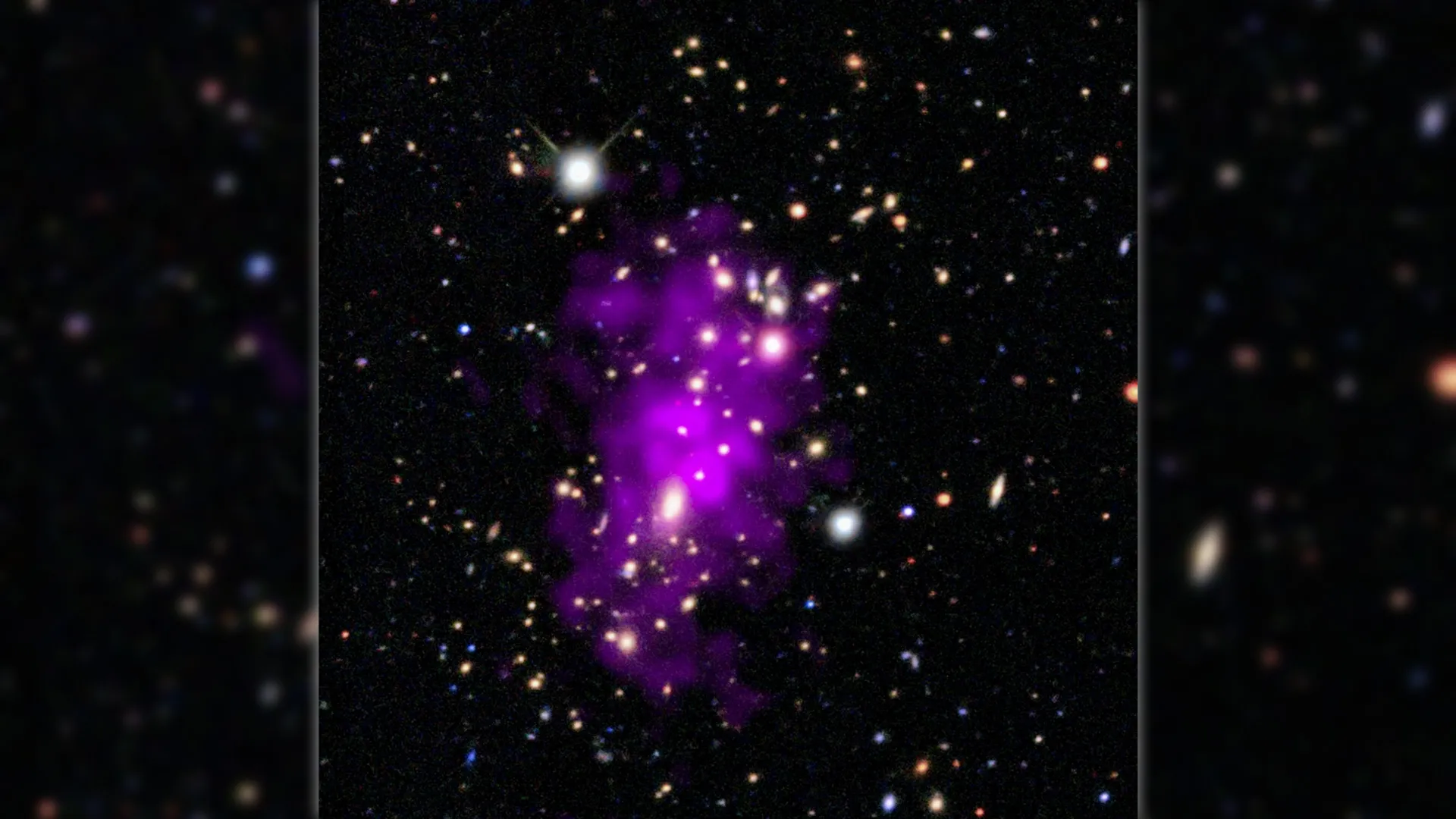
Ring in the New Year with the “Champagne Cluster,” a distant galaxy cluster featured in a new image that combines data from NASA’s Chandra X-ray Observatory and optical telescopes.

Astronomers first identified this galaxy cluster on Dec. 31, 2020. That date, along with the cluster’s bubbly look and the superheated gas detected by Chandra (represented in purple), led researchers to give it the memorable nickname “Champagne Cluster” instead of its formal name, RM J130558.9+263048.4.

Two Galaxy Clusters Colliding and Merging

The composite view reveals that the Champagne Cluster is not a single cluster at all. It is two galaxy clusters merging into a larger structure. In most clusters, gas heated to millions of degrees appears roughly circular or slightly oval in images. Here, the hot gas stretches much more from top to bottom, a clue that two clusters are colliding. You can also see two concentrations of galaxies, one above the center and one below it, marking the two groups involved in the merger. (The image has been rotated clockwise by 90 degrees so that North points to the right.)

Hot Gas and Dark Matter Dominate the Mass

In this forming cluster, the mass of the hot gas exceeds the combined mass of all the hundred-plus galaxies. Beyond that, the clusters hold even larger quantities of dark matter, the invisible material believed to be spread throughout the universe.

Alongside the Chandra X-ray observations, the image includes optical measurements from the Legacy Surveys (red, green, and blue). The Legacy Surveys bring together three complementary surveys using multiple telescopes located in Arizona and Chile.

A Rare Merger Like the Bullet Cluster

The Champagne Cluster belongs to an uncommon category of merging galaxy clusters. This group includes the famous Bullet Cluster, where the hot gas in each cluster has slammed together and slowed down, creating a clear offset between the hot gas and the most massive galaxy in each cluster.

To understand what happened, astronomers compared the observations with computer simulations and proposed two scenarios. In one, the two clusters collided more than two billion years ago, moved apart, and were pulled back together by gravity, with a second collision now underway. In the other, the clusters experienced a single collision about 400 million years ago and are currently moving away from each other. Researchers say additional studies of the Champagne Cluster could help show how dark matter behaves during a high-speed collision.

Research Paper and Chandra Mission Operations

A study presenting these findings recently appeared in The Astrophysical Journal. The paper’s authors are Faik Bouhrik, Rodrigo Stancioli, and David Wittman from the University of California, Davis.

NASA’s Marshall Space Flight Center in Huntsville, Alabama, oversees the Chandra program. The Smithsonian Astrophysical Observatory’s Chandra X-ray Center runs science operations from Cambridge, Massachusetts, and manages flight operations from Burlington, Massachusetts.

Share Button

A missing protein may be aging your immune system

As people grow older, visible changes like gray hair and weaker muscles are only part of the story. Aging also affects the immune system. One major reason is that the stem cells responsible for producing blood and immune cells can accumulate genetic mutations over time, increasing the risk of cancer and other health problems.

Scientists at the University of Illinois Chicago have identified a key biological process behind this shift. Writing in the journal Blood, the researchers report that aging is linked to declining levels of a protein called platelet factor 4. Even more striking, restoring this protein in older blood cells reversed several signs of cellular aging. The findings suggest a potential new target for treating age-related disorders of the blood and immune system.

The Role of Blood Stem Cells in Immune Health

Hematopoietic stem cells, often called blood stem cells, reside in the bone marrow and serve as the foundation of the body’s blood and immune systems. These rare cells generate all major types of blood and immune cells needed for oxygen transport and protection against infection.

“Our hematopoietic stem cells are very rare,” said UIC’s Sandra Pinho, associate professor of pharmacology and regenerative medicine in the College of Medicine. “We call them the Holy Grail of the immune system.”

In younger individuals, these stem cells maintain a healthy balance. They produce myeloid cells, which include red blood cells and some immune cells, as well as lymphoid cells, such as T and B cells that play a central role in fighting infections.

Why Aging Stem Cells Lose Balance

As the body ages, blood stem cells begin to favor the production of myeloid cells while generating fewer lymphoid cells. This shift alters immune function and weakens the body’s ability to respond to disease.

“That’s one of the reasons why, normally, older individuals are not used as donors for bone marrow transplantation, because their stem cells are not as potent,” Pinho said.

This imbalance not only affects immunity but also increases vulnerability to age-related diseases.

Platelet Factor 4 and Stem Cell Control

Through studies in mice and human bone marrow samples, the researchers found that platelet factor 4 plays a central role in regulating blood stem cell behavior. In younger people and animals, the protein acts as a signaling molecule that limits how often stem cells divide. This control is especially important for stem cells that produce myeloid cells.

With age, immune cells produce less platelet factor 4. As a result, stem cells divide more frequently and without proper regulation.

“When stem cells start to divide more often than they should, and if their proliferation is not regulated, they can accumulate mutations over time,” said Pinho.

In humans, these mutations are linked to chronic inflammation, a higher risk of blood cancers, and even cardiovascular disease.

Reversing Signs of Immune Aging in the Lab

The team discovered that restoring platelet factor 4 could counteract these age-related changes. Older mice received daily blood infusions of the protein for more than a month. After treatment, their blood and immune cells showed behavior and characteristics more typical of much younger animals.

Similar effects were observed in laboratory experiments using human stem cells. When platelet factor 4 was added to aged human cells, the researchers saw a clear improvement in stem cell function.

“It rejuvenated the aging of the blood system,” Pinho said.

What This Means for Aging and Disease

While the results are promising, platelet factor 4 alone is not expected to reverse aging throughout the entire body or significantly extend human lifespan.

Though the effect was strong, platelet factor 4 won’t be a silver bullet that reverses the aging of all tissues and prolongs the lifespan of elderly human patients alone, Pinho said. However, it could become part of broader strategies aimed at improving age-related conditions.

“It’s clear evidence that it’s possible to reverse, intrinsically, certain age-associated disorders,” Pinho said.

Sen Zhang, a postdoctoral fellow in the Pinho lab, is the study’s first author. The research was co-led by Constantinos Chronis from the Department of Biochemistry and Molecular Genetics, who also served as a co-corresponding author. Additional contributors from UIC include Charles Ayemoba, Anna Di Staulo, Kenneth Joves, Chandani Patel, Eva Leung, Maura Bueno, Xiaoping Du and Sang-Ging Ong.

Share Button

‘Having skin cancer while pregnant made me feel so guilty’

Emma Giannuzzi used sunbeds throughout her late teens and was twice diagnosed with melanoma.

Share Button

Even one drink a day may raise mouth cancer risk

A large comparative study published online in the open access journal BMJ Global Health has found that even low daily alcohol consumption is linked to a much higher risk of mouth cancer in India. Drinking just 9 g of alcohol per day, about the amount in one standard drink, was associated with a 50% increase in risk. The strongest link was seen among people who consumed locally brewed alcoholic beverages.

When alcohol use occurred alongside chewing tobacco, the combined effect was especially severe. Researchers estimate that this pairing may be responsible for 62% of all mouth (buccal mucosa) cancer cases in the country.

Mouth Cancer Rates Continue to Climb in India

Mouth cancer ranks as the second most common cancer in India, with an estimated 143,759 new diagnoses and 79,979 deaths each year. According to the researchers, incidence rates have steadily increased and now sit just below 15 cases per 100,000 Indian men.

The most common form affects the soft pink tissue lining the cheeks and lips (buccal mucosa). Survival outcomes remain poor, with only 43% of patients living five years or longer after diagnosis.

Untangling the Roles of Alcohol and Tobacco

Alcohol use and tobacco consumption frequently occur together, making it difficult to separate their individual effects on mouth cancer risk. This is particularly true in India, where smokeless tobacco use is widespread, the researchers note. They also point out that the health effects of locally brewed alcohol, which is especially common in rural areas, have received little attention until now.

To better understand these risks, the researchers compared 1,803 people diagnosed with buccal mucosa cancer with 1,903 randomly selected individuals without the disease (controls). Participants were recruited from five study centers between 2010 and 2021. Most were between 35 and 54 years old, and nearly 46% of cancer cases occurred among people aged 25 to 45.

Tracking Drinking Habits and Tobacco Use

Participants provided detailed information about how long they had been drinking alcohol, how often they drank, and the types of alcohol they consumed. This included 11 internationally recognized drinks such as beer, whisky, vodka, rum and breezers (flavored alcoholic drinks), along with 30 locally brewed options including apong, bangla, chulli, desi daru, and mahua.

They were also asked about their tobacco use, including duration and type, allowing researchers to examine how alcohol and tobacco interact to influence mouth cancer risk.

Among those with cancer, 781 reported drinking alcohol, while 1,019 said they did not. In the control group, 481 drank alcohol and 1,420 did not.

Higher Exposure Linked to Greater Risk

People with buccal mucosa cancer reported longer tobacco use on average, about 21 years compared with roughly 18 years among the control group. They were also more likely to live in rural areas and to consume larger amounts of alcohol each day, nearly 37 g compared with about 29 g.

Frequent alcohol consumption was strongly associated with increased cancer risk, with locally brewed drinks showing the greatest effect.

Compared with people who did not drink alcohol, those who did had a 68% higher risk of developing buccal mucosa cancer. The risk rose to 72% among individuals who favored internationally recognized drinks and climbed to 87% among those who consumed locally brewed alcohol.

No Safe Threshold Identified

Even very small amounts of alcohol appeared to matter. Drinking less than 2 g of beer per day was still linked to an increased risk of buccal mucosa cancer. Consuming 9 g of alcohol daily, roughly one standard drink, was associated with an approximately 50% higher risk.

Using alcohol and tobacco at the same time produced a dramatic effect. The combined exposure was linked to more than a fourfold increase in risk. Based on their calculations, the researchers estimate that 62% of buccal mucosa cancer cases in India are attributable to the interaction between alcohol and chewing tobacco.

How Alcohol May Increase Vulnerability

Alcohol increased mouth cancer risk regardless of how long a person had used tobacco. The researchers suggest that ethanol may change the fat content of the mouth’s inner lining, making it more permeable and more susceptible to carcinogens found in chewing tobacco products.

Overall, the analysis indicates that more than one in ten buccal mucosa cancer cases in India, nearly 11.5%, can be attributed to alcohol consumption. In states with particularly high disease rates, including Meghalaya, Assam, and Madhya Pradesh, that proportion rises to about 14%.

Concerns About Unregulated Local Alcohol

The higher risk associated with locally brewed alcohol may be partly due to contamination with toxic substances such as methanol and acetaldehyde. The researchers note that production of these drinks is largely unregulated.

“The current legal framework for alcohol control in India is complex and involves both central and state laws. Central legislation provides protection of citizens where alcohol is included in the State List under the Seventh Schedule of the Indian Constitution, giving states the power to regulate and control alcohol production, distribution and sale. However, the locally-brewed liquor market is unregulated, with some forms used by participants containing up to 90% alcohol content,” they point out.

Implications for Prevention

They conclude: “In summary, our study demonstrates that there is no safe limit of alcohol consumption for [buccal mucosa cancer] risk…Our findings suggest that public health action towards prevention of alcohol and tobacco use could largely eliminate [buccal mucosa cancer] from India.”

Share Button

My son was given world’s most expensive gene therapy drug – now he can walk

Five-year-old Edward can walk independently, his mum says, and she hopes he will lead a happy life.

Share Button

Time runs faster on Mars and scientists just proved it

On Earth, finding the exact time is effortless. Our planet relies on a sophisticated global system that combines atomic clocks, GPS satellites, and ultra-fast communication networks to keep everything in sync.

That precision does not extend naturally beyond Earth. Albert Einstein showed that time does not move at the same pace everywhere in the universe. The rate at which a clock ticks depends on gravity, meaning clocks run slightly slower in stronger gravity and faster in weaker gravity. Even coordinating time across Earth is complex. Extending that coordination across the solar system is far more challenging. For future explorers hoping to live and work on Mars, one fundamental question must be answered first: What time is it on Mars?

Scientists Calculate Mars Time for the First Time

Physicists at the National Institute of Standards and Technology (NIST) have now produced a precise answer. Their calculations show that, on average, clocks on Mars tick 477 microseconds (millionths of a second) faster per day than clocks on Earth. That difference is not constant. Because of Mars’ stretched orbit and gravitational influences from other bodies, the time difference can vary by as much as 226 microseconds per day throughout the Martian year.

The research was recently published in The Astronomical Journal and builds on a 2024 study in which NIST scientists outlined a framework for highly precise timekeeping on the Moon.

Understanding how time passes on Mars is essential for future missions, said NIST physicist Bijunath Patla. As NASA prepares for more advanced Mars exploration, accurate timing will be critical for navigation, communication, and coordination across planetary distances.

“The time is just right for the Moon and Mars,” Patla said. “This is the closest we have been to realizing the science fiction vision of expanding across the solar system.”

Mars Time Zone

Mars operates on a different schedule than Earth in more ways than one. A single Martian day lasts about 40 minutes longer than an Earth day, and a Martian year stretches across 687 Earth days compared with 365 days on Earth. Beyond those obvious differences, scientists needed to determine whether each second on Mars passes at the same rate as it does on Earth.

An atomic clock placed on the surface of Mars would function normally. The clock itself would tick just as it does on Earth. The problem appears when that Mars clock is compared with one on Earth. Over time, the two clocks drift apart. The task for scientists was to determine exactly how large that offset becomes, similar to defining a planetary time zone.

That calculation proved more complicated than expected. According to Einstein’s theory of relativity, gravity alters the flow of time. Clocks slow down in stronger gravity and speed up where gravity is weaker. A planet’s motion through space also affects how time passes, with orbital speed contributing additional changes.

Gravity, Orbits, and Relativity

To make the calculations possible, NIST researchers selected a specific reference point on the Martian surface, comparable to sea level at Earth’s equator. Using data gathered from years of Mars missions, Patla and fellow NIST physicist Neil Ashby estimated surface gravity on Mars, which is about five times weaker than Earth’s.

Gravity from Mars alone was not enough to explain the full picture. The solar system is a dynamic environment filled with massive objects that constantly pull on one another. The Sun contains more than 99% of the solar system’s total mass, and its gravitational influence dominates planetary motion.

Mars’ location in the solar system — its distance from the Sun, its neighbors like Earth, the Moon, Jupiter and Saturn — forces it into a more elongated and eccentric orbit. By contrast, Earth and the Moon follow relatively stable paths. As a result, time on the Moon consistently runs 56 microseconds faster per day than time on Earth.

“But for Mars, that’s not the case. Its distance from the Sun and its eccentric orbit make the variations in time larger. A three-body problem is extremely complicated. Now we’re dealing with four: the Sun, Earth, the Moon and Mars,” Patla explained. “The heavy lifting was more challenging than I initially thought.”

After accounting for Martian surface gravity, orbital motion, and the gravitational effects of the Sun, Earth, and Moon, Patla and Ashby arrived at their final calculation.

Paving the Way for Solar System Internet

A difference of 477 millionths of a second may seem insignificant. It is roughly one thousandth of the time it takes to blink. Yet such tiny differences matter greatly in modern technology. For example, 5G communication systems require timing accuracy within a tenth of a microsecond.

Today, messages sent between Earth and Mars take anywhere from four to 24 minutes to arrive, and sometimes even longer. Patla compared the situation to communication before the telegraph, when handwritten letters crossed oceans by ship and replies took weeks or months to return.

Developing a reliable framework for timekeeping between planets could eventually allow for synchronized communication networks across the solar system.

“The time is just right for the Moon and Mars. This is the closest we have been to realizing the science fiction vision of expanding across the solar system.” Bijunath Patla, NIST physicist

“If you get synchronization, it will be almost like real-time communication without any loss of information. You don’t have to wait to see what happens,” Patla said.

Preparing for Future Mars Exploration

Fully synchronized interplanetary networks remain far in the future, as do permanent human settlements on Mars. Still, studying these timing challenges now helps scientists anticipate the obstacles ahead, Ashby noted.

“It may be decades before the surface of Mars is covered by the tracks of wandering rovers, but it is useful now to study the issues involved in establishing navigation systems on other planets and moons,” Ashby said. “Like current global navigation systems like GPS, these systems will depend on accurate clocks, and the effects on clock rates can be analyzed with the help of Einstein’s general theory of relativity.”

Patla added that the research also advances fundamental science. Measuring how time behaves on distant worlds provides new tests of Einstein’s theories of special and general relativity.

“It’s good to know for the first time what is happening on Mars timewise. Nobody knew that before. It improves our knowledge of the theory itself, the theory of how clocks tick and relativity,” he said. “The passage of time is fundamental to the theory of relativity: how you realize it, how you calculate it, and what influences it. These may seem like simple concepts, but they can be quite complicated to calculate.”

Share Button

Scientists stunned by a massive hydrothermal field off Greece

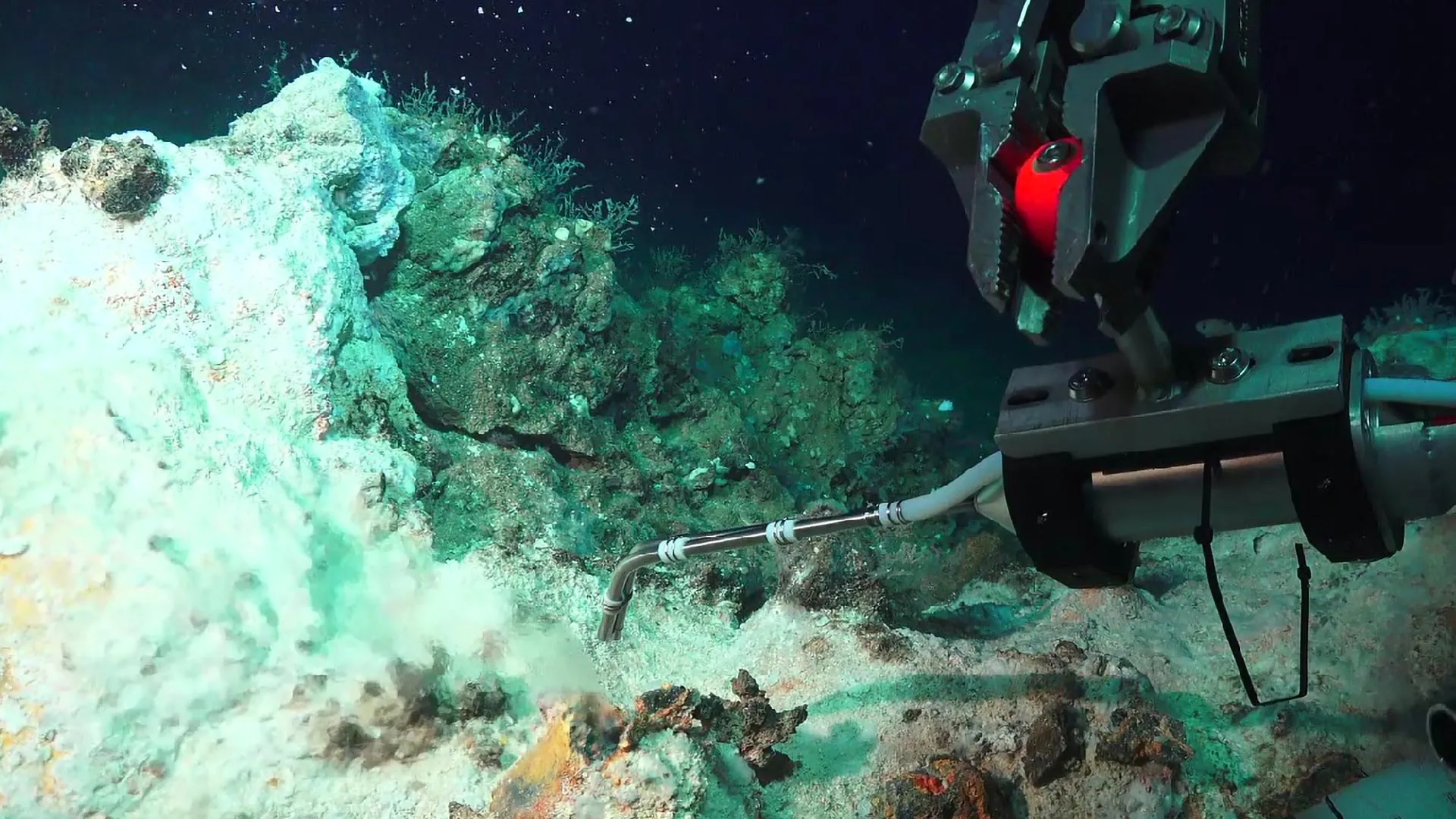
A new study published in Scientific Reports describes the discovery of an unusually large hydrothermal vent field on the shallow seafloor surrounding the Greek island of Milos. The vents were found during the METEOR expedition M192, when scientists carried out detailed surveys using multiple techniques. These included underwater mapping tools as well as autonomous and remotely operated vehicles, which allowed the team to closely examine the seafloor.

The surveys revealed previously unknown hydrothermal activity at depths ranging from 100 to 230 meters. As a result, Milos is now recognized as hosting one of the largest shallow to intermediate depth hydrothermal systems in the Mediterranean, significantly reshaping scientists’ understanding of vent activity in this region.

Fault Zones Shape Where Vents Appear

Researchers identified three main vent regions known as Aghia Kiriaki, Paleochori-Thiorychia, and Vani. All three are positioned along active fault zones that cut across the Milos shelf. These faults are part of a broader geological structure called the Milos Gulf-Fyriplaka graben, a tectonic depression that has caused sections of the seafloor to sink to depths of up to 230 meters. The close match between the locations of the vents and these fault systems highlights the strong influence of tectonic forces on where hydrothermal fluids are able to reach the seafloor.

A Surprising and Visually Striking Discovery

“We never expected to find such a large field of gas flares off Milos,” says Solveig I. Bühring, senior author of the study and scientist at the MARUM — Center for Marine Environmental Sciences, University of Bremen, who led the expedition M192 during which the vents were discovered. “When we first observed the vents through the ROV cameras, we were stunned by their diversity and beauty — from shimmering, boiling fluids to thick microbial mats covering the chimneys.”

Tectonic Controls Revealed in Vent Patterns

First author Paraskevi Nomikou of the National and Kapodistrian University of Athens explains that the arrangement of the vent clusters closely mirrors the island’s underlying fault structure.

“Our data clearly show that the gas flares follow the patterns of the major fault systems around Milos,” Nomikou explains. “Different fault zones influence different vent clusters, especially where several faults meet. These tectonic structures strongly control how and where hydrothermal fluids reach the seafloor.”

Why Milos Matters for Earth Science

Together, the findings show how ongoing fault movement and long term geological activity have guided the formation and evolution of these vent fields. With this discovery, Milos stands out as one of the most important natural sites in the Mediterranean for exploring how tectonics, volcanism, and hydrothermal processes interact beneath the sea.

The results are also significant for the MARUM-based Cluster of Excellence “The Ocean Floor — Earth’s Uncharted Interface.” Building on this work, researchers are planning a follow up expedition to Milos, the Kolumbo submarine volcano near Santorini, and Nisyros. The study reflects close cooperation between Greek and German research institutions, including the National and Kapodistrian University of Athens, MARUM — University of Bremen, Friedrich-Alexander-Universität Erlangen-Nürnberg, ICBM — Institute for Chemistry and Biology of the Marine Environment Oldenburg, and Constructor University Bremen.

Participating institutions:

  • Department of Geology and Geoenvironment, National and Kapodistrian University of Athens (Greece)
  • School of Science, Physics & Earth Sciences, Constructor University Bremen, Germany
  • Faculty of Geosciences, University of Bremen
  • MARUM — Center for Marine Environmental Sciences, University of Bremen
  • GeoZentrum Nordbayern, Friedrich-Alexander-University Erlangen-Nuernberg
  • ICBM — Institute for Chemistry and Biology of the Marine Environment, Carl Von Ossietzky University of Oldenburg
Share Button

What is the ultimate hangover cure?

The Food Chain’s Ruth Alexander on what helps – and what doesn’t – if you’ve overindulged.

Share Button

Scientists found a dangerous feedback loop accelerating Arctic warming

Earth’s climate is shifting worldwide, but the fastest changes are happening near the poles. New research from Penn State offers a detailed look at how chemical reactions in the Arctic atmosphere are unfolding, revealing that several distinct processes are interacting at the same time and reshaping the region’s climate.

Scientists used two specially equipped research aircraft along with ground-based instruments during a two-month field campaign. Their goal was to compare atmospheric chemistry in two Arctic regions, as well as near the largest oil field in North America, with nearby surrounding areas. From this effort, the researchers identified three major findings. Openings in sea ice — known as leads — strongly affect atmospheric chemistry and cloud development. Pollution from oil field operations measurably changes the makeup of the regional atmosphere. Together, these factors form a feedback loop that speeds up sea ice loss and intensifies Arctic warming.

The CHACHA Project and Its Broader Goals

The findings were recently published in the Bulletin of the American Meteorological Society and are part of a broader collaboration known as CHemistry in the Arctic: Clouds, Halogens, and Aerosols, or CHACHA. This multi-institutional project, led by five research organizations, focuses on how chemical changes occur when air near the surface rises into the lower atmosphere. These changes drive interactions between water droplets, low clouds, and pollution.

“This field campaign is an unprecedented opportunity to explore chemical changes in the boundary layer — the atmospheric layer closest to the planet’s surface — and to understand how human influence is altering the climate in this important region,” said Jose D. Fuentes, professor of meteorology in the Department of Meteorology and Atmospheric Science and corresponding author of the paper. “The resulting datasets are producing an improved understanding of the interactions between sea-spray aerosols, surface-coupled clouds, oil field emissions and multiphase halogen chemistry in the new Arctic.”

To examine chemical activity in the Arctic boundary layer, the research team collected air samples over snow-covered and newly frozen sea ice in the Beaufort and Chukchi Seas. Measurements were also taken over open leads and across the snow-covered tundra of Alaska’s North Slope, including areas near the Prudhoe Bay oil and gas fields. The campaign operated out of Utqiaġvik, Alaska, from February 21 to April 16, 2022. This period followed the polar sunrise — a stretch of continuous daylight after months of darkness — when increased ultraviolet light intensifies chemical reactions at the surface and in the lower atmosphere.

How Sea Ice Cracks Accelerate Warming

The researchers discovered that leads, which can range from just a few feet wide to several miles across, generate strong upward air currents and cloud formation. These plumes lift potentially harmful chemicals, aerosol pollutants, and water vapor hundreds of feet into the air — all factors that can enhance warming. According to Fuentes, this process increases heat and moisture transfer, accelerates sea ice loss, and promotes the formation of even more leads, reinforcing the cycle.

Another feedback loop was identified along Arctic coastlines, where chemicals in salty snowpacks interact with emissions from oil field operations. During the CHACHA campaign, scientists observed bromine production in these saline snowpacks — a process unique to polar environments. Bromine rapidly removes ozone from the boundary layer, allowing more sunlight to reach the surface. This additional sunlight warms the snow, releasing even more bromine and strengthening the feedback loop.

Pollution and Smog in a Remote Region

The field campaign also revealed major changes in the boundary layer above the Prudhoe Bay oil fields. Gas plumes from extraction activities reacted in the lower atmosphere, increasing acidity and producing harmful compounds and smog, Fuentes said. Researchers also found that halogens interact with oil field emissions to form free radicals, which later become more stable compounds capable of traveling long distances. These substances can contribute to environmental changes well beyond the oil fields themselves.

Fuentes noted that CHACHA scientists are now studying how these chemical reactions affect the broader Arctic environment. One area of concern is the formation of smog plumes that, despite occurring in a region often viewed as pristine, can reach pollution levels similar to major cities such as Los Angeles. During the campaign, nitrogen dioxide concentrations reached about 60-70 parts per billion, levels commonly associated with urban smog.

Improving Climate Models

The next phase of the research will focus on producing detailed datasets that climate modelers can use to better understand how these localized Arctic processes may influence global climate patterns in the future.

The CHACHA team also included researchers from Stony Brook University, the University at Albany, University of Michigan, and the University of Alaska Fairbanks. Funding for the project was provided by the U.S. National Science Foundation.

Share Button