Hidden heat beneath Greenland could change sea level forecasts

A research team led by scientists at the University of Ottawa has produced a new set of detailed 3D models that map temperatures deep beneath Greenland and northeastern Canada. These models shed light on how the region formed over millions of years and help explain how Greenland’s massive ice sheet has responded, and may continue to respond, to climate change.

Mapping Hidden Heat Beneath Greenland

The project was carried out at the University of Ottawa in partnership with researchers from the University of Twente in the Netherlands and the Geological Survey of Denmark and Greenland (GEUS). To build their models, the team combined satellite observations with data collected on the ground. They then ran hundreds of thousands of computer simulations using high-performance systems, including resources from the Digital Research Alliance of Canada.

The results reveal that heat deep inside the Earth is not evenly distributed beneath Greenland. According to the study’s lead author, these variations are closely tied to Greenland’s geological journey across a powerful volcanic region in the past.

“Our new regional temperature models reveal significant lateral variations in the Earth’s thermal structure beneath Greenland, which provide important information on the island’s passage over the Iceland hotspot,” explains uOttawa’s PhD graduate Parviz Ajourlou, the study’s first author. “These variations help us better interpret Greenland’s tectonic history and the influence of this history on the geophysical properties of the underlying rocks.”

Why Underground Heat Matters for Ice and Land

The temperature of the rocks beneath the ice plays a major role in how the ice sheet behaves today. Warmer conditions at the base can affect how ice slides, how the ground beneath it moves, and how scientists interpret satellite measurements of Earth’s surface.

Glenn Milne, Chair and Full Professor within the Department of Earth and Environmental Sciences at uOttawa and the study’s principal investigator, highlighted the broader importance of these findings.

“This research advances our understanding of the Earth’s internal structure beneath Greenland. Temperature variations directly influence the interaction between the ice sheet and the bedrock, which must be quantified to interpret observations of land motion and gravity changes. These observations tell us how the ice sheet is responding to recent climate warming.”

Improving Predictions of Future Sea Level Rise

To create their 3D temperature model, the researchers analyzed a wide range of geophysical data, including seismic velocities, gravity anomalies, and heat flow. This comprehensive approach not only provides new insight into Greenland’s geological past but also strengthens scientists’ ability to model how the ice sheet may change in the future.

By better accounting for how heat inside the Earth interacts with ice above it, researchers can improve simulations of ice loss and refine estimates of Greenland’s contribution to global sea level rise.

“This work is a good illustration of how our knowledge of the solid Earth enhances our ability to understand the climate system,” says Ajourlou. “By improving how we model ice-earth interactions, we can better forecast future sea level rise and plan accordingly.”

Share Button

Large Hadron Collider finally explains how fragile matter forms

Scientists have now clarified how deuterons form under extreme conditions. Protons and neutrons needed to create these tiny nuclei are released when extremely short-lived, high-energy particle states decay (so-called resonances). Once freed, the particles can join together to form deuterons. The same process also explains how antideuterons, made of antimatter, are produced. These results were reported in the journal Nature.

At CERN’s Large Hadron Collider (LHC), proton collisions generate temperatures more than 100,000 times hotter than the Sun’s core. For years, researchers did not understand how delicate particles like deuterons and antideuterons could exist in such intense heat. A deuteron contains just one proton and one neutron, held together by a relatively weak force. Under these conditions, such a light atomic nucleus should break apart almost instantly. Even so, experiments kept detecting them. Researchers have now shown that roughly 90 percent of the observed (anti)deuterons form through this newly identified process, rather than surviving the initial blast.

New Insight Into the Strong Interaction

TUM particle physicist Prof. Laura Fabbietti, a member of the ORIGINS Cluster of Excellence and SFB1258, highlights the importance of the discovery. “Our result is an important step toward a better understanding of the ‘strong interaction’ — that fundamental force that binds protons and neutrons together in the atomic nucleus. The measurements clearly show: light nuclei do not form in the hot initial stage of the collision, but later, when the conditions have become somewhat cooler and calmer.”

Dr. Maximilian Mahlein, a researcher at Fabbietti’s Chair for Dense and Strange Hadronic Matter at the TUM School of Natural Sciences, adds that the findings have broader implications. “Our discovery is significant not only for fundamental nuclear physics research. Light atomic nuclei also form in the cosmos — for example in interactions of cosmic rays. They could even provide clues about the still-mysterious dark matter. With our new findings, models of how these particles are formed can be improved and cosmic data interpreted more reliably.”

CERN and the Large Hadron Collider

CERN (Conseil Européen pour la Recherche Nucléaire) is the world’s largest center for particle physics research. Located near Geneva on the border between Switzerland and France, it is home to the LHC, a 27-kilometer-long underground ring accelerator. Inside the LHC, protons are smashed together at nearly the speed of light. These collisions recreate conditions similar to those shortly after the Big Bang, reaching temperatures and energies not found anywhere else today. This allows scientists to study matter at its most basic level and test the fundamental laws of nature.

ALICE and the Birth of Matter

One of the LHC’s key experiments is ALICE (A Large Ion Collider Experiment), which focuses on understanding the strong interaction that holds atomic nuclei together. ALICE functions like an enormous camera, able to track and reconstruct up to 2000 particles produced in a single collision. By doing so, researchers aim to recreate the universe’s earliest moments and learn how a hot mixture of quarks and gluons eventually formed stable atomic nuclei and, ultimately, all matter.

Exploring Cosmic Origins and Fundamental Forces

The ORIGINS Cluster of Excellence studies how the universe and its structures came into being, from galaxies and stars to planets and the basic components of life. Its research follows the path from the smallest particles in the early universe to the development of biological systems. This includes searching for environments that could support life beyond Earth and gaining deeper insight into dark matter. In May 2025, a second funding phase for ORIGINS, proposed by TUM and Ludwig-Maximilians-Universität München (LMU), was approved under Germany’s Excellence Strategy.

The Collaborative Research Center “Neutrinos and Dark Matter in Astro- and Particle Physics” (SFB 1258) concentrates on fundamental physics questions, with particular attention to the weak interaction, one of the four fundamental forces of nature. The third funding period of the SFB1258 began in January 2025.

Share Button

Stanford scientists uncover why mRNA COVID vaccines can trigger heart inflammation

Researchers at Stanford Medicine have identified the biological steps that explain how mRNA-based COVID-19 vaccines can, in rare cases, lead to heart inflammation in some adolescent and young adult males. Their work also points to a potential strategy for lowering that risk.

By combining modern laboratory techniques with previously published data from vaccinated individuals, the team uncovered a two-stage immune response. In this process, the vaccine activates one type of immune cell, which then stimulates another. Together, these immune reactions drive inflammation that can damage heart muscle cells and set off additional inflammatory effects.

Vaccines Remain Highly Safe and Effective

The findings come despite the fact that mRNA COVID-19 vaccines have been given billions of times worldwide and continue to show an excellent safety record, said Joseph Wu, MD, PhD, director of the Stanford Cardiovascular Institute.

“The mRNA vaccines have done a tremendous job mitigating the COVID pandemic,” said Wu, the Simon H. Stertzer, MD, Professor and a professor of medicine and of radiology. “Without these vaccines, more people would have gotten sick, more people would have had severe effects and more people would have died.”

mRNA vaccines are considered a major advance because they can be developed quickly, adjusted as viruses change, and tailored to target very different pathogens. Still, as with any medical intervention, reactions are not identical for everyone.

Understanding Vaccine-Associated Myocarditis

One uncommon but documented side effect of mRNA COVID-19 vaccines is myocarditis, which refers to inflammation of the heart muscle. Symptoms can include chest pain, shortness of breath, fever and heart palpitations. These symptoms occur without a viral infection and typically appear within one to three days after vaccination.

Most affected individuals show elevated levels of cardiac troponin in their blood, a widely used marker of heart muscle injury. (Cardiac troponin is normally found exclusively in the heart muscle. When found circulating in blood, it indicates damage to heart muscle cells.)

The condition occurs in roughly one out of every 140,000 people after a first vaccine dose and increases to about one in 32,000 after a second dose. Rates are highest among males age 30 and younger, where it affects about one in 16,750 vaccine recipients.

Outcomes Are Usually Mild and Temporary

Wu emphasized that the majority of myocarditis cases linked to vaccination resolve quickly, with heart function either fully preserved or restored.

“It’s not a heart attack in the traditional sense,” he said. “There’s no blockage of blood vessels as found in most common heart attacks. When symptoms are mild and the inflammation hasn’t caused structural damage to the heart, we just observe these patients to make sure they recover.”

In rare instances, however, severe inflammation can cause serious injury, leading to hospitalization, intensive care treatment or death.

“But COVID’s worse,” Wu said. He noted that a COVID-19 infection is about 10 times more likely to cause myocarditis than an mRNA-based COVID-19 vaccine, in addition to the many other risks posed by the disease.

A Closer Look at the Immune Response

Wu is a senior author of the study, publisded Dec. 10 in Science Translational Medicine, along with Masataka Nishiga, MD, PhD, a former Stanford postdoctoral scholar now at The Ohio State University. The study’s lead author is Xu Cao, PhD, also a postdoctoral scholar at Stanford.

“Medical scientists are quite aware that COVID itself can cause myocarditis,” Wu said. “To a lesser extent, so can the mRNA vaccines. The question is, why?”

Suspects Identified

To answer that question, the team analyzed blood samples from vaccinated individuals, including some who developed myocarditis. When they compared these samples with those from people who did not develop heart inflammation, two proteins stood out.

“Two proteins, named CXCL10 and IFN-gamma, popped up. We think these two are the major drivers of myocarditis,” Wu said.

Both CXCL10 and IFN-gamma are cytokines, signaling molecules that immune cells use to communicate and coordinate their activity.

How Immune Cells Interact After Vaccination

The researchers grew human immune cells called macrophages in laboratory dishes and exposed them to mRNA vaccines. Macrophages act as early responders in immune defense.

After exposure, the macrophages released multiple cytokines, with especially high levels of CXCL10. Their behavior closely matched immune responses previously documented in vaccinated people.

When T cells were added to the system, either directly or by exposing them to fluid from the macrophage cultures, the T cells began producing large amounts of IFN-gamma. In contrast, T cells exposed to the vaccine alone did not show this spike. These findings showed that macrophages primarily produce CXCL10, while T cells are the main source of IFN-gamma following vaccination.

How the Cytokines Affect the Heart

To determine whether these cytokines directly harm the heart, the team vaccinated young male mice and observed increased cardiac troponin levels, indicating heart muscle injury.

They also found that immune cells, including macrophages and neutrophils, had entered heart tissue. Neutrophils are short-lived immune cells that respond aggressively to threats and are a major component of pus. Similar immune cell infiltration is seen in people who develop myocarditis after vaccination.

Blocking CXCL10 and IFN-gamma reduced the number of these immune cells entering the heart and limited damage to healthy tissue.

The researchers also detected increased levels of adhesion molecules in heart blood vessels. These molecules help immune cells latch onto vessel walls, making it easier for them to move into heart tissue.

Together, these findings confirmed that CXCL10 and IFN-gamma directly contribute to heart injury. Blocking them preserved much of the immune response to vaccination while lowering signs of heart damage.

Testing Human Heart Tissue Models

Wu’s lab specializes in converting human skin or blood cells into stem-like cells that can become heart muscle cells, immune cells and blood vessel cells. These cells can be assembled into small, beating clusters that mimic aspects of heart function.

When these cardiac spheroids were exposed to CXCL10 and IFN-gamma collected from vaccinated immune cells, markers of heart stress rose sharply. Using inhibitors to block the cytokines reduced this damage.

Measures of heart function, including contraction strength and beating rhythm, were impaired by the cytokines but improved once the signaling was blocked.

Saved by a Soybean

Wu suspected that a widely available dietary compound might help protect the heart. Since myocarditis is more common in males and estrogen has anti-inflammatory effects, he revisited genistein, a soy-derived compound his team had studied previously.

In a 2022 study published in Cell, the researchers showed that genistein has anti-inflammatory properties and can counter marijuana-related damage to blood vessels and heart tissue.

“Genistein is only weakly absorbed when taken orally,” Wu said. “Nobody ever overdosed on tofu.”

Testing Genistein’s Protective Effects

The team repeated their experiments while pre-treating cells, cardiac spheroids and mice (the latter by oral administration of large quantities) with genistein. This treatment reduced much of the heart damage caused by either mRNA vaccination or the CXCL10 and IFN-gamma combination.

The form of genistein used in the study was more purified and concentrated than supplements commonly sold in stores.

“It’s reasonable to believe that the mRNA-vaccine-induced inflammatory response may extend to other organs,” Wu said. “We and others have seen some evidence of this in lung, liver and kidney. It’s possible that genistein may also reverse these changes.”

Broader Implications Beyond COVID Vaccines

Heightened cytokine signaling may be a broader feature of mRNA vaccines. IFN-gamma, in particular, plays a critical role in defending the body against foreign DNA and RNA, including viral genetic material.

“Your body needs these cytokines to ward off viruses. It’s essential to immune response but can become toxic in large amounts,” Wu said. Excessive IFN-gamma can lead to myocarditis-like symptoms and breakdown of heart muscle proteins.

This risk is not limited to COVID vaccines alone.

“Other vaccines can cause myocarditis and inflammatory problems, but the symptoms tend to be more diffuse,” Wu said. “Plus, mRNA-based COVID-19 vaccines’ risks have received intense public scrutiny and media coverage. If you get chest pains from a COVID vaccine you go to the hospital to get checked out, and if the serum troponin is positive, then you get diagnosed with myocarditis. If you get achy muscles or joints from a flu vaccine, you just blow it off.”

Funding and Support

The study was supported by the National Institutes of Health (grants R01 HL113006, R01 HL141371, R01 HL141851, R01 HL163680 and R01 HL176822) and the Gootter-Jensen Foundation.


Share Button

A rare cancer-fighting plant compound has finally been decoded

Researchers at UBC Okanagan have figured out how plants make mitraphylline, a rare natural substance that has drawn attention for its potential role in fighting cancer.

Mitraphylline is part of a small and unusual family of plant chemicals known as spirooxindole alkaloids. These molecules are defined by their distinctive twisted ring shapes, which help give them powerful biological effects, including anti tumor and anti inflammatory activity.

For years, scientists knew these compounds were valuable but had little understanding of how plants actually assembled them at the molecular level.

Solving a Long Standing Biological Mystery

Progress came in 2023, when a research team led by Dr. Thu-Thuy Dang in UBC Okanagan’s Irving K. Barber Faculty of Science identified the first known plant enzyme capable of creating the signature spiro shape found in these molecules.

Building on that discovery, doctoral student Tuan-Anh Nguyen led new work to pinpoint two key enzymes involved in making mitraphylline — one enzyme that arranges the molecule into the correct three dimensional structure, and another that twists it into its final form.

“This is similar to finding the missing links in an assembly line,” says Dr. Dang, UBC Okanagan Principal’s Research Chair in Natural Products Biotechnology. “It answers a long-standing question about how nature builds these complex molecules and gives us a new way to replicate that process.”

Why Mitraphylline Is So Hard to Obtain

Many promising natural compounds exist only in extremely small quantities within plants, making them expensive or impractical to produce using traditional laboratory methods. Mitraphylline is a prime example. It appears only in trace amounts in tropical trees such as Mitragyna (kratom) and Uncaria (cat’s claw), both of which belong to the coffee plant family.

By identifying the enzymes that construct and shape mitraphylline, scientists now have a clear guide for recreating this process in more sustainable and scalable ways.

Toward Greener Drug Production

“With this discovery, we have a green chemistry approach to accessing compounds with enormous pharmaceutical value,” says Nguyen. “This is a result of UBC Okanagan’s research environment, where students and faculty work closely to solve problems with global reach.”

Nguyen also emphasized the personal impact of the work. “Being part of the team that uncovered the enzymes behind spirooxindole compounds has been amazing,” he says. “UBC Okanagan’s mentorship and support made this possible, and I’m excited to keep growing as a researcher here in Canada.”

Global Collaboration and Future Directions

The project was a collaborative effort between Dr. Dang’s laboratory at UBC Okanagan and Dr. Satya Nadakuduti’s team at the University of Florida.

Funding came from several sources, including Canada’s Natural Sciences and Engineering Research Council’s Alliance International Collaboration program, the Canada Foundation for Innovation, and the Michael Smith Health Research BC Scholar Program. Additional support was provided by the United States Department of Agriculture’s National Institute of Food and Agriculture.

“We are proud of this discovery coming from UBC Okanagan. Plants are fantastic natural chemists,” Dr. Dang says. “Our next steps will focus on adapting their molecular tools to create a wider range of therapeutic compounds.”

Share Button

Physicists close in on the elusive sterile neutrino

Neutrinos are extraordinarily difficult to detect, yet they are among the most abundant matter particles in the Universe. According to the Standard Model of particle physics, there are three known kinds. That picture changed when scientists discovered neutrino oscillations, a phenomenon showing that neutrinos have mass and can switch between types as they move through space. Over the years, several unexplained experimental results have fueled speculation about a fourth variety known as a sterile neutrino, which would interact even more weakly than the others. Confirming its existence would mark a major shift in our understanding of fundamental physics.

A new study published in Nature reports the most precise direct search so far for sterile neutrinos. The work comes from the KATRIN collaboration, which analyzed radioactive decays of tritium to look for subtle signs of an additional neutrino type.

The KATRIN (Karlsruhe Tritium Neutrino) experiment was originally designed to measure the mass of neutrinos. It does this by carefully tracking the energies of electrons released during the β-decay of tritium. When tritium decays, the neutrino carries away some energy, which slightly alters the energy pattern of the emitted electrons. If a sterile neutrino were sometimes produced instead, it would leave a recognizable distortion, or “kink,” in that pattern.

Located at the Karlsruhe Institute of Technology in Germany, KATRIN stretches more than 70 meters in length. Its setup includes a powerful windowless gaseous tritium source, a high-resolution spectrometer that precisely measures electron energies, and a detector that records the particles. Since beginning operations in 2019, the experiment has collected tritium β-decay data with unmatched precision, specifically searching for the tiny deviations expected from a sterile neutrino.

What the Data Reveal About Sterile Neutrinos

In the new Nature paper, the team reports the most sensitive tritium β-decay search for sterile neutrinos to date. Between 2019 and 2021, KATRIN recorded about 36 million electrons over 259 days of data taking. These measurements were compared with detailed models of β-decay and achieved accuracy better than one percent. The analysis found no evidence of a sterile neutrino.

This result rules out a broad range of possibilities that had been suggested by earlier anomalies. Those anomalies included unexpected deficits seen in reactor-neutrino experiments and gallium-source measurements, both of which had hinted at a fourth neutrino. The findings also completely contradict the Neutrino-4 experiment, which had claimed evidence for such a particle.

KATRIN’s exceptionally low background means that nearly all detected electrons originate from tritium decay, allowing for a very clean measurement of the energy spectrum. Unlike oscillation experiments, which observe how neutrinos change identity after traveling some distance, KATRIN examines the energy distribution at the moment the neutrino is created. Because these methods probe different aspects of neutrino behavior, they complement each other and together provide strong evidence against the sterile neutrino hypothesis.

How KATRIN Complements Other Experiments

“Our new result is fully complementary to reactor experiments such as STEREO,” explains Thierry Lasserre (Max-Planck-Institut für Kernphysik) in Heidelberg, who led the analysis. “While reactor experiments are most sensitive to sterile-active mass splittings below a few eV2, KATRIN explores the range from a few to several hundred eV². Together, the two approaches now consistently rule out light sterile neutrinos that would noticeably mix with the known neutrino types.”

Looking Ahead to More Data and New Detectors

KATRIN will continue collecting data through 2025, which will further improve its sensitivity and allow even stricter tests for light sterile neutrinos. “By the completion of data taking in 2025, KATRIN will have recorded more than 220 million electrons in the region of interest, increasing the statistics by over a factor of six,” says KATRIN co-spokesperson Kathrin Valerius (KIT). “This will allow us to push the boundaries of precision and probe mixing angles below the present limits.”

An upgrade is planned for 2026, when the TRISTAN detector will be added to the experiment. TRISTAN will record the full tritium β-decay spectrum with unprecedented statistics. By bypassing the main spectrometer and measuring electron energies directly TRISTAN will be able to investigate much heavier sterile neutrinos. “This next-generation setup will open a new window into the keV-mass range, where sterile neutrinos might even form the Universe’s dark matter,” says co-spokesperson Susanne Mertens (Max-Planck-Institut für Kernphysik).

An International Scientific Effort

The KATRIN Collaboration brings together scientists from more than 20 institutions across 7 countries, reflecting the global effort behind one of the most precise neutrino experiments ever built.

Share Button

Eating more vitamin C can physically change your skin

Scientists at the University of Otago, Faculty of Medicine — Christchurch Ōtautahi, have identified a direct connection between how much vitamin C people eat and how well their skin produces collagen and renews itself. The findings show that skin health responds measurably to dietary vitamin C, not just topical treatments.

Published in the Journal of Investigative Dermatology, the research found that vitamin C levels in the skin closely mirror levels in the blood (plasma). Increasing intake through vitamin C rich foods was shown to raise both blood and skin concentrations.

Eating Vitamin C Raises Skin Levels and Thickness

The study followed 24 healthy adults in Aotearoa New Zealand and Germany. Participants who raised their plasma vitamin C levels by eating two vitamin C rich SunGoldTM kiwifruit each day showed a clear increase in vitamin C within their skin. This increase was associated with thicker skin (collagen production) and greater renewal of the outer skin layer.

Lead author Professor Margreet Vissers from Mātai Hāora — Centre for Redox Biology and Medicine within the Department of Pathology and Molecular Medicine described the results as striking.

The strength of the association between skin thickness and vitamin C intake is “compelling,” she explained.

Vitamin C Moves From Blood to Skin

According to Professor Vissers, the relationship between blood vitamin C and skin vitamin C stood out compared to other organs.

“We were surprised by the tight correlation between plasma vitamin C levels and those in the skin — this was much more marked than in any other organ we have investigated,” she says.

The research team also found that vitamin C circulating in the bloodstream reaches every layer of the skin and supports healthier skin function.

“We are the first to demonstrate that vitamin C in the blood circulation penetrates all layers of the skin and is associated with improved skin function. I am very proud of my team and excited about what the data is telling us.”

Why Diet Matters More Than Creams

Professor Vissers says the findings reinforce the idea that skin health begins internally, with nutrients delivered naturally through the bloodstream.

Vitamin C is essential for collagen production, which is why it is commonly added to skincare products. However, vitamin C dissolves easily in water and does not absorb well through the outer skin barrier. The study showed that skin cells are highly efficient at absorbing vitamin C from the blood, with uptake into the outer epidermal layer appearing to be a priority.

How the Study Was Conducted

The research was funded by New Zealand company Zespri International along with a University of Otago Research Grant and included two phases. The first phase examined the relationship between plasma and skin vitamin C levels using healthy skin tissue from patients undergoing elective surgical procedures at Te Whatu Ora Canterbury (with support from the Otago campus’s He Taonga Tapu — Canterbury Cancer Society Tissue Bank).

The second phase involved a controlled dietary intervention carried out in Christchurch and Germany. Each location included 12 healthy participants.

Eight Weeks of Dietary Change

Participants were asked to eat two Kiwi Gold kiwifruit daily for eight weeks. This provided the equivalent of 250 micrograms of vitamin C.

“All were instructed to consume two Kiwi Gold kiwifruit daily — the equivalent of 250 micrograms of vitamin C — for eight weeks. We then collected skin samples before and after the intervention, with separate analyses allowing us to look at the skin basal layers in Christchurch and the outer dermal skin layer and skin function tests in Germany,” Professor Vissers explains.

German participants were recruited and tested by the SGS Institute Fresenius in Hamburg, which has the technical capability to collect samples from the outer dermal skin layer (the blister “roof”). The institute evaluated skin regeneration using ultrasound measurements of skin thickness, elasticity UV protection and epidermal cell renewal to assess overall skin function.

Clear Gains in Collagen and Skin Renewal

One of the most significant findings was a measurable rise in skin thickness among participants, indicating increased collagen production along with faster regeneration of epidermal cells.

“The other really substantial finding showed a significant increase in the participants’ skin thickness levels, reflecting collagen production and an upsurge in the regeneration of their epidermal cells, in other words skin renewal,” Professor Vissers says.

Other Vitamin C Foods Likely Offer Similar Benefits

SunGold kiwifruit was selected for the study because of its consistently high vitamin C content. However, the researchers expect similar benefits from other vitamin C rich foods, especially fresh fruits and vegetables such as citrus, berries, capsicums and broccoli.

“We suggest that increasing your dietary vitamin C intake will result in effective vitamin C uptake into all compartments of the skin,” Professor Vissers says.

Daily Intake Is Key

Maintaining steady vitamin C levels in the blood is essential, since the body does not store the vitamin long term. Professor Vissers notes that healthy individuals can reach optimal plasma levels with about 250mg of vitamin C per day.

“The important thing is to keep your plasma levels optimal, which we know can be easily achieved in a healthy person with a vitamin C intake of around 250mg per day. The body however does not store the vitamin, so we recommend 5+ a day, every day, with one of those five being a high vitamin C food, as a good habit to cultivate.”

Share Button

A new superconductor breaks rules physicists thought were fixed

Something unexpected is happening inside a material called platinum-bismuth-two (PtBi2). According to a new study from researchers at IFW Dresden and the Cluster of Excellence ct.qmat, this shiny gray crystal may look ordinary, but the electrons inside it behave in ways scientists have never observed before.

In earlier work published in 2024, the team showed that only the top and bottom surfaces of PtBi2 become superconducting, meaning electrons can pair up and flow without resistance. Their latest results reveal something even more surprising. The way these electrons pair is unlike any known superconductor. Even more intriguing, the edges surrounding these superconducting surfaces naturally host elusive Majorana particles, which are considered promising building blocks for fault-tolerant quantum bits (qubits) in future quantum computers.

How PtBi2 Becomes a Topological Superconductor

The unusual behavior of PtBi2 can be understood by breaking it into three key steps.

To begin with, certain electrons are confined strictly to the top and bottom surfaces of the crystal. This happens because of a topological property of PtBi2 that arises from how electrons interact with the material’s orderly atomic structure. Topological properties are remarkably stable. They do not change unless the symmetry of the entire material is altered, either by reshaping the crystal itself or by applying an electromagnetic field.

What makes PtBi2 especially striking is that the electrons bound to the top surface are always matched by corresponding electrons on the bottom surface, regardless of how thick the crystal is. If the crystal were sliced in half, the newly exposed surfaces would immediately develop the same surface-bound electrons.

A Superconducting Surface With a Normal Interior

The second step occurs at low temperatures. The electrons confined to the surfaces begin to pair up, allowing them to move without resistance. Meanwhile, electrons inside the bulk of the material do not join this pairing and continue to behave like ordinary electrons.

This creates an unusual structure that researchers describe as a natural superconductor sandwich. The outer surfaces conduct electricity perfectly, while the interior remains a normal metal. Because the superconductivity comes from topologically protected surface electrons, PtBi2 qualifies as a topological superconductor.

Only a small number of materials are believed to host intrinsic topological superconductivity. So far, none of those candidates has been backed by consistently strong experimental evidence. PtBi2 now stands out as one of the most convincing examples yet.

A Never-Before-Seen Pattern of Electron Pairing

The final piece of the puzzle comes from exceptionally high-resolution measurements performed in Dr. Sergey Borisenko’s lab at the Leibniz Institute for Solid State and Materials Research (IFW Dresden). These experiments showed that not all surface electrons participate equally in superconductivity.

Electrons moving in six specific, evenly spaced directions on the surface refuse to pair up at all. This unusual pattern reflects the three-fold rotational symmetry of how atoms are arranged on the surface of PtBi2.

In conventional superconductors, electrons pair regardless of the direction in which they travel. Some unconventional superconductors, including the well-known cuprates that operate at relatively high temperatures, show directional pairing with four-fold symmetry. PtBi2 is the first known superconductor where pairing is restricted in a six-fold symmetric pattern.

“We have never seen this before. Not only is PtBi2 a topological superconductor, but the electron pairing that drives this superconductivity is different from all other superconductors we know of,” says Borisenko. “We don’t yet understand how this pairing comes about.”

Crystal Edges That Trap Majorana Particles

The study also confirms that PtBi2 provides a new and practical route to producing Majorana particles, which have long been sought in condensed matter physics.

“Our computations demonstrate that the topological superconductivity in PtBi2 automatically creates Majorana particles that are trapped along the edges of the material. In practice, we could artificially make step edges in the crystal, to create as many Majoranas as we want,” explains Prof. Jeroen van den Brink, Director of the IFW Institute for Theoretical Solid State Physics and principal investigator of the Würzburg-Dresden Cluster of Excellence ct.qmat.

Majorana particles come in pairs that together behave like a single electron, but individually act in fundamentally different ways. This idea of effectively splitting an electron is central to topological quantum computing, an approach designed to create qubits that are far more resistant to noise and errors.

Controlling Majoranas for Future Quantum Devices

With PtBi2‘s unusual superconductivity and edge-bound Majorana particles now identified, researchers are turning their attention to controlling these effects. One strategy involves thinning the material, which would alter the non-superconducting interior. This could transform it from a conducting metal into an insulator, preventing ordinary electrons from interfering with the Majoranas used as qubits.

Another approach involves applying a magnetic field. By shifting the energy levels of the electrons, a magnetic field could potentially move Majorana particles from the edges of the crystal to its corners. These capabilities would represent important steps toward using PtBi2 as a platform for future quantum technologies.

Share Button

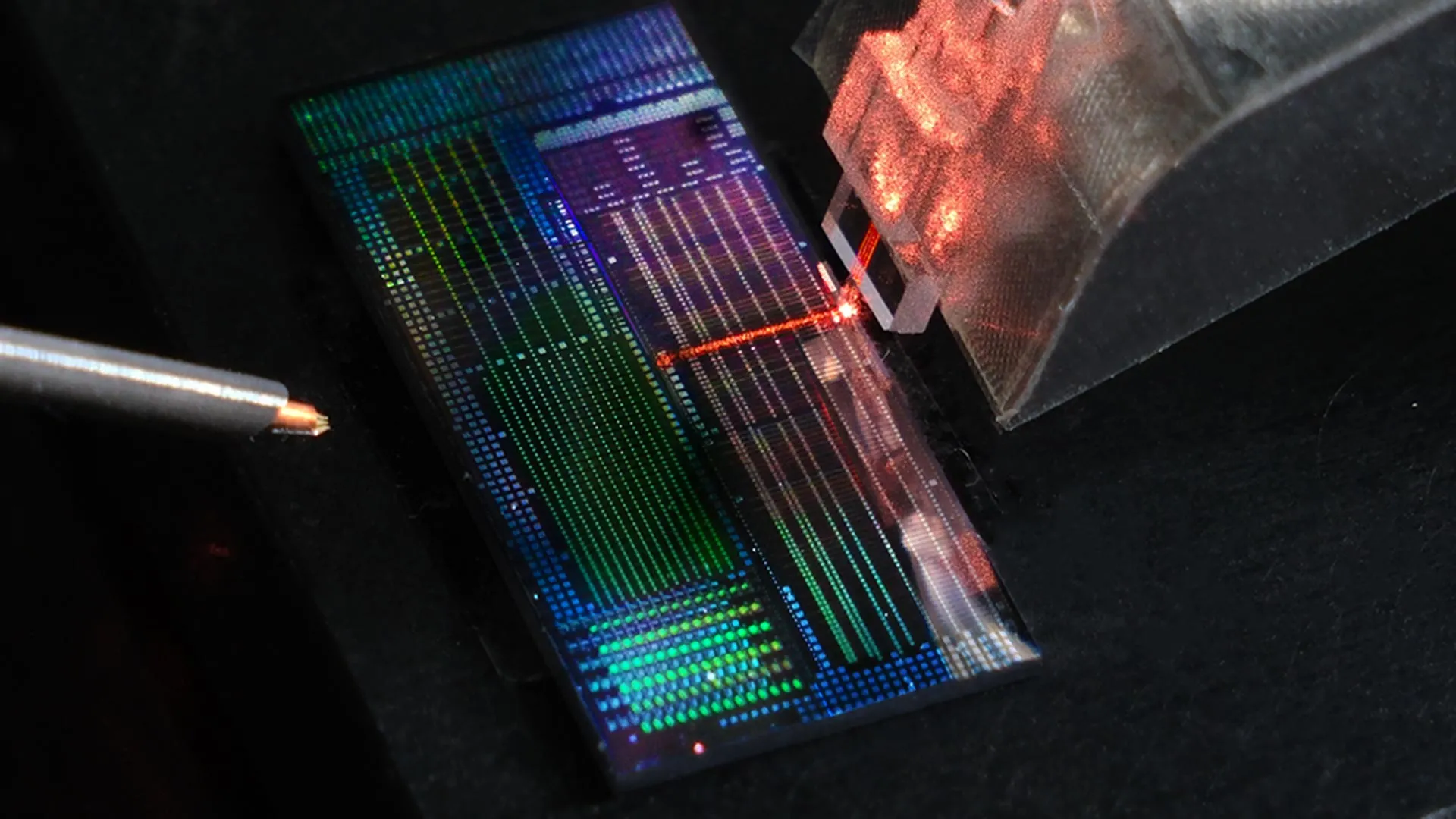
This tiny chip could change the future of quantum computing

Researchers have achieved a significant step forward in quantum computing by developing a device that is almost 100 times thinner than the width of a human hair. The work, published in the journal Nature Communications, introduces a new type of optical phase modulator designed to precisely control laser light. This capability is essential for running future quantum computers that may rely on thousands or even millions of qubits — the fundamental units used to store and process quantum information.

Just as important as its size is how the device is made. Instead of relying on custom-built laboratory equipment, the researchers used scalable manufacturing methods similar to those that produce the processors found in computers, smartphones, vehicles, and household appliances — essentially any technology powered by electricity (even toasters). This approach makes the device far more practical to produce in large numbers.

A Tiny Device Built for Real-World Scale

The research was led by Jake Freedman, an incoming PhD student in the Department of Electrical, Computer and Energy Engineering, alongside Matt Eichenfield, professor and Karl Gustafson Endowed Chair in Quantum Engineering. The team also collaborated with scientists from Sandia National Laboratories, including co-senior author Nils Otterstrom. Together, they created a device that combines small size, high performance, and low cost, making it suitable for mass production.

At the heart of the technology are microwave-frequency vibrations that oscillate billions of times per second. These vibrations allow the chip to manipulate laser light with remarkable precision.

By directly controlling the phase of a laser beam, the device can generate new laser frequencies that are both stable and efficient. This level of control is a key requirement not only for quantum computing, but also for emerging fields such as quantum sensing and quantum networking.

Why Quantum Computers Need Ultra-Precise Lasers

Some of the most promising quantum computing designs use trapped ions or trapped neutral atoms to store information. In these systems, each atom acts as a qubit. Researchers interact with these atoms by directing carefully tuned laser beams at them, effectively giving instructions that allow calculations to take place. For this to work, each laser must be adjusted with extreme precision, sometimes to within billionths of a percent.

“Creating new copies of a laser with very exact differences in frequency is one of the most important tools for working with atom- and ion-based quantum computers,” Freedman said. “But to do that at scale, you need technology that can efficiently generate those new frequencies.”

Currently, these precise frequency shifts are produced using large, table-top devices that require substantial microwave power. While effective for small experiments, these systems are impractical for the massive number of optical channels needed in future quantum computers.

“You’re not going to build a quantum computer with 100,000 bulk electro-optic modulators sitting in a warehouse full of optical tables,” Eichenfield said. “You need some much more scalable ways to manufacture them that don’t have to be hand-assembled and with long optical paths. While you’re at it, if you can make them all fit on a few small microchips and produce 100 times less heat, you’re much more likely to make it work.”

Lower Power Use, Less Heat, More Qubits

The new device generates laser frequency shifts through efficient phase modulation while using about 80 times less microwave power than many existing commercial modulators. Lower power consumption means less heat, which allows more channels to be packed closely together, even onto a single chip.

Taken together, these advantages transform the chip into a scalable system capable of coordinating the precise interactions atoms need to perform quantum calculations.

Built With the Same Technology as Modern Microchips

One of the project’s most important achievements is that the device was manufactured entirely in a fabrication facility, or fab, the same type of environment used to produce advanced microelectronics.

“CMOS fabrication is the most scalable technology humans have ever invented,” Eichenfield said.

“Every microelectronic chip in every cell phone or computer has billions of essentially identical transistors on it. So, by using CMOS fabrication, in the future, we can produce thousands or even millions of identical versions of our photonic devices, which is exactly what quantum computing will need.”

According to Otterstorm, the team took modulator technologies that were once bulky, expensive, and power intensive and redesigned them to be smaller, more efficient, and easier to integrate.

“We’re helping to push optics into its own ‘transistor revolution,’ moving away from the optical equivalent of vacuum tubes and towards scalable integrated photonic technologies,” Otterstorm said.

Toward Fully Integrated Quantum Photonic Chips

The researchers are now working on fully integrated photonic circuits that combine frequency generation, filtering, and pulse shaping on a single chip. This effort moves the field closer to a complete, operational quantum photonic platform.

Next, the team plans to partner with quantum computing companies to test these chips inside advanced trapped-ion and trapped-neutral-atom quantum computers.

“This device is one of the final pieces of the puzzle,” Freedman said. “We’re getting close to a truly scalable photonic platform capable of controlling very large numbers of qubits.”

The project received support from the U.S. Department of Energy through the Quantum Systems Accelerator program, a National Quantum Initiative Science Research Center.

Share Button

Light therapy boxes placed in all NI libraries

Some of the lamps – which are often used for Seasonal Affective Disorder – are available to loan for up to three weeks.

Share Button

Oceans are supercharging hurricanes past Category 5

Ocean regions that fuel the planet’s most powerful hurricanes and typhoons are heating up in the North Atlantic and Western Pacific. These changes are being driven not just by warmer surface waters, but by heat that now extends far below the ocean surface. New research suggests that human-caused climate change may account for as much as 70% of the expansion of these storm-forming hot spots.

As these hot spots grow, they increase the likelihood that exceptionally intense tropical cyclones, sometimes described as Category ‘6’ storms, could make landfall near heavily populated coastlines.

“The hot spot regions have expanded,” said I-I Lin, a chair professor in the Department of Atmospheric Science at the National Taiwan University.

Lin shared the research during an oral presentation focused on tropical cyclones at AGU’s 2025 Annual Meeting in New Orleans, Louisiana.

Why Scientists Are Calling for a New Storm Category

Lin has studied the most extreme hurricanes and typhoons for more than ten years. Her work intensified after Typhoon Haiyan — also known as Super Typhoon Yolanda — struck the Philippines at peak strength in November 2013, killing thousands of people. In 2014, Lin and her colleagues published research in the AGU journal Geophysical Research Letters arguing that storms of this magnitude warrant a new classification, Category 6.

Under their proposal, Category 6 tropical cyclones would include storms with wind speeds exceeding 160 knots. Until now, any storm stronger than 137 knots has been grouped into Category 5, which most weather agencies still consider the highest level. Lin noted that most hurricane categories span a range of about 20 knots, making a separate Category 6 more consistent with how storms are classified. Category 4, for example, includes winds between 114-137 knots.

The Strongest Storms on Record

Several well-known storms would fall into this proposed Category 6. Hurricane Wilma in 2005 remains the most intense hurricane ever measured in the Atlantic basin. Typhoon Haiyan also meets the criteria, as does Typhoon Hagibis, which hit Tokyo in 2019. Hagibis caused enormous damage from rain and wind, Lin said, even though the storm had weakened somewhat before reaching the city.

Another standout example is Hurricane Patricia, which developed in the Pacific Ocean off Mexico’s coast. Patricia holds the record as the strongest tropical cyclone ever observed, with winds reaching up to 185 knots — powerful enough to qualify as a Category 7 storm, if such a category existed, Lin said. “Patricia was the king of the world,” she added.

Burgeoning ocean hotspots feed big storms

To understand how often these extreme storms occur, Lin and her team reviewed records of major tropical cyclones from roughly the past 40 years. Their analysis shows that storms exceeding 160 knots are appearing more frequently. Between 1982 and 2011, eight such storms were recorded. From 2013 to 2023, that number rose to 10.

In total, 18 Category ‘6’ storms have occurred over the past four decades, with more than half forming in just the most recent decade.

Where the Most Dangerous Storms Are Forming

Lin’s ongoing research, which she discussed at the American Geophysical Union’s 2025 Annual Meeting, shows that nearly all Category ‘6’ tropical cyclones develop within specific ocean hot spots. The largest of these lies in the Western Pacific, east of the Philippines and Borneo. Another major hot spot stretches across parts of the North Atlantic near and east of Cuba, Hispaniola and Florida.

The study also found that these hot spots are expanding. In the North Atlantic, the region has spread eastward beyond the northern coast of South America and westward into much of the Gulf. The Western Pacific hot spot has also increased in size.

Why Deep Ocean Heat Makes Storms Stronger

The defining feature of these hot spots is not just warm surface water, but unusually deep layers of heat beneath the surface. In many parts of the ocean, strong storms stir up cooler water from below, which can weaken the storm. In hot spot regions, however, warm water extends so deep that storms do not cool as easily.

Even so, Lin emphasized that warm ocean conditions alone do not guarantee the formation of a Category ‘6’ storm. Atmospheric conditions must also align. “The hot spots are a necessary but not sufficient condition,” she said.

Climate Change Plays a Major Role

The researchers examined what is driving the expansion of these deep warm-water regions and found that both natural temperature cycles and long-term warming contribute. However, their analysis suggests that human-caused climate change is responsible for roughly 60-70% of the growth of these hot spots. This expansion, in turn, increases the likelihood of Category ‘6’ tropical cyclones.

Lin said that formally recognizing Category ‘6’ storms could help governments and communities better prepare for future impacts, especially in regions where these extreme systems are becoming more common. “We really think there is a need just to provide the public with more important information,” Lin said.

Share Button