The adverts for prescription-only drugs showed healthcare professionals impersonating the British retailer.


The adverts for prescription-only drugs showed healthcare professionals impersonating the British retailer.
Bertie Melly was in hospital for 18 months after his premature birth in May 2024.
Wegovy becomes first pill of its kind to be approved, shifting weight-loss drugs beyond injections.

MIT chemists have produced verticillin A in the lab for the first time. This fungal molecule was identified more than 50 years ago and has drawn attention for its potential as an anticancer agent.
Verticillin A is notoriously hard to build because of its intricate chemical architecture. Even compared with closely related compounds, it proved far more challenging to synthesize, despite differing by only a couple of atoms.
“We have a much better appreciation for how those subtle structural changes can significantly increase the synthetic challenge,” says Mohammad Movassaghi, an MIT professor of chemistry. “Now we have the technology where we can not only access them for the first time, more than 50 years after they were isolated, but also we can make many designed variants, which can enable further detailed studies.”
In lab tests using human cancer cells, one verticillin A derivative stood out against a pediatric brain cancer known as diffuse midline glioma. The researchers emphasize that additional testing is needed to assess whether it could eventually be useful in the clinic.
Movassaghi and Jun Qi, an associate professor of medicine at Dana-Farber Cancer Institute/Boston Children’s Cancer and Blood Disorders Center and Harvard Medical School, are the senior authors of the study, published in the Journal of the American Chemical Society. Walker Knauss PhD ’24 is the paper’s lead author. Xiuqi Wang, a medicinal chemist and chemical biologist at Dana-Farber, and Mariella Filbin, research director in the Pediatric Neurology-Oncology Program at Dana-Farber/Boston Children’s Cancer and Blood Disorders Center, are also authors.
Why This Fungal Molecule Was So Hard to Make
Researchers first reported isolating verticillin A from fungi in 1970. Fungi use the compound to help defend themselves from pathogens. Verticillin A and similar fungal molecules have been explored for possible anticancer and antimicrobial activity, but their complexity has made them difficult to synthesize.
In 2009, Movassaghi’s lab reported the synthesis of (+)-11,11′-dideoxyverticillin A, a compound closely related to verticillin A. That molecule contains 10 rings and eight stereogenic centers, meaning carbon atoms that each connect to four different chemical groups. Those groups must be positioned with the correct orientation, or stereochemistry, relative to the rest of the molecule.
Even after that earlier success, verticillin A itself remained out of reach. The key difference between verticillin A and (+)-11,11′-dideoxyverticillin A is two oxygen atoms, but those additions made a major difference in how the molecule behaves during synthesis.
“Those two oxygens greatly limit the window of opportunity that you have in terms of doing chemical transformations,” Movassaghi says. “It makes the compound so much more fragile, so much more sensitive, so that even though we had had years of methodological advances, the compound continued to pose a challenge for us.”
Rethinking the Chemistry Step by Step
Both versions of the verticillin molecule are built from two identical halves that must be connected into a structure called a dimer. In the earlier synthesis of (+)-11,11′-dideoxyverticillin A, the team carried out the dimerization near the end of the process and then formed four crucial carbon-sulfur bonds.
When they tried to apply that same sequencing to verticillin A, it did not work. Adding the carbon-sulfur bonds late in the process failed to deliver the correct stereochemistry, forcing the team to redesign the entire order of steps.
“What we learned was the timing of the events is absolutely critical. We had to significantly change the order of the bond-forming events,” Movassaghi says.
The new synthesis starts from an amino acid derivative called beta-hydroxytryptophan. From there, the researchers build the structure in stages, adding chemical functional groups, including alcohols, ketones, and amides, while carefully controlling stereochemistry at each step.
To guide that control, the team introduced a group containing two carbon-sulfur bonds and a disulfide bond early in the process. Because disulfides are sensitive, they had to be “masked” by converting them into a protected pair of sulfides so the structure would not break down during later reactions. After dimerization, the disulfide-containing groups were restored.
“This particular dimerization really stands out in terms of the complexity of the substrates that we’re bringing together, which have such a dense array of functional groups and stereochemistry,” Movassaghi says.
In total, the route takes 16 steps from the beta-hydroxytryptophan starting material to reach verticillin A.
Early Tests Against Diffuse Midline Glioma
With verticillin A finally accessible, the researchers could also adjust the approach to create derivates. A Dana-Farber team tested these molecules against several types of diffuse midline glioma (DMG), a rare brain tumor with limited treatment options.
The strongest effects appeared in DMG cell lines that produce high levels of a protein called EZHIP. EZHIP influences DNA methylation and has previously been flagged as a potential drug target for DMG.
“Identifying the potential targets of these compounds will play a critical role in further understanding their mechanism of action, and more importantly, will help optimize the compounds from the Movassaghi lab to be more target specific for novel therapy development,” Qi says.
The verticillin derivatives seem to affect EZHIP in a way that increases DNA methylation, which pushes the cancer cells into programmed cell death. The most effective molecules in these experiments were N-sulfonylated (+)-11,11′-dideoxyverticillin A and N-sulfonylated verticillin A. N-sulfonylation — the addition of a functional group containing sulfur and oxygen — improves molecular stability.
“The natural product itself is not the most potent, but it’s the natural product synthesis that brought us to a point where we can make these derivatives and study them,” Movassaghi says.
Next, the Dana-Farber researchers plan to further confirm how the verticillin derivatives work, and they hope to test the compounds in animal models of pediatric brain cancers.
“Natural compounds have been valuable resources for drug discovery, and we will fully evaluate the therapeutic potential of these molecules by integrating our expertise in chemistry, chemical biology, cancer biology, and patient care. We have also profiled our lead molecules in more than 800 cancer cell lines, and will be able to understand their functions more broadly in other cancers,” Qi says.
The research was funded by the National Institute of General Medical Sciences, the Ependymoma Research Foundation, and the Curing Kids Cancer Foundation.
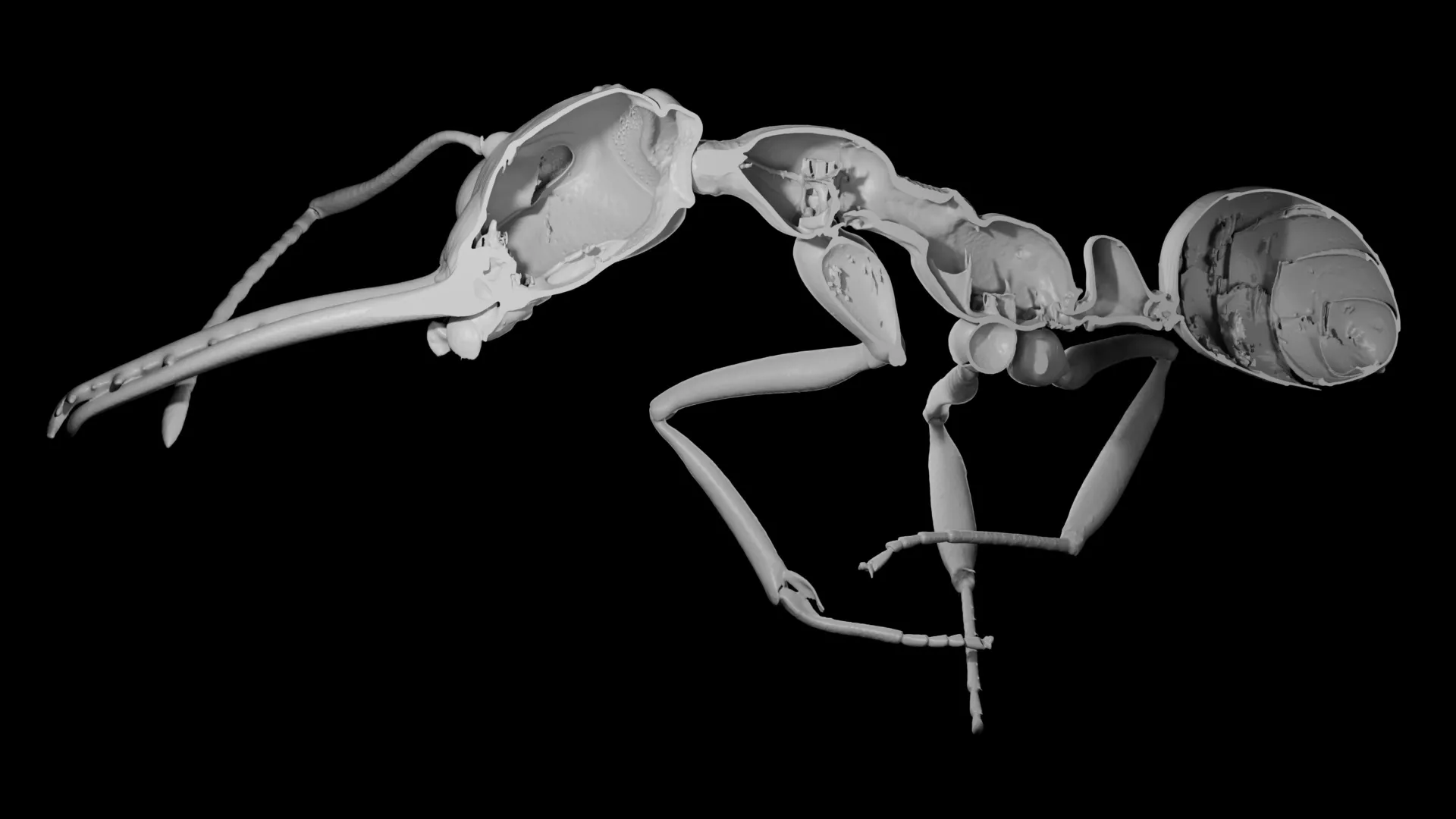
The question is playful and unrealistic, but it points to a serious idea: the tension between quantity and quality. New research suggests this same tradeoff has shaped evolution, especially in the rise of complex animal societies.
How ants choose numbers over toughness
A study published on December 19, 2025, in the journal Science Advances reports that some ant species organize their colonies by prioritizing numbers rather than individual strength. These ants invest less in each worker’s cuticle — the hard outer layer of the exoskeleton — which frees up valuable nutrients. Those resources can then be used to produce more workers. According to the researchers, this approach of creating many less-protected ants instead of fewer heavily armored ones proved to be evolutionarily successful. The findings help explain how individuals can change as large, complex societies develop, including those seen in humans.
“There’s this question in biology of what happens to individuals as societies they are in get more complex. For example, the individuals may themselves become simpler because tasks that a solitary organism would need to complete can be handled by a collective,” said senior author Evan Economo, chair of the Department of Entomology at the University of Maryland.
In this context, individuals can become what scientists describe as “cheaper.” That means they require fewer resources to build and can be produced in larger numbers, even if each one is less physically robust.
“That idea hasn’t been explicitly tested with large-scale analyses of social insects until now,” said Economo, who also holds the James B. Gahan and Margaret H. Gahan Professorship at UMD.
Why ants are ideal for studying social evolution
Ants offer an unusually good system for exploring how complex societies evolve. Depending on the species, ant colonies can range from just a few dozen members to many millions.
“Ants are everywhere,” said lead author Arthur Matte, a Ph.D. student in zoology at the University of Cambridge. “Yet the fundamental biological strategies which enabled their massive colonies and extraordinary diversification remain unclear.”
The research team proposed that colony size might be linked to how much ants invest in their cuticle.
The cost of building body armor
The cuticle plays several important roles. It helps protect ants from predators, drying out, and disease, and it provides structural support for their muscles. At the same time, it is expensive to produce because it requires limited nutrients such as nitrogen and various minerals. Making a thicker cuticle uses more of these resources, which could restrict how many individuals a colony can support.
To investigate this idea, the researchers analyzed a large dataset of 3D X-ray scans from more than 500 ant species. They measured both total body volume and cuticle volume, finding that investment in the cuticle varied widely, from 6% to 35% of an ant’s body. When these measurements were fed into evolutionary models, a clear trend emerged: species that devoted less of their body to cuticle tended to form larger colonies.
Bigger colonies through collective strength
While thinner cuticles leave individual ants more vulnerable, the authors suggest this tradeoff may actually encourage the growth of large societies. Reduced armor may go hand in hand with other helpful social traits, including cooperative foraging, shared nest defense, and division of labor, all of which tend to become more pronounced as colonies grow.
“Ants reduce per-worker investment in one of the most nutritionally expensive tissues for the good of the collective,” Matte explained. “They’re shifting from self-investment toward a distributed workforce, resulting in more complex societies. It’s a pattern that echoes the evolution of multicellularity, where cooperative units can be individually simpler than a solitary cell, yet collectively capable of far greater complexity.”
The researchers also found that lower investment in the cuticle was linked to higher diversification rates. Biologists often use diversification, which reflects how frequently new species form, as a marker of evolutionary success. Economo noted that very few traits have been connected to diversification in ants, making this result especially striking.
Why less armor may lead to more species
Exactly why reduced cuticle investment promotes speciation is still unclear. One leading idea is that ants with lower nutritional demands can expand into environments where resources are limited.
“Requiring less nitrogen could make them more versatile and able to conquer new environments,” said Matte, who began the work during his master’s program while interning in Economo’s lab at the Okinawa Institute of Science and Technology in Japan.
The authors also suggest that as ant societies became more complex, group-level defenses such as collective nest protection and disease control reduced the need for heavy individual armor. This may have created a reinforcing cycle. Lower cuticle investment allows colonies to grow larger, and larger colonies further reduce the pressure for each ant to be strongly protected.
“I think of this as the evolution of squishability,” laughed Economo. “Many kids have discovered that insects aren’t all equally robust.”
Other social organisms, including termites, may have followed similar evolutionary paths, although that possibility still needs further testing.
What ant societies can teach us about humans
The findings also have implications beyond insects. The researchers draw parallels to human military history, where heavily armored knights were eventually replaced by specialized soldiers such as archers and crossbowmen. Economo also pointed to Lanchester’s Laws — mathematical equations developed during World War I that examine when large numbers of weaker fighters can overpower a smaller force of stronger ones.
“The tradeoff between quantity and quality is all around. It’s in the food you eat, the books you read, the offspring you want to raise,” Matte said. “It was fascinating to retrace how ants handled it through their long evolution. We could see lineages taking different directions, being shaped by different constraints and environments, and ultimately giving rise to the extraordinary diversity we observe today.”
The paper, “The evolution of cheaper workers facilitated larger societies and accelerated diversification in ants,” was published in the journal Science Advances on December 19, 2025.
This research was supported by the Okinawa Institute of Science and Technology, the Japan Society for the Promotion of Science KAKENHI (24K01785), the University of Cambridge and the General Research Fund 2022/2023 (17121922) from the Research Grant Council of Hong Kong. This article does not necessarily reflect the views of these organizations.

An experimental drug developed at Northwestern University has demonstrated further promise as an early intervention for Alzheimer’s disease.
In a new study, Northwestern scientists identified a previously unknown highly toxic sub-species of amyloid beta oligomers — toxic clusters of peptides — that appear to drive several of the brain’s earliest changes, including neuronal dysfunction, inflammation and activation of immune cells.
The experimental drug, a small-molecule compound called NU-9, decreased this toxic amyloid beta oligomersubtype and dramatically reduced the damage it causes in a mouse model of Alzheimer’s disease. By addressing these changes at the onset of Alzheimer’s disease, the researchers are hopeful NU-9 potentially could prevent, or significantly delay, the cascade of toxic events that ultimately destroy neurons.
The findings point to a potential new strategy for targeting the disease in its earliest stages — before cognitive decline and other debilitating symptoms take hold.
The study will be published on Dec. 18 in Alzheimer’s and Dementia: The Journal of the Alzheimer’s Association.
“Alzheimer’s disease begins decades before its symptoms appear, with early events like toxic amyloid beta oligomers accumulating inside neurons and glial cells becoming reactive long before memory loss is apparent,” said Northwestern’s Daniel Kranz, the study’s first author. “By the time symptoms emerge, the underlying pathology is already advanced. This is likely a major reason many clinical trials have failed. They start far too late. In our study, we administered NU-9 before symptom onset, modeling this early, pre-symptomatic window.”
Kranz is a recent Ph.D. graduate from the Interdisciplinary Biological Sciences (IBiS) program at Northwestern’s Weinberg College of Arts and Sciences, where he is advised by corresponding author William Klein. An expert on Alzheimer’s disease, Klein is a professor of neurobiology at Weinberg and a cofounder of Acumen Pharmaceuticals, which has developed a therapeutic monoclonal antibody currently in clinical trials that targets the subtype of amyloid beta oligomers identified in the study. Richard Silverman, a key co-author of the study, invented NU-9. Silverman, who previously invented pregabalin (Lyrica) to treat fibromyalgia, nerve pain and epilepsy, is the Patrick G. Ryan/Aon Professor in Weinberg’s Department of Chemistry and founder of Akava Therapeutics, a startup company commercializing NU-9 (now called AKV9).
The promise of NU-9
Conceived about 15 years ago, NU-9 emerged as part of Silverman’s multi-year effort to discover a small molecule compound that could prevent toxic protein aggregate buildup in neurodegenerative diseases. By 2021, NU-9 demonstrated efficacy in animal models of amyotrophic lateral sclerosis (ALS), clearing toxic SOD1 and TDP-43 proteins and restoring health to upper motor neurons. In 2024, it received clearance from the U.S. Food and Drug Administration to begin human clinical trials for ALS.
Earlier this year, Silverman, Klein and Kranz demonstrated that NU-9 also could effectively treat Alzheimer’s disease. In the previous study, NU-9 showed it could clear toxic amyloid beta oligomers in lab-grown brain cells from the hippocampus, a region critical for learning and memory.
“In both ALS and Alzheimer’s disease, cells suffer from toxic protein buildup,” Klein said. “Cells have a mechanism to get rid of these proteins, but it gets damaged in degenerative diseases like ALS and Alzheimer’s. NU-9 is rescuing the pathway that saves the cell.”
Early intervention
To further investigate the drug’s potential in treating Alzheimer’s disease, the team wanted to evaluate its effectiveness at halting the earliest damage. In the new study, the researchers administered NU-9 to a pre-symptomatic mouse model of Alzheimer’s disease. The mice received a daily oral dose for 60 days.
The results were striking. NU-9 significantly reduced early reactive astrogliosis, an inflammatory reaction that typically begins long before symptoms appear. The number of toxic amyloid beta oligomers bound to astrocytes (star-shaped brain cells that protect neurons and control inflammation) also plummeted. And an abnormal form of the protein TDP-43 — a hallmark of neurodegenerative diseases that is linked to cognitive impairments — sharply decreased.
“These results are stunning,” Klein said. “NU-9 had an outstanding effect on reactive astrogliosis, which is the essence of neuroinflammation and linked to the early stage of the disease.”
The improvements spanned multiple regions of the brain, indicating that NU-9 has a brain-wide anti-inflammatory effect.
A hidden culprit
While investigating the effects of NU-9 on the pre-symptomatic mouse model, the research team found an unexpected culprit. For decades, scientists have considered amyloid beta oligomers as more toxic than the larger amyloid beta fibrils that form plaques, which appear later in Alzheimer’s disease. But not all amyloid beta oligomers are the same. The Northwestern scientists discovered one uniquely problematic subtype.
“We identified a distinct amyloid beta oligomer subtype that appears inside neurons and on nearby reactive astrocytes very early in the disease,” Kranz said. “It potentially acts as an instigator of early Alzheimer’s pathology.”
Called ACU193+ because it is detected by the antibody ACU193, the subtype shows up early inside of stressed neurons, the scientists found. Then, these oligomers appear to migrate to the surfaces of nearby astrocytes. When ACU193+ oligomers latch onto astrocytes, they may spark a cascade of inflammation that spreads throughout the brain, long before memory loss begins.
A potential prophylaxis
NU-9 targeted and dramatically reduced this subtype, suggesting the drug may be especially valuable at Alzheimer’s earliest stages, when intervention is most effective. By reducing this subtype, NU-9 potentially could prevent the activation of astrocytes.
Although they serve as the brain’s frontline responders, astrocytes become destructive when pushed into a reactive state. This destructive behavior damages synapses, releases inflammatory molecules and accelerates neurodegeneration. Stopping this process might be one of the most powerful ways to slow the progression of Alzheimer’s disease.
Kranz and Silverman likened the strategy to early intervention approaches for preventing cancer and heart disease.
“Most people are used to monitoring their cholesterol levels,” Silverman said. “If you have high cholesterol, it doesn’t mean that you will have a heart attack soon. But it’s time to take drugs to lower your cholesterol levels to prevent that heart attack from happening down the road. NU-9 could play a similar role. If someone has a biomarker signaling Alzheimer’s disease, then they could start taking NU-9 before symptoms appear.”
“There are a couple early diagnostic blood tests for Alzheimer’s disease in development,” Klein added. “The promise of better early diagnostics — combined with a drug that could stop the disease in its tracks — is the goal.”
Currently, the team is testing NU-9 in additional models of Alzheimer’s disease, including an animal model of late-onset disease that better reflects typical human aging. The researchers also plan to follow animals for a longer period of time to determine whether symptoms develop in treated animals and plan to examine how early intervention with NU-9 affects memory and neuron health over time.
The study, “Identification of a glia-associated amyloid beta oligomer subtype and the rescue from reactive astrogliosis by inhibitor NU-9,” was supported by the National Institute of Health (grant AG061708).

After decades of steady progress, computational astrophysicists have reached a major turning point in black hole research. A new study presents the most detailed and complete model yet of luminous black hole accretion, the process by which black holes pull in surrounding matter and emit intense radiation. Using some of the most powerful supercomputers on Earth, the researchers successfully calculated how matter flows into black holes while fully accounting for both Einstein’s theory of gravity and the dominant role of radiation, without relying on simplifying shortcuts.
This achievement marks the first time such calculations have been carried out in full general relativity under radiation-dominated conditions. The results open a new window into how black holes behave in extreme environments that were previously out of reach for simulations.
Who Led the Research and Where It Was Published
The study was published in The Astrophysical Journal and led by scientists from the Institute for Advanced Study and the Flatiron Institute’s Center for Computational Astrophysics. It represents the first paper in a planned series that will introduce the team’s new computational framework and apply it to different types of black hole systems.
“This is the first time we’ve been able to see what happens when the most important physical processes in black hole accretion are included accurately. These systems are extremely nonlinear — any over-simplifying assumption can completely change the outcome. What’s most exciting is that our simulations now reproduce remarkably consistent behaviors across black hole systems seen in the sky, from ultraluminous X-ray sources to X-ray binaries. In a sense, we’ve managed to ‘observe’ these systems not through a telescope, but through a computer,” said lead author Lizhong Zhang.
Zhang is a joint postdoctoral research fellow at the Institute for Advanced Study’s School of Natural Sciences and the Flatiron Institute’s Center for Computational Astrophysics. He began the project during his first year at IAS (2023-24) and continued the work at Flatiron.
Why Black Hole Models Need Relativity and Radiation
Any realistic model of a black hole must include general relativity, since the intense gravity of these objects bends space and time in extreme ways. But gravity alone is not enough. When large amounts of matter fall toward a black hole, enormous energy is released in the form of radiation. Accurately tracking how that radiation moves through curved spacetime and interacts with nearby gas is essential for understanding what astronomers actually observe.
Until now, simulations could not fully handle this combination of effects. Like simplified classroom models that capture only part of a real system, earlier approaches relied on assumptions that made the calculations manageable but incomplete.
“Previous methods used approximations that treat radiation as a sort of fluid, which does not reflect its actual behavior,” Zhang explained.
Solving the Full Equations Without Shortcuts
Those approximations were once unavoidable because the underlying equations are extraordinarily complex and demand massive computational resources. By combining insights developed over many years, the team created new algorithms capable of solving these equations directly, without approximations.
“Ours is the only algorithm that exists at the moment that provides a solution by treating radiation as it really is in general relativity,” Zhang said.
This breakthrough allows researchers to simulate black hole environments with a level of realism that was previously impossible.
Focusing on Stellar Mass Black Holes
The study focuses on stellar mass black holes, which typically have about 10 times the mass of the Sun. These objects are much smaller than Sgr A*, the supermassive black hole at the center of the Milky Way, but they offer unique advantages for study.
While astronomers have produced detailed images of supermassive black holes, stellar mass black holes appear only as tiny points of light. Scientists must analyze their emitted light by breaking it into a spectrum, which reveals how energy is distributed around the black hole. Because stellar mass black holes evolve over minutes to hours rather than years or centuries, they allow researchers to observe rapid changes in real time.
Simulations That Match Real Observations
Using their new model, the researchers followed how matter spirals inward, forming turbulent, radiation-dominated disks around stellar mass black holes. The simulations also showed strong winds flowing outward and, in some cases, the formation of powerful jets.
Crucially, the simulated light spectra closely matched what astronomers observe from real systems. This strong agreement makes it possible to draw more confident conclusions from limited observational data and deepens scientists’ understanding of how these distant objects operate.
Supercomputers Powering the Breakthrough
The Institute for Advanced Study has a long history of advancing science through computational modeling. One early milestone was the Electronic Computer Project led by founding Professor (1933-55) John von Neumann, which influenced fields ranging from fluid dynamics to climate science and nuclear physics.
Continuing that tradition, Zhang and his colleagues were granted access to two of the world’s most powerful supercomputers, Frontier at Oak Ridge National Laboratory and Aurora at Argonne National Laboratory. These exascale machines can perform a quintillion calculations per second and occupy thousands of square feet — recalling the massive size of the earliest computers.
Harnessing this computing power required sophisticated mathematics and software designed specifically for the task. Christopher White of the Flatiron Institute and Princeton University led the development of the radiation transport algorithm. Patrick Mullen, Member (2021-22) in the School of Natural Sciences and now at Los Alamos National Laboratory, led the integration of this algorithm into the AthenaK code, which is optimized for exascale systems.
What Comes Next for Black Hole Research
The team plans to test whether their approach can be applied to all types of black holes. Beyond stellar mass systems, the simulations may also shed new light on supermassive black holes, which play a central role in shaping galaxies. Future work will further refine how radiation interacts with matter across a wide range of temperatures and densities.
“What makes this project unique is, on the one hand, the time and effort it has taken to develop the applied mathematics and software capable of modeling these complex systems, and, on the other hand, having a very large allocation on the world’s largest supercomputers to perform these calculations,” said co-author James Stone, Professor in the Institute for Advanced Study’s School of Natural Sciences. “Now the task is to understand all the science that is coming out of it.
Health experts have warned that the impact of the strike will be felt into the new year “and beyond”.
The shortage is due to a major supplier stopping manufacturing epidural bags, the government says.
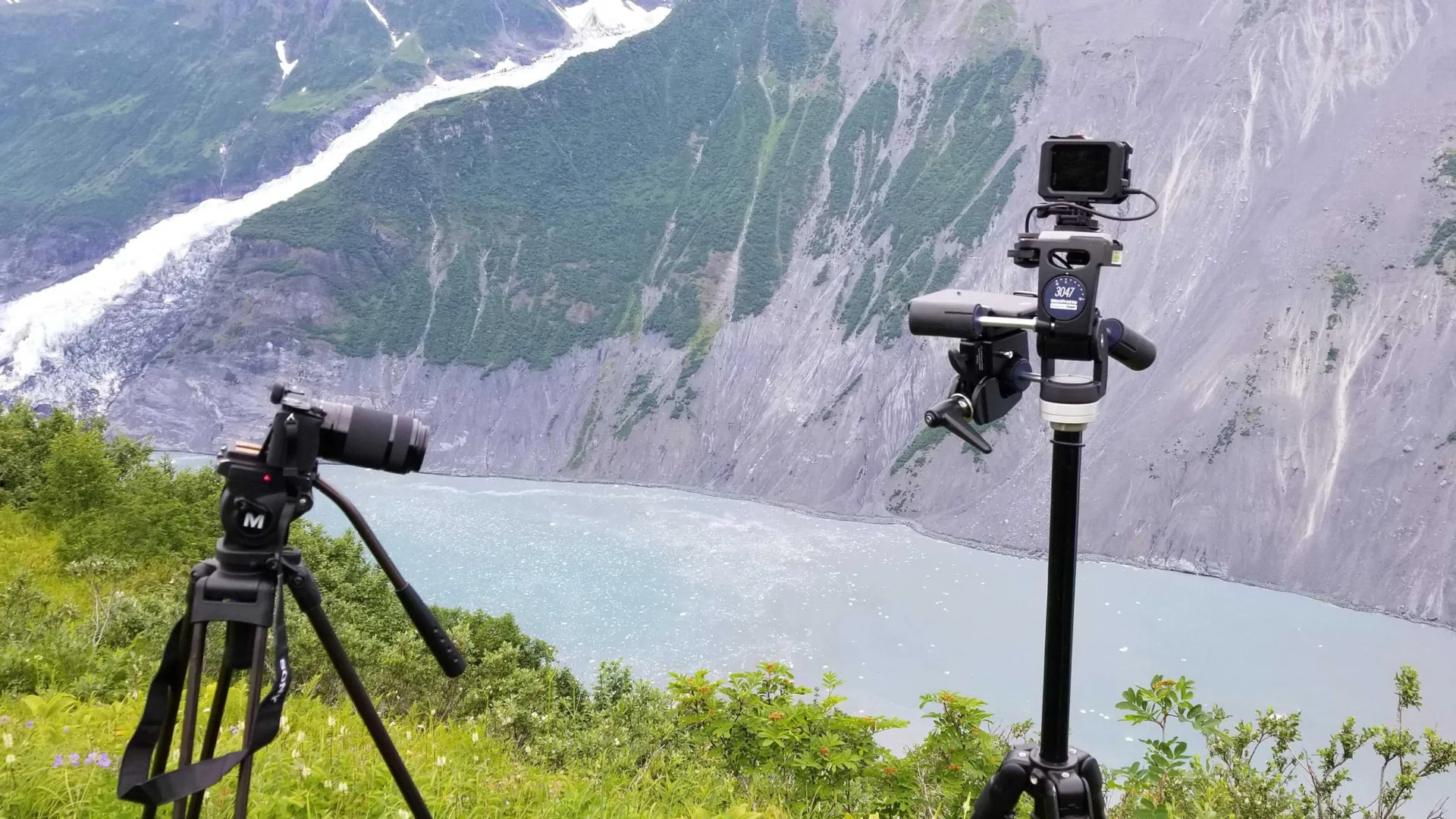
Since 2020, scientists have installed monitoring instruments around the Barry Landslide in Alaska’s Prince William Sound to closely track seismic activity in the area. Their goal is to detect warning signs early, before a sudden landslide could trigger a destructive tsunami.
By analyzing these seismic recordings, researchers identified a previously unrecognized type of signal. These events are marked by sharp, high-frequency pulses that become more common from late summer through mid-winter, then suddenly stop in late winter or early spring.
Strange Signals Linked to Freezing and Thawing Rock
Writing in Seismological Research Letters, Gabrielle Davy of the University of Alaska Fairbanks and her colleagues propose that the signals are caused by water freezing and thawing inside tiny cracks in the rock beneath the nearby Cascade Glacier. The research team is the first to carry out a systematic analysis of these short, impulsive seismic events near the Barry Landslide.
The scientists emphasize that these signals are not signs that the landslide itself is moving. However, they may still provide valuable insight into changes in underground water conditions behind the slope. Those changes could eventually play a role in triggering slope movement.
Why the Barry Landslide Poses a Serious Risk
Searching for seismic warning signs at Barry Arm is especially important because the landslide sits in a highly unstable setting. The slope is steep and underlain by weak, heavily fractured bedrock, making it prone to failure. It has also lost critical support from Barry Glacier, which has rapidly melted and retreated over the last century.
“What makes Barry Landslide especially concerning is the size of the landslide,” Davy explained. “It’s a large, slowly moving mass — on the order of about 500 million cubic meters — that has been creeping for decades.”
“If a rapid collapse were to occur, the material would fall directly into the fjord, and that could generate a tsunami with potentially high wave heights,” she added. “Barry Arm is visited by kayakers and cruise ships, and nearby communities such as Whittier could be affected, so understanding the hazard is important from both a scientific and a public-safety perspective.”
Sorting Through a Year of Seismic Data
Because of these risks, the landslide area has been extensively instrumented since 2020. The study by Davy and her colleagues is among the first to carefully examine the large volume of seismic data collected by those instruments.
For this research, the team manually reviewed an entire year of continuous seismic waveform recordings. They searched for signals that might help determine when and where a landslide could occur.
This hands-on approach allowed the researchers to recognize the wide range of signals present in the data. These included vibrations from small earthquakes, glacier motion, slope deformation, and other sources of seismic background noise.
“We needed to build a clear baseline understanding of the types of signals that routinely occur in the area, so that any unusual or previously unrecognized signals would stand out. By spending time with the raw data, you train your eye to recognize what ‘normal’ looks like” before developing classification tools and detection algorithms, Davy explained.
Seasonal Patterns Reveal a Freeze-Thaw Process
After learning how to identify the unusual short-impulsive events in the seismic records, the researchers compared them with weather and rainfall data. They also used ground-based radar to track subtle changes in slope movement. This combination allowed them to study when and where the signals occurred.
The timing, location, and characteristics of the signals pointed to small, brittle events that happen seasonally as water freezes and thaws inside cracks in the rock.
“Similar seismic signals have been documented in other settings, although they are not widely reported,” Davy said. She pointed to a recent study from Norway that observed comparable signals near an unstable rock slope and “suggested that their signals may be linked to freeze-thaw processes acting on cracks within the bedrock.”
Toward Better Landslide Early Warning Systems
Co-author Ezgi Karasözen said the Alaska Earthquake Center is now testing a regional landslide detection system at the Barry Landslide site. According to Karasözen, the system “will alert us to any slope failures in this area.”
“As research on landslide seismology grows, there’s increasing recognition that precursor seismic activity — when it does occur — can be an important source of early warning,” Karasözen said. “That motivates broader investigations not only at Barry Arm, but also at other sites in southern Alaska where similar hazards exist.”
