Those eligible for a vaccine can access jabs from the NHS, but experts say that people have turned to pharmacies for convenience.


Those eligible for a vaccine can access jabs from the NHS, but experts say that people have turned to pharmacies for convenience.
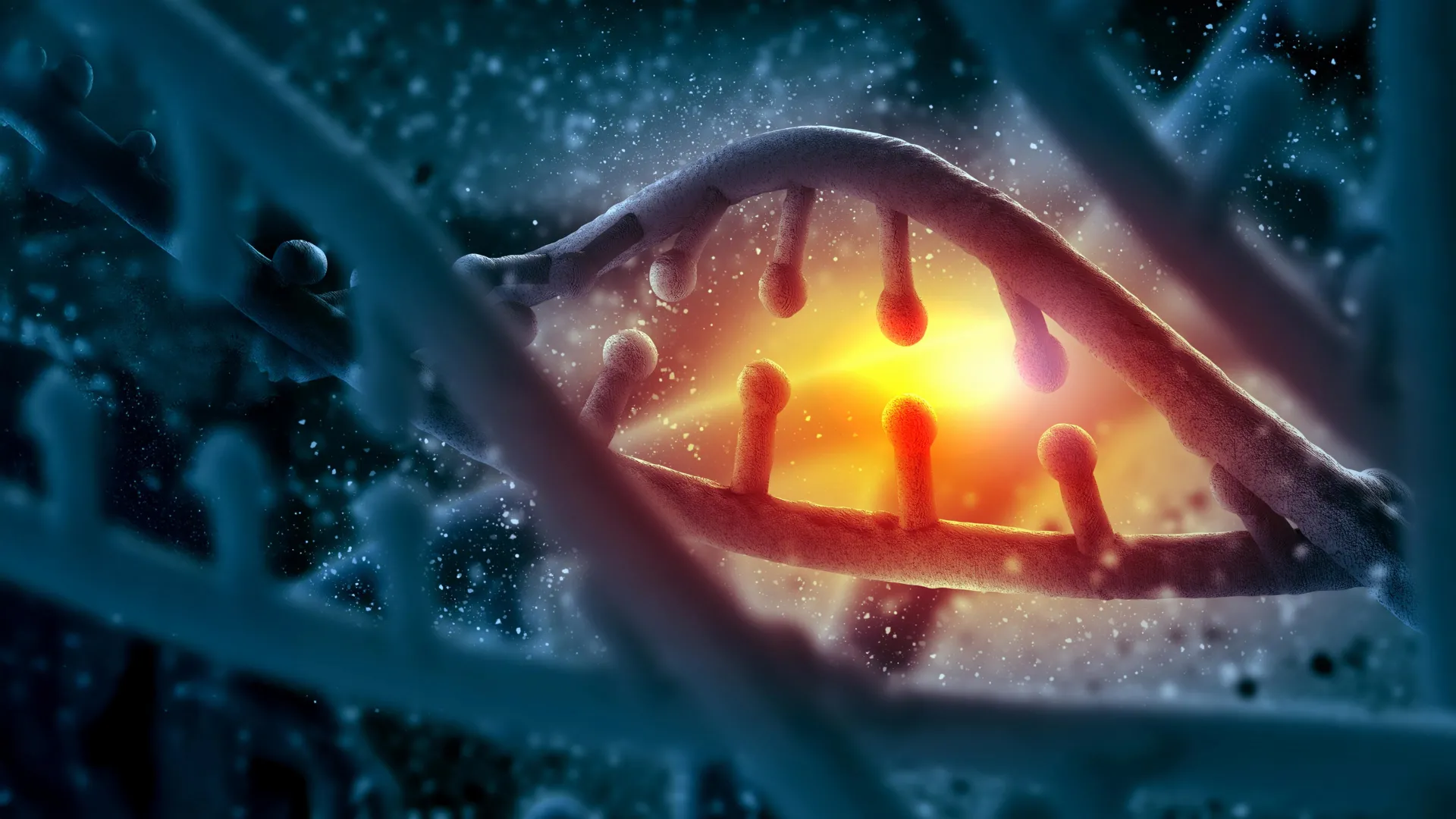
New work from the University of Wisconsin-Madison shows that problems in a protein vital for keeping chromosomes stable may contribute to serious — and at times fatal — health conditions.
The study, recently reported in Science, offers patients and clinicians new protein mutations to examine when diagnosing certain cancers and bone marrow disorders.
Understanding Telomeres and Chromosome Protection
Our chromosomes (bundles of proteins and DNA that store all our genetic information), rely on telomeres to prevent damage. These protective caps at each chromosome end are made from repetitive DNA sequences and proteins. Telomeres naturally shorten with age, but disruptions in how they form or are maintained can reduce DNA stability, which may accelerate aging or lead to disease.
Researchers working in the laboratory of Ci Ji Lim, a UW-Madison professor of biochemistry, along with collaborators in the university’s Department of Chemistry, set out to identify proteins that interact with telomerase, the enzyme responsible for maintaining telomeres. Failures in these partner proteins could help explain diseases that arise from shortened telomeres.
“This line of research goes beyond a biochemical understanding of a molecular process. It deepens clinical understanding of telomere diseases,” says Lim, whose work is supported by the National Institutes of Health.
Discovery of RPA’s Essential Role in Telomere Maintenance
Graduate student Sourav Agrawal, research scientist Xiuhua Lin, and postdoctoral researcher Vivek Susvirkar led the search for proteins likely to work alongside telomerase. They used AlphaFold, a machine learning tool that predicts the 3D structure of proteins and protein-protein interactions. Their analysis highlighted a molecule called replication protein A (RPA) as a key factor in maintaining telomeres by stimulating telomerase. Although RPA has long been recognized for its involvement in DNA replication and repair, its importance in supporting healthy telomeres in humans had not been confirmed.
Using insights from AlphaFold, the team verified experimentally that, in humans, RPA is necessary to activate telomerase and preserve telomere length.
Implications for Patients With Short Telomere Disorders
Lim notes that these findings have direct relevance for people facing often deadly diseases caused by shortened telomeres, including aplastic anemia, myelodysplastic syndrome and acute myeloid leukemia.
“There are some patients with shortened telomere disorders that couldn’t be explained with our previous body of knowledge,” explains Lim. “Now we have an answer to the underlying cause of some of these short telomere disease mutations: it is a result of RPA not being able to stimulate telomerase.”
Global Interest and New Diagnostic Insights
Since publishing the work, Lim and his team have been contacted by clinicians and scientists from several countries seeking to understand whether their patients’ illnesses could stem from genetic mutations that interfere with this newly identified function of RPA.
“There are colleagues reaching out from France, Israel, and Australia. They just want to give a cause for their patient’s short telomere disease so that the patients and their families can understand what is happening and why,” says Lim. “With biochemical analysis, we can test their patients’ mutation to see if it impacts how RPA interacts with telomerase, and give the doctors insights into possible causes of their patients’ diseases.”
This research received support from the National Institutes of Health (R01GM153806 and DP2GM150023), the UW-Madison Office of the Vice Chancellor for Research, the Wisconsin Alumni Research Foundation and the UW-Madison Department of Biochemistry.
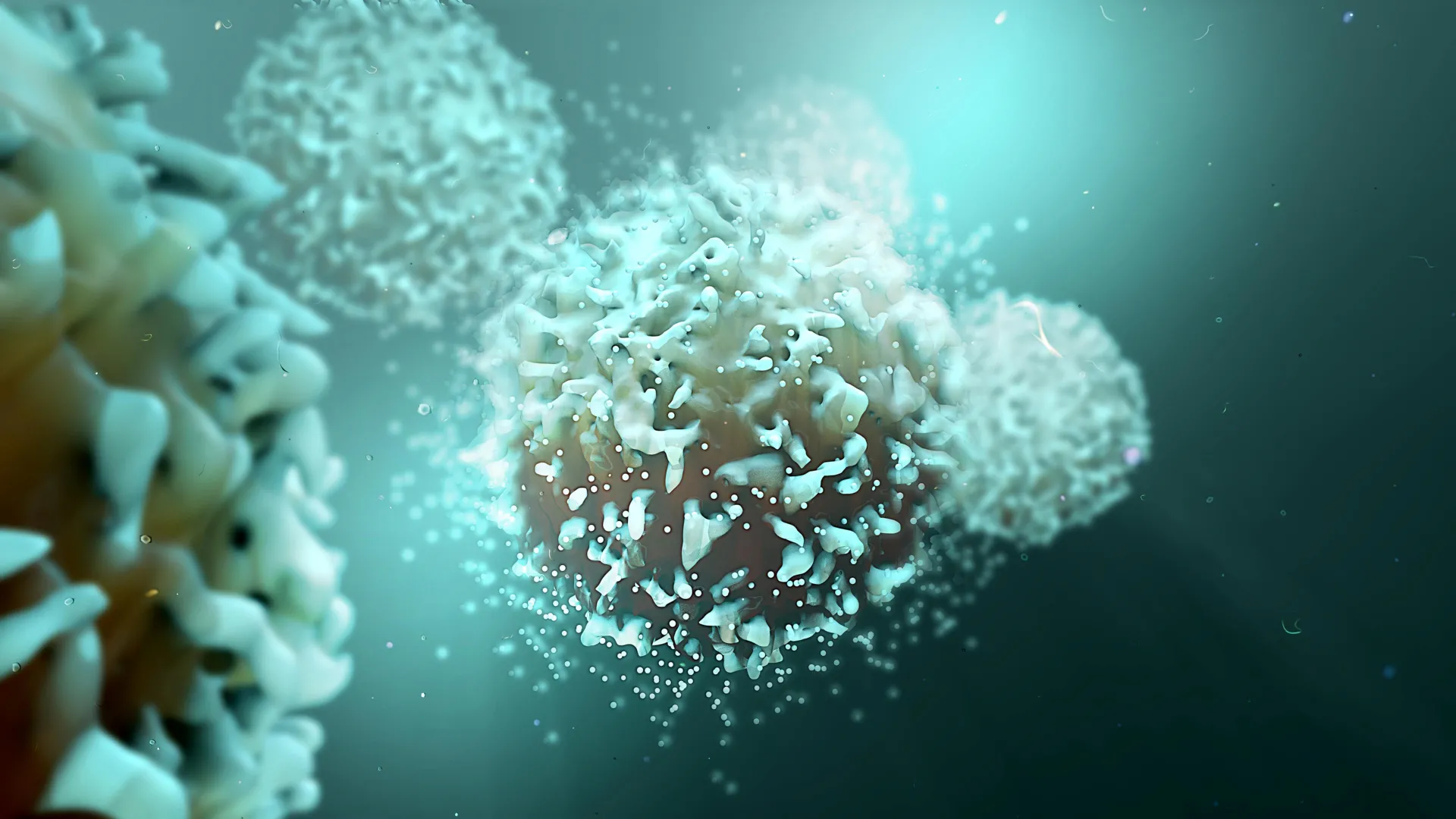
A new treatment created by scientists at UCL (University College London) and Great Ormond Street Hospital (GOSH) is offering promising results for children and adults with T-cell acute lymphoblastic leukemia (T-ALL), a fast-moving and uncommon blood cancer. The approach uses genome-edited immune cells to target the disease in patients who often have very limited treatment options.
This first-of-its-kind gene therapy, known as BE-CAR7, relies on base-edited immune cells to attack types of T-cell leukemia that historically could not be treated effectively. Base-editing is an advanced form of CRISPR that changes individual DNA letters inside living cells with high precision.
In 2022, researchers at GOSH and UCL used this technology to treat Alyssa, a 13-year-old girl from Leicester, marking the first time a base-edited therapy had been used in a patient anywhere in the world.
Since then, the treatment has been given to eight more children and two adults at GOSH and King’s College Hospital (KCH).
Clinical trial results show strong remission rates
Findings from the early clinical trial have been published in the New England Journal of Medicine and shared at the 67th American Society of Hematology Annual Meeting. Key outcomes reported by the research team include:
How CAR T-cell therapy works
CAR-T cell immunotherapy has become an important option for several blood cancers. The process modifies a patient’s T-cells so they carry a customized protein called a chimeric antigen receptor (CAR). This receptor helps the modified cell identify unique markers or “flags” on cancer cells and destroy them.
Developing CAR T-cell therapies for leukemias that originate in T-cells has been especially difficult. The challenge is that the treatment must wipe out cancerous T-cells without triggering the engineered cells to attack one another.
Base-editing enables the creation of universal CAR T-cells
BE-CAR7 T-cells are created with a next-generation genome editing method that does not cut DNA, which lowers the chances of chromosomal damage. Using CRISPR-based tools, researchers altered single DNA letters to reprogram the cells. In 2022, these edits allowed the team to produce banked stores of “universal” CAR T-cells that can be delivered to different patients and still recognize and attack T-cell leukemia.
For this study, the universal CAR T-cells came from the white blood cells of healthy donors. The engineering steps took place in a clean room facility at GOSH using custom RNA, mRNA and a lentiviral vector in an automated system the team previously refined. Key steps included:
From cancer clearance to immune rebuilding
When patients receive base-edited CAR T-cells, the engineered cells quickly locate and destroy T-cells throughout the body, including the cancerous ones. If leukemia is cleared within the first month, patients then undergo a bone marrow transplant that restores a functioning immune system over the following months.
Professor Waseem Qasim, who led the research and is professor of cell and gene therapy at UCL and honorary consultant immunologist at GOSH, said: “We previously showed promising results using precision genome editing for children with aggressive blood cancer and this larger number of patients confirms the impact of this type of treatment. We’ve shown that universal or ‘off the shelf’ base-edited CAR T-cells can seek and destroy very resistant cases of CD7+ leukemia.”
He added: “Many teams were involved across the hospital and university and everyone is delighted for patients clearing their disease, but at the same time, deeply mindful that outcomes were not as hoped for some children. These are intense and difficult treatments — patients and families have been generous in recognizing the importance of learning as much as possible from each experience.”
New hope for patients who do not respond to standard therapy
Dr. Rob Chiesa, a study investigator and bone marrow transplant consultant at GOSH, said: “Although most children with T-cell leukemia will respond well to standard treatments, around 20% may not. It’s these patients who desperately need better options and this research provides hope for a better prognosis for everyone diagnosed with this rare but aggressive form of blood cancer.
“Seeing Alyssa go from strength-to-strength is incredible and a testament to her tenacity and the dedication of an array of small army of people at GOSH. Team working between bone marrow transplant, hematology, ward staff, teachers, play workers, physiotherapists, lab and research teams, among others, is essential for supporting our patients.”
Dr. Deborah Yallop, consultant hematologist at KCH, said: “We’ve seen impressive responses in clearing leukemia that seemed incurable — it’s a very powerful approach.”
Funding expands access to more T-ALL patients
The trial is sponsored by GOSH and supported by the Medical Research Council, Wellcome and the National Institute for Health and Care Research (NIHR). Patients eligible for NHS care who are interested in taking part should speak with their healthcare team.
GOSH Charity has also committed funding to support treatment for an additional 10 T-ALL patients. This more than £2m investment helps broaden access to the trial and contributes to GOSH Charity’s fundraising campaign for a new Children’s Cancer Centre designed to advance cutting-edge research.
Alyssa’s recovery continues to inspire progress
Alyssa Tapley, now 16, became the first person in the world to receive a base-edited cell therapy. She shared her story in 2022, when her leukemia was undetectable but she remained under careful monitoring. She has since moved to long-term follow-up and is fully engaged in daily life with her friends.
She was diagnosed with T-cell leukemia in May 2021 after months of what appeared to be repeated viral illnesses and fatigue. Standard treatments such as chemotherapy and a first bone marrow transplant did not work, and discussions about palliative care had begun when the research team offered the experimental therapy.
Alyssa said: “I chose to take part in the research as I felt that, even if it didn’t work for me, it could help others. Years later, we know it worked and I’m doing really well. I’ve done all those things that you’re supposed to do when you’re a teenager.
“I’ve gone sailing, spent time away from home doing my Duke of Edinburgh Award but even just going to school is something I dreamed of when I was ill. I’m not taking anything for granted. Next on my list is learning to drive, but my ultimate goal is to become a research scientist and be part of the next big discovery that can help people like me.”
Research infrastructure and continued support
BE-CAR7 cells were manufactured through a long-term research program at the UCL Great Ormond Street Institute of Child Health, led by Professor Qasim, who also serves as an honorary consultant at GOSH. Support from NIHR, Wellcome, the Medical Research Council and GOSH Charity has helped drive the development of innovative genome editing treatments.
The team now operates from the Zayed Centre for Research into Rare Disease in Children, a partnership between UCL and GOSH made possible through a £60 million gift in 2014 from Her Highness Sheikha Fatima bint Mubarak in honor of her late husband, Sheikh Zayed bin Sultan Al Nahyan.
The researchers expressed their thanks to Anthony Nolan and to the volunteer blood and stem cell donors, as well as the patients and families who chose to take part in this work.
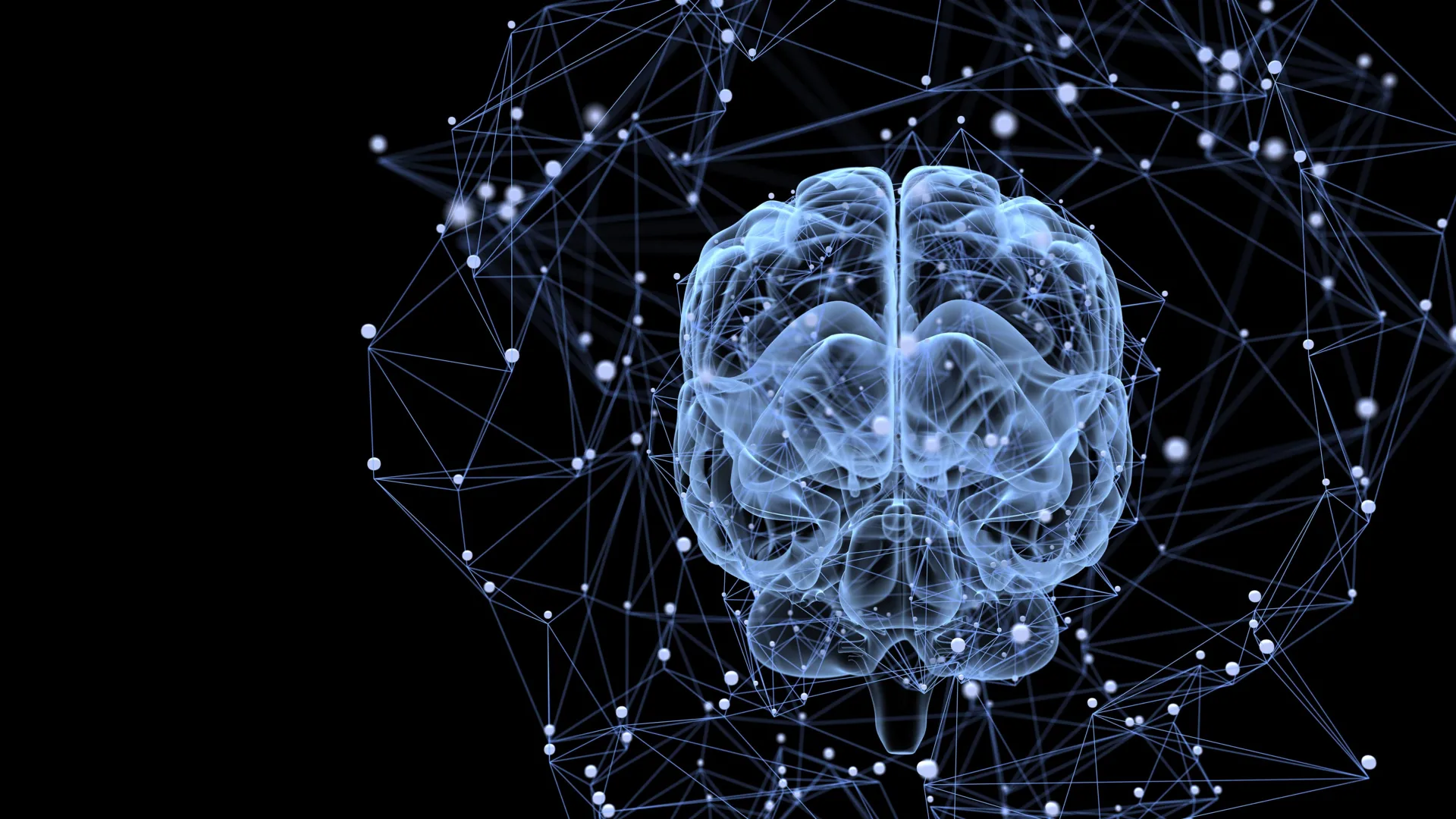
Researchers at Georgetown University Medical Center have identified a way the brain’s learning system can shift depending on the activity of a particular protein. Their work shows that the ability to connect cues with rewarding outcomes can be strengthened or weakened when this protein becomes more or less active. This process helps determine whether the brain responds to signals that lead to positive behaviors or ignores cues tied to harmful habits, including those involved in smoking addiction.
“Our ability to link certain cues or stimuli with positive or rewarding experiences is a basic brain process, and it is disrupted in many conditions such as addiction, depression, and schizophrenia,” says Alexey Ostroumov, PhD, assistant professor in the Department of Pharmacology & Physiology at Georgetown University School of Medicine and senior author of the study. “For example, drug abuse can cause changes in the KCC2 protein that is crucial for normal learning. By interfering with this mechanism, addictive substances can hijack the learning process.”
The study, supported by the National Institutes of Health (NIH), was published December 9 in Nature Communications.
How KCC2 Shapes Dopamine Activity and Reward Learning
The team found that changes in learning can occur when levels of the KCC2 protein shift. When KCC2 levels are reduced, dopamine neurons fire more rapidly, which encourages the formation of new reward associations. These dopamine neurons produce and release dopamine, a neurotransmitter essential for motivation, reward processing, and motor control.
To better understand this relationship, researchers studied rodent brain tissue and monitored the behavior of rats during Pavlovian cue-reward tests. In these classic experiments, a brief sound alerts the rats that a sugar cube is on the way. Beyond analyzing how KCC2 affects the pace of neuron firing, the investigators discovered that neurons firing in a coordinated pattern can amplify dopamine activity in a surprising way. Short bursts of dopamine appear to serve as potent learning signals that help the brain assign meaning and value to shared experiences.
Why Everyday Cues Can Trigger Cravings
“Our findings help explain why powerful and unwanted associations form so easily, like when a smoker who always pairs morning coffee with a cigarette later finds that just drinking coffee triggers a strong craving to smoke,” notes Ostroumov. “Preventing even relatively benign drug-induced associations with situations or places, or restoring healthy learning mechanisms, can help develop better treatments for addiction and related disorders.”
How Diazepam and Other Drugs Influence Neuron Coordination
The researchers also examined whether drugs that act on specific cellular receptors, including benzodiazepines such as diazepam, could alter learning processes. Earlier work showed that shifts in KCC2 production, and therefore in neuron activity, can change how diazepam (valium) produces its calming effects in the brain. The current study adds another layer to this understanding by showing that neurons do more than increase or decrease activity. They can coordinate their firing patterns, and when that coordination occurs, they transmit information more effectively. The team found that diazepam can support this coordinated activity in their experiments.
Methods and the Importance of Using Rats for Behavioral Tests
“To reach our conclusions, we combined many experimental approaches, including electrophysiology, pharmacology, fiber photometry, behavior, computational modeling, and molecular analyses,” says the study’s first author Joyce Woo, a PhD candidate in Ostroumov’s lab.
She explained that rats were chosen for the behavioral portion of the research because they typically perform more consistently than mice on longer and more complex tasks. Their reliability in reward-learning experiments allowed the research team to gather more stable and informative data.
Broader Implications for Brain Disorders and Treatment Strategies
“We believe these discoveries extend beyond basic learning research,” says Ostroumov. “They reveal new ways the brain regulates communication between neurons. And because this communication can go wrong in different brain disorders, our hope is that by preempting these disruptions, or by fixing normal communication when it’s impaired, we can help develop better treatments for a wide range of brain disorders.”
Additional Georgetown contributors include Ajay Uprety, Daniel Reid, Irene Chang, Aelon Ketema Samuel, Helena de Carvalho Schuch and Caroline C Swain.
Ostroumov and his co-authors report having no personal financial interests related to the study.
This work was supported by NIH grants MH125996, DA048134, NS139517, DA061493, as well as grants from the Brain & Behavior Research Foundation, the Whitehall Foundation and the Brain Research Foundation.
Researchers and the UK regulator say the study is going to help improve care for children questioning their gender.
The BBC visits Leicester Royal Infirmary to witness first-hand how it’s coping with an early surge in cases of winter bugs.
Deal put forward by ministers includes rapid expansion of training posts, but no promises on pay.

Beneath Earth’s molten outer core is a dense central region — the inner core, a compact sphere made of an iron and light-element alloy squeezed by more than 3.3 million atmospheres and heated to temperatures comparable to the Sun’s surface. For many years, researchers have struggled to explain its unusual behavior. Even though the inner core is solid, it behaves like a softened metal, slowing seismic shear waves and displaying a Poisson’s ratio more similar to butter than to steel. This paradox raised a fundamental question: how can the planet’s solid center appear firm yet strangely pliable?
A major study published in National Science Review offers a strong explanation. The research team reports that Earth’s inner core is not behaving like a conventional solid — instead, it exists in a superionic state in which light elements move through a stable iron framework as if they were liquid. This finding reshapes our picture of the planet’s deepest layer.
The investigation, led by Prof. Youjun Zhang and Dr. Yuqian Huang of Sichuan University, together with Prof. Yu He from the Institute of Geochemistry, Chinese Academy of Sciences, demonstrates that iron-carbon alloys shift into a superionic phase under the inner core’s extreme conditions. In this environment, carbon atoms zip through the iron lattice at high speeds, greatly reducing the alloy’s stiffness.
“For the first time, we’ve experimentally shown that iron-carbon alloy under inner core conditions exhibits a remarkedly low shear velocity.” said Prof. Zhang. “In this state, carbon atoms become highly mobile, diffusing through the crystalline iron framework like children weaving through a square dance, while the iron itself remains solid and ordered. This so-called “superionic phase” dramatically reduces alloy’s rigidity.”
Experimental Evidence Confirms Previous Predictions
Although computer simulations in 2022 suggested the inner core might take on this exotic form, confirming it in the laboratory had proven difficult — until now. Using a dynamic shock compression platform, the researchers propelled iron-carbon samples to 7 kilometers per second, achieving pressures of up to 140 gigapascals and temperatures near 2600 kelvin, closely reproducing the environment found in the inner core.
By pairing in-situ sound velocity measurements with advanced molecular dynamics simulations, the team detected a dramatic loss of shear wave speed and a sharp increase in Poisson’s ratio. These results align with the unexpectedly soft seismic characteristics recorded within Earth. On an atomic level, the data showed carbon atoms moving freely through iron’s orderly structure, weakening it without causing the lattice to collapse.
A Superionic Core That Shapes Earth’s Dynamics
The superionic model not only accounts for long-standing seismic anomalies but also expands our understanding of how the inner core contributes to Earth’s internal processes. The motion of light elements may explain seismic anisotropy — directional variations in seismic wave speeds — and could also play a role in sustaining Earth’s magnetic field.
“Atomic diffusion within the inner core represents a previously overlooked energy source for the geodynamo,” said Dr. Huang. “In addition to heat and compositional convection, the fluid-like motion of light elements may help power Earth’s magnetic engine.”
The study also clarifies debates over the behavior of light elements under extreme pressure. Earlier research focused mainly on compounds or substitutional alloys, but this work highlights the key role of interstitial solid solutions (especially those involving carbon) in controlling the core’s physical properties.
A Shift in How Scientists View Earth’s Center
According to Prof. Zhang, these findings represent a major change in how scientists interpret the inner core. “We’re moving away from a static, rigid model of the inner core toward a dynamic one,” he explained.
The implications extend beyond Earth. Identifying a superionic phase in the inner core could also improve our understanding of magnetic and thermal evolution in other rocky planets and exoplanets. As Zhang notes, “Understanding this hidden state of matter brings us one step closer to unlocking the secrets of Earth-like planetary interiors.”
This research was supported by the National Natural Science Foundation of China, the Sichuan Science and Technology Program, and the CAS Youth Interdisciplinary Team.

Climate change, including extreme heat and frequent heat waves, is already known to harm ecosystems, agriculture, and human health. New evidence now suggests that increasing temperatures may also slow key aspects of early childhood development.
Published in the Journal of Child Psychology and Psychiatry, the study reports that children who experienced unusually warm conditions, specifically average maximum temperatures above 86 °F (30 °C), were less likely to reach expected literacy and numeracy milestones when compared to children living in cooler environments.
“While heat exposure has been linked to negative physical and mental health outcomes across the life course, this study provides a new insight that excessive heat negatively impacts young children’s development across diverse countries,” says lead author Jorge Cuartas, assistant professor of applied psychology at NYU Steinhardt. “Because early development lays the foundation for lifelong learning, physical and mental health, and overall well-being, these findings should alert researchers, policymakers, and practitioners to the urgent need to protect children’s development in a warming world.”
Large International Dataset Reveals Clear Patterns
Cuartas and his colleagues examined information from 19,607 children between the ages of three and four from Gambia, Georgia, Madagascar, Malawi, Palestine, and Sierra Leone. These countries were chosen because they provide detailed data on child development, household living conditions, and climate, allowing researchers to estimate the amount of heat each child experienced.
To evaluate development, the team used the Early Childhood Development Index (ECDI), which tracks milestones in four areas: reading and number-related skills (literacy and numeracy), social-emotional development, approaches to learning, and physical development. The researchers combined ECDI information with 2017-2020 data from the Multiple Indicator Cluster Surveys (MICS), which include demographic and well-being indicators such as education, health, nutrition, and sanitation. By merging these datasets with climate records showing average monthly temperatures, they explored potential connections between heat exposure and early development.
Higher Temperatures Linked to Missed Milestones
The researchers found that children who experienced average maximum temperatures above 86 °F (30 °C) were 5 to 6.7 percent less likely to meet basic literacy and numeracy benchmarks than children exposed to temperatures below 78.8 °F during the same season and in the same region. Children in economically disadvantaged households, homes with limited access to clean water, and densely populated urban areas showed the strongest impacts.
“We urgently need more research to identify the mechanisms that explain these effects and the factors that either protect children or heighten their vulnerability. Such work will help pinpoint concrete targets for policies and interventions that strengthen preparedness, adaptation, and resilience as climate change intensifies,” says Cuartas.
This study was co-authored by Lenin H. Balza of the Interamerican Development Bank, Andrés Camacho of the University of Chicago, and Nicolás Gómez-Parra of the Interamerican Development Bank.
Some children have already died and only a minority who inherit the mutation will escape cancer in their lifetimes.
