Baroness Hallet says ministers failed to take “decisive action” against an “entirely foreseeable” variant.


Baroness Hallet says ministers failed to take “decisive action” against an “entirely foreseeable” variant.
The study aims to find the best way to detect prostate cancer – the most common cancer in men in the UK.
The report looks at whether lockdowns were timely and reasonable, and what impact rule-breaking at the heart of government had on public confidence.
Boris Johnson, Dominic Cummings and Matt Hanock are all criticised for contributing to poor Covid decision-making.
Report on government decision-making says delays cost 23,000 lives in the first wave in England.
The long-awaited report is published into how well or badly the government handled the Covid pandemic.
The new code of practice on access to single-sex services cannot gain legal force until it gets sign-off from ministers.
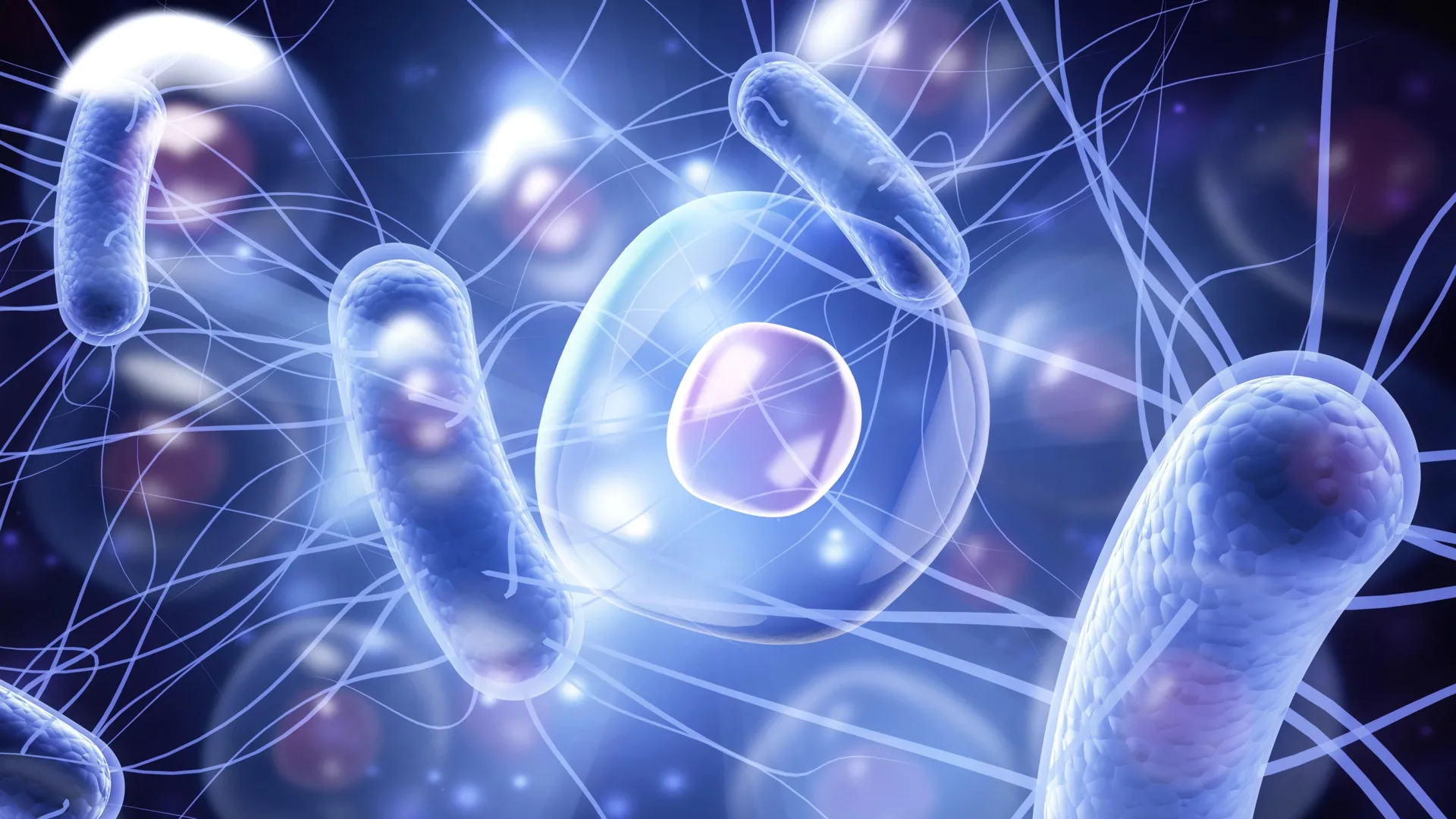
A newly released study describes how researchers collaborated to design the first comprehensive roadmap for protecting microbial life. The effort was led by Professor Jack Gilbert, President of Applied Microbiology International.
The work appears in the article titled ‘Safeguarding Microbial Biodiversity: Microbial Conservation Specialist Group (MCSG) within the Species Survival Commission of the International Union for Conservation of Nature (IUCN)’, published in Sustainable Microbiology, an AMI journal.
Launching a New Global Effort Through the IUCN
In July 2025, the IUCN formally created the MCSG within its Species Survival Commission. The group is co-chaired by Professor Gilbert and Raquel Peixoto (KAUST / ISME). Its formation followed a May workshop led by Professor Gilbert that brought together conservation specialists and microbiologists to explore how traditional conservation goals apply in a world driven by microbial processes.
“This is the first global coalition dedicated to safeguarding microbial biodiversity, which is the ‘invisible 99% of life’, to ensure that microbes are recognized as essential to the planet’s ecological, climate, and health systems,” Professor Gilbert said.
He added: “I think this reframes conservation from saving individual species to preserving the networks of invisible life that make visible life possible — a paradigm shift toward planetary health. It also gives us a really good look into the microbial tools that can support conservation action — so that we may use microbiology to solve the world’s biggest problems.”
Why Microbial Biodiversity Matters for the Planet
Microbes are central to soil fertility, carbon cycling, marine productivity, and the health of plants and animals. Despite this, they rarely appear in conservation policy. Professor Gilbert noted that overlooking microbial diversity weakens climate resilience, food security, and ecosystem restoration efforts. He explained: “The MCSG fills this gap by embedding microbiology directly into IUCN’s conservation machinery, i.e. using Red List criteria, ecosystem assessments, and restoration programs, to make microbes visible in policy, not just in science.”
Building a Global Network to Guide Microbial Conservation
Over the past two years, the founding members have assembled an international community of microbiologists, ecologists, legal experts, and Indigenous knowledge holders from more than 30 countries. Together, they created the first microbial conservation roadmap, outlining five core components of the IUCN Species Conservation Cycle:
Early work is supported by funding from the Gordon & Betty Moore Foundation, along with in kind support from AMI and ISME. This first phase focuses on mapping microbial hotspots, building conservation indices, and linking existing microbial biobanks into a coordinated global archive.
Overcoming Scientific and Ethical Challenges
Professor Gilbert explained that creating a conservation framework for microscopic life comes with complex scientific and conceptual barriers. These challenges include:
“Microbial conservation must contend with enormous unseen diversity and highly dynamic community structures that defy classical species concepts. Taxonomic instability, lack of long-term baselines, and the ethical handling of microbial samples (including Indigenous or human-associated microbiota) all require new definitions of ‘loss’, ‘restoration’, and ‘rights of microbes’,” he said.
He added, “But a major landmark came when the IUCN approved the MCSG as a formal Specialist Group — officially extending global conservation to microbes for the first time.”
Plans for the Next Phase of Conservation Work
The group’s upcoming goals include:
What Is Needed for Long-Term Progress
Sustained investment will be essential to expand global microbial monitoring networks. Future progress also depends on integrating microbes into national biodiversity and climate strategies, including “30 by 30” and One Health policies. Another key priority is building “public microbial literacy — recognizing microbes as the foundation of ecosystem and human health.” The roadmap also highlights the importance of digital-twin and AI tools to anticipate how microbial communities will respond to environmental change.
The paper was published today (November 20) in Sustainable Microbiology.

The world’s oceans are expected to play a key part in drawing carbon dioxide out of the atmosphere to help slow dangerous climate warming. A central question is whether the technologies designed for this role are ready to be expanded.
According to an expert panel reporting to the European Union, the answer is no.
At least, not yet — not until there are strong safeguards proving that these methods, known as marine carbon dioxide removal technologies, function as intended and do not create new environmental problems.
Marine carbon dioxide removal approaches rely on the ocean’s natural capacity to absorb carbon. Some strategies use biological processes, such as increasing plankton or seaweed growth so they can take up carbon dioxide as they develop. Others rely on chemical or physical techniques, including systems that directly remove carbon dioxide from seawater.
Once carbon is extracted from the upper layers of the ocean, it can be stored in deep-sea sediments, on the ocean floor, in the deep ocean, in geological formations, or in products designed to last for long periods.
Protecting the Ocean While Exploring New Climate Tools
“This is about safeguarding the oceans for a common good. The oceans can be part of the climate solution, but we need to strengthen the way we safeguard them before we scale things up,” said Helene Muri, a senior researcher at NILU, the Norwegian Institute for Air Research and the Norwegian University of Science and Technology (NTNU).
Muri led an expert group formed by the European Marine Board to evaluate the issue.
The group’s findings appear in a new report, “Monitoring, Reporting and Verification for Marine Carbon Dioxide Removal,” released during COP30, the UN climate conference now taking place in Brazil.
Rising Temperatures and the 1.5°C Threshold
Earth’s temperature is rising more quickly than countries expected when they agreed in Paris to keep global warming within 1.5°C above “pre-industrial levels.”
During his opening remarks at the COP30 Leaders’ Summit on November 6, UN General Secretary António Guterres called attention to the seriousness of the climate outlook.
“Science now tells us that a temporary overshoot beyond the 1.5°C limit — starting at the latest in the early 2030s — is inevitable,” he said. “Let us be clear: the 1.5°C limit is a red line for humanity. It must be kept within reach. And scientists also tell us that this is still possible.”
The European Marine Board report stresses that immediate action must focus on approaches already known to work — namely cutting emissions. “We know how to cut emissions, and we have lots of methods that work,” Muri said. “That has to take top priority.”
Why Carbon Removal Is Still Needed
If the main goal is to reduce emissions to zero, why consider removing carbon dioxide from the ocean at all?
The answer lies in the reality that some sectors are far harder to make carbon free. Although shifting away from fossil fuels toward solar and wind power is achievable, certain technologies and products remain difficult to decarbonize. Air travel is one example. Despite extensive research, carbon-free flight is still out of reach, and some travel cannot be avoided.
To meet climate targets, countries aim to reach net zero by 2050. This means any remaining emissions must be balanced by removing an equivalent amount of carbon dioxide.
Reaching the 1.5°C target requires going further to achieve net negative emissions. Societies would need to eliminate all emissions they reasonably can, then counterbalance the “residual” emissions that cannot be removed.
“We must have a net removal of carbon dioxide from the atmosphere to get to 1.5°C and that means that you will likely have some residual emissions from some sectors, such as shipping and aviation, and some industries,” Muri said. “And then you will have relatively large scale removal of carbon dioxide from the atmosphere as well, so that the net is at about between 5 to 10 gigatons of CO2 removed per year towards the end of the century, according to scenarios by the IPCC.”
For context, global CO2 emissions were 42.4 gigatons in 2024, according to CICERO, the Oslo-based Center for International Climate Research.
Land-based approaches for handling this residual carbon already exist. The most established method is afforestation. Another example is the Climeworks direct air capture facility in Iceland, where air is drawn through filters that trap CO2. The captured CO2 is then mixed with water and injected into bedrock, where it turns into stone.
Marine Carbon Removal Is Still in Early Stages
A number of field trials have tested different marine carbon removal techniques, but many remain in the early development stage. Others are advancing more quickly. This is why establishing standards for monitoring, reporting, and verifying results is essential.
Technical and Scientific Challenges
Some ocean-based carbon removal methods resemble familiar land-based efforts. Planting trees or protecting forests to capture carbon has long been used on land. Similarly, certain marine strategies focus on restoring or protecting coastal ecosystems such as mangrove swamps.
Other approaches involve more direct intervention, such as adding iron or other nutrients to stimulate plankton growth. These large blooms absorb carbon dioxide, and when they sink, they carry carbon deep into the ocean. That is the expectation, at least.
The challenge, Muri says, is determining how well these methods actually perform.
How can a company prove how much extra carbon dioxide its technology removes?
If carbon is stored in the deep ocean, how long will it stay there?
And with many agencies, treaties, and protocols involved internationally, which organization should be responsible for oversight, and how should verification be handled?
Ideally, “you monitor what is the background state of carbon (in the ocean) and then you implement your project and make sure that you have removed carbon from the atmosphere. And you try to monitor how much carbon that you have removed and how long it is staying away from the atmosphere. And then you report that to some independent party and then it verifies that what you’re saying is correct,” Muri said.
The Ocean Is Constantly Changing
The complication, she says, is that storing carbon in the ocean itself makes tracking and management far more difficult.
“If you’re storing it in the ocean, in some form or another, not in a geological reservoir, it’s a lot harder to to govern it and also monitor it. The ocean doesn’t stay put,” she said.
Carbon Credits and Environmental Considerations
These challenges become even more important as technologies advance to the point where companies or governments may seek credit for removing carbon dioxide.
Some companies have already started moving in this direction, Muri says.
“None of these methods are mature to use if you cannot verify impacts or where the carbon goes, or how long it stays away from the atmosphere,” Muri said.
“If we want to be serious about figuring out if you can do marine carbon dioxide removal in responsible ways that can make meaningful contributions, then we have to get serious about the monitoring, reporting and verification aspects,” she added.
“The credit part of it also has to work right. You have to have reliable and transparent and scientifically defensible crediting systems.”
Environmental impacts must also be thoroughly reported, Muri said.
Looking Ahead
Despite the uncertainties surrounding marine carbon removal, “all future scenarios are showing us that we will need carbon dioxide removal in order to reach our most ambitious temperature goal,” Muri said. This conclusion appears repeatedly in IPCC assessments, particularly the 2018 special report on Global Warming of 1.5°C.
“We don’t know all the threats of these immature methods yet, but it’s a bit hard to just take them off the table because they’re uncomfortable to think about,” she said.
Even so, she stressed that marine carbon removal is not a “miracle ocean fix to climate change.” As she put it, “Some people are really hoping to find an answer in the ocean, but in our opinion, we’re not there yet.”
“And there’s a question of whether it can be a scientifically governed climate solution, and we don’t have the answer to that yet. But if we want to go in that direction, then we need to clear up all of these standards and establish these properly before we can scale things up,” she said.
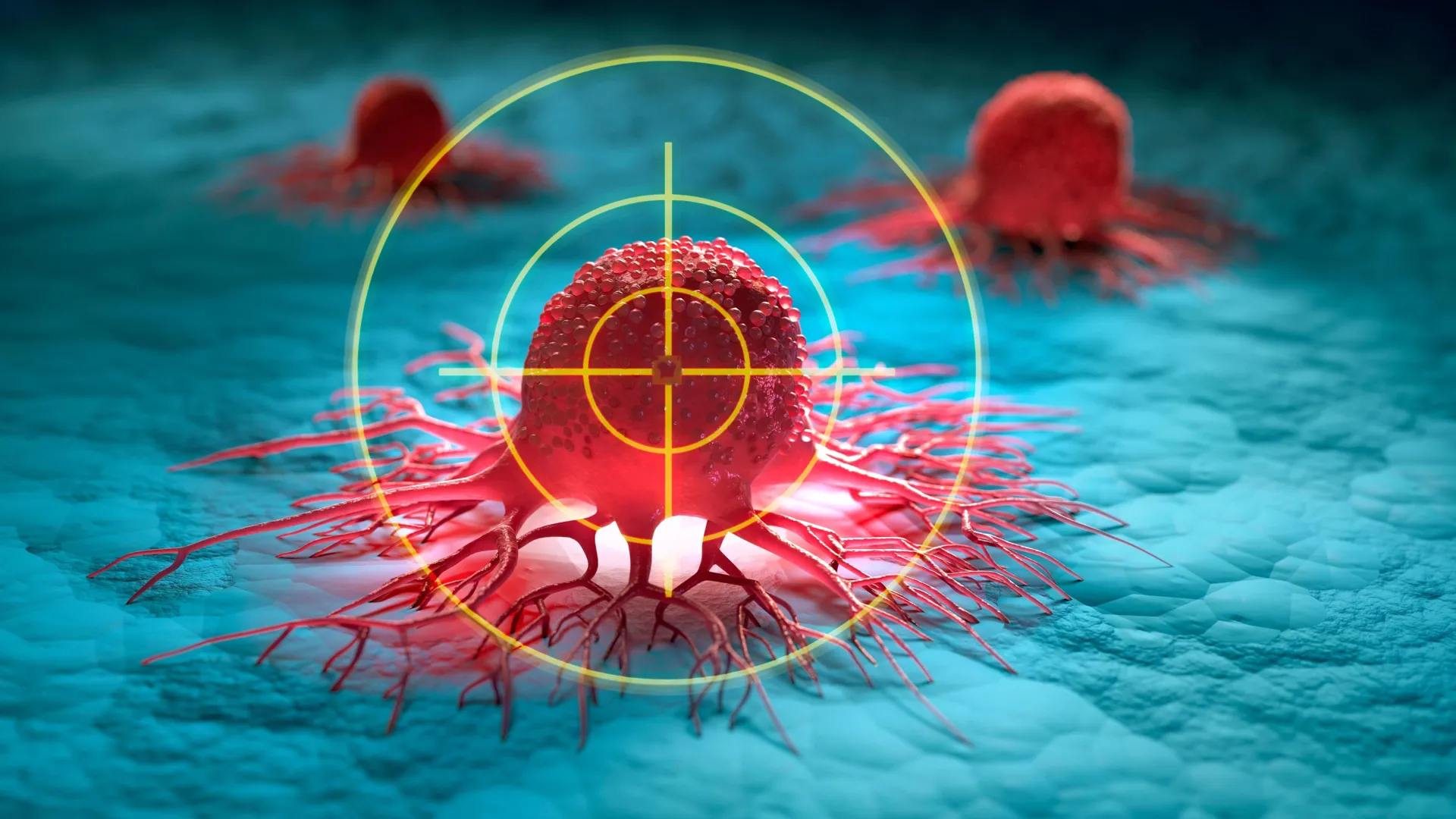
A new study has identified a molecular cue that cancer cells use to exhaust the T cells responsible for destroying them, and the findings show that shutting down this signal may help restore the body’s immune defenses. The work, led by researchers at Weill Cornell Medicine and published Nov. 17 in Nature Immunology, reveals that tumors do more than slip past the immune system. They can also alter immune cells in ways that reduce their ability to fight back.
“Our dream is to make immune-based therapies available to every patient. To overcome resistance, we must unlock the power of exhausted T cells, reviving them to destroy cancer. This discovery moves us closer to a future where the immune system itself defeats tumors,” said the study’s co-senior author, Dr. Taha Merghoub, Margaret and Herman Sokol Professor in Oncology Research, and professor of pharmacology at Weill Cornell Medicine.
Why Immunotherapies Sometimes Fall Short
Modern immunotherapies have reshaped cancer treatment by boosting the body’s own defense system. However, not all patients benefit, and even those who do may see their response diminish as their T cells become overworked.
“Our findings reveal a completely new way that tumors suppress the immune system,” said co-senior author Dr. Jedd Wolchok, the Meyer Director of the Sandra and Edward Meyer Cancer Center, professor of medicine at Weill Cornell and an oncologist at NewYork-Presbyterian/Weill Cornell Medical Center. “By blocking this pathway, we can help exhausted T cells recover their strength and make existing immunotherapies work better for more patients.”
How T Cells Lose Their Ability to Fight
T cell exhaustion occurs when the immune system faces long-term infections or persistent tumor activity. Under these conditions, T cells can still recognize harmful cells, yet they stop attacking. “So, they’re primed, but they’re no longer killing,” explained Dr. Merghoub, who is also deputy director of the Meyer Cancer Center and co-director of the Parker Institute of Cancer Immunotherapy at Weill Cornell. He added that although this loss of activity seems harmful, it can prevent uncontrolled inflammation and sepsis.
Earlier studies showed that a surface protein called PD1 contributes to this exhaustion process. Drugs known as checkpoint inhibitors target PD1 and have already proven effective at reviving T cells in cancers such as melanoma.
CD47 Emerges as a Second Immune Brake
The research team set out to determine whether CD47, a molecule found on cancer cells, also plays a role in pushing T cells toward exhaustion. Previous work revealed that tumors use CD47 as a “don’t eat me signal” to prevent certain immune cells from ingesting them.
What surprised the scientists was discovering that T cells themselves display CD47. “When T cells are activated, they express CD47. And when they get exhausted, they increase CD47 to very high levels,” Dr. Merghoub said.
Experiments showed that mice lacking CD47 had slower tumor growth, suggesting the exhaustion effect came from CD47 on immune cells rather than on cancer cells. In further tests, T cells missing CD47 were more effective against melanoma tumors than T cells that still carried the protein.
Thrombospondin-1 and CD47 Work Together to Exhaust T Cells
The team then investigated how cancer cells might manipulate this process. Their attention turned to thrombospondin-1, a large protein produced by metastatic cancer cells that binds to CD47. When mice were engineered to lack thrombospondin-1, their T cells showed fewer signs of exhaustion.
“That was the real eureka moment,” said Dr. Merghoub. “It showed us that CD47 and thrombospondin are clearly key players because eliminating either one gives you the same effect.”
Disrupting the Exhaustion Signal With TAX2
To understand the interaction more closely, the researchers used a peptide called TAX2, which was designed to block the connection between CD47 and thrombospondin-1. The results were clear: TAX2 helped maintain T cell activity and slowed tumor progression in mice with melanoma or colorectal cancer.
T cells in treated animals stayed more active, released more immune-boosting cytokines, and were better at entering tumors. TAX2 also enhanced the effectiveness of PD1 immunotherapy in colorectal tumor models.
“We used the TAX2 peptide as a proof-of-concept to confirm that disrupting the crosstalk between TSP-1 and CD47 prevents T cell exhaustion in mice with tumors,” said Dr. Chien-Huan (Gil) Weng, an instructor in pharmacology and the study’s lead author. “Next, we plan to study both upstream and downstream modulators that regulate the TSP-1:CD47 pathway and develop means to selectively, effectively and safely disrupt this pathway to improve T cell-based cancer immunotherapy.”
Toward Stronger, Longer-Lasting Immune Therapies
Blocking this interaction could serve as an effective therapy by itself and may also help sustain tumor-targeting T cells in patients who are at risk of becoming resistant to current immune checkpoint treatments. According to Dr. Merghoub, early experiments in animal models suggest that inhibiting both PD1 and CD47 creates T cells that are significantly better at destroying cancer cells. “We plan to explore this therapeutic angle.”
Many Weill Cornell Medicine physicians and scientists collaborate with external organizations to advance scientific research and provide expert guidance. These relationships are disclosed publicly for transparency. Profiles for Dr. Taha Merghoub and Dr. Jedd Wolchok contain details about these affiliations.
This research received support from the National Institutes of Health grant #R01-CA249294; National Cancer Institute, Cancer Center Support Grant P30CA008748; the Department of Defense grants W81XWH-21-1-0101 and W81XWH-20-1-0723; Swim Across America; the Ludwig Institute for Cancer Research; the Ludwig Center for Cancer Immunotherapy at Memorial Sloan Kettering; the Cancer Research Institute; the Parker Institute for Cancer Immunotherapy; and the Breast Cancer Research Foundation grants BCRF-22-176 and BCRF-23-176.
