Doctors treating Tafida Raqeeb in the UK have said it is in her best interests to be allowed to die.


Doctors treating Tafida Raqeeb in the UK have said it is in her best interests to be allowed to die.
Finding could lead to the first treatment for the devastating disease.

If you struggle with anxiety, you might want to skip that second cup of coffee, new research suggests.
For some people, caffeine may help with concentration and provide an energy boost, but it can cause problems for those with general anxiety disorder, said Dr Julie Radico, a clinical psychologist with Penn State Health.
“Caffeine is not the enemy,” she said in a university news release. “But I encourage people to know healthy limits and consume it strategically because it is activating and can mimic or exacerbate the symptoms of anxiety.”
Low doses of caffeine are in the range of 50mg to 200mg. Consuming more than 400mg at once may lead to feeling overstimulated and anxious, and bring on symptoms such as racing heart, nausea or abdominal pain.
Anxiety is a common problem, but many patients and their doctors don’t think about caffeine as a potential contributing factor, said Dr Matthew Silvis, vice chair of clinical operations in the division of family medicine at Penn State Health.
“We want people to consider whether there may be a connection between their caffeine consumption and anxiety,” he said.
As well as being a potential problem for people with anxiety, caffeine can interact negatively with medications for seizure disorders, liver disease, chronic kidney disease, certain heart conditions or thyroid disease, Silvis noted.
“Medical disorders that a patient may already have can become more difficult to control,” he said.
In terms of amounts of caffeine, an average cup of home-brewed coffee has about 100 mg, compared with 250 mg in a tall Starbucks coffee and as much as 400mg in energy drinks. A can of Mountain Dew has 55mg while a can of Coca-Cola has 35mg.
Many vitamin and sports or nutritional supplements also contain caffeine, but many people don’t think to check the labels of those products, Silvis added.
Image credit: iStock
NEXT ON HEALTH24X

Last year, I ran my very first marathon and enthusiastically promised myself afterwards that I would do it again. Now, midway through the year, I realise that I need to keep that promise. A lot happened in the meantime – traveling, work, life… and running sometimes took a back seat.
So I signed up for the Sanlam Cape Town Marathon 2019, confident that I had built and maintained a fairly good base.
But now the work has to start. Besides the obvious steps (increasing your weekly distance gradually, doing quality speedwork sessions, focusing on your longer runs), there are other steps that I need to take:
1. Clean up my eating
Increasing my weekly amount of kilometres will also increase my appetite, but that doesn’t mean I should ingest every morsel of food I crave. Food is fuel, and you can never outrun a bad diet. While I’m not suddenly restricting portions and food types, I want to attempt to “clean up” my eating to fuel myself for optimum training. This means a breakfast that doesn’t consist of a croissant and a cappuccino; a healthy midmorning snack (a combination of protein and fibre like nuts and a fruit); a substantial lunch to fuel me for my afternoon run; and a light, yet filling supper (lean protein, a good carb and plenty of green vegetables).
And instead of grabbing a greasy breakfast after a Saturday run, I will be much better off refuelling with a balanced breakfast consisting of fibre and protein (a smoothie with yoghurt, a portion of fruit and spinach).
2. Go teetotalling – but not totally
While everyone has a different take on the consumption of alcohol during their training, I find I feel fresher and sleep better when I forgo my glass of wine in the evening. With weekend runs becoming longer on Saturday mornings, that Friday night tipple is not the best idea, as alcohol at night can lead to poor sleep. Alcohol can also cause inflammation in the body and hinder optimum muscle recovery. Another thing is that as alcohol is a diuretic, a beer or two after a training run may counteract the hydration that is key to proper recovery.
Also, running with a hangover is an extremely bad idea and very unpleasant…
3. Roll out the yoga mat (and dust off the dumbbells)
If you think that marathon running involves pounding the pavement non-stop, you are wrong. Even though you feel you should be running every day, this is not what you should be doing. Strengthening your core and glutes is beneficial for remaining strong and injury-free. I’m not the biggest fan of the gym, and I find that incorporating a strength-training workout at home that requires no equipment besides dumbbells, my body weight and a yoga mat works fine for me.
4. Take magnesium
Hitting the road during the week is hard if you are still recovering from a weekend long run. However, taking a magnesium supplement may aid muscle recovery and make it easier to ease into your weekly routine.
5. Get more sleep
Oh, this is difficult, but not getting enough shut-eye can jeopardise all your other efforts. Sleep is crucial for the body to recover and the muscles to regenerate, as they take a massive beating during every run. I struggle to sleep through the night, and feeling tired the next day can severely impact the quality of my eating (hello, sugary snacks!) and workouts (I tend to skip a run altogether if I feel tired and run-down). In the lead-up to the marathon I might make a conscious effort to clean up my “sleep hygiene”, which means fewer reality shows and more reading before bed, decluttering a messy bedroom, avoiding doing any work or reading emails in bed, and maybe even a drop of lavender oil on my pillow to aid relaxation.
Image credit: iStock
NEXT ON HEALTH24X

One woman says she experienced severe pain, tiredness, hair loss and allergies because of the condition.
Countries must work together to tackle global health risks, England’s outgoing chief medical officer warns.

“Broken heart syndrome” may harm more than just the heart, new research suggests.
While the extreme stress of losing a loved one has been linked to heart troubles in prior research, a new study found that one in six people with broken heart syndrome also had cancer.
Even worse, they were less likely to survive their cancer five years after diagnosis.
“There seems to be a strong interplay between Takotsubo syndrome [broken heart syndrome] and malignancies,” said study senior author Dr. Christian Templin. He’s director of acute cardiac care at University Hospital Zurich in Switzerland.
“Therefore, it should be recommended for Takotsubo syndrome patients to participate in cancer screening to improve overall survival,” he said, adding that the reverse is also true. Still, the study did not prove that one causes the other.
Broken heart syndrome causes sudden intense chest pain and shortness of breath that can be mistaken for a heart attack. These symptoms are a reaction to a sudden surge in stress hormones, according to the American Heart Association (AHA).
The condition causes the heart’s main pumping chamber to enlarge, the researchers said. And that means the heart can’t pump blood effectively.
Major trauma and stress
Broken heart syndrome can happen after just about any intensely emotional experience. The death of a loved one, a breakup or divorce, financial problems and even an intensely positive experience like winning the lottery can trigger broken heart syndrome, the AHA said.
Major physical stress can also trigger broken heart syndrome. A physical trauma or surgery, respiratory failure and infections are examples of physical stresses that can contribute to broken heart syndrome, the study noted.
The new study included just over 1 600 people with broken heart syndrome. The participants were recruited at 26 medical centres in nine different countries, including eight European countries and the United States.
Among those diagnosed with cancer, most were women (88%) and their average age was 70.
Elevated number of cancer cases
The incidence of cancer cases was much higher than would normally be expected, Templin said. That was true for both genders and all age groups.
For example, in women aged 44 years and younger, the expected rate of cancer is 0.4%, but for those with broken heart syndrome it was 8%. In men 45 to 64 years old, the expected rate of cancer was 2%, but in those with broken heart syndrome, it was 22%.
In both older men and women, the expected cancer cases were more than double what would be expected for those with broken heart syndrome.
The most common type of cancer was breast cancer. Other cancers affected areas including the digestive system, the respiratory tract, internal sex organs and the skin.
People who also had cancer were more likely to have a physical trigger for broken heart syndrome than an emotional one, the findings showed.
Factors considered
Templin said it’s not clear from this study exactly how these conditions are linked, though he noted that stress from a cancer diagnosis might trigger broken heart syndrome. It’s also possible that metabolic or hormonal changes caused by cancer could increase the risk of broken heart syndrome.
Dr. Guy Mintz, director of cardiovascular health and lipidology at Northwell Health’s Sandra Atlas Bass Heart Hospital in Manhasset, N.Y., said, “Many cancer patients have both significant emotional stress and multiple medical interventions, the most common triggers found in this study.”
But he noted that “the study was too small and the cancers too variable to draw conclusions regarding a direct mechanism and the interaction of the two diagnoses on longevity.”
Mintz said it’s important for physicians to be aware of the link between broken heart syndrome and cancer so that doctors – including primary care, cancer and heart doctors – can intervene earlier in the course of either condition.
The findings were published online in the Journal of the American Heart Association.
Image credit: iStock


So there you are, settling into your stride about halfway through a run, when a sudden pain punches you square in the chest. As the feeling tightens, you clutch your collar in a panic. Is it a totally random heart attack? Well, don’t race to conclusions just yet. Although experiencing chest pain while running is downright frightening, they could be signalling a number of issues that run the gamut from serious to not so scary.
“Chest pain that occurs while running may have a variety of causes,” says Dr David Friedman, chief of heart failure services at Long Island Jewish Valley Stream Hospital. “While it’s important not to ignore pain, not all chest pain while running is cause for concern.”
Chest pain or chest pressure during exercise can occur in recreational runners, as well as in athletes who are in excellent shape, says Dr Jennifer Mieres, professor of cardiology at the Zucker School of Medicine at Hofstra. “There are many possible causes which span the spectrum from benign to life-threatening, so it’s important for everyone who exercises to be able to recognise the signs and symptoms that indicate when chest pain or pressure during a run is a marker of a potentially serious issue such as heart disease or asthma.”
Ok, noted. In order from least to most severe, here are the five most common reasons why your chest could hurt during a run, plus what to do if you think you’re experiencing them.
1. You’re new to running
Jumping in to a new jogging routine can be physically taxing — especially when you’re a rookie. If you haven’t had much training in the sport, it could be that you’re working out at a rate or intensity that your body isn’t accustomed to yet.
“You need to back off and be more realistic about what you’re trying to accomplish,” says Janet Hamilton, exercise physiologist, and lead running coach for Running Strong in Atlanta. She suggests warming up with a walk, then easing your way into a relaxed running pace. “If you can recite the national anthem as you’re running, then you’re probably running at the right effort,” she says. “If you’re having a hard time chatting, slow down.”
Heavy respiration during a run may be painful at first, but the strain typically goes away with consistent practice. Also, it goes without saying that any new workout regimen you’re considering should be cleared by your doctor first.
READ MORE: 7 Weird Signs You Might Have a Heart Problem
2. The muscles in your chest are cramping
Just like the muscles in your legs, the muscles surrounding your rib cage (called “intercostal muscles”) are also prone to cramping while you’re pounding the pavement. This sharp pain is highly localized — meaning you can usually put a finger on exactly where it hurts — and might worsen with movement. According to Friedman, dehydration or electrolyte depletion could be the culprits behind the spasms.
Since there’s not much you can do to strengthen your intercostal muscles anyway, try refuelling with some water and changing up your breathing pattern. “If you tend to breathe on a symmetrical rhythm (for example, in for two steps, out for two), you may want to play with breathing in an asymmetrical rhythm (inhale for two steps, exhale for three) so that you’re constantly switching which leg is in weight-bearing position when breathing is initiated,” says Hamilton.
3. You have heartburn
You may not realise it, but jogging piles a ton of pressure on to your digestive system. For one thing, Dr. Friedman explains, the increased tension within the abdomen causes the oesophagal sphincter (the muscle at the bottom of the oesophagus that keeps your stomach contents from rising into your throat) to relax, contributing to heartburn.
To ease the sensation and keep your food in your stomach where it belongs, he advises forgoing heavy meals before runs. If you do eat prior to hitting the road, stay away from trigger foods — that is, anything spicy, fried, or caffeinated. “You may also want to monitor the foods you consume before runs to determine if a particular food doesn’t sit well with you,” says Hamilton. “If you’re burping if you run after eating a banana, then switch to something else as your pre-run snack.”
READ MORE: 9 Heart Disease Facts Every Woman Needs To Know
4. You have an unaddressed lung condition, like asthma
Here’s where things get dicey. There are a few different pulmonary issues that can spark pain during a sprint, the most common of which is asthma. Pre-workout medication can help prevent an exercise-induced asthma attack, and a rescue inhaler should always be kept on hand during a run if you’re a diagnosed asthmatic. “If you don’t quickly respond to your inhaler, this could signify worsening breathing mechanics and the need for urgent care,” says Dr. Friedman. Stop running, and if you do not get relief within a few minutes, and have symptoms of shortness of breath and wheezing, consult your doctor, notes Dr. Mieres. If symptoms progress, call 112.
Other dangerous — but less common — causes include pneumothorax (a leakage of air into the space between the lungs and the chest wall) and pulmonary embolism (a blood clot in an artery supplying the lungs). Both of these are often paired with a sudden onset of severe pain and shortness of breath, which doesn’t go away with rest. If you see these red flags, don’t ignore them; get the help of a doctor right away.
5. You’re having heart complications, like heart disease, heart attack, or angina
Now for the worst-case scenario. You already know that the harder you run, the harder your heart has to work. But if your coronary arteries — which bring blood to your ticker — contract, the insufficient blood supply can induce chest pain when you exercise. This condition is known as “angina,” and should resolve after a few minutes of rest (though you should definitely still follow up with your doc, says Dr. Mieres).
And, of course, physical strain can also prompt a heart attack (an acute blockage of a coronary artery) or an arterial tear. Accelerating and worsening chest pain, pain in the jaw, back, left arm or other parts of the upper body, heavy sweating, nausea, vomiting, shortness of breath, significant palpitations, and/or dizziness that worsens with high-intensity activity but is relieved with rest are all signs of a heart attack, Dr. Friedman adds. Call 211 right away if you experience these symptoms.
If you have even the slightest suspicion that your heart isn’t ticking quite right, the best thing to do is book it straight to your physician’s office. “When in doubt, go get checked out! The worst you’ll experience is some expense and some embarrassment if it turns out it was nothing life-threatening,” says Hamilton. “If it was something serious, you may have just saved your own life.”
This article was originally published on www.womenshealthsa.co.za
Image credit: Istock
NEXT ON HEALTH24X

We breathe without thinking. Yet, the way we breathe can have a big effect on our health.
Many people are in the habit of breathing from their chests, as restrictive clothing, bad posture and tense shoulders limit deep breathing.
Diaphragmatic breathing, sometimes referred to as belly breathing, is a breathing technique where you engage the diaphragm, a dome-shaped muscle located at the bottom of your rib cage.
Your abdomen should rise as you inhale and lower as you exhale. When you suffer from chronic obstructive pulmonary disease (COPD), your diaphragm doesn’t engage as strongly as it should.
To compensate, people often overuse the muscles in their neck, shoulders and back to help them breathe, which doesn’t move enough air towards the lungs. Experts therefore reckon that if you train your diaphragm, it will help the breathing process.
So-called belly breathing is not only beneficial for those with COPD, but can also help with stress and anxiety and high blood pressure.
So, how do I belly breathe?
If you are used to “shallow” breathing, diaphragmatic breathing may take some work and practice. According to the COPD Foundation, this is how you go about it:
1. Make sure you’re rested and relaxed and either sitting back or lying down.
2. Relax and drop your shoulders.
3. Place one hand on your abdomen.
4. Breathe in and make sure that the hand on your abdomen rises as your abdomen expands.
5. Now breathe out and allow your abdomen to contract.
6. Make sure you’re inhaling through your nose and exhaling through slightly open, pursed lips.
7. As you get the hang of this breathing method, you can practice it while standing up, and finally during activities like walking or climbing a flight of stairs.
Tips for deeper breathing
Apart from strengthening the diaphragm, paying more attention to your breathing may benefit your breathing in general. Here are some tips from the COPD Foundation:
Image credit: iStock


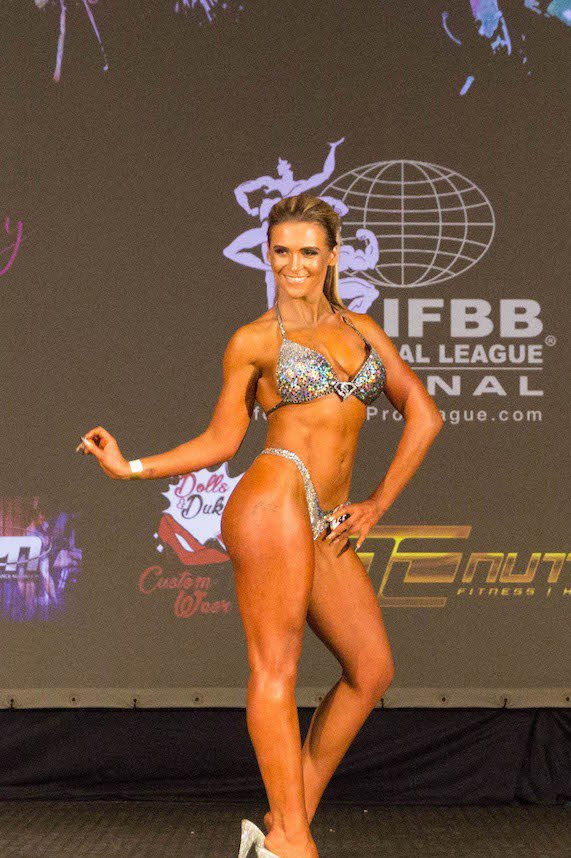
When Tanya de Lange‘s stressful corporate job was wreaking havoc on her health and body, this former art director decided to switch her power suit for some heavy lifting. In just eight weeks, Tanya managed to transform her body. Here’s how she dropped the excess weight, found her passion and preps for the stage.
Tanya de Lange
City: Johannesburg
Age: 35
Occupation: Online Coach / Personal trainer / Part Owner of Private Gym in Sandton / Creator of ShapeShift / Motivational Speaker
Weight before: 67kg
Weight after: 52kg
Time required to reach goal: 8 weeks
Secret weapon to your fitness journey: Accountability
READ MORE: “I Lost 35 Kilos And Now I’m A Personal Trainer”
A Long Journey
Tanya says that her journey when she was 26 years old, “I was working a very stressful job as an art director in a corporate world. They rewarded us with alcohol and parties when we won awards. They fed us well, and we lived on any junk to our heart’s desire to make crazy deadlines to go on to the next party. Eventually, I became burnt out and needed sugar to pick me up.” Noticing that her bad eating habits were taking a toll on her body, she joined the gym and hired a personal trainer to help her lose weight and tone up. Four months later Tanya entered her first bikini competition and never looked back.
Trying Again
A few years later, Tanya took a leap and opened up her own gym but the stress of starting her own business led to her slipping on taking care of herself. “I realized that I could not take on a big role if I cannot look after myself first. I needed a goal to keep myself accountable, and it left me with 8 weeks,” she explains. In these eight weeks, Tanya gave up her sugar cocktails for wine. And slowly started giving up her favourite desserts by switching to healthy recipes and find healthy alternatives. To avoid temptation and to ensure that she sticks to her goals by meal prepping. “A meal plan is fantastic because it gives you clear insight into what your body responds to. When I am pressed for time, or foresee load shedding, I get my trusted meal prep company to prep my food for the week.”
READ MORE: “I Lost 36 Kilos When I Started Running and Eating Low-Carb High Fat”
How She Does It
When it comes to her training, Tanya says she is flexible but she prefers to train in the morning as it sets the tone for her day. “I am working on strengthening glutes and hamstrings and will do this three times a week, upper body twice a week, and on weekends train High-Intensity Interval Training and body weight with my team. I try to sleep in twice a week and will have one or two rest days as I listen to my body. Recovery is everything,” she explains.
Bikini Competitions
Tanya now regularly competes in bikini competitions, which demands a different kind of training and prepping leading up to competitions. When it comes to prepping, eating is the key leading up to competition, “before a competition, we do a peak week where we cut all carbs to lose more body fat and deplete our glycogen levels,” she says. Peak week usually drains the body from energy, so Tanya carbo-loads the night before a competition. This allows for glycogen to store up in the body, giving your muscles a fuller appearance.
“This all seems extreme but the idea is to get rid of most of our water weight and experiment with our water levels in this process. It is a tiring process and you have to slowly reintroduce carbs and water and cardio and micronutrients to balance the body’s normal levels out to avoid bloating after competition prep,” Tanya explains. Although the process is gruelling, Tanya says that she enjoys challenging and transforming her body. She goes on to say that in order for you to achieve your goals, you need to believe in yourself. “If you believe you can, you will. If you believe you can’t, you will. So, you need to condition yourself mentally just as much as you need to condition yourself physically.”
READ MORE: “I Transformed My Body By Learning These Good Eating Habits”
Tanya’s Tips
This article was originally published on www.womenshealthsa.co.za
Image credits: iStock, Women’s Health SA
NEXT ON HEALTH24X

