The weather alert service warns the public when high or low temperatures could damage their health.


The weather alert service warns the public when high or low temperatures could damage their health.
The UK turns to artificial intelligence (AI) to reverse the rising numbers of infections that shrug off antibiotics.

Many people use CBD-infused oils and lotions believing they offer an easy and relatively low-risk way to ease discomfort. However, scientists still have a limited understanding of how CBD actually interacts with the nervous system.
The popularity of cannabis-based products has risen sharply over the past ten years. One major reason is the 2018 federal decision to remove hemp from the Controlled Substances Act, which allowed hemp-derived CBD to be legally sold and widely distributed. As a result, CBD is now commonly available in oils, creams, and cosmetic items. It is widely accepted that CBD does not cause a ‘high’, but its effects within the human brain and body remain poorly understood. At this time, the Food and Drug Administration only approves CBD as an additional treatment for certain types of epilepsy, and it advises against its use during pregnancy.
“We need to understand more about this compound, what mechanisms it interacts with in the brain, its impact on the body, and whether it is a potentially safer solution for treating the chronic pain epidemic,” said Kuan Hong Wang, PhD, professor of Neuroscience and member of the Del Monte Institute for Neuroscience at the University of Rochester. Working with researchers at Harvard Medical School and Boston Children’s Hospital, Wang’s lab recently showed in mice that they could deliver CBD directly to the brain to relieve neuropathic pain without producing harmful side effects. These results were published in Cell Chemical Biology.
A New Way to Deliver CBD to the Brain
The main obstacle for researchers was the blood-brain barrier, a protective system that shields the brain from harmful substances. While essential for brain health, this barrier significantly limits how much CBD can enter the brain, especially because CBD does not dissolve well in water. As a result, very little of the CBD taken in its usual oil form reaches the brain.
To address this challenge, staff scientist Jingyu Feng, PhD, the study’s first author, helped create a specialized delivery method called inclusion-complex-enhanced nano-micelle formulation, or CBD-IN. This approach encloses CBD molecules within water-soluble nano-micelles, which are considered safe for use in foods and medicines.
Tests in mice showed that CBD-IN triggered pain relief within half an hour. Importantly, the mice did not experience the common side effects often linked to conventional pain medications, such as problems with balance, movement, or memory. “The pain relief also lasted through repeated use,” said Feng. “We did not see its effect wear off over time.”
How CBD-IN Affects the Nervous System
With the help of imaging tools and genetic mapping, the researchers found that CBD-IN reduces excessive nerve activity in areas of the brain and spinal cord involved in processing touch and pain. This effect only appeared in regions experiencing abnormal activation, such as after a nerve injury. Healthy neurons were unaffected.
Another unexpected result was that CBD-IN did not rely on the well-known cannabinoid receptors (CB1 and CB2) typically involved when THC or other cannabis compounds act in the body. “Instead, CBD-IN seems to influence broader electrical and calcium signaling in nerve cells, offering a new way to control nerve hyperactivity without triggering the ‘high’ or dependency risks associated with traditional cannabinoids or opioids,” Feng said.
Potential for Treating Chronic Pain and Other Brain Disorders
“The broader implication of this research is that nanotechnology can make natural compounds like CBD more effective and precise,” said Wang, co-senior author of the study. “By enhancing brain delivery and targeting only disease-related neural overactivity, this strategy could open new doors for treating chronic pain and possibly other neurological disorders, such as epilepsy or neurodegenerative diseases, where abnormal nerve activity plays a central role.”
This work was carried out through a collaboration involving the University of Rochester, Harvard Medical School, and Boston Children’s Hospital. Additional contributors include Jessica Page, PhD, and Leeyup Chung, PhD, both co-first authors, and Zhigang He, PhD, co-senior author, from Harvard Medical School. Funding was provided by the National Institutes of Health and the Del Monte Institute for Neuroscience.

Chronic Pain Linked to Rising Blood Pressure Risk
Chronic pain in adults may raise the likelihood of developing high blood pressure, and factors such as where the pain is located, how widespread it is, and whether a person also has depression appear to play important roles. These findings come from new research published today (November 17) in Hypertension, an American Heart Association journal.
An evaluation of health information from more than 200,000 adults in the U.S. showed that individuals who experienced chronic pain throughout their bodies had a higher chance of developing high blood pressure compared to those reporting no pain, short-term discomfort, or pain limited to one region.
“The more widespread their pain, the higher their risk of developing high blood pressure,” said lead study author Jill Pell, M.D., C.B.E., the Henry Mechan Professor of Public Health at the University of Glasgow in the United Kingdom. “Part of the explanation for this finding was that having chronic pain made people more likely to have depression, and then having depression made people more likely to develop high blood pressure. This suggests that early detection and treatment of depression, among people with pain, may help to reduce their risk of developing high blood pressure.”
Understanding High Blood Pressure and Its Dangers
High blood pressure and hypertension occur when blood presses too strongly against vessel walls, increasing the chance of heart attack or stroke. High blood pressure, including stage one or stage two hypertension (blood pressure readings from 130/80 mm Hg to 140/90 mm Hg or higher), affects nearly half of adults in the U.S. It is also the leading cause of death nationally and worldwide, according to the 2025 joint American Heart Association/American College of Cardiology guideline endorsed by 11 other organizations.
Earlier studies show that chronic musculoskeletal pain — pain in the hip, knee, back or neck/shoulder that lasts for at least three months — is the most common form of long-term pain in the general population. The new study examined how the presence, type, and distribution of pain across the body relate to later high blood pressure.
Inflammation and depression are already recognized as contributing factors for high blood pressure; however, Pell noted that no previous research had evaluated how much these elements might explain the connection between long-lasting pain and future hypertension.
How Researchers Collected and Measured Pain Data
Participants completed a baseline questionnaire describing whether they had experienced pain in the previous month that interfered with daily activities. They identified whether the pain occurred in the head, face, neck/shoulder, back, stomach/abdomen, hip, knee or across the entire body. Those reporting pain also indicated whether symptoms had persisted for more than three months.
Depression was assessed through a questionnaire asking about depressed mood, disinterest, restlessness or lethargy during the previous two weeks. Inflammation was measured using blood tests for C-reactive protein (CRP).
Key Findings After Long-Term Follow-Up
After an average follow-up period of 13.5 years, the results showed:
“When providing care for people with pain, health care workers need to be aware that they are at higher risk of developing high blood pressure, either directly or via depression. Recognizing pain could help detect and treat these additional conditions early,” Pell said.
Expert Perspective on Pain, Inflammation and Hypertension
Daniel W. Jones, M.D., FAHA, chair of the 2025 American Heart Association/American College of Cardiology High Blood Pressure Guideline and dean and professor emeritus of the University of Mississippi School of Medicine in Jackson, Mississippi, said, “It is well known that experiencing pain can raise blood pressure in the short term, however, we have known less about how chronic pain affects blood pressure. This study adds to that understanding, finding a correlation between the number of chronic pain sites and that the association may be mediated by inflammation and depression.”
Jones, who was not involved in the study, recommended further research using randomized controlled trials to explore how different pain management strategies influence blood pressure. He highlighted the importance of understanding how Nonsteroidal Anti-Inflammatory Drugs (NSAIDs) such as ibuprofen may raise blood pressure.
“Chronic pain needs to be managed within the context of the patients’ blood pressure, especially in consideration of the use of pain medication that may adversely affect blood pressure,” said Jones.
Study Limitations and Participant Characteristics
The researchers noted that the study population mainly consisted of middle-aged or older white adults of British origin, which means the findings may not apply to people of other racial or ethnic backgrounds or younger age groups. Pain levels were self-reported, and the study relied on clinical diagnostic coding, a single pain assessment, and two blood pressure measurements.
How the Study Was Designed
Study details, background and design:
The Strictly runner-up says he began taking steroids because he was unhappy with his body.

Researchers at ChristianaCare’s Gene Editing Institute have demonstrated that turning off the NRF2 gene with CRISPR technology can make lung cancer cells responsive to chemotherapy again. By blocking this gene, the treatment restores how tumors react to common cancer drugs and slows their growth. The study was published on November 14 in the journal Molecular Therapy Oncology.
This advance builds on more than ten years of work at the Gene Editing Institute, where scientists have closely investigated NRF2 and its role in therapy resistance. Their findings showed consistent results in both laboratory tests using human lung cancer cell lines and in animal studies designed to mirror real tumor behavior.
“We’ve seen compelling evidence at every stage of research,” said Kelly Banas, Ph.D., lead author of the study and associate director of research at the Gene Editing Institute. “It’s a strong foundation for taking the next step toward clinical trials.”
Expanding the Impact Beyond One Cancer Type
The study focused on lung squamous cell carcinoma, a fast-growing form of non-small cell lung cancer (NSCLC) that represents 20% to 30% of all lung cancer cases, according to the American Cancer Society. More than 190,000 people in the U.S. are expected to receive a lung cancer diagnosis in 2025.
Although the work concentrated on this specific disease, the findings point to broader applications. NRF2 overactivity plays a major role in chemotherapy resistance in several solid tumors, including cancers of the liver, esophagus and head and neck. These results indicate that CRISPR approaches aimed at NRF2 could eventually help restore drug sensitivity across multiple treatment-resistant cancers.
“This is a significant step toward overcoming one of the biggest challenges in cancer therapy — drug resistance,” Banas said. “By targeting a key transcription factor that drives resistance, we’ve shown that gene editing can re-sensitize tumors to standard treatment. We’re hopeful that in clinical trials and beyond, this is what will allow chemotherapy to improve outcomes for patients and could enable them to remain healthier during the entirety of their treatment regimen.”
Pinpointing a Mutation That Shields Tumors
The team focused on a tumor-specific mutation in the NRF2 gene known as R34G. NRF2 serves as a master controller of how cells respond to stress, and when it becomes overly active, cancer cells are better able to survive chemotherapy.
To counter this, researchers used CRISPR/Cas9 to engineer lung cancer cells carrying the R34G mutation and then knocked out the NRF2 gene. This change restored the cells’ responsiveness to widely used chemotherapy drugs such as carboplatin and paclitaxel. In animal models, tumors treated directly with CRISPR to remove NRF2 grew more slowly and responded more effectively to chemotherapy.
“This work brings transformational change to how we think about treating resistant cancers,” said Eric Kmiec, Ph.D., senior author of the study and executive director of the Gene Editing Institute. “Instead of developing entirely new drugs, we are using gene editing to make existing ones effective again.”
Significant Benefits Even With Partial Gene Editing
One of the most notable findings was that editing only 20% to 40% of tumor cells was enough to enhance chemotherapy response and reduce tumor size. This insight is important for clinical treatment, since altering every cancer cell in a tumor may not be possible.
For mouse studies, the researchers delivered CRISPR using lipid nanoparticles (LNPs), a non-viral system that offers efficiency while limiting the risk of unwanted genetic changes. Sequencing showed that the edits were highly targeted to the mutated NRF2 gene, with very few unintended modifications elsewhere in the genome.
“The power of this CRISPR therapy lies in its precision. It’s like an arrow that hits only the bullseye,” said Banas. “This level of specificity with minimal unanticipated genomic side effects offers real hope for the cancer patients who could one day receive this treatment.”
The family of the Birds of a Feather actress say “she’s still funny, she’s talking, she’s happy”.
Health bosses says the UK often mirrors Australia a few months later.
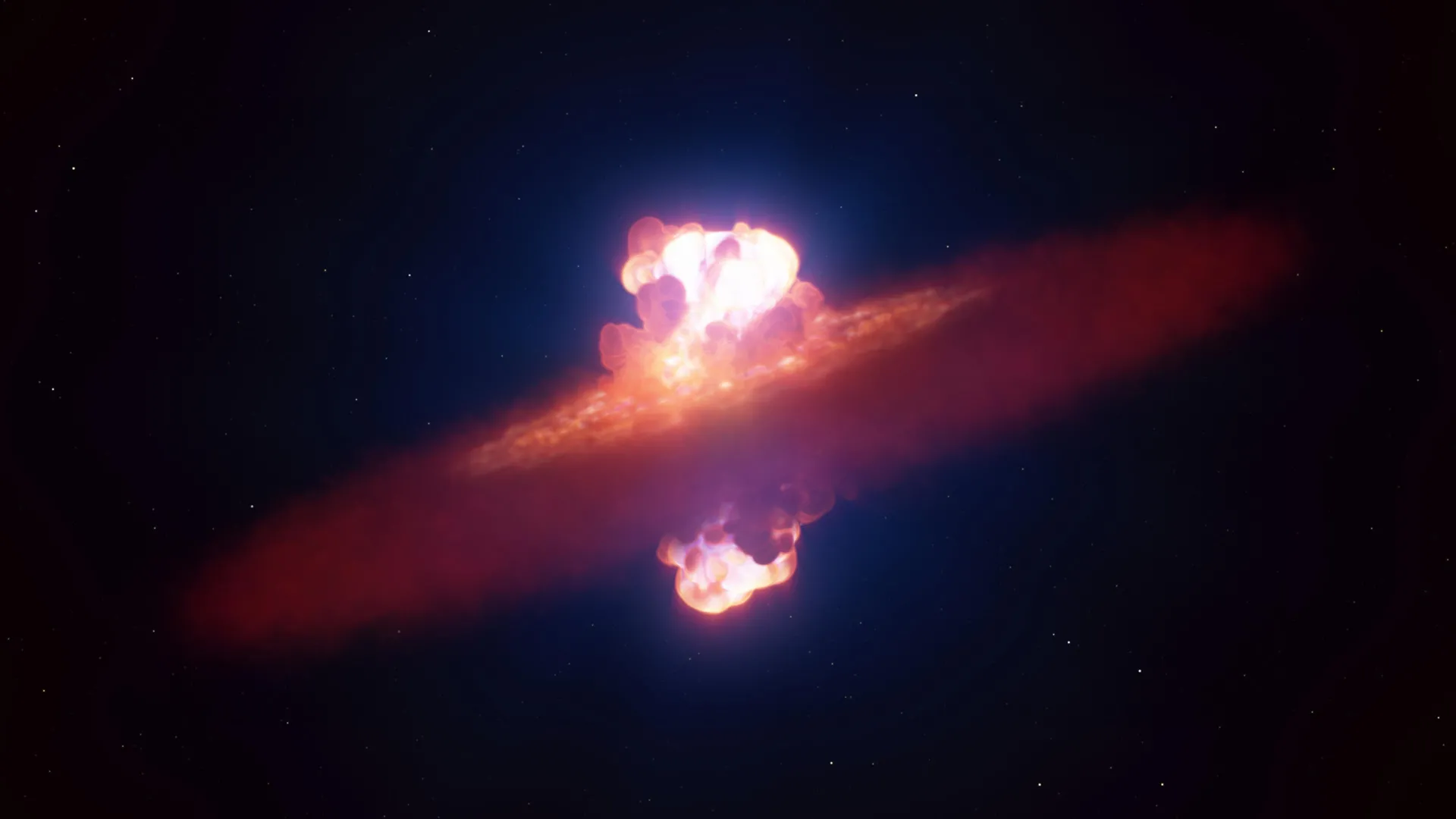
Swift observations with the European Southern Observatory’s Very Large Telescope (ESO’s VLT) have captured a star in the act of exploding, right as the blast pushed through its surface. This moment revealed the shape of the explosion during its earliest stage, a phase so brief that it would have disappeared from view within a day. Scientists have long hoped to observe this initial moment because it helps answer key questions about how massive stars end their lives as supernovae.
SN 2024ggi was first noticed on the night of 10 April 2024 local time. At that moment, Yi Yang, an assistant professor at Tsinghua University in Beijing, China, and lead author of the study, had just arrived in San Francisco after a long flight. Realizing the urgency, he moved quickly. Twelve hours later, he submitted an observation request to ESO, which approved it soon after. By April 11, only 26 hours after the discovery, the VLT in Chile was already observing the event.
A Rare Nearby Explosion
The supernova is located in the galaxy NGC 3621, in the direction of the constellation Hydra, approximately 22 million light-years away. For astronomers, this distance is close enough to investigate the blast in fine detail. Using the VLT and specialized instruments, the international team captured the early behavior of the explosion. “The first VLT observations captured the phase during which matter accelerated by the explosion near the centre of the star shot through the star’s surface. For a few hours, the geometry of the star and its explosion could be, and were, observed together,” says Dietrich Baade, an ESO astronomer in Germany and co-author of the study, published on November 12 in Science Advances.
“The geometry of a supernova explosion provides fundamental information on stellar evolution and the physical processes leading to these cosmic fireworks,” Yang explains. Scientists are still investigating the exact steps that trigger the explosions of massive stars, which are defined as stars more than eight times the mass of the Sun. SN 2024ggi began as a red supergiant with a mass between 12 and 15 times that of the Sun and a radius 500 times larger. This makes it a textbook example of a massive star approaching the end of its life.
What Happens When a Massive Star Runs Out of Fuel
Throughout its life, a star keeps a stable spherical shape because gravity pulls inward while pressure from nuclear fusion pushes outward. When the star exhausts its fuel, this balance collapses. The core gives way, the surrounding layers fall inward, and then bounce off the dense center. This rebound launches a shock wave that travels outward, ultimately tearing the star apart.
Once the shock reaches the surface, energy is released in enormous amounts and the supernova becomes visible. During the short window before the explosion interacts with surrounding material, astronomers can study the initial breakout shape.
Revealing Hidden Geometry with Spectropolarimetry
To capture this early structure, astronomers used a technique called ‘spectropolarimetry’. “Spectropolarimetry delivers information about the geometry of the explosion that other types of observation cannot provide because the angular scales are too tiny,” says Lifan Wang, co-author and professor at the Texas A&M University in the US, who began his career as a student at ESO. Although the exploding star appears as a single point of light, the polarization of that light contains subtle signals about the explosion’s shape, which the team successfully decoded.[1]
The VLT’s FORS2 instrument, the only facility in the southern hemisphere able to make this type of measurement, revealed that the first burst of material resembled the shape of an olive. As the blast expanded and encountered material surrounding the star, the shape grew flatter, although the axis of symmetry stayed consistent. Yang notes that “these findings suggest a common physical mechanism that drives the explosion of many massive stars, which manifests a well-defined axial symmetry and acts on large scales.”
Advancing Supernova Science Through Global Collaboration
These observations allow scientists to eliminate some existing models and refine others, improving our understanding of massive star deaths. “This discovery not only reshapes our understanding of stellar explosions, but also demonstrates what can be achieved when science transcends borders,” says co-author and ESO astronomer Ferdinando Patat. “It’s a powerful reminder that curiosity, collaboration, and swift action can unlock profound insights into the physics shaping our Universe.”
Notes
This research was presented in a paper published in Science Advances.
The team is composed of Y. Yang (Department of Physics, Tsinghua University, China [Tsinghua University]), X. Wen (School of Physics and Astronomy, Beijing Normal University, China [Beijing Normal University] and Tsinghua University), L. Wang (Department of Physics and Astronomy, Texas A&M University, USA [Texas A&M University] and George P. and Cynthia Woods Mitchell Institute for Fundamental Physics & Astronomy Texas A&M University, USA [IFPA Texas A&M University]), D. Baade (European Organisation for Astronomical Research in the Southern Hemisphere, Germany [ESO]), J. C. Wheeler (University of Texas at Austin, USA), A. V. Filippenko (Department of Astronomy, University of California, Berkeley, USA [UC Berkeley] and Hagler Institute for Advanced Study, Texas A&M University, USA), A. Gal-Yam (Department of Particle Physics and Astrophysics, Weizmann Institute of Science, Israel), J. Maund (Department of Physics, Royal Holloway, University of London, United Kingdom), S. Schulze (Center for Interdisciplinary Exploration and Research in Astrophysics, Northwestern University, USA), X. Wang (Tsinghua University), C. Ashall (Department of Physics, Virginia Tech, USA and Institute for Astronomy, University of Hawai’i at Manoa, USA), M. Bulla (Department of Physics and Earth Science, University of Ferrara, Italy and INFN, Sezione di Ferrara, Italy and INAF, Osservatorio Astronomico d’Abruzzo, Italy), A. Cikota (Gemini Observatory/NSF NOIRLab, Chile), H. Gao (Beijing Normal University and Institute for Frontier in Astronomy and Astrophysics, Beijing Normal University, China), P. Hoeflich (Department of Physics, Florida State University, USA), G. Li (Tsinghua University), D. Mishra (Texas A&M University and IFPA Texas A&M University), Ferdinando Patat (ESO), K. C. Patra (California and Department of Astronomy & Astrophysics, University of California, Santa Cruz, USA), S. S. Vasylyev (UC Berkeley), S. Yan (Tsinghua University).
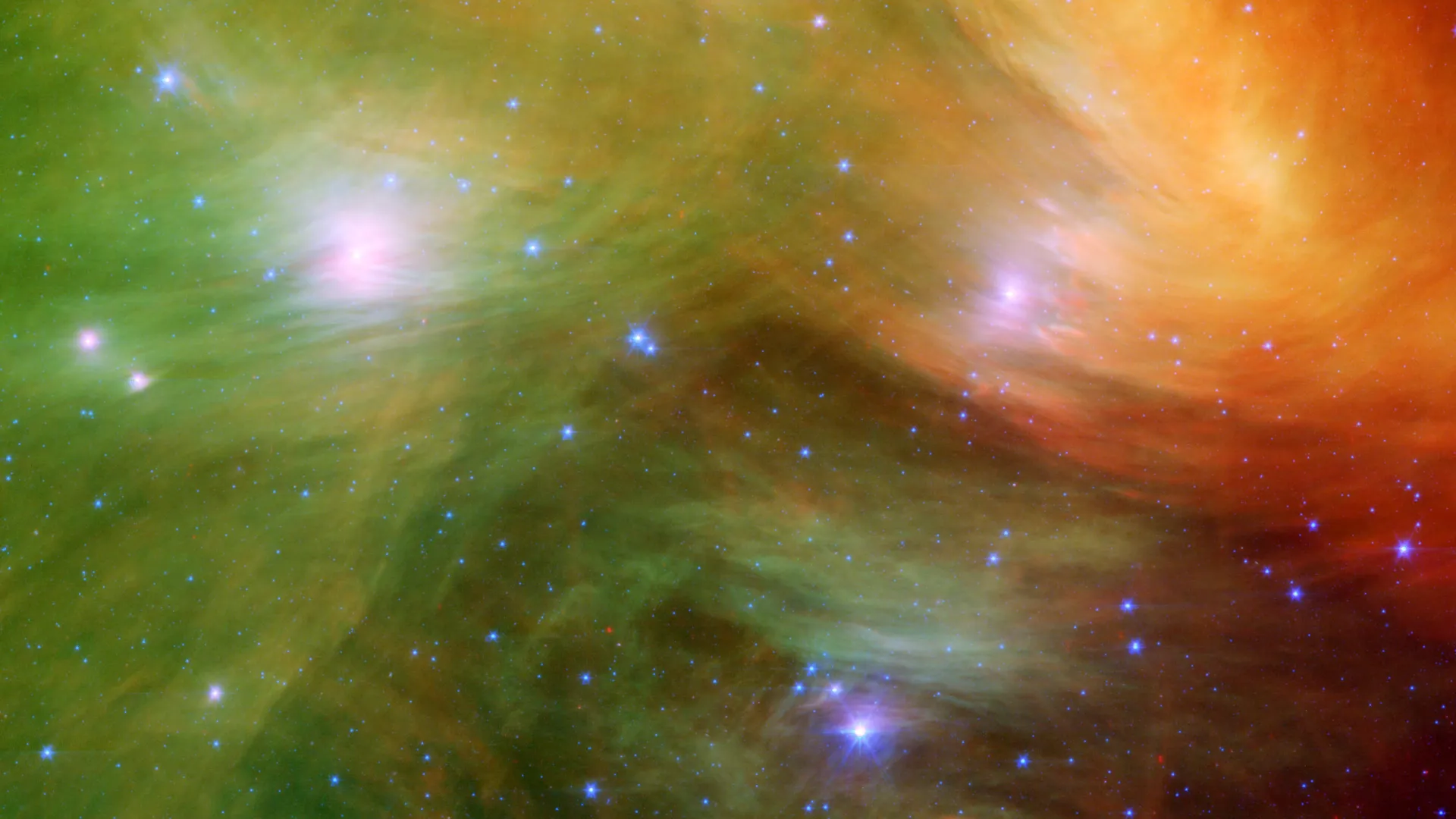
Astronomers at the University of North Carolina at Chapel Hill have found that the well-known Pleiades star cluster, often called the “Seven Sisters,” represents only the bright center of a much larger community of related stars. By analyzing data from NASA’s Transiting Exoplanet Survey Satellite (TESS) and the European Space Agency’s Gaia space telescope, the team identified thousands of additional stellar relatives spread far across the sky. They refer to this enormous structure as the Greater Pleiades Complex, and their results show that the Pleiades is about 20 times larger than scientists once believed.
Most stars, including the Sun, form within groups. As they age, these groups gradually disperse, which makes it difficult to track which stars were born together. Astronomers can use stellar rotation as a “cosmic clock,” since young stars spin quickly and older stars slow down over time. The UNC-Chapel Hill team used this technique to locate many long-lost members of the Pleiades spread far beyond the central cluster. With rotation data from NASA’s TESS and precise measurements from ESA’s Gaia, they concluded that the Pleiades is not a compact grouping but the dense core of a much larger and slowly dispersing stellar association.
“This study changes how we see the Pleiades — not just seven bright stars, but thousands of long-lost siblings scattered across the whole sky,” said Andrew Boyle, lead author and graduate student in physics and astronomy at UNC-Chapel Hill.
Cultural Significance and Expanding Scientific Insight
The discovery reaches beyond astrophysics. The Pleiades has long served as a key reference point for understanding young stars and exoplanets, and it holds cultural meaning across many societies. It appears in the Old Testament and the Talmud, is honored as Matariki in New Zealand, and is depicted in the logo of Subaru in Japan. “We’re realizing that many stars near the Sun are part of massive extended stellar families with complex structures,” said Andrew Mann, co-author and professor of physics and astronomy at UNC-Chapel Hill. “Our work provides a new way to uncover these hidden relationships.”
Mapping Hidden Structures in the Milky Way
By studying how stars rotate, the researchers developed a new way to map our region of the Galaxy. Their findings suggest that many star clusters once thought to be isolated may actually belong to much larger stellar families. This method may eventually help scientists investigate the Sun’s own origins and determine whether it formed within a similarly extensive stellar group.
“By measuring how stars spin, we can identify stellar groups too scattered to detect with traditional methods — opening a new window into the hidden architecture of our Galaxy,” Boyle said.
Understanding How Solar Systems Form
The research contributes to ongoing efforts to reconstruct the environments in which stars and planets are born. These insights are essential for understanding how solar systems, including our own, take shape and evolve over time.
The research paper is available online in The Astrophysical Journal.
