Melanoma rates are spiking fast in these 15 Pennsylvania counties

Counties in Pennsylvania that contain or sit close to cultivated cropland show notably higher melanoma rates than other parts of the state, according to new research led by scientists at Penn State.

Researchers at the Penn State Cancer Institute reviewed cancer registry data collected from 2017 through 2021 and discovered that adults over age 50 living in a 15-county area of South Central Pennsylvania were 57% more likely to be diagnosed with melanoma, the deadliest form of skin cancer, compared to residents elsewhere in the state. The team reported these results on Nov. 14 in the journal JCO Clinical Cancer Informatics.

Charlene Lam, associate professor of dermatology at Penn State Health and co-author of the study, noted that the elevated cases appear in both rural and urban counties. She explained that the higher risk is not limited to isolated locations or people who spend much of their time outdoors.

Agricultural Environments Linked to Elevated Risk

“Melanoma is often associated with beaches and sunbathing, but our findings suggest that agricultural environments may also play a role,” she said. “And this isn’t just about farmers. Entire communities living near agriculture, people who never set foot in a field, may still be at risk.”

The usual suspect — sunlight — was included in the analysis. Yet even after adjusting for ultraviolet radiation levels in Pennsylvania and considering socioeconomic factors, two consistent associations emerged. Counties with more cultivated acreage and counties with greater herbicide use displayed significantly higher melanoma rates.

Herbicides, Biological Effects, and Melanoma Patterns

“Pesticides and herbicides are designed to alter biological systems,” said Eugene Lengerich, emeritus professor of public health sciences at Penn State and senior author on the paper. “Some of those same mechanisms, like increasing photosensitivity or causing oxidative stress, could theoretically contribute to melanoma development.”

According to the analysis, a 10% increase in cultivated land was linked to a 14% rise in melanoma cases across the region. Herbicide exposure showed a similar pattern: a 9% increase in herbicide-treated land corresponded to a 13% increase in melanoma incidence.

Lam emphasized that exposure is not restricted to those handling agricultural chemicals. She explained that these substances can drift on air currents, settle in household dust and enter water sources.

Chemical Drift and Community-Wide Exposure

“Our findings suggest that melanoma risk could extend beyond occupational settings to entire communities,” she said. “This is relevant for people living near farmland. You don’t have to be a farmer to face environmental exposure.”

The study also referenced earlier research showing links between pesticide and herbicide exposure and melanoma, citing evidence that these chemicals can heighten sensitivity to sunlight, interfere with immune responses and damage DNA in non-human animals and plants.

Study Shows Associations, Not Proof of Cause

Benjamin Marks, first author on the paper and a medical and public health student at the Penn State College of Medicine, cautioned that while higher melanoma rates appear in areas with more cropland and herbicide use, the findings do not prove that chemicals used on crops such as corn, soybeans and grains directly cause cancer. Instead, he said the patterns point to a connection that deserves further study.

He added that research of this kind is useful for spotting broad trends, even though it cannot identify individual risk.

“Think of this as a signal, not a verdict,” Marks said. “The data suggest that areas with more cultivated land and herbicide use tend to have higher melanoma rates, but many other factors could be at play like genetics, behavior or access to health care. Understanding these patterns helps us protect not just farmers, but entire communities living near farmland.”

Implications Beyond Pennsylvania

Lam said she hopes to better understand how agricultural practices relate to public health, especially since similar trends have been identified in farming regions of Utah, Poland and Italy. She encouraged anyone concerned about risk to perform routine skin checks and use sun-protective clothing and sunscreen. As part of the next phase of research, she is leading studies in rural communities within the affected area to learn more about farming practices and potential exposure pathways.

“Cancer prevention can’t happen in isolation,” Lengerich said. “This study demonstrates the importance of a ‘One Health’ approach, an understanding that human health is deeply connected to our environment and agricultural systems. If herbicides and farming practices are contributing to melanoma risk, then solutions must involve not just doctors, but farmers, environmental scientists, policymakers and communities working together.”

Other co-authors include Jiangang Liao, professor of public health sciences at Penn State College of Medicine, and Camille Moeckel, a fourth-year medical student and research associate at Penn State College of Medicine.

This work was supported by the MPH Capstone Program and the Medical Student Research Project at the Penn State College of Medicine, along with the University’s Algin B. Garrett Professorship.


Share Button

Dark matter acts surprisingly normal in a new cosmic test

Does dark matter behave according to the same physical rules that apply to ordinary matter? This question remains one of the major puzzles in modern cosmology, since this invisible form of matter (which neither emits nor reflects any light) is still hypothetical and extremely difficult to study directly. Researchers from the University of Geneva (UNIGE) and collaborating institutions aimed to see whether dark matter follows familiar behavior on the largest scales, or whether other forces might influence it. Their study, published in Nature Communications, indicates that dark matter appears to act much like ordinary matter, although they cannot yet rule out the possibility of an additional, previously unknown interaction. Because dark matter is thought to be five times more common than ordinary matter, even a small new insight helps clarify its role in shaping the Universe.

Ordinary matter is affected by four known fundamental forces: gravity, electromagnetism, and the strong and weak forces within atoms. The question is whether dark matter responds to the same set of forces. While dark matter is invisible and difficult to detect, it may still follow these familiar laws or possibly be influenced by a fifth force that scientists have not yet identified.

Investigating How Dark Matter Moves Through Gravitational Wells

To explore this possibility, the UNIGE-led team examined whether dark matter sinks into gravitational wells the way ordinary matter does on cosmic scales. Massive objects distort the structure of space, forming these wells. Ordinary matter — planets, stars and galaxies — falls into them according to established physical principles that include Einstein’s general relativity and Euler’s equations. The team wanted to know whether dark matter behaves in the same predictable way.

“To answer this question, we compared the velocities of galaxies across the Universe with the depth of gravitational wells,” explains Camille Bonvin, associate professor in the Department of Theoretical Physics at UNIGE’s Faculty of Science and co-author of the study. “If dark matter is not subject to a fifth force, then galaxies — which are mostly made of dark matter — will fall into these wells like ordinary matter, governed solely by gravity. On the other hand, if a fifth force acts on dark matter, it will influence the motion of galaxies, which would then fall into the wells differently. By comparing the depth of the wells with the galaxies’ velocities, we can therefore test for the presence of such a force.”

Dark Matter Appears to Follow Euler’s Equations

Using this method on modern cosmological data, the researchers found that dark matter moves into gravitational wells in the same manner as ordinary matter, meaning it is consistent with Euler’s equations. “At this stage, however, these conclusions do not yet rule out the presence of an unknown force. But if such a fifth force exists, it cannot exceed 7% of the strength of gravity — otherwise it would already have appeared in our analyses,” says Nastassia Grimm first author of the study and former postdoctoral researcher at the Department of Theoretical Physics at UNIGE’s Faculty of Science who has recently joined the Institute of Cosmology and Gravitation at the University of Portsmouth.

What Comes Next in the Search for New Physics

These early findings represent an important step in refining our understanding of dark matter. The next key objective is to determine whether a subtle fifth force truly affects it. “Upcoming data from the newest experiments, such as LSST and DESI, will be sensitive to forces as weak as 2% of gravity. They should therefore allow us to learn even more about the behavior of dark matter,” concludes Isaac Tutusaus, researcher at ICE-CSIC and IEEC and associate professor at IRAP, Midi-Pyrénées observatory, University of Toulouse, co-author of the study.

Share Button

Chimps shock scientists by changing their minds with new evidence

Chimpanzees may share more with human thinkers than researchers once realized. A new study published in Science presents compelling evidence that chimpanzees can revise their beliefs in a rational way when they encounter new information.

The study, titled “Chimpanzees rationally revise their beliefs,” was carried out by an international team that included UC Berkeley Psychology Postdoctoral Researcher Emily Sanford, UC Berkeley Psychology Professor Jan Engelmann and Utrecht University Psychology Professor Hanna Schleihauf. Their results indicate that chimpanzees, similar to humans, adjust their decisions based on how strong the available evidence is, which is a central component of rational thinking.

At the Ngamba Island Chimpanzee Sanctuary in Uganda, the researchers designed an experiment involving two boxes, one of which contained food. The chimps were first given a hint about which box held the reward. Later, they received a clearer and more convincing clue that pointed to the other box. Many of the animals changed their choice after receiving the stronger information.

“Chimpanzees were able to revise their beliefs when better evidence became available,” said Sanford, a researcher in the UC Berkeley Social Origins Lab. “This kind of flexible reasoning is something we often associate with 4-year-old children. It was exciting to show that chimps can do this too.”

Testing Whether Chimps Are Reasoning or Acting on Instinct

To confirm that the animals were truly engaging in reasoning rather than reacting on impulse, the researchers used tightly controlled experiments combined with computational modeling. These methods helped rule out simpler explanations, such as the chimps favoring the most recent clue (recency bias) or simply responding to the easiest cue to notice. The modeling showed that their decisions followed patterns consistent with rational belief revision.

“We recorded their first choice, then their second, and compared whether they revised their beliefs,” Sanford said. “We also used computational models to test how their choices matched up with various reasoning strategies.”

This work challenges long-held assumptions that rationality, defined as forming and updating beliefs based on evidence, belongs only to humans.

“The difference between humans and chimpanzees isn’t a categorical leap. It’s more like a continuum,” Sanford said.

Broader Implications for Learning, Childhood Development and AI

Sanford believes these findings may influence how scientists think about a wide range of fields. Learning how primates update their beliefs could reshape ideas about how children learn and even how artificial intelligence systems are designed.

“This research can help us think differently about how we approach early education or how we model reasoning in AI systems,” she said. “We shouldn’t assume children are blank slates when they walk into a classroom.”

The next phase of the project will apply the same belief revision tasks to young children. Sanford’s team is now gathering data from two- to four-year-olds to see how toddlers handle changing information compared to chimps.

“It’s fascinating to design a task for chimps, and then try to adapt it for a toddler,” she said.

Expanding the Study to Other Primates

Sanford hopes to broaden the work to additional primate species, creating a comparative view of reasoning abilities across evolutionary branches. Her previous research spans topics from empathy in dogs to numerical understanding in children, and she notes that one theme continues to stand out: animals often demonstrate far more cognitive sophistication than people assume.

“They may not know what science is, but they’re navigating complex environments with intelligent and adaptive strategies,” she said. “And that’s something worth paying attention to.”

Other members of the research team include: Bill Thompson (UC Berkeley Psychology); Snow Zhang (UC Berkeley Philosophy); Joshua Rukundo (Ngamba Island Chimpanzee Sanctuary/Chimpanzee Trust, Uganda); Josep Call (School of Psychology and Neuroscience, University of St Andrews); and Esther Herrmann (School of Psychology, University of Portsmouth).

Share Button

Smoking cannabis with tobacco may disrupt the brain’s “bliss molecule”

People who use both cannabis and tobacco show measurable differences in brain activity compared to those who rely solely on cannabis, according to new findings from a McGill University team at the Douglas Research Centre.

These results may help clarify why people who combine the two substances more often experience symptoms such as anxiety and depression, and why attempts to quit cannabis tend to be more difficult for them than for people who avoid tobacco.

“This is the first evidence in humans of a molecular mechanism that may underlie why people who use both cannabis and tobacco experience worse outcomes,” said lead author Rachel Rabin, Associate Professor in McGill’s Department of Psychiatry and researcher at the Douglas.

“Identifying this mechanism is an important step toward finding targets for future medications to treat cannabis use disorder, especially among those that co-use tobacco. Right now, the only available treatments are behavioral therapies such as counseling,” she said.

Co-Use Common Even as Tobacco Use Declines

In Canada, roughly one in 20 people who used cannabis within the past year are considered at risk for cannabis use disorder. Among people who consume cannabis more often, the rate jumps to about one in three.

The researchers note that tobacco use is decreasing overall, yet the majority of cannabis users still report using tobacco as well. Rabin explained that most previous studies focused on each substance separately, leaving a major gap that this early-stage research is beginning to fill.

Changes in the Brain’s “Bliss Molecule” System

PET scans showed that people who used both cannabis and tobacco had elevated levels of FAAH when compared to those using cannabis alone. FAAH is an enzyme that breaks down anandamide, a naturally occurring compound often described as the “bliss molecule” because of its influence on mood and stress responses. Higher FAAH levels mean lower anandamide levels, a pattern that has previously been linked to anxiety, depression and higher relapse rates among people trying to stop using cannabis.

Small Study Offers Early Clues

The analysis involved 13 young adults. Eight used only cannabis, while five used cannabis and smoked cigarettes every day. Cannabis use averaged slightly above one gram per day. Cigarette intake ranged from one to 12 per day.

Because the data was originally gathered for an unrelated project, there was no tobacco-only group for comparison. This means the changes could potentially be caused by tobacco alone, although the researchers believe the results point to a more complex interaction.

“What surprised us was how strong the effect was, and how different it was from those who only used cannabis, compared to those who used both tobacco and cannabis,” said co-author Romina Mizrahi, Professor of Psychiatry and director of the McGill Research Center for Cannabis.

Next Steps in Understanding Tobacco’s Role

The team is now recruiting people who smoke cigarettes and people who vape nicotine for a follow-up project that will explore whether similar brain changes appear in the absence of cannabis.

“A preliminary investigation of tobacco co-use on endocannabinoid activity in people with cannabis use” by Rachel Rabin, Joseph Farrugia, Ranjini Garani and Romina Mizrahi was published in Drug and Alcohol Dependence Reports.

The study received funding from the National Institute of Mental Health.

Share Button

Scientists reverse kidney damage in mice, hope for humans next

Serious injury to short-term kidney function, known as acute kidney injury (AKI), can be life-threatening and also raise the likelihood of developing permanent chronic kidney disease. AKI can occur after major stressors such as sepsis or heart surgery, and more than half of all intensive care patients experience it. No approved medications currently exist to treat this condition.

Researchers at University of Utah Health (U of U Health) have discovered that fatty molecules called ceramides initiate AKI by damaging the mitochondria that supply energy to kidney cells. By using a backup drug candidate designed to alter how ceramides are processed, the team protected mitochondrial structure and prevented kidney injury in mice.

“We completely reversed the pathology of acute kidney injury by inactivating ceramides,” says Scott Summers, PhD, distinguished professor and Chair of the Department of Nutrition and Integrative Physiology in the University of Utah College of Health and senior author on the study. “We were stunned — not only did kidney function stay normal, but the mitochondria were unscathed,” Summers says. “It was truly remarkable.”

The results are published in Cell Metabolism.

Ceramide spikes may serve as an early warning

Earlier studies from the Summers lab showed that ceramides can harm organs such as the heart and liver. When the researchers measured ceramides in AKI models, they found a strong connection: levels rose sharply after injury in both mice and in human urine samples.

“Ceramide levels are very elevated in kidney injury,” says Rebekah Nicholson, PhD, first author on the work, who completed the research as a graduate student in nutrition and integrative physiology at U of U Health and is now a postdoctoral fellow at the Arc Institute. “They go up quickly after damage to the kidneys, and they go up in relation to the severity of the injury. The worse the kidney injury is, the higher the ceramide levels will be.”

These findings indicate that urinary ceramides could act as an early biomarker for AKI, giving clinicians a tool to identify vulnerable patients, including those preparing for heart surgery, before symptoms begin. “If patients are undergoing a procedure that we know puts them at high risk of AKI, then we can better predict whether or not they’re actually going to have one,” Nicholson says.

Altering ceramide production protects kidney function

The team nearly eliminated kidney injury in a mouse model by modifying the genetic program that controls ceramide production. This change produced “super mice” that did not develop AKI even under conditions that typically cause severe damage.

The researchers then tested a ceramide-lowering drug candidate created by Centaurus Therapeutics, a company co-founded by Summers. Mice treated ahead of time avoided kidney injury, maintained normal kidney function, remained active, and had kidneys that appeared close to normal under the microscope. Nicholson notes that their model places extreme stress on the kidneys, making it “really remarkable that mice were protected from the injury.”

“These mice looked incredible,” Summers adds.

The team found that ceramides harm mitochondria, the parts of the cell responsible for energy production. Damaged mitochondria in kidney cells become distorted and function poorly. Adjusting ceramide production, whether genetically or with the drug, kept mitochondria intact and working even under strain.

Potential for future therapies targeting mitochondrial health

Summers explains that the compound used in this study is closely related to, but not identical to, the ceramide-lowering drug that has entered human clinical testing. He emphasizes that mouse results do not always predict human outcomes and that further research is needed to confirm safety.

“We’re thrilled by how protective this backup compound was, but it’s still preclinical,” Summers says. “We need to be cautious and do our due diligence to make sure this approach is truly safe before moving it into patients.”

Even so, the researchers are encouraged by the findings. If the results extend to people, the drug could potentially be administered ahead of time to individuals who face a high risk of AKI, including patients undergoing heart surgery, where about one quarter experience the condition.

Because the drug appears to work by maintaining mitochondrial health, the team believes that the approach may have relevance for other disorders linked to mitochondrial dysfunction.

“Mitochondrial problems show up in so many diseases — heart failure, diabetes, fatty liver disease,” Summers says. “So if we can truly restore mitochondrial health, the implications could be enormous.”

The results are published in Cell Metabolism as “Therapeutic Remodeling of the Ceramide Backbone Prevents Kidney Injury.”

Funding and disclosures

This work was supported by a NCRR Shared Instrument Grant, the Kidney Precision Medicine Project, and several branches of the National Institutes of Health, including the National Cancer Institute (P30CA042014, CA272529), the National Institute of Diabetes and Digestive and Kidney Diseases (DK115824, DK116888, DK116450, DK130296, DK108833, DK112826, 1F31DK134088 and 5T32DK091317), and the National Institute of General Medical Sciences (3R35GM131854 and 3R35GM131854-04S1). Additional support came from the Juvenile Diabetes Research Foundation (JDRF 3-SRA-2019-768-A-B and JDRF 3-SRA-2019-768-A-B to WLH), the Burroughs Wellcome Fund Postdoctoral Diversity Enrichment Program (1058616), the American Diabetes Association, the American Heart Association, the Margolis Foundation, and the University of Utah Diabetes and Metabolism Research Center. The authors state that the content is their responsibility and does not necessarily reflect the views of the National Institutes of Health.

Scott Summers and Jeremy Blitzer are co-founders and shareholders of Centaurus Therapeutics. Liping Wang is also a shareholder. DN and Blitzer are listed as inventors on US Patents 1177684, 11597715, and 11135207 licensed to Centaurus Therapeutics, Inc.

Share Button

Doctor strike inflicting pain and misery on patients, says health secretary

Health Secretary Wes Streeting says the five-day strike by resident doctors is “completely irresponsible”.

Share Button

Science finally solves a 700-year-old royal murder

An international team led by Hungarian scholars has successfully confirmed that skeletal remains discovered in Budapest belong to Duke Béla, the Ban of Macsó, who descended from both the Árpád and Rurik dynasties. This finding resolves a long-standing archaeological mystery that has lingered for more than a century.

The project was organized by Tamás Hajdu (Department of Anthropology, Faculty of Sciences, Eötvös Loránd University (ELTE TTK)), with genetic analyses conducted by Anna Szécsényi-Nagy and Noémi Borbély of the Institute of Archaeogenomics, ELTE RCH. Their work demonstrates how historical accounts can be validated and violent deaths reconstructed in remarkable detail when the humanities and natural sciences collaborate. The study has been published in Forensic Science International: Genetics.

Early Discoveries on Margaret Island

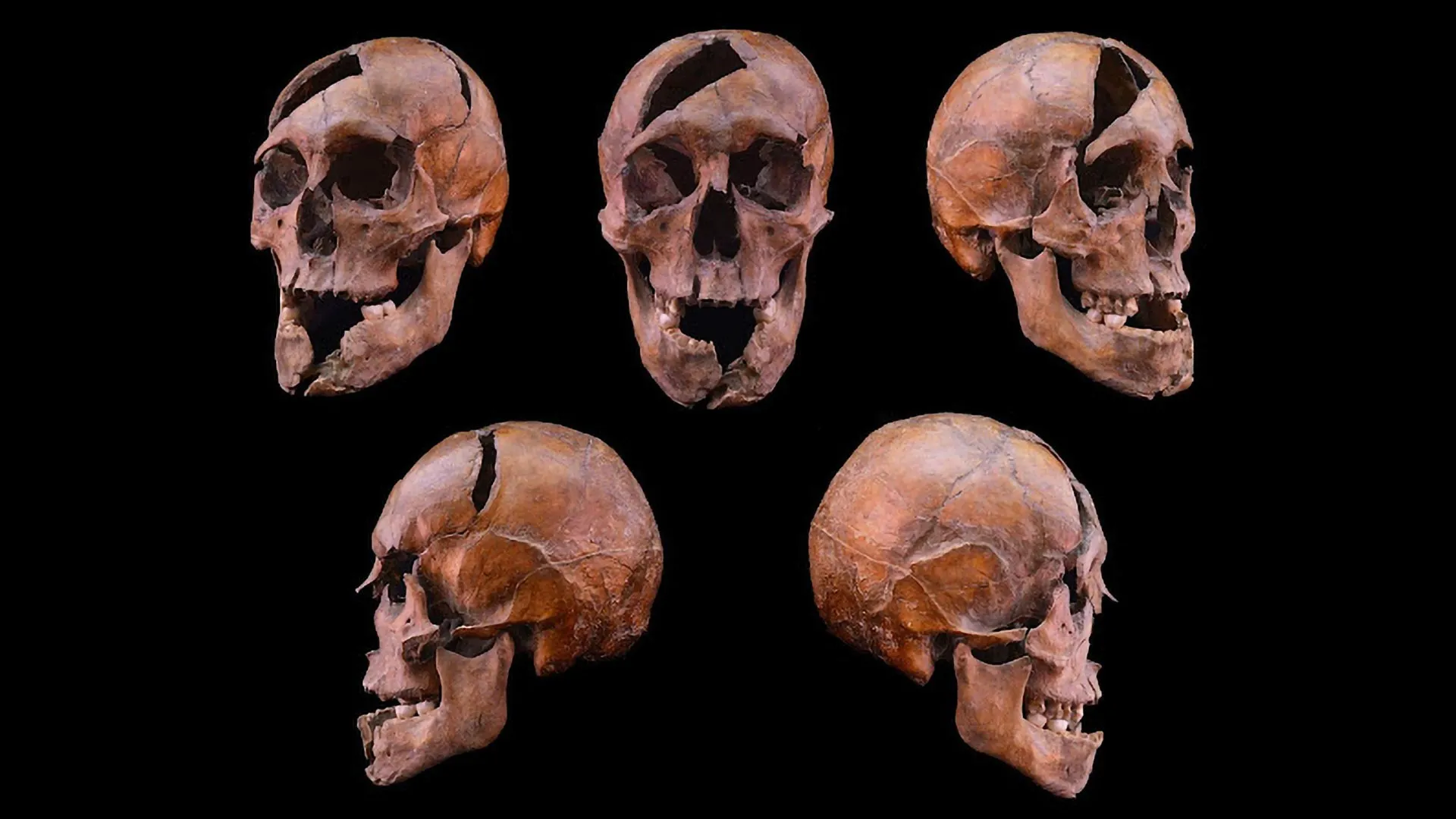
The story began in 1915, when archaeologists excavating the Dominican monastery on Margaret Island (Budapest) uncovered the bones of a young man in the sacristy. Based on the burial context, period sources, and the evidence of trauma on the skeleton, researchers at the time suggested that the remains belonged to Béla Duke of Macsó, a member of the House of Árpád. Béla of Macsó (born after 1243 — died: November 1272) was the grandson of King Béla IV on his mother’s side, while his father’s lineage traced back to the Rurik dynasty of northern, Scandinavian origin, which produced numerous Grand Dukes of Kiev from the 9th century onward. According to 13th-century Austrian chronicles, Duke Béla was assassinated in November 1272 by Ban Henrik “Kőszegi” of the Héder family and his associates. Contemporary stories describe how his mutilated body was collected by Margit (his sister) and Erzsébet (his niece) and buried at the Dominican monastery.

Lost Bones and a 20th-Century Disappearance

After the excavation, the remains were sent to Lajos Bartucz at the Institute of Anthropology of the Budapest University (now: Department of Anthropology, ELTE TTK) for bioanthropological study. Bartucz documented 23 sword cuts across the skeleton, along with multiple fatal skull injuries. He concluded that the duke had been attacked by several individuals simultaneously and had even been struck while lying on the ground. Bartucz mentioned the bones publicly in 1936 and published a photograph of the skull in 1938. After that, all references to the remains disappeared, and many experts believed they had been lost during the Second World War. Unexpectedly, in 2018 the postcranial bones were rediscovered in a wooden box stored among tens of thousands of specimens in the Anthropology Collection of the Hungarian Museum of Natural History, while the skull continued to be curated in the Aurél Török Collection at ELTE.

Reopening the Case With Modern Science

In 2018, a new international research consortium was formed under the leadership of Tamás Hajdu (Department of Biological Anthropology, ELTE TTK). The group included anthropologists, geneticists, an archaeologist, an archaeobotanist, stable isotope specialists, radiocarbon experts, and dentists. Their objective was to verify the identity of the remains using modern forensic and bioarchaeological methods and to reconstruct as fully as possible the life and death of the duke.

The find holds exceptional historical value. Besides King Béla III, Béla of Macsó is the only confirmed member of the House of Árpád whose nearly complete skeleton is still preserved. This provides rare insight into both the genetic heritage of the Árpád dynasty and the Rurik line. Researchers from Vienna, Bologna, Helsinki, Harvard University, and multiple Hungarian institutions participated in the project.

Biological Profile and Diet Insights

Anthropological analysis showed that the man buried beneath the monastery floor on Margaret Island was in his early twenties. Radiocarbon dating was performed by two laboratories to ensure accuracy after early 14C measurements suggested a date slightly earlier than expected (second half of the 13th century). Additional tests by the Nuclear Research Institute (Debrecen) revealed that the unexpectedly early date was caused by dietary habits. The individual had consumed high amounts of animal protein, including fish and possibly shellfish that fed on ancient carbon sources, creating a known “reservoir” effect in the bones.

The team also examined dental calculus to further reconstruct his diet. More than a thousand microfossils were recovered from the tartar. Starch grains from wheat and barley, along with clear signs of milling, cooking, and baking, indicated that his meals included cooked wheat semolina and baked wheat bread.

Strontium isotope analysis, which helps determine where a person lived during different stages of life, showed that the individual did not grow up in the same place where he was buried. His early childhood isotope signatures match those found in the region of Vukovar and Syrmia (now part of Croatia and Serbia; earlier this region was a part of the Macso Banat of the Medieval Kingdom of Hungary), as well as other parts of the Carpathian Basin. Later in childhood he moved to a different area, possibly near modern Budapest.

Genetic Evidence Links the Skeleton to Royal Lineages

The final confirmation of identity was carried out at the Institute of Archaeogenomics of ELTE RCH by Anna Szécsényi-Nagy and Noémi Borbély. Multiple lines of genetic evidence supported the genealogical connections described in historical documents. The results show that Béla of Macsó was the great-grandson (fourth-degree descendant) of King Béla III, and his genetic distance to Saint Ladislaus fits this expected lineage pattern.

Genome-wide analysis revealed that the duke had a strong Scandinavian genetic component (almost half), significant Eastern Mediterranean ancestry, and a smaller early medieval Central European component. The Scandinavian contribution supports his descent from the Rurik dynasty, while the Eastern Mediterranean component may correspond to his maternal grandmother, Maria Laskarina, a member of the Byzantine imperial family and wife of Béla IV. Y-chromosome results also confirm the historically documented Rurik paternal line. A 2023 Russian archaeogenomic study showed that a 13th-century Rurikid (Dmitry Alexandrovich) belonged to the same paternal lineage, which can be traced back to Yaroslav I (Yaroslav Vladimirovich, also known as Yaroslav the Wise). Genetic data from present-day Rurikid descendants further reinforces this connection.

Reconstructing a Coordinated and Brutal Assassination

To understand how Béla died and to compare the evidence with medieval accounts, the team conducted a detailed forensic anthropological investigation. The analysis documented 26 perimortem injuries, including nine to the skull and 17 to the rest of the body, all inflicted during a single violent attack. The pattern of wounds suggests that three assailants took part: one confronted him from the front while the others struck from the left and right.

The wounds show that Béla recognized the attack and tried to defend himself. Two types of weapons were likely used, probably a sabre and a longsword. The depth and clarity of the cuts indicate that he wore no armor when he was killed. The reconstructed sequence of violence begins with strikes to the head and upper body, followed by severe defensive injuries as he attempted to block further blows. He was ultimately incapacitated by strikes from the side, and once he fell to the ground, the attackers delivered fatal blows to his head and face. The number and intensity of these injuries point to strong emotional motivation (e.g. sudden anger, hatred), while the coordinated nature of the attack suggests planning. Although Duke Béla’s assassination in November 1272 appears to have been partly or wholly premeditated, the manner of the killing indicates that it was not carried out calmly.

Researchers and institutions participating in the research project:

  • Tamás Hajdu coordinator of the project, first author: Department of Biological Anthropology at ELTE, Budapest and Centre for Applied Bioanthropology, Institute for Anthropological Research, Zagreb, Croatia
  • Noémi Borbély, corresponding author: Institute of Archaeogenomics, ELTE RCH, Budapest and Doctoral School of Biology at ELTE
  • Zsolt Bernert and Ágota Buzár: Hungarian Natural History Museum, Budapest
  • Tamás Szeniczey: Department of Biological Anthropology at ELTE, Budapest
  • István Major, Mihály Molnár, Anikó Horváth, László Palcsu and Zsuzsa Lisztes-Szabó: Isotope Climatology and Environmental Research Centre, HUN-REN Institute for Nuclear Research, Debrecen
  • Zsuzsa Lisztes-Szabó: Department of Botany, Faculty of Science and Technology, University of Debrecen, Debrecen
  • Claudio Cavazzuti: Department of History and Culture, Alma Mater Studiorum, University of Bologna, Bologna, Italy
  • Barna Árpád Kelentey and János Angyal: Faculty of Dentistry, University of Debrecen, Debrecen
  • Balázs Gusztáv Mende and Kristóf Jakab: Institute of Archaeogenomics, ELTE RCH, Budapest
  • Takács Ágoston: Medieval Department, Castle Museum — Budapest History Museum, Budapest
  • Olivia Cheronet and Ron Pinhasi: Department of Evolutionary Anthropology, University of Vienna, Vienna, Austria.
  • David Emil Reich: Department of Genetics, Harvard Medical School, Boston, USA, Department of Human Evolutionary Biology, Harvard University, Cambridge, USA, Broad Institute of MIT and Harvard, Cambridge, USA és Howard Hughes Medical Institute, Boston, USA
  • Martin Trautmann, correspondig author: Department of Cultures/Archaeology, University of Helsinki, Helsinki, Finland és A und O — Anthropologie und Osteoarchäologie Praxis für Bioarchäologie, München
  • Anna Szécsényi-Nagy, last author: Institute of Archaeogenomics, ELTE RCH, Budapest
Share Button

Hypersonic breakthrough could enable planes that fly 10 times the speed of sound

If it ever becomes achievable, hypersonic flight could dramatically reshape international travel. What currently requires an entire day could become a short trip lasting no more than a feature length movie. A route such as Sydney to Los Angeles, which now takes about 15 hours, might be reduced to only one hour.

“It really shrinks the planet,” says Professor Nicholaus Parziale, whose work centers on turning hypersonic travel from aspiration into reality. Parziale recently received the Presidential Early Career Award for Scientists and Engineers in recognition of his research into fluid mechanics at extreme speeds. “It will make travel faster, easier and more enjoyable.”

The Challenges of Flying at Mach 10

Covering half the world in just one hour may seem impossible, yet the technology is not as far away as it appears. Some military aircraft already reach speeds of Mach 2 or Mach 3, which means two or three times the speed of sound. Mach 1 equals about 760 miles per hour. To travel from Los Angeles to Sydney in sixty minutes, an aircraft would need to reach Mach 10. The major obstacles are the extraordinary turbulence and heat produced during flight at these extreme speeds.

There is a fundamental difference between how air behaves around an aircraft at lower speeds and how it behaves at higher speeds. Engineers describe these conditions as incompressible flow and compressible flow. In incompressible flow, which occurs at lower speeds (below about Mach 0.3 or 225 miles per hour), the density of the air stays nearly the same. This consistency simplifies aeronautical design. Once an aircraft moves faster than the speed of sound, the airflow becomes compressible instead. “That’s because a gas can ‘squish,'” Parziale explains, meaning it can compress.

Why Airflow Behavior Matters for Hypersonic Design

When air compresses, its density changes in response to variations in both pressure and temperature. These shifts influence how an aircraft interacts with the air around it. “Compressibility affects how the airflow goes around the body and that can change things like lift, drag, and thrust required to take off or stay airborne.” All of these factors play a major role in aircraft design.

Engineers already understand airflow fairly well for aircraft that fly below or near the speed of sound, a range called “low Mach” numbers. Creating hypersonic aircraft requires a much deeper understanding of how air behaves at Mach 5, Mach 6, or even Mach 10. Much of that behavior is still uncertain, except for guidance provided by Morkovin’s hypothesis.

Morkovin’s Hypothesis and the Mystery of Hypersonic Turbulence

Developed by Mark Morkovin in the mid 20th century, the hypothesis proposes that when air moves around Mach 5 or Mach 6, the fundamental nature of turbulence remains surprisingly similar to turbulence at lower speeds. Although high-speed airflow involves larger shifts in temperature and density, Morkovin suggested that the general pattern of turbulent motion stays mostly consistent. “Basically, the Morkovin’s hypothesis means that the way the turbulent air moves at low and high speeds isn’t that different,” Parziale says. “If the hypothesis is correct, it means that we don’t need a whole new way to understand turbulence at these higher speeds. We can use the same concepts we use for the slower flows.” This also suggests that future hypersonic aircraft may not require a completely different design philosophy.

Despite its importance, the hypothesis has lacked solid experimental validation. That gap led to Parziale’s recent research, described in his study Hypersonic Turbulent Quantities in Support of Morkovin’s Hypothesis, published in Nature Communications on November 12, 2025.

A Laser and Krypton Experiment Eleven Years in the Making

In the study, Parziale’s team introduced krypton gas into a wind tunnel and used lasers to ionize it. This process briefly created a straight, glowing line formed by the krypton atoms. High-resolution cameras then captured how this illuminated line bent, twisted, and distorted as it moved through the airflow, similar to how a leaf drifts and spins within small swirling currents in a river.”As that line moves with the gas, you can see crinkles and structure in the flow, and from that, we can learn a lot about turbulence,” Parziale says. He notes that developing the experimental setup required 11 years of effort. “And what we found was that at Mach 6, the turbulence behavior is pretty close to the incompressible flow.”

Parziale’s group received early support from the Air Force Office of Scientific Research Young Investigator Research Program (YIP) in 2016 and from the Office of Naval Research (ONR) YIP in 2020, with the latest work also funded by ONR.

What the Findings Mean for Future Flight and Space Access

While Morkovin’s hypothesis is not yet completely proven, the new results move scientists closer to understanding how to design aircraft that can withstand hypersonic speeds. The findings indicate that engineers may not need to reinvent the fundamental approach to aircraft design for these extreme conditions, which simplifies the challenge significantly.

“Today, we must use computers to design an airplane, and the computational resources to design a plane that will fly at Mach 6, simulating all the tiny, fine, little details would be impossible,” Parziale explains. “The Morkovin’s hypothesis allows us to make simplifying assumptions so that the computational demands to design hypersonic vehicles can become more doable.”

Parziale adds that the same principles could transform future access to space. “If we can build planes that fly at hypersonic speed, we can also fly them into space, rather than launching rockets, which would make transportation to and from low Earth orbit easier,” he says. “It will be a game-changer for transportation not only on earth, but also in low orbit.”

Share Button

Scottish abortion law ‘not fit for purpose’, says expert group

Currently, an abortion is only legal before 24 weeks when two doctors agree that certain grounds have been met.

Share Button

Wellbeing support for terminally-ill islanders

A hospice offers a free programme for those with life-limiting or serious progressive illnesses.

Share Button