Einstein might have been wrong about black holes

Black holes are often described as cosmic gluttons, consuming everything that drifts too close — including light itself. This is what makes the images of the supermassive black holes at the centers of the galaxy M87 and our own Milky Way so remarkable. Captured by the Event Horizon Telescope (EHT) collaboration a few years ago, these observations marked a major milestone in astronomy.

“What you see on these images is not the black hole itself, but rather the hot matter in its immediate vicinity,” explains Prof. Luciano Rezzolla of Goethe University Frankfurt, whose team played a crucial role in the discovery. “As long as the matter is still rotating outside the event horizon — before being inevitably pulled in — it can emit final signals of light that we can, in principle, detect.”

Einstein’s Theory and the Mystery of Black Holes

These striking images reveal what scientists call the “shadow” of a black hole, offering a new way to probe the physics behind these mysterious cosmic giants. For over a century, Einstein’s general theory of relativity has been the foundation of our understanding of space and time. It predicts the existence of black holes and the event horizon, a boundary beyond which nothing — not even light — can escape.

“There are, however, also other, still hypothetical theories that likewise predict the existence of black holes,” Rezzolla notes. “Some of these approaches require the presence of matter with very specific properties or even the violation of the physical laws we currently know.”

Testing Einstein’s Ideas With Black Hole Shadows

In collaboration with colleagues from the Tsung-Dao Lee Institute in Shanghai (China), Rezzolla and his team proposed a new way to test these alternative theories. Their work, published in Nature Astronomy, outlines how future black hole observations could help confirm or challenge Einstein’s model of gravity. Until now, there has not been enough data to verify or reject competing ideas, but that may soon change through detailed analysis of black hole shadow images.

“This requires two things,” Rezzolla explains. “On the one hand, high-resolution shadow images of black holes to determine their radius as accurately as possible, and on the other hand, a theoretical description of how strongly the various approaches deviate from Einstein’s theory of relativity.”

Simulations Reveal How Theories Diverge

To tackle this, the team produced a thorough framework describing how different theoretical types of black holes would vary from Einstein’s predictions and how those differences would appear in images. They used advanced three-dimensional computer simulations to reproduce the motion of matter and magnetic fields in the warped spacetime surrounding black holes. From these simulations, they created synthetic images of the glowing plasma that circles these immense objects.

“The central question was: How significantly do images of black holes differ across various theories?” says lead author Akhil Uniyal of the Tsung-Dao Lee Institute. The researchers identified clear patterns that, with sharper images in the future, could help scientists determine which theory best matches reality. Although today’s EHT resolution cannot yet detect these fine distinctions, improvements in technology will gradually make such comparisons possible. To prepare for this, the physicists developed a universal description of black holes that can encompass many different theoretical frameworks.

Einstein’s Theory Still Holding Strong — for Now

“One of the EHT collaboration’s most important contributions to astrophysics is turning black holes into testable objects,” Rezzolla emphasizes. “Our expectation is that relativity theory will continue to prove itself, just as it has time and again up to now.” So far, the findings remain consistent with Einstein’s theory, although uncertainties in measurement mean that only a few exotic ideas have been ruled out. For example, the black holes in M87 and the Milky Way are almost certainly not “naked singularities” (without an event horizon) or wormholes. Still, Rezzolla notes, “Even the established theory must be continuously tested, especially with extreme objects like black holes.” If Einstein’s model were ever shown to fail, it would mark a revolutionary moment in physics.

A New Era of Cosmic Observation

The EHT provides an unprecedented opportunity for these investigations. By combining data from multiple large radio telescopes across the world, it effectively creates a telescope as large as Earth, capable of capturing fine details around black holes. Plans are already underway to add more observatories to the network and, eventually, to include a radio telescope in space, which would greatly boost its resolution.

Such advancements could make it possible to perform truly definitive tests of competing black hole theories. According to the new study, this would require achieving an angular resolution of less than one millionth of an arcsecond — roughly equivalent to spotting a coin on the surface of the Moon from Earth. While that level of precision is not yet possible, scientists expect it to be within reach in the coming years, potentially unlocking a new chapter in our understanding of gravity and the universe itself.


Share Button

Laser satellites expose a secret Antarctic carbon burst

A team of scientists has found that the Southern Ocean emits far more carbon dioxide (CO2) during the lightless Antarctic winter than researchers once believed. According to their new study, this wintertime release of CO2 has been underestimated by as much as 40%.

The research was led by scientists from the Second Institute of Oceanography, Ministry of Natural Resources (SIO-MNR), and the Nanjing Institute of Geography and Limnology (NIGLAS) of the Chinese Academy of Sciences. Their results were published in Science Advances on Nov. 5.

The Ocean’s Role in Earth’s Carbon Balance

The Southern Ocean is a major regulator of the global carbon cycle, absorbing a large share of the carbon released by human activity. Yet despite its importance, it remains the “largest source of uncertainty” in global CO2 flux calculations.

That uncertainty comes from a lack of winter observations. For months each year, the Southern Ocean lies in complete darkness and is lashed by extreme weather, making direct measurement nearly impossible. During this time, the region becomes an “observational black box.” Traditional satellites, which depend on reflected sunlight (passive sensors) to detect ocean properties, cannot collect data under these conditions, leaving scientists reliant on incomplete or estimated models.

Using Lasers to See in the Dark

To overcome this limitation, the researchers used an advanced approach that combined 14 years of data from a laser-based satellite instrument called LIDAR (on the CALIPSO mission) with machine learning analysis.

LIDAR, unlike passive sensors, sends out its own light signals, working similarly to radar but with lasers instead of radio waves. This technology allowed the team to observe the ocean even during the polar night and create the first continuous, observation-based record of winter CO2 exchange in the Southern Ocean.

The results revealed that earlier estimates had missed nearly 40% of the Southern Ocean’s wintertime CO2 output. “Our findings suggest that the Southern Ocean’s role in the global carbon cycle is more complex and dynamic than previously known,” said Prof. Kun Shi of NIGLAS.

Rethinking the Ocean’s Carbon Dynamics

Beyond updating the numbers, the study redefines how scientists understand carbon movement in the Southern Ocean. The team introduced a new “three-loop framework” to explain how CO2 exchange varies across different regions.

In the Antarctic Loop (south of 60°S), physical factors such as sea ice and salinity are the main drivers of CO2 exchange. In the Polar Front Loop (45°S-60°S), the interaction between atmospheric CO2 and biological activity (chlorophyll) becomes more influential. Meanwhile, in the Subpolar Loop (north of 45°S), sea surface temperature plays the dominant role.

Global Climate Implications

Filling this long-standing data gap could lead to more accurate global carbon budgets, which form the foundation of climate projections used by organizations such as the Intergovernmental Panel on Climate Change (IPCC).

This research highlights the power of combining active satellite sensing with machine learning to study the planet’s most remote and dynamic regions, opening new possibilities for understanding the Earth’s climate system year-round.

Share Button

You can now book online to see your GP. But is it any easier to get an appointment?

A month since GPs in England started offering online appointment bookings, patients recount their experiences.

Share Button

DNA pioneer James Watson dies at 97

The Nobel Prize winner felt ostracised by the scientific community over his comments on race and intelligence.

Share Button

Lose weight or lose your jobs, offshore workers told

Thousands of offshore workers are too heavy for the limitations of helicopter winch systems.

Share Button

The hidden “Big Bang” that decides how bowel cancer grows

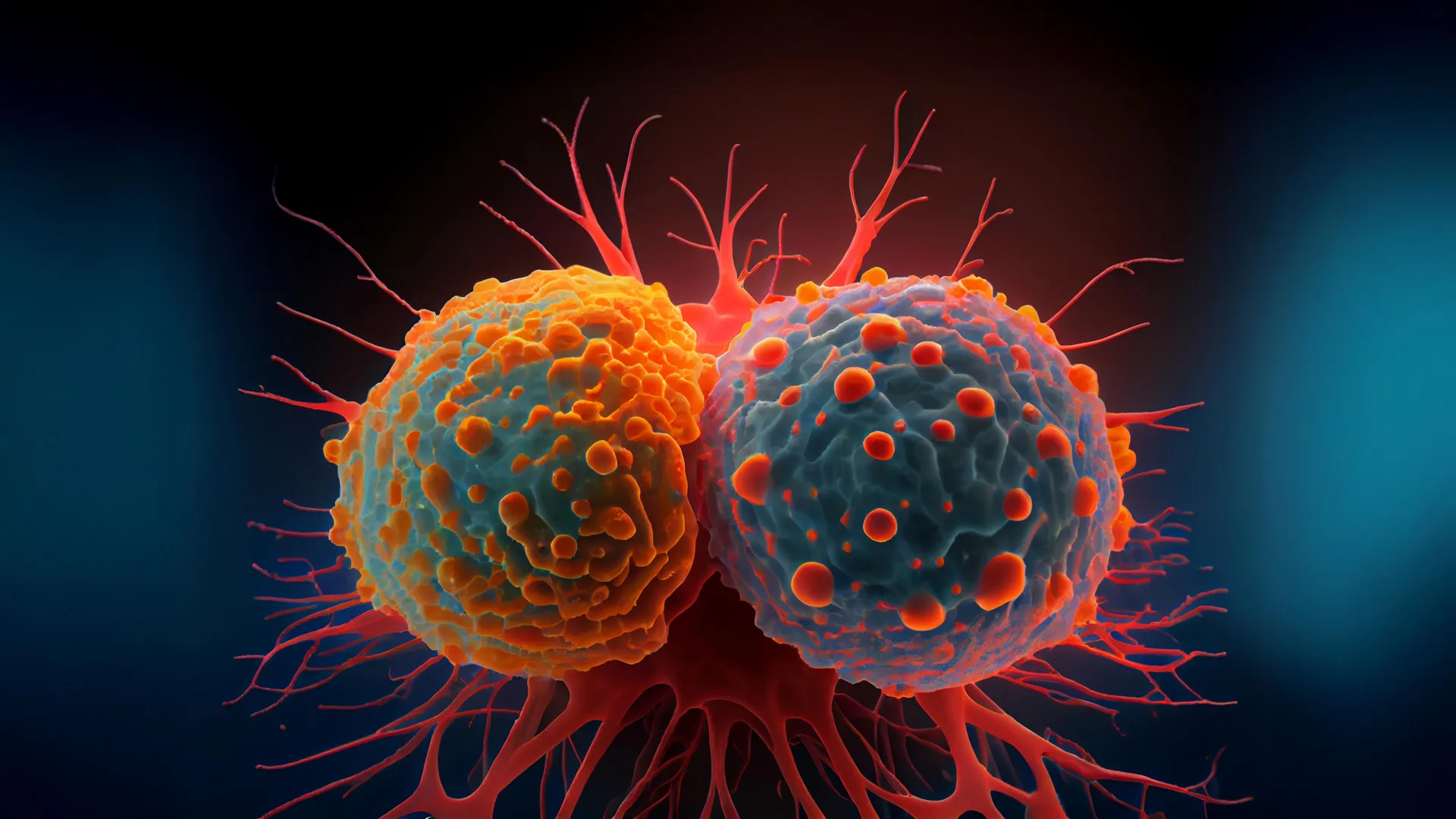
Just as the universe began with a colossal explosion, bowel cancer also experiences a “Big Bang” moment that determines how it will grow and spread, according to new research supported by Cancer Research UK and the Wellcome Trust.

Scientists from The Institute of Cancer Research in London, the Fondazione Human Technopole in Milan, and Chalmers University of Technology in Sweden discovered that this pivotal event occurs when cancer cells first manage to hide from the immune system. This process, called immune escape, allows the cells to evade detection and continue developing unchecked.

During immune escape, bowel cancer cells disrupt the genes that normally allow the body’s immune defenses to recognize them as a threat. Once this happens, the researchers found that the cancer’s ability to disguise itself remains largely unchanged as it grows.

The findings could help doctors identify patients more likely to respond to immunotherapy, including experimental bowel cancer vaccines that train the immune system to target and destroy cancer cells.

How Bowel Cancer Outsmarts the Immune System

Professor Trevor Graham, Professor of Genomics and Evolution and Director of the Centre for Evolution and Cancer at The Institute of Cancer Research, explained the significance of the discovery:

“Some bowel cancers are ‘born to be bad.’ How they interact with the immune system is set early on.

“Immunotherapy and bowel cancer vaccines hold enormous promise for treating the disease. Our research suggests that a bowel cancer’s relationship with the immune system doesn’t change very much as it grows. If we can target that relationship early on, treatment should have a stronger chance of success.

“As bowel cancer treatment becomes increasingly personalized, understanding how tumors evolve and change matters even more than it did before. Like the explosion which set the course of the universe, bowel cancer’s Big Bang gives us the biggest clues of what its future holds and how we might change that future.”

A Common and Challenging Cancer

Bowel cancer is the fourth most common cancer in the UK, with about 44,100 new cases each year — around 120 every day. Approximately 15% of these cases respond well to immunotherapy, while the majority remain resistant to this treatment approach.

Currently, several types of bowel cancer vaccines are being tested in clinical trials. These are designed to help the immune system recognize and destroy returning or newly forming cancer cells after surgery or other treatments.

Study lead author Eszter Lakatos, a mathematical biologist at Chalmers University of Technology and the University of Gothenburg, Sweden, said:

“Our research group has investigated and found answers to how cancer cells render themselves invisible to the immune system. Our hope is that these insights will eventually lead to more targeted, effective and early treatments, in addition to surgery.”

To uncover these mechanisms, the research team analyzed tumor and immune cells from 29 people with bowel cancer. They sequenced the DNA and RNA from each sample and examined how tightly the DNA was wound around proteins in the chromosomes (a process known as epigenetics).

The scientists found that epigenetic changes in cancer cells alter how DNA is “read” to produce RNA, which carries the instructions for making proteins. These changes can reduce the number of neoantigens — “red flag” proteins that alert immune cells to danger — on the surface of cancer cells. With fewer neoantigens, the immune system struggles to recognize and destroy the tumor.

Toward More Effective Immunotherapy

The researchers believe that combining immunotherapy with drugs that modify the epigenome could improve treatment outcomes. Such a combination might increase the number of neoantigens displayed by cancer cells, making them easier for the immune system to target. Further testing will be needed before this approach can move into clinical trials.

Dr. Catherine Elliott, Director of Research at Cancer Research UK, said:

“To beat bowel cancer for everyone, we need to understand what happens at the very earliest stages of the disease. No matter how different bowel cancer tumors can look, one defining moment at the start makes a big difference to how the cancer grows.

“Bowel cancer has an insidious ability to resist treatment. Immunotherapy is starting to work well for patients, but it doesn’t work for everyone. This research helps us understand why, as well as giving us new insights to make immunotherapy work better for bowel cancer.”

Understanding the Disease’s Earliest Moments

Tom Collins, Research Lead for Discovery Research at the Wellcome Trust, added:

“Through tracing the earliest stages of bowel cancer, the research team has shed valuable new light on a mechanism that could lead to more targeted, effective and early treatments.

“This is a powerful example of discovery science. Research at this molecular level has provided a deeper understanding of how bowel cancer develops, which could lead to the improved health outcomes for patients in the long-term.”

The study, titled “Epigenetically driven and early immune evasion in colorectal cancer evolution,” was published on November 5 in Nature Genetics.

Share Button

Scientists discover how hair cells can help heal skin faster

The skin contains two main types of adult stem cells: epidermal stem cells and hair follicle stem cells. Normally, each type has a clear role — one maintains the skin while the other supports hair growth. However, research from Rockefeller University has revealed that hair follicle stem cells (HFSCs) are surprisingly adaptable. When the skin is injured, these cells can switch from growing hair to helping repair the wound.

So what tells them when it’s time to make that switch?

A Stress Signal That Changes Cell Behavior

The same Rockefeller research team has now identified the key signal behind this transformation. Hair follicle stem cells respond to what’s called an integrated stress response (ISR) — a cellular alert system that helps them conserve energy and focus on survival tasks.

In the skin, this stress response is tied to the amino acid serine, a non-essential nutrient found in common foods like meat, grains, and milk. In their study published in Cell Metabolism, the scientists showed that when serine levels fall, the ISR activates and hair production slows down. If the skin is also wounded, the ISR ramps up even further, stopping hair growth entirely so that cells can concentrate on repairing damaged tissue. This shift in priorities helps the skin heal faster.

“Serine deprivation triggers a highly sensitive cellular ‘dial’ that fine tunes the cell’s fate — towards skin and away from hair,” explains first author Jesse Novak, an MD-PhD student at Weill Cornell’s Tri-Institutional MD-PhD Program and former doctoral student in the Rockefeller lab of Elaine Fuchs. “Our findings suggest that we might be able to speed up the healing of skin wounds by manipulating serine levels through diet or medications.”

Adult tissues depend on stem cells to maintain balance — replacing cells that die and repairing tissue when it’s damaged. Yet, scientists still know little about how these cells manage their energy and nutrients during different tasks. Novak and his team wanted to understand the metabolic factors that keep stem cells functioning normally and what changes when they must shift gears to heal a wound.

“Most skin wounds that we get are from abrasions, which destroy the upper part of the skin,” says Novak. “That area is home to a pool of stem cells that normally takes charge in wound repair. But when these cells are destroyed, it forces hair follicle stem cells to take the lead in repair,” Novak says. “Knowing that, we thought that tracking these skin cells through wound healing presented a very good model for testing if and how metabolites are regulating this process overall.”

Serine’s Role Beyond Hair and Skin

Earlier research from the Fuchs lab showed that precancerous skin stem cells can become dependent on circulating serine and that limiting serine in the diet helps stop these cells from turning cancerous. Those findings highlighted serine’s powerful influence on cell behavior and even inspired studies testing serine-free diets as cancer treatments.

However, it remained unclear how reducing serine might affect healthy tissue. To explore this, Novak focused on serine’s role in normal stem cell activity and how its absence might reshape regeneration.

The researchers tested how hair follicle stem cells respond to metabolic stress. They either deprived mice of dietary serine or used genetic methods to block the cells from producing their own. In both cases, the results showed that serine communicates directly with the ISR — a system that monitors when tissue conditions go off balance.

When serine levels were low, hair growth slowed because it requires significant energy. When wounds occurred, the ISR activated even more strongly, prioritizing healing over hair regeneration. In other words, when stress increases, the skin’s repair mechanisms take priority.

“No one likes to lose hair, but when it comes down to survival in stressful times, repairing the epidermis takes precedence,” says Fuchs. “A missing patch of hair isn’t a threat to an animal, but an unhealed wound is.”

Can Extra Serine Boost Hair Growth?

Once the team confirmed that low serine levels affect stem cell behavior, they wondered about the reverse — could increasing serine levels enhance hair growth? The answer appears to be no. The body maintains tight control over serine levels, and even when mice were given six times more dietary serine than usual, levels only increased by about 50%.

“However, we did see that if we prevented a stem cell from making its own serine and replenished its losses through a high-serine diet, we were able to partially rescue hair regeneration,” Novak adds.

Next, the researchers plan to investigate whether wound healing can be improved by lowering serine intake or by using medications that influence serine levels or the ISR pathway. They also aim to test other amino acids to see if any have similar effects.

“Overall, the ability of stem cells to make cell fate decisions based upon the levels of stress they experience is likely to have broad implications for how tissues optimize their regenerative capacities in times where resources are scarce,” says Fuchs.

Share Button

Doctor licked beer off colleague, tribunal hears

Dr Mark Watson is suspended for licking beer from a younger colleague’s cleavage.

Share Button

Rare desert berry could transform diabetes treatment

In what could mark a major step forward for diabetes care, scientists have found extraordinary health benefits in a little-known desert plant. The fruit of Nitraria roborowskii Kom, long used in traditional medicine, showed strong potential to fight insulin resistance and restore healthy metabolism in diabetic mice. The plant extract not only helped stabilize blood sugar but also corrected several related issues, including abnormal fat metabolism and oxidative stress. These results were linked to the activation of a key cellular signaling system that regulates how the body processes glucose and energy. The discovery points to the possibility of safer, naturally derived treatments for one of the world’s most widespread chronic diseases.

The number of people living with diabetes is expected to climb to 750 million by 2045. While modern drugs can control symptoms, many come with side effects and do not address the underlying causes of metabolic imbalance. This has led scientists to revisit nature’s medicine cabinet in search of new therapeutic options. Among these is Nitraria roborowskii Kom, a tough shrub that thrives in the harsh deserts of western China. Its bright red fruits, sometimes known as “desert cherries,” have nourished and healed local communities for centuries. Only recently have researchers begun to uncover the biological mechanisms behind its traditional use, prompting systematic scientific investigations into its potential.

Breakthrough Study Confirms Potent Diabetes-Fighting Properties

A collaborative study between Qinghai University and the Northwest Institute of Plateau Biology, published in the Chinese Journal of Modern Applied Pharmacy, provided strong experimental evidence of the fruit’s effects. Using well-controlled trials, scientists tested a concentrated form of the extract (NRK-C) on diabetic mice over seven weeks. The results were striking: the compound not only lowered blood sugar and improved insulin responsiveness but also addressed broader metabolic dysfunctions through a previously underexplored biological route.

How the Desert Berry Restores Metabolic Balance

The detailed analysis revealed the extract’s impressive range of benefits. Over the course of seven weeks, NRK-C reduced fasting blood glucose levels by 30-40% in diabetic mice, with stronger results at higher doses. It also improved insulin sensitivity by roughly 50% compared with untreated animals. In addition to these improvements, the extract balanced cholesterol and lowered oxidative stress markers by as much as 60%, a rare feat for any single therapeutic compound.

Further investigation showed that NRK-C works by reactivating the PI3K/AKT signaling pathway — a critical metabolic circuit that often breaks down in diabetes. This reactivation appears to “reboot” the body’s ability to regulate glucose and fat metabolism. Microscopic examination supported these findings, revealing healthier liver and pancreatic tissue structures in treated mice compared with untreated ones. Taken together, these findings suggest the compound helps the body reset its metabolic function rather than just masking symptoms. Its naturally broad effects contrast sharply with the narrowly targeted mechanisms of many pharmaceutical drugs.

Expert Insight: A Holistic Approach to Diabetes Treatment

“These results are exciting because they suggest we might be able to treat diabetes more holistically,” said Dr. Yue Huilan, a senior researcher on the project. “Instead of just lowering blood sugar like most medications, this plant extract appears to help the body regain its natural metabolic balance. The implications could extend beyond diabetes to other conditions involving insulin resistance.” While the team emphasized that human trials are still needed, the findings represent an encouraging move toward more natural and comprehensive approaches to diabetes care.

This discovery opens up several promising research directions. Pharmaceutical developers may pursue standardized NRK-C extracts as supplements or adjunct therapies, while nutrition experts could explore adding the fruit to functional foods aimed at metabolic health. The results also lend modern scientific support to traditional medicinal knowledge, helping bridge ancient practice and contemporary medicine. Researchers are particularly eager to determine whether NRK-C could help prevent diabetes in high-risk individuals or reduce complications in those already affected.

More broadly, the findings underscore the value of preserving and studying traditional medicinal plants, many of which may hold untapped potential for addressing modern health challenges. Nature, it seems, still has many healing secrets waiting to be rediscovered.

Share Button

Botox was like going for coffee – but I had no idea if it was genuine

Rules about administering drugs such as Botox and Mounjaro have not kept up, says Wales’ regulator.

Share Button