The health secretary is refusing to make concessions on pay after the BMA announced a further walkout.


The health secretary is refusing to make concessions on pay after the BMA announced a further walkout.
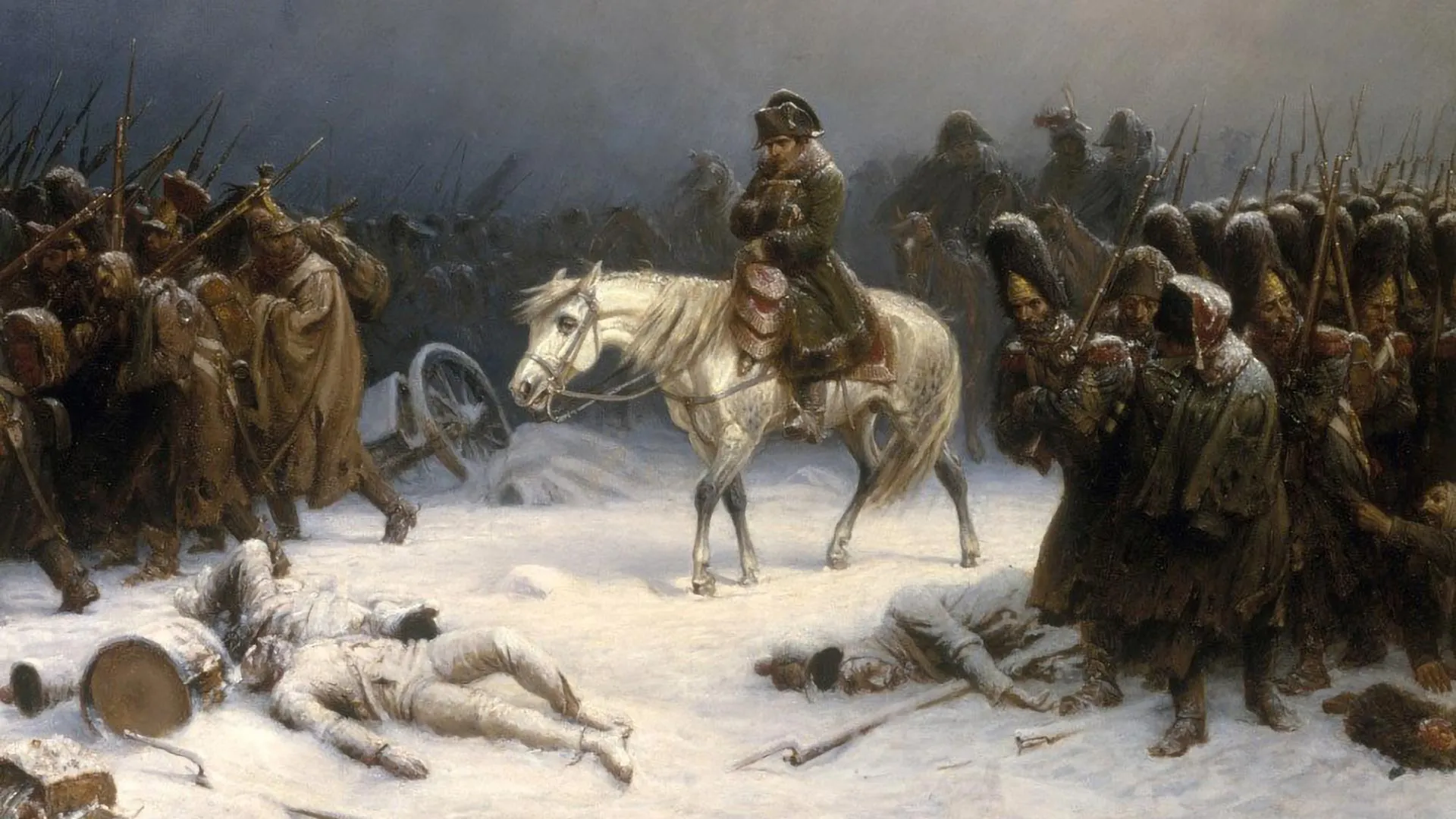
Scientists from the Institut Pasteur have conducted a genetic analysis of the remains of soldiers who retreated from Russia in 1812. Their work uncovered traces of two disease-causing pathogens — those behind paratyphoid fever and relapsing fever — which match the symptoms described in eyewitness records from that time. The findings were first shared as a preprint on bioRxiv on July 16, 2025, and later published in the journal Current Biology on October 24.
Investigating the Mystery of the 1812 Retreat
Napoleon’s invasion of Russia in 1812, known as the “Patriotic War of 1812,” ended in one of history’s most disastrous retreats. To better understand what role disease may have played in this collapse, researchers from the Institut Pasteur’s Microbial Paleogenomics Unit partnered with the Laboratory of Biocultural Anthropology at Aix Marseille University. The team analyzed the DNA of 13 French soldiers exhumed in 2002 from a burial site in Vilnius, Lithuania, uncovered during archaeological excavations led by the Aix-Marseille University group. Using next-generation sequencing technology on ancient DNA, they searched for genetic traces of infectious organisms.
The researchers detected two distinct disease agents: Salmonella enterica subsp. enterica (serovar Paratyphi C), which causes paratyphoid fever, and Borrelia recurrentis, the bacterium responsible for relapsing fever. The latter is transmitted by lice and produces alternating periods of fever and recovery. Although different, both infections can cause severe fever, exhaustion, and digestive distress. Their combined impact could have intensified the soldiers’ suffering at a time when cold, hunger, and poor sanitation were already taking a heavy toll.
Genetic Evidence From Napoleonic Soldiers
Out of the 13 soldiers examined, DNA from S. enterica Paratyphi C was found in four individuals, and B. recurrentis was detected in two. This marks the first direct genetic confirmation that these pathogens were present in Napoleon’s army. Their exact contribution to the enormous death toll remains uncertain, but the findings complement earlier research that identified Rickettsia prowazekii (the cause of typhus) and Bartonella quintana (responsible for trench fever), both long suspected of spreading through the ranks during the retreat.
Because only a small number of samples could be analyzed compared to the thousands of remains in Vilnius, researchers cannot yet determine how widespread these infections were. The tested soldiers represent a tiny fraction — 13 out of more than 3,000 bodies at the site and roughly 500,000 to 600,000 troops who took part in the campaign, of whom about 300,000 died during the retreat.
Understanding the Past to Protect the Future
“Accessing the genomic data of the pathogens that circulated in historical populations helps us to understand how infectious diseases evolved, spread and disappeared over time, and to identify the social or environmental contexts that played a part in these developments. This information provides us with valuable insights to better understand and tackle infectious diseases today,” explains Nicolás Rascovan, Head of the Microbial Paleogenomics Unit at the Institut Pasteur and last author of the study.
To achieve these results, the team worked in collaboration with scientists from the University of Tartu in Estonia to develop an innovative authentication workflow involving several steps, including a phylogeny-driven interpretive approach for the highly degraded genome fragments recovered. This method enables scientists to accurately identify pathogens even if their DNA only yields low coverage, in some cases even indicating a specific lineage.
“In most ancient human remains, pathogen DNA is extremely fragmented and only present in very low quantities, which makes it very difficult to obtain whole genomes. So we need methods capable of unambiguously identifying infectious agents from these weak signals, and sometimes even pinpointing lineages, to explore the pathogenic diversity of the past,” he adds.
Linking History and Disease
The team’s results closely match the historical descriptions of the fevers that swept through Napoleon’s forces. This connection strengthens the theory that infectious diseases contributed to the disastrous outcome of the 1812 campaign, along with other factors such as exhaustion, starvation, and the brutal Russian winter.
Napoleon’s 1812 campaign ultimately ended in defeat, forcing a massive withdrawal that devastated his army. The Russian forces reclaimed Moscow, marking a turning point that dealt a fatal blow to Napoleon’s military ambitions.
Dr Xand and Dr Chris van Tulleken share four small but powerful tips they’ve learnt over the course of 30 episodes.
How does your brain know when to take a breath, stabilize your blood pressure, or fight off an infection? The answer lies in interoception, a lesser-known process through which the nervous system constantly monitors the body’s internal signals to keep essential functions running.
Now, a collaborative team from Scripps Research and the Allen Institute has received the National Institutes of Health (NIH) Director’s Transformative Research Award to develop the first comprehensive atlas of this internal sensory system.
A Major Investment in Brain-Body Research
Leading the project is Nobel Prize-winning neuroscientist Ardem Patapoutian, joined by Li Ye, the N. Paul Whittier Chair in Chemistry and Chemical Biology at Scripps Research, and Bosiljka Tasic, Director of Molecular Genetics at the Allen Institute. Xin Jin, Associate Professor at Scripps Research, will serve as co-investigator, directing the genomic and cell-type identification work.
The NIH has awarded the team $14.2 million over five years to carry out this ambitious project.
“My team is honored that the NIH is supporting the kind of collaborative science needed to study such a complex system,” says Patapoutian, the Presidential Endowed Chair in Neurobiology at Scripps Research.
Patapoutian, who shared the 2021 Nobel Prize in Physiology or Medicine for his discovery of cellular sensors that detect touch, will now apply his expertise to understanding interoception.
“We hope our results will help other scientists ask new questions about how internal organs and the nervous system stay in sync,” adds Ye. Like Patapoutian, he’s also a Howard Hughes Medical Institute Investigator.
Established in 2009, the Transformative Research Award funds groundbreaking interdisciplinary projects that push beyond traditional scientific boundaries. It is part of the NIH Common Fund’s High-Risk, High-Reward Research Program, designed to support innovative ideas that could reshape our understanding of human health but might otherwise struggle to receive funding through conventional mechanisms.
What Makes Interoception Unique
Unlike the classic senses — such as smell, sight, and hearing — which rely on specialized sensory organs that detect stimuli from the outside world, interoception involves a vast network of neurons that sense what’s happening inside the body. These neural circuits track critical processes including circulation, digestion, and immune activity.
Because interoceptive signals originate deep within the body and are often processed unconsciously, scientists often describe this system as our “hidden sixth sense.”
Despite its fundamental role, interoception has received little scientific attention. The signals it produces are complex, overlapping, and difficult to measure. The sensory neurons that carry them are distributed throughout organs such as the heart, lungs, stomach, and kidneys, making them hard to isolate and map precisely.
Mapping the Brain-Body Connection
With the NIH’s support, the Scripps and Allen Institute researchers plan to map how sensory neurons connect with a wide variety of internal organs, including the heart and gastrointestinal tract. Their goal is to create a detailed anatomical and molecular atlas that reveals how these neural pathways are organized.
To achieve this, one part of the project will label sensory neurons and use whole-body imaging to trace their routes from the spinal cord to different organs, producing a high-resolution 3D map. The second part will use genetic profiling to distinguish between different cell types, such as neurons that send signals from the gut, bladder, or fat tissue.
Together, these datasets will form the first standardized reference for understanding the body’s internal sensory wiring.
Why Interoception Matters for Health
By decoding how interoception works, scientists hope to uncover key principles of brain-body communication that could lead to new treatments for disease. Disruptions in these internal sensory pathways have been linked to a range of conditions, including autoimmune disorders, chronic pain, neurodegenerative diseases, and high blood pressure.
“Interoception is fundamental to nearly every aspect of health, but it remains a largely unexplored frontier of neuroscience,” says Jin, who’s a Howard Hughes Medical Institute Freeman Hrabowski Scholar. “By creating the first atlas of this system, we aim to lay the foundation for better understanding how the brain keeps the body in balance, how that balance can be disrupted in disease and how we might restore it.”
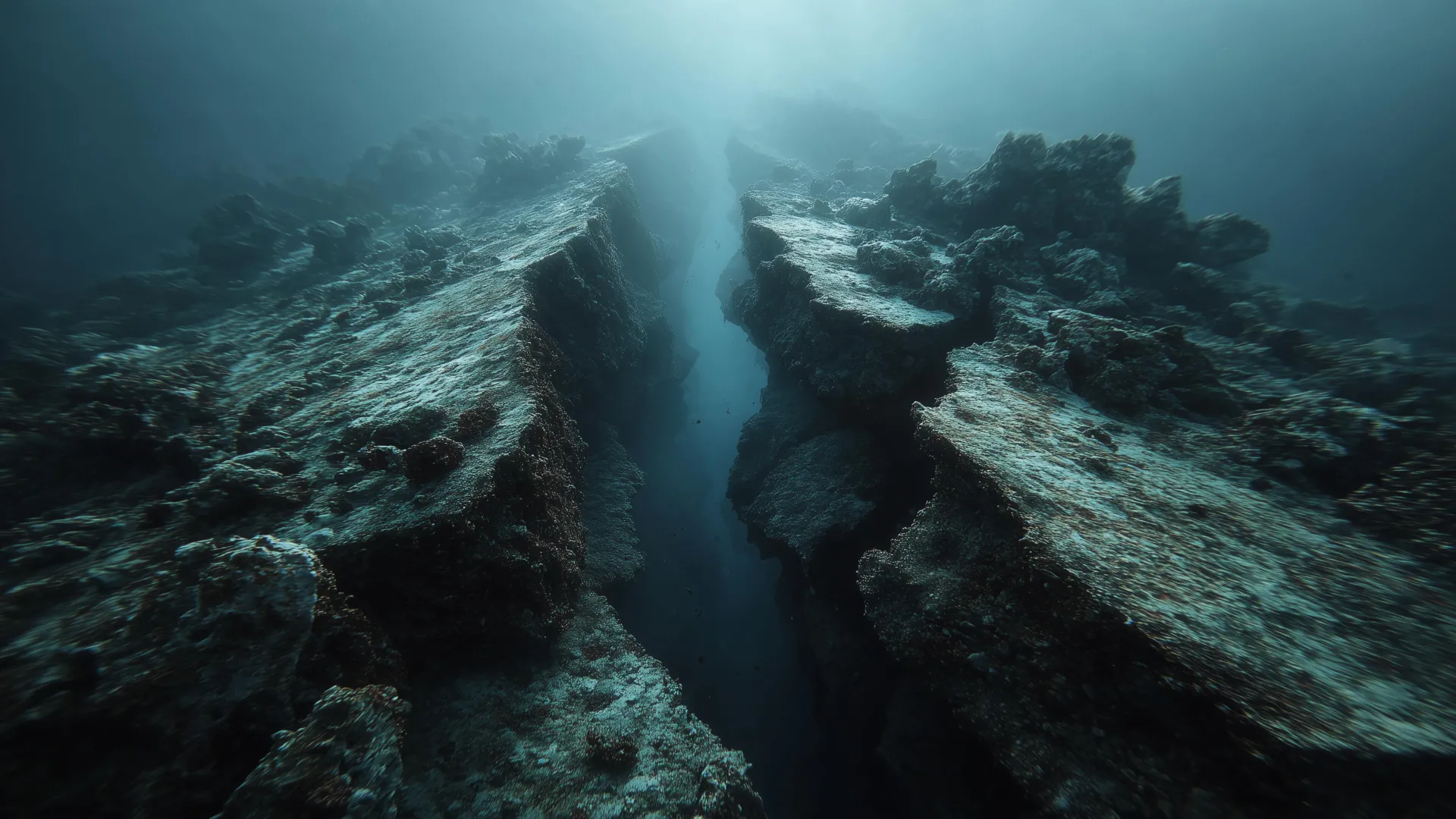
For the first time, scientists have directly witnessed a subduction zone — the place where one tectonic plate plunges beneath another — in the midst of breaking apart. The finding, published in Science Advances, provides an unprecedented view of how Earth’s surface changes over time and adds new insight into the potential for future earthquakes in the Pacific Northwest.
Subduction zones are some of the most powerful and dynamic features on Earth. They move continents across the globe, trigger massive earthquakes and volcanic eruptions, and recycle the planet’s crust deep into the mantle.
However, these zones are not permanent. If they never ended, continents would continuously collide and merge, erasing oceans and much of the planet’s geological history. For decades, scientists have wondered how these colossal systems eventually come to an end.
“Getting a subduction zone started is like trying to push a train uphill — it takes a huge effort,” said Brandon Shuck, a geologist at Louisiana State University and lead author of the study. “But once it’s moving, it’s like the train is racing downhill, impossible to stop. Ending it requires something dramatic — basically, a train wreck.”
Capturing a Subduction Zone in the Act
Off the coast of Vancouver Island, in the Cascadia region, scientists have now seen that “train wreck” unfolding. Here, the Juan de Fuca and Explorer plates are slowly sliding beneath the North American plate, and new data show the system is literally tearing itself apart.
Researchers used seismic reflection imaging — essentially an ultrasound of Earth’s interior — combined with detailed earthquake records to observe the process. The data were gathered during the 2021 Cascadia Seismic Imaging Experiment (CASIE21), funded by the National Science Foundation. During the expedition, sound waves were sent from a research vessel into the seafloor and the returning echoes were captured by a 15-kilometer-long line of underwater sensors. The resulting images revealed deep fractures where the oceanic plate is snapping apart.
“This is the first time we have a clear picture of a subduction zone caught in the act of dying,” said Shuck. “Rather than shutting down all at once, the plate is ripping apart piece by piece, creating smaller microplates and new boundaries. So instead of a big train wreck, it’s like watching a train slowly derail, one car at a time.”
A Plate Coming Apart Piece by Piece
The team found enormous tears running through the oceanic plate, including a major offset where one section has dropped about five kilometers. “There’s a very large fault that’s actively breaking the plate,” Shuck explained. “It’s not 100% torn off yet, but it’s close.”
Earthquake data supported what the images showed. Along the 75-kilometer tear, some parts remain seismically active, while others have fallen silent. “Once a piece has completely broken off, it no longer produces earthquakes because the rocks aren’t stuck together anymore,” Shuck explained. The absence of quakes in certain areas suggests that sections of the plate have already detached, and the gap is gradually widening over time.
The study revealed that subduction zones don’t fail in one catastrophic break but die in stages, through a process known as “episodic” or “piecewise” termination. Instead of the entire plate snapping at once, it tears apart in smaller sections. Transform boundaries — the faults where plates slide past each other — act like natural scissors, slicing across the plate and isolating fragments that form new microplates while subduction continues nearby.
As the larger plate loses pieces, it also loses momentum. Like cutting cars off a runaway train, each break reduces the downward pull until the entire subduction process grinds to a halt. Although each episode takes millions of years, these gradual stages together mark the death of a subduction zone.
Clues to Earth’s Ancient Tectonic Mysteries
This slow breakup helps explain puzzling features from Earth’s past, such as abandoned fragments of old tectonic plates and bursts of volcanic activity in unexpected places. One striking example lies off Baja California, where scientists have long known of fossil microplates — the remnants of the once-vast Farallon plate. For years, researchers suspected these fragments were evidence of dying subduction zones, but the exact mechanism was unclear. The Cascadia region now offers a direct look at how that process happens: through step-by-step tearing, not sudden collapse.
The breakup of a plate doesn’t just stop motion — it reshapes the planet. As each fragment detaches, it can open “slab windows” where hot mantle material rises toward the surface, creating bursts of volcanic activity. Over time, new microplates form, old ones drift, and the boundaries shift again. “It’s a progressive breakdown, one episode at a time,” said Shuck. “And it matches really well with what we see in the geologic record, where volcanic rocks get younger or older in a sequence that reflects this step-by-step tearing.”
Earthquake Hazards and Future Research
Looking forward, scientists are investigating whether a major earthquake could rupture across one of these newly formed tears or if the fractures might alter how seismic energy moves through the region. While this discovery improves models of how complex fault systems behave, it does not significantly change the short-term risk for the Pacific Northwest.
Cascadia remains capable of generating very large earthquakes and tsunamis. Understanding how these newly identified breaks influence future ruptures will help refine hazard assessments and deepen our understanding of how Earth’s most powerful geological engines ultimately come to rest.
Flu season has come early and cases are rising among children, NHS England says.
The global market in this supplement is worth almost £3bn – a figure set to nearly double over the next decade.

Deep within your gut lives a bustling world of microbes, each playing a role in digesting your food. Among them is one unusual microbe that produces methane — a gas more often associated with cows and landfills than humans. According to new research from Arizona State University (ASU), this methane-making microorganism may influence how many calories your body extracts from what you eat.
The collection of microbes living in your digestive tract is known as the gut microbiome. While everyone has one, some people’s microbiomes produce large amounts of methane, whereas others produce very little.
Microbes and the Energy Hidden in Fiber
The study found that people whose microbiomes generate more methane tend to extract more energy from high-fiber foods. This may help explain why the same meal can provide different calorie counts for different individuals once it reaches the colon.
Researchers emphasized that high-fiber foods remain beneficial. People generally absorb more calories from a typical Western diet high in processed foods, regardless of methane levels. Even so, calorie absorption on a fiber-rich diet varies depending on how much methane a person’s gut produces.
These findings suggest that gut methane could become a key factor in personalized nutrition — a future where diets are tailored to the unique microbial activity in each person’s digestive system
“That difference has important implications for diet interventions. It shows people on the same diet can respond differently. Part of that is due to the composition of their gut microbiome,” says Blake Dirks, lead author of the study and graduate researcher at the Biodesign Center for Health Through Microbiomes. Dirks is also a PhD student in ASU’s School of Life Sciences.
Meet the Methane Makers
Published in The ISME Journal, the study identifies the key players: methane-producing microbes known as methanogens. These microorganisms appear to be linked with more efficient digestion and higher energy absorption.
A major job of the microbiome is breaking down food that the body cannot digest on its own. Microbes ferment fiber into short-chain fatty acids (SCFAs), which provide a valuable energy source. During this process, hydrogen gas is released. Too much hydrogen can slow fermentation, but other microbes prevent this by consuming hydrogen — keeping the digestive chemistry in balance.
Methanogens are the hydrogen consumers. As they feed on hydrogen, they release methane as a byproduct. They are the only microbes in the human gut that produce this gas.
“The human body itself doesn’t make methane, only the microbes do. So we suggested it can be a biomarker that signals efficient microbial production of short-chain fatty acids,” says Rosy Krajmalnik-Brown, corresponding author of the study and director of the Biodesign Center for Health Through Microbiomes.
How Microbes May Shape Metabolism
The ASU researchers found that the interactions between these microbes may directly affect metabolism. Participants who produced more methane also had higher levels of short-chain fatty acids, indicating that more energy was being created and absorbed in the gut.
To test these effects, each participant followed two different diets. One included highly processed, low-fiber foods, while the other emphasized whole foods and fiber. Both diets contained equal proportions of carbohydrates, proteins, and fats.
The research was conducted in collaboration with the AdventHealth Translational Research Institute, which provided access to a specialized facility. Each participant spent six days in a sealed, hotel-like room called a whole-room calorimeter. This environment allowed researchers to precisely measure metabolism and methane output.
Unlike traditional methods that rely on a single breath test, this setup continuously captured methane released through both breath and other emissions (ahem), providing a more accurate view of microbial activity.
“This work highlights the importance of the collaboration between clinical-translational scientists and microbial ecologists. The combination of precise measures of energy balance through whole-room calorimetry with ASU’s microbial ecology expertise made key innovations possible,” says Karen D. Corbin, a co-author and associate investigator at the institute.
Tracking Energy and Microbial Activity
Data collected from blood and stool samples revealed how much energy participants absorbed from their food and how active their gut microbes were. Researchers then compared people with high methane production to those with lower levels.
Almost all participants absorbed fewer calories while eating the high-fiber diet compared to the processed-food diet. However, those with higher methane production absorbed more calories from the fiber-rich foods than those with less methane in their systems.
A Step Toward Personalized Health
The findings lay important groundwork for future studies and medical applications.
This research creates a foundation for future studies and medical treatments.
“The participants in our study were relatively healthy. One thing that I think would be worthy to look at is how other populations respond to these types of diets — people with obesity, diabetes or other kinds of health states,” Dirks says.
Although the study did not aim to induce weight loss, some participants did lose a small amount while following the high-fiber diet. Future research may explore how methanogens influence weight-loss efforts or specialized nutrition programs.
“You can see how important it is that the microbiome is personalized,” Krajmalnik-Brown says. “Specifically, the diet that we designed so carefully to enhance the microbiome for this experiment had different effects on each person, in part because some people’s microbiomes produced more methane than others.”
Other members of the ASU research team include Professor Bruce Rittmann and graduate researcher Taylor Davis.
This project was funded by the National Institute of Diabetes and Digestive and Kidney Diseases of the National Institutes of Health.

Having lower cholesterol levels may help protect against dementia, according to a large-scale international study led by the University of Bristol. The research, involving data from more than one million participants, found that people with genetic traits that naturally reduce cholesterol are less likely to develop dementia.
The work was led by Dr. Liv Tybjærg Nordestgaard during her time at the University of Bristol and at the Department of Clinical Biochemistry at Copenhagen University Hospital — Herlev and Gentofte. The findings were published in Alzheimer’s & Dementia: The Journal of the Alzheimer’s Association.
Genetic Clues and Cholesterol-Lowering Effects
Some individuals are born with genetic variants that affect the same proteins targeted by cholesterol-lowering medications such as statins and ezetimibe. To explore whether these drugs might influence dementia risk, the team used a technique called Mendelian Randomization. This method allows scientists to study how specific genetic variants mimic the effects of a treatment while minimizing the influence of outside factors like weight, diet, or lifestyle.
By comparing people with and without these cholesterol-lowering genetic variants, the researchers observed a clear difference in dementia risk. A small decrease in cholesterol levels (about one millimole per liter) was associated with up to an 80% reduction in dementia risk for certain drug-related genetic targets.
Lower Cholesterol, Lower Dementia Risk
“What our study indicates is that if you have these variants that lower your cholesterol, it looks like you have a significantly lower risk of developing dementia,” said Dr. Nordestgaard, who now works in the Department of Clinical Biochemistry at Copenhagen University Hospital — Bispebjerg and Frederiksberg hospital.
The results suggest that keeping cholesterol levels low — whether through genetics or medical treatment — may protect against dementia. However, the research does not yet confirm that cholesterol-lowering drugs themselves directly prevent the disease.
Why Studying Dementia Is So Challenging
Because dementia often develops late in life, studying its causes requires tracking participants for decades. This makes it difficult to establish cause and effect in traditional clinical trials.
It also remains unclear why high cholesterol raises dementia risk. One explanation, according to Dr. Nordestgaard, is that high cholesterol contributes to atherosclerosis — the buildup of fatty deposits in blood vessels.
How Cholesterol May Harm the Brain
“Atherosclerosis is a result of the accumulation of cholesterol in your blood vessels,” Dr. Nordestgaard said. “It can be in both the body and the brain and increases the risk of forming small blood clots — one of the causes of dementia.
“It would be a really good next step to carry out randomised clinical trials over 10 or 30 years, for example, where you give the participants cholesterol-lowering medication and then look at the risk of developing dementia,” Dr. Nordestgaard added.
Global Collaboration and Funding
The study used data from the UK Biobank, the Copenhagen General Population Study, the Copenhagen City Heart Study, the FinnGen study, and the Global Lipids Genetics Consortium.
Funding was provided by the Medical Research Council, Independent Research Fund Denmark, and Research Council at the Capital Region of Denmark (LTN).
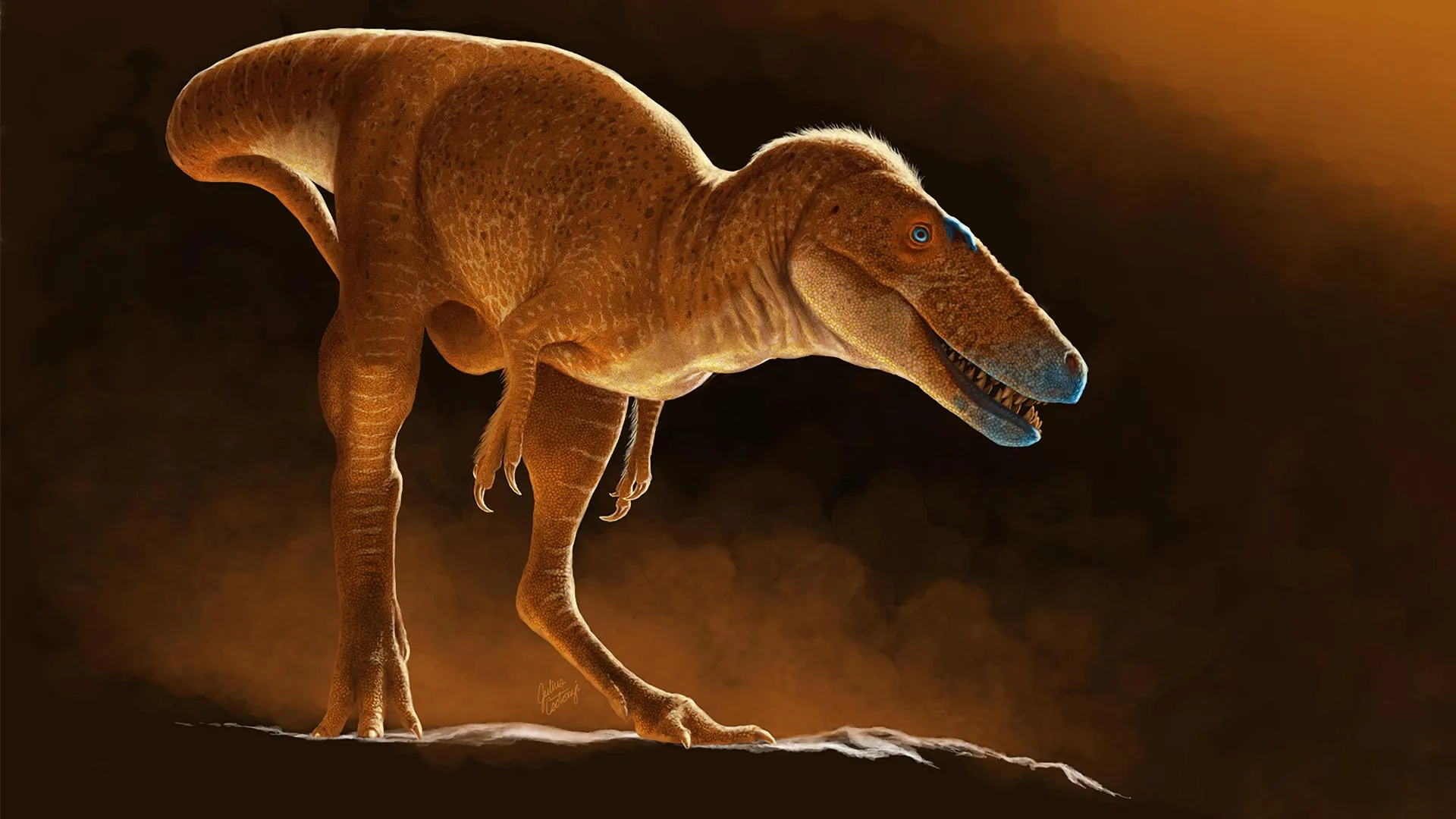
An international team of paleontologists has identified a previously unknown dinosaur species named Khankhuuluu, believed to be the closest-known ancestor of the giant Tyrannosaurs. The discovery, led by Jared Voris and Dr. Darla Zelenitsky from the University of Calgary’s Faculty of Science, has been published in Nature.
Voris, a PhD candidate in the Department of Earth, Energy, and Environment, explains that this newly identified Tyrannosaur lived about 86 million years ago. It was a medium-sized, fast-moving predator that evolved after the extinction of other large carnivorous dinosaurs.
A Glimpse Into Tyrannosaur Evolution
According to Voris, “This new species provides us the window into the ascent stage of Tyrannosaur evolution; right when they’re transitioning from small predators to their apex predator form.” Khankhuuluu is regarded as the nearest known ancestor of the colossal Tyrannosaurs popularized by films like Jurassic Park.
The name Khankhuuluu comes from Mongolian and translates to “prince of dragons” or “the dragon prince.” The name reflects its position in the Tyrannosaur family tree — standing as the “prince” before the “king,” Tyrannosaurus rex. At roughly 750 kilograms (about the size of a horse), it was two to three times smaller than its enormous descendants but shared many of their defining traits.
Physical Traits and Hunting Style
Khankhuuluu displayed small horn-like structures on its head, features that later became more pronounced in later Tyrannosaur species such as Albertosaurus and Gorgosaurus, likely used for mating displays or intimidation. Its long, shallow skull indicates it lacked the bone-crushing bite strength of T. rex. Instead, scientists describe Khankhuuluu as a mesopredator, similar to modern coyotes, relying on speed and agility to hunt.
Fossils From Mongolia Tell a New Story
The fossils were unearthed from the Bayanshiree Formation in southeastern Mongolia and were first studied in the 1970s by paleontologist Altangerel Perle, who initially compared them to a similar species known as Alectrosaurus from China. When Voris examined the fossils in 2023 at the Institute of Paleontology in Mongolia, he noticed subtle but key differences that distinguished them from Alectrosaurus.
The Journey of Tyrannosaurs Between Continents
Dr. Zelenitsky explains that Khankhuuluu or a closely related species likely migrated from Asia to North America around 85 million years ago.”Our study provides solid evidence that large Tyrannosaurs first evolved in North America as a result of this immigration event,” she says.
The research suggests these migrations between Asia and North America were rarer and more limited than previously believed. Khankhuuluu appears to be the last known Asian ancestor of the Tyrannosaurs before their diversification in North America.
From the “Dragon Prince” to the Tyrant King
Scientists believe that Khankhuuluu, or one of its relatives, crossed a land bridge into North America, where it evolved into the formidable apex predator Tyrannosaurs. Fossil evidence shows that Tyrannosaurs thrived in North America for several million years before returning to Asia, where their lineage split into two branches: one evolved into massive predators like T. rex, while the other produced more slender, long-snouted types nicknamed “Pinocchio rexes.”
What Comes Next in the Research
Looking ahead, the team plans to study earlier and less-understood ancestors of these apex predators to fill in the remaining gaps of the Tyrannosaur evolutionary story.
