The Accounts Commission says the amount councils are spending on culture and leisure services is not keeping up with rising costs.


The Accounts Commission says the amount councils are spending on culture and leisure services is not keeping up with rising costs.
Families had been calling for Sir Julian’s resignation over poor maternity care at Leeds Teaching Hospitals NHS Trust.
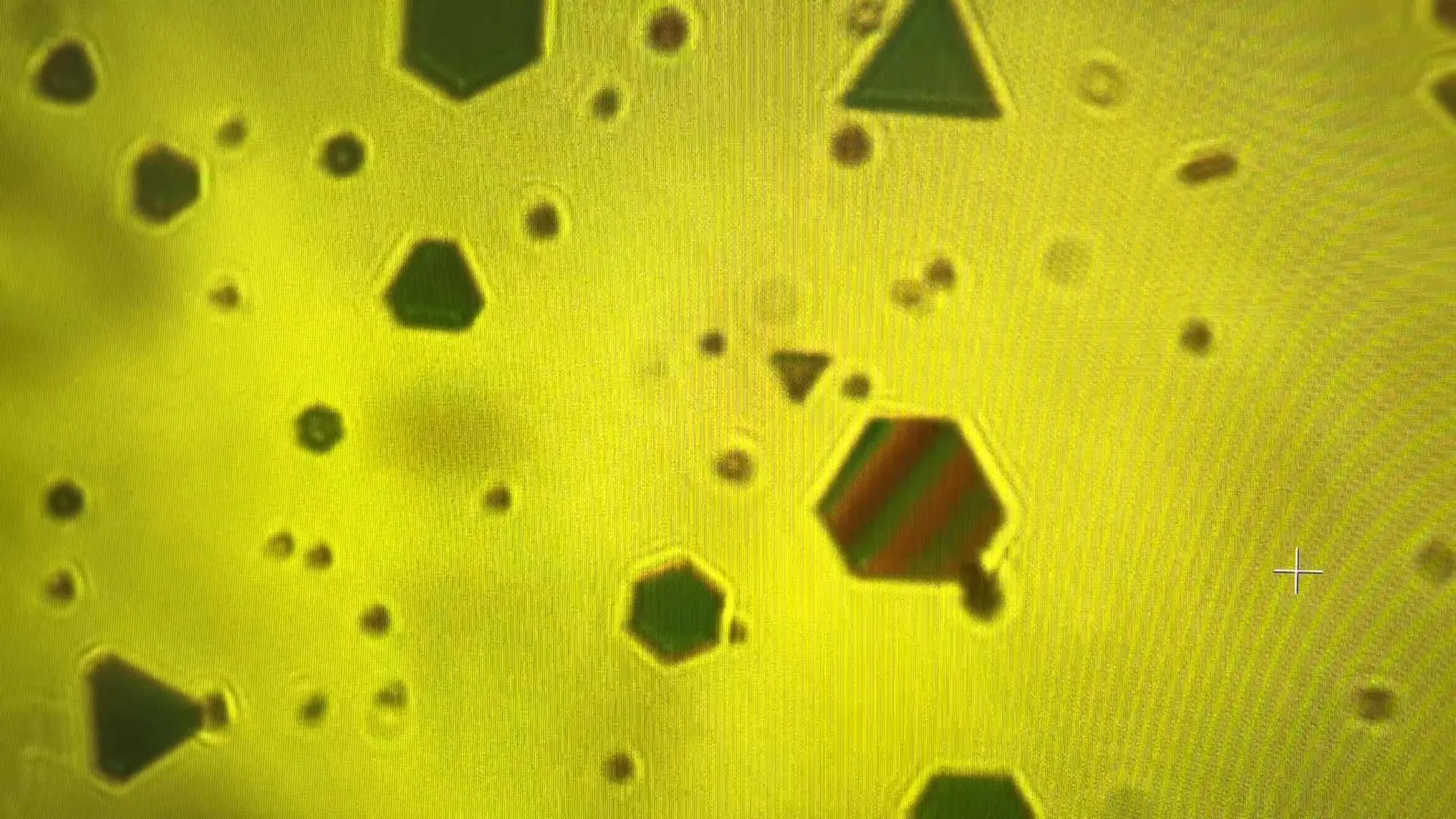
When dust clings to a surface or a gecko walks across a ceiling, it happens thanks to what scientists call “nature’s invisible glue.” Researchers at Chalmers University of Technology in Sweden have developed a fast and simple way to observe these hidden forces that hold the tiniest objects in the universe together. By combining gold, salt water, and light, they have built a special platform where these forces can actually be seen as colorful patterns.
In one of Chalmers’ physics labs, doctoral student Michaela Hošková demonstrates the setup. She holds a glass container filled with millions of microscopic gold flakes suspended in a salt solution. With a pipette, she places a single drop of this liquid on a gold-coated glass plate positioned under an optical microscope. Almost immediately, the gold flakes are drawn toward the surface, but they stop just short of touching it, leaving behind extremely thin gaps measured in nanometers. These tiny cavities act as miniature light traps, causing light to reflect back and forth and produce vivid colors. When illuminated by the microscope’s halogen lamp and analyzed through a spectrometer, the light separates into different wavelengths. On the connected monitor, flakes shimmer and shift between hues of red, green, and gold as they move across the surface.
Studying ‘nature’s glue’ using light trapped in tiny cavities
“What we are seeing is how fundamental forces in nature interact with each other. Through these tiny cavities, we can now measure and study the forces we call ‘nature’s glue’ — what binds objects together at the smallest scales. We don’t need to intervene in what is happening, we just observe the natural movements of the flakes,” says Michaela Hošková, a doctoral student at the Department of Physics at Chalmers University of Technology and first author of the scientific article in the journal PNAS in which the platform is presented.
The light confined inside these nanoscopic cavities allows scientists to explore a delicate equilibrium between two competing forces: one that pulls the flakes toward the surface and another that pushes them apart. The attractive force, known as the Casimir effect, causes the gold flakes to draw closer together and toward the substrate. The opposing electrostatic force, generated by the charged particles in the salt solution, prevents them from sticking completely. When these forces reach perfect balance, a process called self-assembly occurs, creating the cavities that make this phenomenon visible.
“Forces at the nanoscale affect how different materials or structures are assembled, but we still do not fully understand all the principles that govern this complex self-assembly. If we fully understood them, we could learn to control self-assembly at the nanoscale. At the same time, we can gain insights into how the same principles govern nature on much larger scales, even how galaxies form,” says Michaela Hošková.
Gold flakes become floating sensors
The Chalmers researchers’ new platform is a further development of several years of work in Professor Timur Shegai’s research group at the Department of Physics. From the discovery four years ago that a pair of gold flakes creates a self-assembled resonator, researchers have now developed a method to study various fundamental forces.
The researchers believe that the platform, in which the self-assembled gold flakes act as floating sensors, could be useful in many different scientific fields such as physics, chemistry and materials science.
“The method allows us to study the charge of individual particles and the forces acting between them. Other methods for studying these forces often require sophisticated instruments which cannot provide information down to the particle level,” says research leader Timur Shegai.
Can provide new knowledge on everything from medicines to biosensors
Another way to use the platform, which is important for the development of many technologies, is to gain a better understanding of how individual particles interact in liquids and either remain stable or tend to stick to each other. It can provide new insights into the pathways of medicines through the body, or how to make effective biosensors, or water filters. But it is also important for everyday products that you do not want to clump together, such as cosmetics.
“The fact that the platform allows us to study fundamental forces and material properties shows its potential as a truly promising research platform,” says Timur Shegai.
In the lab, Michaela Hošková opens a box containing a finished sample of the platform. She lifts it with tweezers and shows how easily it can be placed in the microscope. Two thin glass plates hold everything needed to study nature’s invisible glue.
“What I find most exciting is that the measurement itself is so beautiful and easy. The method is simple and fast, based only on the movement of gold flakes and the interaction between light and matter,” says Michaela Hošková, zooming the microscope in on a gold flake, the colors of which immediately reveal the forces at play.
How the researchers study ‘nature’s invisible glue’
Gold flakes approximately 10 micrometers in size are placed in a container filled with a salt solution, i.e. water containing free ions. When a drop of the solution is placed on a glass substrate covered with gold, the flakes are naturally attracted to the substrate and nanometer-sized cavities (100-200 nanometers) appear. Self-assembly occurs as a result of a delicate balance between two forces: the Casimir force, a directly measurable quantum effect that causes objects to be attracted to each other, and the electrostatic force that arises between charged surfaces in a salt solution.
When a simple halogen lamp illuminates the tiny cavities, the light inside is captured as if in a trap. This allows the researchers to study the light more closely using an optical microscope connected to a spectrometer. The spectrometer separates the wavelengths of the light so that different colors can be identified. By varying the salinity of the solution and monitoring how the flakes change their distance to the substrate, it is possible to study and measure the fundamental forces at play. To prevent the saline solution with the gold flakes from evaporating, the drop of gold flakes and saline are sealed and then covered with another glass plate.
The platform was developed at Chalmers’ Nanofabrication Laboratory, Myfab Chalmers, and at the Chalmers Materials Analysis Laboratory (CMAL).
More about the research
The scientific article Casimir self-assembly:A platform for measuring nanoscale surface interactions in liquids has been published in PNAS (Proceedings of the National Academy of Sciences). It was written by Michaela Hošková, Oleg V. Kotov, Betül Küçüköz and Timur Shegai at the Department of Physics, Chalmers University of Technology, Sweden, and Catherine J. Murphy at the Department of Chemistry, University of Illinois, USA.
The research was funded by the Swedish Research Council, the Knut and Alice Wallenberg Foundation, the Vinnova Centre 2D-Tech and Chalmers University of Technology’s Nano Area of Advance.
Despite the change – which will happen in 2026 – campaigners warn some women will lose out because the number who attend is too low.
Pelvic organ prolapse affects around one in 12 mothers, but many people have never even heard of it.
Tracey Connolly was first jailed in 2009 over the death of her of toddler son Peter in north London.
Benedict Blythe’s parents say lives and money could be saved by giving allergy pens to all schools.
A coroner says some of the care Cerys Lupton-Jones was given at a mental health unit was a “shambles”.
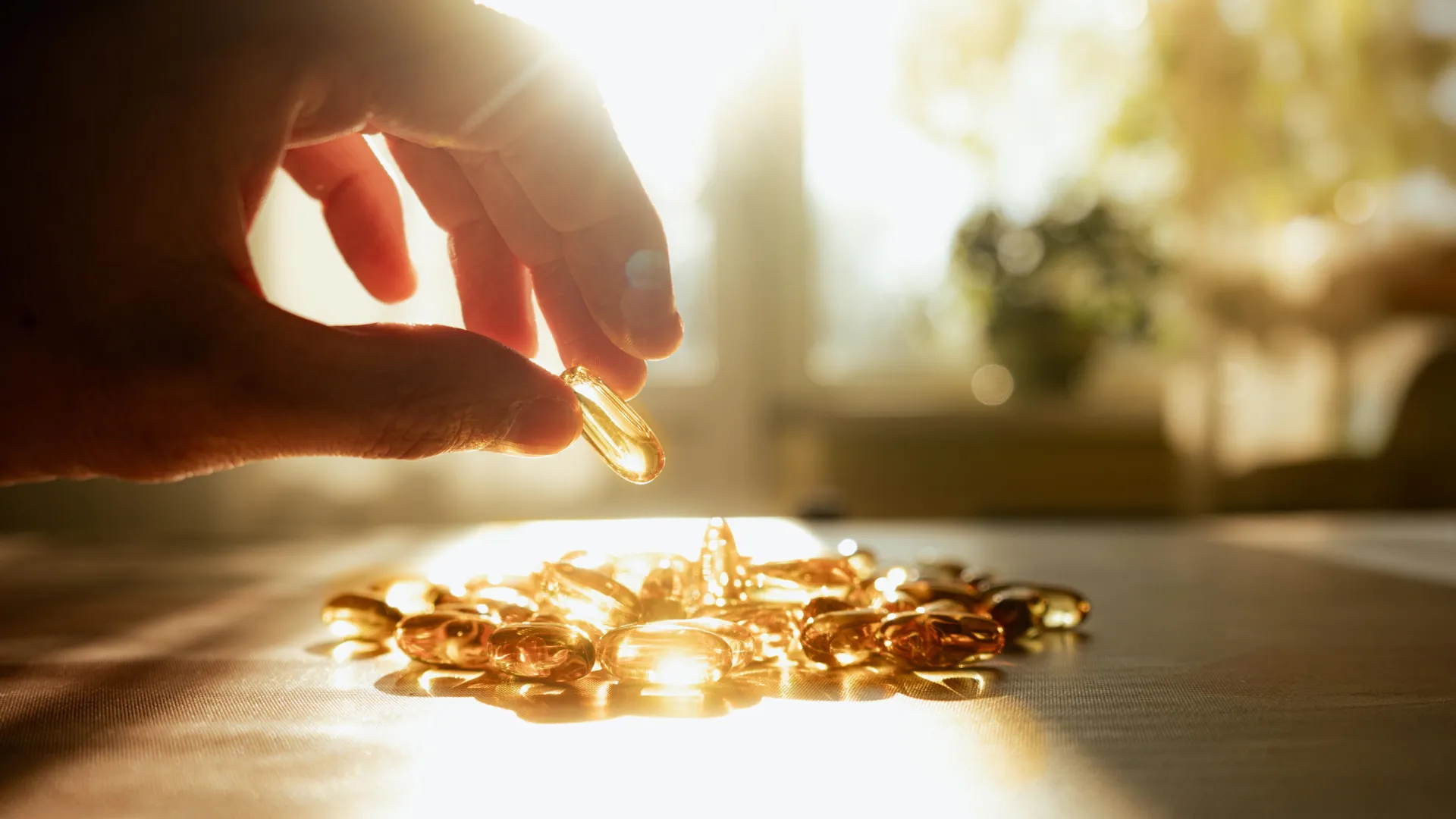
A new review suggests that vitamin D supplements may help protect the ends of our chromosomes, known as telomeres, which play a vital role in slowing the aging process. This finding has raised hopes that the “sunshine vitamin” could support longer-lasting health.
Researchers found that taking 2,000 IU (international units, a standard measure for vitamins) of vitamin D daily helped preserve telomeres — the tiny protective caps on our DNA that function like the plastic tips on shoelaces, preventing damage each time a cell divides.
Why Telomeres Matter
Each of our 46 chromosomes is capped with a telomere that becomes shorter every time a cell replicates. When these structures get too short, cells stop dividing and eventually die.
Shortened telomeres have been linked to major age-related diseases such as cancer, heart disease, and osteoarthritis. Factors like smoking, chronic stress, and depression can speed up this shortening process, while inflammation in the body also contributes to it.
More Than Just Bone Support
Most people know vitamin D for its essential role in building strong bones by helping the body absorb calcium. Children, teenagers, and those with darker skin or limited exposure to sunlight especially need sufficient levels to maintain bone strength.
Vitamin D also supports the immune system. Evidence shows that supplements can reduce the risk of respiratory infections, particularly in people who are deficient. Early research indicates that it might even help prevent autoimmune diseases such as rheumatoid arthritis, lupus, and multiple sclerosis, though more studies are needed to confirm this.
Because inflammation can accelerate telomere damage, vitamin D’s anti-inflammatory properties may help explain its apparent protective effects.
Inside the Study
The recent research, conducted at Augusta University in the United States, followed 1,031 adults with an average age of 65 over five years. Participants were randomly assigned to take either 2,000 IU of vitamin D daily or a placebo. Their telomere lengths were measured at the beginning, after two years, and again after four years.
Results showed that those taking vitamin D maintained their telomeres by 140 base pairs compared with the placebo group. Considering that telomeres naturally shorten by roughly 460 base pairs over ten years, this preservation could be significant.
This study adds to previous research suggesting similar benefits. Diets rich in anti-inflammatory foods, such as the Mediterranean diet, have also been linked to longer telomeres.
What Scientists Still Don’t Know
Despite the promising results, experts caution against jumping to conclusions. Some scientists note that overly long telomeres might actually raise the risk of certain diseases, suggesting there could be an ideal range that remains unclear.
There is also no universal agreement on the right dosage. The 2,000 IU used in the Augusta study is much higher than the recommended daily intake of 600 IU for adults under 70 and 800 IU for older adults. Other studies have suggested that even 400 IU per day may help prevent common infections such as colds.
Specialists emphasize that the optimal dose likely depends on individual factors like current vitamin D levels, diet, and how other nutrients interact in the body.
A Balanced Approach to Healthy Aging
While these findings are intriguing, researchers agree it’s premature to rely on high-dose vitamin D supplements as an anti-aging strategy. The strongest evidence for maintaining long-term health still points to the basics: eating a balanced diet, exercising regularly, getting enough sleep, avoiding smoking, and managing stress — all of which support telomere health naturally.
However, for those who are vitamin D deficient or at risk of bone problems, supplementation remains a well-supported and practical choice. As scientists continue to explore how aging works at the cellular level, vitamin D may turn out to be one important factor in a much larger picture of how to stay healthy as we grow older.
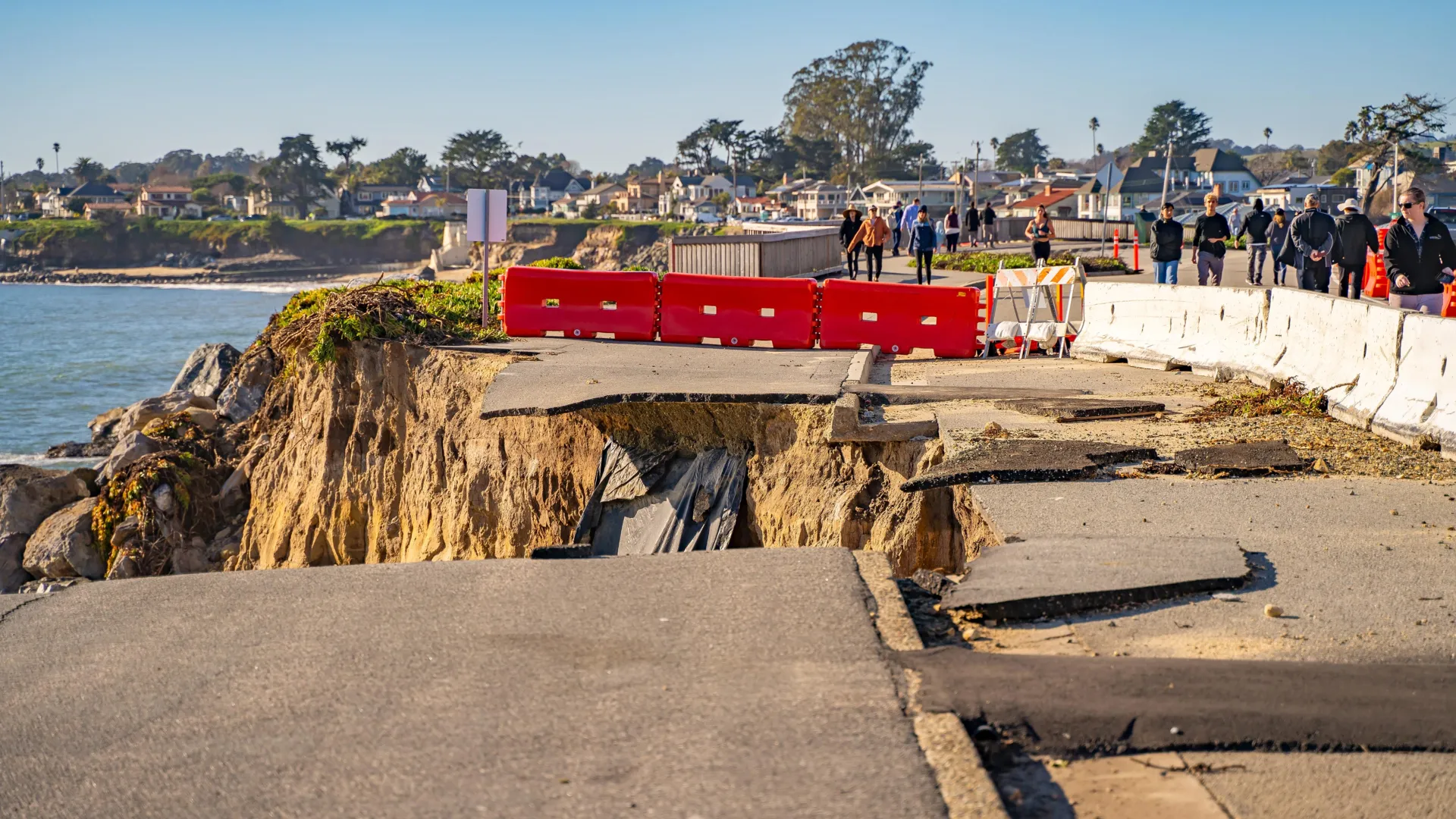
When the massive subduction zone lying under the Pacific Northwest shifts, it does so violently. A magnitude 9 or higher earthquake in this region would unleash catastrophic shaking, followed by tsunamis and landslides that multiply the destruction. Now, new research published in the journal Geosphere suggests that this “really big one” might not stop there — it could also set off a major quake in California.
“It’s kind of hard to exaggerate what a M9 earthquake would be like in the Pacific Northwest,” says Dr. Chris Goldfinger, a paleoseismologist at Oregon State University and lead author of the new study. “And so the possibility that a San Andreas earthquake would follow, it’s movie territory.”
Two Powerful Fault Systems on the Move
The Pacific coast of the United States sits at the boundary of several massive tectonic plates. North of Cape Mendocino, California, the Juan de Fuca plate dives beneath North America along a megathrust subduction zone known as Cascadia. To the south, the Pacific and North American plates grind past each other along the San Andreas Fault, occasionally producing devastating earthquakes such as the 1906 San Francisco event.
If both of these enormous fault systems were to rupture in close succession, it would redefine the seismic threat facing the entire western United States.
A Lucky Mistake at Sea
The discovery linking the two fault zones happened by accident. During a 1999 research cruise, scientists planned to collect sediment cores off the Pacific Northwest to study ancient Cascadia earthquakes. However, a graduate student accidentally entered an incorrect latitude, sending the ship roughly 90 kilometers south of the intended site — outside the Cascadia margin and into San Andreas territory.
“We wound up off northern California,” says Goldfinger. “When I woke up, I was pretty hot. But, once we were there, I thought, ‘well, let’s take a core here.'”
Strange Layers in the Sediment
The core retrieved from the submarine Noyo Canyon near Fort Bragg revealed something unexpected. Over the past 3,000 years, it contained a repeating pattern of turbidites — sediment layers deposited by underwater landslides known as turbidity currents. Normally, these deposits show a simple pattern with coarse grains at the bottom and finer grains on top. Yet many of the layers in both the Noyo Canyon and Cascadia cores appeared in distinctive pairs.
“There were these big, thick, sandy doublet events where it had a fine-grained element, and on top of it was a very coarse grained sandy unit. And we were just scratching our heads,” says Goldfinger.
Evidence of Linked Megaquakes
Radiocarbon dating revealed that many of these paired deposits north and south of Cape Mendocino formed at nearly the same time, within the limits of dating accuracy. That synchronicity was too frequent to be coincidental. After excluding other possible explanations, the researchers concluded that the first deposit in each pair likely resulted from a major earthquake on the Cascadia megathrust, while the second was caused by movement along the nearby San Andreas Fault.
“A lightbulb went on and we realized that the Noyo channel was probably recording Cascadia earthquakes, and that at a similar distance, Cascadia sites were probably recording San Andreas earthquakes,” says Goldfinger. “Well, what if? What if Cascadia went off and triggered a weak turbidity current near the San Andreas, and then the San Andreas went off some time later and triggered a very coarse, sandy deposit to come down. It would create this upside-down doublet stratigraphy.”
Could Two Quakes Strike Within Hours?
Exactly how much time might separate these linked events remains unclear, since later activity may have eroded some sediment between layers. However, in several cores, the second deposit appears to have formed within minutes or hours of the first. If that interpretation is correct, it suggests that a Cascadia megathrust quake could quickly trigger a massive San Andreas event, shaking nearly the entire Pacific coast in rapid succession.
Such a cascading sequence would pose a severe threat to lives, infrastructure, and emergency preparedness across the region.
“I’m from the Bay Area originally,” says Goldfinger. “If I were in my hometown of Palo Alto, and Cascadia went off, I think I would drive east. There looks to me like a very high risk the San Andreas would go off next.”
