
Health24.com | How to get your bowels back on track after the holidays

Feeling a bit bloated and “backed up” after a holiday full of indulgent food, alcohol and a lack of routine? You’re most likely not the only one.

1. Start following an eating schedule as soon as possible

Chances are that your eating was sporadic and all over the place during the holidays, with late breakfasts, grazing on snacks during the day and late, heavy dinners. Once you’re back at work, you should be able to return to a regular pattern of eating. Make a point of eating breakfast, lunch and dinner at set times, and if you have a hard time giving up the snacks, set yourself snack times as well. Your bowels should follow suit.

2. Introduce fibre (but don’t overdo it)

If you’ve been skimping on fruits, vegetables and wholegrain foods, it’s likely that you might be a bit constipated and bloated because of a lack of essential fibre. Start including fresh fruits and vegetables in all your meals. While fibre is essential to keep your digestive system on track, it’s, however, important not to overdo it as too much fibre might upset your stomach and make your constipation even worse.

foods high in fibre

3.  Don’t completely ditch the carbs

Introducing a new diet which eliminates complete food groups with the hope of losing weight may only make you feel more backed up. The type of diet you follow should be suited to your needs, and it may be better not to cut carbs out completely, but simply replace refined carbs such as white bread, cakes, biscuits and pasta with their wholegrain counterparts. This will ensure regular bowel movements and prevent you from feeling deprived and hungry. 
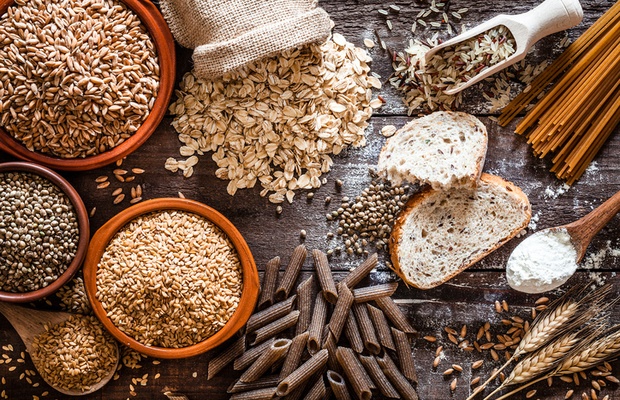
whole grain products

4. Drink (and eat) your water

Get into the habit of drinking enough water asap. If you work in an office, it’s easy to drink enough water, but it might be harder if you work on a construction site or if you teach and can’t go to the bathroom as regularly. In that case, ensure you drink water as soon as you wake up so that you can be adequately hydrated for the day ahead. Also consume fruits and vegetables like cucumbers that contain water and contribute to overall hydration. If you really struggle to break away from fizzy drinks, try enhancing the flavour of your water by adding berries, fruit slices and mint sprigs, or try herbal tea.

man drinking water at office desk

5. Start moving

Exercise is a good way to stimulate your digestive system. This doesn’t mean you need to start an elaborate exercise plan in a gym – a simple walk or swim can be enough to get things going.

happy fit woman

Image credit: iStock 

Share Button

The pain of Tourette’s: ‘I’m always covered in bruises’

Charity Tourettes Action has discovered that patients are facing long delays in diagnosis.

Share Button

Carter Cookson: Baby who needed new heart dies

His parents, who lost their first son in 2013, say Carter Cookson has “gained his angel wings”.

Share Button

Two dead after pigeon dropping infection at hospital

An investigation is under way after patients contracted a fungal infection associated with pigeon droppings.

Share Button

Health24.com | Bribe yourself to diet

For many people struggling with weight, an underlying reason for the excess pounds is the habit of using food to soothe bad feelings and reward good behaviour. To lose weight, turn that habit on its ear.

Incentives can help motivate you in many areas, including your diet, but your incentive can’t be food. Small, non-food treats or dollars for your piggy bank can sway you to choose less food at meals. It can help with kids, too, and avoid instilling the food-as-reward habit in them.

Incentivise yourself

University of Southern California researchers tested the theory with experiments involving kids and adults. They found that kids were willing to cut portions in half when offered inexpensive headphones. Adults were eager to eat less if given just the chance to win a prize, such as a gift card, frequent flyer miles or a small amount of money. What’s more, eating less did not lead participants to compensate by eating more later in the day.

There are many ways you can incentivise yourself, if not at every meal, certainly at ones when you’re apt to overeat. Try putting a dollar in a “mad money” jar – that’s merely the money you saved by eating less – and then buy yourself a non-food item at the end of every month.

Make a list of the rewards you’d like most and then calculate how many pounds lost and dollars saved it would take to get each one. Reinforce your efforts by making your rewards health- and fitness-related.

Rewards that act as motivation:

  • A streaming music service to amp up workouts
  • A new hairstyle to match your new shape
  • A healthy cooking class
  • A spa day, complete with massage

You can even extend the incentive concept to improve many food-centric lifestyle choices. For instance, go to a movie instead of a fast-food restaurant and put flowers in your supermarket cart instead of cookies or ice cream.

Image credit: iStock

NEXT ON HEALTH24X

Share Button

Health24.com | Want to live longer? Just sit a bit less each day

Take a stand for a longer life.

Researchers say even a few extra minutes off the couch each day can add years to your lifespan.

“If you have a job or lifestyle that involves a lot of sitting, you can lower your risk of early death by moving more often, for as long as you want and as your ability allows – whether that means taking an hour-long high-intensity spin class or choosing lower-intensity activities, like walking,” said study lead author Keith Diaz.

He’s assistant professor of behavioral medicine at Columbia University in New York City.

The new study involved nearly 8 000 American adults, aged 45 and older. Each wore physical activity monitors for at least four days as part of research conducted between 2009 and 2013. The investigators then tracked deaths among the participants until 2017.

The results: People who replaced just 30 minutes of sitting per day with low-intensity physical activity lowered their risk of an early death by 17%, according to the study published online January 14 in the American Journal of Epidemiology.

More intense exercise reaped even bigger rewards, the researchers said. For example, swapping a half-hour per day of sitting for moderate-to-vigorous exercise cut the risk of early death by 35%.

And even just a minute or two of added physical activity was beneficial, the findings showed.

“Physical activity of any intensity provides health benefits,” Diaz said in a university news release.

His team pointed to a recent study that found that one in every four US adults sit for eight-plus hours per day.

Inactivity a killer

Two experts in heart health believe that level of inactivity can be a killer.

“Exercise, at any risk level for cardiovascular disease, is shown to improve not only how long one lives, but also lowers the risk of heart attacks and strokes,” said Dr Satjit Bhusri, a cardiologist at Lenox Hill Hospital in New York City.

And heart specialist Dr Guy Mintz said there are many ways Americans can change their slothful ways. He directs cardiovascular health at Northwell Health’s Sandra Atlas Bass Heart Hospital in Manhasset, New York.

The American Heart Association currently recommends “moderate aerobic activity for 150 minutes per week or vigorous aerobic activity for 75 minutes per week,” Mintz said.

“Some American companies, like Google, are taking note of the importance of exercise and the deleterious consequences of a sedentary existence, including increases in obesity, diabetes and heart disease,” Mintz added. “Employees are encouraged to get up from their desks and exercise – whether that is in the form of stretching, ping pong, walking, jumping jacks, treadmill or stationary bicycle.”

He believes other companies could follow that example.

“Employers with tight work schedules should carve out mandatory time daily for their staff to exercise and make it fun,” Mintz said. “Both the employer and employee benefit. Companies also win with higher productivity, less sick days, lower health costs and improved morale.”

For his part, Diaz said future research will “look at the risk of specific cardiovascular outcomes, such as heart attack, heart failure and cardiovascular-related deaths, associated with physical activity versus sedentary behaviour”,

Share Button

Health24.com | Fibre is not only for adults

You know how important fibre is for overall health, making meals more filling and staying “regular”.

But did you know that children need their fair share of fibre too? And for the same reasons.

The number five

How much is enough? In general, the US Institute of Medicine states that monitoring fibre intake should start early in life, and by their teen years, kids need nearly as much fibre as adults.

Grams of fibre by age:

  • Ages 1–3: 19g
  • Ages 4-8: 25g
  • Ages 9–13: 26g for girls, 31g for boys
  • Ages 14–18: 26g for girls, 38g for boys

The American Academy of Pediatrics says to remember the number five – make sure kids eat at least five servings of fruits and vegetables each day plus other good sources of fibre, like whole grains.

The nutrition facts panel on packaged foods can help you make fibre-rich choices. If a food claims to be a good source of fibre, the fibre grams will be listed under carbohydrates. “Excellent” sources have five or more grams of fibre per serving. “Good” sources have at least three grams.

While whole grains make healthier choices than refined ones, some have more fibre than others. For instance, whole-grain wheat has more than whole-grain brown rice or oats. Also, the amount of fibre in the same grain can vary by brand, so always read those labels. For variety, try new grains like bulgur, buckwheat, cornmeal and wild rice.

Simple changes can add up to a big improvement.

An early start

When serving veggies and fruit, don’t remove edible peels – they contain fibre, plus there’s less prepping for you. When you do cook produce, avoid overcooking, which destroys fibre. Dried fruits, pumpkin and sunflower seeds, and freshly made popcorn all make great high-fibre snacks.

Try to replace some protein and starchy veggies, like potatoes, with legumes – beans, peas and lentils. They’re high in fibre, vitamins and minerals, and deliver plant-based proteins without the saturated fat of meat.

Keep in mind that the earlier in their lives that you start kids on a fibre-rich diet, the easier it will be for them to carry this healthy habit into adulthood.

Image credit: iStock

Share Button

Mental Health: Tougher checks before Superdrug Botox

High Street store to check mental health of customers before giving Botox or fillers.

Share Button

Differences in GP access across England ‘shocking’

A BBC analysis suggests there is a shocking variation in access to GPs across England, doctors’ leaders say.

Share Button

Health24.com | Cancer diagnosis may quadruple suicide risk

The risk of suicide is more than four times higher among Americans with cancer than those without the disease, a new study finds.

“Even though cancer is one of the leading causes of death in the United States, most cancer patients do not die from cancer, the patients usually die of another cause,” said researcher Nicholas Zaorsky, a radiation oncologist in the Penn State Cancer Institute.

Invasive cancer

“There are multiple competing risks for death, and one of them is suicide. Distress and depression can arise from cancer diagnosis, treatment, financial stress and other causes. Ultimately, distress and depression may lead to suicide. Our goal was to quantify the risk of suicide among cancer patients,” Zaorsky said in a Penn State news release.

The suicide risk among cancer patients was highest for white males; people diagnosed at a younger age; and those with lung, head and neck, testicular cancer, and lymphomas. But the study did not prove that a cancer diagnosis actually caused suicide risk to rise.

The findings come from an analysis of data on 8.6 million US cancer patients diagnosed with invasive cancer – which is cancer that’s spread from its original location into surrounding tissue – between 1973 and 2014.

The investigators found that 0.15% of the patients died by suicide, a rate more than four times higher than in the general population.

While the risk of suicide among most cancer patients fell within five years after diagnosis, the risk remained high for those with Hodgkin lymphoma and testicular cancer, the findings showed.

The study, published 14 January in Nature Communications, shows the need for a comprehensive approach to cancer care, according to the researchers.

Helpful findings

While there have been significant advances in treating cancer, less attention has been paid to the mental and emotional impacts of the disease, Zaorsky noted.

“The interesting thing we found was that it does seem to matter at what age a patient is diagnosed, and what type of cancer that person has,” he said.

“Treatments for some cancers – like leukaemia and testicular cancer among adolescents and young adults, for example – can decrease a patient’s fertility, and that seems to be one of the risks for suicide in the long term,” Zaorsky explained.

“In contrast,” he continued, “elderly patients who are diagnosed with lung, prostate, and head and neck cancers, are at an increased risk of suicide for the remainder of their life.”

These findings “could be helpful while developing guidelines and strategies for how and when to screen cancer patients for depression and distress,” Zaorsky said. “For example, aiming suicide-prevention strategies at older patients and those with certain cancers – such as prostate, lung, leukaemias and lymphomas – may be beneficial.”

Image credit: iStock

Share Button