Feeling stressed? Science finds a simple way to take back control

A tight work deadline, a clogged toilet, or a disagreement with a loved one can make an ordinary day feel overwhelming. When several of these small frustrations build up, stress can quickly escalate. But according to new research that includes scientists from Penn State, simply feeling more in control might help make those everyday challenges easier to handle.

The study found that on days when people felt they had greater control over their stressors, they were 62% more likely to take action — such as calling a plumber or addressing a difficult conversation — to solve the problem. This effect became even stronger with age. The results suggest that a person’s sense of control can serve as an important psychological resource that can be strengthened over time to help manage stress and improve health outcomes.

The findings were published in the journal Communications Psychology.

Small Boosts, Big Benefits

“This research shows that even small boosts in how much control people feel they have over everyday hassles make it more likely that those hassles actually get resolved,” said David Almeida, professor of human development and family studies at Penn State and senior author on the paper. “Learning to find and act on these pockets of control in daily life may not only reduce stress but also support long-term health and well-being.”

Previous work led by Almeida has shown that stress responses fluctuate over time and that even minor daily inconveniences can affect health when they accumulate. Actively resolving stressors — such as clearing up an argument — is a key part of processing stress and allows emotions to settle more quickly.

Measuring How Control Affects Stress

In this new study, the researchers wanted to know whether a sense of personal control — how much people feel they can influence their daily challenges — affects whether a stressor gets resolved. For instance, does believing you can fix a billing mistake make you more likely to call the company? The team also examined what influences that sense of control, including the type of stress, how often stressors occur, and socioeconomic conditions.

“If perceived stressor control promotes stress resolution, can we leverage that as a modifiable resource to influence stressor resolution and therefore our emotional health and well-being?” asked lead author Dakota Witzel, who was a postdoctoral scholar at the Center for Healthy Aging at Penn State during the time of the research and is now an assistant professor at South Dakota State University.

Tracking Daily Stress Over a Decade

The researchers analyzed data from more than 1,700 adults who took part in the National Study of Daily Experiences, part of the long-running Midlife in the United States Survey (MIDUS), a national study on health and well-being. For eight consecutive days, participants reported any daily stressors they experienced within the previous 24 hours and whether each stressor was resolved by the end of the day. Common sources of stress included interpersonal tensions (arguments or avoided arguments), home or work overload, and “network stress” — problems affecting friends or family that still caused distress for the participant.

Participants also rated how much control they felt over each stressor on a four-point scale (none, a little, some, or a lot of control). The same survey was repeated with these participants 10 years later to see whether the connection between perceived control and stress resolution changed with time.

Control Levels Fluctuate From Day to Day

Results showed that people’s sense of control can shift greatly from one day to the next. In other words, feeling in control is not a fixed personal trait — it’s a daily perception that varies depending on circumstances.

Across all ages, on days when people felt more in control than usual — for instance, feeling “some” control instead of “a little” — they were significantly more likely to resolve the stressor. This pattern held true regardless of the stressor’s type or intensity.

Interestingly, the connection grew stronger with age. Early in the study, participants who felt a higher-than-usual level of control were 61% more likely to resolve their stressors that day. A decade later, the same boost in perceived control raised that likelihood to 65%.

“This work also begins to show that as we get older, not only do we have more control but that control helps us get better at handling stress,” Witzel said.

Building a Sense of Control

The findings suggest that perceived control can serve as a key tool for reducing daily stress.

“It’s encouraging news that daily control isn’t fixed. It can be strengthened through practical strategies such as setting priorities or reframing what’s within reach,” Almeida said. “We need to figure out how we can create the context and setting to allow people to feel more control.”

Practical ways to build control include focusing on what’s within reach, breaking large challenges into smaller steps, and using time blocking or lists to track progress. These small wins can create momentum and reduce stress. Asking for help or delegating tasks can also boost the sense of support and control. Ending each day with a short reflection may help people prepare mentally for the next day.

What’s Next for the Research

The team plans to keep studying how perceived control interacts with long-term or chronic stress.

“In this study, we’re talking about daily stressors, the minor inconveniences that occur throughout the day, but there’s also chronic stress where people are continually impacted by stressors again and again,” Witzel said. “Exploring the idea of whether resolution can be a mechanism that decreases the effect of chronic stress is an interesting area to explore.”

Eric Cerino, associate professor at Northern Arizona University, is co-lead author of the paper. Other authors on the paper include Robert Stawski, professor, Utah State University; Gillian Porter, assistant clinical professor, Raechel Livingston, research coordinator, and Amanda Black from Northern Arizona University; Jonathan Rush, assistant professor, University of Victoria; Jacqueline Mogle, RTI Health Solutions; Susan Charles, professor, University of California, Irvine; and Jennifer Piazza, professor, California State University, Fullerton.

Funding from the National Institute of Aging and the National Institute on Minority Health and Health Disparities supported this work.

Share Button

Scientists create LED light that kills cancer cells without harming healthy ones

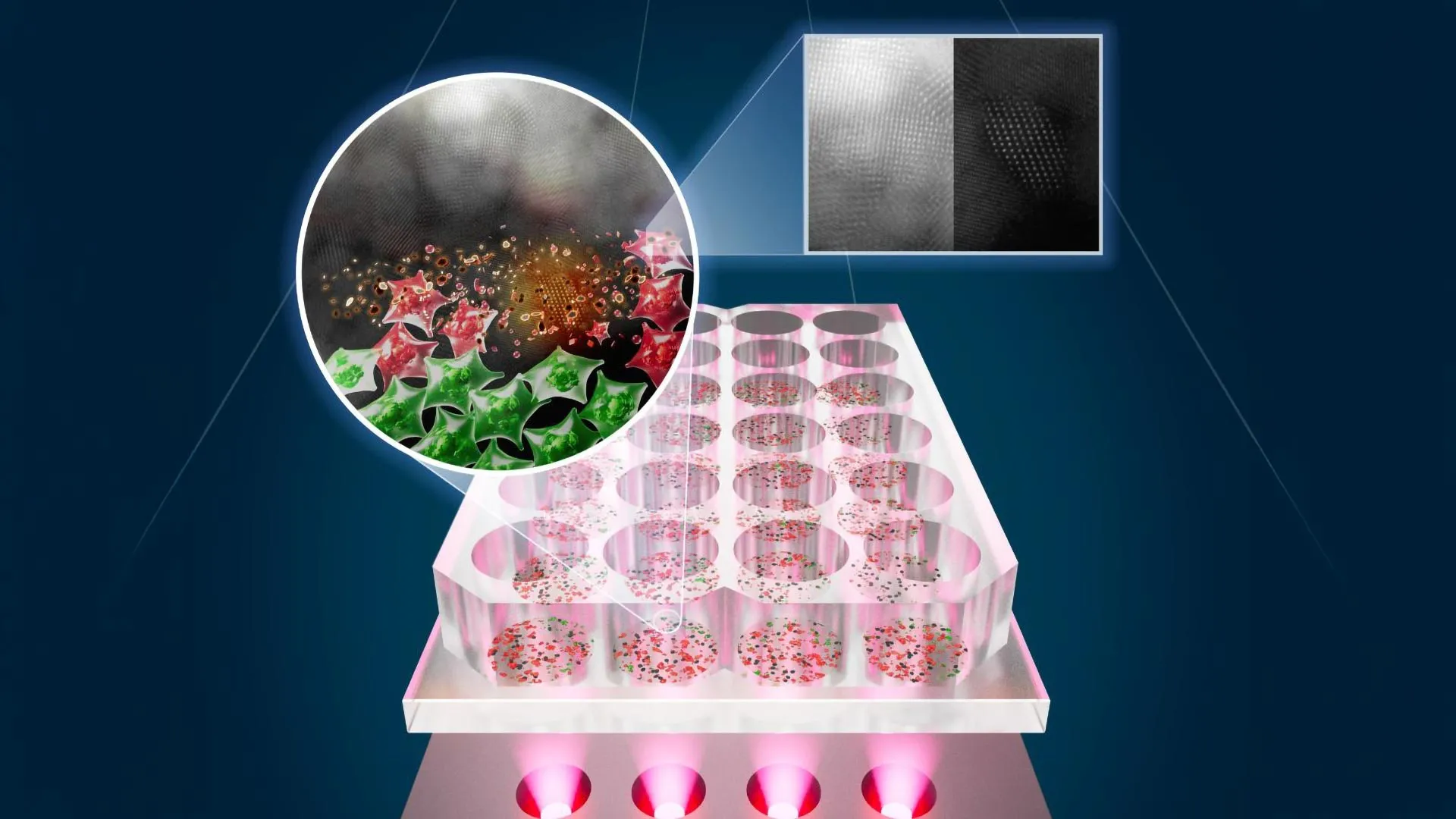
Scientists have developed a promising cancer therapy that uses LED light and ultra-thin flakes of tin to eliminate cancer cells while protecting healthy tissue. Unlike traditional chemotherapy and other invasive treatments, this new method avoids the painful side effects patients often endure.

The breakthrough comes from a partnership between The University of Texas at Austin and the University of Porto in Portugal, made possible through the UT Austin Portugal Program. The collaboration aims to make light-based cancer therapies more accessible and affordable. Current versions of these treatments rely on expensive materials, specialized lab setups, and powerful lasers that can sometimes damage surrounding tissue. By switching to LEDs and introducing tin-based “SnOx nanoflakes” (“Sn” is the chemical symbol for tin), the researchers have created a safer and potentially low-cost alternative.

LED Light and Nanoflakes Team Up Against Cancer

“Our goal was to create a treatment that is not only effective but also safe and accessible,” said Jean Anne Incorvia, a professor in the Cockrell School of Engineering’s Chandra Family Department of Electrical and Computer Engineering and one of the leaders on the project. “With the combination of LED light and SnOx nanoflakes, we’ve developed a method to precisely target cancer cells while leaving healthy cells untouched.”

In a recent study published in ACS Nano, the approach proved highly effective against both colorectal and skin cancer cells. After only 30 minutes of exposure, the LED-driven treatment destroyed up to 92% of skin cancer cells and 50% of colorectal cancer cells, while leaving healthy human skin cells unharmed. The results highlight the therapy’s precision and safety.

A Safer Alternative to Conventional Cancer Treatments

Cancer remains the second-leading cause of death worldwide, and many existing treatments come with severe side effects. Scientists across the globe are exploring new methods to make therapies safer and more targeted. One of the most promising is near-infrared photothermal therapy, which uses light to heat and destroy cancer cells without the need for surgery or toxic drugs. This principle forms the foundation of the UT Austin-Portugal team’s research.

Having shown strong early results, the researchers are now focused on understanding how light and heat interact in the process and on testing other materials that might enhance the treatment. They also plan to design practical medical devices that can deliver the therapy directly to patients.

Bringing Light-Based Cancer Care to Patients

“Our ultimate goal is to make this technology available to patients everywhere, especially places where access to specialized equipment is limited, with fewer side effects and lower cost,” said Artur Pinto, a researcher at the Faculty of Engineering of the University of Porto and lead researcher of the project in Portugal. “For skin cancers in particular, we envision that one day, treatment could move from the hospital to the patient’s home. A portable device could be placed on the skin after surgery to irradiate and destroy any remaining cancer cells, reducing the risk of recurrence.”

Incorvia and Pinto first teamed up through the UT Austin Portugal Program in 2021. Since then, they have exchanged visits between Texas and Portugal and combined their expertise to explore how two-dimensional materials can be used to advance cancer therapies.

Expanding the Research Frontier

Building on their success, the team recently received additional funding through the UT Austin Portugal Program to create an implant for breast cancer patients using the same LED and nanoflake technology. Their continued collaboration could pave the way for more personalized, affordable, and pain-free cancer treatments in the near future.

Other co-authors of the article are: Ph.D. student Hui-Ping Chang (led development of the nanoflakes) and undergraduate student Eva Nance of The University of Texas at Austin; Filipa A.L.S. Silva (performed biological characterization), Susana G. Santos (supervised the work) and professor Fernão Magalhães (contributed to securing funding) of Faculty of Engineering of the University of Porto; and José R. Fernandes of the University of Trás-os-Montes and Alto Douro, who developed the LED systems.

The UT Austin Portugal Program is a long-standing science and technology partnership between UT and the Portuguese Foundation of Science and Technology (FCT). Portugal has similar partnerships with two other U.S. universities — the Massachusetts Institute of Technology and Carnegie Mellon University — and its 17-year collaboration with UT was recently renewed for another five years.

Share Button

Life-changing eye implant helps blind patients read again

The results are astounding and a major advance, say surgeons involved in international research using the pioneering technology.

Share Button

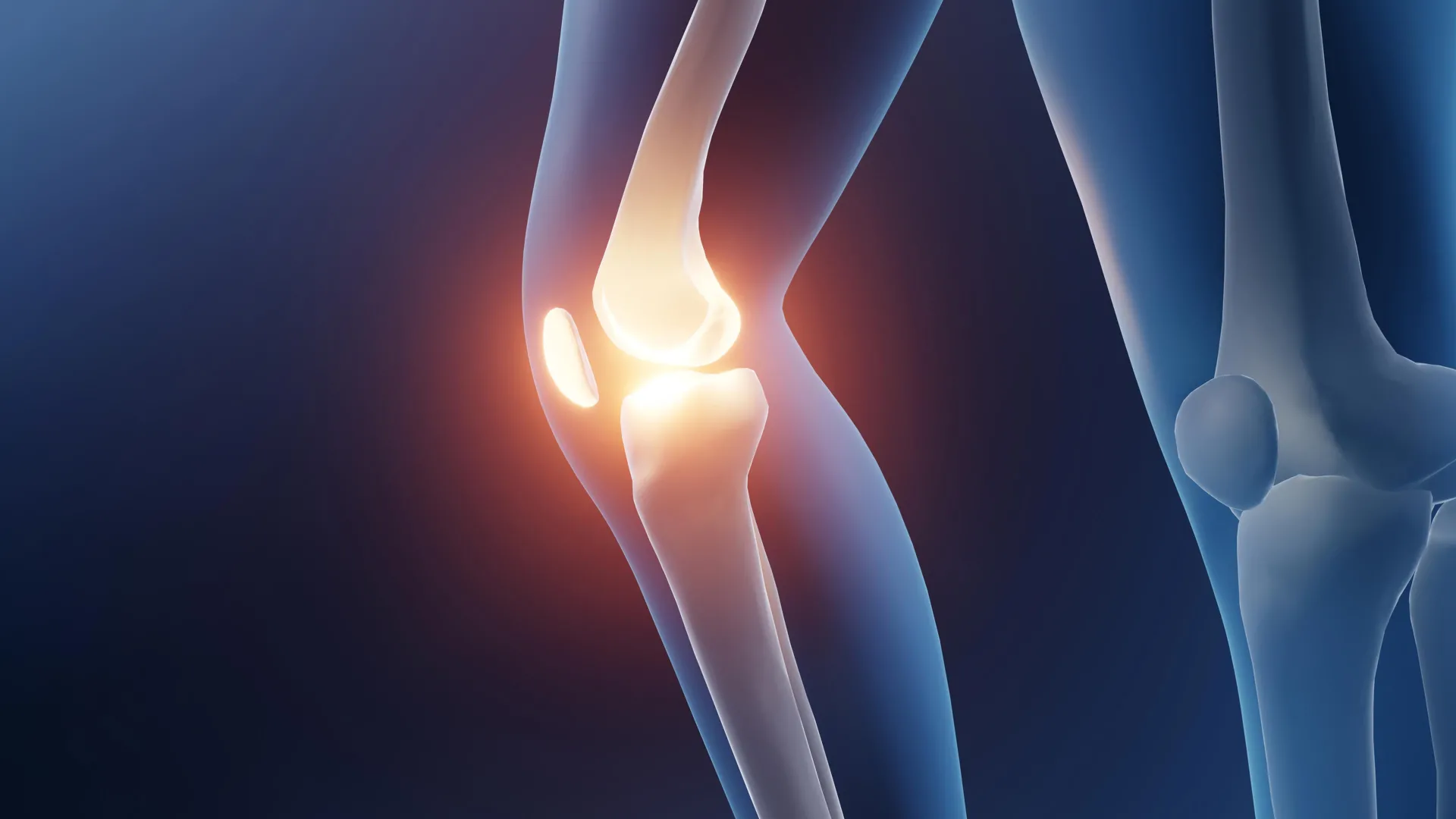
Scientists reveal the best exercise to ease knee arthritis pain

People living with knee osteoarthritis may find the greatest relief from aerobic activities such as walking, cycling, or swimming, according to a new study published in The BMJ. Researchers found that these forms of exercise were the most effective for easing pain, improving movement, and enhancing overall quality of life.

Although other exercise types can provide added benefits, the researchers emphasized that aerobic activity should remain the foundation of treatment. Osteoarthritis develops when the cartilage cushioning the ends of bones wears down, leading to swelling, stiffness, and discomfort. It can affect any joint, but the knees are most commonly impacted. About 30% of adults over age 45 show signs of knee osteoarthritis on x-rays, and roughly half of them experience significant pain and mobility problems.

Filling the Evidence Gap in Exercise Guidance

Exercise is a cornerstone of osteoarthritis care, yet many medical guidelines lack clear direction on which kinds are most beneficial for knee osteoarthritis specifically. To clarify this, researchers analyzed the effectiveness and safety of several exercise approaches.

Their comprehensive analysis drew on 217 randomized clinical trials conducted between 1990 and 2024. In total, the research included 15,684 participants and compared multiple exercise categories — including aerobic, flexibility, strengthening, mind-body, neuromotor, and mixed programs — against control groups.

Evaluating Pain Relief, Function, and Mobility

The trials varied in quality, but the team assessed the strength of the evidence using the internationally recognized GRADE system. They examined several key outcomes: pain reduction, physical function, gait performance, and quality of life. Each was measured at short term (four weeks), mid-term (12 weeks), and long term (24 weeks) follow-ups.

Across these studies, aerobic exercise consistently ranked highest in improving outcomes among all exercise types tested.

Aerobic Activity Delivers the Broadest Benefits

Moderate-certainty evidence showed that, compared with control groups, aerobic exercise effectively reduced short- and mid-term pain and improved function in both the short and long term. It also enhanced gait performance and quality of life over short and mid-term periods.

Other exercise forms showed value too. Mind-body workouts likely provided a notable improvement in short-term function, neuromotor exercises likely boosted short-term gait performance, and strengthening or mixed routines improved function in the mid-term.

Safe and Effective for Long-Term Use

Importantly, none of the exercise types resulted in more adverse events than the control groups, indicating that these therapies are generally safe.

The authors did acknowledge some study limitations. Many results came from indirect comparisons, certain outcomes lacked long-term data, and smaller studies may have influenced some early findings.

Clear Takeaway for Patients and CliniciansDespite these limitations, the researchers describe their work as one of the most complete and current evaluations of exercise for managing knee osteoarthritis. They believe the findings will help clinicians make more targeted recommendations.

Based on the evidence, the team advises aerobic exercise “as a first line intervention for knee osteoarthritis management, particularly when the aim is to improve functional capacity and reduce pain” and say if aerobic exercise is not possible owing to individual limitations, “alternative forms of structured physical activity may still be beneficial.”

Share Button

Inquiry announced into Leeds NHS maternity failings

More than 70 families have described traumatic care at Leeds Teaching Hospitals maternity units.

Share Button

Your DNA may shape how you use cannabis

Researchers at the University of California San Diego School of Medicine, working with the genetic testing company 23andMe, have pinpointed regions of the human genome linked to cannabis use. Their discoveries reveal new genetic connections to psychiatric, cognitive, and physical health, offering insights that could eventually guide prevention and treatment strategies for cannabis use disorder. The findings were published on October 13, 2025, in Molecular Psychiatry.

“Cannabis is widely used, but its long-term effects on health remain poorly characterized,” said Sandra Sanchez-Roige, Ph.D., associate professor of psychiatry at UC San Diego School of Medicine and senior author of the study. The researchers were also interested in the relationship between genetics and traits that contribute to the development of cannabis use disorder, which can interfere with a person’s daily life.

“While most people who try cannabis do not go on to develop cannabis use disorder, some studies estimate that nearly 30% will,” said Sanchez-Roige. “Understanding the genetics of early-stage behaviors may help clarify who is at greater risk, opening the door to prevention and intervention strategies.”

To explore these connections, the researchers performed a genome-wide association study (GWAS) using genetic data from 131,895 23andMe research participants. Participants completed surveys about whether they had ever used cannabis, and those who had were asked about their frequency of use.

“We’ve known for decades that genetic factors influence whether or not people will try drugs, how frequently they use those drugs, and the risk that they will become addicted to them,” said Abraham A. Palmer, Ph.D., professor and vice chair for basic research in the department of psychiatry at UC San Diego School of Medicine and co-author of the study. “Genetic tools like GWAS help us identify the molecular systems that connect cannabis use to brain function and behavior.”

The study identified two genes significantly associated with lifetime cannabis use. The first, Cell Adhesion Molecule 2 (CADM2), plays a role in how nerve cells form connections and communicate in the brain. Earlier research has tied CADM2 to traits such as impulsivity, obesity, and cancer metastasis. This same gene was also linked to how often people use cannabis.

The second gene, Metabotropic Glutamate Receptor 3 (GRM3), influences how neurons communicate and how the brain adapts over time. GRM3 has previously been connected to psychiatric disorders including schizophrenia and bipolar disorder.

“We showed that the genetics of cannabis use — both trying it and using it more often — are tied to the genetics of other psychiatric traits, cognitive measures, and even physical health problems,” said Sanchez-Roige.

A secondary analysis revealed an additional 40 genes associated with lifetime cannabis use and four genes associated with frequency of cannabis use. Twenty-nine of these genes had not previously been associated with cannabis-related traits.

The researchers then analyzed which health conditions were correlated with a genetic predisposition for cannabis use. They analyzed thousands of traits in two large independent datasets from the National Institutes of Health’s (NIH) All of Us Research Program and Vanderbilt University Medical Center’s biobank.

Across the genome, lifetime cannabis use and frequency of cannabis use were genetically correlated with more than 100 different traits including psychiatric conditions (e.g., schizophrenia, ADHD, anxiety and depression), cognitive traits (e.g., executive function and risk-taking) and physical health (e.g., diabetes, chronic pain and coronary artery disease). They were also associated with an increased risk for tobacco use, infectious diseases including HIV and viral hepatitis, and autoimmune diseases.

The study is one of the first genome-wide association studies to examine behaviors that precede cannabis use disorder.

“Cannabis use exists on a continuum,” said first author Hayley Thorpe, Ph.D., a visiting scholar in Sanchez-Roige’s lab and postdoctoral researcher at Western University. “By studying these intermediate traits, we can begin to map how genetic risk unfolds before cannabis use disorder develops.”

There are currently no FDA-approved drug therapies to treat cannabis use disorder. The authors hope that the biological discoveries generated by GWAS will support future efforts to identify therapeutic targets and preventative interventions against the disorder.

Additional co-authors on the study include: John J. Meredith, Mariela V. Jennings, Renata B. Cupertino, Shreya Pakala, UC San Diego; Pierre Fontanillas, Sarah L. Elson and the 23andMe Research Team at 23andMe, Inc.; Jibran Y. Khokhar, Western University; Emma C. Johnson, Washington University in St. Louis; and Lea K. Davis, Vanderbilt University Medical Center.

The study was funded, in part, by the National Institutes of Institute on Drug Abuse (grants R01 DA050721, P50DA037844 and P30DA060810) at the NIH, and the Tobacco-Related Disease Research Program (grant T32IR5226).

The 23andMe Research participants provided informed consent and volunteered to participate in the research online, under a protocol approved by the Association for Accreditation of Human Research Protection Programs, Inc. (AAHRPP)-accredited Salus IRB.

Share Button

This new iron supplement heals anemia without hurting your gut

Iron-deficiency anemia is a widespread health problem that often leads to fatigue, headaches, or even cravings for ice. Traditional oral iron supplements can help, but they often leave behind unabsorbed iron that irritates the digestive tract and triggers inflammation. Researchers reporting in ACS Applied Materials & Interfaces have developed a new type of supplement that blends iron with prebiotics and probiotics. In animal studies, this innovative formula successfully restored healthy blood iron levels in anemic mice while preventing inflammation and keeping the gut microbiome balanced.

“By advancing biomaterial-based iron delivery, this research offers a transformative approach to address anemia, directly contributing to improved nutrition and long-term public health,” explains Poonam Sagar, an author of the study.

Anemia develops when the body lacks enough red blood cells to transport oxygen efficiently. It can result from infections, inherited conditions, or, most commonly, a shortage of dietary iron. Doctors typically prescribe oral iron tablets to treat the condition. However, the body absorbs only a small fraction of the iron they contain. The remaining iron can upset the balance of gut bacteria and cause inflammation, which is why probiotics are sometimes prescribed alongside iron to protect digestive health.

In earlier research, scientists had already tried combining iron with probiotics. Sagar, Nitin Kumar Singhal, and their team expanded on this concept by adding prebiotics (nutrients that feed beneficial bacteria) to create a three-part supplement designed to be more effective and gentler on the gut.

The new formulation combines dietary fiber extracted from millet (a grain), the probiotic Lactobacillus rhamnosus, and an iron-containing complex. The researchers first tested the supplement’s compatibility with human cells, then evaluated its effects in mice with iron-deficiency anemia. After two weeks, the treated mice showed:

  • Restored hemoglobin levels (the main iron-rich molecule in red blood cells).
  • Iron excretion levels similar to healthy control mice, showing improved absorption.
  • Increased activity of genes involved in iron transport and metabolism.
  • Very low signs of inflammation in the colon.
  • A recovery of beneficial gut bacteria populations that had been depleted by anemia.

While more research is needed, the team believes this approach could lead to a new generation of iron supplements that restore iron safely, improve gut health, and reduce unwanted side effects.

The study received support from the Ministry of Science and Technology of India and the National Agri-Food Biotechnology Institute.

Share Button

Why medical students are choosing Bulgaria over UK

The BBC has spoken to students choosing Bulgaria due to UK’s strict cap on medical school places.

Share Button

Breakthrough cancer therapy stops tumor growth without harming healthy cells

Scientists at the Francis Crick Institute and Vividion Therapeutics have discovered chemical compounds that can precisely prevent the cancer-driving gene RAS from connecting with a key pathway responsible for tumor growth.

The potential treatment is now moving into its first human clinical trial. If proven safe and effective, it could become a way to treat a wide range of cancers while minimizing harm to healthy cells.

The RAS gene plays a central role in controlling how cells grow and divide, but mutations in this gene occur in roughly one in five cancers. When mutated, RAS becomes permanently active, continually sending signals that push cells to keep growing and multiplying.

Inside the cell, RAS sits on the membrane and acts as the starting signal in a chain of growth processes. Completely shutting down RAS or the enzymes it controls has proven difficult, because these same pathways are essential for normal cell function. One of the enzymes linked to RAS, called PI3K, also helps regulate blood sugar through insulin. Blocking PI3K entirely can lead to side effects such as hyperglycemia.

In their study, published on October 9 in Science, the team combined chemical screening with biological testing to identify compounds that stop RAS and PI3K from interacting, while leaving normal cell activity intact.

Researchers at Vividion Therapeutics pinpointed a set of small molecules that permanently attach to the surface of PI3K near the spot where RAS would normally bind. Using an assay created by the Crick researchers, they confirmed that these compounds successfully blocked the RAS-PI3K interaction but still allowed PI3K to perform its other roles, including those related to insulin signaling.

The Crick team and their collaborators at Vividion then tested one of the compounds in mice with RAS-mutated lung tumors. The treatment stopped tumor growth, and the researchers found no signs of elevated blood sugar levels.

Next, they tried combining the new compound with one or two additional drugs that target enzymes within the same pathway. Together, the treatments produced stronger and longer-lasting tumor suppression than any of the drugs used alone.

The scientists also tested the compound in mice with tumors carrying mutations in another cancer-linked gene, HER2, which is often overactive in breast cancer and also connects with PI3K. Tumor growth was again halted, even though the effect did not rely on RAS. This finding suggests that the new compound could potentially help stop the growth of a broader range of cancers.

The drug has now entered the first clinical trial in humans to test for safety and side effects in people with both RAS and HER2 mutations. The trial will also assess if the potential treatment is more effective in combination with other drugs targeting RAS.

Julian Downward, Principal Group Leader of the Oncogene Biology Laboratory at the Crick, said: “Given the RAS gene is mutated across a wide range of cancers, we’ve been exploring how to stop it interacting with cell growth pathways for many years, but side effects have held back the development of treatments.

“Our collaborative effort has overcome this challenge by targeting the PI3K and RAS interaction specifically, leaving PI3K free to bind with its other targets. It’s exciting to see these clinical trials starting, highlighting the power of understanding chemistry and fundamental biology to get to something with potential to help people with cancer.”

“This discovery is a great example of how new discovery approaches can open up completely novel ways to tackle cancer,” said Matt Patricelli, Ph.D., Chief Scientific Officer of Vividion. “By designing molecules that stop RAS and PI3K from connecting, while still allowing healthy cell processes to continue, we’ve found a way to selectively block a key cancer growth signal. It’s incredibly rewarding to see this science now progressing in the clinic, where it has the potential to make a real difference for patients.”

Share Button

Even “diet” soda may be quietly damaging your liver, scientists warn

A large-scale investigation has found that people who regularly consume both sugar-sweetened beverages (SSBs) and low- or no-sugar-sweetened beverages (LNSSBs) face a significantly greater likelihood of developing metabolic dysfunction-associated steatotic liver disease (MASLD).1

Presented at UEG Week 2025, the research followed 123,788 adults from the UK Biobank who had no signs of liver disease at the start of the study. Participants’ drink habits were recorded through repeated 24-hour dietary questionnaires, allowing researchers to explore how both SSB and LNSSB consumption related to MASLD, liver fat buildup, and deaths linked to liver disease.

Individuals who drank more than 250 grams of either type of beverage per day had notably higher risks: a 60% increased likelihood of developing MASLD for those consuming LNSSBs (HR: 1.599) and a 50% increase for those drinking SSBs (HR: 1.469). During a median follow-up of 10.3 years, 1,178 participants developed MASLD and 108 died from liver-related causes. Although SSBs were not significantly connected to liver-related mortality, LNSSB consumption was. Both kinds of drinks were also associated with higher levels of liver fat.

MASLD, previously known as non-alcoholic fatty liver disease (NAFLD), occurs when excess fat builds up in the liver. Over time, this can trigger inflammation (hepatitis) and lead to symptoms such as abdominal pain, fatigue, and loss of appetite.2 Now the most common chronic liver condition worldwide, MASLD affects more than 30% of people and is rapidly becoming a leading cause of liver-related deaths.3

Lead researcher Lihe Liu explained, “SSBs have long been under scrutiny, while their ‘diet’ alternatives are often seen as the healthier choice. Both, however, are widely consumed and their effects on liver health have not been well understood.”

“Our study shows that LNSSBs were actually linked to a higher risk of MASLD, even at modest intake levels such as a single can per day. These findings challenge the common perception that these drinks are harmless and highlight the need to reconsider their role in diet and liver health, especially as MASLD emerges as a global health concern.”

Liu also discussed the possible biological reasons behind the findings: “The higher sugar content in SSBs can cause rapid spikes in blood glucose and insulin, promote weight gain and increase uric acid levels, all of which contribute to liver fat accumulation. LNSSBs, on the other hand, may affect liver health by altering the gut microbiome, disrupting the feeling of fullness, driving sweet cravings and even stimulating insulin secretion.”

The authors emphasized that these findings support limiting both SSBs and LNSSBs as part of a comprehensive prevention strategy, targeting not only liver disease but also cardio-renal-metabolic health. Replacing either beverage with water significantly reduced MASLD risk — by 12.8% for SSBs and 15.2% for LNSSBs — while substitution between the two types of beverages offered no risk reduction.

Liu added, “The safest approach is to limit both sugar-sweetened and artificially sweetened drinks. Water remains the best choice as it removes the metabolic burden and prevents fat accumulation in the liver, whilst hydrating the body.”

The researchers now aim to explore causal mechanisms more deeply through long-term, randomized and genetic trials with a focus on how sugar and its substitutes interact with the gut microbiome and influence liver disease.

References:

  1. Liu, L et al. Sugar- and low/non-sugar-sweetened beverages and risks of metabolic dysfunction-associated steatotic liver disease and liver-related mortality: A prospective analysis of the UK Biobank. Presented at UEG Week 2025; 7 October 2025; Berlin, Germany.
  2. Girish, V. and John, S. Metabolic Dysfunction-Associated Steatotic Liver Disease (MASLD). (2025). PMID: 31082077
  3. Younossi, Z. M. et al. The global epidemiology of nonalcoholic fatty liver disease (NAFLD) and nonalcoholic steatohepatitis (NASH): a systematic review. (2023). Journals. DOI: 10.1097/HEP.0000000000000004
Share Button