Health24.com | Could an infection make your child prone to mental health issues

Could an infection make your child or teen prone to mental health issues?

New research from Denmark suggests it’s possible.

“The findings linking infections with mental disorders in the developing brain do add more knowledge to this growing field, showing that there exists an intimate connection between the body and the brain,” said lead researcher Dr Ole Kohler-Forsberg, from the psychosis research unit at Aarhus University Hospital.

Inflammation affects young brains

But Dr Kohler-Forsberg cautioned that the study could not prove that infections or their treatments cause mental diseases, only that they seem to be connected.

The risk appeared greater for severe infections that required hospitalisation. But less severe infections treated with drugs were also linked to an increased risk for mental disorders, the researchers found.

Specifically, they found that children who had been hospitalised with an infection had an 84% increased risk of being diagnosed with a mental disorder and a 42% increased risk of being prescribed drugs to treat the disorder.

It seems that infections and the inflammatory reaction that follows can affect the young brain and be part of the process of developing mental disorders, Dr Kohler-Forsberg explained.

“This can, however, also be explained by other causes, such as some people having a genetically higher risk of suffering more infections and mental disorders,” he said.

How infections increase the risk for mental illness isn’t clear, Dr Kohler-Forsberg said.

Bacterial infections conferred highest risk

The frequent infections that everyone experiences do not generally harm the body or the brain, he said. In fact, infections are necessary to develop the immune system.

“But for some individuals, an infection can affect the brain and lead to lasting damage, although this is a rare event,” Dr Kohler-Forsberg said.

For the study, researchers collected data on more than 1 million people born in Denmark between 1995 and 2012. Among these, nearly 4% were hospitalised for a mental disorder and more than 5% were taking drugs to treat their condition.

Dr Kohler-Forsberg’s team found that infections treated with medications, especially antibiotics, were associated with an increased risk for mental illness. The extent of the risk varied by the type of mental disorder. Bacterial infections conferred the highest risk.

The mental conditions that were most commonly linked with having been hospitalised for an infectious disease include schizophrenia, obsessive-compulsive disorder, personality and behaviour disorders, mental retardation, autism, attention deficit hyperactivity disorder, oppositional defiant disorder, conduct disorder and tics, the researchers reported.

“A better understanding of the role of infections and antimicrobial therapy in the development of mental disorders might lead to new methods for the prevention and treatment of these devastating disorders,” Dr Kohler-Forsberg said.

He cautioned again that these are general associations and do not say much about any single infection.

Complex interactions

“Therefore, parents should generally not be worried, Dr Kohler-Forsberg said.” We also showed in a different paper that cognition is not affected by the number of infections in childhood.”

Research over the last few decades has revealed many complex interactions between the mind and the immune system, said Dr Timothy Sullivan, chair of psychiatry and behavioural sciences at Staten Island University Hospital in New York City.

These include correlations between inflammation and symptoms of depression, as well as gut microbes and emotional health. Strong associations between mental illness and some physical conditions – such as heart disease, cancer and arthritis – also exist, he said.

“As yet, although we have identified some of the cellular and physiological mechanisms through which these interactions may occur, we have not fully elucidated the links, and some in the scientific community, as a result, remain unsure that these observations are anything more than coincidence,” Dr Sullivan said.

As insights from the developing knowledge of the human genome and gene functions increase, “understanding the impact of even routine illnesses on the risk for mental illness will be a crucial component of scientific inquiry, and will allow us to one day – hopefully soon – anticipate and treat those risks directly,” he added.

The report was published online in the journal JAMA Psychiatry.

Image credit: iStock

Share Button

Minority take up ‘life-saving’ free health check

It can pick up preventable heart problems – and more people should be getting the routine check.

Share Button

Health24.com | 6 tips on preparing your allergic child for the new school year

Whether it’s a food allergy or a respiratory allergy, it can be daunting for children who suffer from allergies to start a new school year.

The start of a school career is a stressful time for both children and parents. Throw an allergy that could range from uncomfortable to potentially life-threatening into the mix and the burden can become twice as large.

Too little understanding

While parents send their children to school in the hopes that good care will be taken of them, not enough is being done to provide training on allergies to teachers and ground staff. Health24 reported in 2017 that, according to a peer-reviewed study, only 38% of teachers were able to score more than 50% on a basic test regarding asthma. Although this study was only limited to KwaZulu-Natal, it shows that a lack of knowledge on asthma and allergies is definitely a concern.

This doesn’t even begin to touch on food allergies that can cause fatal anaphylaxis. While it’s up to parents to disclose medical conditions, it can be daunting to leave your child in an unknown environment where you don’t know if adequate medical help will be available.

Take action

Know that allergies should not prevent your child from having a happy, healthy school career. You can take the following measures to control the situation:

1. Give full disclosure to teachers and other parents

Make your children’s teachers and parents of classmates aware of your child’s allergies well before the school year starts. You will have the peace of mind that the teachers and other parents are aware that your child may have adverse reactions to certain foods and triggers.

children in classroom

2. Talk to your doctor

There are a number of questions you can ask your doctor to help you prepare your child for the school year. Your doctor should assess your child’s treatment plan to consider if it is still up to date, and can provide an official letter to teachers, stating that your child needs to carry epinephrine injectors (EpiPens), inhalers or other appropriate medication.

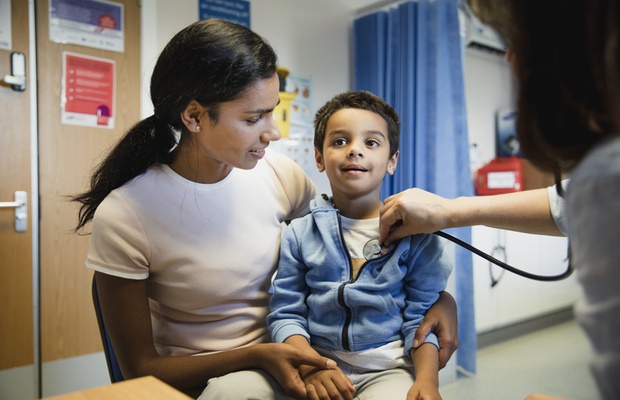
mother and child at doctor

3. Don’t hesitate to ask questions

There are some things you can ask the school to help you and your child prepare. Ask if there will be adult supervision on playgrounds and in canteens at all times; what the school’s policy is regarding the carrying of EpiPens and medications; where these will be stored; and if the school has proper first-aid measures in place.

Parent talking to teacher

4. Equip your child

Teach your child to wash his or her hands, not to accept food from other children if they don’t know what it contains, how to recognise symptoms as soon as they have a flare-up and how to administer their EpiPens or other treatment in case of an emergency. Teach them to not hesitate to talk to a teacher if they feel they are being bullied by other children.

child with epi-pen in lunchbox

5. Identify triggers

Know whether there will be any triggers, such as classroom pets, certain plants or other allergens in the school environment as this can help you and your doctor provide the proper medication ahead of time. If meals are served at school, ask the cafeteria or tuck shop managers what is on the menu and if any foods could possibly be contaminated with allergens such as nuts.  

Mother walking her daughter to school

6. Build healthy relationships

While sophisticated allergy plans may be lacking in some schools, you can bridge the gap by building good relationships with your child’s teachers, classmates’ parents and staff to ensure that you can communicate with them freely and that they will support you.

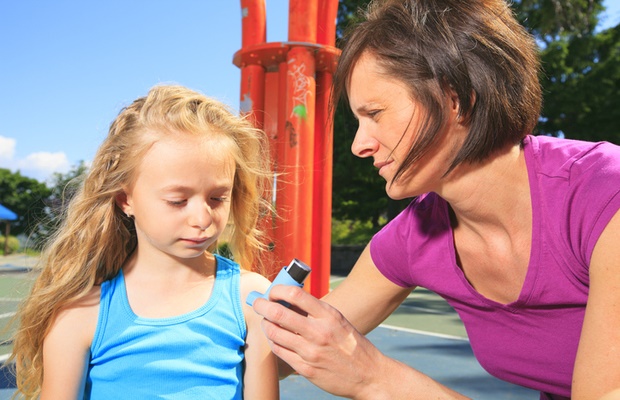
Mother teaching child how to use inhaler

Image credit: iStock

Share Button

Child health record ‘red book’ to go online

The measure is part of government plans in England to improve care from pregnancy to post-birth.

Share Button

Health24.com | Skin ‘glow’ test might someday spot disease risk early

A test that measures wavelengths of light coming off skin cells might detect type 2 diabetes, heart disease and even your risk of dying, new research shows.

It’s possible that – someday – a quick “autofluorescence” light test to the skin might be used by consumers in “supermarkets, pharmacies or drugstores as a first estimate of [health] risk”, according to a Dutch research team.

Natural byproducts of illness

The new device is called an AGE Reader, with AGE standing for chemicals found on skin cells called “advanced glycation end-products”.

AGEs are natural byproducts of illness that can – using the AGE Reader – glow or “fluoresce” on the skin, explained the researchers led by Bruce Wolffenbuttel of the University of Groningen.

Their new study tested the device on the skin of nearly 73 000 people whose health was then tracked up to 10 years, with an average follow-up of four years.

During the follow-up period, more than 1 000 participants went on to develop type 2 diabetes, close to 1 300 developed heart disease and 928 died.

A 1-unit rise in skin autofluorescence using the AGE Reader “was associated with a threefold increase in risk of type 2 diabetes or cardiovascular disease, and a five-times increased risk of death”, the researchers reported in November in the journal Diabetologia.

Supported by new findings

What’s more, the device’s power at predicting death or disease remained steady even when telltale risk factors – such as obesity, high blood pressure, high cholesterol or poor blood sugar control – were absent, the study found.

Even after adjusting for those risk factors, a 1-unit rise in the AGE Reader autofluorescence score was tied to a 26% rise in risk for type 2 diabetes; a 33% rise in heart disease risk; and a near-doubling of the odds for death during the follow-up period.

The bottom line is that the new findings support skin autofluorescence “as a first screening method to predict type 2 diabetes, cardiovascular disease and mortality”, the researchers said in a journal news release.

One US diabetes specialist was intrigued by the research.

Dr Gerald Bernstein directs the Friedman Diabetes Program at Lenox Hill Hospital in New York City. He wasn’t involved in the new study, but is familiar with “AGE” chemicals as natural indicators of health.

“What’s a good example of an AGE that everyone can recognise? On Thanksgiving we put a turkey in the oven with the goal of having a beautiful bird with beautiful browned skin. That browning occurs because of the AGEs in the turkey skin,” Dr Bernstein noted.

Not to be used in nonclinical settings

He explained that in live humans, these proteins “stick to each other and form a web, and this web is an AGE. The formation of AGEs contribute to the complications of diabetes.”

Because AGEs can gradually increase over time, doctors might someday “easily screen whole populations by the fluorescent technique to identify who has AGEs and is therefore at risk”, Dr Bernstein said.

A heart specialist agreed. Dr Guy Mintz called the study “impressive”, and said devices like the AGE Reader “could be a game-changer in cardiovascular and diabetic risk assessment”. He directs cardiovascular health at North Shore University Hospital in Manhasset, New York.

Dr Mintz said studies where the AGE Reader was used on a patient’s skin before and after medical treatments would be interesting “to see if the pattern of skin autofluorescence changes with medical and lifestyle interventions”.

However, Dr Mintz did have one reservation: “I do not agree with the author’s [notion] that this technology can be used in nonclinical settings, such as pharmacies, to assess patients’ risk.” He said non-physicians could easily misinterpret test results and that might harm, not help, patients.

Image credit: iStock

Share Button

Health24.com | How your mother’s love life may affect your own

Like mother, like child? Your mother’s romantic history may influence how many partners you have, a new study claims.

“Our results suggest that mothers may have certain characteristics that make them more or less desirable on the marriage market, and better or worse at relationships,” said study lead author Claire Kamp Dush, an associate professor of human sciences and sociology at Ohio State University.

Following the same path

“Children inherit and learn those skills and behaviours, and may take them into their own relationships,” she said in a university news release.

Kamp Dush’s team analysed data from nationwide surveys of more than 7 100 Americans who were followed for at least 24 years.

They found that people whose mothers who had more marriages or lived with more romantic partners were likely to follow the same path.

The study also revealed that people who were exposed to mothers’ cohabitation for longer stretches had more romantic partners than did siblings who were exposed to less cohabitation.

“You may see cohabitation as an attractive, lower-commitment type of relationship if you’ve seen your mother in such a relationship for a longer time,” said Kamp Dush.

“That may lead to more partners since cohabitating relationships are more likely to break-up,” she added.

The findings suggest that mothers pass on personality traits and relationship skills that affect their children’s chances of forming stable relationships, the study authors said.

The study was published in the journal PLoS One.

Image credit: iStock

NEXT ON HEALTH24X

Share Button

Health24.com | 10 health benefits of ginger that are seriously impressive

While the ancient root has long been touted a sick-day panacea in traditional Chinese and Ayurvedic medicine, the overall health benefits of ginger are wide-ranging, according to Karen Ansel, registered dietician and author of Healing Superfoods for Anti-Aging: Stay Younger Live Longer.

Not to mention it’s crazy-versatile – you can throw it in your smoothie, grate some on a stir-fry, add it to soup or sip ginger tea.

Now that your pantry is stocked with the stuff (go ahead – I’ll wait), get a load of these health and beauty benefits of ginger:

1. It can reduce pain

Ansel says ginger contains substances known as gingerols that quash inflammation and turn off pain-causing compounds in the body. But if you’re dealing with any kind of chronic pain, talk to your doctor about a long-term treatment plan, since it might be something a plant can’t fix.

Read more: Here’s how to use ginger to cut your body fat

2. It can heal irritated skin

If strong winds do a number on your skin, start healing from the inside out with ginger. According to Ansel, ginger’s anti-inflammatory properties help soothe red, irritated skin.

3. It may help protect against cancer

While no single ingredient has the power to ward off serious disease, ginger does pack a pretty mean punch. Ginger is loaded with antioxidants that help protect the body from cancer, says Ansel.

4. It can help you look younger

You probably see the buzzword “antioxidant” splayed across your favourite expensive face creams – but that’s actually for good reason. There’s promising (yet preliminary!) research suggesting antioxidants help protect the skin from free-radicals (things in the environment like pollution and UV rays), which speed up the breakdown of collagen and damage the skin. According to Ansel, ginger’s antioxidant content can help maintain your skin’s collagen production, which promotes skin elasticity and smoothness.

5. It can help you digest quicker after a meal

Food babies are pretty uncomfortable, but thanks to ginger, they don’t have to last forever. A cup of ginger tea could help your stomach empty faster, so food doesn’t just sit there after an indulgent meal, according to Christy Brissette, registered dietician and president of 80 Twenty Nutrition. What’s more is that it’ll help calm your stomach and stave off bloating and gas.

6. It can reduce nausea

Why yes, you are pretty much nurse Florence Nightingale if you offer your hungover friend a can of ginger ale the morning after a fun night out. In general, ginger is a research-backed remedy for nausea, whether you’re dealing with a hangover, enduring a bumpy road trip, recovering from chemotherapy, or cursing pregnancy’s morning-sickness symptoms.

Read more: “I tried a ginger shot – this is what it did to my body”

7. It can reduce bad cholesterol

Brissette says ginger can help lower LDL cholesterol levels (the bad kind!), reducing your risk of heart disease. A small recent study affirmed these findings, demonstrating that control groups who consumed 3g of ginger (that’s about half a teaspoon) three times a day experienced a significantly higher reduction in triglyceride and cholesterol than the placebo group.

8. It can ward off cardiovascular disease

Ginger’s blood-thinning properties could help prevent the formation of blood clots, reducing your risk of heart and stroke. Brissette warns that if you already take blood-thinning medications, check with your doctor before including more ginger in your diet.

9. It can help boost immunity

Why do people live on ginger lozenges when they’re sick? Those same gingerols that fight inflammation also have antimicrobial and antifungal properties to help fight infections and boost your immunity. Steal Brissette’s speedy-recovery go-to:

  • Hot water
  • Two tablespoons of fresh grated ginger
  • Juice of one lemon
  • Half a tablespoon of honey.

Or, toss a teaspoon into chicken soup for some added cold-fighting benefits.

10. It can ease period cramps

If you find yourself clutching your abdomen in pain every month, you might want to try an ibuprofen alternative, according to Jessica Perez, a registered dietitian. “I firmly believe ginger is one of the best natural forms of medicine,” she says. “It helps with so many inflammatory processes.”

This article was originally published on www.womenshealthmag.com

Image credit: iStock 

NEXT ON HEALTH24X

Share Button

Health24.com | For some women, mammograms may need to begin at 30

Women at increased risk for breast cancer should start receiving mammograms earlier than recommended, even as young as age 30, a new study contends.

Young women who have dense breasts or a family history of breast cancer appear to benefit from regular mammograms as much as women in their 40s do, researchers reported.

The findings support new breast cancer screening recommendations issued by the American College of Radiology this year, said lead researcher Dr Cindy Lee, an assistant professor of radiology at NYU Langone Health in New York City.

“Every woman by age 30 should have a risk assessment with their primary care physician or ob-gyn to see if they are at increased breast cancer risk,” Dr Lee said. “If there is family history, then maybe they should consider a baseline mammogram to determine their breast density.”

Just not enough evidence

Breast cancer screening guidelines now call for women to start regular mammograms later in life.

The US Preventive Services Task Force recommends mammograms every other year for women aged 50 to 74, while the American Cancer Society recommends annual mammograms from 45 to 54 and at least every other year from 55 onward.

But Dr Lee said no one has really examined the benefits of starting breast cancer screening in a woman’s 30s.

“So far, everyone is talking about screening women above the age of 40, but we’re looking at a decade earlier because there’s just not enough evidence out there,” Dr Lee said. “We’re looking to see if younger women with certain risk factors may benefit from earlier onset screening mammography.”

For this study, Dr Lee and her colleagues analysed data from more than 5.7 million screening mammograms performed on more than 2.6 million women between 2008 and 2015. The mammograms took place at 150 facilities in 31 states in the United States.

The researchers looked at women aged 30 to 39 with three specific risk factors – dense breasts, prior diagnosis of breast cancer, or breast cancer in a first-degree relative (mother, sister or daughter).

Preliminary research

The investigators compared the results of mammography in these women against mammograms given to women aged 40 to 49 without those risk factors.

Breast cancer was detected about as often in younger women with these risk factors as in women in their 40s, the researchers found.

They also determined that women in their 30s with breast cancer risk factors have to come back to the doctor for further testing and biopsy about as often as older women undergoing regular screening.

“Women with at least one of these three risk factors likely benefit from screening mammogram beginning at age 30, instead of age 40,” Dr Lee said.

The findings were to be presented Wednesday at the Radiological Society of North America annual meeting, in Chicago. Such research is considered preliminary until published in a peer-reviewed journal.

A breast cancer risk assessment and possible initiation of mammograms at age 30 doesn’t necessarily run counter to current screening guidelines, said Robert Smith, vice president of cancer screening for the American Cancer Society.

Regular surveillance

“The ACS guidelines for women at higher risk already recommend breast cancer screening before age 40 if a woman is a carrier of a known or suspected mutation on a breast cancer susceptibility gene, or if she was exposed to radiation treatment for childhood cancer,” Smith said.

“Likewise, women and their doctors can make individual decisions. So if a woman has a family history in a first-degree relative diagnosed before the age of 50, it is not unreasonable for her to seek advice about whether she should begin screening before age 50,” he said.

The US Preventive Services Task Force recommendation on breast cancer screening also includes some flexibility, saying that the decision to start regular mammography before age 50 “should be an individual one and take patient context into account”.

Smith added that mammograms for women who’ve already had breast cancer shouldn’t really be regarded as screening.

“If a woman has prior history of breast cancer, her regular exams are dictated by that experience,” Smith said. “Any woman diagnosed with breast cancer will undergo regular surveillance breast imaging from that point forward.”

Image credit: iStock

Share Button

Health24.com | Nose holds clues to baby’s first cold

When a baby starts sniffling and sneezing, the type of bacteria in their nose may predict how long the cold will last, a new study finds.

Babies with a wide variety of bacteria in the nose recover faster from their first cold than those with less variety, the researchers said.

Varieties of bacteria

“It’s well known that different types of bacteria live in our gut. The respiratory tract is also home to a wide variety of bacteria,” said study author Roland Neumann, of University Children’s Hospital of Basel, Switzerland.

“We are beginning to understand that the types and numbers of these bacteria, what we refer to as the microbiota, can influence our respiratory health,” he added.

For the study, the researchers took nose swabs from 183 babies as soon as they developed symptoms of their first cold, and again three weeks later. On average, the babies’ cold symptoms lasted about two weeks.

Babies whose symptoms lasted three weeks or longer had less variety of bacteria in their noses. Also, their nose bacteria were more likely to be dominated by the Moraxellaceae or Streptococcaceae families. Some of those bacteria are known to be linked with respiratory disease.

The study was published in the journal ERJ Open Research.

Ideal combination of bacteria

The findings could help improve understanding of the role respiratory tract bacteria plays in infections and long-term conditions such as asthma, according to the researchers.

“We know that babies often suffer with coughs, runny noses, sore throats and ear infections, and in some babies the symptoms seem to drag on for weeks. These are usually caused by a virus such as the common cold, but we wanted to investigate whether the microbiota of the nose might also have a role in how long symptoms last,” Neumann said in a news release from the European Lung Foundation.

“This is important not only in terms of babies feeling unwell but also because respiratory infections in the early years are linked to the development of asthma in later life,” Neumann said.

Study author Urs Frey, chair of paediatrics at the Swiss hospital, said antibiotics and environmental factors – such as season and childcare – can alter the numbers and types of bacteria in babies’ noses.

“We do not yet know what combination of bacteria would be ‘ideal’, and this would need to be known before we understand how we might manipulate it,” Frey said.

Image credit: iStock

NEXT ON HEALTH24X

Share Button

The breakthroughs that could save our lives

From reversing blindness and paralysis to new treatments for cancer and infertility.

Share Button